
Trek Bar Bags
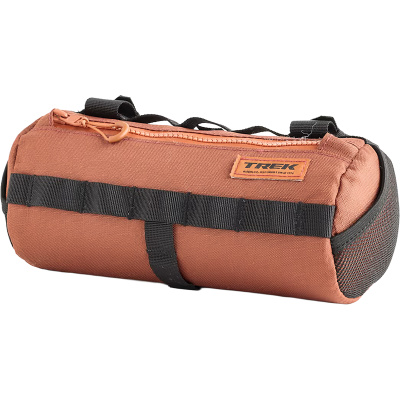
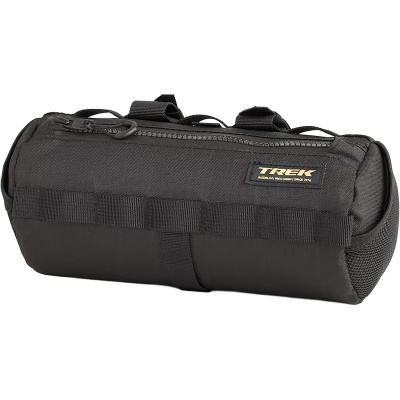
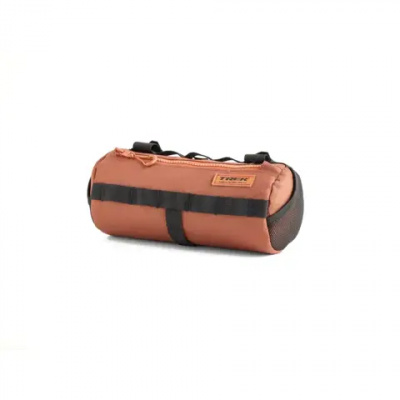
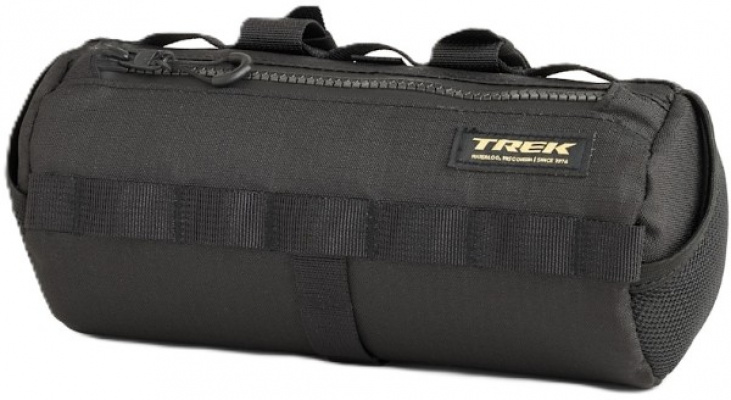
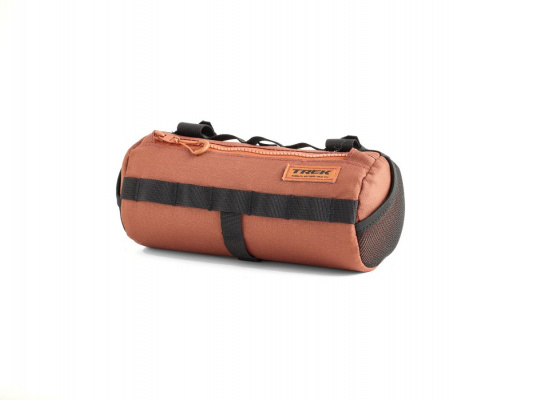
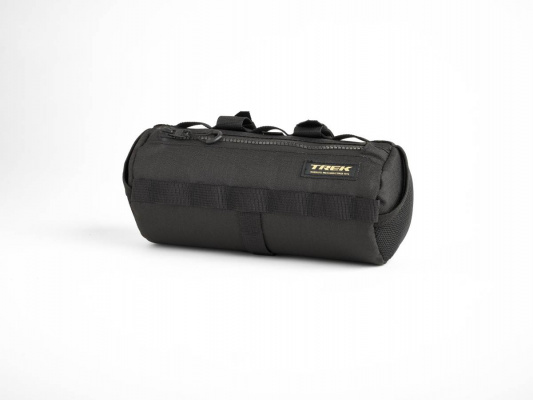
Trek bar bags give you a clean way to add accessible storage without throwing your cockpit into chaos. Whether you're packing for a multi-day Scottish bikepacking route or just trying to get more than your keys and a cereal bar across town, Trek and their in-house brand Bontrager have handlebar bags built around real riding needs. These aren't afterthoughts bolted onto a standard frame - they're designed with adjustable foam spacer blocks that keep your brake and gear cables routing cleanly, and high-vis internal linings so you're not rummaging blind at the side of a wet A-road at dusk.
The range splits broadly into gravel and bikepacking-focused bags - roomier, tougher, with bungee tie-downs for extra kit - and more compact commuter options that prioritise quick-release mounting and structured bodies for daily use. Both lines use Bontrager Adventure water-resistant materials that cope well with the persistent drizzle most UK rides serve up. If you're running a Trek Checkpoint loaded for a long-distance audax or a Domane set up for a soggy winter commute through Bristol, there's a bag in this range that fits. The key is matching capacity, closure type, and mount system to how you actually ride.
Prices and availability can change quickly. Delivery charges are not always included in listed prices.
Final price, stock status and delivery terms are set by retailer. We may receive a commission on purchases made.
Getting the Fit Right Around Your Cables and Cockpit
Handlebar clearance isn't just a nice-to-have - get it wrong and you'll be mid-descent in the Peaks with a gear cable kinked hard against the bag, wondering why your shifting has gone to pieces. Trek and Bontrager bar bags use adjustable foam spacer blocks that sit between the bag body and the bar, pushing the bag forward just enough to let your cables breathe behind it. It's a simple fix but genuinely important, particularly on older Shimano STI levers with external cable routing where there's very little slack to play with.
Before you strap anything on, check your out-front computer mount. A bulky GPS bracket sitting above the stem can conflict directly with the top of the bag, so you may need to rethink its position entirely. Some riders relocate their unit to a different position altogether - if that's you, it's worth browsing Trek computer mounts for stem or bar-end alternatives that free up that central real estate. Also check tyre clearance when the bag is fully loaded: under hard braking or if your fork compresses slightly, a bloated bag sitting too low can catch the front tyre. Most Trek bags sit clear with standard fork geometry, but it's worth a quick spin before you commit to a loaded route.
Does fitting a bar bag affect handling? Honestly, yes - adding weight up front increases steering inertia and the bike will feel a touch slower to change direction. Pack light, bulky items like a puffy jacket or a bivvy bag up here, and keep your heavier tools and spares in a Trek frame bag lower in the triangle where the weight sits better.
How the Bontrager and Trek Range Breaks Down
Trek and Bontrager branding overlap in this category - for practical purposes, treat them as the same range. The product split that actually matters is Adventure versus Commuter.
The Adventure line is where the bikepacking focus lives. Larger capacity litres, waterproof ripstop shell construction, and bungee tie-downs on the exterior for overspill - think wet-weather layers or a helmet when you stop for lunch. These bags are designed for the kind of riding where you won't see a shop for two days and everything needs to stay dry and intact over rough ground. The attachment system is built to handle the vibration of gravel and forest tracks without creeping or loosening mid-ride.
The Commuter line trades raw capacity and toughness for convenience. Structured bodies mean the bag holds its shape when you pull it off the bike, and quick-release mounting lets you unclip and take it with you rather than leaving it on the bars outside a café. Zipped access panels make it easy to grab your wallet or phone without digging. If you're riding into a city every day, this is the more practical tool. If you want to compare with alternatives outside the Trek ecosystem, Apidura bar bags and Ortlieb bar bags are worth a look for different approaches to waterproofing and mounting.
Surviving UK Conditions: What Actually Matters
British riding puts gear through it. Not just the headline days of horizontal rain in the Brecon Beacons, but the slow grind of persistent damp, road grit, and the kind of fine mud that gets into everything. That's where closure type becomes a real decision. Roll-top closures are significantly more durable in winter than zip closures - road grit works its way into zipper teeth and destroys them over a season of regular riding. The Bontrager Adventure water-resistant materials handle showers reliably, but for genuine downpours or if you're crossing boggy ground in Scotland, pack sensitive electronics inside an internal drybag as extra insurance. Water-resistant is not the same as waterproof, and a fully saturated bag will eventually let moisture through.
One thing that catches riders out: trapped grit under the head tube strap and bar straps acts like wet sandpaper on carbon bars or painted aluminium. It's slow damage but it adds up. Before you mount any bar bag, apply a strip of clear Trek frame protection tape to the contact points on the bars and head tube. It costs almost nothing and saves you from scratches or, worse, abrading through a carbon handlebar's finish. Wipe the straps down after muddy rides too - grit that dries under a strap is still doing its work every time the bag flexes.
Zip maintenance is worth a mention even on bags that have them. A wipe with a dry cloth after wet rides and the occasional application of a dedicated zip lubricant will double the lifespan of the closures. Ignore them and you'll be fighting a stiff, gritty zip by February.
Rounding Out Your Carrying Setup
A bar bag handles the accessible, grab-quickly stuff - snacks, a rain jacket, your phone - but it's only one piece of the weight distribution puzzle. Spread the load properly and the bike handles better, especially over longer distances where fatigue in your wrists and shoulders becomes a real factor.
For a balanced bikepacking build, pair your bar bag with a Trek saddle bag at the back for sleeping kit and clothing, and a frame bag in the main triangle for the dense, heavy items like tools, food, and a water bladder. If you're touring with more luggage than bikepacking bags can swallow, Trek pannier bags on a rear rack give you serious capacity without the weight-on-bars compromise. Getting all three working together keeps the bike stable and predictable - something you'll appreciate on a loaded descend down a Welsh valley at the end of day two.
Trek Bar Bags FAQs
Do handlebar bags affect bike handling and steering?
They do. Weight at the front raises steering inertia and the bike will feel slightly heavier to turn. Keep it manageable by packing light, bulky items - a jacket, bivvy, or soft layers - in the bar bag, and move dense items like tools and spares down into a frame bag where the weight sits lower and more centrally.
How do I fit a Trek bar bag around my brake and gear cables?
Trek and Bontrager bags use adjustable foam spacer blocks that push the bag body forward from the bars, creating a clear channel for your cables to run behind without kinking. It's particularly useful on bikes with externally routed cables - get the spacers set before you tighten the straps fully and check cable movement at both ends of the bar sweep.
Are Trek and Bontrager bar bags completely waterproof?
The Adventure line uses highly water-resistant materials and performs well in typical UK showers. Completely waterproof? Not quite - sustained heavy rain or a river crossing will test the limits. For anything sensitive like a phone or battery pack, drop it inside an internal drybag. Roll-top closures also offer better wet-weather protection than zip-closure models.