
Trek Saddles
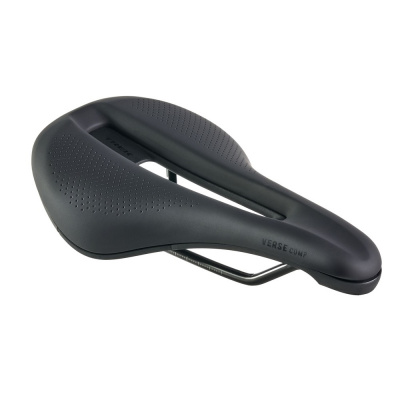
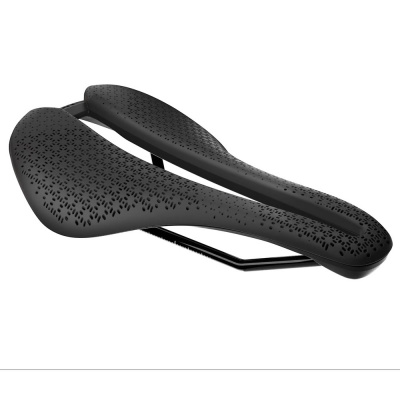
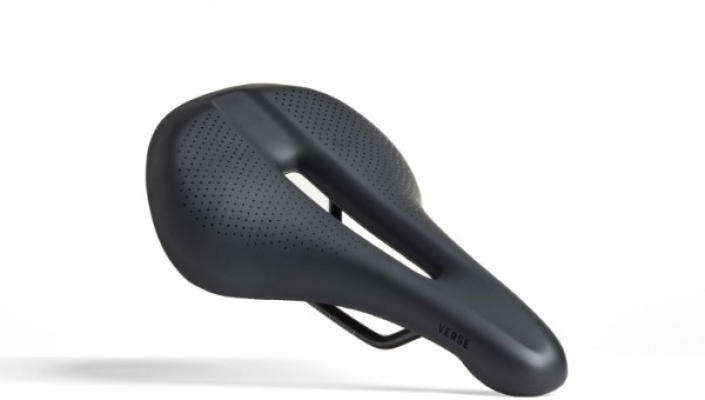
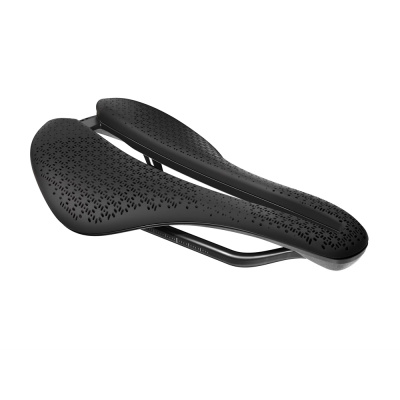
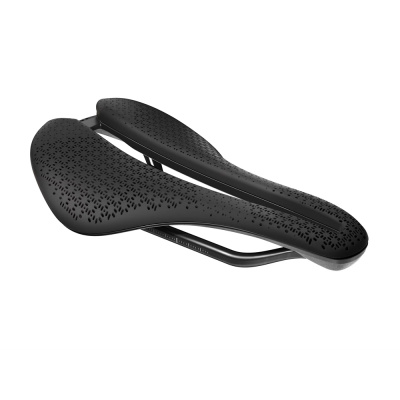
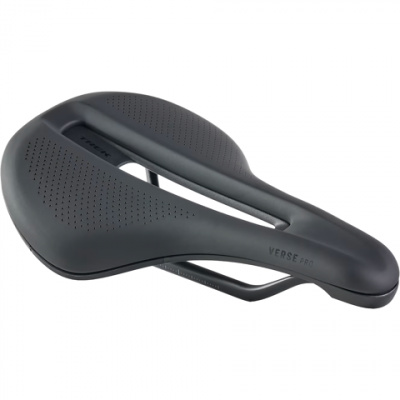
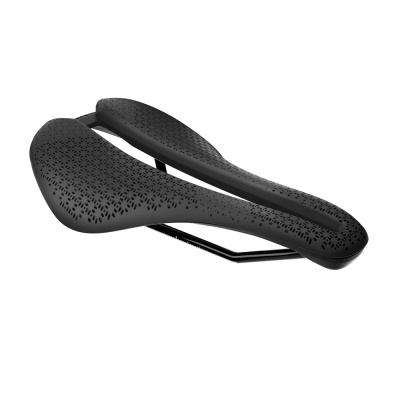
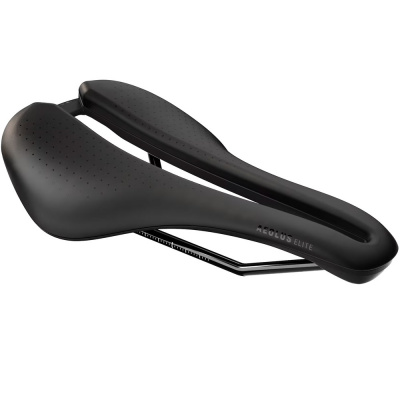
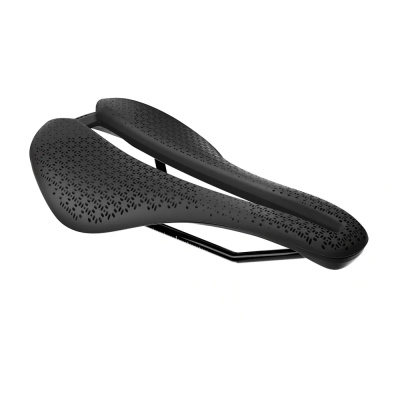
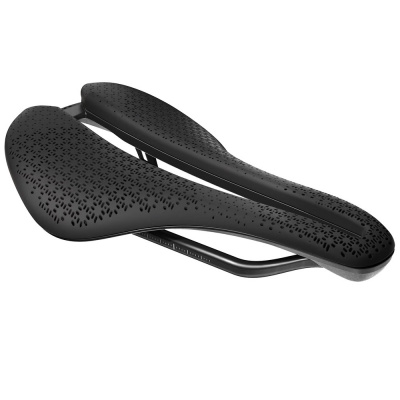
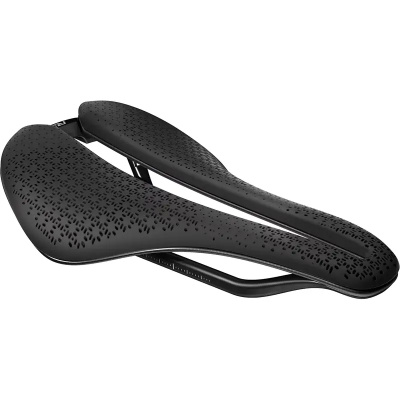
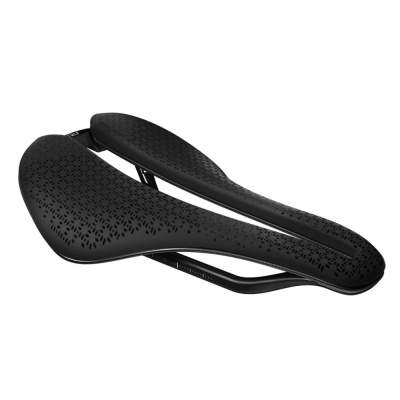
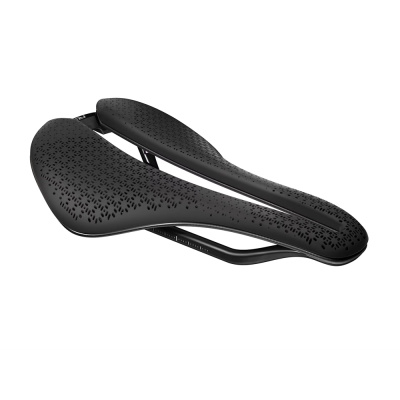
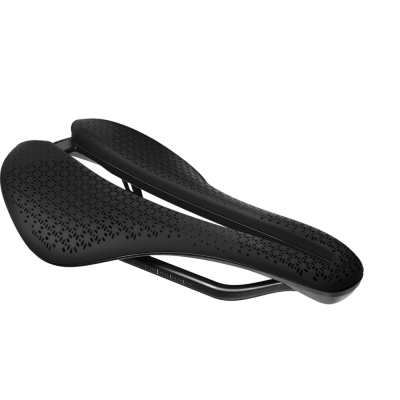
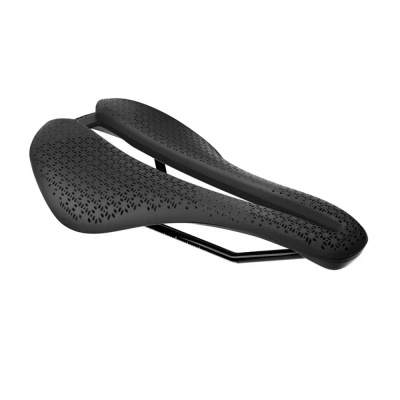
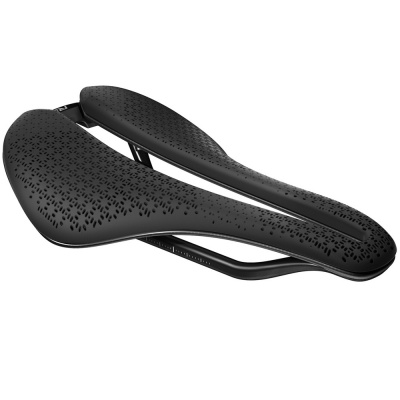
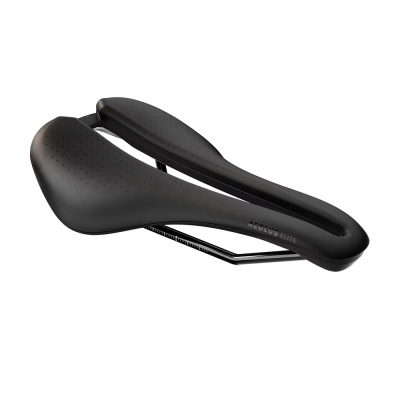
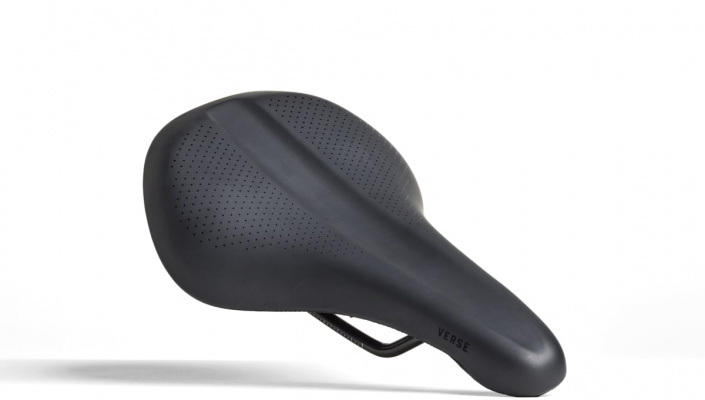
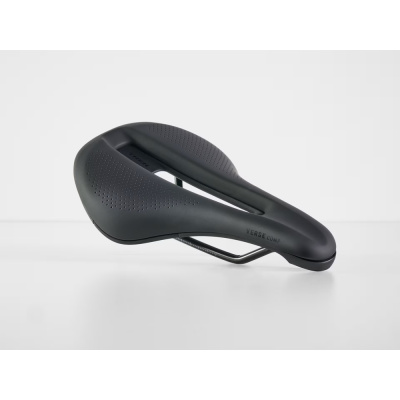
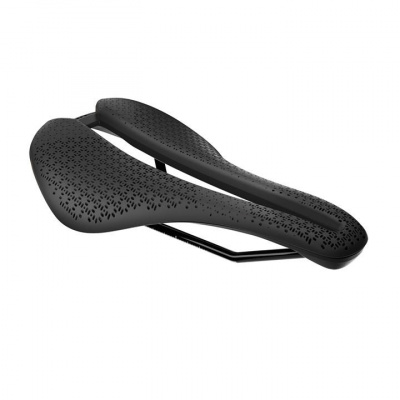
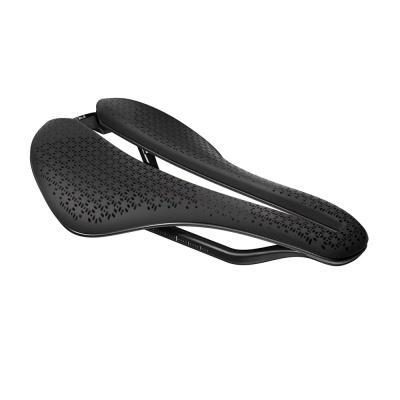
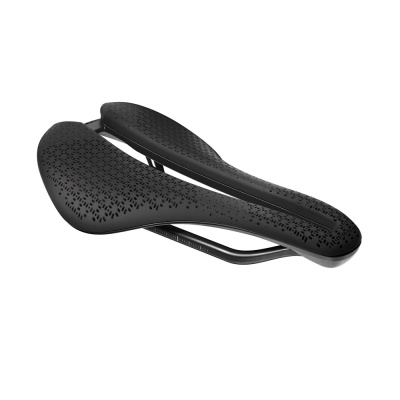
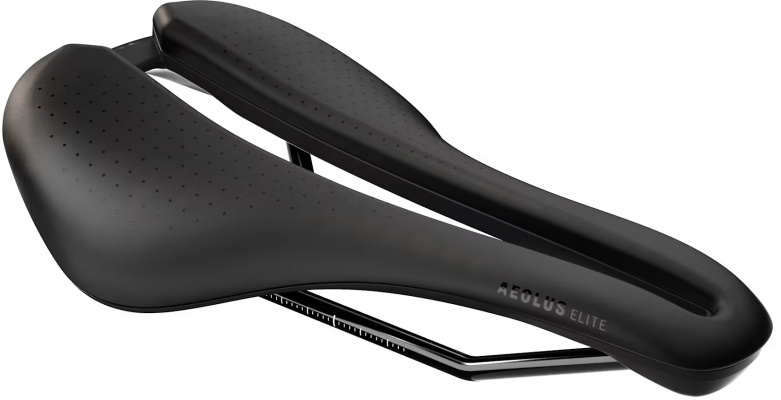
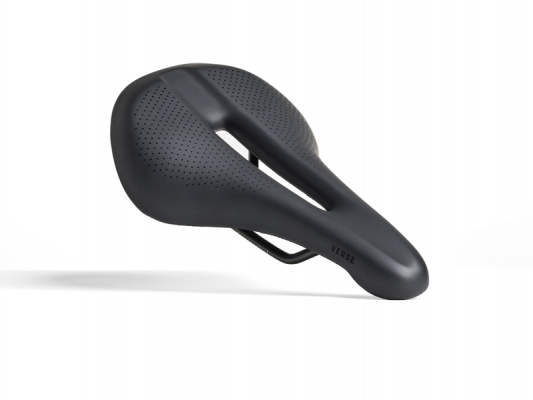
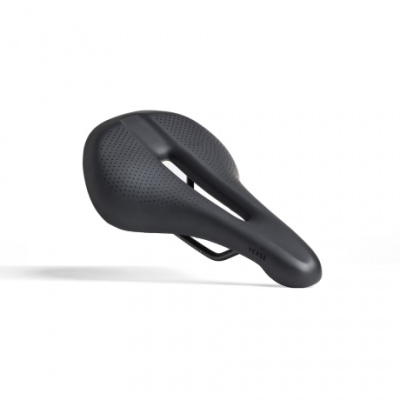
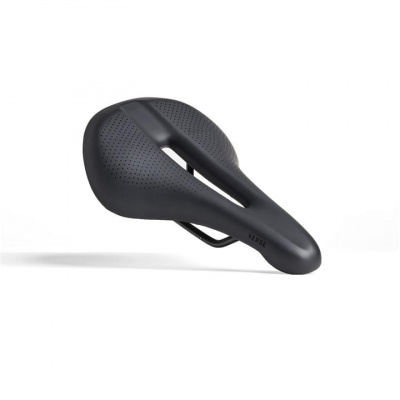
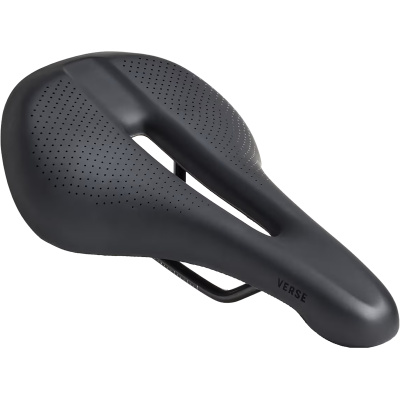
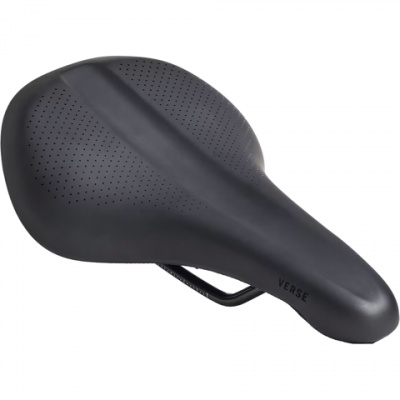
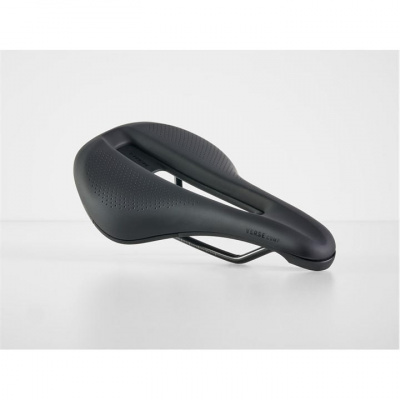
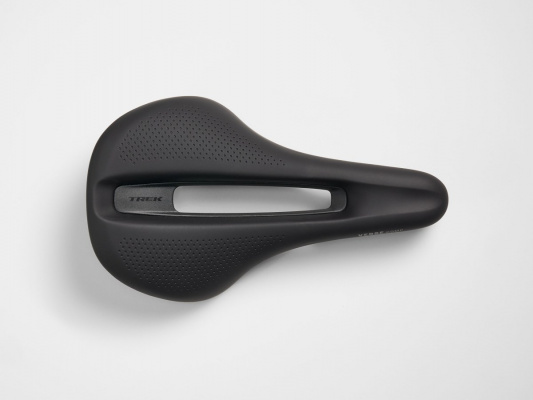
Trek saddles are built around a straightforward idea: that your riding position should dictate the saddle's shape, not the other way round. Using InForm BioDynamics - a posture-specific design system that runs from Posture 1 (full aero tuck) through to Posture 5 (upright leisure riding) - Trek matches saddle geometry to how your pelvis actually sits on the bike. That matters whether you're grinding out miles on a wet Saturday in the Peaks or sprinting for a KOM in the Surrey Hills.
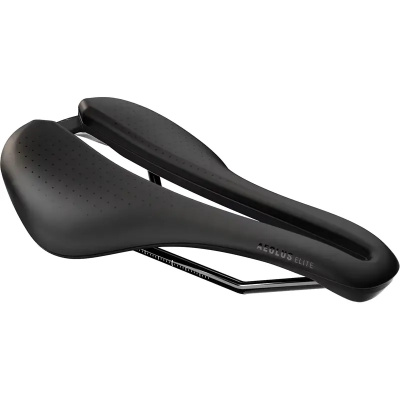
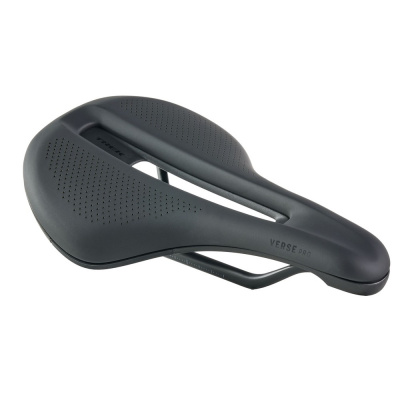
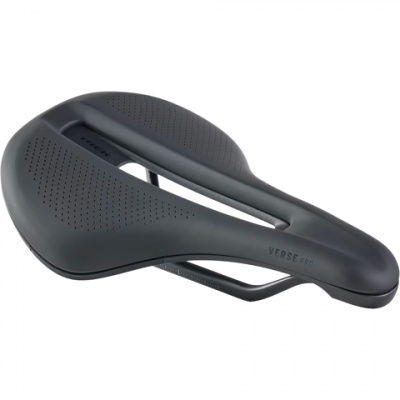
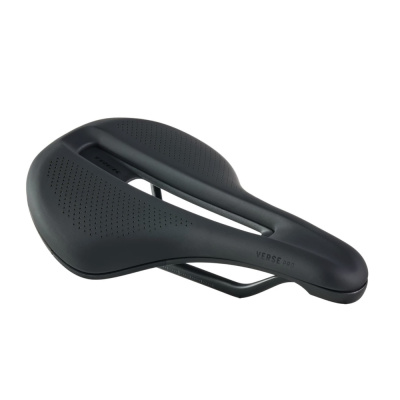
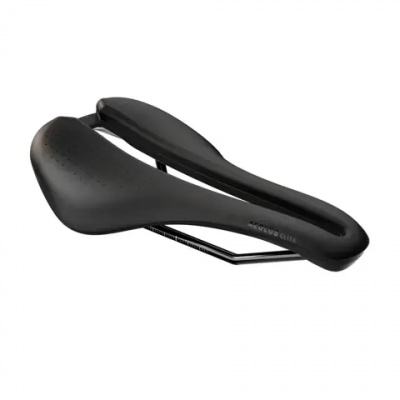
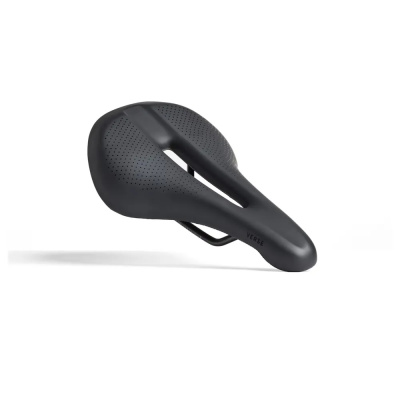
The range spans entry-level steel-railed options right up to full OCLV carbon race perches, with cutout saddles, pressure-relieving channel designs, and width options tuned to your sit bone measurement. A well-matched saddle does more for comfort and power transfer than most riders realise - soft tissue pressure builds quietly over an hour, then ruins the next three.
Worth knowing: Trek is currently moving its saddle line back from the Bontrager brand to the Trek name. Same InForm technology, same shapes, same Blendr mount compatibility for attaching lights or a saddle bag - just a badge change. We'll flag both names where relevant so you're not caught out searching.
Prices and availability can change quickly. Delivery charges are not always included in listed prices.
Final price, stock status and delivery terms are set by retailer. We may receive a commission on purchases made.
Rail Standards and What They Mean for Your Seatpost
This is the bit most riders skip, then regret at the roadside. Trek saddles split into two rail standards, and mixing them up isn't just inconvenient - on carbon rails, it can mean a cracked rail and a very short ride.
Comp and Elite saddles use standard 7x7mm round rails - CrMo steel on Comp models, lighter austenite rails on Elite. Austenite is an alloy that's both stiffer and lighter than traditional hollow titanium, and it fits every conventional two-bolt seatpost clamp without a second thought. If your post has a standard side-clamp, these saddles slot straight in.
Pro and RSL saddles are a different story. They run 7x10mm oval carbon rails - wider front-to-back than round rails - and your seatpost clamp must be specifically machined for that profile. Cramming an oval carbon rail into a round-rail clamp concentrates stress at one point and will eventually split the rail. Check your seatpost spec before you buy. Trek's own carbon-compatible posts are the obvious pairing, but most quality carbon-rail posts from other brands also list their rail compatibility clearly. Browse our Trek saddle bags while you're speccing up - Blendr-compatible bags clip directly to the saddle rails on supported models without any extra hardware.
If you're unsure whether your current post will work, the safest move is to go Austenite rails at Elite level. You lose a few grams versus carbon, but you gain flexibility and peace of mind.
How the InForm Posture System Maps to the Product Range
Trek's naming runs Comp, Elite, Pro, and RSL - each tier steps up in rail material, shell stiffness, and weight. But the more useful filter is the InForm posture number, because two saddles at the same price point can be completely different shapes depending on who they're built for.
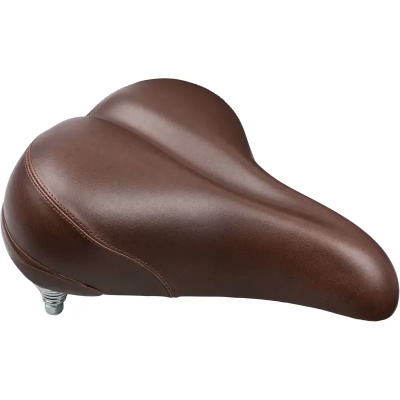
Posture 1 saddles are designed for aggressive, aero-forward positions - think road racing or triathlon, where your pelvis rotates well forward and your sit bones load a narrower contact patch. Posture 2 covers aggressive road and cross-country MTB riding, still fairly rotated but with a touch more support. Posture 3 is the performance sweet zone for most road and gravel riders: upright enough to engage the sit bones properly, forward enough to stay efficient. Posture 4 suits fitness and hybrid riding, and Posture 5 is built for fully upright leisure use, with broader padding and a shorter nose.
Width ties directly into this. Trek typically offers saddles in 138mm, 145mm, and 155mm, matched to your sit bone measurement. Narrow isn't automatically race-ready - it just means your sit bones are closer together. Getting the width wrong is one of the most common sources of saddle discomfort, especially on longer UK gravel days where you're shifting position constantly. If you've never been properly measured, it's worth the ten minutes at a Trek dealer to get a digital sit bone reading rather than guessing.
At the top of the range, RSL saddles use full OCLV carbon shells with minimal padding - they're built for riders who've dialled their position precisely and want every gram accounted for. Pro saddles step just below that: carbon rails, carbon-reinforced shells, meaningful weight savings over Elite without the uncompromising padding spec. For most riders doing mixed road and gravel, Elite hits a sensible balance. If you're shopping across brands, Fizik saddles use a similar flex-index approach, while Ergon saddles take a more anatomically mapped route - worth comparing if the InForm system doesn't land quite right for your position.
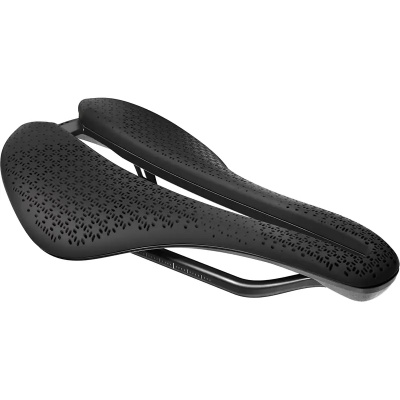
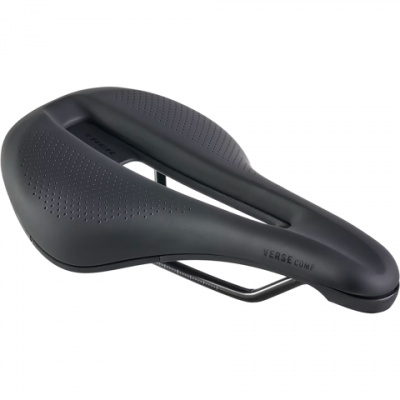
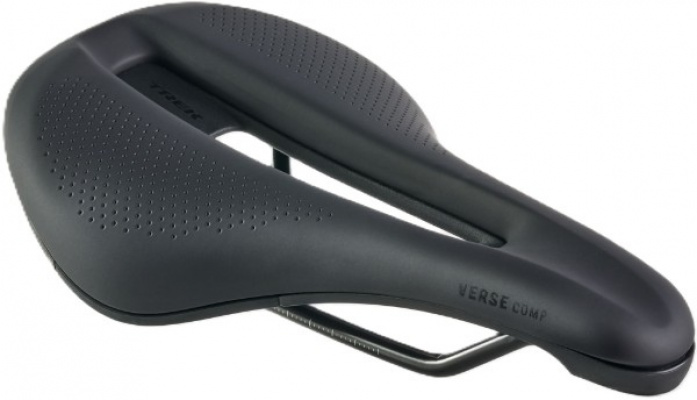
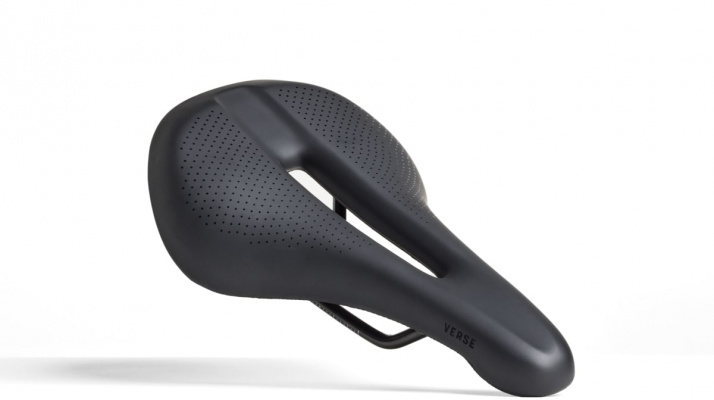
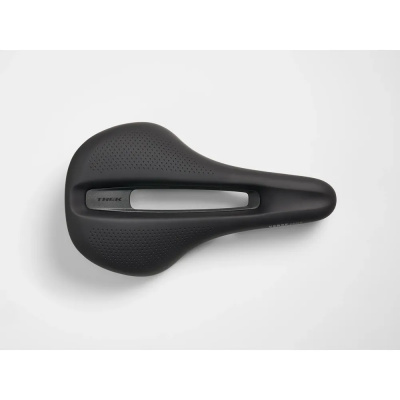
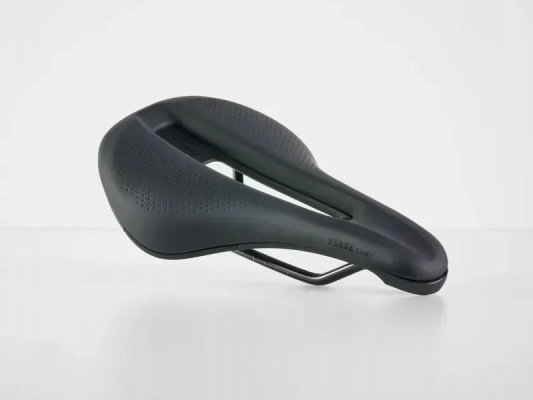
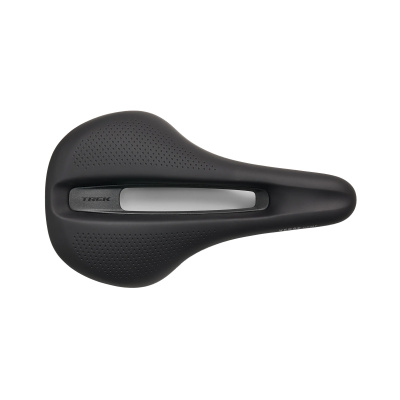
The cutout saddle variants within the range are worth flagging too. Where a traditional saddle has a solid centre section, cutout models remove material under the perineal area entirely. For riders spending four or more hours in the saddle on sportives or long gravel loops, the pressure relief is tangible - particularly on Posture 3 and 4 shapes where the sit bones aren't carrying quite as much of the load as in a full aero position.
Keeping Trek Saddles in Good Shape Through a UK Winter
British riding is hard on saddles in ways that don't get much attention. Abrasive winter grit works into stitching and side panels over months, the rail-to-clamp interface collects mud that dries and causes creaking, and repeated wet-dry cycles put more stress on saddle covers than most summer riding ever would.
The practical stuff first: Trek's synthetic covers are genuinely water-resistant, but avoid blasting the rail insertion points with a pressure washer. Water forced into those joins can compromise the bond between rail and shell on higher-end models. A bucket and a brush does the job fine. Wipe the rails down after muddy rides - grit sitting in the clamp interface is the main cause of that irritating creak that appears after a wet Peak District loop and refuses to go away. Drop the saddle, clean the rails and clamp faces, and re-torque.
On torque: Trek specifies 7 - 9Nm for carbon rail saddles. That's not a suggestion. Under-torquing lets the saddle rotate under load; over-torquing crushes carbon fibres. Use a torque wrench, and apply a thin smear of carbon assembly paste to the rail contact points - it lets you clamp at a lower torque while still preventing slip. Standard steel and austenite rails are more forgiving, but it's still good habit to check the spec rather than going by feel.
For a complete winter setup, Trek's own mudguards cut down on the spray hitting the saddle's underside in the first place, and a Blendr-compatible rear light clips cleanly to the saddle rails on supported models - no extra brackets rattling loose in the cold. Check the Trek lights range for Blendr-compatible options. If you want to compare Trek's offering against a similarly well-finished alternative, Fabric saddles are worth a look for their durable covers and straightforward maintenance story. Bontrager saddles - as noted, Trek's own legacy brand - share identical construction and are still widely stocked if you find a shape that suits you at a better price.
Trek Saddles FAQs
How do I choose the right Trek saddle width?
Trek saddles come in widths of 138mm, 145mm, and 155mm, matched to your sit bone measurement. The most accurate method is a digital measurement at a Trek dealer. At home, pressing your sit bones into a sheet of corrugated cardboard and measuring the indentation centres works well enough to get you in the right ballpark. Your riding posture matters too - the more upright you sit, the wider the effective sit bone spread.
Are Trek and Bontrager saddles the same?
Yes. Trek owns Bontrager and has sold its saddles under that name for years. The brand is currently migrating back to the Trek name, but the InForm BioDynamics technology, saddle shapes, and Blendr mount compatibility are identical across both badges. If you find a Bontrager saddle shape that suits you, the equivalent Trek-branded model is the same thing.
Will a Trek carbon rail saddle fit my current seatpost?
Not necessarily. Trek Pro and RSL saddles use 7x10mm oval carbon rails - wider than the standard 7x7mm round profile. Your seatpost clamp needs to be specifically designed for oversized oval rails. Fitting oval carbon rails into a standard round clamp concentrates load at one point and risks splitting the rail. Check your seatpost's listed rail compatibility before purchasing.