
Trek Pannier Racks
Trek pannier racks are engineered to work with Trek's own frame geometries, which means no awkward improvising around disc calipers and no heel strike surprises on the morning commute. If you've ever wrestled a generic rack onto a bike only to find it fowls the brake hose or flexes like a diving board under load, you'll appreciate why a manufacturer-matched option saves real-world grief.
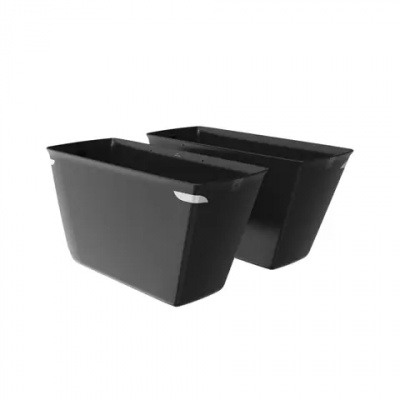
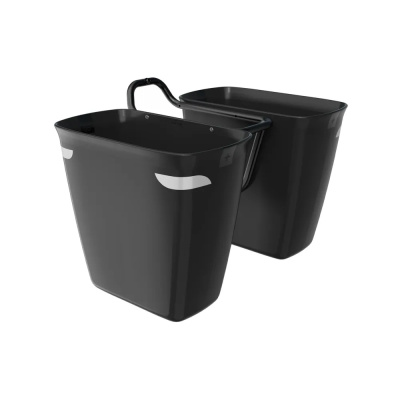
The headline feature across the range is the MIK (Mounting Is Key) system - a keyed deck interface that locks compatible bags and baskets into place without rattling loose over potholed UK roads. That matters more than it sounds when you're crossing a badly patched A-road on a wet Tuesday morning with a laptop in your pannier. The racks themselves are built from rust-resistant alloy, which is a practical necessity rather than a selling point given how liberally councils salt roads between October and March.
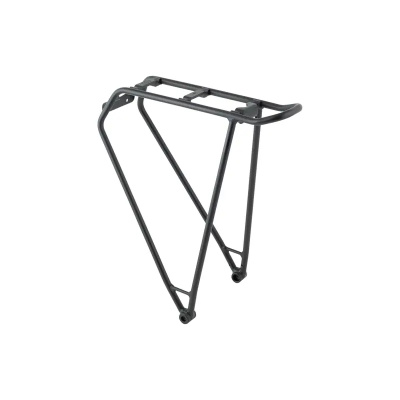
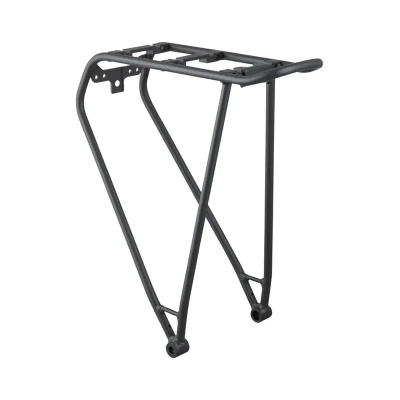
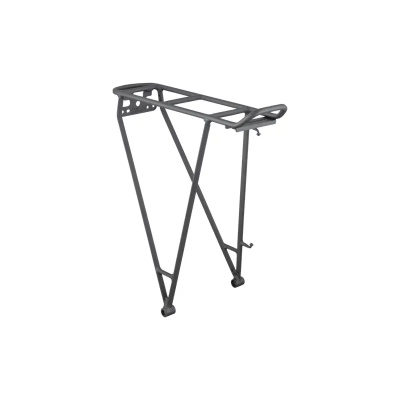
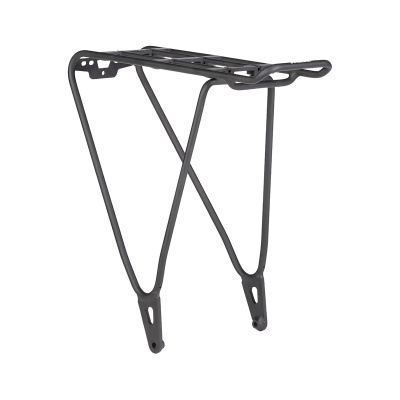
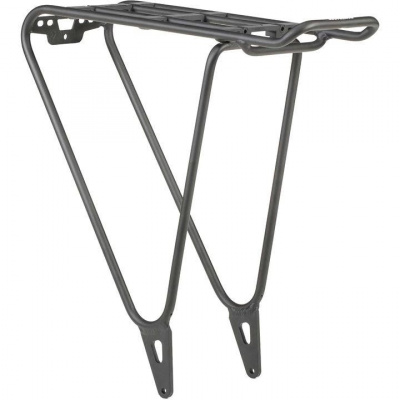
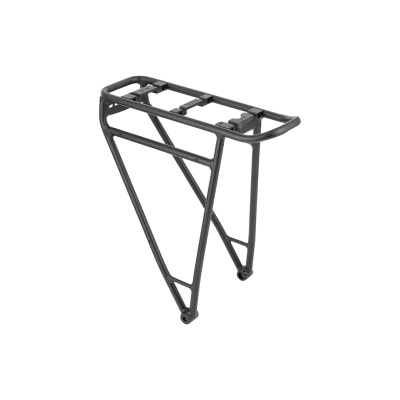
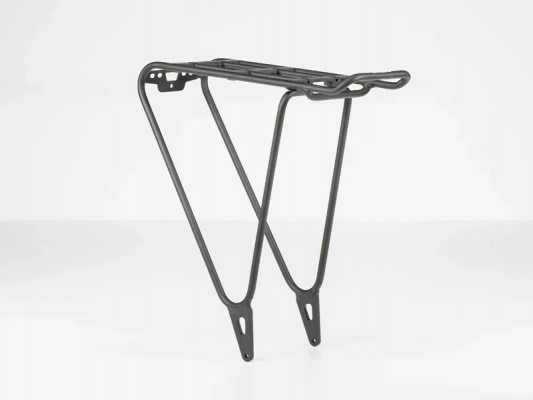
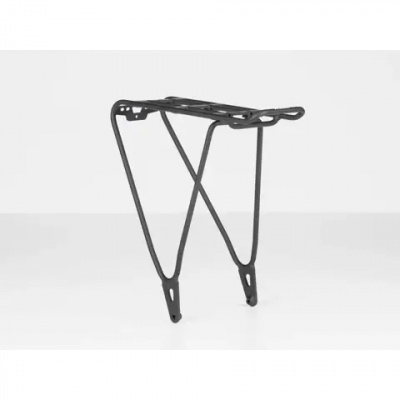
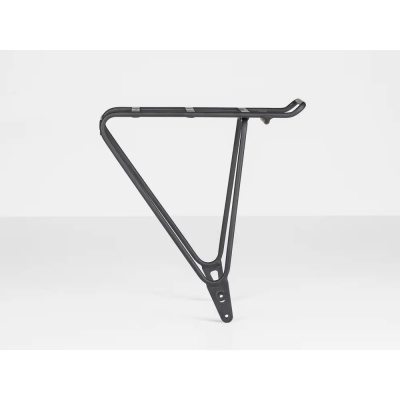
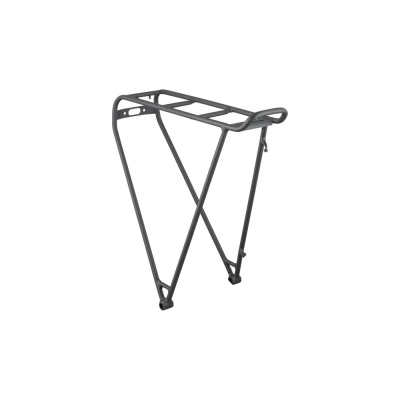
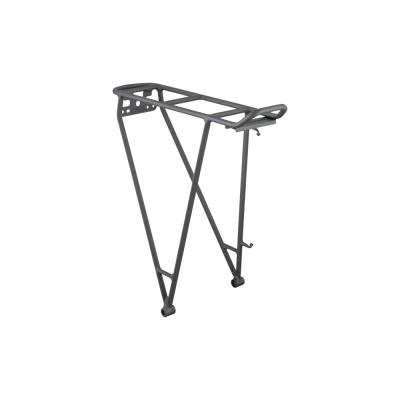
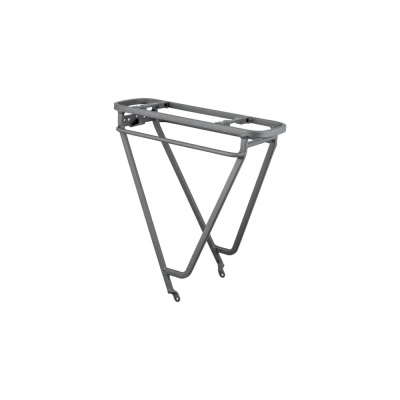
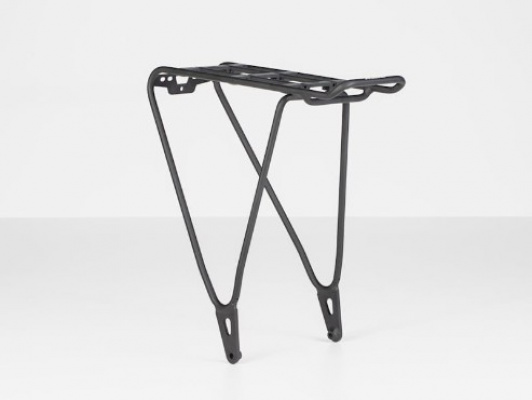
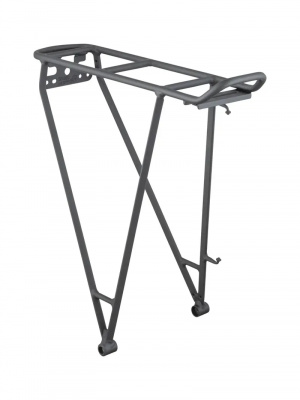
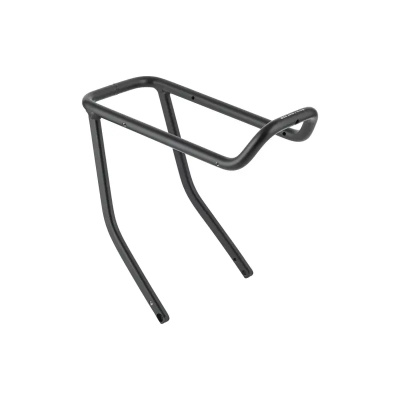
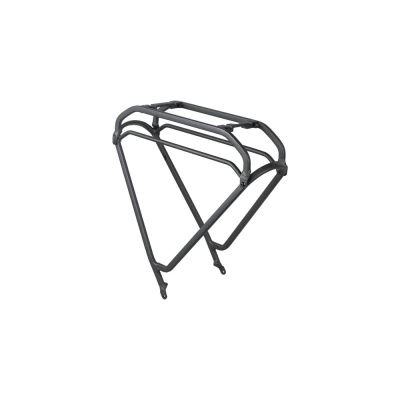
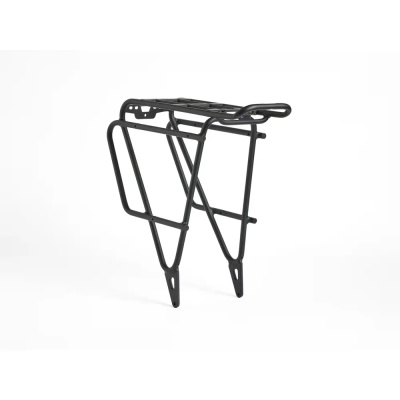
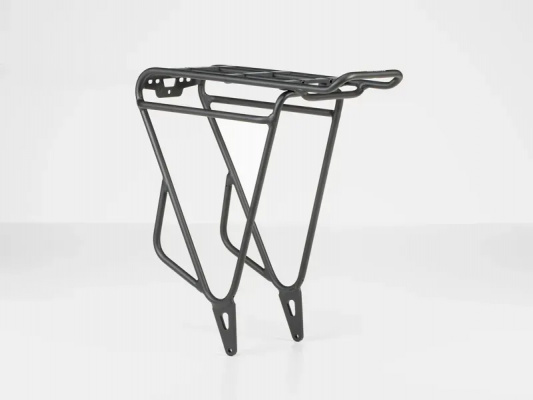
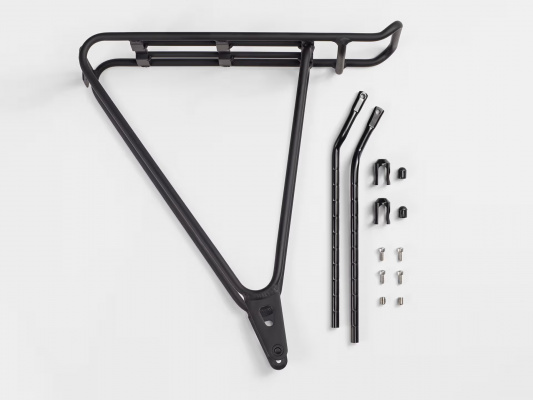
Whether you're fitting out a Trek hybrid for daily commuting or setting up a gravel bike for a loaded weekend ride, there's a BackRack variant designed to bolt straight in - disc or non-disc, standard or deluxe. Load capacity, bag compatibility, and long-term durability are where these racks earn their place.
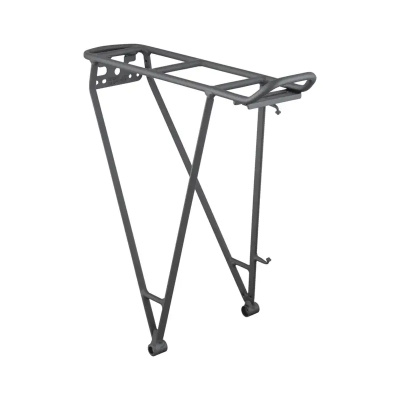
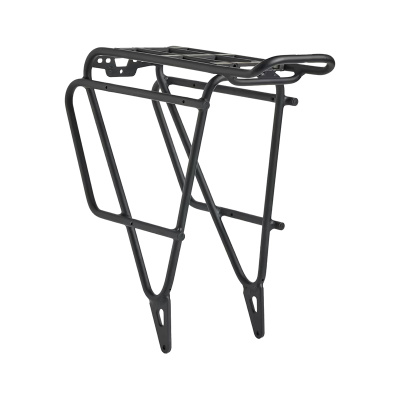
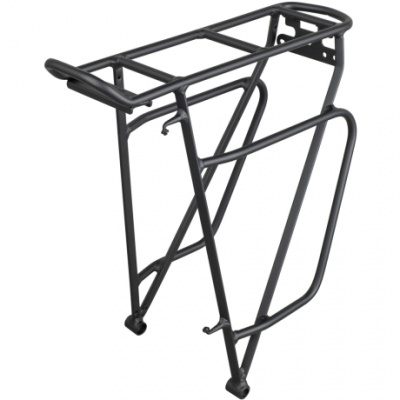
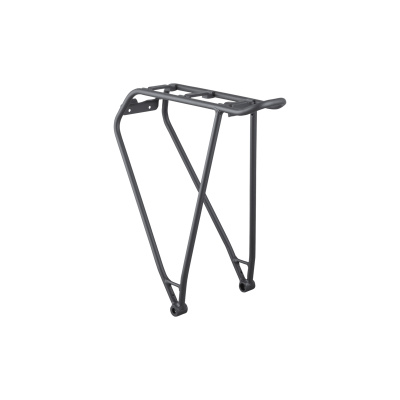
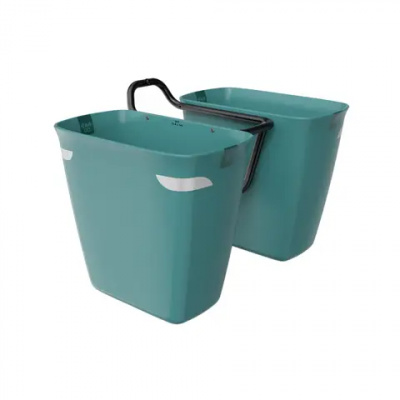
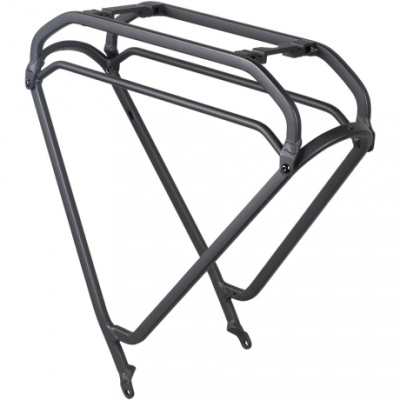
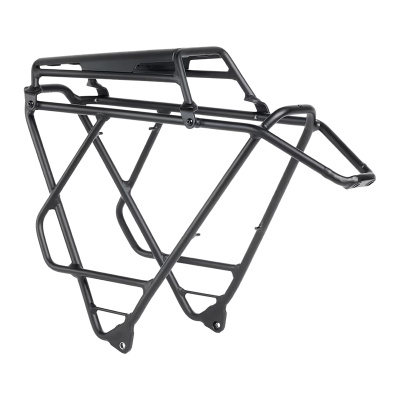
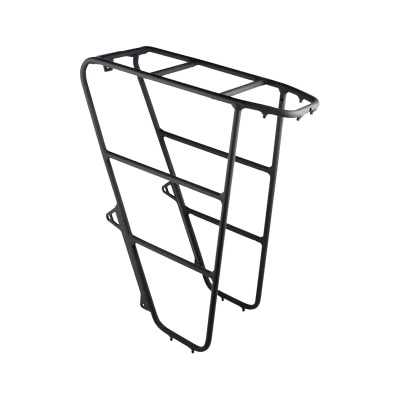
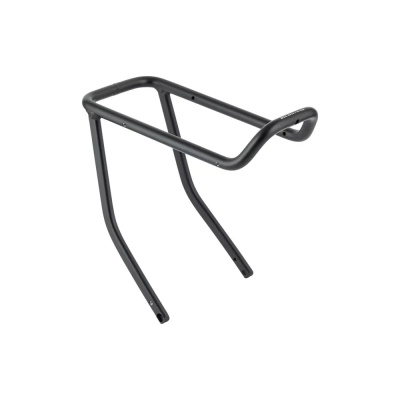
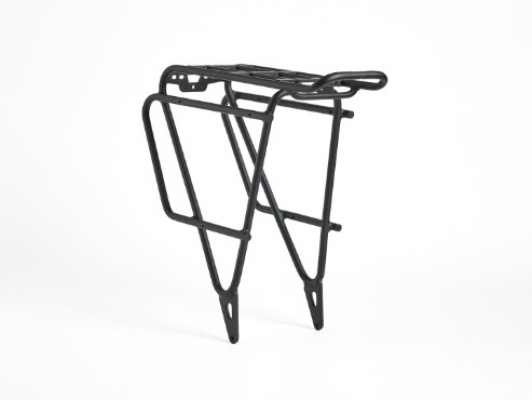
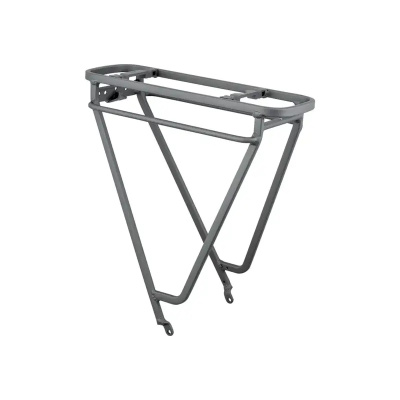
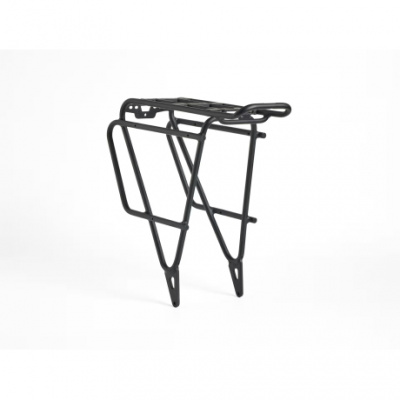
Prices and availability can change quickly. Delivery charges are not always included in listed prices.
Final price, stock status and delivery terms are set by retailer. We may receive a commission on purchases made.
Fitting a Trek Rack: Compatibility, Disc Clearance, and Frame Eyelets
The first question to answer before buying is whether your frame has the required threaded mounting eyelets. Most Trek hybrid and commuter frames include these as standard - typically at the seatstay bridge and dropout - but geometry differs between models, and that's where the disc versus non-disc distinction becomes important. Trek's BackRack Disc uses specific geometry shaped to clear wide hydraulic calipers without the struts sitting awkwardly close to the rotor. A standard rack bodged onto a disc-equipped frame can foul the caliper or create enough lateral flex to rattle the whole setup. Not ideal.
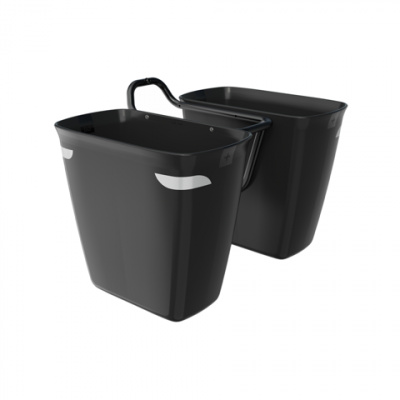
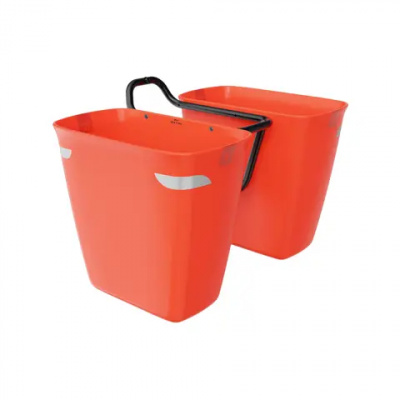
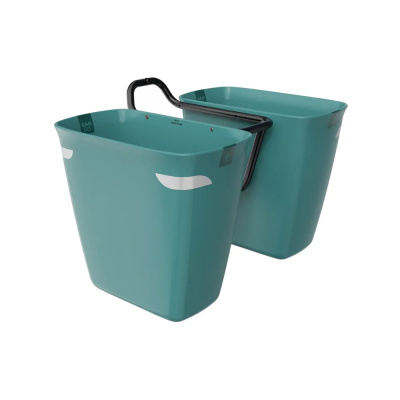
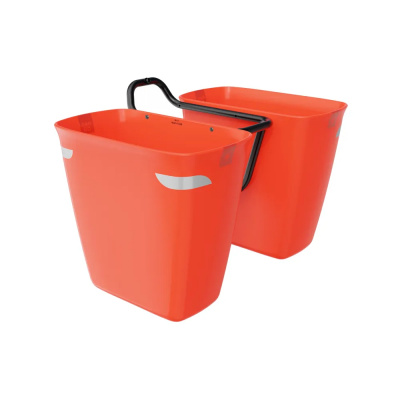
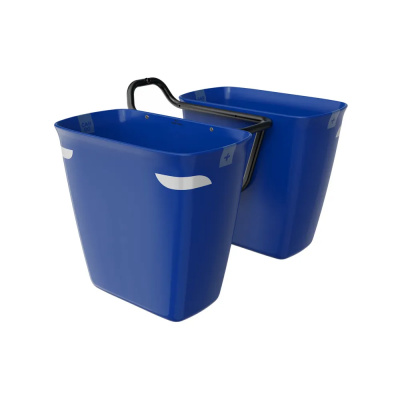
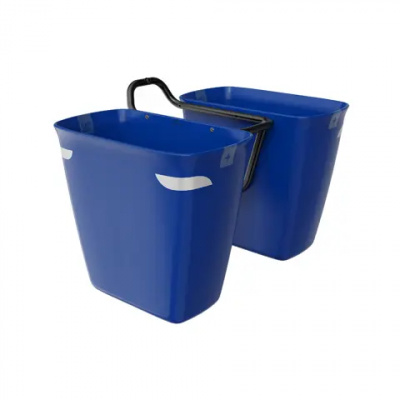
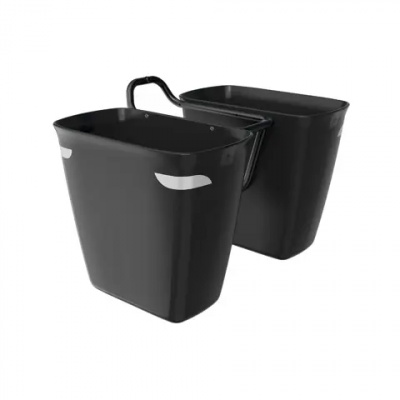
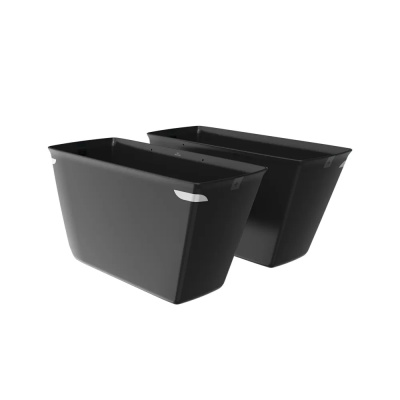
The MIK system is worth understanding before you buy a bag separately. It's a keyed mounting interface built into the rack deck - compatible MIK bags and baskets click firmly into place and release only with the dedicated key. On rough surfaces, that difference between MIK-locked and a traditional strapped pannier is immediately obvious: one stays planted, the other shifts and creaks. If you already own non-MIK bags, they'll still sit on the rack platform, but you won't get the locking engagement.
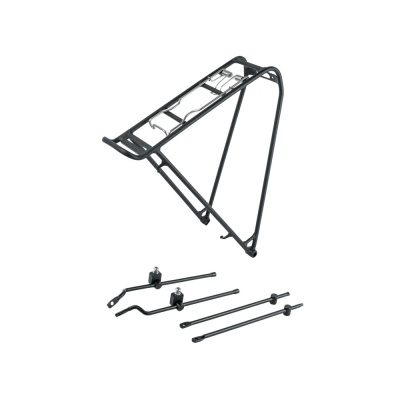
Some Trek frames use hidden fender mounts rather than exposed eyelets, which can complicate aftermarket rack fitting. Trek's own racks account for this in their mounting hardware, so check your frame's spec sheet if you're unsure. For replacement bolts, extended struts, or additional mounting kits, head to our Trek pannier bags and accessories pages - we keep a separate listing for rack spares and hardware so you're not hunting through full rack listings for a single bolt.
If you're considering alternatives, SKS pannier racks and Blackburn pannier racks both offer broad compatibility options, though neither integrates MIK natively.
BackRack Standard vs. BackRack Deluxe: Which One Do You Actually Need?
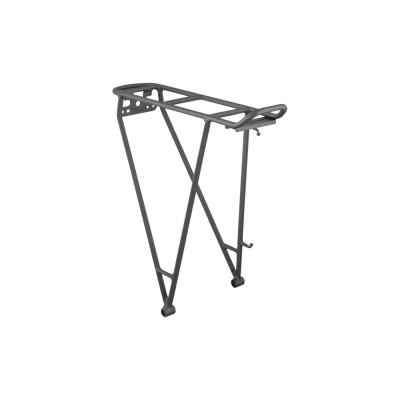
Trek's BackRack range sits at two main levels, and the difference is more functional than cosmetic. The BackRack Standard covers the basics well - solid deck, MIK-ready surface, clean mounting points. For a single bag or a rack-top drybag on a daily urban run, it does exactly what's needed without over-engineering the job.
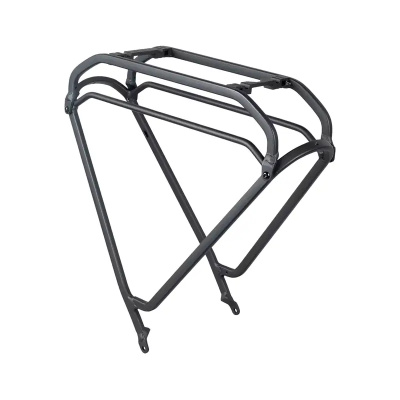
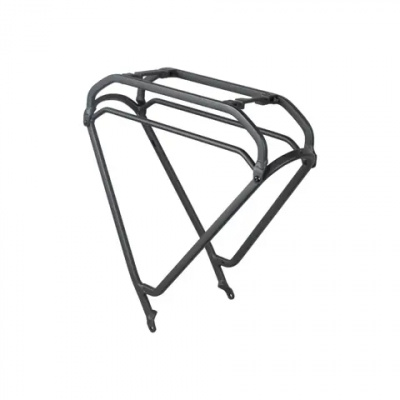
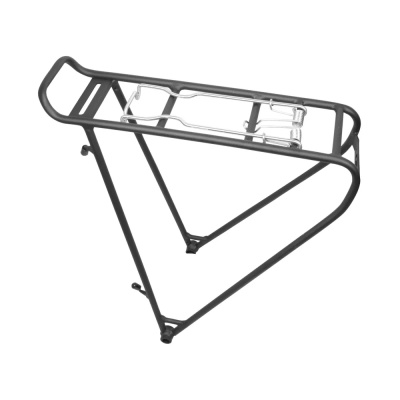
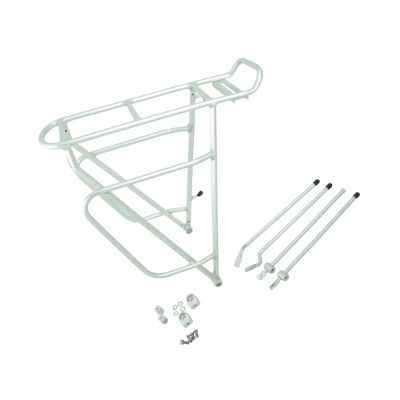
Step up to the BackRack Deluxe and you get additional side stays that brace the rack deck lower and wider. That lower centre of gravity matters when you're carrying weight - a full pannier on a standard rack can introduce a slight high-mounted wobble on fast descents, whereas the Deluxe's lower brace geometry keeps things more planted. It's the one to pick if you're regularly running twin panniers or heavier loads rather than a single commuter bag.
Both variants share a 25kg maximum load capacity, which is generous for everyday use - the limiting factor in practice is usually bag volume rather than rack strength. Blendr-compatible light mounts are integrated into the rack structure on both models, so you can run a Trek rear light directly from the rack without a separate clamp cluttering the seatpost. Pair this with Trek's rear light range and the fit is clean out of the box.
If your needs sit outside what Trek's own range covers - particularly if you're running a non-Trek frame - Ortlieb racks are worth a look for touring-oriented setups, though again, MIK integration won't be there.
Keeping the Rack Solid: Maintenance for UK Roads and Winters
Here's something that catches people out: UK road salt doesn't just corrode exposed metal - it accelerates corrosion inside threaded eyelets, and mounting bolts can effectively weld themselves into aluminium frames over a winter. When it's time to remove or adjust the rack, you're then either rounding heads or snapping bolts. Apply anti-seize compound or marine grease to every mounting bolt before fitting. It takes two minutes and saves a stripped eyelet later.
Vibration from rough surfaces - and British B-roads deliver plenty - works bolts loose gradually. Check torque on all rack mounting points every few weeks if you're commuting daily, particularly on the strut-to-dropout connection. A torque wrench isn't overkill here; over-tightening into aluminium eyelets is as damaging as under-tightening. Most rack bolts sit in the 4 - 6Nm range, but check Trek's spec for your exact model.
The alloy construction resists surface rust well, but keep an eye on where rack struts contact frame paint - small amounts of movement over time can cause paint wear and, eventually, corrosion at the contact point. A wrap of frame protection tape at those contact spots costs nothing and keeps the frame tidy. Fitting Trek mudguards at the same time reduces the road spray hitting both the rack hardware and your back, which is a practical pairing for winter riding. A kickstand is worth considering too - a loaded bike leant against a wall has a habit of falling at the worst moment, and Trek kickstands are sized to work with the same frame mounts.
Trek Pannier Racks FAQs
Do Trek bikes need specific pannier racks?
Not strictly, but Trek's own BackRack series is shaped around Trek's frame geometries and disc brake placement, which removes a lot of fitment guesswork. Aftermarket racks can work, but you'll need to confirm your frame has the correct threaded mounting eyelets at the dropout and seatstay bridge before committing to a purchase.
What is the MIK rack system on Trek bikes?
MIK - Mounting Is Key - is a proprietary keyed interface built into the rack deck. Compatible bags and baskets click firmly into place and only release with the dedicated key. On potholed roads it keeps your load locked solid rather than shifting and creaking. Non-MIK bags still sit on the platform but don't engage the locking mechanism.
Can you put a pannier rack on a carbon Trek bike?
Most carbon Trek road bikes aren't designed for it. They typically lack the threaded frame eyelets needed for a traditional rack, and carbon frames have strict load-bearing limits that a heavily laden rack will push. A strap-on rack is a workaround but not ideal under heavy load. For regular load carrying, an alloy-framed Trek is the sensible choice.