
Trek Hybrid Bikes
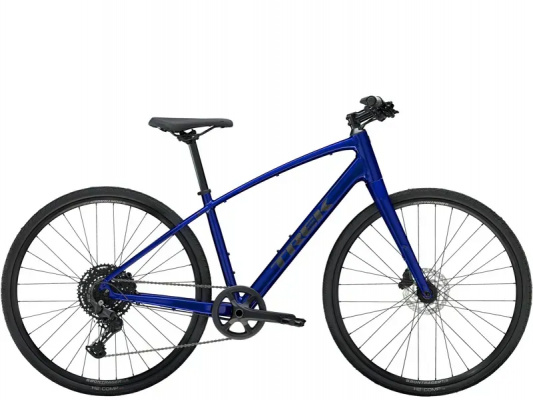
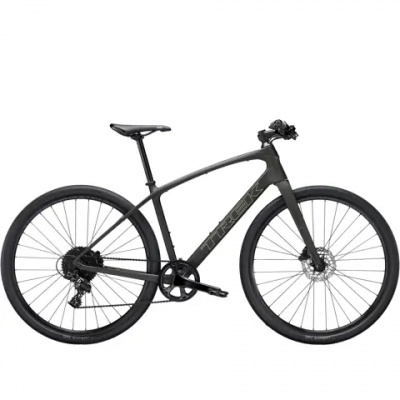
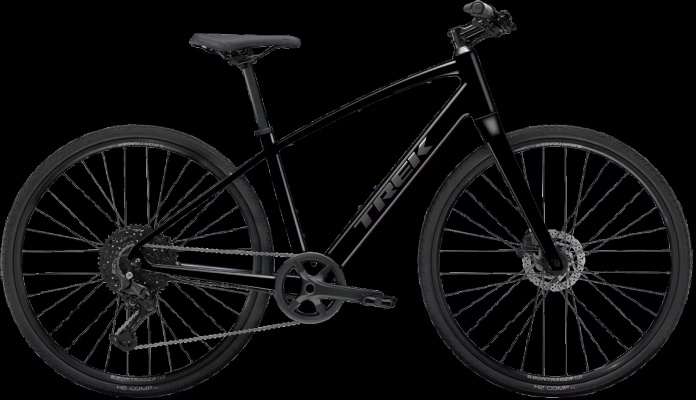
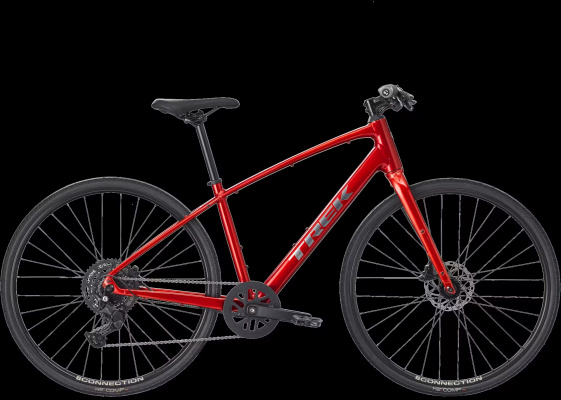
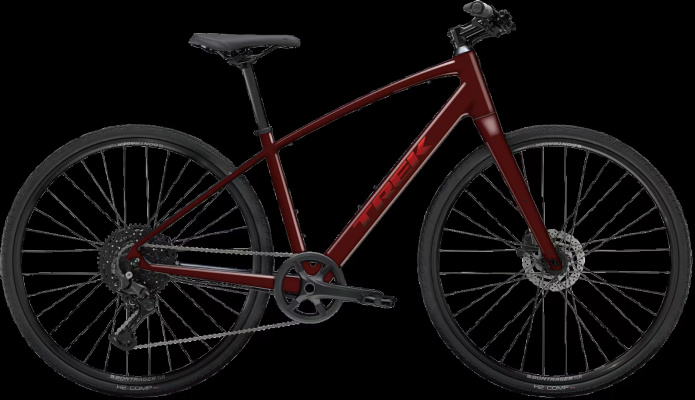
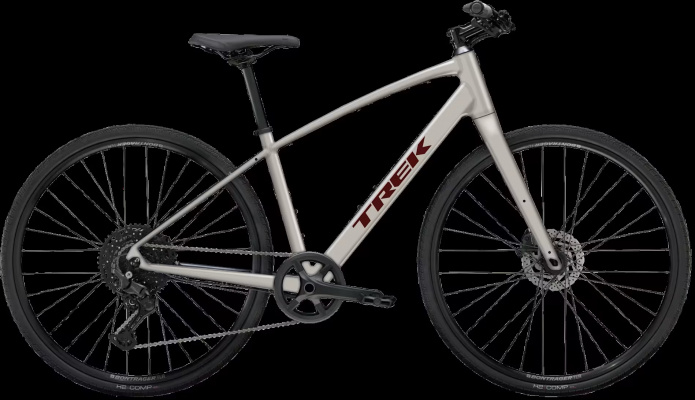
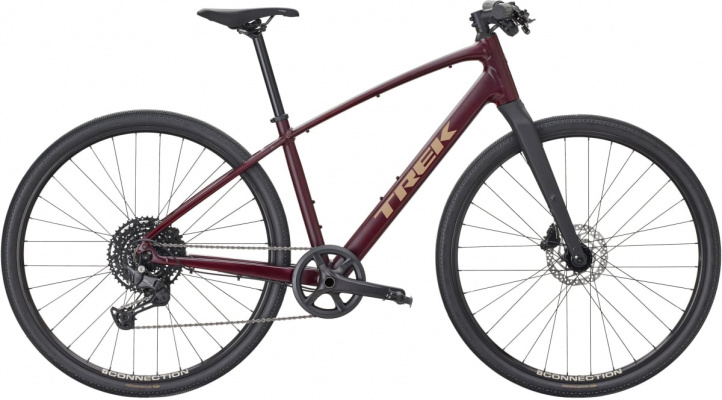
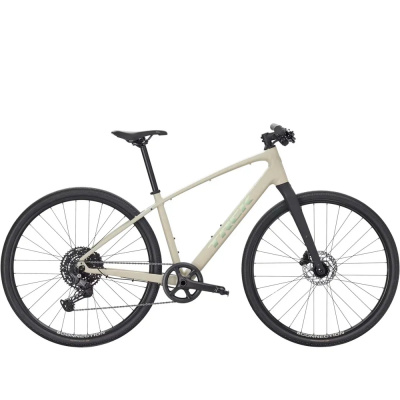
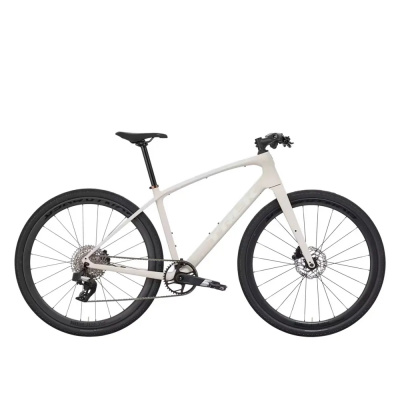
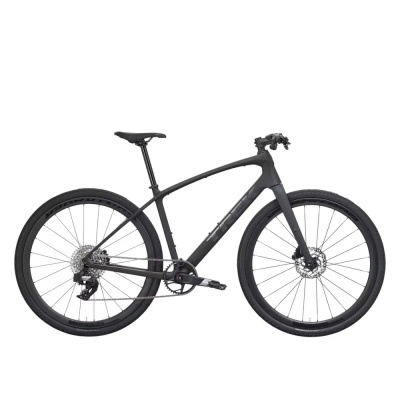
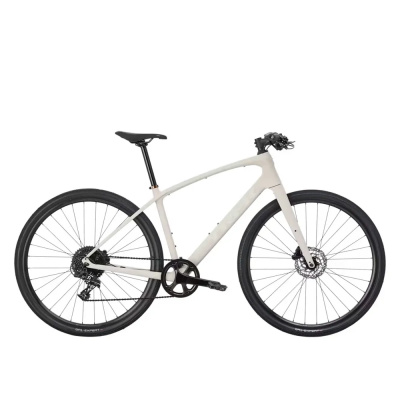
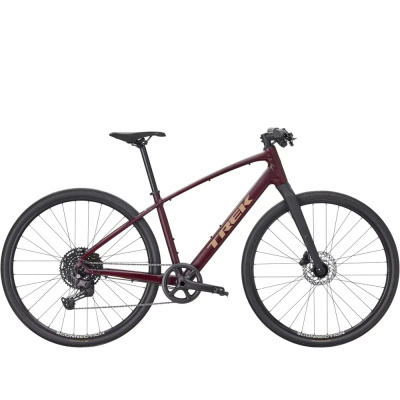
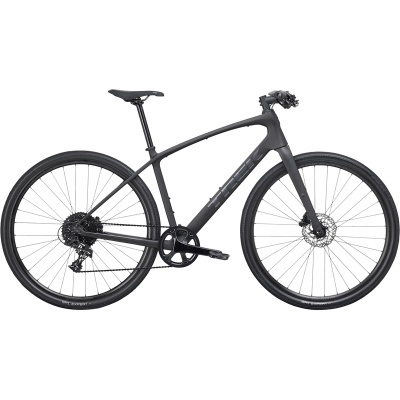
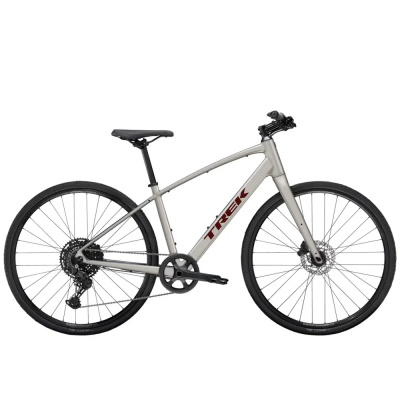
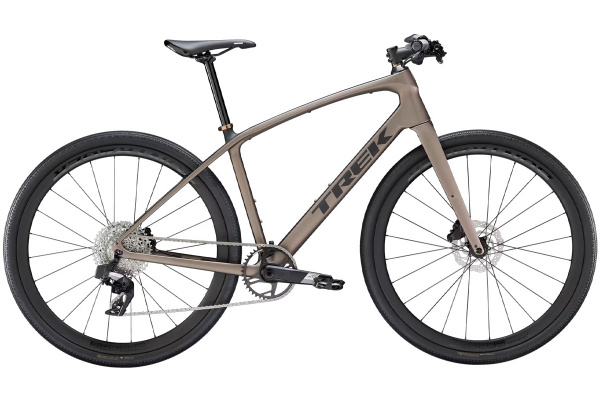
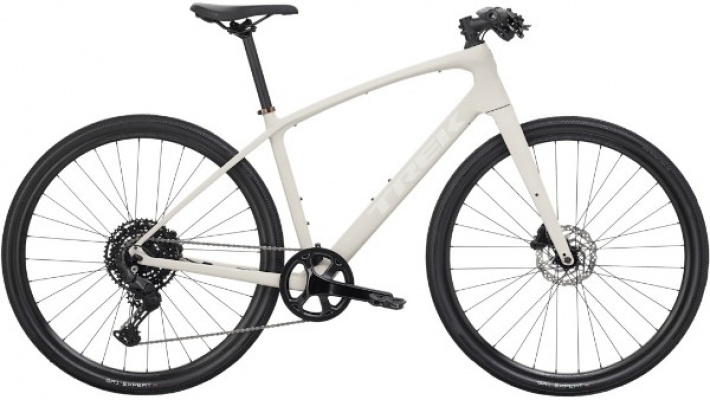
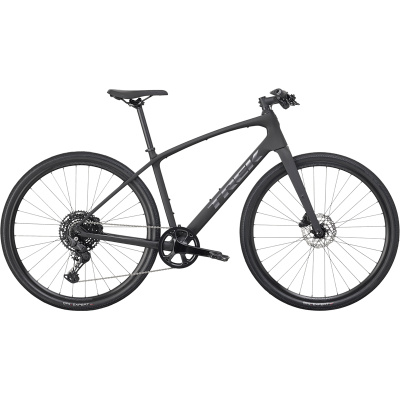
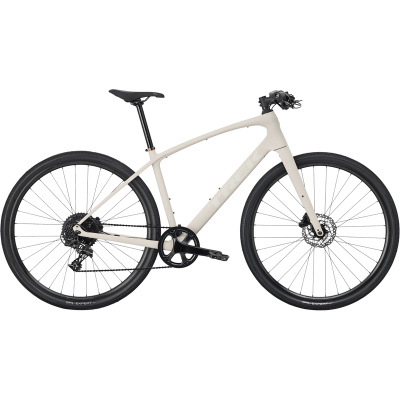
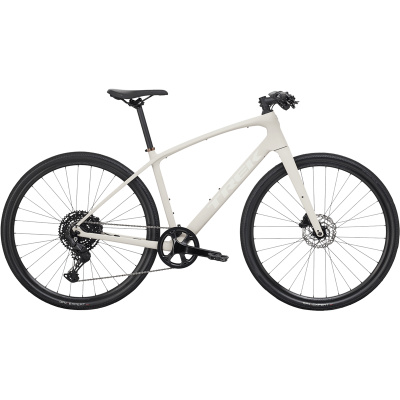
Trek hybrid bikes cover more ground than almost anything else in this category - fast enough for a focused tarmac commute, capable enough for a Saturday morning canal towpath bimble. The range is built around lightweight Alpha Aluminium frames with practical, real-world details baked in from the start: hidden rack and mudguard mounts, Blendr stem integration for a tidy cockpit, and geometry that keeps you comfortable whether you're clipping through city traffic or grinding out a longer fitness ride.
Three distinct families do the heavy lifting. The FX series is Trek's flat bar road bike - rigid, quick-rolling, tarmac-focused. The Dual Sport widens the brief with chunkier tyres and, on some models, front suspension for rougher going. The Verve prioritises an upright, relaxed position, making it the natural pick for riders who want comfort over pace. Each family runs a numbered tier system - 1 through 4 - where climbing the ladder gets you better Shimano drivetrains, carbon forks, and hydraulic disc brakes. So there's a sensible entry point and a clear upgrade path. Whether you're fitting a Trek hybrid out for a winter commute or just want something reliable for weekend fitness rides, the range has the UK rider firmly in mind.
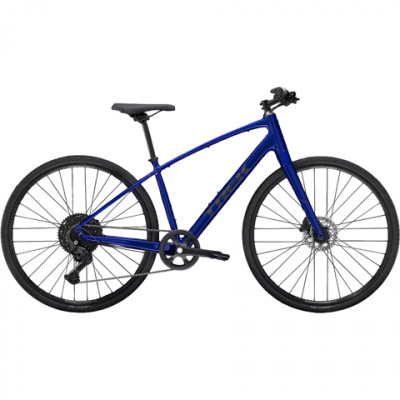
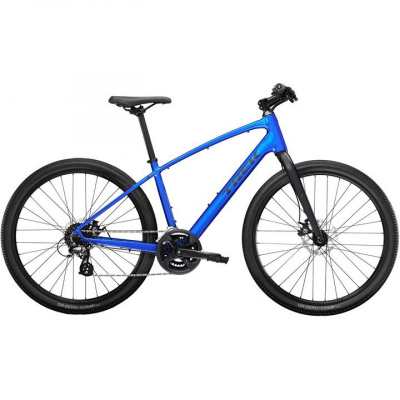
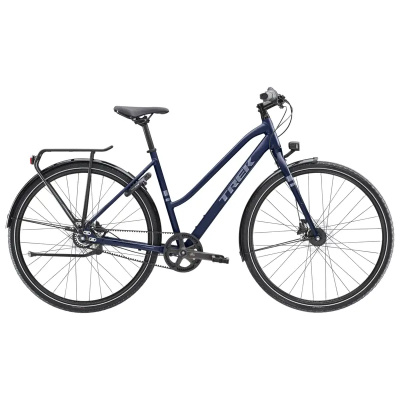
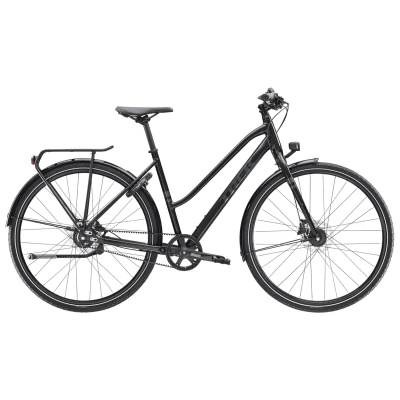
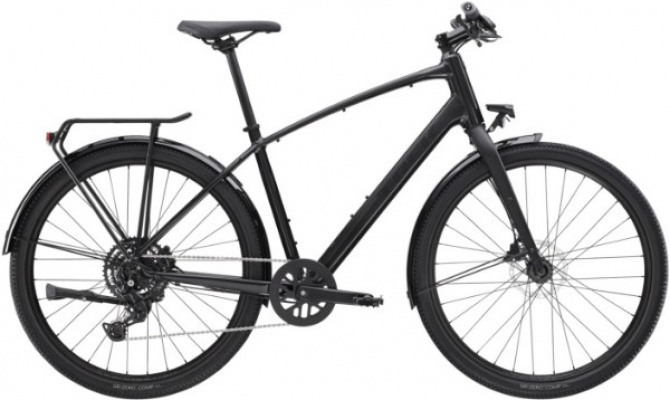
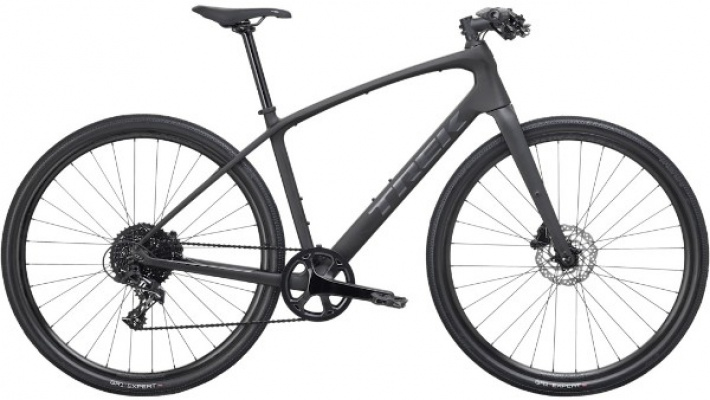
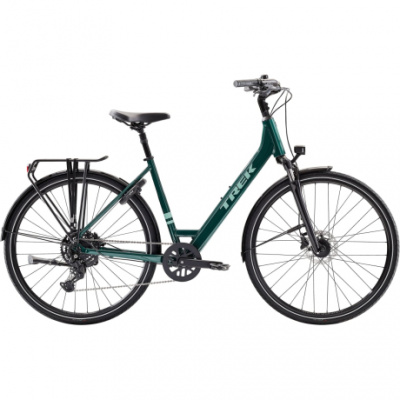
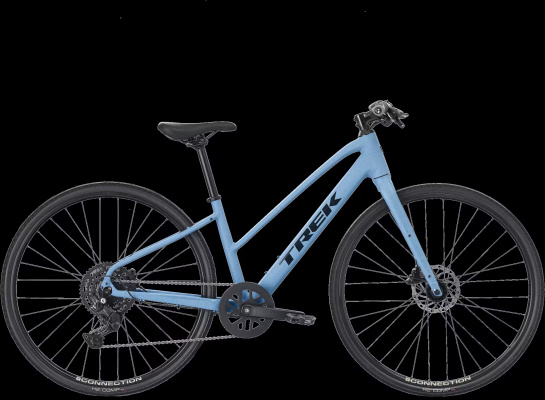
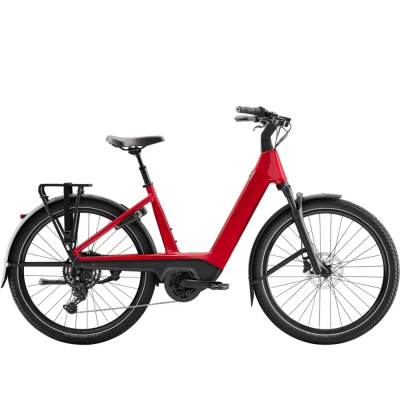
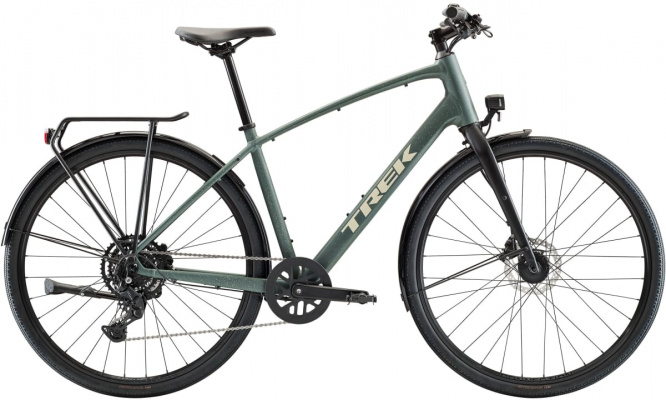
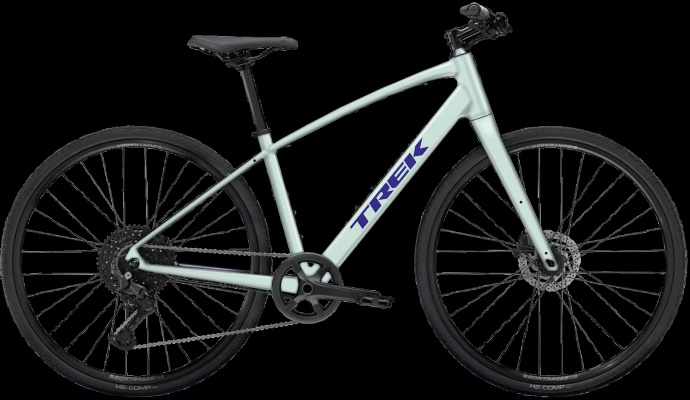
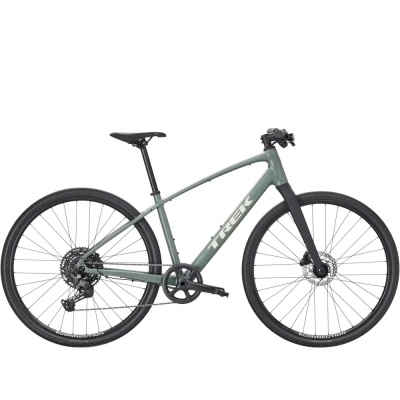
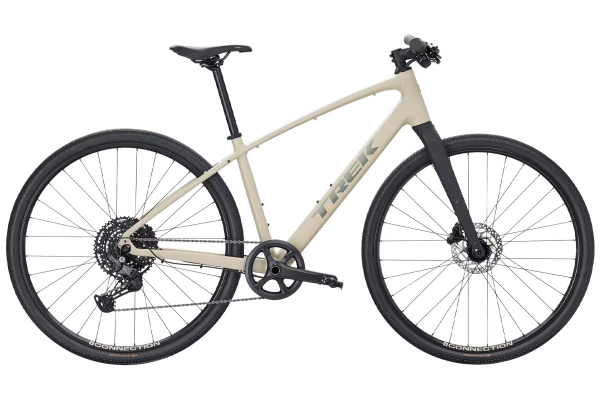
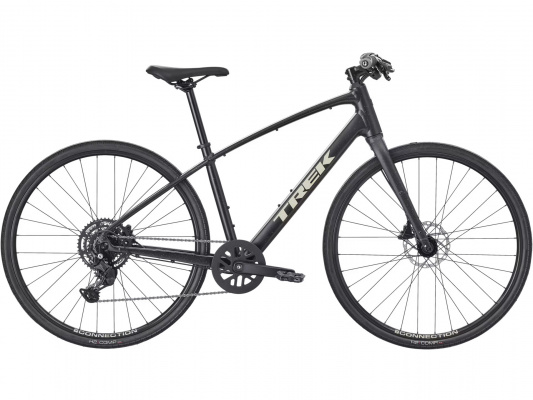
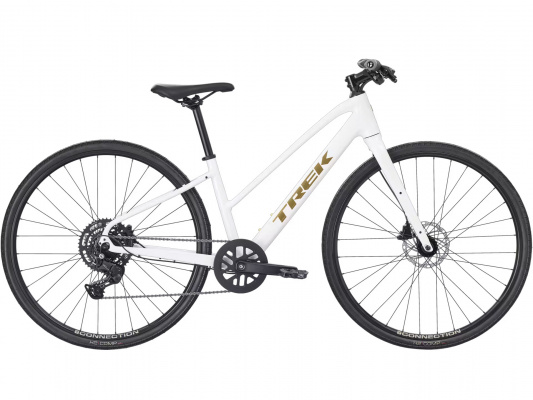
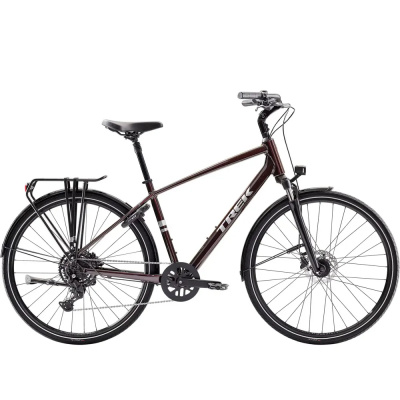
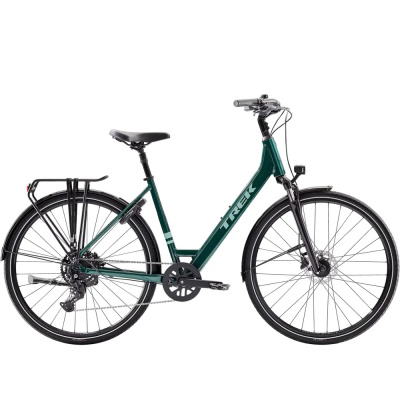
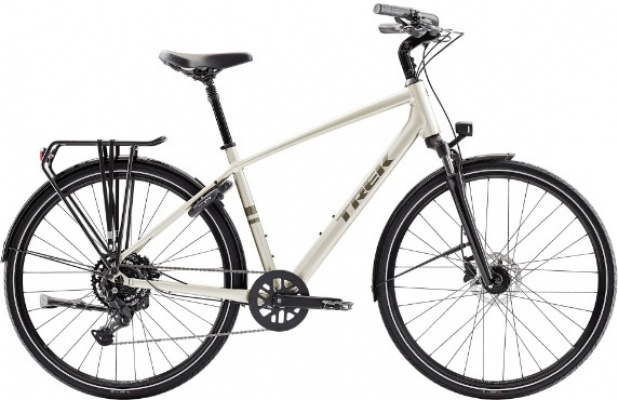
Prices and availability can change quickly. Delivery charges are not always included in listed prices.
Final price, stock status and delivery terms are set by retailer. We may receive a commission on purchases made.
Decoding the Trek Hybrid Lineup
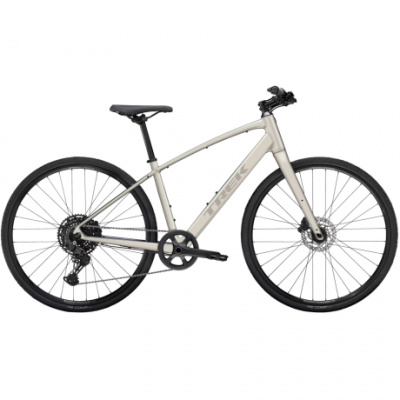
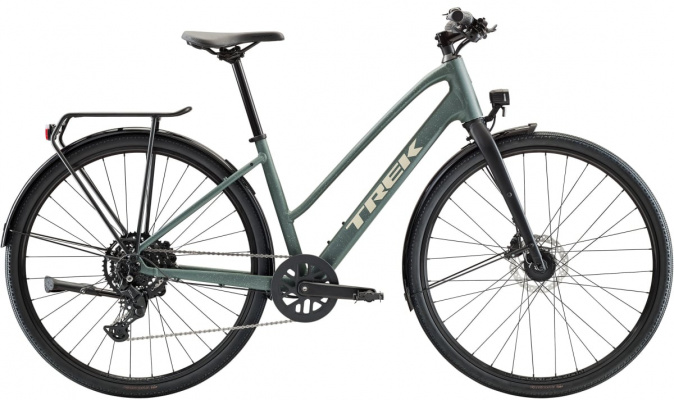
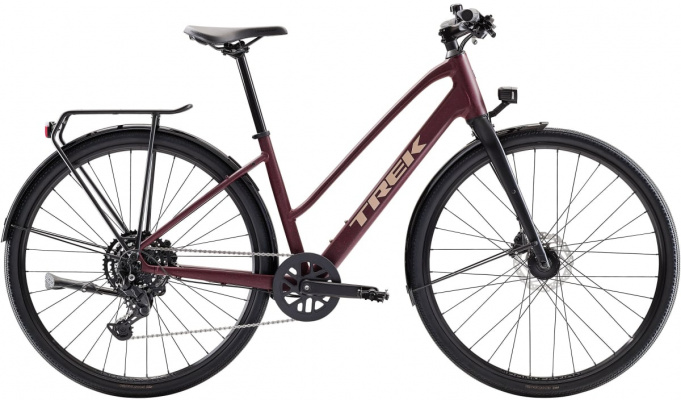
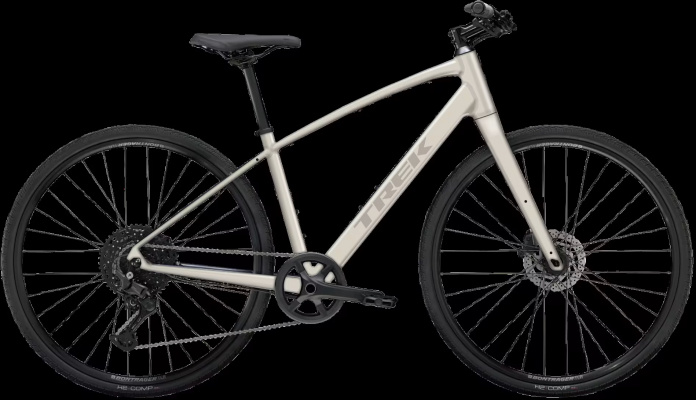
The FX is what most people picture when they think Trek fitness bikes - a rigid, 700c-wheeled flat bar road bike that prioritises efficiency on tarmac and smooth cycle paths. No suspension forks, no knobbles, just a clean, fast-rolling setup that responds well to effort. The Dual Sport is a different proposition. It runs wider, more aggressive tyres - often with front suspension on mid-range and above models - making it genuinely useful on gravel towpaths, rougher bridleways, and the kind of potholed urban back streets that would rattle a pure fitness bike apart. Think of the Trek FX vs Dual Sport distinction as: one's a quick-dry polo shirt, the other's a fleece - both smart, but suited to different forecasts.
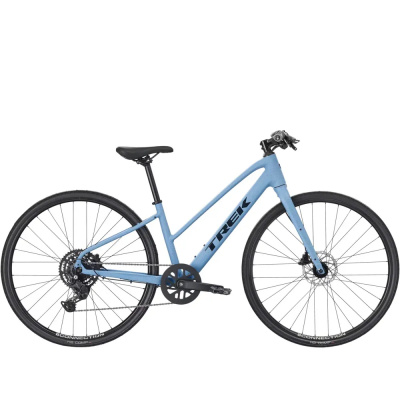
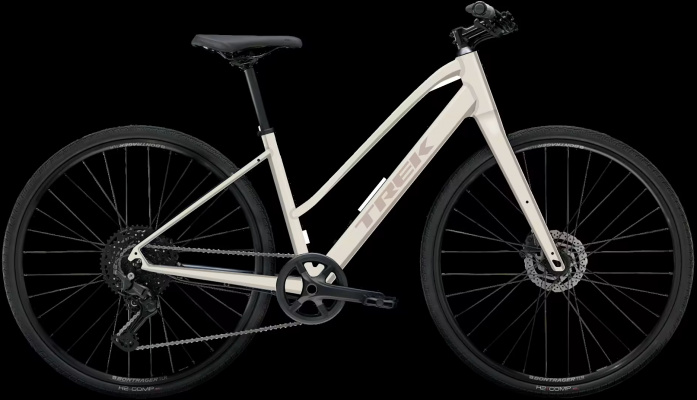
The Verve sits apart from both. It's built around an upright, comfort-first geometry with swept-back bars and a softer overall feel. Ideal for riders who want steady, relaxed miles rather than a workout. The Stagger (step-through) frame option across all three families is worth noting - it's not just for accessibility, it's genuinely practical if you're commuting in work clothes and don't fancy hoisting a leg over a crossbar outside the office.
Numbers matter in the Trek range. A 1-spec bike gets you the functional basics - mechanical disc brakes, an entry-level Shimano groupset, aluminium fork. Move to a 3 or 4 and you're into carbon fork territory, hydraulic disc brakes, and noticeably better finishing kit. If your budget stretches, the jump from 1 to 3 is significant in daily use. If you're interested in pedal-assist versions - the FX+, Dual Sport+, and Verve+ - those live on our dedicated Trek E-Bikes page, where the motor and battery specs are covered properly.
What Trek Actually Builds Into the Frame
Alpha Aluminium is Trek's in-house alloy spec, split into Gold and Silver grades. Gold is the lighter, more refined material used on upper-tier models; Silver is slightly heavier but still stiff and durable enough for daily commuting abuse. Neither is fragile - these are frames designed to take racks, full mudguards, and the odd kerb hop without complaint. The practical upshot is a bike that stays light enough to carry up stairs but won't flex or creak after a winter of wet commutes.
Blendr stem integration is one of those details that sounds minor until you've spent five minutes cable-tying a Garmin to a standard stem. Blendr uses a proprietary interface built into the stem face to mount lights and computers cleanly, without adaptors or rubber bands cluttering the bars. For Trek commuter bikes, it's a genuine quality-of-life feature. Pair it with Trek's own Trek lights and the whole cockpit looks considered rather than cobbled together.
DuoTrap S compatibility is a small but useful detail for fitness-focused riders. The frame has a dedicated cavity for a combined speed and cadence sensor, keeping the drivetrain area tidy and the data clean - no magnet flopping around a spoke. If you track your rides seriously, it's a better solution than most aftermarket sensor setups. IsoZone handlebars and grips address one of flat bar cycling's persistent annoyances: hand fatigue and road buzz on longer rides. The IsoZone system uses a compliant layer in the grip zone to take the edge off vibration - not a full suspension solution, but noticeable on an extended commute or a two-hour fitness ride.
Running a Trek Hybrid Through a UK Winter
British roads are not kind to bikes. The combination of high-volume tyres - typically 700x35c to 700x40c on current FX and Dual Sport models - and decent frame clearance means you're not white-knuckling it over potholes the way you would on a 25c road bike. That tyre width also gives you the option to run slightly lower pressures for grip in the wet, which matters when you're commuting through October.
Mudguard mounts are hidden but they're there - SKS or Crud-type full-length guards fit cleanly without adaptors on most models. Same story with the pannier rack mounts. If you're buying a Trek hybrid for commuting and not immediately fitting mudguards and a pannier rack, you'll likely regret it come November. It takes twenty minutes and transforms the bike into a proper year-round tool. A kickstand is worth adding too - small thing, but useful when you're loading bags outside a shop.
Sizing is straightforward across the range, but the Stagger frame option genuinely changes the bike's character. Step-through geometry drops the top tube significantly, making mounting and dismounting easier in work trousers or a skirt without affecting the riding position much at all. If you're comparing Trek fitness bikes against alternatives, Giant hybrid bikes and Boardman hybrid bikes both compete closely at similar price points - though Trek's integrated mudguard and accessory ecosystem is arguably more joined-up. For riders who find the FX a touch too road-focused, it's also worth glancing at Trek gravel bikes, which share some DNA but push further off-road.
Trek Hybrid Bikes FAQs
What is the difference between Trek FX and Dual Sport?
The FX is a rigid fitness bike shaped for tarmac and cycle paths - fast, efficient, no-fuss. The Dual Sport runs wider tyres and often adds front suspension, making it better suited to canal towpaths, light gravel, and rough urban roads. If your commute or weekend riding stays mostly on tarmac, the FX is the sharper tool. Mixed surfaces tip it firmly toward the Dual Sport.
Are Trek hybrid bikes good for long distances?
Yes, particularly the higher-numbered FX models. The FX 3 Disc, for example, comes with a carbon fork and IsoZone grips that take meaningful road buzz out of longer flat bar rides. That said, fit matters more than the bike on extended distances - get the saddle height and bar reach dialled before a big day out, or hand fatigue will find you.
Which Trek hybrid bike is best for commuting?
For most UK commuters, the FX 2 Disc or FX 3 Disc hit the mark - fast-rolling 700c wheels, hydraulic disc brakes, and all the mounts needed for mudguards and a rack. If your route involves rough towpaths or serious pothole dodging, the Dual Sport's wider tyres and more forgiving setup make a stronger case.