
Ortlieb Pannier Racks
Ortlieb pannier racks are built with the same no-nonsense engineering philosophy that made their bags a fixture on loaded bikes from the Cairngorms to the Cotswolds. Where lesser racks flex, rattle, and corrode after a winter of salted roads, Ortlieb's aluminium construction holds firm - and the integration with their proprietary QL2.1 and QL3.1 mounting systems means your bags lock on without the usual clatter and sway that ruins the handling of a loaded bike.
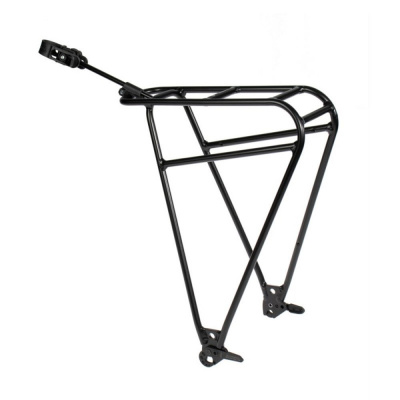
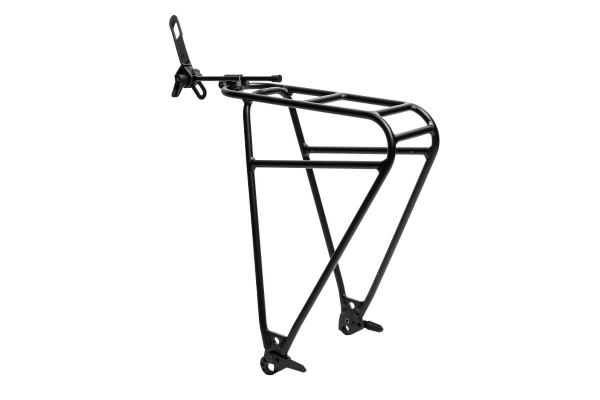
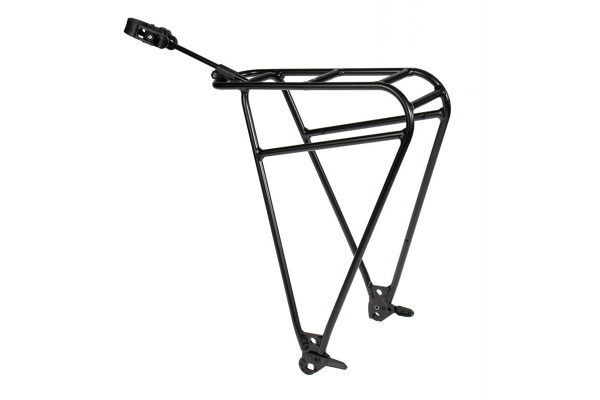
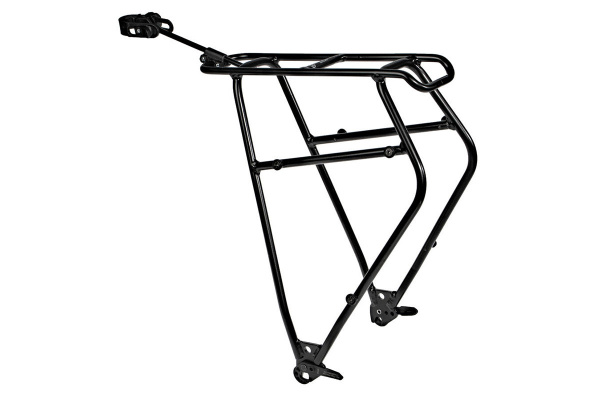
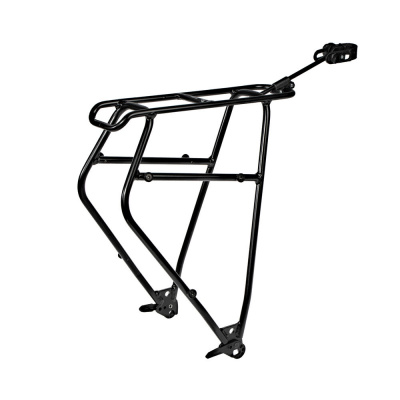
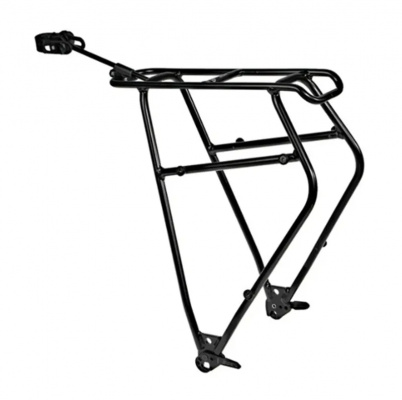
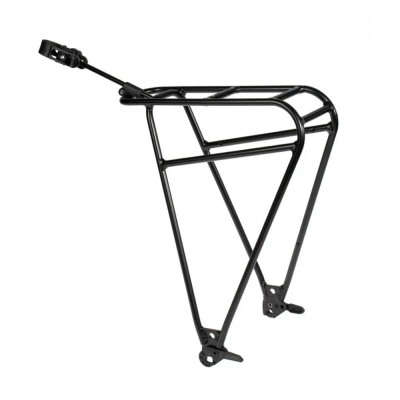
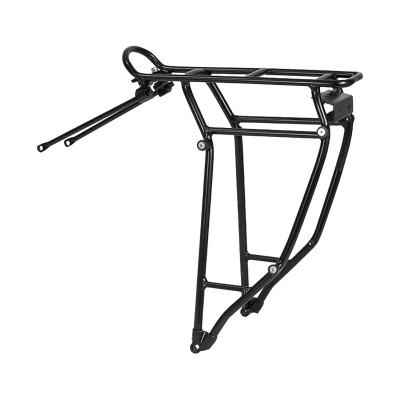
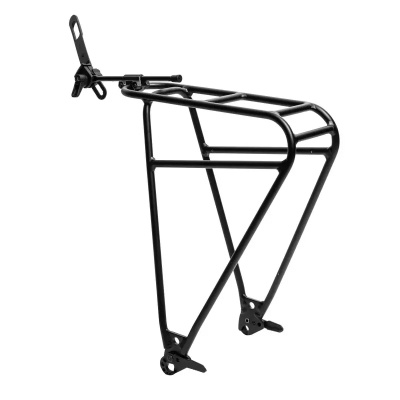
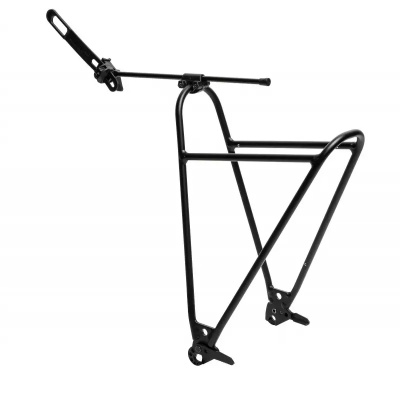
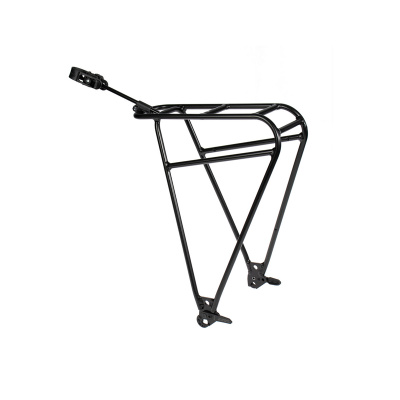
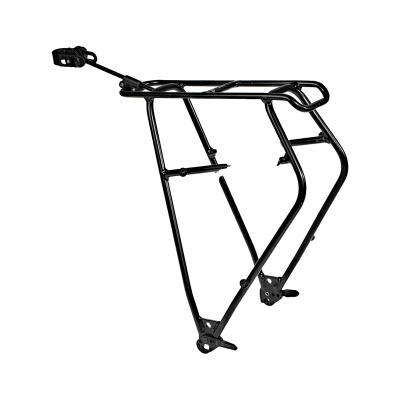
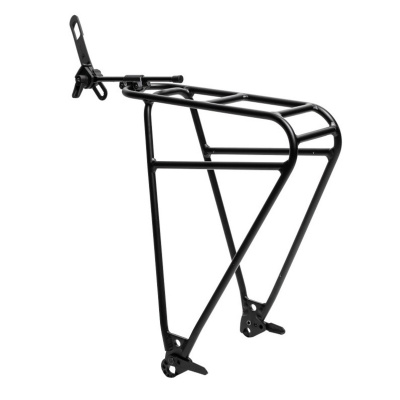
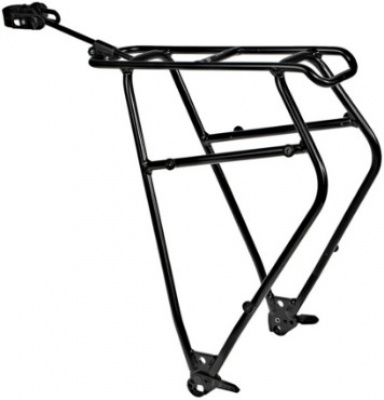
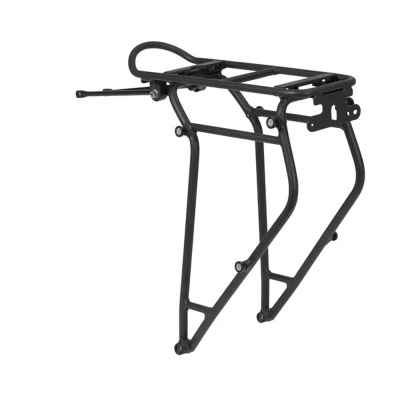
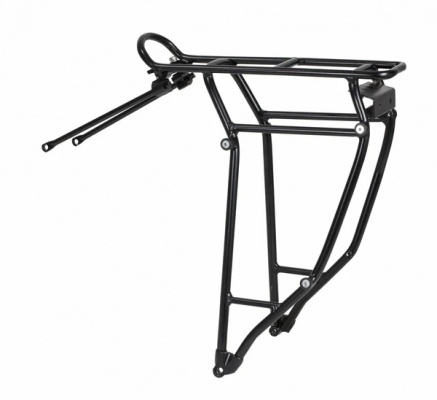
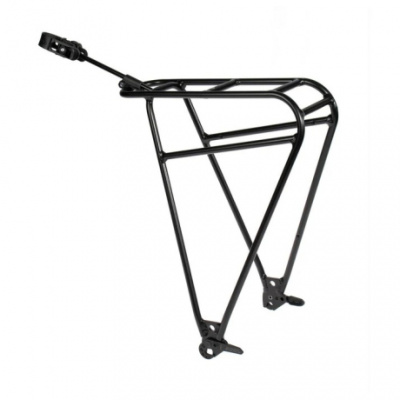
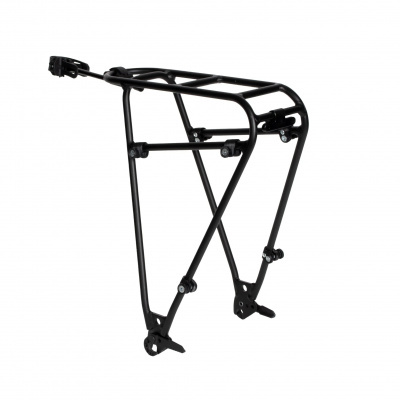
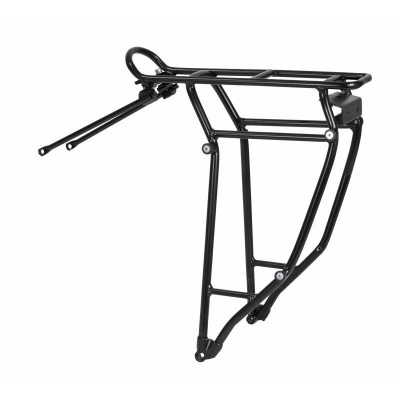
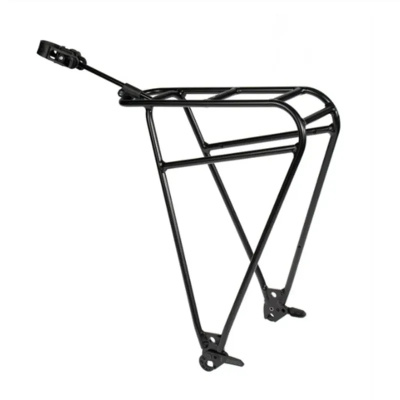
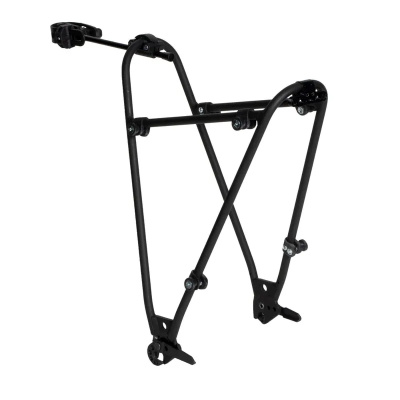
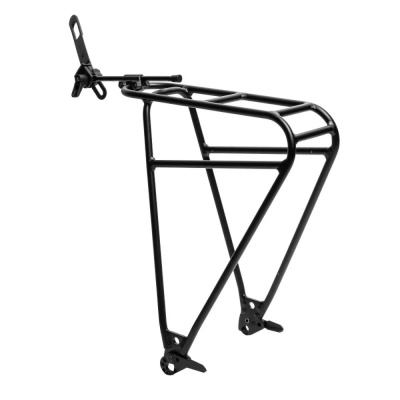
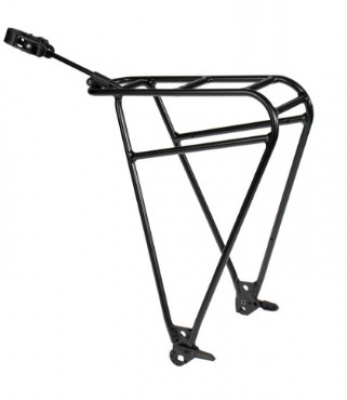
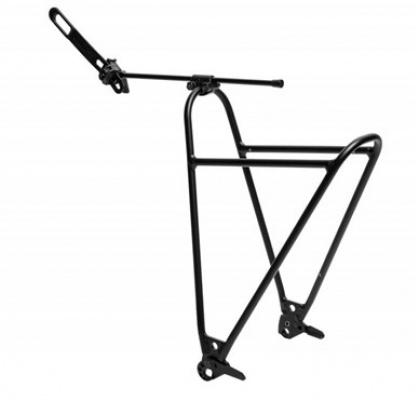
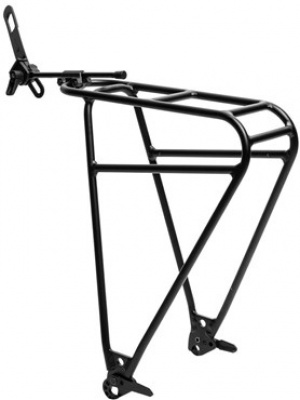
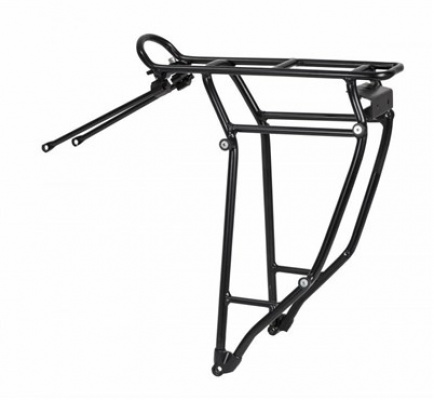
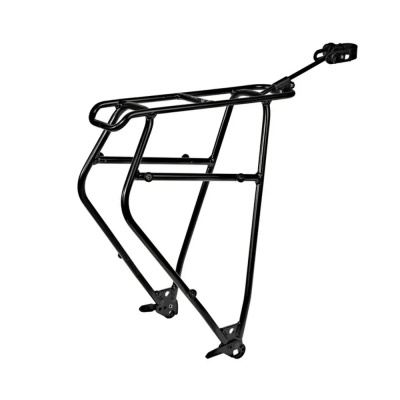
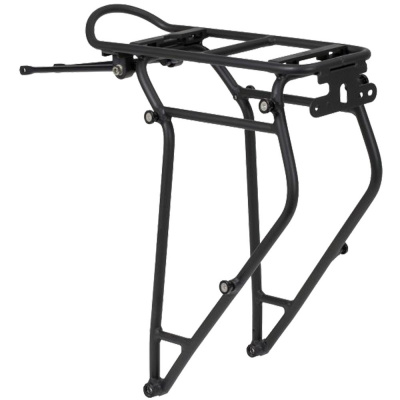
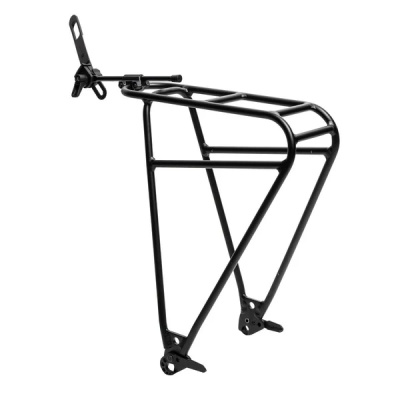
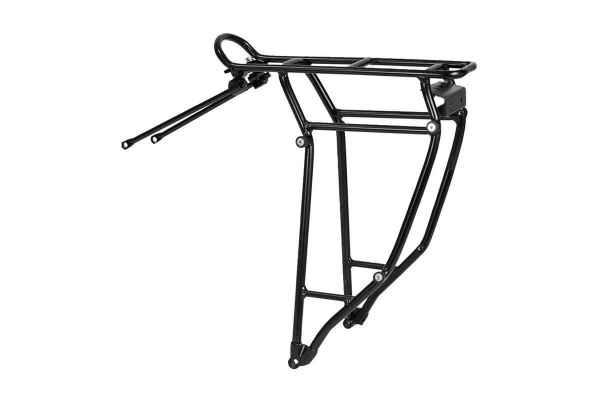
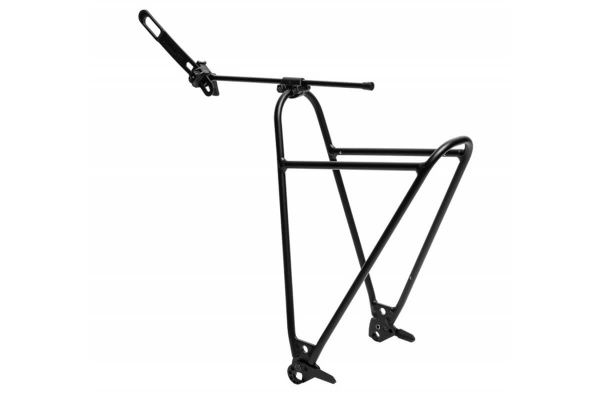
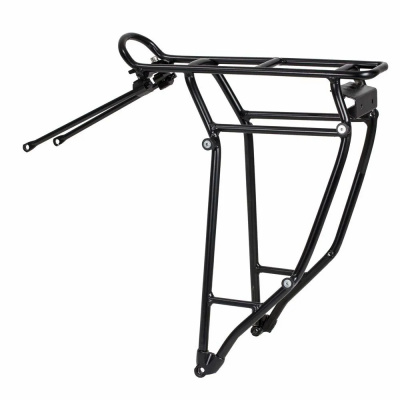
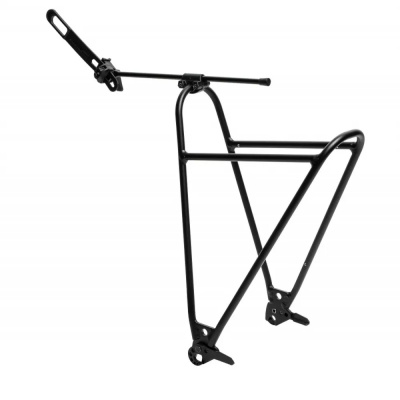
There are broadly two directions to go here. The Quick-Rack and Quick-Rack Light are aimed at riders who want a rack they can fit and strip in seconds - genuinely useful if you're commuting on a gravel bike and the rack comes off every weekend. The Rack Three is a different beast: a heavy-duty double-rail platform designed for serious touring loads where you need panniers and a top bag running simultaneously without the whole setup going wobbly.
Both approaches share Ortlieb's 10mm aluminium tube construction, proper corrosion resistance for UK winters, and that compatibility with the wider Ortlieb bag ecosystem. If you're building a touring setup or just want a rack that doesn't feel like an afterthought, you're in the right place.
Prices and availability can change quickly. Delivery charges are not always included in listed prices.
Final price, stock status and delivery terms are set by retailer. We may receive a commission on purchases made.
Compatibility: What Actually Fits Your Frame
Getting an Ortlieb rack to fit starts with knowing what your frame offers. Most aluminium and steel frames come with braze-on mounts - threaded M5 or M6 eyelets at the dropout and mid-seatstay - and that's the straightforward case. You bolt the rack legs to those eyelets, set the strut angle, and you're done. If your frame has no eyelets, the Quick-Rack uses seatstay clamp adapters that grip the tubes directly. These work well on standard round seatstays, though it's worth measuring your tube diameter before ordering.
Disc brake frames add a layer of complexity. You need to check that the rack legs clear your caliper and rotor without fouling - Ortlieb designs their racks with this in mind, but the exact clearance depends on your frame's seatstay and chainstay geometry. On frames with thru-axle dropouts, you'll need a specific adapter to bridge the dropout eyelet gap; don't assume a standard fit will work here. Carbon frames are a different matter entirely - the clamping forces involved in rack mounting can stress carbon tubes in ways that aren't always visible. Unless your bike manufacturer explicitly approves rack mounting on their carbon frame, it's not worth the risk.
The QL3.1 mounting system is worth understanding properly. The integrated mounting pegs sit on the rack itself rather than on the bag, which means the pannier's profile stays clean and flat when you're carrying it off the bike - no hooks jabbing into your side on the commute from the station. These pegs can be removed if you're running QL2.1-compatible bags that use the standard 10mm tube hook system instead. It's a small detail, but it makes the rack genuinely versatile across Ortlieb's bag range. Looking for replacement mounting hardware or specific axle kits? Head over to our Ortlieb Adapters page to find the exact fit for your frame.
Quick-Rack vs. Rack Three: Choosing the Right Tool
The Quick-Rack is built around a single idea: get the rack on and off the bike fast. Ortlieb's quick-release system means the whole rack can be installed or removed in around 15 seconds - that's not marketing copy, it's a genuinely useful feature if your bike doubles as your weekend gravel machine and your Monday commuter. The Quick-Rack is rated to 20kg, which covers most real-world loads comfortably. The Quick-Rack Light drops a little capacity to 15kg in exchange for reduced weight, which makes more sense on a lighter gravel bike where you're not carrying the kitchen sink.
Neither of these is the right answer for a fully loaded touring bike, though. That's where the Rack Three comes in. Its double-rail design does two things: it drops your panniers' centre of gravity lower on the wheel, which noticeably improves handling stability when you're loaded up, and it gives you a proper platform to run a top trunk bag at the same time as a pair of panniers. The 30kg load capacity means you can genuinely pack for weeks rather than weekends. If you're planning a point-to-point across the Scottish Highlands or a summer crossing of Europe, this is the rack that won't leave you second-guessing your choice on a long descent.
If you're weighing Ortlieb against the alternatives, Blackburn pannier racks and Old Man Mountain pannier racks are worth a look for specific frame types - Old Man Mountain in particular have strong options for non-standard dropout configurations. But for riders already invested in Ortlieb bags, keeping the rack in the same ecosystem means the QL system works as intended and you're not bodging adapters to make mismatched kit play nicely. SKS pannier racks sit at a lower price point if budget is the primary driver.
Pair whichever rack you choose with the right bags - our Ortlieb pannier bags page covers the full range, from the compact Back-Roller City to the cavernous Back-Roller Classic.
UK Roads, Grit, and Keeping Your Rack Solid
Britain's B-roads are a particular kind of punishment. Between the frost heaves, loose chippings, and the salt that gets everywhere from November to March, a loaded rack takes a sustained beating that a well-paved European cycle path simply doesn't deliver. Ortlieb's anodised aluminium handles the corrosion side well - the finish resists salt penetration better than bare alloy - but there are a couple of things worth doing at home to keep everything tight.
First, use medium-strength threadlock on every frame mounting bolt. Loctite 242 is the standard recommendation. The vibration from rough road surfaces works bolts loose over time, and a rack that's shifted even a couple of millimetres can stress the bag mounting points and eventually crack a strut. Torque to Ortlieb's specified values - don't just nip them up finger-tight and hope for the best. Check the bolts after the first few rides, then every few months.
Second, if you're running non-Ortlieb bags on an Ortlieb rack, the contact point between the pannier hook and the 10mm rack tube is where grit does its damage. Road grit acts like a slow grinding paste, wearing into both the hook and the tube surface. A wrap of helicopter tape (paint protection film) over the top tube of the rack where the hooks sit costs almost nothing and adds months to the life of both components. It's the kind of thing you'd only know if you'd seen the wear patterns up close, but it makes a real difference over a touring season.
If you're also thinking about mudguard clearance - worth considering if the rack sits close to your tyre - check out Ortlieb mudguards for options that are designed to work alongside their rack geometry without creating clearance problems.
Ortlieb Pannier Racks FAQs
Does the Ortlieb Quick-Rack fit on any bike?
Not quite any bike. It fits most aluminium and steel frames with M5 or M6 threaded eyelets, or can clamp to seatstays via adapters if eyelets are absent. It's not recommended for carbon frames unless your bike manufacturer has specifically approved rack mounting - the clamping forces involved aren't something to gamble with on a carbon tube.
What is the difference between Ortlieb QL2.1 and QL3.1 racks?
QL3.1 racks carry integrated mounting pegs on the rack itself, so the locking mechanism stays on the bike rather than the bag - your pannier stays flat and easy to carry off the bike. QL2.1 racks use standard 10mm tubing designed for traditional pannier hooks. The QL3.1 pegs are removable, so the rack can work with QL2.1 bags too.
How much weight can an Ortlieb pannier rack hold?
It depends on the model. The Quick-Rack Light handles up to 15kg, the Quick-Rack up to 20kg - both are well suited to commuting and lighter touring loads. The Rack Three steps up to 30kg for fully loaded bikepacking and long-distance touring where you're carrying everything you need for weeks on the road.