
Ortlieb Pannier Bags
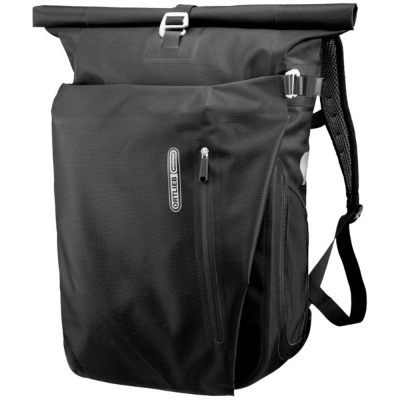
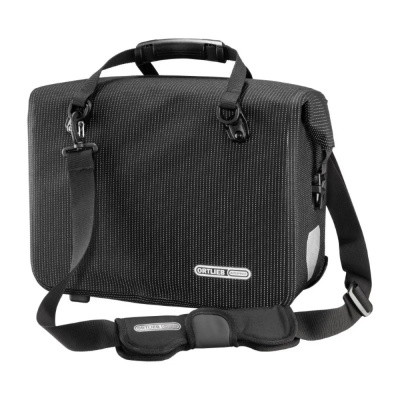
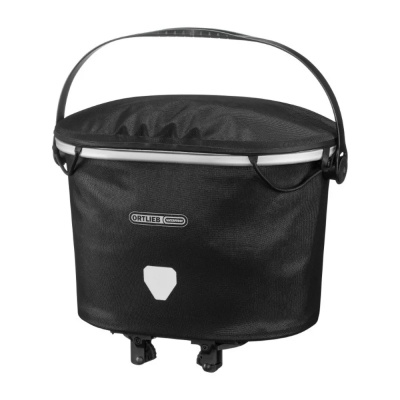
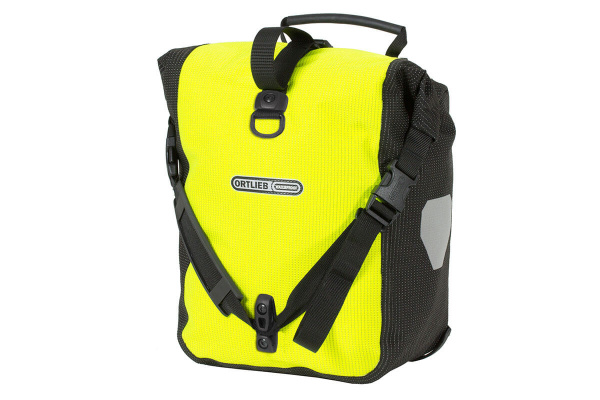
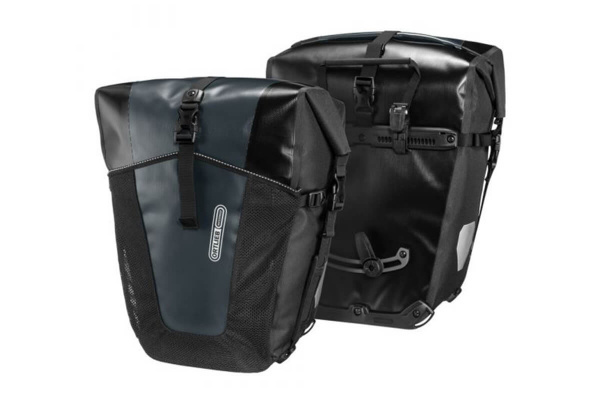
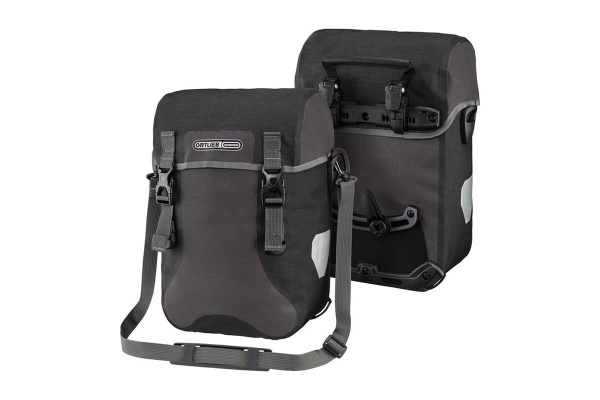
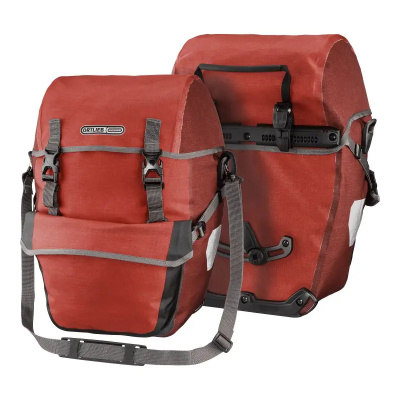
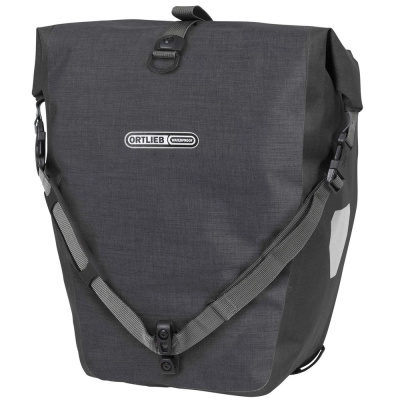
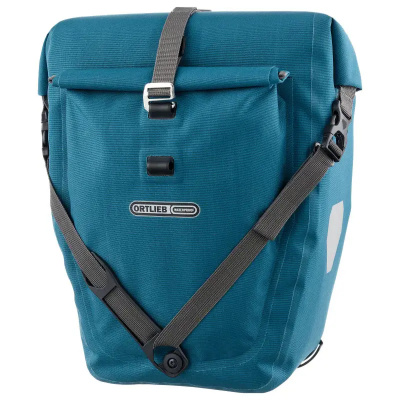
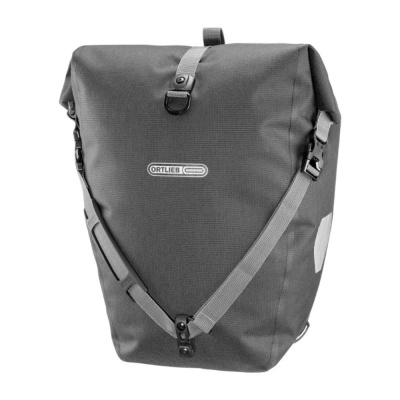
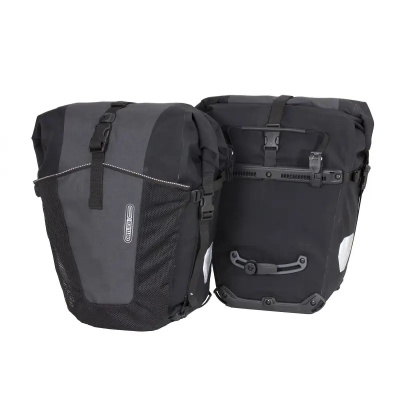
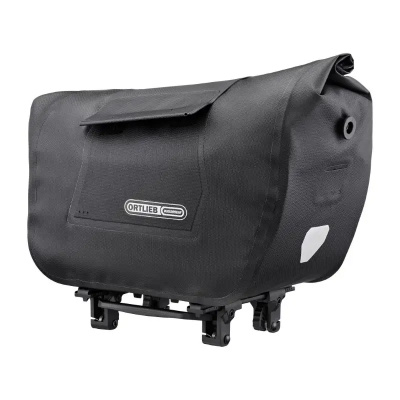
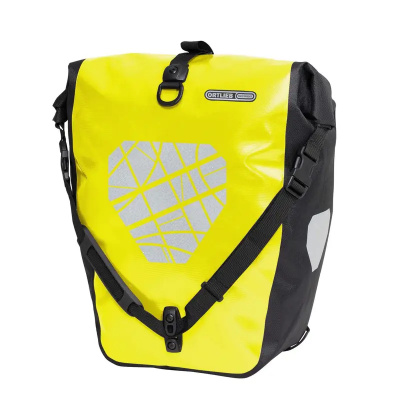
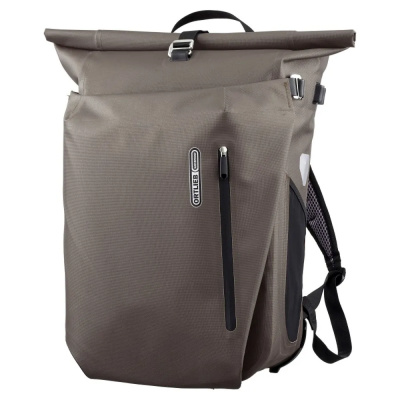
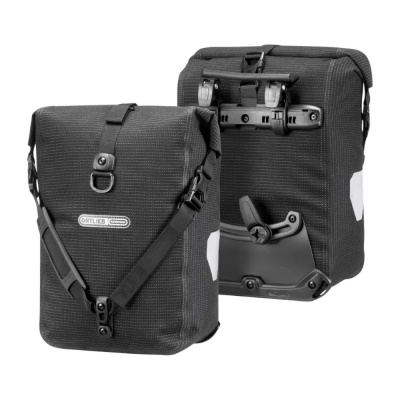
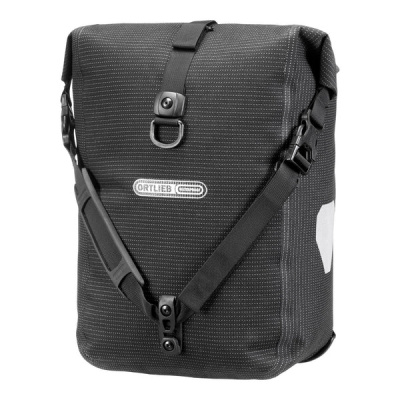
For keeping your kit genuinely dry on a soaking UK commute or a week-long loaded tour, Ortlieb pannier bags remain the benchmark that everything else gets measured against. Made in Germany, they use high-frequency 3D welded seams rather than stitched and taped construction - and that difference is real. No stitching means no capillary action, no slow weeping at the seams when the rain turns biblical somewhere on the A68. The bags carry a true IP64 waterproof rating, so you can bin the emergency rain cover and trust the roll closure to do its job.
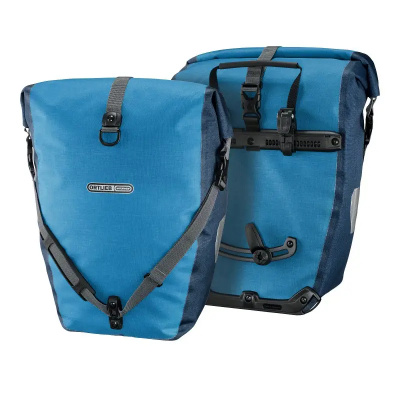
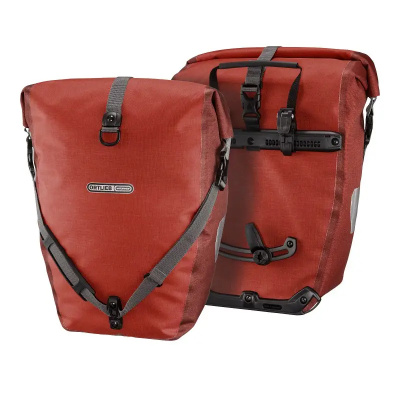
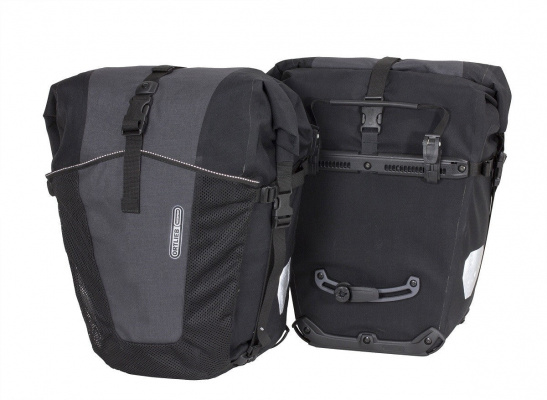
What separates Ortlieb from the rest, though, is the Quick-Lock mounting system. Tool-free, adjustable, and designed to fit almost any standard rack straight out of the box, it's the reason commuters from Edinburgh to Bristol rely on these bags day in, day out. Whether you're running a chunky expedition rack or a lightweight commuter setup, the QL system clamps on securely and doesn't rattle - a bigger deal than it sounds after forty miles of urban cobbles.
Browse the full range below. If you're building out a complete touring or commuting rig, our pages on Ortlieb Pannier Racks, Ortlieb Bar Bags, and Ortlieb Frame Bags are worth a look too.
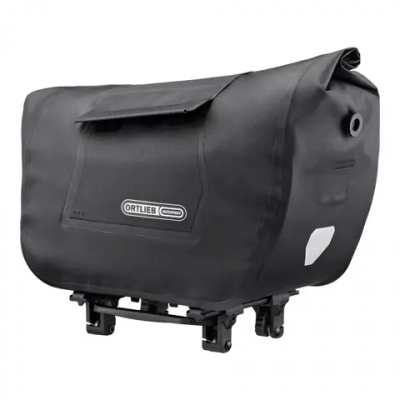
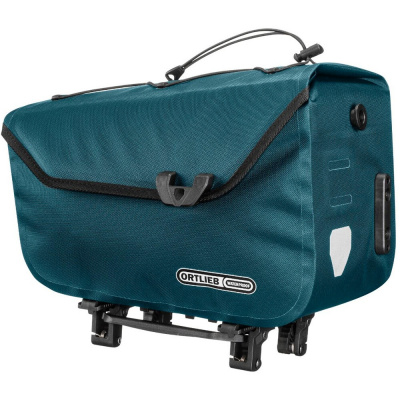
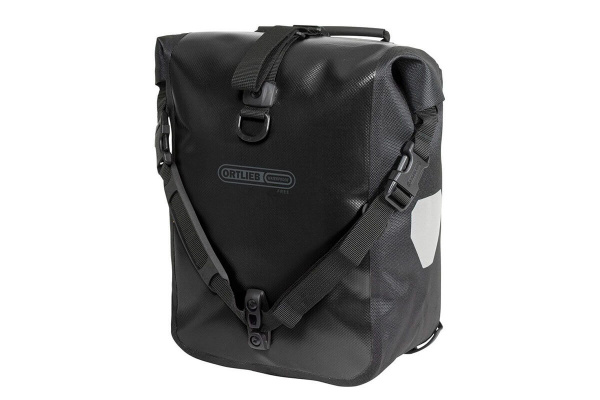
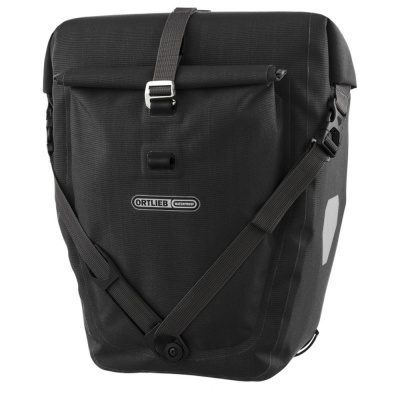
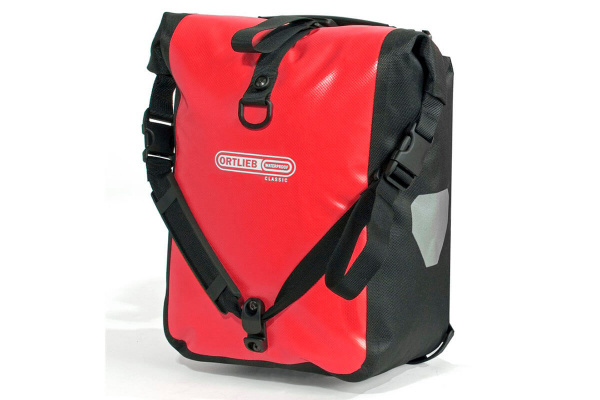
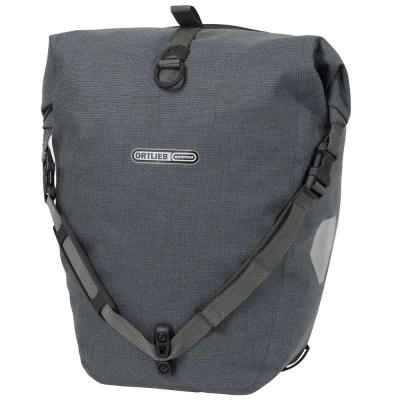
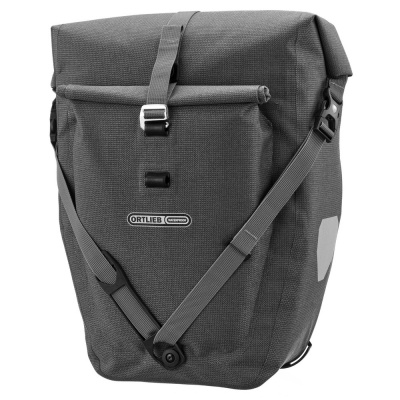
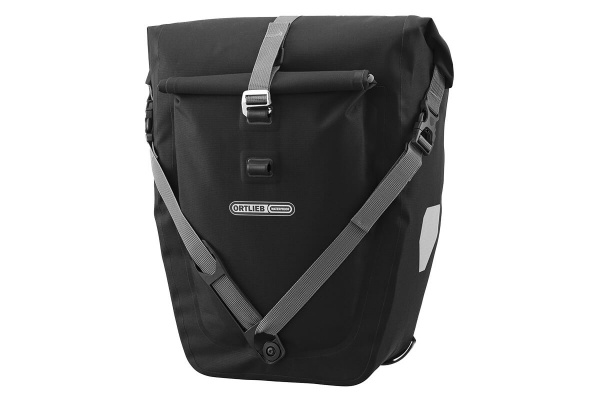

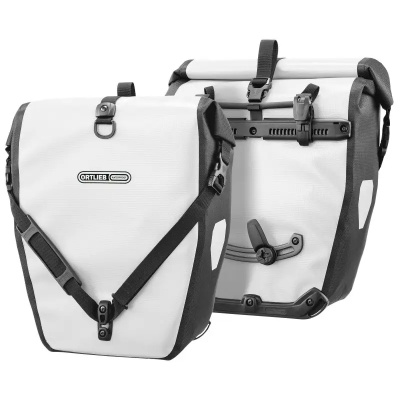
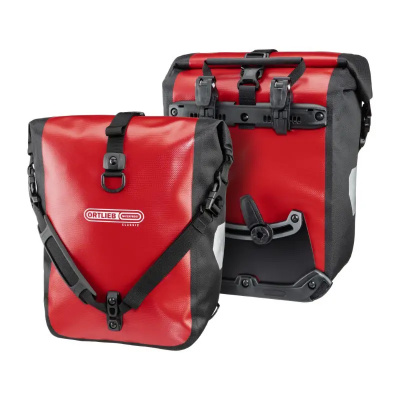
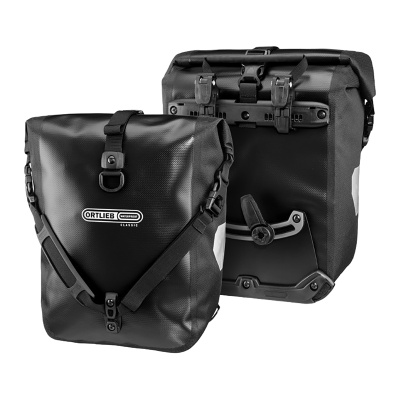
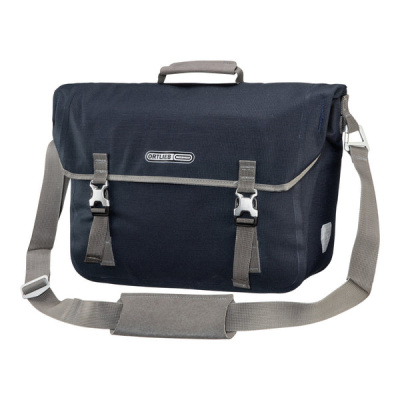
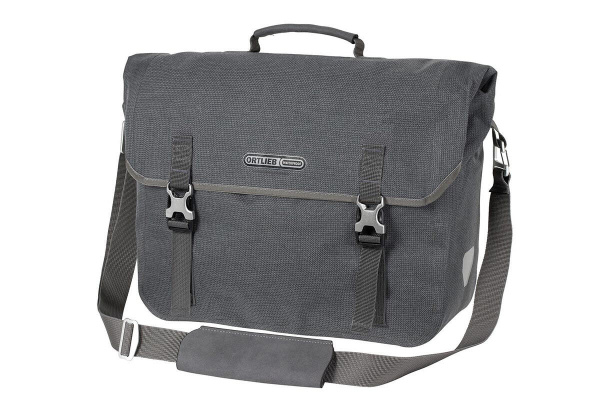
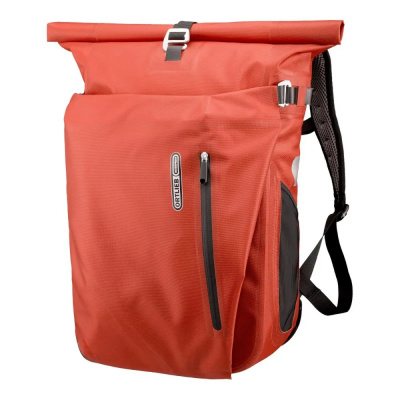
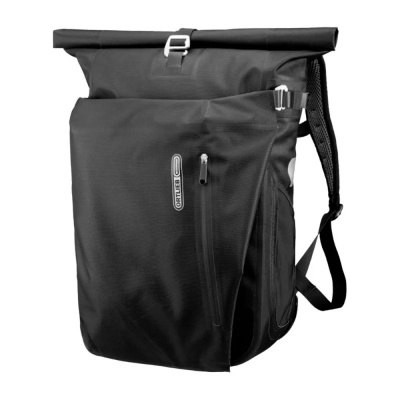
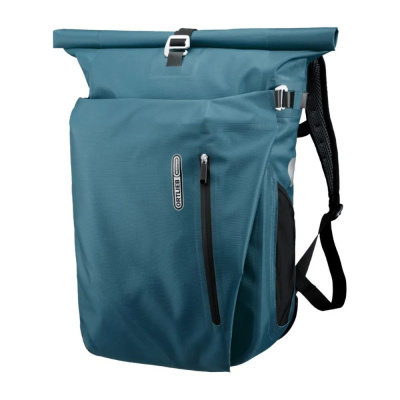
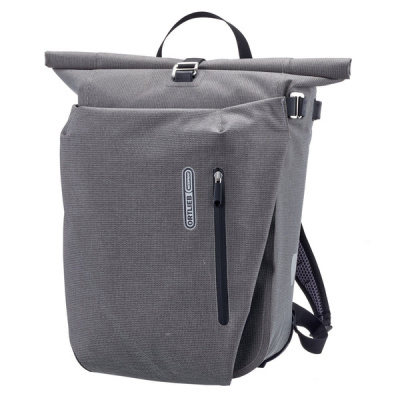
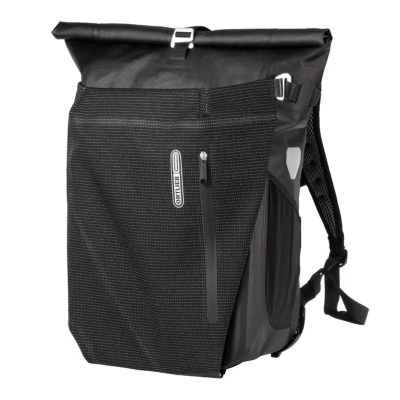
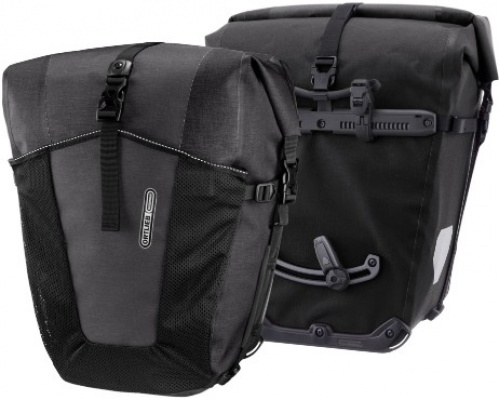
Prices and availability can change quickly. Delivery charges are not always included in listed prices.
Final price, stock status and delivery terms are set by retailer. We may receive a commission on purchases made.
QL2.1 vs QL3.1: Getting the Mounting Right Before You Buy
The Quick-Lock system is what makes Ortlieb pannier bags so practical, but there are meaningful differences between QL2.1 and QL3.1 that matter before you order. The QL2.1 system is the workhorse option - it clips onto the top rail of almost any standard touring or commuter rack with tube diameters up to 16mm. Inside the box you'll find anti-scratch reducing inserts in 8mm, 10mm, and 12mm sizes, which drop into the hook channel to match finer rack tubing precisely. Get the right insert in place and the fit is snug, with no creaking or lateral movement even on a fully loaded descend off something like the Bealach na Bà.
Do yourself a favour: grab a set of digital calipers and measure your rack's tube diameter before fitting. It takes thirty seconds and stops you running the wrong insert, which causes unnecessary wear on both hook and rack over time. The lower anchor hook adjusts on an elliptical rail, letting you tension the bag against the rack leg so it sits flush without any swinging.
QL3.1 mounting is a different proposition. It's designed for a cleaner look on commuter bikes - no visible hook hardware above the bag - but it needs either a specific QL3.1-compatible rack or the bracket that ships with the bag. If you're fitting to an older touring rack, stick with QL2.1. If you're speccing a new build with a matching rack, QL3.1 looks sharp and works just as securely. Neither system requires tools; both allow single-handed bag removal, which you'll appreciate on a wet Thursday morning outside the office.
Classic, Plus, Urban, Free: Choosing the Right Fabric for Your Riding
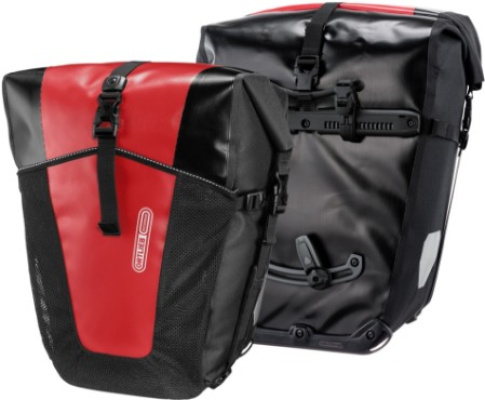
Ortlieb's range isn't just different sizes - it's different materials philosophies, and the choice matters depending on how and where you ride. The Back-Roller Classic uses PD620 and PS490 PVC-coated polyester. It's heavy stuff. Stiffer than you'd expect, almost board-like when it's cold, and it will shrug a kerb-strike, an overzealous supermarket trolley, and three Welsh winters without complaint. If absolute scuff and abrasion resistance is the priority - loaded touring, daily urban use on rougher routes - Classic is your bag.
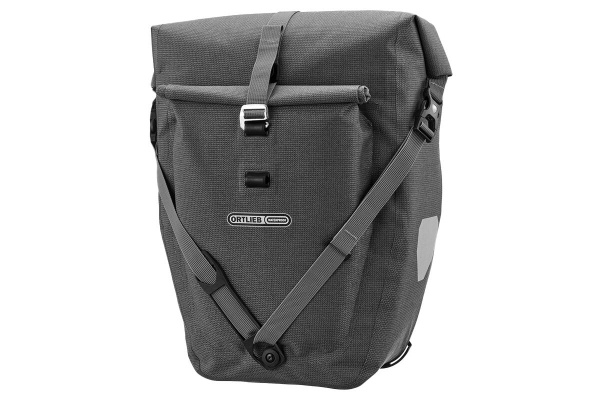
The Back-Roller Plus swaps that PVC construction for PS36C Cordura fabric, which changes the character noticeably. It's lighter, PVC-free, and meaningfully more supple - the roll closure folds cleanly even when it's just above freezing, which the Classic can struggle with. You lose a fraction of the raw toughness, but for most commuters and touring cyclists, the Plus material is more than durable enough and easier to live with day-to-day. It's also the better call if environmental credentials matter to you.
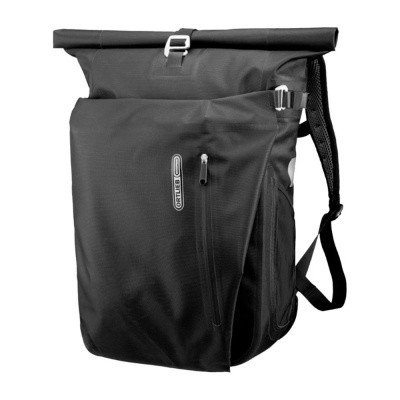
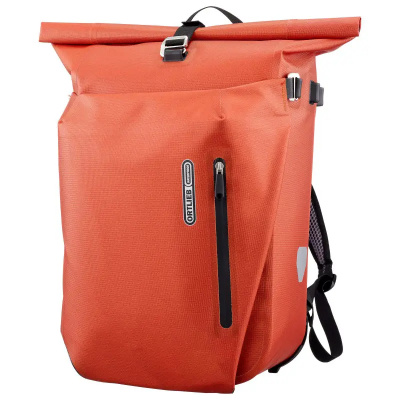
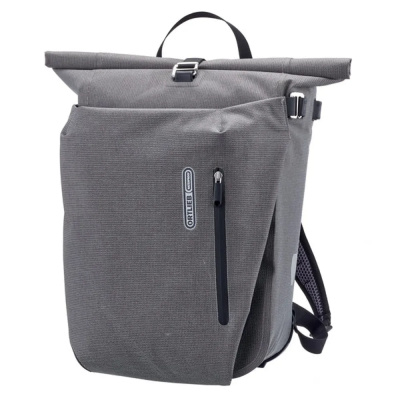
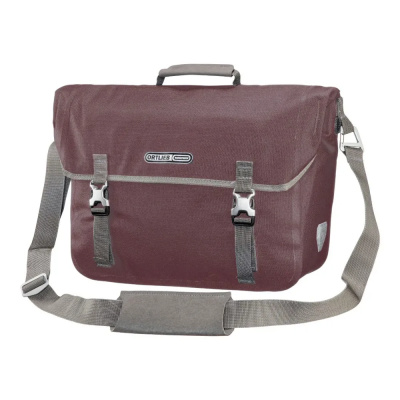
The Urban range blends Cordura with a cotton-feel exterior, so the bags carry comfortably off the bike - useful if your commute ends with a walk through an office. They're not quite as weatherproof-looking as the Classic, but the waterproofing spec doesn't change. At the other end, the Free models are PVC-free alternatives to the Classic - same general shape and robustness, cleaner materials story. Worth considering if you want Classic-level toughness without the PVC.
For context, Altura panniers and Carradice panniers both offer solid waterproof options at various price points, but neither matches Ortlieb's welded-seam construction. Brooks panniers lean into heritage aesthetics over technical waterproofing. If keeping things dry is the non-negotiable, Ortlieb's fabric engineering is in a different bracket.
Keeping the Mounts Clean Through a UK Winter
The PU-coated nylon and PVC fabrics used across the waterproof Ortlieb rear panniers range are essentially indestructible under normal use. What does need attention is the hardware. UK road grit and salt are relentless - fine particles work into the QL hook springs and the lower anchor rail channel over a winter of daily commuting, and if you leave it, the hooks can become stiff or start to stick.
A monthly rinse of the mounting hardware with warm soapy water is all it takes during the colder months. Get into the hook channel, around the spring mechanism, and along the lower anchor rail. Rinse thoroughly, let it dry, and the mechanism stays slick. Don't use solvents or degreasers on the PU-coated nylon or PVC bag bodies - they'll damage the coating and compromise the waterproofing over time. Warm water and a soft brush is enough.
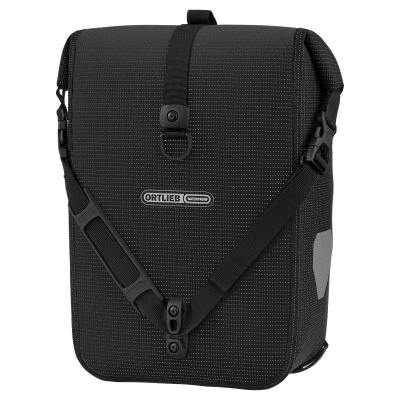
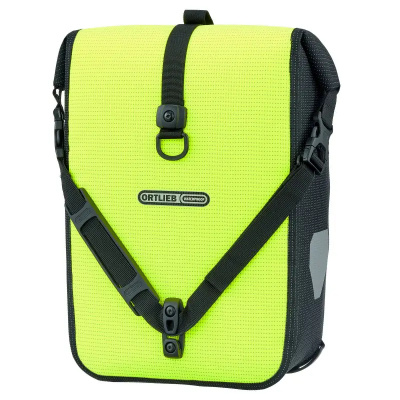
The modular design means that if a hook spring does eventually give up or you lose an insert, you don't need a new bag. Every bolt, hook, insert, and anchor component is available separately through Ortlieb's spare parts system - a genuinely useful detail for long-term ownership. The 3M Scotchlite reflective panels on most models are worth noting too: on dark winter commutes around the Peak District or along unlit towpaths, that visibility matters more than most riders think about until it's relevant. High-frequency welded seams also mean there's no stitching to degrade with repeated wet-dry cycling, so the bags age well with minimal maintenance beyond the hardware rinse.
If you're running Ortlieb panniers for UK touring, a good habit is to check the rack tube diameter compatibility after any rack swap - it's easy to forget that different racks use different tube profiles, and the wrong insert can cause surprising amounts of rack abrasion over a loaded tour.
Ortlieb Pannier Bags FAQs
Do Ortlieb panniers fit any rack?
Most Ortlieb bags use the QL2.1 system, which fits standard racks with tube diameters up to 16mm. The bag ships with reducing inserts for 8mm, 10mm, and 12mm tubes, so you can dial in a tight, rattle-free fit on almost any rack. QL3.1 bags are the exception - those need a compatible QL3.1 rack or the supplied mounting bracket.
What is the difference between Ortlieb Classic and Plus?
The Classic uses PD620/PS490 PVC-coated polyester - heavier, stiffer in cold weather, and exceptionally tough. The Plus uses PS36C Cordura, which is lighter, PVC-free, and noticeably more flexible when temperatures drop. Both are fully waterproof. Choose Classic for maximum abrasion resistance; go Plus if weight savings and cold-weather usability are more important.
How do you adjust the Ortlieb QL2.1 mounting system?
<ul><li>Lift the top handle to open the QL hooks and slide them along the rail to match the width of your rack's struts.</li><li>Drop in the correct reducing insert for your rack's tube diameter (8, 10, or 12mm options included).</li><li>Adjust the lower anchor hook along its elliptical rail until it presses firmly against the rack leg, eliminating any lateral sway.</li><li>No tools needed at any stage - the whole process takes under a minute once you've done it once.</li></ul>