
Carradice Pannier Bags
Carradice pannier bags are handcrafted in Nelson, Lancashire, and they've been setting the standard for touring luggage since 1932. The material is everything here: Cotton Duck canvas, woven dense and treated so it swells when wet to seal itself from the inside out. That's not a marketing claim - it's a physical property of the fabric, and it's why these bags are still going strong on bikes that have crossed continents. No delaminating seams, no cracked coatings after a Yorkshire winter. Just canvas that gets better with use.
The range covers everything from stripped-back daily panniers to serious expedition luggage. If you're commuting through Bristol or loading up for a week in the Scottish Highlands, there's a Carradice bag sized and shaped for what you're carrying. Capacity runs from modest 32-litre pairs for lighter touring to 54-litre pairs that'll swallow a fortnight's worth of kit without complaint.
Mounting uses either the Quick-Clip system or the C-System hooks - both adjustable, both robust, and both designed to work with standard pannier racks without fuss. If you're comparing against Ortlieb panniers or Altura panniers, the key difference is longevity and repairability: Carradice canvas can be reproofed and patched for decades.
Prices and availability can change quickly. Delivery charges are not always included in listed prices.
Final price, stock status and delivery terms are set by retailer. We may receive a commission on purchases made.
Fitting Carradice Panniers to Your Rack
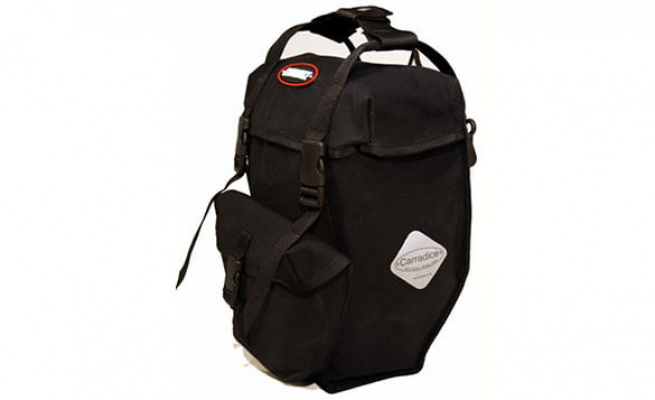
Carradice uses two attachment systems across the range. The Quick-Clip system uses a pair of hooks with a sprung lower clip - you hook over the top rail, press the lower clip into position, and it locks on. It's fast, secure, and takes about three seconds once you've done it twice. The C-System is the heavier-duty version: larger hooks designed for varied tubing diameters, better suited to loaded touring where you want no movement at all.
Both systems fit rack tubing up to 13mm in diameter, which covers the vast majority of standard steel and aluminium racks. Most racks from reputable brands sit in the 8 - 13mm range, so compatibility isn't usually an issue. Where it does become one is with oversized e-bike racks, which often use thicker tubing to handle motor-assisted loads. If your rack tube measures above 13mm, you'll need Carradice's larger replacement hooks - worth checking before you buy. If you're still sourcing a rack, have a look at Carradice pannier racks, which are spec'd to work with the hook systems out of the box.
One practical note: road grit and winter salt can work their way into hook mechanisms over time. Rinse the hooks after muddy or salted road rides, and give the pivot points a very light oil once a season. Simple hardware means simple maintenance - there's nothing complex to seize up.
Super C vs. the Originals: Choosing the Right Model
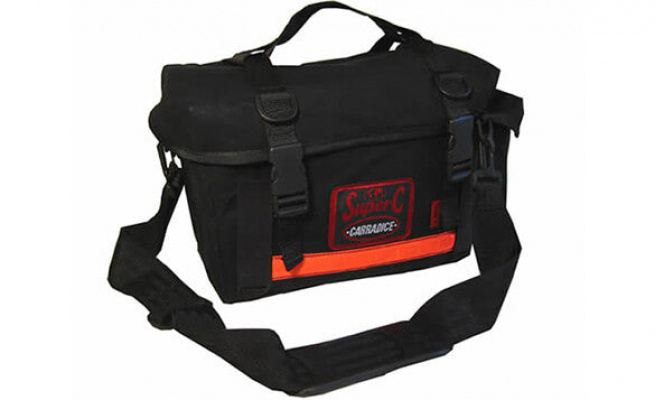
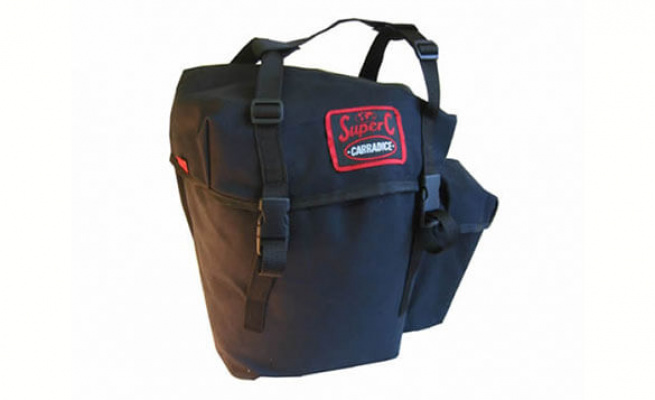
Carradice splits broadly into two camps. The Super C range is the expedition-grade option - larger capacity, heavier-gauge buckles, reinforced base panels, and a more utilitarian look. A pair of Super C panniers gives you around 54 litres combined, which is enough for fully self-supported touring. The closure system uses a roll-top flap secured with robust buckles; it keeps water out and doesn't rely on zips that can fail mid-tour in the Cairngorms.
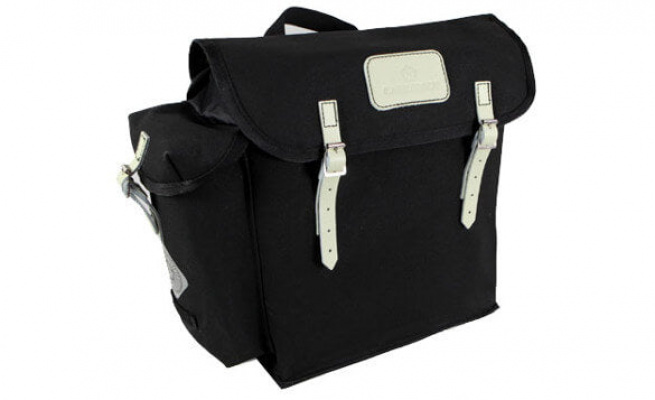
The Originals - models like the Kendal and the Nelson - are where the classic aesthetic lives. Leather strap closures, brass fittings, a profile that looks completely at home on a steel tourer or a hand-built commuter. Capacity on these tends to sit in the 32-litre-pair range, which suits lighter touring or daily commuting without bulk. They're not underpowered for UK use - plenty of riders load them for weeks at a time - but if you're regularly carrying camping kit, the Super C gives you more headroom.
Think about what you're actually packing. A laptop, a change of clothes, and lunch? The Originals handle that easily. Tent, sleeping bag, and three days of food? Go Super C. It's worth being honest with yourself about load size before you buy, because going back for the larger bag after the fact costs money. For comparison, Brooks panniers occupy a similar aesthetic space but with different construction - leather-heavy rather than canvas-led - so the choice between them often comes down to how much you care about traditional British manufacture versus Italian craftsmanship.
Both ranges pair well with Carradice saddle bags if you want to distribute weight front-to-back, or with Carradice frame bags for longer trips where you need to carry more without increasing rack load.
Keeping Cotton Duck in Good Shape Through UK Conditions
Cotton Duck has a property that synthetics don't: when the fibres get wet, they swell and tighten, physically closing the weave against water ingress. It also breathes, which means condensation doesn't build up inside the bag the way it can with PVC-coated nylon. On a wet commute into Manchester or a sodden bridleway in the Brecon Beacons, that matters - your kit stays drier because the bag itself manages moisture rather than trapping it.
Maintenance is straightforward but the rules are firm. Never put a Carradice canvas bag in a washing machine. Never use detergent on it. Both will strip the natural oils from the canvas and destroy the waterproofing you're relying on. To clean off road grit - which is abrasive and will wear the canvas if left - brush it off dry first, then wipe with a plain damp cloth. That's it. Let the bag dry naturally, away from direct heat.
Reproofing is the other part of the equation. The waxed canvas treatment that gives the fabric its weather resistance does deplete over time, especially with heavy use. Carradice sells reproofing wax specifically for this purpose. Apply it every few years - or sooner if you notice water no longer beading on the surface - working it into the fabric and then warming gently with a hairdryer to help it penetrate. A bag that's been properly reproofed is essentially as good as new. That repairability is a genuine long-term advantage over most synthetic alternatives, where a delaminating coating can't be restored.
The mounting hardware deserves attention too. After winter commuting on salted roads, rinse the Quick-Clip or C-System hooks with clean water and check that the pivot points aren't stiffening. A small amount of light oil on the spring mechanism keeps everything moving freely. It takes two minutes and saves you from wrestling with a jammed clip on a cold morning.
Carradice Pannier Bags FAQs
Are Carradice pannier bags completely waterproof?
Effectively, yes. Cotton Duck canvas swells when wet, physically tightening the weave to block water ingress - it's a property of the fabric itself, not a coating that wears off. Reproof with Carradice wax every few years and the bags will stay weather-tight for decades. They're not submersible, but they'll handle sustained UK rain without issue.
Will Carradice panniers fit my existing bike rack?
The Quick-Clip and C-System hooks fit most standard pannier racks with tubing up to 13mm in diameter, which covers the majority of steel and aluminium racks. Oversized e-bike racks with thicker tubing may need Carradice's larger replacement hooks. If you're unsure, measure your rack tube before ordering.
How do I clean and maintain my Carradice canvas panniers?
Brush off dry mud, then wipe with a plain damp cloth - no detergent, no machine washing, as both strip the canvas's natural waterproofing. Let the bag dry naturally. Reproof with Carradice reproofing wax every few years, or when water stops beading on the surface. Rinse the mounting hooks after salted road rides.