
Carradice Frame Bags
Carradice frame bags are among the few bits of bikepacking luggage that genuinely get better with age. Made by hand in Nelson, Lancashire, each bag is signed by the machinist who sewed it - and that tells you something about how seriously Carradice takes the craft. The material doing the heavy lifting is Cotton Duck, a 100% waterproof woven fabric whose fibres swell when wet to seal themselves shut. No peeling delamination after two winters, no cracked seams from UV exposure. Just a bag that keeps doing its job while your bike goes through two or three groupsets.
Weight sits centred and low inside the frame triangle, which keeps handling predictable whether you're grinding up a long Pennine drag or picking a line through loose gravel. That matters more than most riders expect - a badly loaded frame bag that shifts weight high and wide changes how a bike corners. Carradice avoids that problem by design.
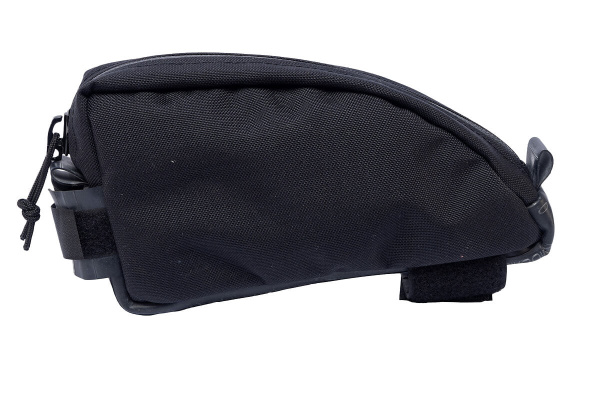
The range covers a Carradice half frame bag for riders who need bottle cage access, through to the larger Carradice Super C frame bag for proper multi-day loads. Whatever you're planning - a long weekend on the South Downs Way or a commute where the weather has other ideas - there's a bag sized for it. Military-grade webbing, cast metal fixings, and Cotton Duck that laughs at a Scottish drizzle. These are bags you buy once.
Prices and availability can change quickly. Delivery charges are not always included in listed prices.
Final price, stock status and delivery terms are set by retailer. We may receive a commission on purchases made.
Getting the Fit Right: Sizing and Frame Compatibility
Before you order, grab a tape measure. You need two numbers: the internal length of your top tube (measured along the underside, from the head tube to the seat tube) and the depth of the frame triangle at its tallest point. Compare both against the bag's stated dimensions - Carradice lists them clearly, and matching them properly makes the difference between a bag that sits flush and one that bulges against the downtube or fouls a cable stop.
Top tube length is the critical one. A bag that's too long will either overhang the head tube or bunch up at the seat tube junction, putting stress on the fixings. Too short and you're wasting usable space. If you're running a Carradice half frame bag, the shorter footprint generally clears bottle cages on the down tube, but check clearance: you want enough room to pull a bottle out without catching the bag's base. Side-entry cages are worth fitting if it's marginal - they make the grab much easier and stop the faff mid-ride.
Cable routing is where people get caught out. On bikes with externally routed cables running under the top tube, strap placement needs thought. Mount the velcro straps either side of any cable stops rather than across them, and check nothing is pinching a housing when the bag is loaded and the frame flexes. On dropper post bikes, give the remote cable particular attention. A quick check at home before you set off beats discovering a sticky shift somewhere above Saddleworth.
Cotton Duck vs. Synthetic: What You're Actually Choosing Between
The Carradice Super C frame bag and the classic Cotton Duck lines are built for longevity over low weight. That waxed canvas construction is noticeably heavier than the ripstop nylon you'd find on an Apidura frame bag, but it pays back over years rather than seasons. The fabric's abrasion resistance is exceptional - dragging through a gate, rubbing against a pannier on a loaded touring rig, getting scraped by brambles on a bridleway - Cotton Duck handles it without the surface degrading.
Modern synthetics have the edge on pure weight. If you're chasing grams for a bikepacking race or a fast-and-light overnighter, a synthetic bag from Ortlieb or Altura will be lighter out of the box. The trade-off is durability over time - coatings wear, seams can fail, and delamination is a real risk after a few hard British winters. Cotton Duck doesn't delaminate. The waterproofing is structural, not applied to the surface.
The Cotton Duck bags also have a practical advantage in cold weather: the zips and fixings are chunky enough to work with gloved hands. That sounds minor until you're trying to get into your bag on a wet November morning with frozen fingers. Heavy-duty cast metal fixings don't bend or snap the way plastic buckles can when they get cold and brittle.
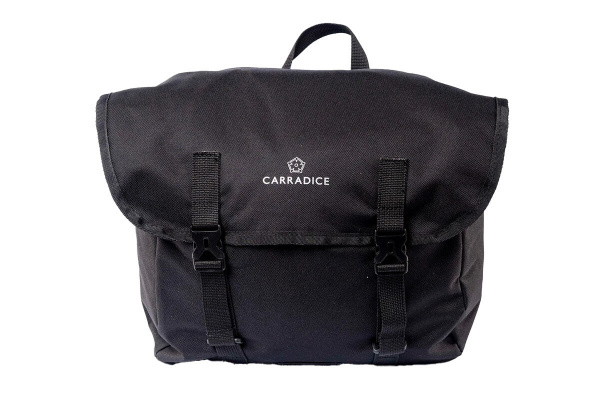
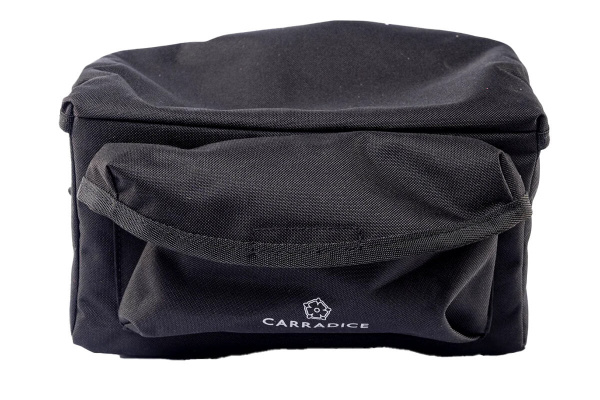
If capacity litres is your main concern, map it against your actual load. The half frame bag suits tools, a tube, and a snack. The full-triangle options carry considerably more - useful for loaded touring where every bit of frame triangle space counts. Want to build out a complete rig? Pair your frame bag with Carradice saddle bags or Carradice bar bags and you've got a distributed load setup that keeps the bike handling well without relying on a rack. For longer tours, Carradice pannier bags round out the system.
Protecting Your Frame and Keeping the Bag in Good Shape
UK riding means grit. In winter especially, fine abrasive particles get trapped between the bag's mounting straps and your frame, and as the bag shifts slightly under load - which all bags do - those particles work like sandpaper on your paint. On a steel tourer it's cosmetic. On a carbon frame it can go further than that.
The fix is simple and cheap: apply clear protective film (helicopter tape, sometimes called frame protection tape) to every tube the bag contacts before you mount it. Wrap the top tube, down tube, and seat tube where the velcro straps sit. It's the same stuff used under chainstays to protect against chain slap, and it takes about ten minutes to fit. Do it before the bag goes on, not after you've noticed a bare patch.
The Cotton Duck itself needs minimal maintenance but does need occasional attention. Let mud dry fully before brushing it off - wet mud rubbed in works into the weave and is harder to shift. For the waterproofing, the fabric's self-sealing properties hold up well, but after a season of heavy use it's worth applying a specialist reproofing wax to keep the fibres in good condition. Carradice recommend their own wax, and it's worth using rather than a generic spray-on - the wax penetrates the cotton weave properly rather than just coating the surface. Re-proof once a year or when you notice water starting to soak in rather than beading.
The heavy-duty military-grade webbing straps don't need much beyond checking periodically that the velcro faces are clear of grit and hair - clogged velcro loses grip noticeably. A stiff brush sorts it. The cast metal fixings are essentially maintenance-free; they don't corrode and they don't fatigue the way plastic does.
Carradice Frame Bags FAQs
Do frame bags scratch your bike?
They can, yes. Grit gets trapped between the mounting straps and the frame, and as the bag moves under load it acts like fine sandpaper on your paint. Apply clear protective tape - helicopter tape or frame protection film - to every tube the bag contacts before fitting it. Ten minutes of prep saves a lot of grief later.
Are Carradice frame bags fully waterproof?
Carradice's Cotton Duck fabric is highly water-resistant - the cotton fibres swell when wet and seal themselves, which is a structural property rather than a coating that wears off. In sustained heavy rain, water can eventually find its way through the zip, so stash anything electronic in a dry bag inside. For British drizzle and showers, the fabric handles it without fuss.
How do I know if a frame bag will fit my bike?
Measure the internal top tube length along its underside and the maximum depth of your frame triangle. Compare both against the bag's listed dimensions. Also check clearance below the bag for water bottle access - if it's tight, side-entry bottle cages make the reach much easier. On bikes with external cable routing under the top tube, check strap placement doesn't pinch any housing.