
Carradice Pannier Racks
Carradice pannier racks and saddlebag supports are about as close to a guaranteed no-drama touring setup as the UK market offers. Built from heavy-duty tubular steel and finished to handle whatever a British winter throws at exposed metalwork, the Bagman series in particular has become the default choice for loaded touring riders who want their bag to stay put, stay clear of the tyre, and stop swinging about on long descents. Carradice has been making luggage and supports in Nelson, Lancashire for decades, and that background shows in the construction details rather than the marketing copy.
The range splits neatly into saddlebag supports - the Bagman family - and traditional rear pannier racks. The Bagman mounts directly to your saddle rails, so it works entirely independently of your frame's eyelet situation. That matters on a lot of modern bikes. The rear racks follow conventional standards but are built heavier and rated accordingly. Whether you're doing a Sustrans route with full camping kit or a daily commute with a sensible load, there's a support in this range that fits the job. Check the mounting requirements before you buy - saddle compatibility and tyre clearance are the two details that catch people out.
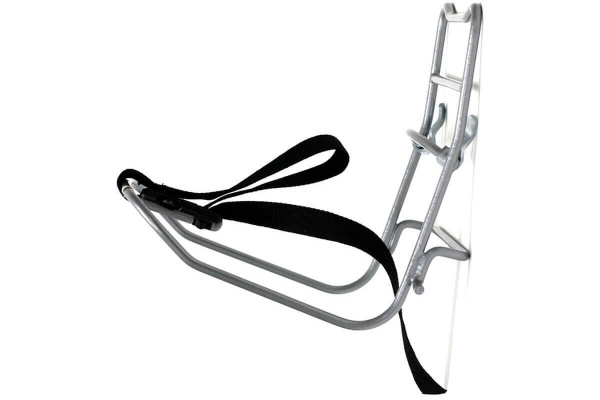
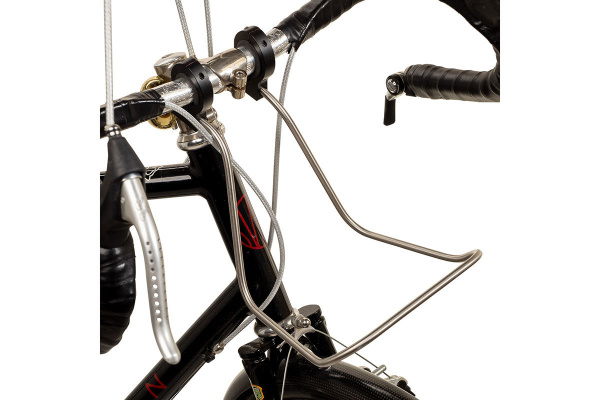
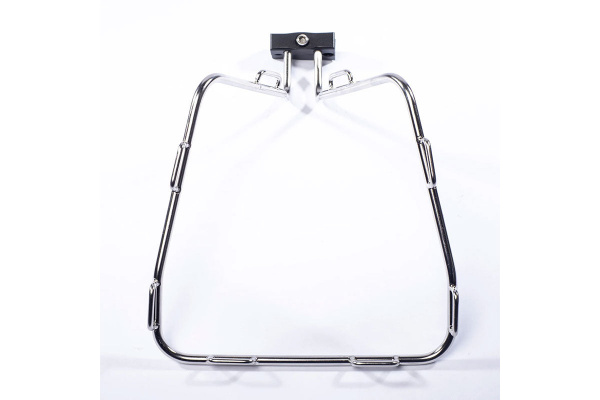
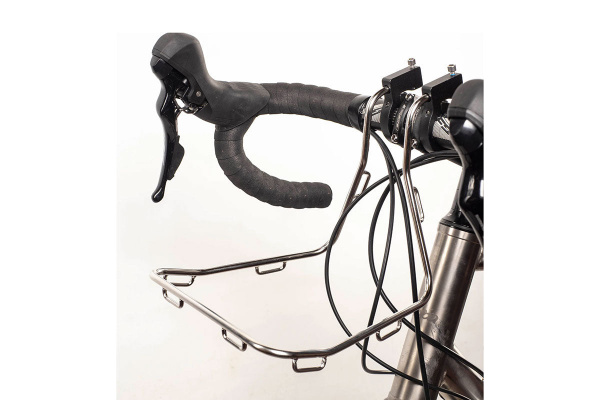
Prices and availability can change quickly. Delivery charges are not always included in listed prices.
Final price, stock status and delivery terms are set by retailer. We may receive a commission on purchases made.
Fitting Your Carradice Rack: What Your Bike Actually Needs
The first thing to get straight is which part of the Carradice range you're looking at, because the mounting logic differs between the Bagman supports and the traditional rear racks. The Bagman series clamps to your saddle rails - specifically, it needs saddle loops, either built into the saddle or added via aftermarket bolt-on loops. Most traditional leather and cotton-style touring saddles have these loops already. If yours doesn't, Carradice sells bolt-on options and you'll find compatible Carradice saddle spares listed separately.
Seatpost rail clamp compatibility is the other variable. The Bagman's clamp is designed for standard rail diameters, but if you're running a particularly wide or shaped saddle base, check the fit before committing. Tyre clearance is the dimension people most often overlook. The Bagman Expedition has a significantly greater drop than the Bagman Sport, which means it sits lower relative to the saddle - necessary for larger bags, but it demands more room between the bag and the rear tyre. Run a quick measurement from your saddle rails down to the tyre crown before ordering the Expedition variant.
For traditional rear pannier racks, you ideally want rear braze-ons - the threaded eyelets on your seat stays and dropout. Most steel tourers and chromoly frames have them. Aluminium commuter bikes often do too. No eyelets at all? Rubber-lined P-clips wrapped around the seat stays will do the job, though they're less rigid and need checking regularly. Frames without any mounting provision at all are better served by the Bagman system rather than forcing a rack fit. Need the luggage to match? Browse our dedicated Carradice pannier bags and Carradice saddle bags collections to complete your setup.
Bagman Sport vs. Bagman Expedition: Picking the Right Support
The Bagman range isn't one-size-fits-all, and the difference between Sport and Expedition is more than just naming. The Bagman Sport is designed for smaller saddlebags - think the Barley or Pendle - where the load is modest and the bag sits relatively high. It offers a shallower drop, which means less clearance between the support arms and the tyre. That's fine when the bag isn't enormous, but try to run a Camper Longflap on a Sport and you'll have tyre-rubbing issues on anything but the most generously spaced frames.
The Bagman Expedition is built for bigger loads and bigger bags. The extra drop keeps a large bag clear of the tyre and distributes the weight more predictably. If you're heading off on a multi-day route through the Cairngorms or across Wales with full camping gear, the Expedition is the one to spec. It's a heavier support, naturally, but that's the trade-off for the additional structural rigidity under load.
Within each tier, Carradice offers bolt-on and Quick Release (QR) variants. The standard bolt-on is the more affordable option and is perfectly adequate if the bag stays on the bike most of the time. The Bagman Quick Release system is a different proposition for anyone who unhooks their bag frequently - at the end of every commute, say, or when moving between bikes. The QR mechanism lets you detach the bag in seconds without tools, which sounds like a minor convenience until you're doing it twice a day in the rain. The extra outlay is straightforward to justify if that's your routine. If the bag mostly lives on the bike between long tours, the bolt-on is the sensible call. Alternatives like Blackburn pannier racks and Ortlieb pannier racks offer quick-release pannier systems worth comparing if you're weighing up the wider market, and Old Man Mountain pannier racks are worth a look for non-standard frame geometries.
Keeping It Solid: Maintenance on UK Roads
Stainless steel and high-grade tubular steel construction means Carradice supports are well-placed to cope with the salt and wet grit that UK roads dish out from October through to April. That said, steel is steel - leave road muck sitting in the joints and you'll find surface rust establishing itself within a season. A wipe-down with a rust-preventative spray after winter rides takes two minutes and buys you years of clean metalwork. Worth doing.
The bigger mechanical concern on British B-roads isn't corrosion, it's vibration. The constant judder from patched tarmac and expansion joints will back out rack bolts over time, even tight ones. Apply a medium-strength threadlocker - Loctite 242 is the standard choice - to every mounting bolt when you first fit the rack, and check torque every couple of months. A bolt that's worked halfway out under a full load is a problem you'd rather catch in the garage than on a descent. Check the Carradice spare parts listings if you need replacement hardware - proprietary fixings do occasionally wear or strip.
On the Bagman supports specifically, pay attention to the saddle rail clamp. Over a long season with heavy bags, the clamping surfaces can mark softer rail materials. Loosen and reposition slightly every few months to avoid any permanent deformation. It's the kind of thing that takes thirty seconds and gets overlooked until it's too late.
Carradice Pannier Racks FAQs
Do I need a Bagman support for my Carradice saddlebag?
Smaller bags can hang directly from saddle loops if your saddle has them, but for anything above a day-ride load, a Bagman support is the right call. Without one, the bag swings laterally, risks fouling the tyre, and will rub your thighs on climbs. The support keeps everything rigid and properly positioned.
How much weight can a Carradice Bagman hold?
The Bagman supports are rated to a maximum payload of 10kg. That's generous for most touring loads, but it's a hard ceiling - regularly running heavier than that, particularly on rough roads, risks fatiguing the steel rails over time. Pack smart and you'll stay well within it.
Can you fit a Carradice rack without frame braze-ons?
Yes. Rubber-lined P-clips around the seat stays work as a workaround for frames without eyelets, though they're less rigid and need checking more often. The Bagman system sidesteps the issue entirely by mounting to your saddle rails - no frame eyelets required at all, which makes it the cleaner solution on modern bikes.