
Old Man Mountain Pannier Racks
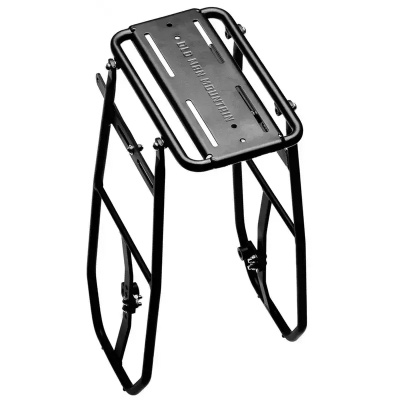
Old Man Mountain pannier racks solve a problem most rack makers simply ignore: how do you carry serious load on a bike that was never designed to carry anything? The answer is axle-mounting. Rather than relying on frame eyelets you may not have, OMM's proprietary Fit Kit system threads directly onto your thru-axle or QR skewer, transferring weight straight to the axle and leaving your frame entirely out of the equation. That matters enormously if you're running a carbon gravel bike or a full-suspension trail bike - neither of which plays nicely with strap-on racks and wet grit.
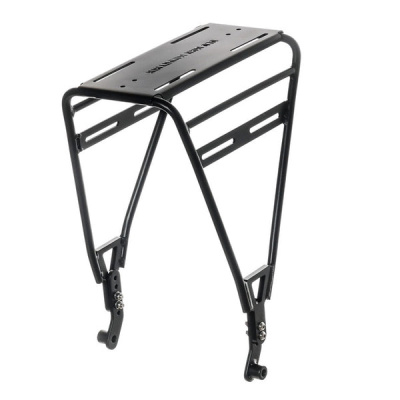
The range covers everything from bombproof expedition touring to lightweight bikepacking support. Whatever you're planning - a loaded crossing of the Cairngorms, a self-supported gravel loop through mid-Wales, or simply getting to work through January without your bike disintegrating - there's an OMM rack built for it. The 6061 aluminum construction is powder-coated and paired with stainless hardware, so road salt and mud aren't a long-term concern. We've covered every model and Fit Kit option below to help you pick the right combination without guesswork.
Prices and availability can change quickly. Delivery charges are not always included in listed prices.
Final price, stock status and delivery terms are set by retailer. We may receive a commission on purchases made.
Compatibility and Fit Kits: Getting the Mount Right First Time
The whole OMM system stands or falls on one thing: picking the correct Fit Kit. Get it right and the rack goes on cleanly, sits solid, and never moves. Get it wrong and you risk stripping the thread in your dropout - which is an expensive mistake on a carbon frame or a quality aluminium bike. So before you order anything, measure your axle.
Most modern bikes run a thru-axle in either 12mm or 15mm diameter. What matters beyond diameter is the thread pitch - common values are 1.0, 1.5, and 1.75mm. These aren't interchangeable. You can often find the spec laser-etched onto the axle itself; if not, a thread pitch gauge gives you a definitive answer in under a minute. Shaft length matters too, because the Fit Kit needs enough thread engagement to seat properly. Don't guess - the cost of a gauge is nothing compared to the cost of re-tapping a dropout.
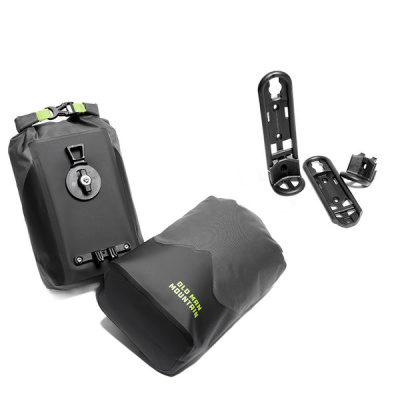
Once you've confirmed your axle spec, the Fit Kit concept clicks into place. The axle-mounted hardware bypasses your frame's eyelets entirely - or works even when there aren't any - and transfers load directly through the axle into the wheel. Drop-out pucks handle the lower mounting, sitting snugly against the dropout face for a rattle-free connection. The result is a rack that behaves like it was designed alongside the bike, not bolted on as an afterthought. If you're moving your rack between bikes or need to replace worn hardware, check out our dedicated Old Man Mountain Pannier Bags page and the Old Man Mountain Saddle Bags page for the wider carry system - but for mounting spares specifically, you'll want the dedicated Old Man Mountain Pannier Rack Spares page.
Older bikes with a QR skewer aren't left behind. OMM produce Fit Kits for quick-release dropouts too, and the same principles apply: measure first, match the kit to your specific dropout width and axle type, and the rack fits cleanly. It's a wider compatibility range than any competing system we're aware of.
The OMM Model Range: Divide, Elkhorn, and Beyond
There are three models worth understanding, and they serve genuinely different purposes. Knowing which one matches your ambitions stops you over-buying or under-speccing.
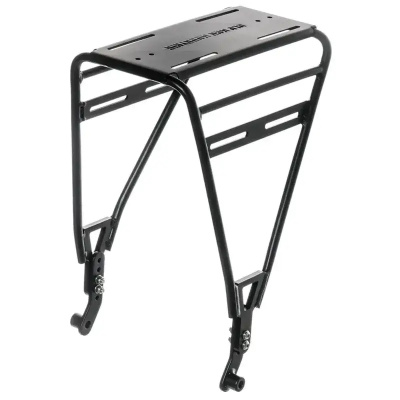
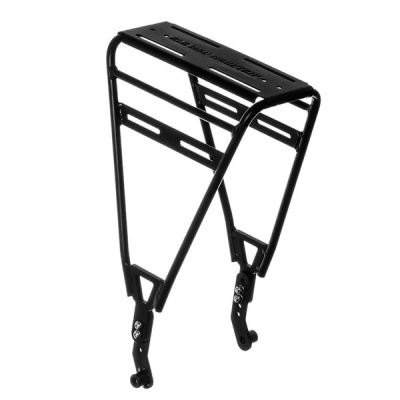
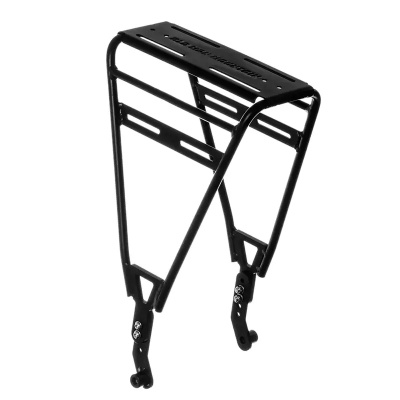
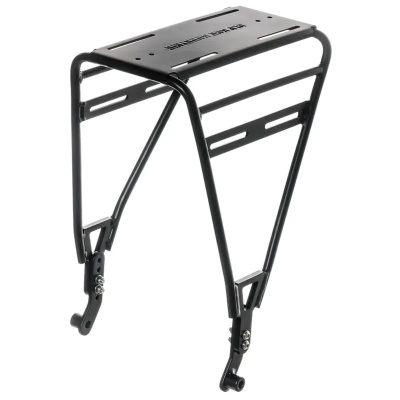
The Divide is the full-fat touring rack. Its load capacity sits at 31kg - that's a meaningful number if you're running twin rear panniers plus a drybag on top. The deck sits low and the pannier rails are positioned to keep weight close to the axle, which helps centre of gravity on loaded descents. Think Highland Trail 550 or a cross-country loaded tour where the bike needs to stay predictable under stress. This is not a lightweight race rack; it's engineered to be a reliable workhorse that you forget about once it's on the bike.
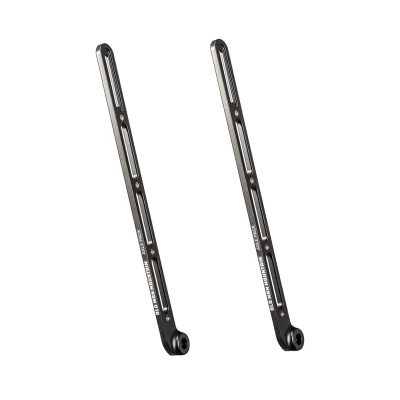
The Elkhorn takes a different approach. At 11kg capacity it's not built for expedition-scale loads, but it trades raw carrying ability for versatility. The uprights feature integrated cargo cage mounts - three-pack positions - which means you can run frame bags, feed pouches, or bottle cages directly off the rack structure rather than relying on frame mounts. That suits a bikepacking setup where you want the flexibility to reconfigure your carry system without swapping racks. It's also lighter, which matters if you're mixing loaded riding with technical trail sections where unsprung weight has a real effect on how the back end behaves.
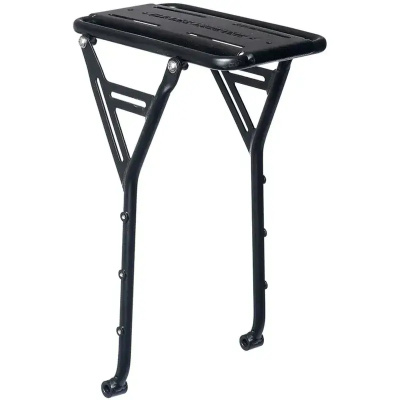
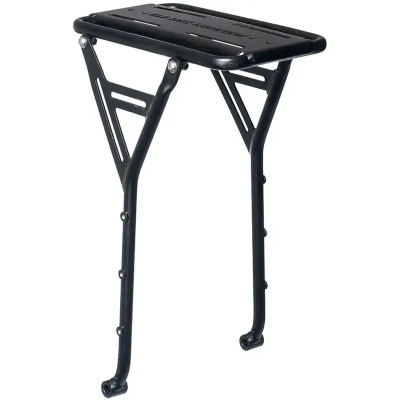
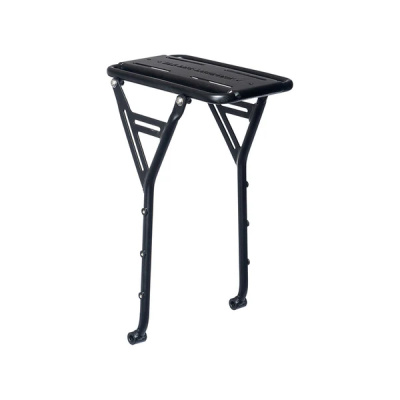
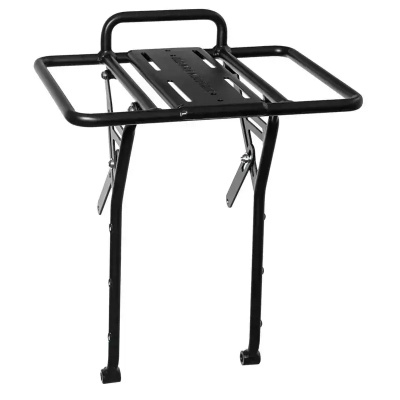
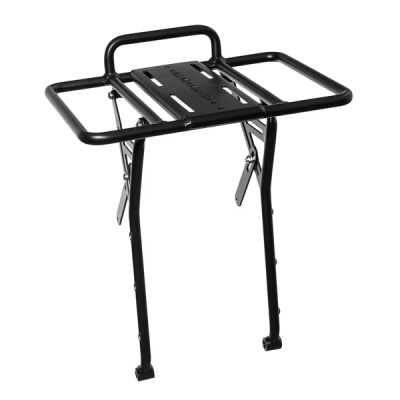
The Pizza Rack sits outside the expedition context entirely. It's a flat-platform front rack aimed at urban and commuter use - wide enough to strap a crate or a delivery box, simple enough to live on a city bike year-round. If you're fitting out a cargo commuter, it's worth a look; if you're planning trails, it isn't. The interchangeable deck system used across the range means some components cross over between front and rear configurations, which is useful if you're building out a fully-loaded setup over time.
For comparison, Surly pannier racks are excellent on bikes with proper eyelets, and Aeroe pannier racks offer aerodynamic profiles suited to road-focused touring. But neither addresses the eyelet-free compatibility problem the way OMM does. If your bike lacks mounting points - or you simply don't want to stress them - OMM is the more considered choice. Blackburn pannier racks occupy a similar space at a lower price point, though without the same axle-mount engineering.
UK Conditions: Why the Mounting System Matters More Than You'd Think
British riding produces a specific kind of punishment. Wet grit - the kind that coats every surface from October to April - combines with moisture to form an abrasive paste. A strap-on rack, or any rack that makes contact with your frame through clamping, will work that paste into your paint or carbon layup every time the road surface sends a vibration through the system. On a carbon frame, that's a problem that starts invisible and ends expensive.
OMM's axle-mount design removes frame contact from the equation. The rack transfers its load through the axle; the frame itself never sees direct rack pressure. That's the practical argument for the system beyond just compatibility - it's also protective. No frame rub, no abrasion, no paint worn through to bare carbon over a winter of commuting.
The other UK-specific concern is corrosion. Road salt accelerates oxidation significantly, and threads are the first casualty - a seized Fit Kit on a titanium or aluminium dropout is no fun to deal with in a cold garage in February. Apply anti-seize or a good marine grease to the Fit Kit threads before installation. It takes thirty seconds and prevents the kind of seized hardware that requires heat and language. OMM's powder-coated finish and stainless fastener spec hold up well in wet conditions, but thread preparation on your end completes the picture. It's the sort of detail that separates a rack that's still working cleanly after three winters from one that's become a permanent fixture by accident.
Old Man Mountain Pannier Racks FAQs
Do Old Man Mountain racks fit full-suspension mountain bikes?
Yes. The axle-mounted Fit Kit attaches directly to the thru-axle rather than the frame, so the rear suspension can articulate freely without stressing the rack or the frame. There's no need for frame eyelets, and the rack doesn't interfere with shock performance - it simply moves with the axle as normal.
What is the difference between the OMM Divide and Elkhorn?
The Divide is built for heavy expedition loads - up to 31kg - with lower pannier rails that keep weight centred and stable. The Elkhorn runs a lighter build with an 11kg limit, but adds cargo cage mounts on the uprights for bikepacking configurations. Choose the Divide for fully-loaded touring; choose the Elkhorn if you want a more modular, trail-capable setup.
How do I know which Fit Kit I need for my bike?
Measure your thru-axle's diameter and thread pitch before ordering. Common specs include M12x1.0, M12x1.5, and M15x1.5 - these are not interchangeable, and fitting the wrong pitch risks stripping your dropout. The thread pitch is often etched on the axle itself; if not, a thread pitch gauge gives you a definitive reading quickly.