
Surly Pannier Racks
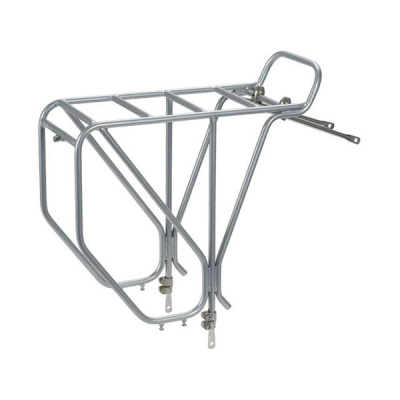
When you're packing for a multi-week loaded tour or bracing for another grim UK winter commute, Surly pannier racks have a reputation that precedes them - and for good reason. Built entirely from 4130 Chromoly steel tubular construction, they're in a different category to the ali racks that flex and creak under serious weight. We're talking massive load capacities, a rigidity that keeps your panniers tracking straight even on potholed B-roads, and the reassurance that if something does go wrong, any competent welder - anywhere in the world - can fix it. That last point matters more than you'd think when you're 600 miles from home.
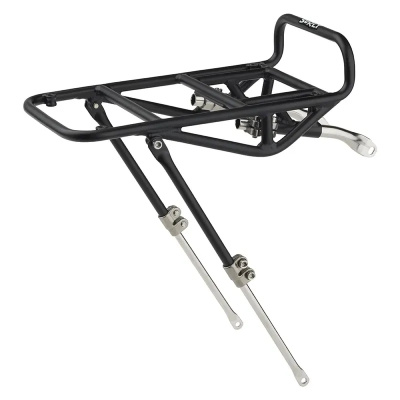
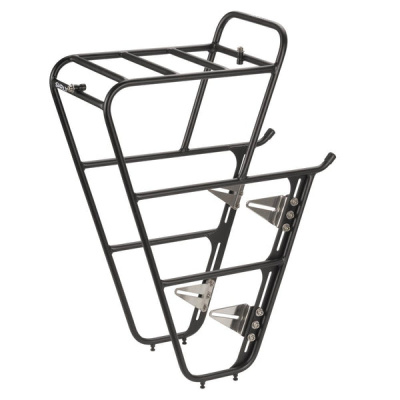
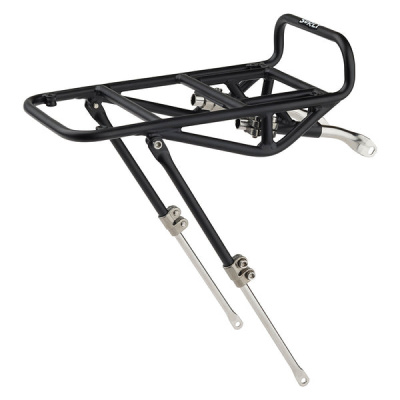
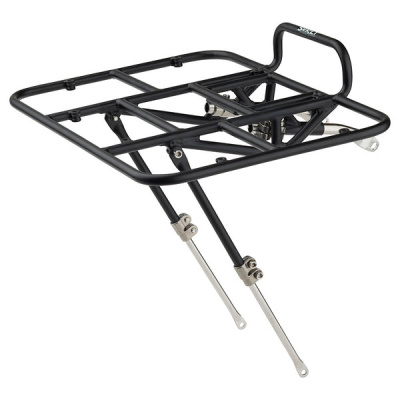
The range spans a few distinct purposes. The Nice Rack - available front and rear - is the expedition workhorse, rated for loads that would buckle lesser racks without drama. Then there are the porteur-style 8-Pack and 24-Pack racks for commuters and basketpackers who need a solid platform rather than pannier rails. Whether you're crossing Scotland in October or grinding through Manchester traffic, there's a Surly rack built to the right spec. Height-adjustable mounting hardware means wide wheel size compatibility too, from 26-inch to 29er. This is the best heavy duty bike rack for touring if you value repairability and long-term durability over saving a few grams.
Prices and availability can change quickly. Delivery charges are not always included in listed prices.
Final price, stock status and delivery terms are set by retailer. We may receive a commission on purchases made.
Will a Surly Rack Fit Your Bike?
Compatibility is where most rack buying decisions go wrong, so let's work through it properly. Surly racks use height-adjustable mounting hardware that handles a genuinely wide spread of frame geometries and wheel sizes - most models accommodate 26-inch through 29er without fuss. That said, adjustable hardware isn't a magic fix for a frame that's missing the right attachment points. Front racks need mid-blade fork braze-ons as well as lower eyelet mounts; rear racks need seatstay and chainstay eyelets. No eyelets, no clean installation - P-clamps exist but add complication and are a last resort on a touring setup that needs to stay solid.
Disc brake clearance is worth its own paragraph. The Surly Rear Disc Rack is offset specifically to clear bulky calipers - it's not a detail you want to discover is missing after the rack arrives. If you're running a disc-equipped frame, confirm you're looking at the disc-specific variant rather than assuming any rear rack will clear. Rim brake frames have more flexibility here. Check your frame's specs, measure the caliper clearance if you're unsure, and if you're buying a Surly bike to go with the rack, Surly touring bikes are engineered with these mounts already in place. Once the rack's sorted, Surly pannier bags are the obvious next step - designed to pair directly with these racks without any awkward hook fettling.
Nice Rack vs. Pack Racks: Choosing the Right Tool
The Nice Rack range - front and rear - is Surly's answer to expedition loading. The Front Nice Rack handles up to 32kg (70lbs); the Rear Nice Rack pushes that to 36kg (80lbs). Those aren't marketing figures padded for optimism - they're numbers that reflect the structural integrity of 4130 CroMoly tubular steel done properly. If you're running four full panniers plus a dry bag on top across the Cairngorms in November, this is the rack. The wide platform design on the Nice Rack accommodates top-loading tents and larger dry bags sitting flat, which makes packing and access far more practical than strapping gear to a narrow rail.
The 8-Pack Rack and 24-Pack Rack are a different conversation. These are porteur-style platforms - a large flat deck rather than a traditional pannier rail setup. They're built for commuters carrying awkward loads, urban cyclists running a crate or basket, or anyone experimenting with basketpacking. The trade-off is straightforward: you get more usable platform space up top, but traditional panniers aren't what these are designed for. Weight is marginally lower than the Nice Rack too, which matters if the rack is going on a bike that already has a load budget to manage. If you're torn between systems, Blackburn pannier racks offer aluminium alternatives that suit lighter touring, while Old Man Mountain pannier racks are worth a look for suspension-corrected mounting on rough stuff. For traditional steel rack rigidity matched to Ortlieb-style bags, Ortlieb pannier racks are a clean system too - though none match the raw repairability of CroMoly steel if you're going genuinely remote.
The Surly Nice Rack is also available as a front rack variant, and front loading changes how a bike handles significantly - weight low and forward tends to feel more planted than rear-heavy loading on long descents. Worth thinking about before you commit to rear-only.
Keeping Your Surly Rack Sound on UK Roads
Steel and the UK's road surface conditions are not natural friends. Heavily salted winter roads accelerate surface oxidation fast if the powder coat takes a knock, which it will - rack mounting points and pannier hooks are the first places paint gets worn away. Touch up chips as soon as you spot them; a small tin of matched paint or even clear nail varnish buys you time. For the inside of the tubular steel struts, spray a rust inhibitor like Frame Saver or Boeshield T-9 into the tubes before installation. Once the rack's on and the struts are sealed, internal rust becomes much less of a concern - but it's a step most people skip and later regret.
UK B-roads are essentially a long-term vibration test for every bolt on your bike. Apply blue Loctite to all adjustable pannier mounting hardware before you ride - not after the first rattle appears. Anti-seize compound on the mounting bolts themselves prevents them from corroding into your frame's threaded braze-ons, which becomes a real problem if you ever need to remove the rack for travel or frame repairs. Check all mounting bolts every few weeks during heavy use; the combination of grit, vibration, and wet conditions is relentless. The good news is that the CroMoly construction is repairable by welding anywhere in the world - if a strut cracks on a long tour, you're looking for a local fabricator, not a brand-specific warranty centre. That's a genuinely useful property when you're far from home. If you're building out a full touring setup, Surly frames share the same steel philosophy and are engineered with ample rack mounting provisions from the start.
Surly Pannier Racks FAQs
Do Surly racks fit on non-Surly bikes?
Yes - Surly's adjustable mounting hardware is designed to work across a wide range of frames, not just their own. You'll need to confirm your bike has the correct braze-ons (lower eyelets for rear racks, mid-blade mounts for front), adequate disc brake caliper clearance if applicable, and compatible wheel sizing. Get those three things right and you're good.
What is the weight limit of a Surly Nice Rack?
The Front Nice Rack is rated to 32kg (70lbs) and the Rear Nice Rack to 36kg (80lbs). These are serious load capacities that reflect the structural integrity of 4130 CroMoly steel construction. Distribute your load evenly across both sides where possible, and make sure all mounting bolts are torqued correctly - an uneven load on a slack bolt is where problems start.
How do I prevent my Surly steel rack from rusting in the UK?
Touch up any paint chips promptly - that's your first line of defence. Before installation, spray a rust inhibitor such as Frame Saver or Boeshield T-9 inside the tubular struts to protect them from the inside out. UK winter roads are salted heavily, so this isn't optional if you're riding year-round. Apply anti-seize to mounting bolts to stop them corroding into your frame's braze-ons too.