
Trek Gravel Bikes
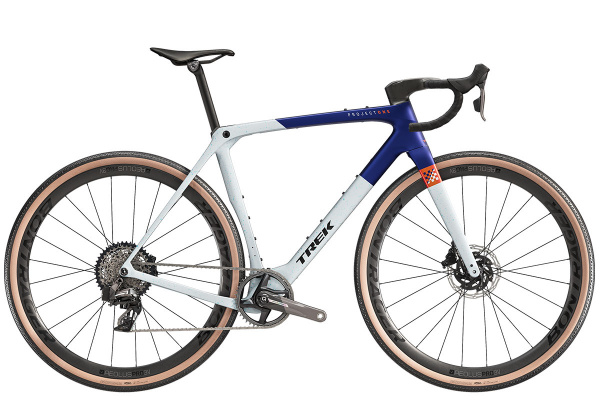
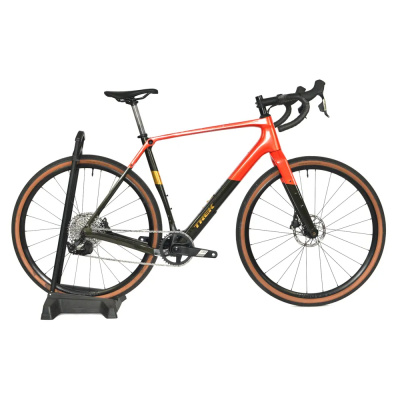
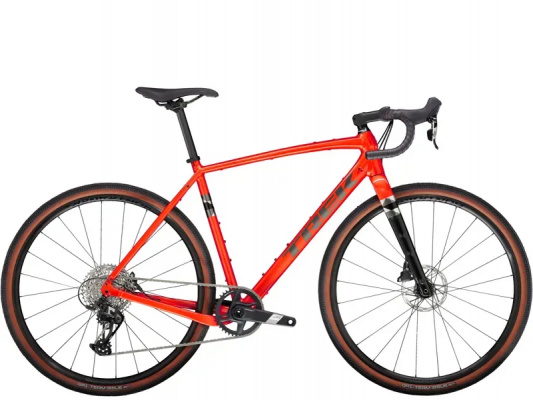
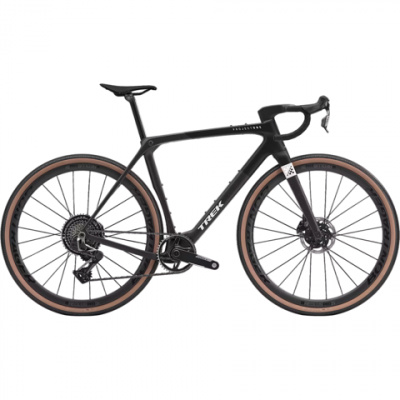
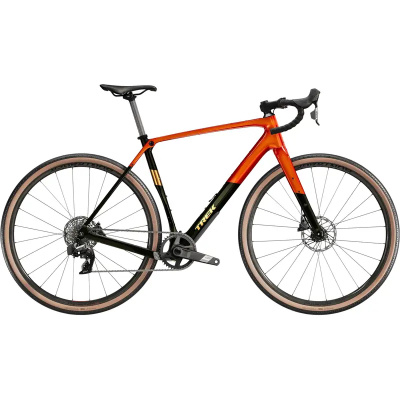
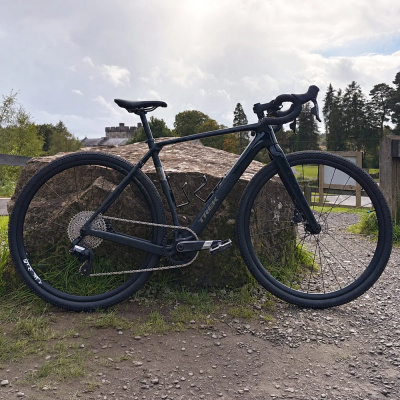
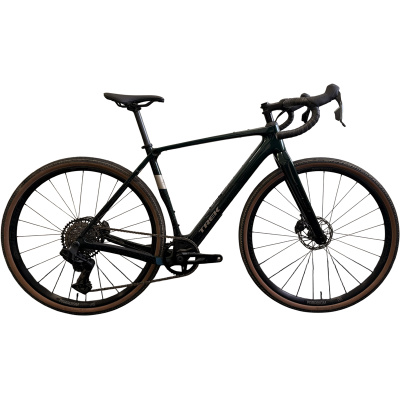
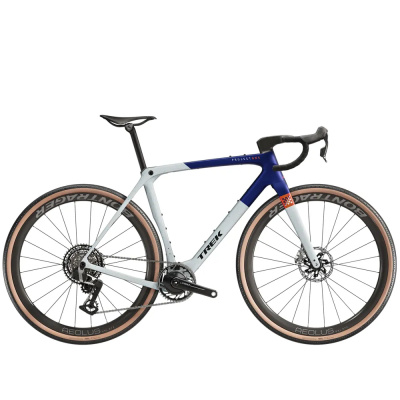
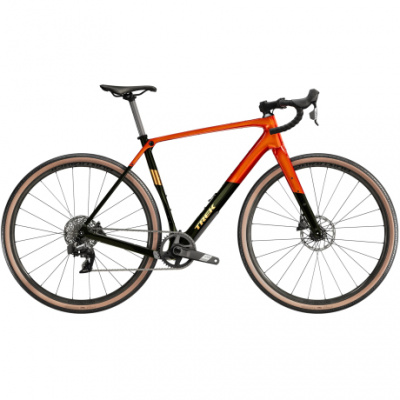
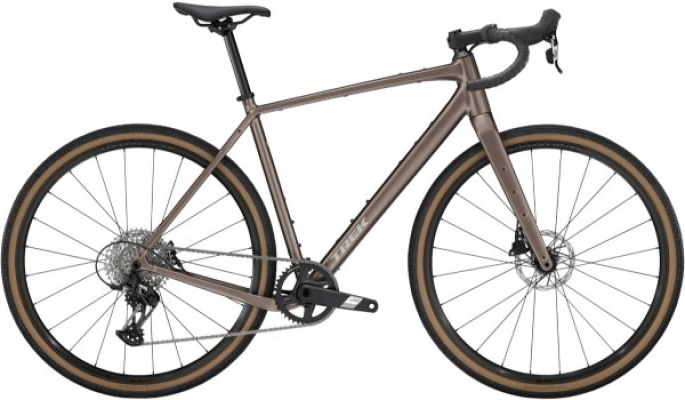
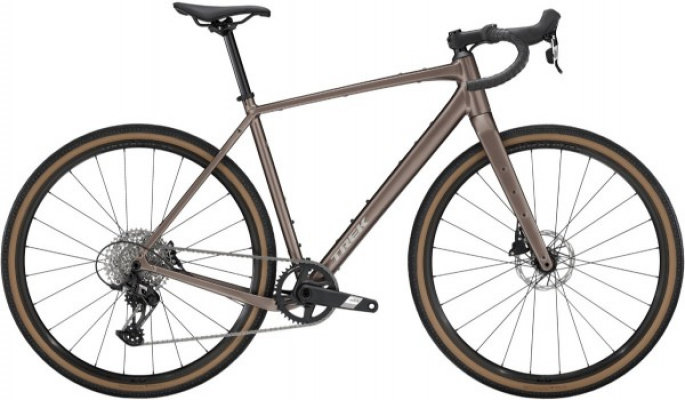
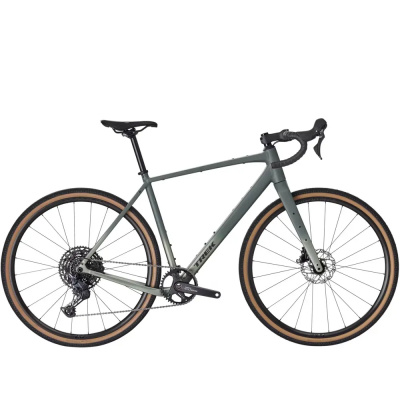
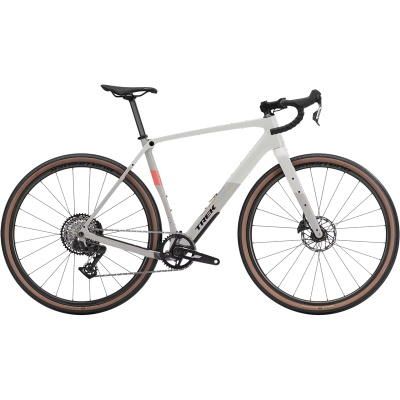
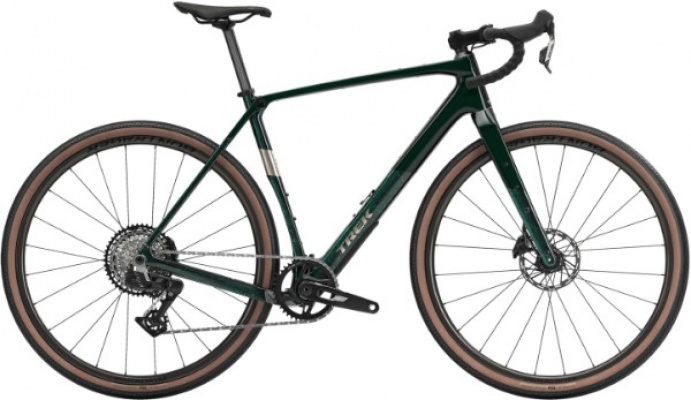
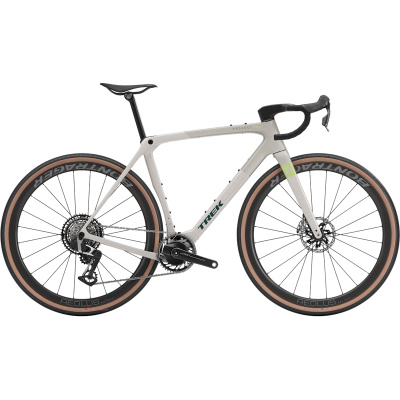
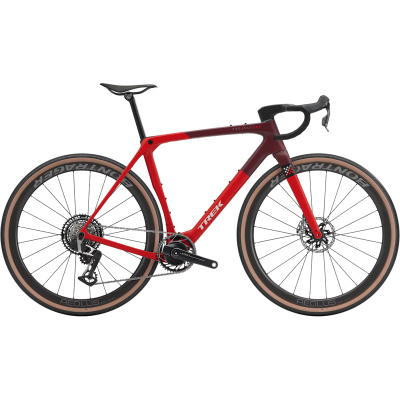
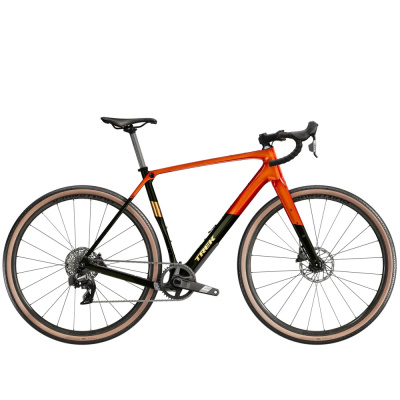
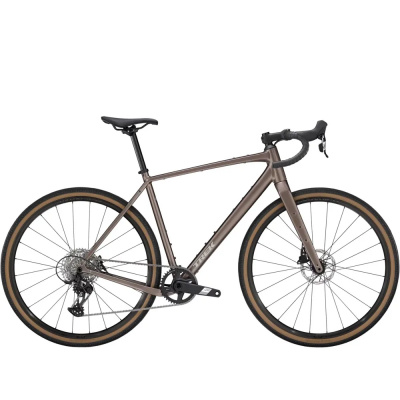
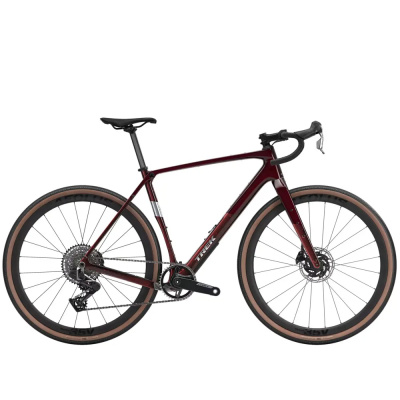
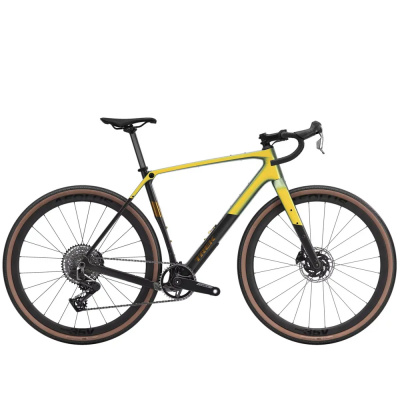
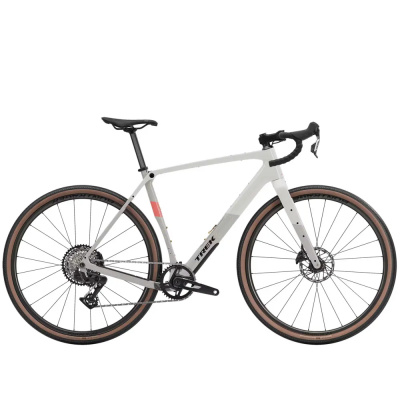
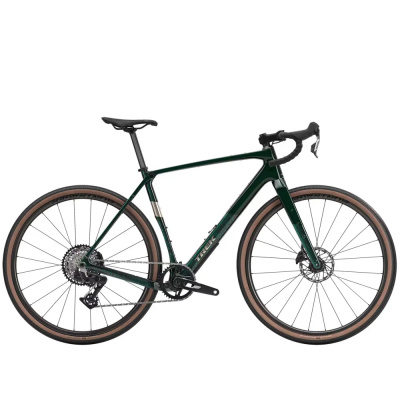
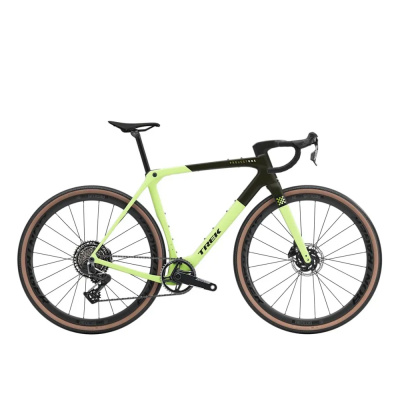
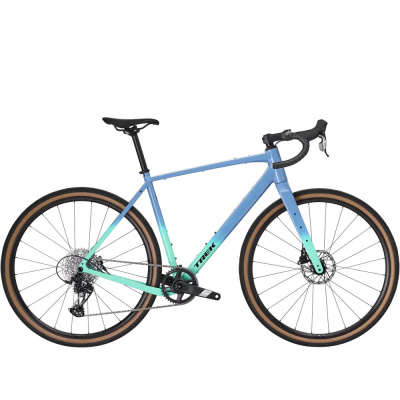
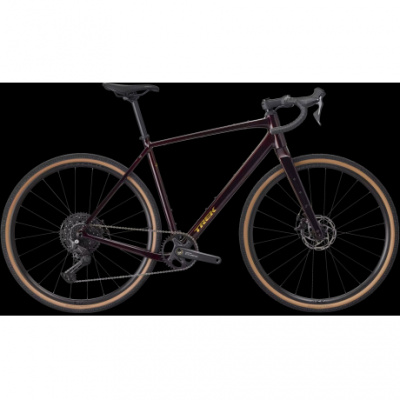
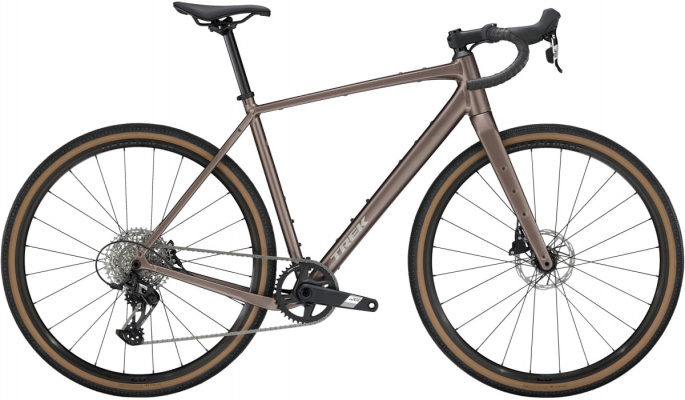
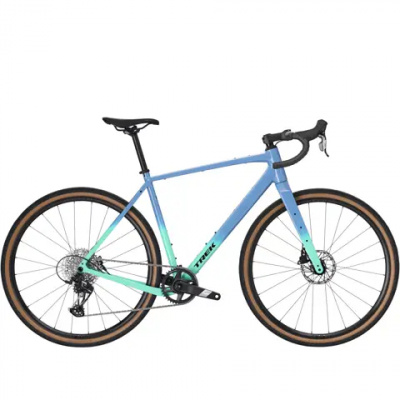
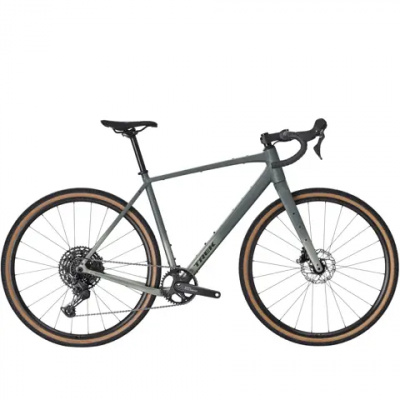
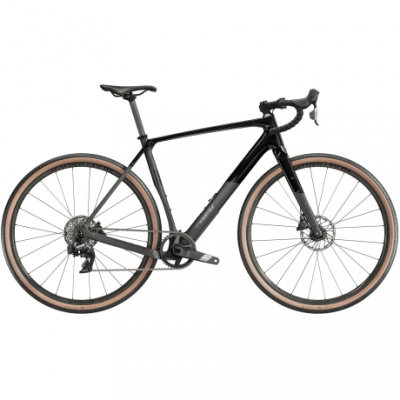
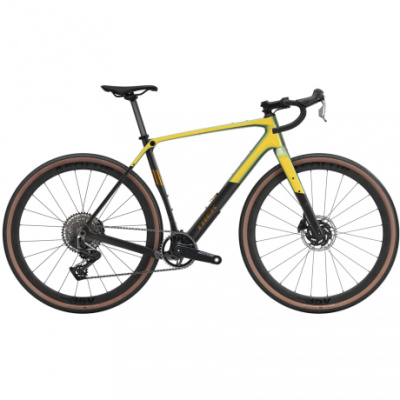
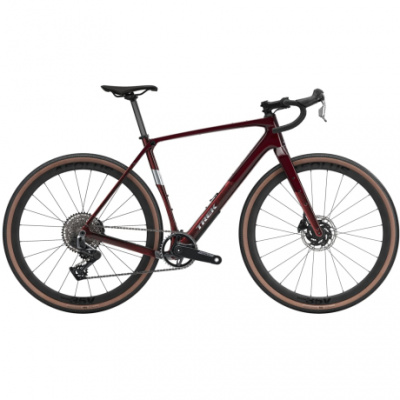
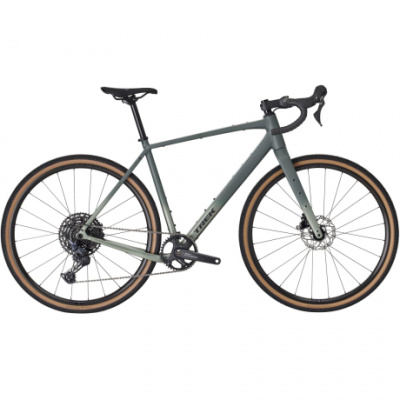
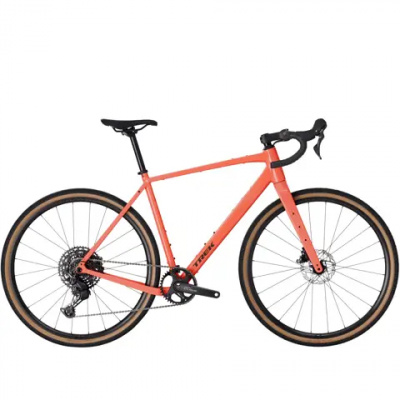
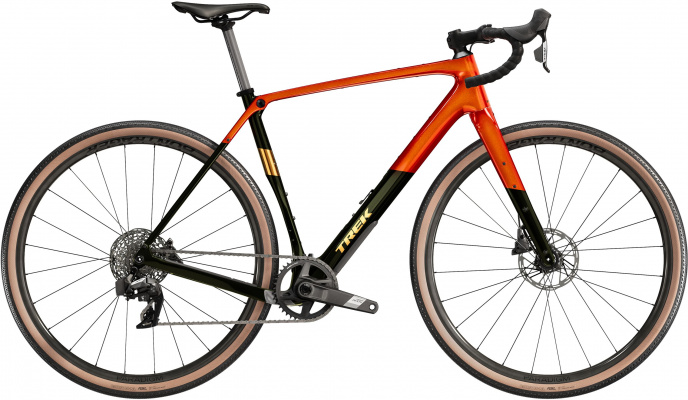
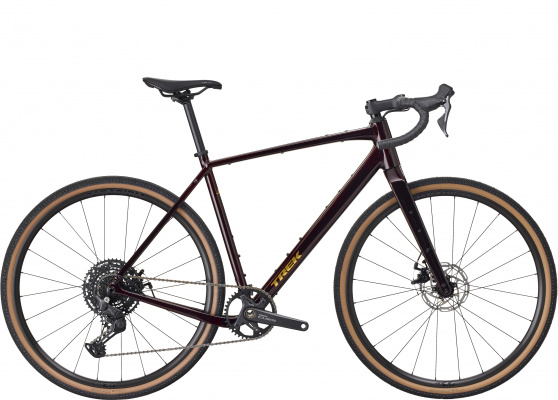
Trek gravel bikes split neatly into two families, and knowing which one suits your riding makes all the difference. The Checkpoint is Trek's dedicated off-road machine - longer reach, shorter stem, clearance for tyres you could practically go camping on. The Domane sits at the other end: an endurance road bike that handles a gravel path without complaint, but isn't trying to be a Checkpoint. Both share Trek's proprietary IsoSpeed decoupler, which takes the sting out of rough surfaces by letting the seat tube flex independently of the top tube. It's a genuinely clever bit of engineering, and you feel it within the first mile on a gritty bridleway.
The range runs from the Alpha Aluminum ALR models - solid, practical, no drama - through to the OCLV carbon SL and SLR builds for riders who want to shed weight without sacrificing compliance. A T47 threaded bottom bracket comes fitted across the range, which means fewer headaches when grit inevitably works its way in over a British winter. Whether you're planning a multi-day Scottish bikepacking route or just want something fast enough for the road and capable enough for the lanes, there's a Trek in this lineup that fits.

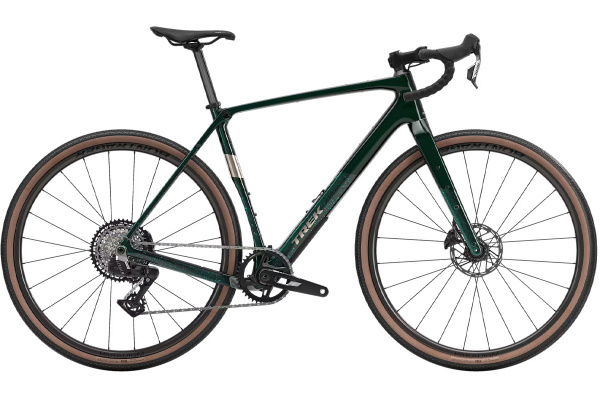
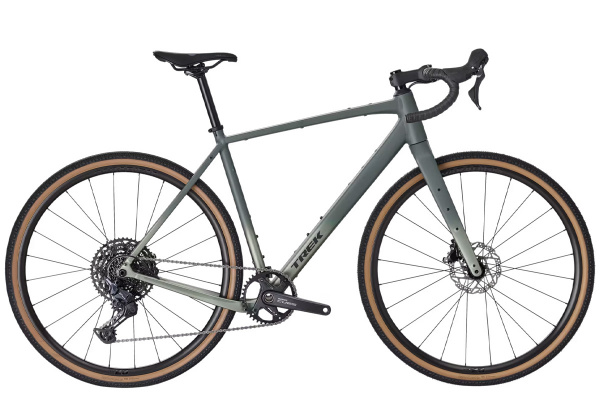
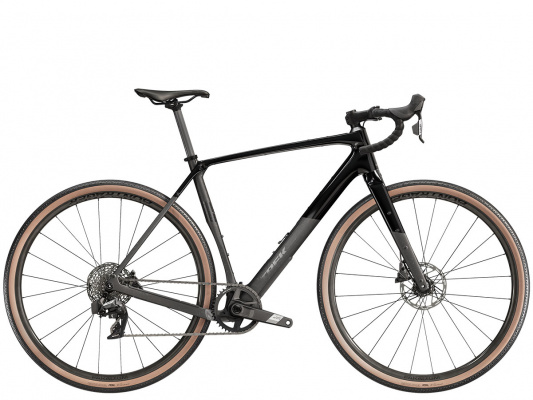
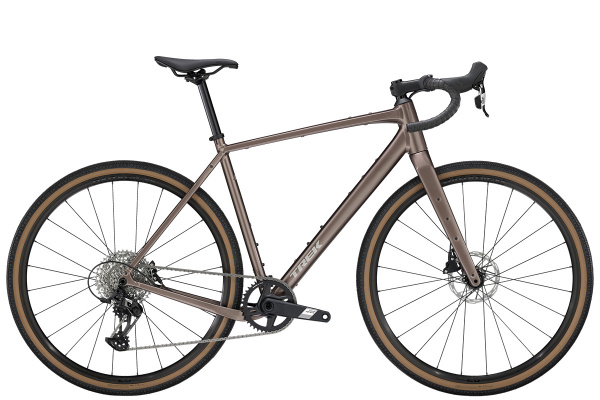
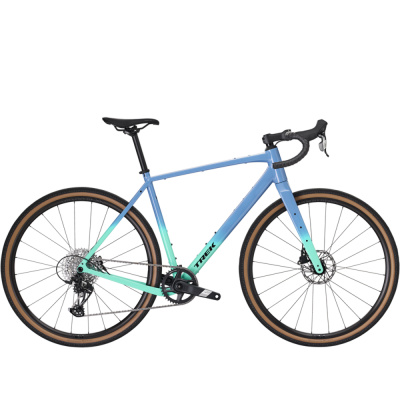
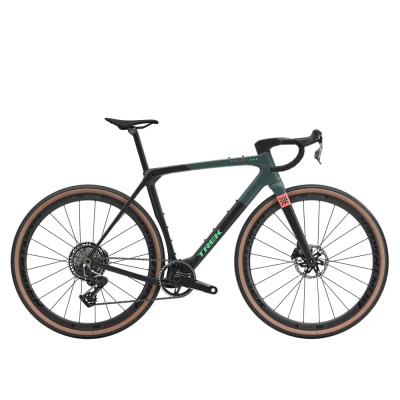
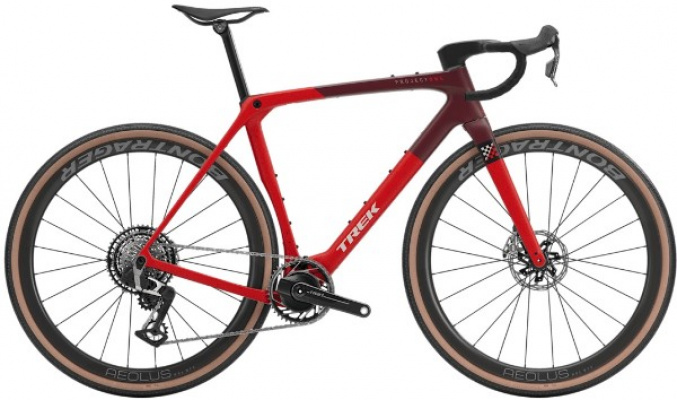
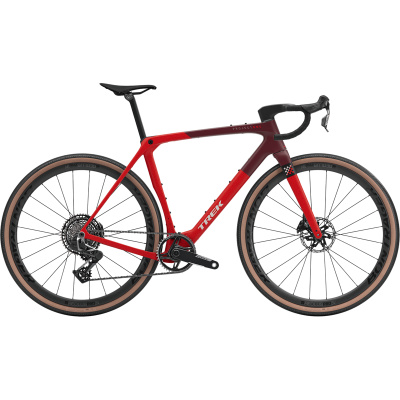
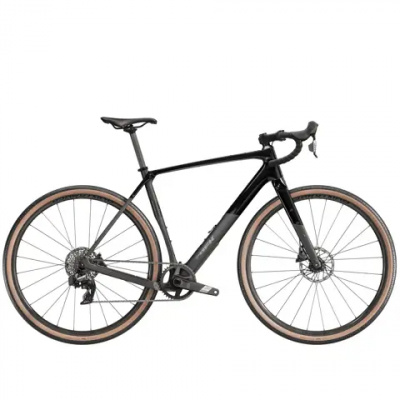
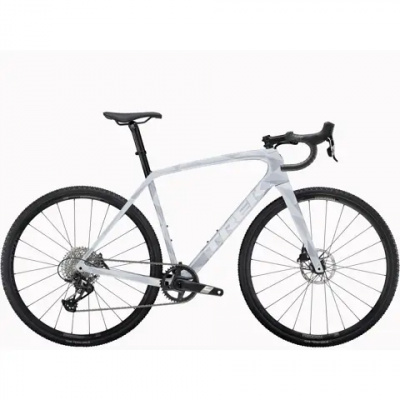
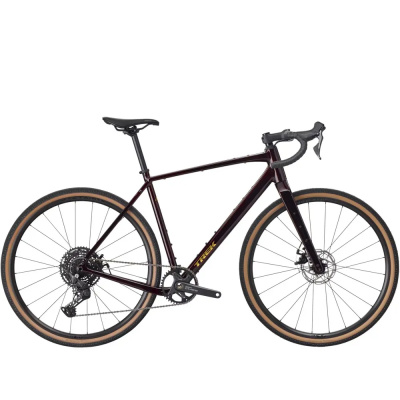
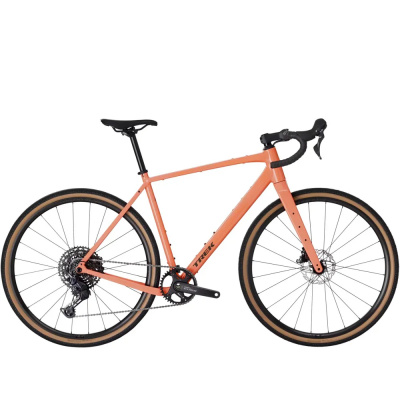
Prices and availability can change quickly. Delivery charges are not always included in listed prices.
Final price, stock status and delivery terms are set by retailer. We may receive a commission on purchases made.
Decoding the Trek Gravel Lineup: Checkpoint vs Domane
The Checkpoint is where Trek's gravel thinking is most fully realised. It's designed around gravel geometry - a longer reach and a shorter stem than you'd find on a road bike - which keeps the handling composed when you're pushing pace on loose chalk or diving into a sunken lane at speed. The Domane, by contrast, was conceived as an endurance road bike with all-road ambitions. It'll take a gravel path without fuss, but its geometry and tyre clearance are tuned for tarmac first. If your riding is mostly road with the occasional detour, the Domane makes sense. If gravel, bridleways, or loaded touring are the plan, the Checkpoint is the one.
Trim levels work the same across both families. ALR means Alpha Aluminum - Trek's hydroformed alloy that's appreciably stiffer and lighter than generic tube sets, and genuinely good value as an entry point. SL indicates a frame built from Trek's 500 Series OCLV Carbon (Optimum Compaction Low Void), which balances stiffness, compliance, and weight in a way that makes longer days noticeably less punishing. SLR is the top-shelf option: 700 Series OCLV Carbon, the same material spec used at WorldTour level, reserved for riders who want the lightest possible build and are prepared to pay for it.
If you're weighing up alternatives, Cannondale gravel bikes and Canyon gravel bikes are worth a look at comparable price points - but Trek's IsoSpeed system and the breadth of Checkpoint geometry options give it a distinct character in this segment.
The Trek Tech Philosophy: IsoSpeed and Geometry
The IsoSpeed decoupler is the headline feature, and it earns its billing. The system works by decoupling the seat tube from the top tube junction, allowing the rear of the frame to absorb road buzz and sharper impacts without transmitting them straight into your spine. Unlike a suspension seatpost, there's no bob under power - the compliance happens passively, only when the bike hits something worth absorbing. On a long day across the Peaks or a gravel sportive on the South Downs, that translates to noticeably fresher legs and hands by the final hour.
Progressive geometry on the Checkpoint deserves equal attention. The longer front centre and slacker head angle mean the bike tracks predictably at speed rather than darting about under you. Pair that with a short stem and you get steering that's responsive without being nervous - useful when you're carrying momentum into an unfamiliar descent and the surface quality is anyone's guess. It's a geometry that rewards confidence rather than demanding it.
The T47 threaded bottom bracket is less glamorous but arguably more important for UK riders. Press-fit standards and gritty conditions are a miserable combination; a threaded shell you can actually get a torque wrench into without specialist tools is a genuine quality-of-life improvement. Check whether yours needs a service before a big trip - it's a five-minute job rather than a workshop visit.
Living with a Trek Gravel Bike in the UK
The Checkpoint's 45c tyre clearance on 700c wheels - or up to 2.1 inches on 650b - is one of its most practical attributes in a British context. Welsh and Scottish winter mud can pack into a frame and lock a wheel solid if clearance is tight; the Checkpoint's arches give you enough room to run a genuinely chunky tyre with mud room to spare. Drop the pressures a touch and the ride quality improves dramatically on loose or wet surfaces, without any penalty on firmer ground.
The frame's integrated bikepacking mounts - top tube, down tube, fork legs, and rear rack mounts - mean you can load the bike for a multi-day route without bolting on aftermarket solutions. Everything sits low and close to the centreline, which keeps handling predictable when you're loaded up. The Checkpoint also runs mudguard mounts as standard, so winter commuting or a wet sportive doesn't require a compromise build.
To get the most from the Checkpoint's carrying capacity, it's worth pairing it with bags designed to fit the frame's mounting points. Our Trek frame bags and Trek bar bags pages cover the options in detail, and for tyre selection across conditions, head to our Trek gravel and cyclocross tyres page. If you're running the bike through winter, Trek mudguards are worth shortlisting early - the good ones go fast once autumn hits.
The Trek gravel range sits within a broader lineup that includes Trek mountain bikes and Trek e-bikes if your riding stretches beyond gravel - but for most riders looking at the Checkpoint or Domane, the question is simply which spec level fits the budget and how much carbon matters to you at that price.
Trek Gravel Bikes FAQs
Is the Trek Domane or Checkpoint better for gravel?
The Checkpoint is Trek's dedicated gravel bike - it has wider tyre clearance (up to 45mm), progressive geometry built for rough surfaces, and full bikepacking mounts. The Domane is an endurance road bike that handles occasional light gravel comfortably, but it's not designed around off-road use. If gravel riding is the main event, the Checkpoint is the right tool.
What is the maximum tyre size for a Trek Checkpoint?
Current Checkpoint models clear up to 700x45c or 650bx2.1 inch tyres. That extra room is genuinely useful in the UK - it lets you run a chunkier tyre with space for mud clearance, or drop pressures on loose surfaces without risking a pinch flat or a wheel lock-up.
What do ALR, SL, and SLR mean on Trek bikes?
ALR frames use Trek's Alpha Aluminum - a premium hydroformed alloy that's durable and good value. SL steps up to 500 Series OCLV Carbon, balancing weight savings with compliance. SLR uses 700 Series OCLV Carbon, the lightest and stiffest layup in the range, aimed at riders who want a pro-level build.