
Ridgeback Touring Bikes
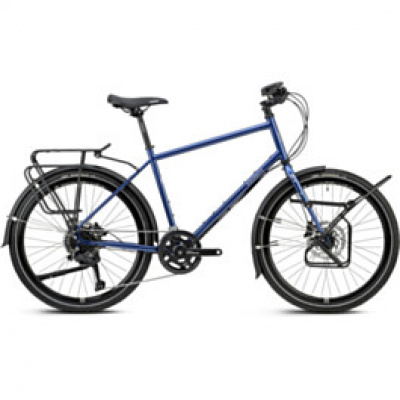
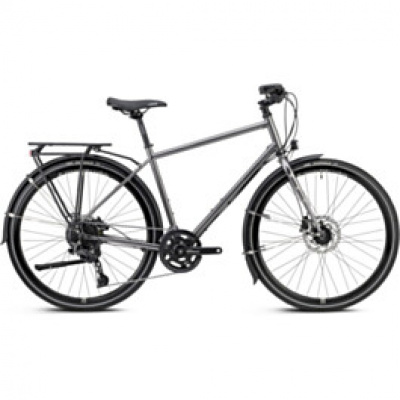
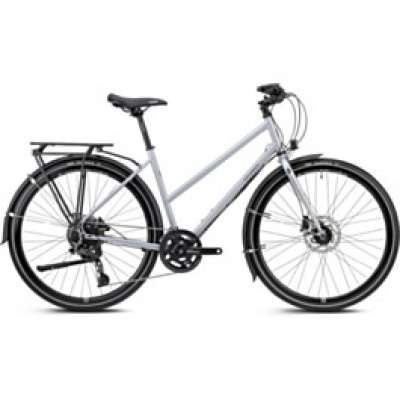
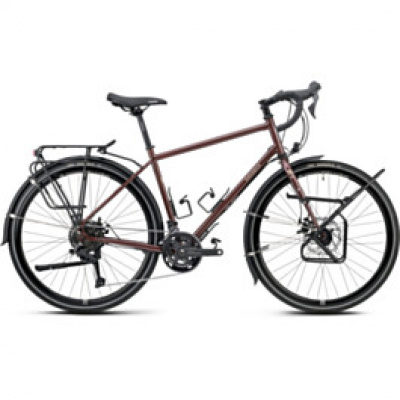
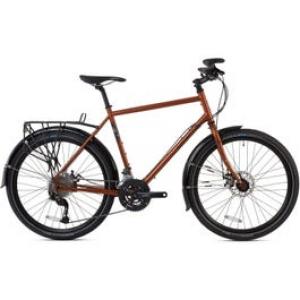
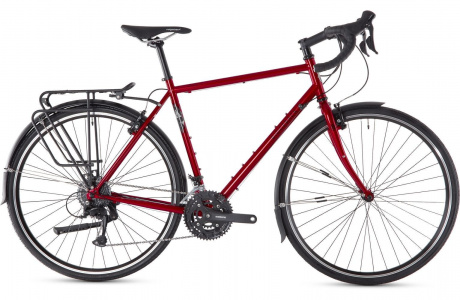
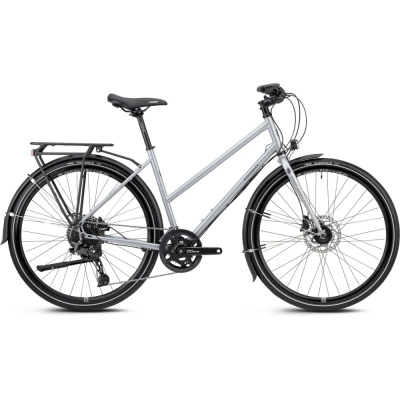
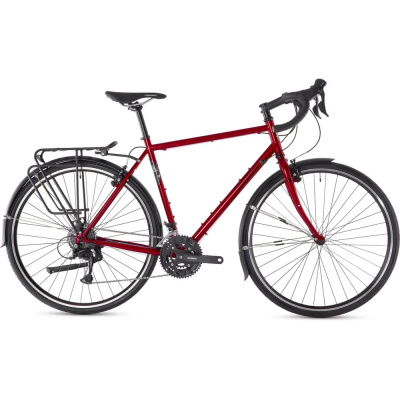
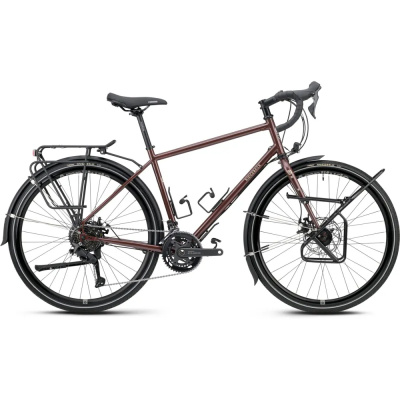
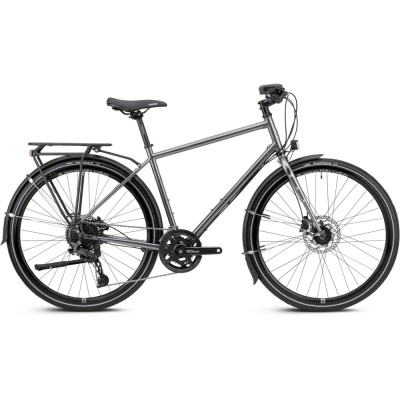
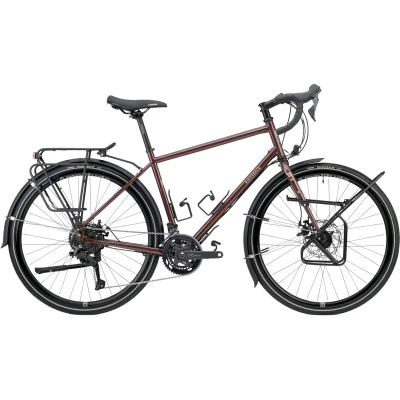
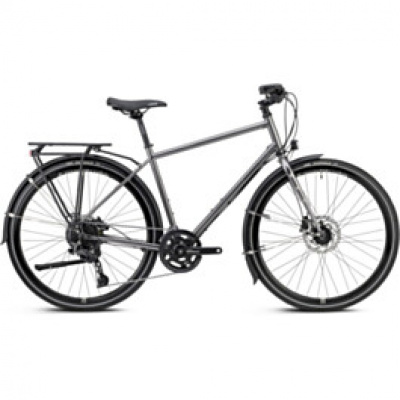
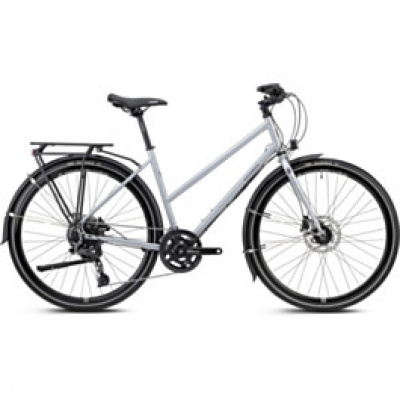
Whether you're plotting the NC500 or loading up for a trans-continental haul, Ridgeback touring bikes have been a cornerstone of British cycle touring for decades. These aren't bikes chasing podiums or Instagram approval - they're built to carry heavy loads over long distances, day after day, in whatever the British weather throws at them. The Reynolds chromoly steel frames are genuinely compliant under load, the geometry is dialled for all-day stability rather than sprinting, and the component spec prioritises reliability over weight savings. Models like the Panorama and Voyage cover the range from premium disc-brake expeditions to classic rim-brake touring, while the Expedition keeps 26-inch wheels in play for riders heading somewhere that a snapped derailleur hanger could become a real problem. Pannier rack mounts, triple chainset options, full mudguard clearance - the practical details are there because Ridgeback actually thought about what long-distance cycling demands. Compare the best UK prices below and find the rig that suits your next adventure.
Prices and availability can change quickly. Delivery charges are not always included in listed prices.
Final price, stock status and delivery terms are set by retailer. We may receive a commission on purchases made.
Decoding the Ridgeback Touring Lineup
Ridgeback touring bikes split into three distinct characters, and picking the wrong one for your style of riding matters more than most brands would admit. The Panorama sits at the top - Reynolds 725 chromoly steel, mechanical disc brakes, and a spec built around serious, loaded expeditions. It's the one you'd trust with a full set of panniers across the Pyrenees or grinding through a wet Scottish autumn. The disc brakes earn their place here; stopping a 30kg loaded bike on a slick descent is a different task entirely from nipping through town.
Step down to the Voyage and you're into Reynolds 520 chromoly steel with traditional rim brakes - a classic setup that's lighter on the wallet and perfectly adequate for lighter touring, credit-card trips, or riders who prefer the simplicity of a well-set-up cantilever. The steel is still excellent; 520 is more than capable, and the ride character remains compliant and forgiving. Think of the Panorama as the expedition workhorse and the Voyage as the nimble, no-fuss tourer for weekends away or a loaded commute on the A-to-B front.
Then there's the Expedition. It runs 26-inch wheels, which sounds old-fashioned until you're in rural Morocco or Central Asia trying to find a replacement tyre. Spare parts availability in remote areas is a genuine concern on a long tour, and 26-inch is still the global standard where it counts. If your route stays within Western Europe or the UK, the Panorama or Voyage make more sense. If you're genuinely going off-grid for months, the Expedition's wheel size could save your trip. Riders considering comparable steel tourers should also look at Genesis touring bikes, Surly touring bikes, and Kona touring bikes for a full picture of what's available at different price points.
The Ridgeback Tech Philosophy: Steel is Real
Ridgeback's commitment to Reynolds chromoly steel isn't nostalgia - it's a practical decision with real consequences for how the bike rides and lasts. Steel has a natural micro-flex that aluminium simply doesn't replicate; on a loaded tourer covering 80 miles of potholed B-roads, that compliance is the difference between arriving fresh and arriving wrecked. The fatigue life under heavy pannier loads is another practical advantage - steel can handle repeated flex cycles over years of hard use without the frame integrity degrading the way an over-stressed aluminium frame eventually might.
The repair argument is the one that actually matters on a long tour. Reynolds 725 and 520 chromoly can be welded by a competent frame builder almost anywhere in the world. Find a local workshop in Eastern Europe or South America with basic steel-welding kit and your frame can be fixed. An exotic aluminium alloy or a carbon fibre layup? You're shipping the bike home. That's not a small consideration if you're mid-trip.
The touring geometry is equally deliberate. Long chainstays - a defining feature of traditional loaded-touring geometry - create the heel clearance that stops your feet clouting the rear panniers on every pedal stroke. It sounds trivial. After two hours it's infuriating; after two weeks it's unbearable. The relaxed head angle adds steering stability when you're loaded front and rear, particularly at low speeds on rough surfaces. It does mean the bike feels less responsive than a sportier machine when empty, but that's the honest trade-off: precision for stability, and stability wins when you're carrying the kitchen sink. The expedition-ready braze-ons - triple bottle cage mounts, low-rider fork mounts for front panniers, heavy-duty rear rack integration - round out a frame design that's thought through from the start rather than adapted.
Living with a Ridgeback Tourer in the UK
Steel touring bikes in the UK have one enemy: moisture. If you're riding year-round through Welsh lanes or the Lake District, the internal tubes of a chromoly frame need treating with a rust inhibitor - Framesaver is the standard recommendation, applied through the frame's braze-on holes before your first wet winter. It's a ten-minute job that protects a frame you might own for twenty years. Don't skip it.
The clearances on Ridgeback tourers are genuinely generous. Full-length mudguards fit without drama, and the tyre clearance accommodates Schwalbe Marathon tyres in the wider sizes - which is exactly what you want on gritty B-roads or the rougher stretches of long-distance routes like the Pennine Cycleway. The Marathon's puncture protection belt earns its keep on tarmac littered with flint and glass. You're adding a little rolling resistance, but on a loaded tourer that's a price worth paying for not fixing a flat in horizontal rain.
The triple chainset deserves a mention too. Winching a loaded bike up a 20% climb in Cornwall or the steeper ramps above Llanberis requires a genuine granny gear - something a compact double simply can't always provide. The wide range available with a triple chainset means you can keep a comfortable cadence rather than grinding your knees to dust on the way up. It's not glamorous, but neither is walking. If you ride Ridgeback hybrid bikes day to day, the step up to a tourer will feel immediately familiar in terms of the practical, no-nonsense approach to spec. Ridgeback's e-bike range is worth a look if you want assisted range on longer days without abandoning the brand's reliability ethos. And if you're introducing younger riders to longer trips, their kids' helmets are worth pairing with the family kit.
Bar end shifters appear on some models in the range and divide opinion, but there's a practical logic to them on a loaded tour: they're robust, simple to adjust, easy to replace anywhere in the world, and they keep the main brake levers clear. On a bike where you might be in the drops on a long descent or hands on the tops grinding uphill for an hour, having gear shifts at multiple hand positions genuinely helps.
Related searches:
Ridgeback Touring Bikes FAQs
Are Ridgeback bikes good for touring?
Yes, and they've earned that reputation honestly. Ridgeback touring bikes use Reynolds chromoly steel frames that handle heavy pannier loads without complaint, spec reliable drivetrains suited to long-distance cycling, and include the practical details - rack mounts, mudguard clearance, triple chainsets - that actually matter when you're 500 miles from home.
What is the difference between the Ridgeback Panorama and Voyage?
The Panorama uses Reynolds 725 steel and mechanical disc brakes - it's the serious expedition option, handling heavy loads in all weathers with confidence. The Voyage runs Reynolds 520 steel with rim brakes, keeping the price more accessible and the setup classic. Both are capable tourers; the Panorama suits committed long-haul riders, the Voyage suits lighter or more occasional touring.
What size Ridgeback touring bike do I need?
Ridgeback touring frames follow traditional sizing, but don't just go by height - check the geometry chart for reach and standover clearance. Touring frames have a longer wheelbase and taller head tube than a typical road bike, which affects how the fit feels. If you're between sizes, consider your riding position preference: a longer reach suits riders happy in a more committed position; a shorter reach keeps you upright and comfortable over long days.