
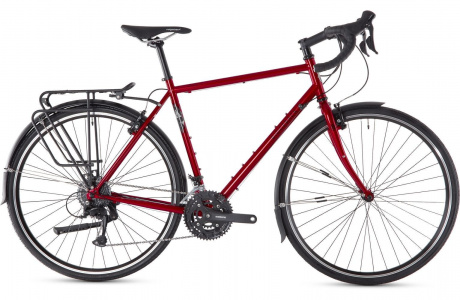
Ridgeback Voyage
Load up the panniers and settle into all-day comfort with gearing that climbs anything.
- Reynolds 520 chromoly steel soaks up road chatter
- Triple chainset with 26×34T low gear conquers loaded climbs
- Full mudguards and rear rack included from the box
- 700×32mm tyres balance comfort with rolling efficiency
- Stable touring geometry keeps you composed under load
- Mini-V brakes improve on traditional cantilever stopping power
Ridgeback Voyage Deals

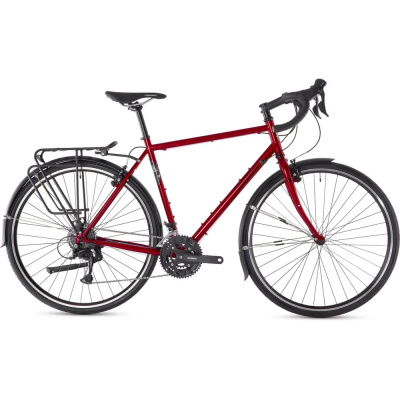
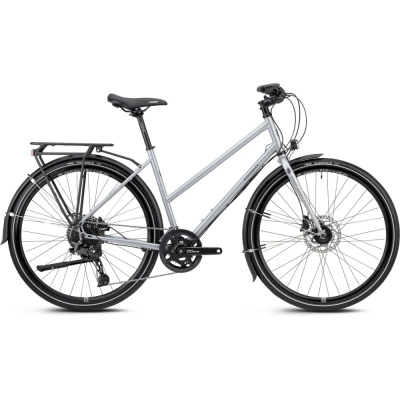
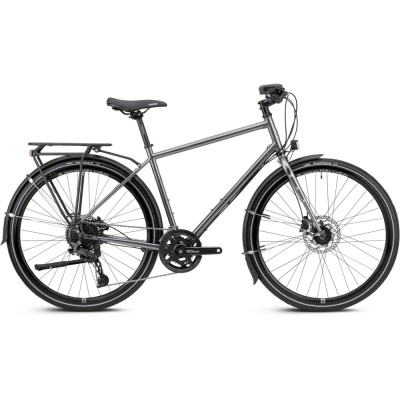
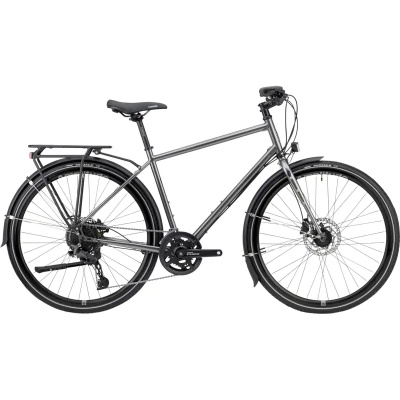
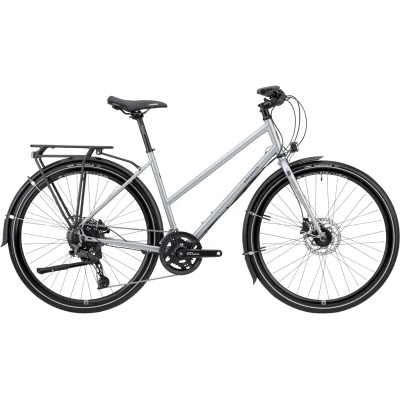
Prices and availability can change quickly. Delivery charges are not always included in listed prices.
Final price, stock status and delivery terms are set by retailer. We may receive a commission on purchases made.
Bikesy's Verdict
The Ridgeback Voyage is a tourer that knows its job and gets on with it. Reynolds 520 steel soaks up the sting of rough roads, the triple chainset hauls you up anything with luggage strapped on, and the included mudguards and rack mean you're ready to ride from day one. It's not exotic or lightweight, but it's comfortable, practical, and reliable - the sort of bike that'll cover 100-mile days without drama and still feel fresh on the commute Monday morning.
If you're planning loaded tours, audax rides, or a year-round commute that involves hills and weather, the Voyage delivers real value. The rim brakes are the one area where spending more (on a disc-equipped frame) would pay dividends if you're tackling serious descents or riding through winter, but for most riders they're perfectly adequate. This is a bike that rewards patience over speed, distance over sprints, and practicality over grams - and if that's your kind of riding, you'll love it.
Pros
- Reynolds 520 steel frame delivers all-day comfort and absorbs rough surfaces
- Triple chainset with 26×34T low gear climbs anything, even fully loaded
- Mudguards and rear rack included - ready to tour or commute from day one
- Stable, predictable handling with luggage; no drama when the weight goes on
- Good value for a practical, durable tourer with reliable Shimano gearing
Cons
- Rim brakes lack the wet-weather bite and descent modulation of discs if you're planning serious mountains
- Heavier than racier options if your rides are about speed rather than distance
- Stock saddle may need swapping if you're sensitive on very long days
About the Ridgeback Voyage
The Ridgeback Voyage is a proper tourer in the classic mould - Reynolds 520 chromoly tubing, a triple chainset that'll haul you and your gear up Alpine passes, and mudguards already bolted on so you can ride straight out of the shop into a week of drizzle. It's the sort of bike that doesn't shout about itself but quietly gets on with covering distance, whether that's a loaded tour across Scotland or the daily grind through town traffic.
Steel's the star here. That Reynolds 520 frame filters out the sting of patched tarmac and cobbled climbs, turning what might be a jarring slog on aluminium into something you can sustain for eight hours without your fillings rattling loose. The ride's upright enough to let you scan junctions and enjoy the view, yet purposeful enough that you're not fighting a shopping bike when the road tilts up. Pair that with 32mm rubber and you've got a platform that forgives rough surfaces while still rolling cleanly on smooth stuff.
Out of the crate you get full-length mudguards - proper ones, not clip-on afterthoughts - and a rear rack rated for panniers. That's the Voyage's pitch in a nutshell: practicality baked in, no need to hunt down compatible fittings or wonder if your heel will clip the bag. It's ready for a fortnight's kit or a week's shopping, and the geometry's been drawn to keep things stable when the weight goes on.
Ridgeback Voyage geometry
Ridgeback haven't published every angle and millimetre for the current frame, but the design language is clear: long wheelbase, relaxed head angle, generous chainstays. Translation? You sit in the bike rather than perched on top of it, and the front end tracks predictably through corners even when the panniers are full. There's no twitchiness here - steer it where you want to go and it obliges without drama.
The upright cockpit puts less weight on your wrists, which matters when you're six hours into a ride and your hands are still speaking to you. Reach is moderate across the size run, so you're not stretched out like a time-triallist but you're not bolt upright either. It's a posture that works for commuting (good sightlines, easy breathing) and for touring (sustainable power, room to shift around when your sit bones start complaining).
Clearance maxes out at 35mm, which gives you options: stick with the stock 32s for mixed surfaces, or fit something chunkier if you're planning bridleways and canal paths. The frame's heel clearance around the rear triangle is generous enough that standard panniers won't foul your pedal stroke, a detail that sounds trivial until you've spent a day kicking your luggage.
Component choices & upgrades
The stock build is honest and fit for purpose. Shimano Sora levers give you integrated shifting and braking, the Acera rear mech handles the wide-range cassette without fuss, and that 48-36-26T triple paired with an 11-34 cassette delivers a bottom gear low enough to winch you up 20% gradients with a fortnight's camping kit strapped on. It's not exotic, but it works - and when you're three days into a tour, reliability trumps grams every time.
Tektro's RX6 Mini-V brakes are a step up from old-school cantilevers: more power, less finger effort, easier to set up. They'll scrub speed on descents and lock the wheel if you need to, though they won't match the all-weather bite or modulation of hydraulic discs. If you're planning long Alpine descents or riding year-round in the wet, that's the one area where an upgrade - swapping to a disc-equipped frame - would transform the experience. For most touring and commuting, though, they're adequate.
The Kenda Kwest tyres roll well and last, but if you want more cushion or puncture protection, a set of Schwalbe Marathons or Continental Contact Plus rubber will add compliance and peace of mind without much weight penalty. The saddle's a personal thing - some riders find the stock perch comfortable, others swap it after the first long ride. Budget for a Brooks or a modern gel saddle if you're sensitive.
Pedals come with toe clips, which is fine for touring (you want secure foot placement when grinding uphill) but you might prefer flats with proper pins for commuting, or SPDs if you're used to clipless. The Jalco rims are sturdy enough for loaded use; if you're planning truly rough tracks or expedition mileage, hand-built wheels with brass nipples and 36 spokes would be bombproof, but that's overkill for most riders.
Where the Ridgeback Voyage excels
This bike's built for one thing above all: covering distance with luggage. Load it with panniers, a bar bag, and a tent, point it at the horizon, and it'll churn through the miles without complaint. The steel frame keeps you comfortable over broken tarmac and gravel tracks, the gearing means you'll never walk a hill, and the stable handling inspires confidence when the bike's laden and the road's narrow.
It's equally at home as a commuter. Mudguards keep your trousers clean, the rack swallows a week's groceries or a laptop bag, and the upright position makes filtering through traffic straightforward. You're not racing, but you're not dawdling either - it's brisk enough for a 10-mile each-way commute without feeling like hard work.
Audax and long leisure rides suit it well. The comfort and gearing let you tackle 200km days on varied terrain, and the practicality means you can carry spares, layers, and lunch without resorting to a rucksack. It's not a race bike - the weight and relaxed geometry see to that - so if your weekends are about chasing club-run averages or smashing Strava segments, you'll want something lighter and stiffer. Likewise, if you're planning singletrack or technical off-road, this isn't the tool; it's a road tourer with light gravel capability, not a mountain bike.
The rim brakes are the limiting factor on long, steep descents. They work, but your hands will tire before discs would, and wet rims mean longer stopping distances. If your routes involve serious mountain passes or you ride through winter, that's worth weighing up.
Ridgeback Voyage FAQs
What is the best touring bike for long distances?
There's no single answer - it depends on your budget, terrain, and how much you're carrying - but a good long-distance tourer needs a comfortable frame (steel's ideal), wide-range gearing, and mounts for racks and bottles. The Voyage ticks those boxes and adds practicality with included mudguards and rack, making it a strong contender if you want something ready to ride without a long shopping list. For expedition-level durability or custom geometry, bikes like the Thorn Sherpa or a Surly Long Haul Trucker step up, but they cost more.
Is a steel frame better for touring bikes?
Steel's the traditional choice for good reason: it absorbs vibration better than aluminium, it's repairable almost anywhere if you crack a tube, and it's strong enough to carry heavy loads without feeling harsh. Reynolds 520 chromoly - what the Voyage uses - offers a sweet spot of comfort, durability, and weight. Carbon and titanium can be lighter or more exotic, but for loaded touring where comfort and practicality matter more than grams, steel's hard to beat.
What are the advantages of 32mm tyres for touring?
Thirty-two millimetres gives you enough air volume to smooth out rough tarmac and light gravel without the rolling resistance penalty of full-on knobbly rubber. You get better puncture protection than narrower road tyres, more grip on loose or wet surfaces, and the ability to drop pressure a bit for comfort on long days. They're a practical middle ground: fast enough on tarmac, capable enough on tracks, and wide enough to keep you comfortable when the road's seen better days.
How does the Ridgeback Voyage compare to other touring bikes?
The Voyage sits in the accessible end of the touring market - steel frame, reliable components, practical features included. It's less expensive than expedition-focused machines like the Thorn Sherpa (which offers tougher wheels and custom builds) and more traditional than modern gravel-tourers. Compared to peers like the Genesis Tour de Fer or Kona Sutra, it's similarly specced but often better value, though those bikes may offer disc brake options. If you want a no-fuss tourer that works out of the box, the Voyage delivers without asking you to remortgage.
Can the Ridgeback Voyage be used for commuting?
Absolutely. The mudguards and rack are already fitted, the upright position gives you good visibility in traffic, and the gearing handles urban hills without drama. It's heavier than a dedicated city bike, but that weight brings stability and durability - this'll shrug off potholes and kerb hops that would rattle a lightweight commuter. If your commute's hilly, wet, or involves carrying stuff, the Voyage is a solid choice that'll do double duty at weekends.
What is the maximum tyre clearance on the Ridgeback Voyage?
The frame and fork will take up to 700×35mm tyres, which gives you room to fit something chunkier than the stock 32s if you're planning rougher tracks or want maximum comfort. That's enough for light gravel and bridleways but not full knobbly mountain bike rubber - this is still a road-oriented tourer at heart.
Are Tektro Mini-V brakes good for touring?
They're a decent middle ground: more power and easier setup than traditional cantilevers, and they work well for general touring and commuting. You'll get reliable stopping in the dry and adequate performance in the wet, though they don't match the all-weather bite or low-effort modulation of hydraulic discs. If your tours involve long Alpine descents or you ride through winter, discs would be better, but for most UK touring and day rides, Mini-Vs do the job without fuss.
What kind of gearing is suitable for loaded touring?
You want a low gear that lets you spin up steep climbs without grinding to a halt when the bike's heavy. The Voyage's 26×34T bottom gear is low enough to tackle 20% gradients with panniers, tent, and supplies - most riders will never run out of gears. The triple chainset gives you plenty of range for flat cruising and descents too, so you're covered whether you're spinning along a canal path or hauling up a mountain pass.
Key Features & Benefits
- Reynolds 520 chromoly steel frame: Soaks up road vibration for all-day comfort and is strong enough to carry heavy loads without feeling harsh
- 48-36-26T triple chainset with 11-34T cassette: Delivers a 26×34T low gear that'll winch you up 20% climbs with a fortnight's kit strapped on
- Included full-length mudguards and rear rack: Ready to tour or commute straight away - no hunting for compatible fittings or worrying about spray
- 700×32mm tyres with clearance for 35mm: Balances rolling speed with comfort and grip on mixed surfaces; room to fit chunkier rubber if you need it
- Stable touring geometry with long wheelbase: Keeps handling predictable and composed when the bike's loaded, so you can relax on narrow lanes and descents
Ridgeback Voyage 2020, 2016 & 2012 differences
The 2020 Voyage shared the same Reynolds 520 frame and touring-focused geometry as the current model, with a Shimano Sora/Acera drivetrain and triple chainset. Key differences: it used Alex Ace-19 rims instead of Jalco DM23, Continental Contact tyres rather than Kenda Kwest, a KMC X9 chain, and Tektro 992AG brakes in place of the RX6 Mini-Vs. The overall spec and ride character were nearly identical - practical, comfortable, ready to tour.
The 2016 model retained the Reynolds 520 frame and 48-36-26T triple with 11-34 cassette, but used Tektro Oryx cantilever brakes - less powerful and fiddlier to set up than the Mini-Vs that followed. Geometry and intended use remained consistent: stable, load-carrying, long-distance comfort.
Back in 2012, the Voyage featured the same chromoly tubing but paired Shimano Sora shifters with a Deore rear mech and Alivio chainset. Brakes were traditional Tektro cantilevers with top-mounted levers, and tyres were Continental Contact 700×32c on Alex rims with Shimano hubs. Reviewers noted the stock saddle as uncomfortable for very long rides, and the cantilever brakes were less effective than later Mini-V or disc options. Weight for a 50cm frame was quoted at 13.7kg. The core philosophy - steel comfort, wide gearing, practical accessories - has remained unchanged across the years; component refinements have simply made the bike easier to live with.
Alternatives to Consider
Within Ridgeback's own range, the Panorama steps up with a higher-spec build - potentially disc brakes and upgraded components - if you want more refinement and all-weather stopping power without leaving the brand. If you're after something simpler or tighter on budget, Ridgeback's hybrid and commuter models offer practicality but lack the Voyage's touring-specific gearing and load-carrying geometry.
Cross-brand, the Genesis Tour de Fer 10 offers a similar steel-framed touring ethos with modern touches like disc brakes and slightly sportier geometry, though it'll cost more. The Kona Sutra is another chromoly tourer with a cult following, known for bombproof durability and wide tyre clearance; it's comparable in intent but often specced with discs. The Surly Long Haul Trucker is the benchmark expedition tourer - heavier, tougher, and built for worldwide abuse - but it's pricier and aimed at riders planning serious mileage off the beaten track. For a more budget-conscious option, the Dawes Galaxy (if still available) treads similar ground to the Voyage with classic steel touring DNA, though Ridgeback's size range and included accessories often give it the edge. Finally, the Specialized Sequoia blends modern gravel-bike thinking with touring capability - lighter, faster, disc-equipped - but you'll pay for that versatility and lose some of the Voyage's load-carrying focus.
Reviews
Reynolds 520 tubing sets the tone from the first pedal stroke: compliant enough to smooth out chipped tarmac and cobbles, stiff enough that power doesn't vanish into frame flex when you're grinding uphill with luggage. The 32mm Kenda tyres add another layer of cushion, and together they turn what could be a jarring day on rough lanes into something you can sustain for hours without your hands going numb.
Gearing range is the Voyage's secret weapon. That 26-tooth inner ring paired with a 34-tooth sprocket delivers a ratio low enough to spin up 20% ramps with panniers, tent, and a week's supplies - most riders will never run out of gears. When the road flattens or tips downhill, the 48-tooth big ring keeps you rolling without spinning out. Shimano Sora shifters are crisp and intuitive, and the Acera rear mech handles the wide cassette without complaint.
Handling inspires confidence when the bike's loaded. Long wheelbase and relaxed head angle mean it tracks straight on descents and doesn't get nervous when you add weight. Steering's deliberate rather than darty - you point it where you want to go and it obliges without fuss. Heel clearance around the panniers is generous, so you're not kicking your luggage mid-pedal stroke, and the upright cockpit keeps your weight centred for stability.
Tektro Mini-V brakes are the one area where compromise shows. They work - plenty of power to lock the wheel if you need to, and setup's straightforward - but on long descents your hands will tire before discs would, and wet rims mean longer stopping distances. For most UK touring and commuting they're adequate, but if your routes involve serious mountain passes or year-round riding, that's the upgrade we'd prioritise.
Practicality's baked in. Full mudguards keep spray off your legs and the bike stays cleaner, the rear rack's rated for proper panniers, and there's enough frame clearance to fit 35mm tyres if you want more cushion or grip. It's the sort of bike that doesn't need a long shopping list before you can actually ride it - bolt on your bags and go.
Full Specification
| Spec | Value |
|---|---|
| Frame Material | Reynolds 520 Chromoly Steel |
| Frame Design | Classic steel tubing, gently raked fork, optimized for comfort and stability |
| Frame Features | Full-length mudguards, rear pannier rack included |
| Tyre Clearance | 700 x 35mm maximum |
| Available Sizes | XS, S, M, L, XL |
| Bottom Bracket | Shimano BB-UN300 |
| Fork | Chromoly Steel, rigid, gently raked |
| Headset | Threadless 1-1/8" EC34/28.6 | EC34/30 |
| Drivetrain | 27-speed |
| Shifters | Shimano Sora ST-R3030 |
| Front Derailleur | Shimano Sora FD-R3030 |
| Rear Derailleur | Shimano Acera RD-T3000 SGS |
| Crankset | Shimano FC-T3010 48-36-26T |
| Cassette | Shimano HG200 11-34T |
| Chain | KMC CNHG-53 |
| Brakes | Rim brakes |
| Brake Calipers | Tektro RX6 Mini-V |
| Brake Levers | Shimano Sora ST-R3030 |
| Rims | Jalco DM23 |
| Hubs (Front) | KT-GP5F |
| Hubs (Rear) | KT-AEZR |
| Spokes | Stainless Steel 14G Brass Nipples |
| Tyres (Front) | Kenda Kwest 700 x 32mm |
| Tyres (Rear) | Kenda Kwest 700 x 32mm |
| Handlebar Width | XS: 400mm / S-M: 420mm / L-XL: 440mm |
| Handlebar Material | Ridgeback Alloy |
| Stem Length | XS: 90mm / S-M: 100mm / L-XL: 110mm |
| Stem Material | Ridgeback Alloy |
| Seatpost | Ridgeback Alloy 27.2 x 350mm |
| Saddle | Ridgeback Custom |
| Pedals | FPD Road with Toe Clips |