
Ridgeback E-Bikes
Ridgeback E-Bikes have built a quiet, solid reputation doing exactly what most riders actually need: getting you to work dry, up the hill without suffering, and back home without a fuss. These aren't bikes chasing podiums or Instagram likes. They're practical, well-specced electric commuters and hybrids designed with British roads firmly in mind - potholed, damp, and occasionally grim.
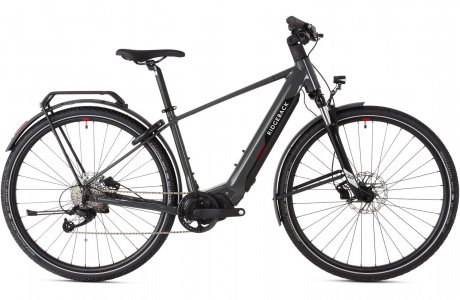
The range runs from relaxed step-through commuters to sportier active hybrids, with motor systems drawn from both Shimano STEPS and Promovec depending on the model tier. Battery integration uses Darfon units mounted low in the frame, which keeps handling predictable rather than top-heavy. Full-length mudguards and pannier rack compatible mounts come fitted as standard across most models - not as afterthoughts you're hunting down separately.
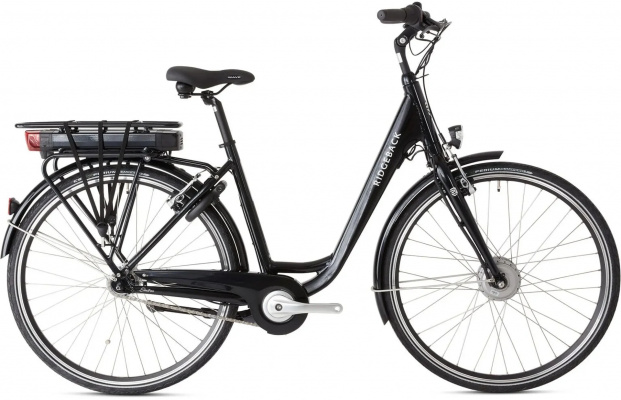
Whether you're eyeing up a step-through frame for easy on-and-off during a busy commute or something more capable for weekend towpath rides, there's a Ridgeback that fits the brief. They don't overcomplicate things, and that's a genuine strength. Need a charger to go with your new bike? Our Ridgeback e-bike chargers page has you covered.
Prices and availability can change quickly. Delivery charges are not always included in listed prices.
Final price, stock status and delivery terms are set by retailer. We may receive a commission on purchases made.
Decoding the Ridgeback E-Bike Lineup
Ridgeback keeps its e-bike range focused rather than bloated, which makes picking the right model reasonably straightforward. The Electron series sits at the comfort end - upright geometry, Open Frame step-through design, and a riding position that suits commuters who want to arrive without feeling like they've been training. It's aimed squarely at urban mobility: school runs, station hops, that kind of thing. The step-through geometry also makes it genuinely accessible if you're carrying a bag or wearing work clothes rather than lycra.
The Advance range shifts the geometry slightly more aggressive - longer reach, narrower bars - for riders who want a bit more pace and efficiency on longer commutes or mixed-surface rides. Think less city plodder, more active commuter who occasionally peels off onto a canal path. If you already ride Ridgeback hybrid bikes, the Advance will feel like a natural progression with a motor bolted on.
The Errand is the compact utility option - shorter wheelbase, lower standover, and a focus on carrying capacity. It's a proper town bike in electric form. At the other end of the spectrum, the Arcus and X3 models handle rougher riding: wider tyres, suspension forks, and geometry that's more relaxed about what you point it at. Not quite the same territory as Ridgeback mountain bikes, but capable well beyond smooth tarmac.
Trim levels across the range split mainly on battery capacity - 400Wh for entry-level models, 504Wh on higher specs - and motor choice. Bigger battery means more range; the motor upgrade tends to mean more torque and a more natural power delivery.
What's Actually Going On Under the Frame
Ridgeback runs a deliberate dual-motor strategy, and it's worth understanding why. Shimano STEPS mid-drive systems appear on the premium models, and they're worth the extra spend if your commute involves real hills. Mid-drives work through the drivetrain, which means torque gets multiplied by your gears - the difference on a steep climb is significant. Shimano's system also delivers the most natural ride feel of any motor on the market; the power blends in rather than shoves you forward.
On more accessible models, Ridgeback fits Promovec hub and mid-drive motors. These are less talked about than Shimano but genuinely robust - well-sealed, low-maintenance, and well-matched to the riding style these bikes are designed for. If you're doing short urban hops rather than long hilly commutes, the difference in torque characteristics between Promovec and Shimano STEPS is unlikely to matter much in practice.
Battery integration uses Darfon units, positioned low and central in the downtube. This keeps the centre of gravity where it should be, which pays off when you're filtering through traffic or picking your line around a pothole. Internal cable routing across most models keeps things tidy and reduces the number of exposed components catching winter grime.
The Open Frame geometry deserves a mention beyond just accessibility. Ridgeback engineers it to maintain frame stiffness even without a traditional top tube, so you're not sacrificing handling sharpness for the convenience of easy mounting. It's a meaningful detail, not just a marketing claim.
Riders comparing options might also consider Cube e-bikes or Boardman e-bikes at similar price points - both offer strong motor specs, though Ridgeback's factory mudguard and rack fitment gives it a practical edge for year-round UK use without extra spend.
Running a Ridgeback Through a British Year
The factory mudguards fitted across most Ridgeback models aren't an afterthought - they're full-length, properly clearing the tyre, and they matter from October through to April. If you're commuting in the UK without full mudguards, you'll know the stripe up your back that partial guards leave. Ridgeback sorts this from day one.
The pannier rack fitment is similarly practical. Most models come rack-ready or rack-fitted, so you're not drilling eyelets or bodging solutions. A decent set of waterproof panniers and you're genuinely set for year-round use. Check the Ridgeback touring bikes range if you want to see how the brand approaches longer-distance load carrying - the philosophy carries over to the e-bike range.
For winter maintenance, the Shimano STEPS motor units are well-sealed and largely self-sufficient, but it's worth keeping the contact points between battery and frame clean and dry - a soft brush and a wipe-down every couple of weeks is enough. Promovec motors are similarly robust, but avoid high-pressure jet washing directly at any motor housing, Shimano or otherwise. That applies to every motor on the market.
Battery care in freezing temperatures is simple: don't leave a fully depleted battery in a cold garage overnight. Store it somewhere above freezing - a hallway, a kitchen - and charge it indoors before heading out. Lithium cells lose capacity in the cold anyway, so a warm battery at the start of a winter commute means noticeably better range.
Tyre clearance on the Arcus and X3 models accommodates wider rubber, which genuinely helps on poorly maintained urban roads. If your daily route involves the kind of tarmac that resembles a relief map, fitting the widest tyre the frame accepts - and running it at the lower end of the pressure range - does more for comfort and control than almost any other change you could make. If you're on a Carrera e-bike or similar and considering a switch, this tyre clearance generosity is one of Ridgeback's more underrated practical advantages.
Frequently Asked Questions
Are Ridgeback e-bikes any good?
Yes, consistently. Ridgeback e-bikes are well-regarded for practical, UK-focused design and solid day-to-day reliability. Proven motor systems from Shimano and Promovec mean low maintenance and dependable performance - these are bikes you ride rather than tinker with.
What motors do Ridgeback electric bikes use?
Premium models use Shimano STEPS mid-drive motors, which deliver natural power feel and strong torque through the gears. Entry-level and mid-range models use Promovec hub and mid-drive motors - highly reliable, well-sealed against UK weather, and well-suited to urban commuting distances.
How far can a Ridgeback e-bike go on a single charge?
Most models manage between 40 and 80 miles per charge depending on battery size, assist level, and rider weight. Sticking to Eco mode on flatter stretches and keeping tyres properly inflated will push you towards the top of that range. The 504Wh battery models offer noticeably more headroom than the 400Wh versions on longer routes.
Related searches:
Ridgeback E-Bikes FAQs
Are Ridgeback e-bikes any good?
Yes, consistently. Ridgeback e-bikes are well-regarded for practical, UK-focused design and solid day-to-day reliability. Proven motor systems from Shimano and Promovec mean low maintenance and dependable performance - these are bikes you ride rather than tinker with.
What motors do Ridgeback electric bikes use?
Premium models use Shimano STEPS mid-drive motors, which deliver natural power feel and strong torque through the gears. Entry-level and mid-range models use Promovec hub and mid-drive motors - highly reliable, well-sealed against UK weather, and well-suited to urban commuting distances.
How far can a Ridgeback e-bike go on a single charge?
Most models manage between 40 and 80 miles per charge depending on battery size, assist level, and rider weight. Sticking to Eco mode on flatter stretches and keeping tyres properly inflated will push you towards the top of that range. The 504Wh battery models offer noticeably more headroom than the 400Wh versions on longer routes.