
Ridgeback Hybrid Bikes
Ridgeback hybrid bikes have quietly kept a huge chunk of the UK's commuters moving for decades - no fuss, no frills, just bikes that work. Built around 6061 heat-treated aluminium frames and spec'd with proven Shimano drivetrains, they're designed for the rider who needs their bike to show up every morning regardless of the weather, the potholes, or how long it sat locked outside the station.
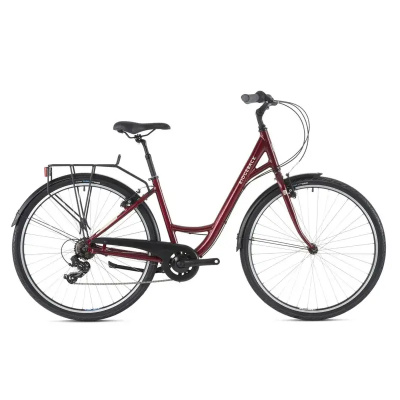
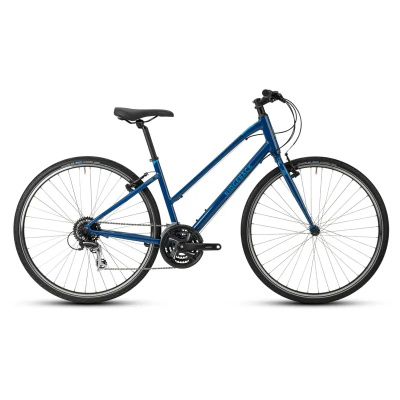
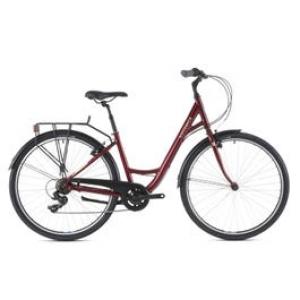
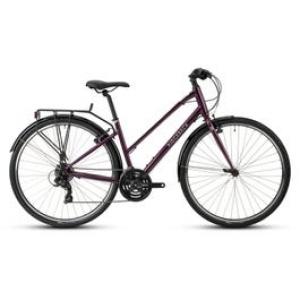
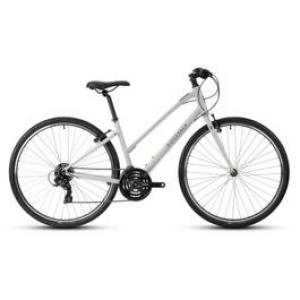
The flat-bar urban geometry puts you upright and alert - you're scanning junctions and reading the road, not hunched over chasing watts. That commanding position suits everything from a gritty city commute to a relaxed weekend spin along a canal towpath. Ridgeback's range splits broadly into two families: the Metro series for tarmac-focused riding, and the Dual Track series for riders who want a little more capability on rougher surfaces. There's also a growing selection of open-frame (step-through) variants across both lines.
If pedal assistance is on your radar, our Ridgeback e-bikes page is the better starting point. And if you're planning something more ambitious - loaded touring, long-distance routes - take a look at our Ridgeback touring bikes section instead. For a straight-up everyday hybrid, though, you're in the right place.
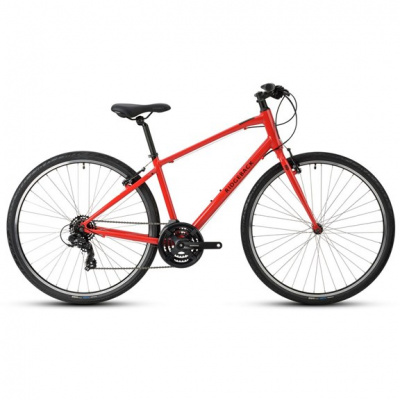
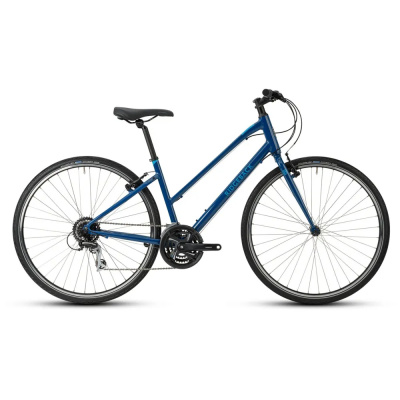
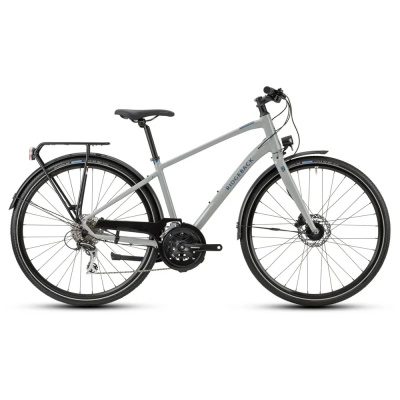
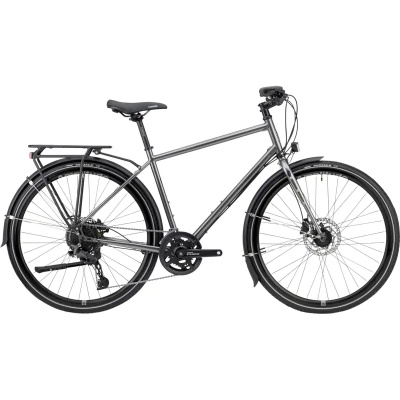
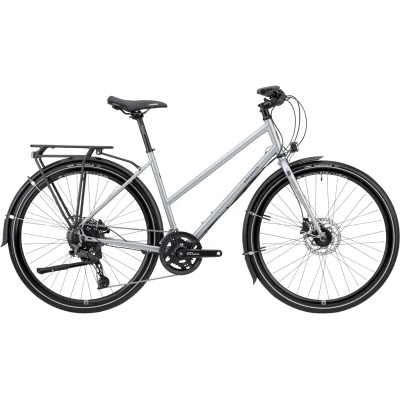
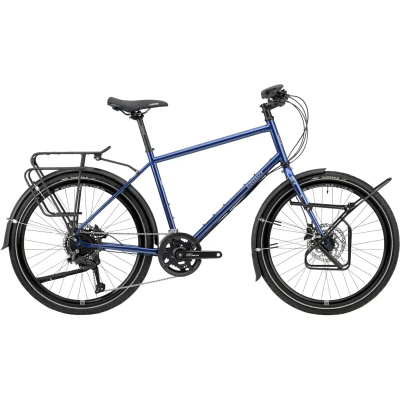
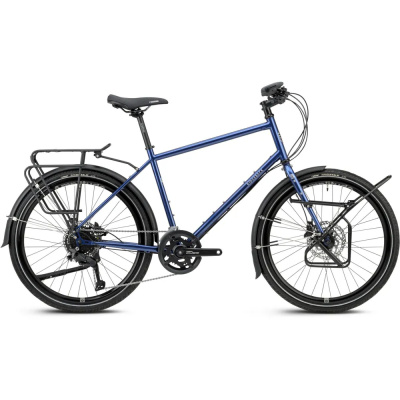
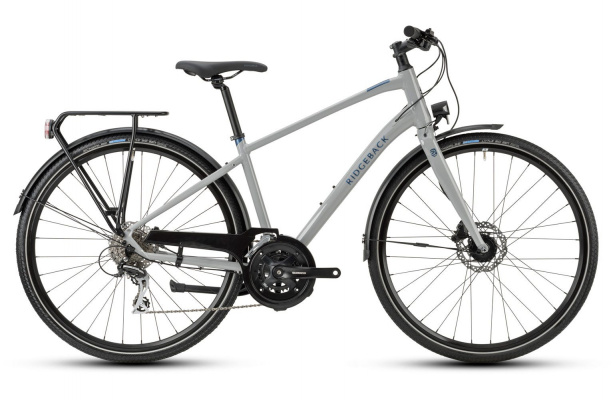
Prices and availability can change quickly. Delivery charges are not always included in listed prices.
Final price, stock status and delivery terms are set by retailer. We may receive a commission on purchases made.
Decoding the Ridgeback Hybrid Lineup
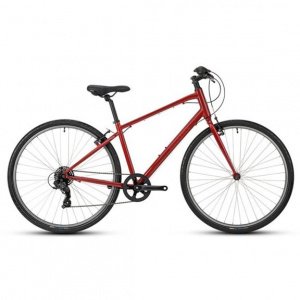
Ridgeback organises its hybrid range into two distinct families, and understanding which is which saves a lot of head-scratching. The Metro series - covering models like the Speed, Vanteo, and Motion - is where you go for tarmac efficiency. Rigid forks, slicker 700c wheels with puncture protection tyres, and a geometry that keeps things snappy on smooth surfaces. These are proper flat bar road bikes in all but name, trimmed out for daily utility rather than weekend sprinting.
The Dual Track series takes a different approach. Short-travel suspension forks and knobbier rubber make these far more capable on gritty canal towpaths, compressed gravel, and the kind of surfaces that would rattle fillings on a rigid commuter. They're heavier and slightly slower on pure tarmac, but if your ride to work involves a section of rough path or a poorly maintained cycle lane that looks like a war zone, the Dual Track absorbs that without complaint.
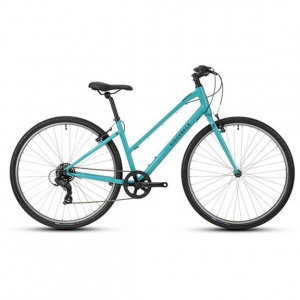
Then there's the naming convention worth knowing: any model labelled Open Frame is Ridgeback's step-through variant. The step-through frame geometry makes mounting and dismounting easier - practically useful if you're stopping frequently in traffic or have any mobility considerations. The ride character stays the same; it's purely a frame-shape change. Comparing the Ridgeback Vanteo vs Motion or the Ridgeback Speed vs Meteor? The Speed sits at the sharper, faster end of the Metro range, while the Motion and Meteor prioritise comfort and practicality. Think of it as the difference between a quick clip into work and a relaxed ride with a bag full of shopping on the back.
The Ridgeback Tech Philosophy
Ridgeback's engineering decisions are refreshingly straightforward. Their 6061 heat-treated custom-drawn aluminium tubing is drawn to specific wall thicknesses for each tube section - thicker where stress concentrates, thinner where it doesn't. The result is a frame that's stiff enough to feel responsive without turning every rough patch into a punishment. It's not featherlight, but it's not trying to be. Durability over the long haul is the point.
What really distinguishes Ridgeback from some rivals is their commitment to non-proprietary components. The threaded bottom bracket shell is a quiet masterstroke - it's a standard interface that any competent mechanic can service without specialist tools or a manufacturer's app. No press-fit creaks developing six months in, no expensive replacement shells. Your local bike shop can sort it in twenty minutes.
The same logic runs through the rest of the spec. Standard Shimano drivetrain components - Tourney, Altus, Acera depending on the model - are stocked by virtually every bike shop in the country. Cables, cassettes, derailleurs: all off-the-shelf, all affordable. Compared to some brands that spec proprietary systems or unusual standards that push you toward the manufacturer's own service network, Ridgeback's approach feels almost contrarian. Sensibly so. If you want a comparable flat-bar option from a different stable, Boardman hybrid bikes are worth a look for riders who want a sharper, more performance-oriented feel, while Carrera hybrid bikes offer strong value at the accessible end of the market.
Living with a Ridgeback in the UK
British winters don't give much warning, and Ridgeback's frame design accounts for that. The high-clearance frame design is built to accept 40c-plus tyres alongside full-length SKS-style mudguards simultaneously - which sounds like a small detail until you've tried fitting guards to a frame with tight clearances and found yourself with a tyre that rubs every time the wheel flexes. Here, there's proper room. That matters enormously for a Ridgeback commuter bike being ridden through October to March.
Most models also carry pannier rack mounts as standard, both rear and often front. Rack bosses and mudguard eyelets are the kind of spec detail that separates a genuinely practical commuter from something that merely looks the part. Slap a rack on, clip a pair of panniers, and you've got a capable load-carrier without modifying anything.
Day-to-day, the ergonomic flat-bar urban geometry means you're not fighting the bike on a busy commute. The upright position reduces neck and shoulder strain on longer rides - relevant if you're doing a 45-minute run each way rather than a ten-minute hop. Tyre choice makes a real difference here too: the stock puncture protection tyres handle potholed urban roads and gritty towpaths reasonably well, but if your route is particularly brutal, it's worth looking at a tyre upgrade once the originals wear. Schwalbe Marathon tyres are a popular swap among regular commuters.
One practical note on drivetrain care: these bikes get used hard, often year-round in wet and gritty conditions. Clean and re-lube your chain every couple of weeks in winter - a dry or corroded chain will eat through a cassette faster than you'd expect, and that's an avoidable cost. Wet-lube in winter, dry-lube in summer. Simple stuff, but worth doing consistently.
If you've got younger riders coming up alongside you, it's worth knowing Ridgeback carries the same practical philosophy into their junior range - both Ridgeback kids' bikes and Ridgeback kids' helmets are built with the same no-nonsense spec ethic.
Related searches:
Ridgeback Hybrid Bikes FAQs
Are Ridgeback hybrid bikes good quality?
Ridgeback has a solid, long-standing reputation in the UK for building durable, dependable commuter bikes. Their 6061 aluminium frames are built to last, and the use of standard Shimano components means any local bike shop can service or repair them without specialist tools or eye-watering parts costs. They're not glamorous, but they're genuinely well-made.
What is the difference between the Ridgeback Metro and Dual Track series?
The Metro series uses rigid forks and slicker tyres - it's tuned for tarmac efficiency and suits road-based commuting. The Dual Track series adds short-travel suspension forks and knobbier rubber, giving it noticeably more composure on canal towpaths, gravel paths, and rougher urban surfaces. If your route is mostly tarmac, go Metro. If it's mixed, Dual Track is the better call.
Do Ridgeback hybrid bikes come with mudguards and racks?
Not all models ship with them pre-fitted, but virtually every Ridgeback hybrid frame has the eyelets and clearance to accept full-length mudguards and a rear pannier rack. The high-clearance frame design means you can run 40c-plus tyres and guards simultaneously - which is exactly what you want for year-round UK riding.