
Kona Touring Bikes
Kona touring bikes have built a serious reputation on the global expedition circuit - and for good reason. These are drop-bar, steel-framed rigs designed to carry everything you own across a continent, or simply survive the kind of potholed B-roads and salt-soaked winter commutes that would rattle a lighter bike to pieces. The backbone of the range is the Sutra family, built around Kona's own Cromoly butted steel tubeset, with a geometry that prioritises loaded stability over snappy handling. Think longer wheelbase, confident steering, and braze-ons everywhere you'd want them. The Project Two touring fork alone has more mounting points than most bikes have components.
There's a model for most types of heavy-duty riding here - from classic trans-continental setups with four panniers and a Brooks saddle, through to aggressive off-road bikepacking rigs with massive tyre clearance and dropper-post routing. If you want something lighter and snappier for mixed-surface day rides, our Kona gravel bikes page is a better starting point. For a flat-bar city commuter, head to Kona hybrid bikes. But if you're loading up for a long one - or just need a bike that genuinely doesn't care what the roads throw at it - read on.
Prices and availability can change quickly. Delivery charges are not always included in listed prices.
Final price, stock status and delivery terms are set by retailer. We may receive a commission on purchases made.
Decoding the Kona Touring Lineup
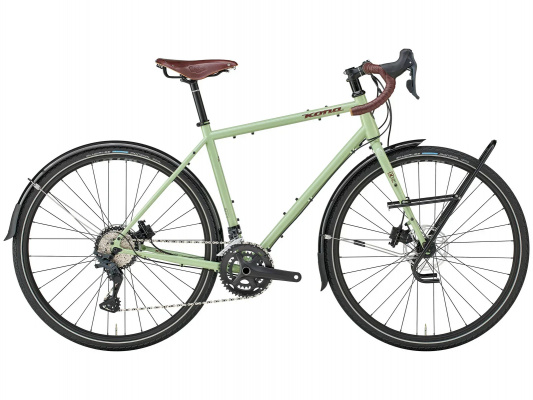
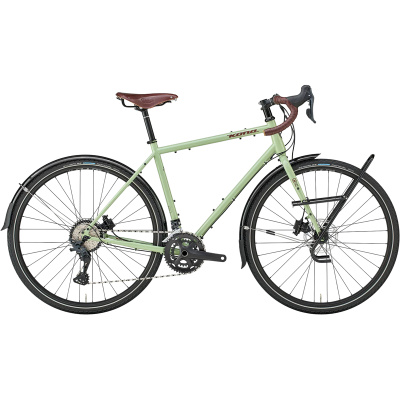
The Sutra range covers three distinct directions, and picking the wrong one is easy if you're not across the differences. The Sutra SE is the classicist's choice - bar-end shifters, a triple chainring, mechanical disc brakes, and a Brooks saddle straight from the box. That combination isn't nostalgia; it's a deliberate spec for riders who need to fix things in the middle of nowhere. Bar-end shifters work with almost any cable and take minutes to service roadside. A triple chainset gives you the low gearing to grind up a loaded climb in the Peak District without reducing yourself to a crawl. The SE is what you'd reach for if you were heading somewhere remote.
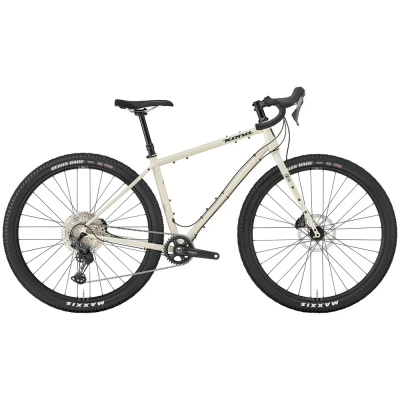
The standard Sutra brings things closer to a modern drop-bar setup - STI lever shifting, a more contemporary drivetrain - while keeping the same core steel frame and touring geometry. It's the more familiar ride for cyclists coming from road or gravel backgrounds, without sacrificing the stability and mounting provisions that define the range. Then there's the Sutra LTD, which takes a hard left turn into bikepacking territory. A 1x drivetrain, routing for a dropper post, and clearance for genuinely wide rubber make it the pick for riders who want to venture off sealed roads and onto gravel tracks or loose bridleways. It's still touring, but with the dial turned firmly toward adventure. Worth noting: if you're cross-shopping the Sutra against rivals, Surly touring bikes and Genesis touring bikes occupy similar ground and are worth a look.
The Steel and the Geometry: What Kona Actually Did
Kona Cromoly Butted Steel is the material holding all of this together, and the butting is the detail that matters most. Butted tubing is drawn so the walls are thicker at the stressed ends - the joints and weld areas - and thinner through the middle section. That keeps weight down without compromising structural strength where it counts. Steel, done properly, has a compliance that aluminium simply doesn't replicate: it absorbs road buzz over long miles rather than feeding it straight into your hands and backside. On a loaded bike covering distance, that difference is cumulative and significant.
The geometry compounds that comfort. Longer chainstays mean your heels clear rear panniers without any awkward pedalling adjustments - a small thing until you've spent a day clipping your bags on every stroke. A lower bottom bracket drops the centre of gravity when you're carrying weight, which translates directly to more predictable handling on loose surfaces or descents. Size-specific tubing profiles mean Kona doesn't just scale the same tubes up and down - each frame size gets tubing drawn to suit its proportions, so a smaller rider isn't stuck on an over-built frame that rides stiff.
The Kona Project Two Touring Fork deserves its own mention. It's specced with multiple sets of braze-ons - low-rider rack mounts, cargo cage bosses, mudguard eyes - giving you serious flexibility in how you load the front of the bike. A front low-rider rack keeps weight low and centred, which changes the handling of a loaded bike more than most riders expect. It's the kind of practical detail that only matters once you're actually carrying gear, and Kona has clearly thought it through. For replacement components down the line, Kona hangers and drop-outs are worth bookmarking.
Running a Kona Tourer Through a UK Winter
Steel is brilliant. Steel and British road salt are a less comfortable relationship. If you're commuting or riding through winter on a Kona Sutra, treating the inside of the frame tubes with a rust inhibitor - Framesaver and Boeshield are both widely used - is genuinely worth doing before you start. Water gets in through the seat tube, through cable entry points, through the headtube. It's not a matter of if, it's when. A quick treatment at the start of the season takes twenty minutes and adds years.
The mudguard clearances on the Sutra range are generous, and you'll want to use them. Full-length guards with decent coverage make a real difference on gritty winter roads - not just for comfort, but for drivetrain longevity. Mechanical disc brakes, as fitted to the SE in particular, are worth their weight in exactly these conditions. Hydraulics offer better modulation, yes, but if a brake hose fails on a bridleway somewhere in the Welsh hills, a mechanical system is fixable with a spare cable and basic tools. That trade-off is very deliberate on a bike aimed at long-distance and loaded riding. Hydraulics are the better choice if your riding is mostly day trips; for extended touring, mechanical simplicity has real practical value.
700c touring wheels with a quality double-walled rim are the standard across the range, and they're compatible with the high-volume tyres you'll want on UK roads. Tyre choice matters here - a 38-42mm tyre with a decent tread pattern deals with potholed B-roads far better than anything narrower, and the Sutra's clearances give you room to run something substantial front and rear. It's one of those spec decisions that's worth revisiting when you buy, even if it means an immediate tyre swap.
Kona Touring Bikes FAQs
Is the Kona Sutra a good touring bike?
Yes - it's a genuine benchmark in the category. The butted Cromoly steel frame, long wheelbase, and comprehensive mounting points make it stable and comfortable under a full load of panniers. The SE variant's mechanical components and bar-end shifters add real-world reliability for remote riding where you can't easily source spares.
What is the difference between Kona Sutra and Kona Rove?
The Sutra is a dedicated touring bike with longer chainstays for pannier heel clearance, heavier-duty steel tubing, and geometry dialled for loaded riding. The Rove is a gravel bike - shorter, snappier, and designed for unloaded mixed-surface day rides. If you're carrying gear overnight or longer, the Sutra is the right choice; if you're not, the Rove handles better.
What steel does Kona use for their touring bikes?
Kona uses their own Cromoly Butted Steel - a Chromoly alloy drawn so the tube walls vary in thickness, thicker at the joints and thinner through the mid-section. That reduces weight while keeping structural strength where it's needed most. It also retains the vibration-damping ride quality that makes steel genuinely comfortable over long distances.