
Kona Gravel Bikes
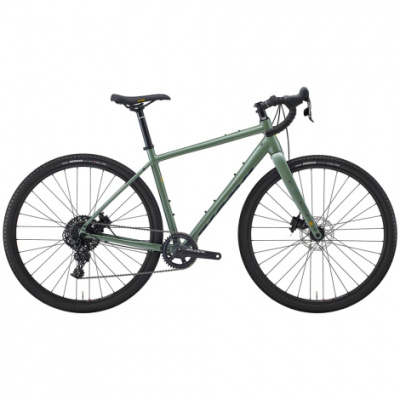
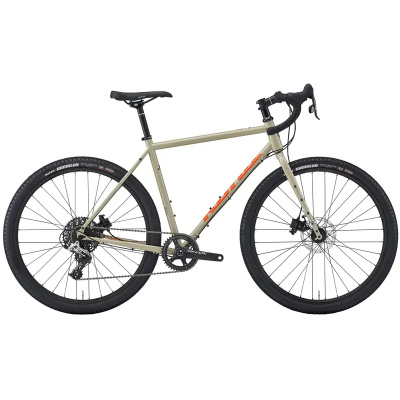
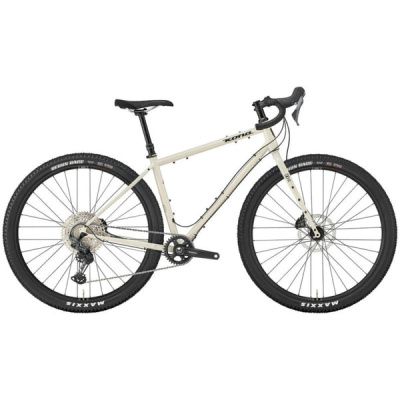
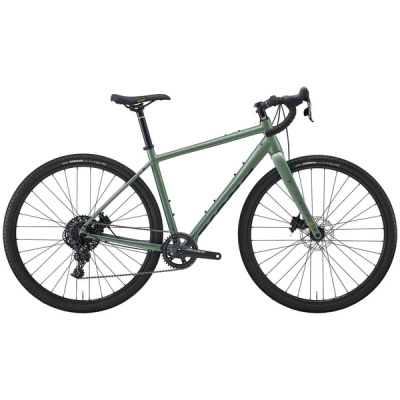
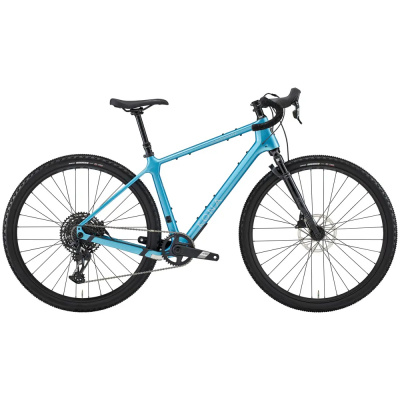
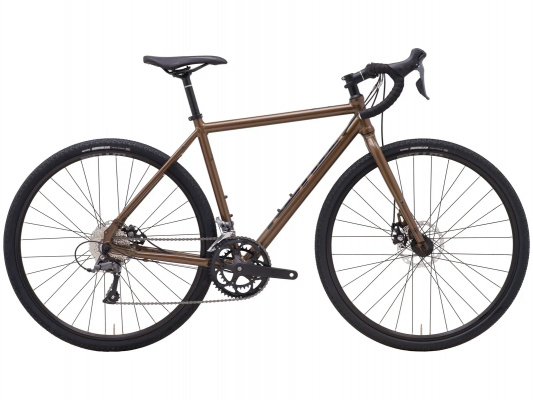
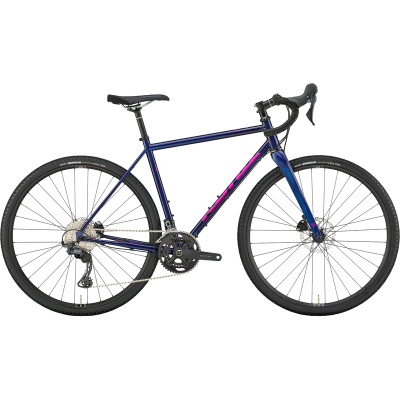
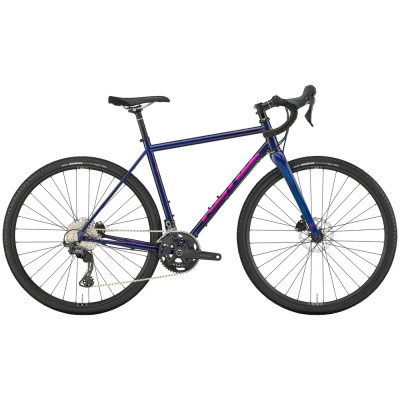
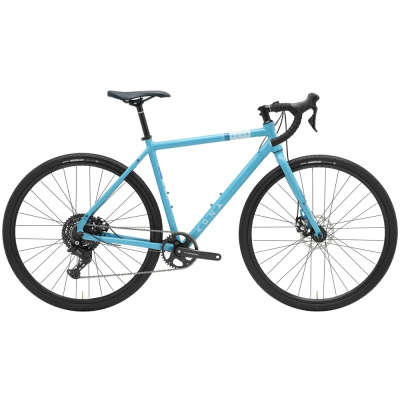
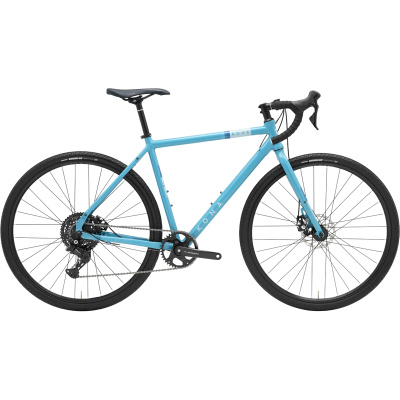
Kona gravel bikes were doing the drop-bar adventure thing before most brands had even sketched a geometry chart for it. That history shows in the bikes: progressive, confidence-inspiring, and genuinely useful rather than just fast-looking. The two families you'll find here - the Rove and the Libre - cover a lot of ground, from weekend bridleway bashing to multi-day bikepacking hauls, and they're built with the kind of durability that matters when you're miles from the van on a wet Welsh lane.
Kona's approach has always leant on their mountain bike roots. Slacker head angles, longer reach, and generous tyre clearance mean these bikes feel planted when the trail gets loose, rather than nervous. Whether you're commuting to work on a Friday and riding the Quantocks on Saturday, or planning something more ambitious, there's a Kona in this range that fits the brief. They're not chasing podiums - they're built to go anywhere and keep going.
If you're after a fully loaded expedition rig for long-haul touring, our Kona Touring Bikes page is worth a look. And if you want motor assistance for those long fire-road climbs, head to our Kona E-Bikes section instead.
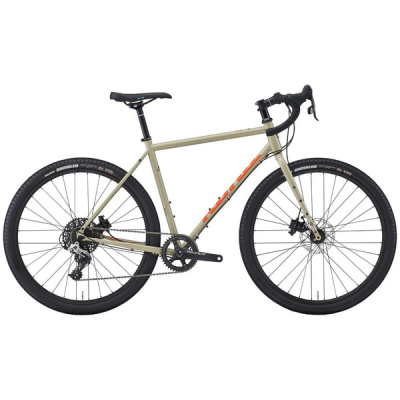
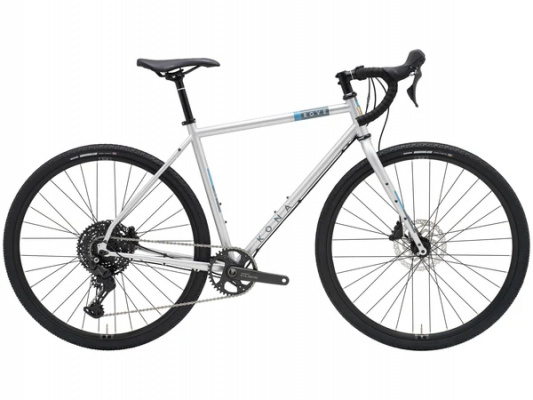
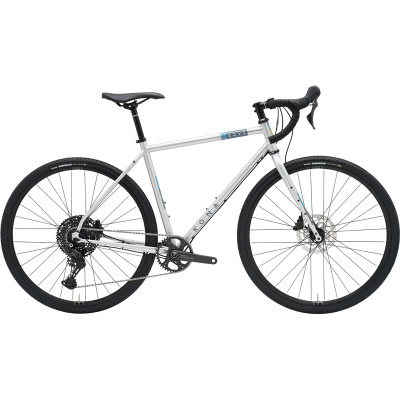
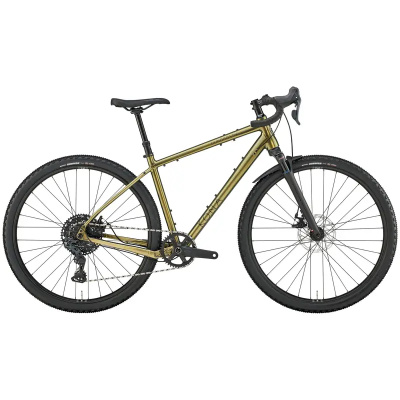
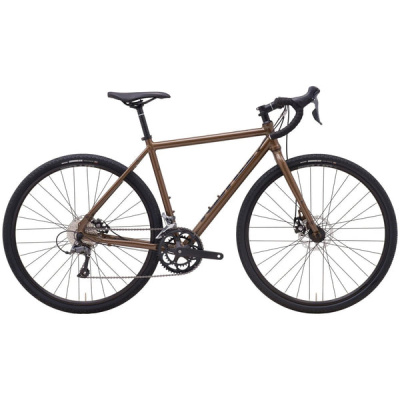
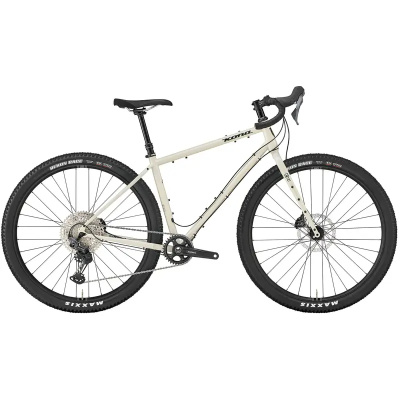
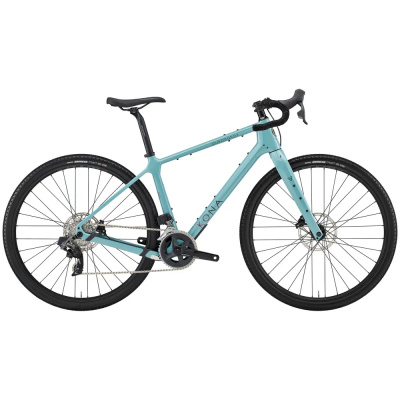
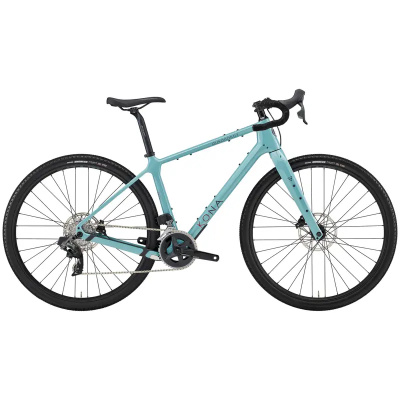
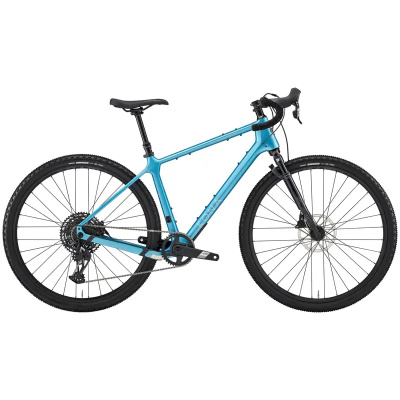
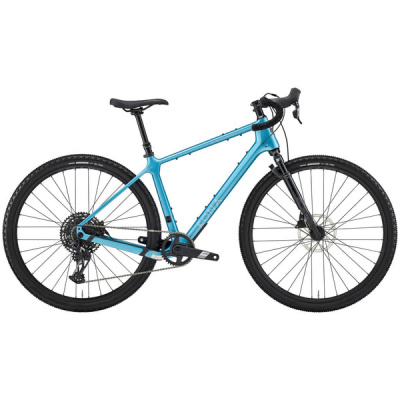
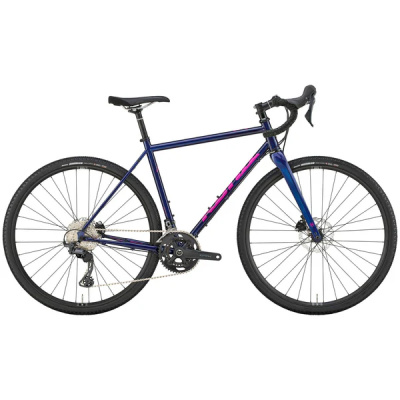
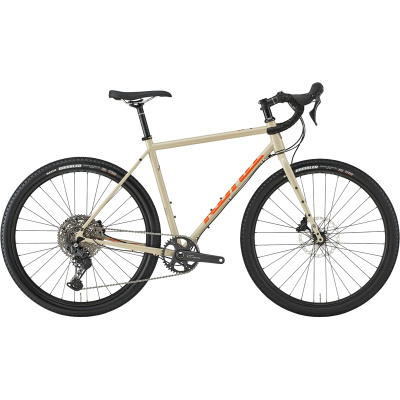
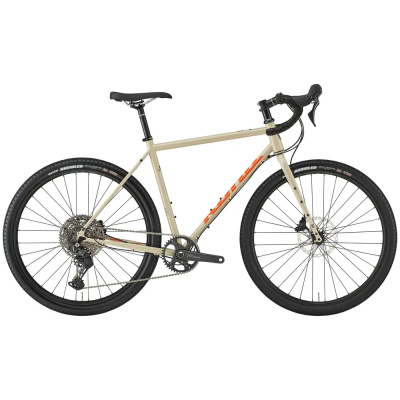
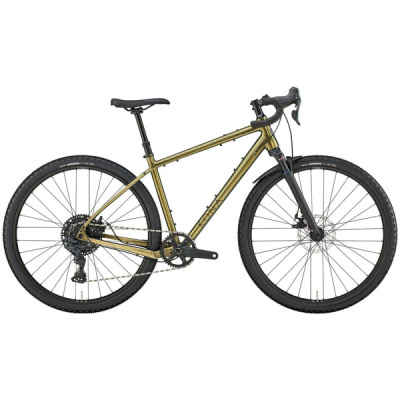
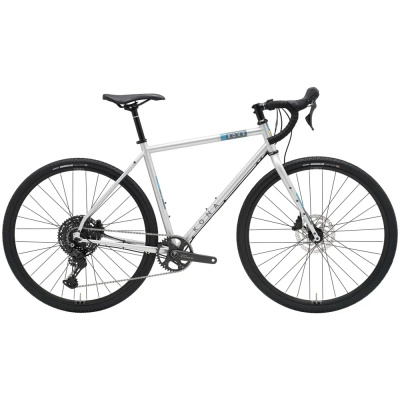
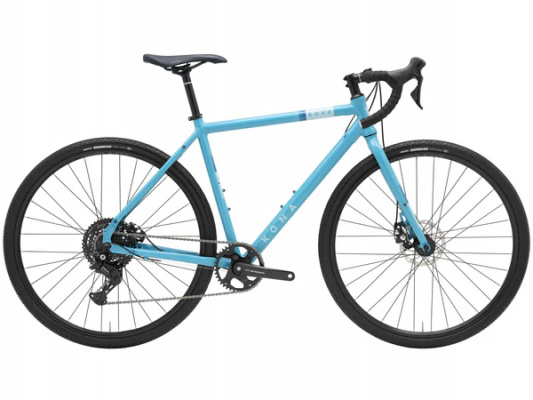
Prices and availability can change quickly. Delivery charges are not always included in listed prices.
Final price, stock status and delivery terms are set by retailer. We may receive a commission on purchases made.
Decoding the Kona Gravel Lineup
Two families, quite different briefs. The Rove is the workhorse - available in steel (the Cromoly versions) and aluminium (the Kona Rove AL), it's designed to carry a load, absorb a kicking, and still feel composed on a bridleway that's had no maintenance since 2009. The Libre is where Kona go lighter and faster, with a carbon frame and geometry that rewards putting power down over long distances rather than navigating chaos.
Trim levels follow a straightforward logic. AL means aluminium frame, CR denotes carbon, and DL (Deluxe) flags an upgraded component spec. As you move up the Rove range, you're typically gaining better drivetrains and wheels rather than a different frame character - the ride quality is baked into the geometry and material, not just the parts hanging off it.
Practically speaking: if you want something for Sunday pub rides that can double as a loaded bikepacking rig without feeling like a compromise in either direction, the steel Rove is your bike. It's heavy by race standards and unbothered by that fact. The Libre is for riders who want to cover serious mileage quickly - think 200km audax-style days or gravel sportives - where a lighter, stiffer frame genuinely changes what your legs can do by hour six. For a different flavour of adventure geometry, Genesis gravel bikes and Marin gravel bikes are worth comparing if you're still working out which direction suits you.
What Kona Actually Do Differently
The material story starts with Kona Cromoly Butted Steel - custom drawn tubing that Kona spec to their own wall thickness profiles. Butted steel isn't just a heritage nod; the variable wall thickness means the frame can be lighter where stress is lower and stronger where it matters, and the material itself damps high-frequency road buzz in a way that aluminium simply doesn't. On a four-hour gravel ride, your hands notice the difference.
The Kona Verso Full Carbon Flat Mount Disc Fork pairs with the steel Rove frames to give you a stiff, precise front end without the compliance-sapping rigidity of a steel fork. It tracks well on loose gravel - no vague, wandery feeling when you're carrying speed into a corner - and it comes with triple cage mounts, so you can bolt on frame bags, water bottles, and cargo cages without any bodging. That's a genuine bikepacking-ready setup straight off the peg.
Kona also run modular dropout systems on several Rove models, which means you can run the bike singlespeed or geared depending on your mood or your route. It's a small detail that makes a real difference if you like to mess about with builds, or if you want a stripped-back winter hack that's easy to maintain. Speaking of maintenance, Kona hangers and dropouts are worth bookmarking - having a spare hanger before you need one is the kind of thing you'll thank yourself for eventually.
Geometry-wise, Kona borrow from their mountain bike catalogue more than most gravel brands. The head angles are a touch slacker than the average gravel race bike, and the reach is longer relative to stack. On flat, fast gravel that translates to a stretched, aero-ish position. On a loose, rocky descent in Northumberland? It means you're not fighting the front wheel to stay straight.
Living with a Kona in the UK
Tyre clearance is where the Rove earns its keep in British conditions. Running 650b wheels with a 47c tyre gives you a fat, forgiving contact patch that floats over Peak District gritstone and absorbs chalk-flint chop on the South Downs without beating your wrists up. Both the Rove and its fork are tubeless ready, so you can drop pressures low without the pinch-flat anxiety - genuinely useful when you're picking a line over wet roots in mid-November.
There's a trade-off worth knowing: in very deep, claggy winter mud - the kind you get on Shropshire bridleways after a week of rain - a 700c wheel with a 40c tyre can actually clear mud faster through the frame than a 650b x 47c setup, because the bigger diameter keeps moving through the gloop rather than packing up. Most modern Rove frames are designed for dual-wheel compatibility, so swapping between the two is a genuine option rather than just a spec-sheet note. If you do go 700c, tyre width drops to maintain adequate 700c clearance in the frame and fork - worth checking your specific model before you buy wheels.
Steel frames and UK winters do require a small amount of attention. Internal frame rust is a real risk if salty road spray finds its way inside the tubes and sits there. A can of frame-saver spray applied internally at the start of winter takes ten minutes and adds years to the frame's life. External cable routing on the Rove models - another deliberate Kona choice - makes this kind of home maintenance straightforward, and it keeps drivetrain servicing simple when you're working in a cold garage. The flat mount disc brakes are now the universal standard, so finding compatible rotors and pads is never an issue.
The bikepacking mounts throughout the frame (top tube, down tube, fork legs, fork crown) mean you can load the bike properly without relying on a single saddle bag. Spread the weight across the frame and the handling stays predictable. That's the difference between a bike with mounts bolted on as an afterthought and one where the whole system is designed around carrying gear.
Kona Gravel Bikes FAQs
Is the Kona Rove a good gravel bike?
Yes, and consistently so across multiple model years. The Rove's Cromoly steel frame, progressive gravel geometry, and generous tyre clearance make it one of the more capable all-round options in this category - particularly for bikepacking and rougher British bridleways. It's not the lightest choice, but it's reliable, well-specced for the money, and handles a beating without drama.
What is the difference between Kona Rove and Libre?
The Rove is built around durability and versatility - steel or aluminium frames, wide tyre clearance, lots of cargo mounts, comfortable geometry. It suits loaded riding and rough tracks. The Libre is Kona's carbon gravel bike, lighter and stiffer, with a geometry that rewards sustained fast riding over long distances. Different tools for different jobs rather than one being better than the other.
Can you put 700c wheels on a 650b Kona Rove?
On most current Rove frames, yes. Kona design these frames with dual-wheel compatibility, so swapping to 700c is straightforward. The trade-off is maximum tyre width - you'll need to run a narrower tyre than the 650b setup to maintain adequate clearance in the frame and fork. Check the specific model's stated clearances before buying wheels.