
Marin Gravel Bikes
Marin gravel bikes arrive with a pedigree that's hard to fake - this is the brand that grew up on the fire roads and singletrack of Marin County, California, and that off-road instinct runs straight through their drop-bar lineup. These aren't road bikes with wider tyres bolted on. Every model is built around Marin's Beyond Road geometry, which borrows slack head angles and longer reach figures from mountain bike design to give you genuine confidence when the lane turns to loose gravel or peanut-butter mud.
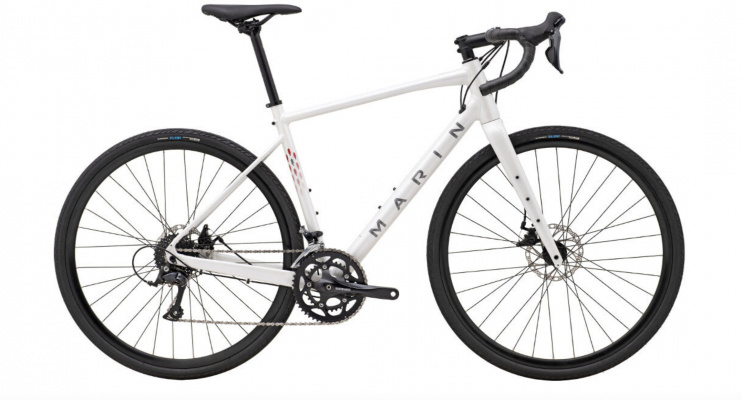
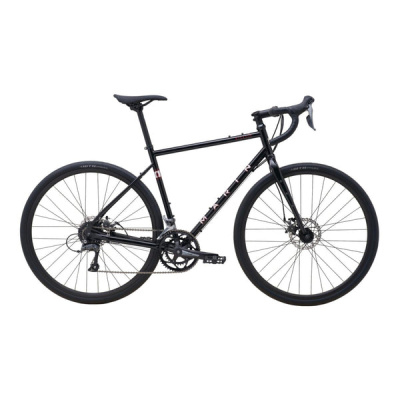
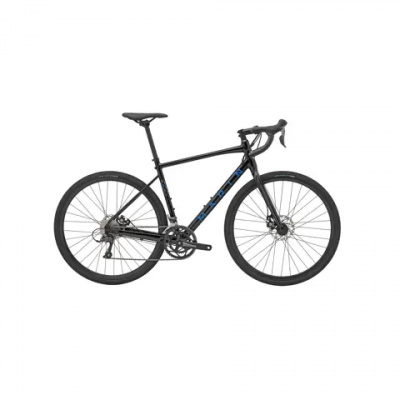
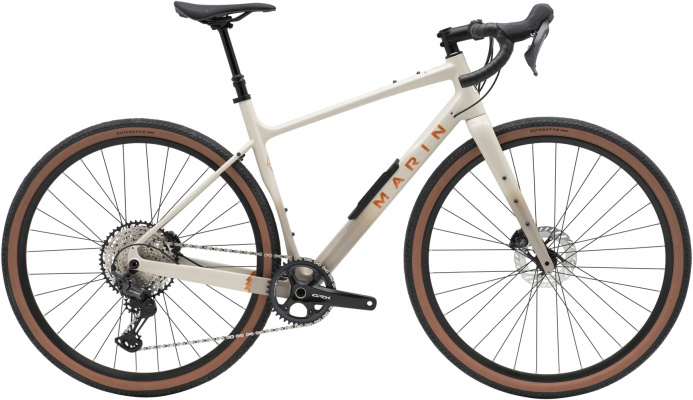
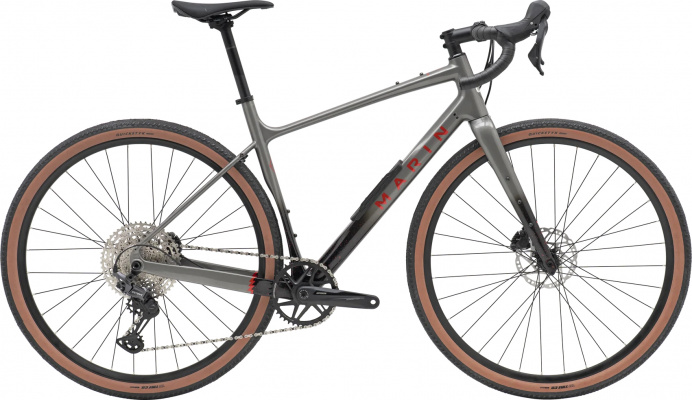
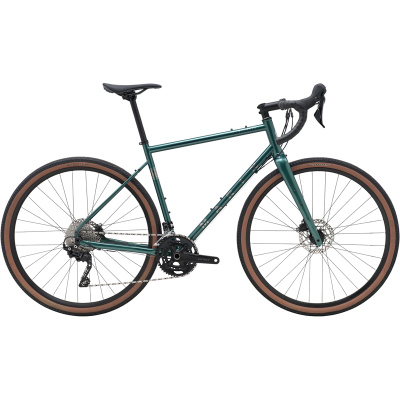
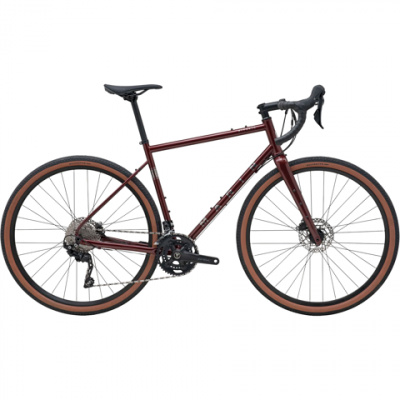
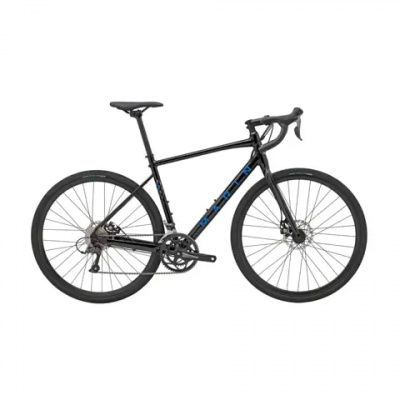
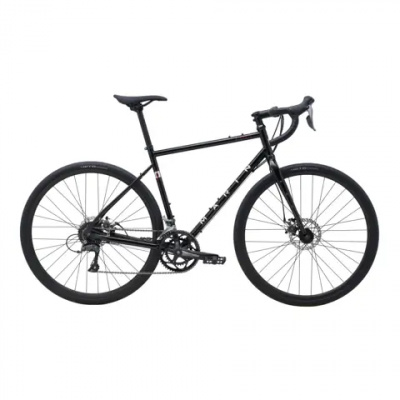
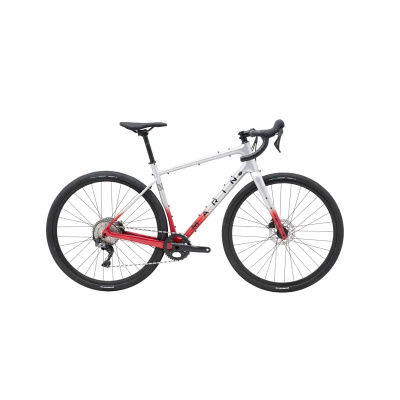
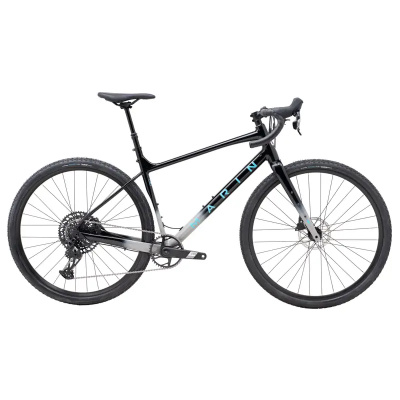
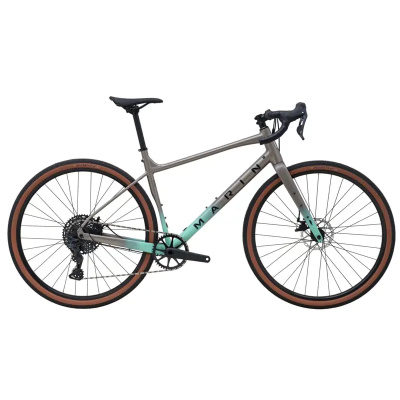
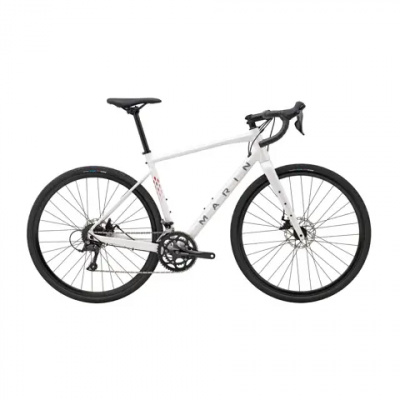
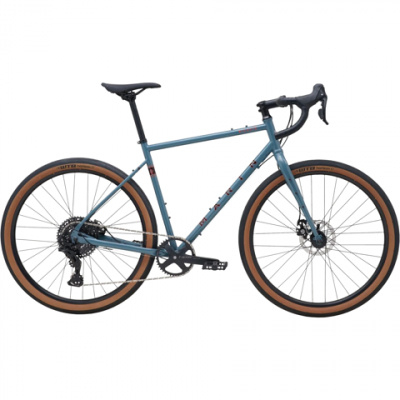
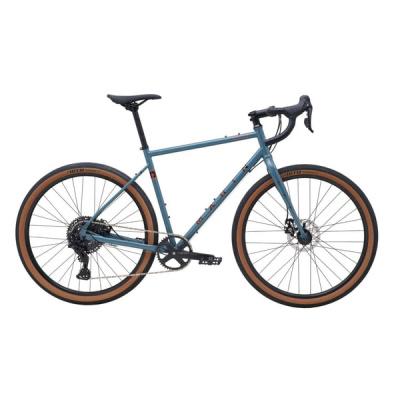
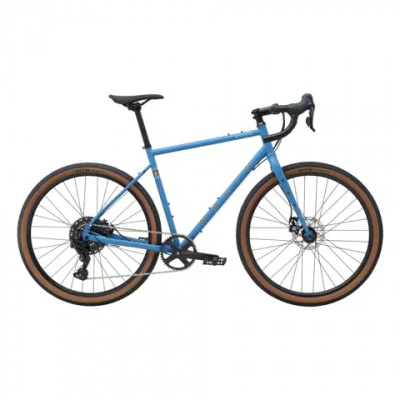
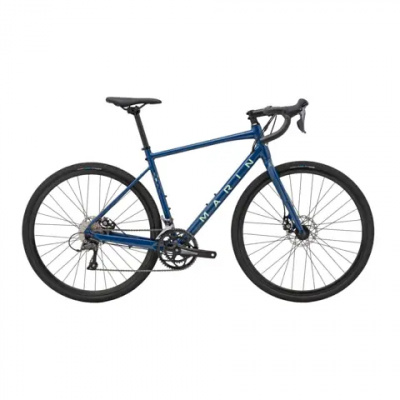
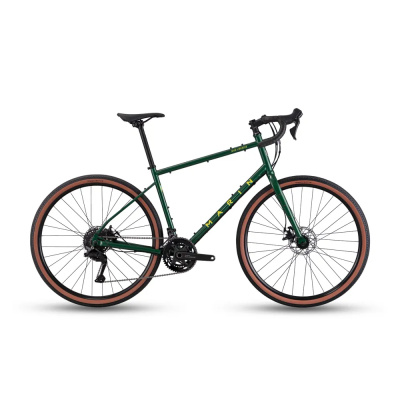
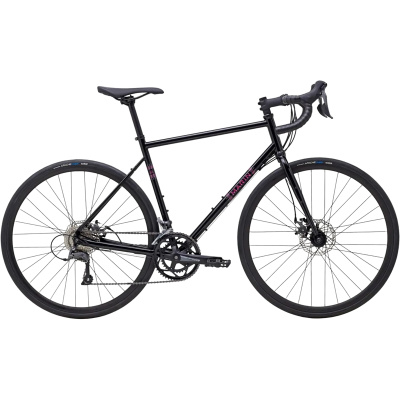
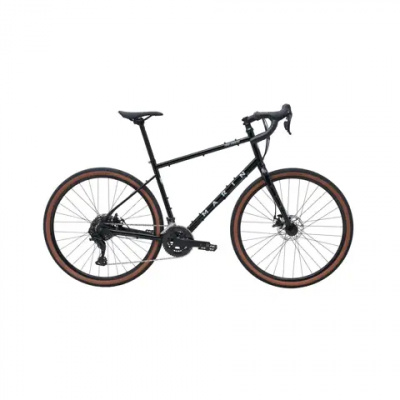
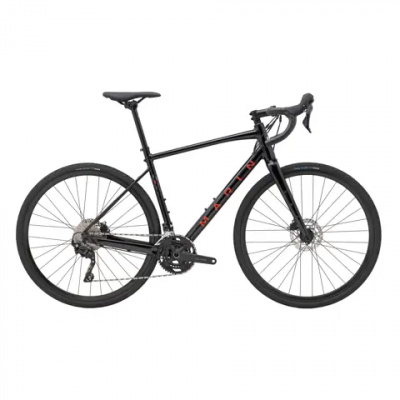
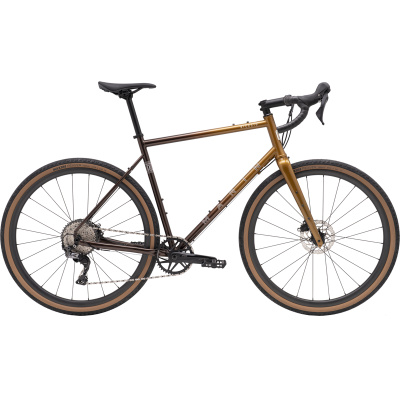
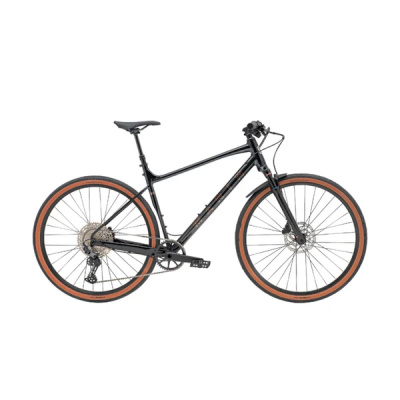
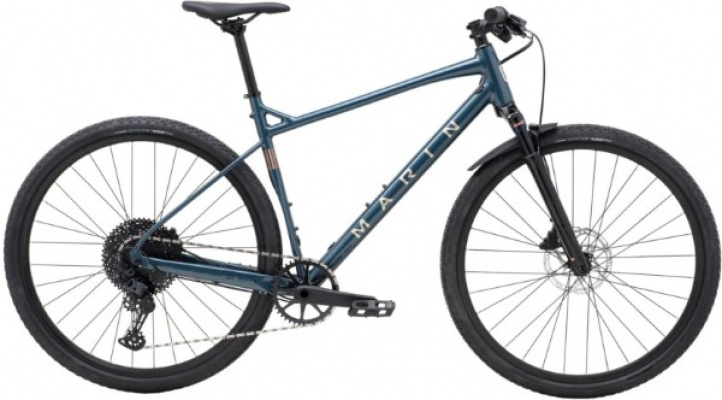
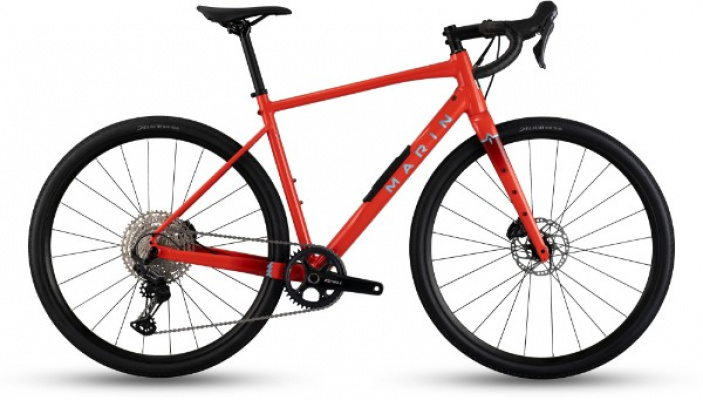
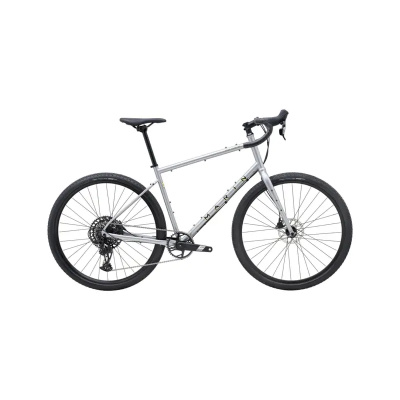
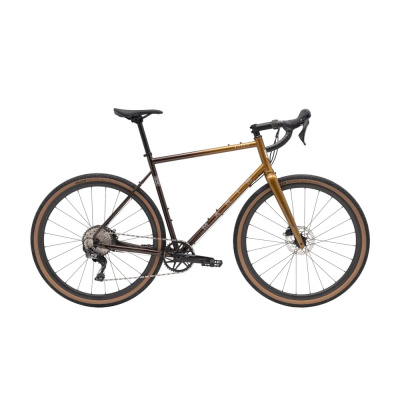
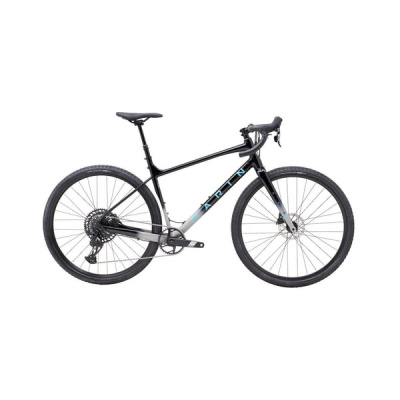
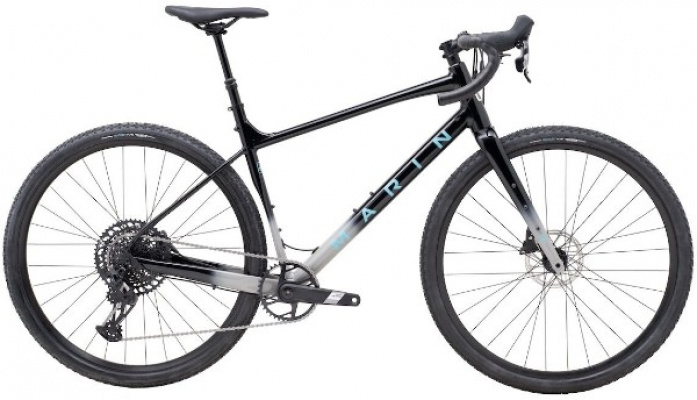
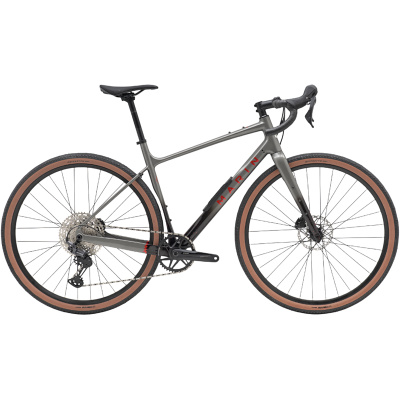
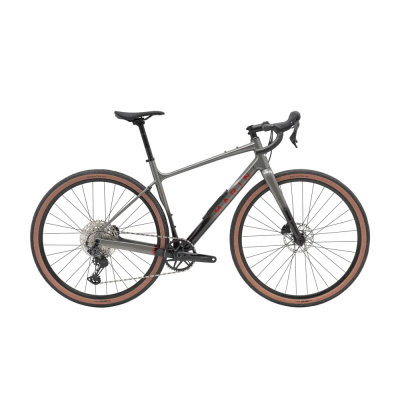
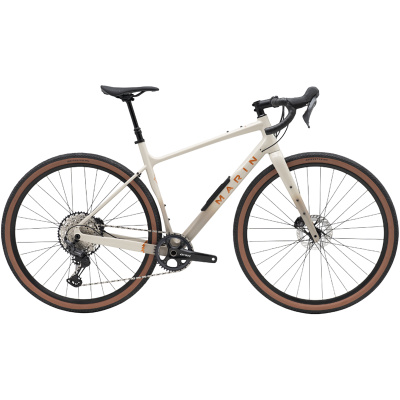
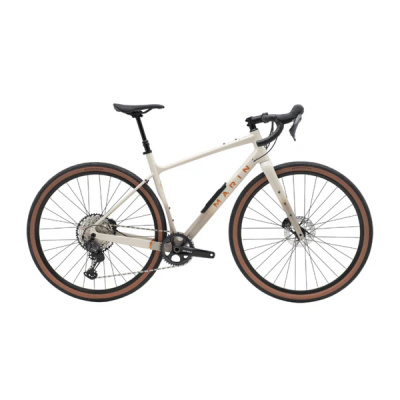
The range covers a lot of ground. The alloy Gestalt suits riders who want a fast, capable mixed-surface bike that'll handle a bridleway without flinching. The Nicasio brings double-butted CrMo steel into the picture - compliant, durable, and well-suited to longer days in the saddle. At the top sits the carbon Headlands, with cavernous tyre clearance and dropper post routing for riders who mean business on technical descents. Then there's the Four Corners, an upright, load-ready tourer built for multi-day adventures. Whether you're commuting across town or pointing at a three-day bikepacking loop through the Cairngorms, there's a Marin for that. Compare UK prices below to find the right one.
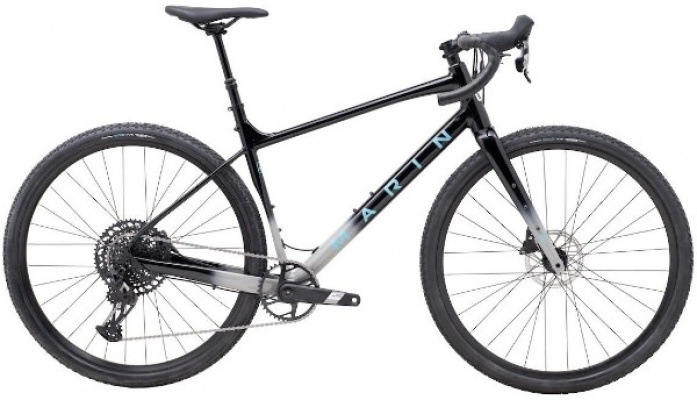
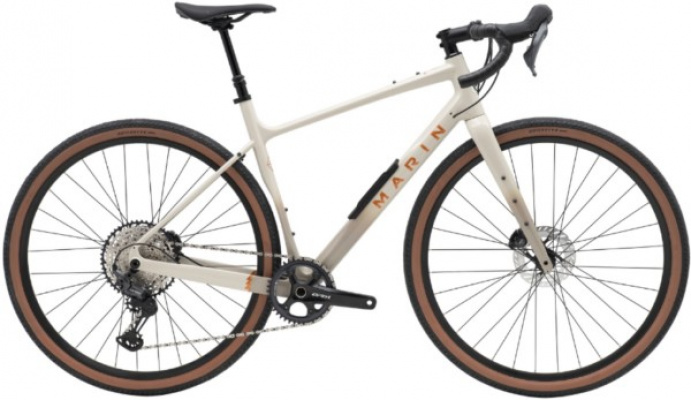
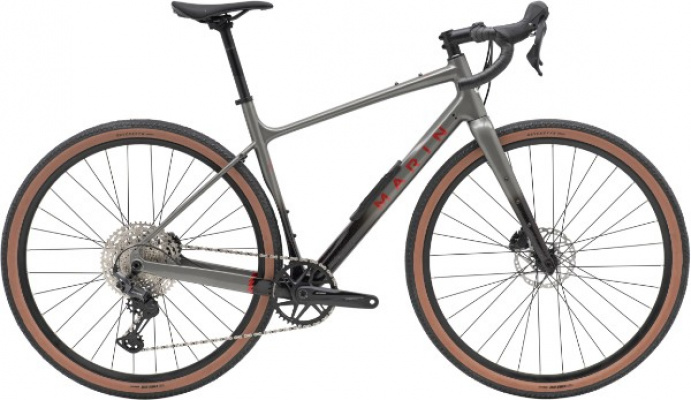

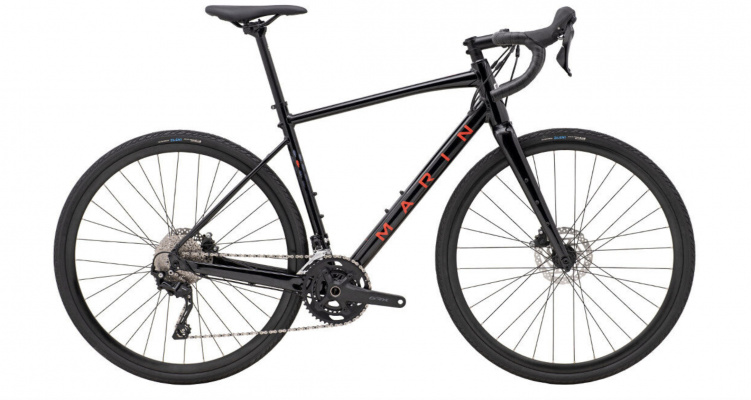
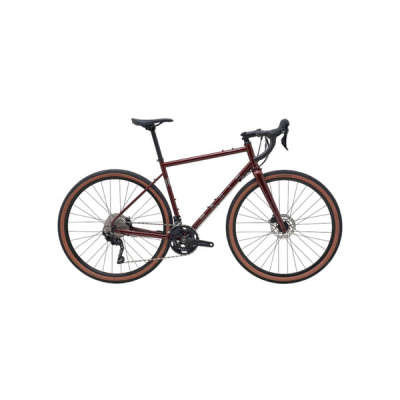
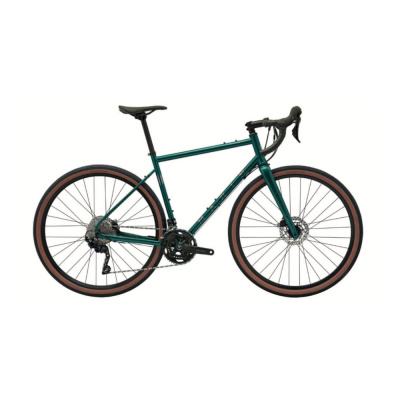
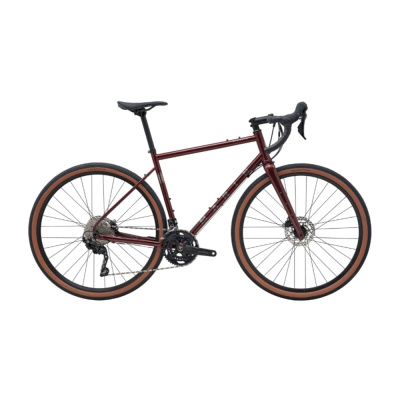
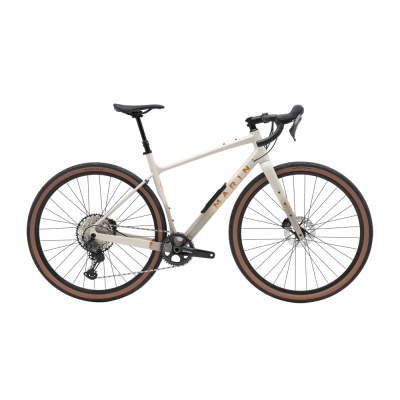
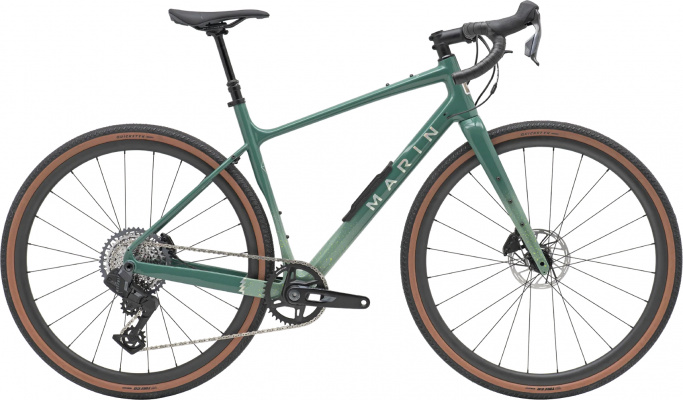
Prices and availability can change quickly. Delivery charges are not always included in listed prices.
Final price, stock status and delivery terms are set by retailer. We may receive a commission on purchases made.
Decoding the Marin Gravel Lineup
Four distinct families, four different briefs - it's worth knowing which is which before you start narrowing down. The Gestalt is Marin's alloy all-rounder, built for riders who split their time between road miles and gravel sections and want something that feels lively on both. It rolls on 700c wheels, sits relatively low and long, and responds well to pace. Not a tourer, but a proper mixed-surface machine.
Step across to the Nicasio and you're into CrMo steel territory. The ride quality difference is real - steel absorbs vibration in a way aluminium simply doesn't, which matters a lot on a long day across rough Northumberland lanes. The Nicasio suits riders who prioritise comfort and durability over outright weight savings. The Nicasio+ variant runs wider rubber and takes things further off the beaten track.
The Headlands is where Marin's gravel ambition reaches its peak. Unidirectional carbon construction, massive tyre clearance, internal dropper post routing - this is a bike for riders who want to genuinely push into technical riding without switching to a full mountain bike. Worth comparing against Kona gravel bikes if you're weighing up carbon adventure options at this level.
Then there's the Four Corners, which doesn't pretend to be anything other than what it is: a bikepacking and touring platform. Upright geometry, rack and mudguard mounts everywhere, and a relaxed pace. The X modifier - seen on models like the Gestalt X - signals a more aggressive off-road specification: wider tyres, a dropper-compatible frame, and a generally rowdier setup that leans hard into the mountain bike influence. If you're regularly hitting rocky bridleways rather than gravel paths, the X variants are worth prioritising.
The Marin Tech Philosophy: Beyond Road Geometry
Beyond Road geometry isn't just a marketing phrase. In practice it means slacker head tube angles - typically 71 degrees or less depending on the model - combined with longer top tubes and shorter stems. That combination gives you the kind of front-end stability on steep, loose descents that you'd normally only find on a trail bike. Point a conventionally-geometry'd gravel bike at a rocky Welsh descent and the front wheel tends to feel twitchy. A Marin Headlands in the same situation feels planted.
The reach numbers are notably longer than equivalent road bikes, which is part of the same logic - more weight over the front wheel means more control off-road. First-time buyers from a road background should check sizing carefully, as you may find you size down compared to your usual road bike.
On materials: Series 3 aluminum - used on the upper Gestalt models - uses more aggressive tube shaping and butting than the Series 2 alloy found lower in the range. The practical upshot is a stiffer, lighter frame that responds more crisply under power. Neither is fragile, but there's a noticeable difference in feel as you move up. Genesis gravel bikes use a similar steel-meets-alloy tiering approach if you want a direct comparison point.
The double-butted CrMo steel on the Nicasio and Four Corners is a different proposition entirely. Steel flexes slightly along its length, which translates to a smoothing effect on rough surfaces - think of it as passive compliance that you don't have to pay for with a carbon fork upgrade. It's also more forgiving if the frame takes a knock, and easier to repair if you're travelling far from home. The trade-off is weight: steel frames run heavier than alloy equivalents, so if you're obsessing over grams, the Gestalt is a better fit. Boardman gravel bikes offer a useful contrast here - lighter alloy at competitive prices, but without the same off-road geometry depth.
Living with a Marin in the UK
Tyre clearance is where Marin genuinely earns its keep in British conditions. The Headlands and Nicasio+ will clear 700c x 45mm or 650b x 50mm tyres - that 650b option in particular is worth using through winter, when bridleways in the Peaks or the South Downs turn into something you'd rather be skating on. More volume, more grip, more float through the grim stuff. Models with flat mount disc brakes and hydraulic actuation stop reliably in the wet; entry-level builds with mechanical discs are functional but noticeably less sharp in cold, muddy conditions, so factor that in when comparing specs.
Steel Nicasio and Four Corners owners should treat the inside of the frame before their first winter. UK road salt gets into frame tubes through the vents and sits there. A frame saver spray - applied through the bottom bracket shell and head tube - takes ten minutes and adds years to the frame's life. Worth doing before the October rides start, not after you've noticed the problem.
The longer reach of Beyond Road geometry means you'll likely want to check bar height before committing to long days. Marin tends to run relatively short stems from the factory, so there's limited adjustment going shorter - but you can raise the bars via spacers if the position feels stretched. If you're new to gravel and coming from an endurance road bike, give yourself a few rides before making changes; the position tends to feel more natural once you're actually off-road.
Bikepacking mounts are generous across the range - the Four Corners especially is festooned with bottle bosses, rack eyelets, and top tube bag anchor points. The Headlands covers the adventure end with internal dropper post routing and the frame clearance to match. It's a legitimate alternative to dedicated hardtails for riders who want one bike that handles both long-distance loaded touring and technical day rides without compromise.
Marin Gravel Bikes FAQs
Are Marin bikes good for gravel?
Very much so. Marin was pushing Beyond Road geometry before many brands had worked out what gravel riding even was. Models like the Gestalt and Headlands use slacker head angles and longer reach than typical road-derived gravel bikes, which gives them noticeably more composure on loose or technical ground. They're particularly well-suited to UK bridleways and rougher lanes.
What is the difference between the Marin Gestalt and Nicasio?
The Gestalt uses a Series 2 or Series 3 aluminium frame - lighter, stiffer, and better suited to faster mixed-surface riding or commuting. The Nicasio is built around a double-butted CrMo steel frame, which rides with more compliance over rough ground and handles long days in the saddle better. Steel also weighs more, so it's a clear comfort-versus-pace trade-off.
What is the maximum tyre clearance on Marin gravel bikes?
The Headlands and Nicasio+ sit at the top end, clearing 700c x 45mm or 650b x 50mm tyres depending on wheel size. That's enough for chunky gravel tyres or serious mud-friendly rubber. Entry-level Gestalt models are tighter - typically around 35 - 38mm on 700c - so check the individual model spec if clearance is a priority.