
Genesis Gravel Bikes
Genesis gravel bikes have built a serious reputation as the drop-bar workhorses of UK adventure cycling - practical, durable, and genuinely designed around the kind of riding most of us actually do. Broken bridleways, back lanes full of potholes, and the occasional muddy detour through woodland. These bikes are shaped around that reality, not a marketing mood board.
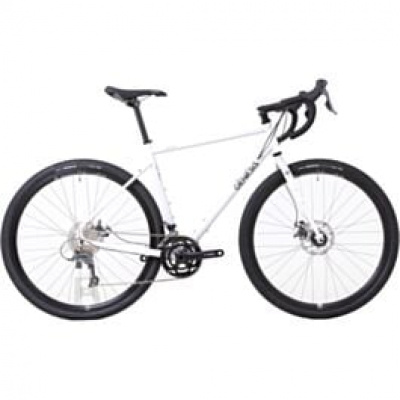
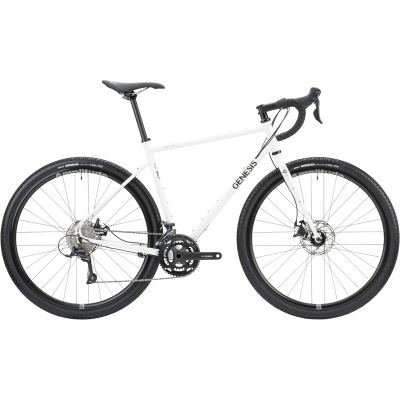
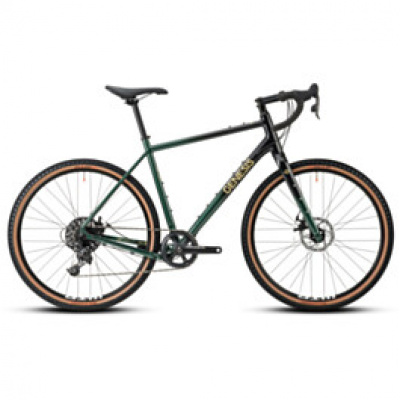
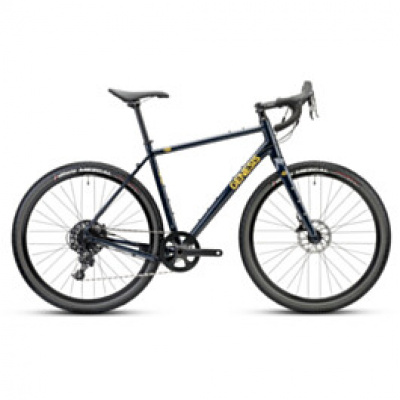
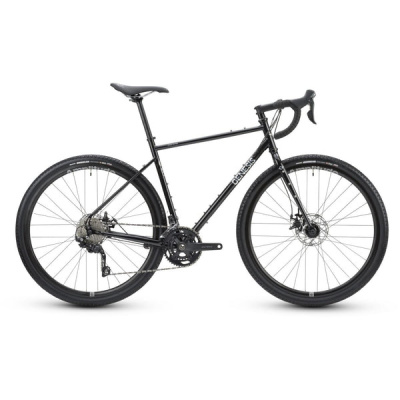
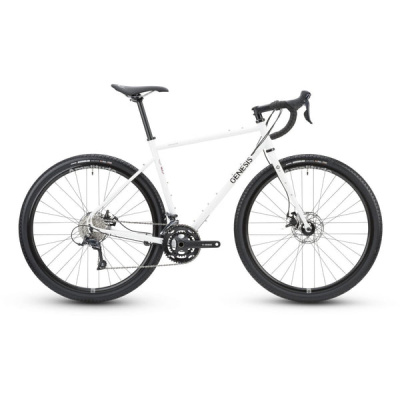
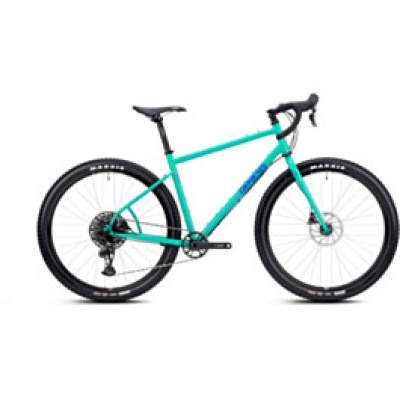
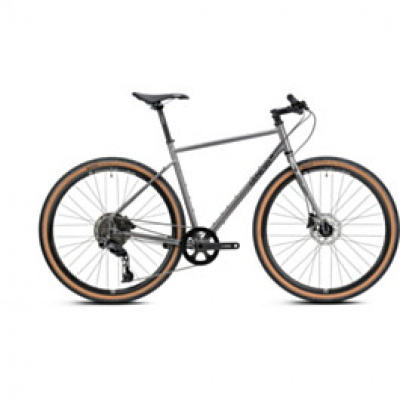
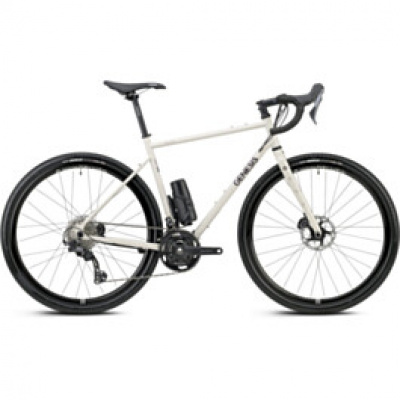
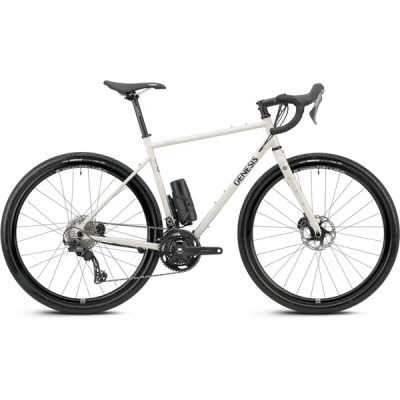
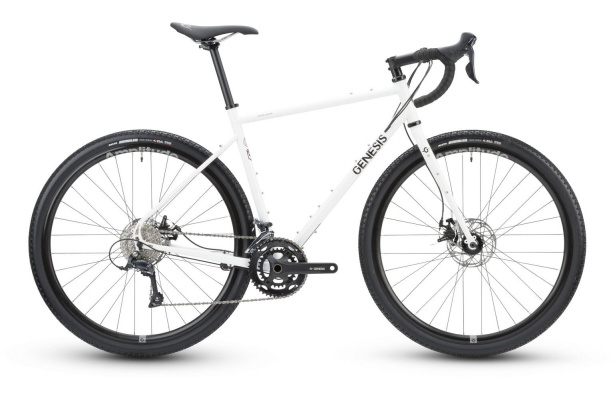
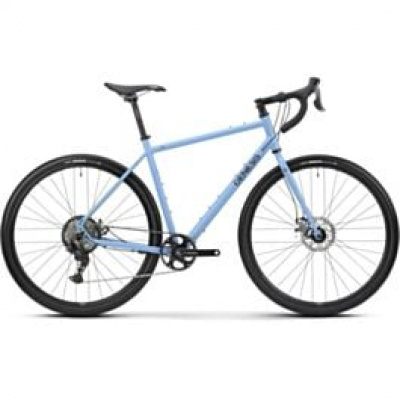
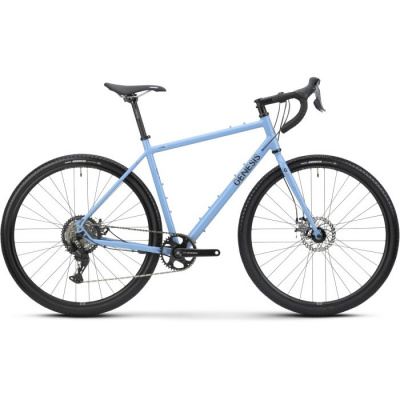
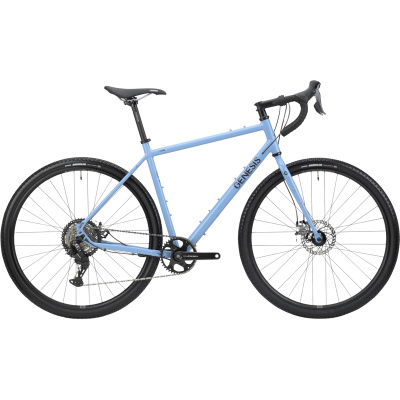
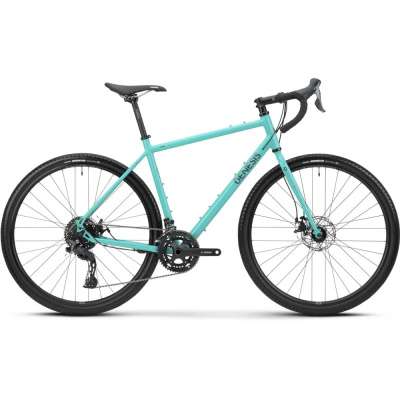
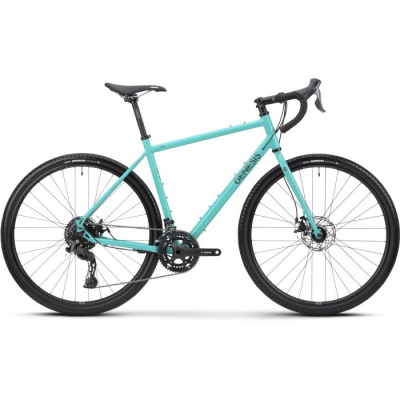
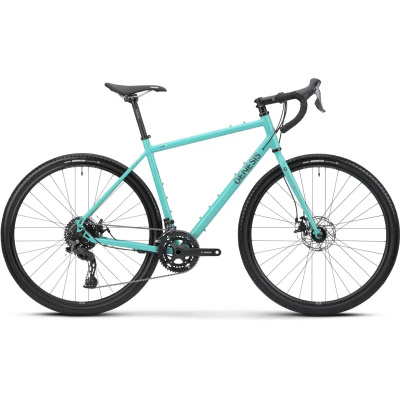
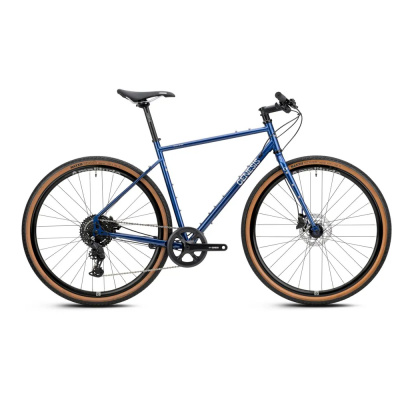
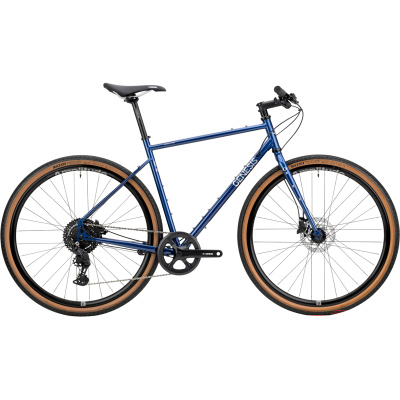
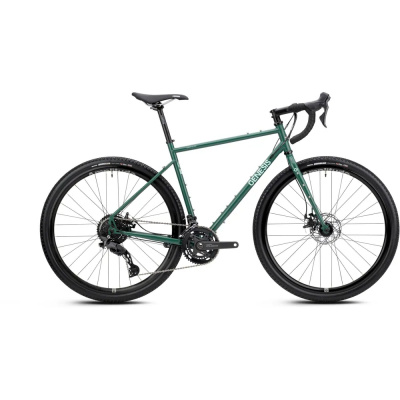
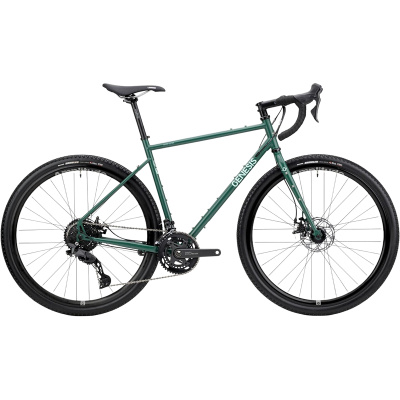
The range splits into three distinct families. The Croix de Fer is the flagship steel all-rounder, available across multiple Reynolds steel grades - it's the one that turned a lot of riders onto drop-bar adventure in the first place. The CDA shares identical geometry but uses an aluminium frame, bringing the same riding position to a sharper price point. Then there's the Fugio, the rowdiest of the three, built around 650b wheels for riders who want something closer to a mountain bike in attitude. There's something here whether you're planning a multi-day Scottish bikepacking trip or just want a reliable all-weather do-everything bike.
After a custom build? Head to our Genesis Frames page. Fully loaded touring more your thing? Browse Genesis Touring Bikes. Want a motor in the mix? Check Genesis E-Bikes. Otherwise, the full gravel range is below.
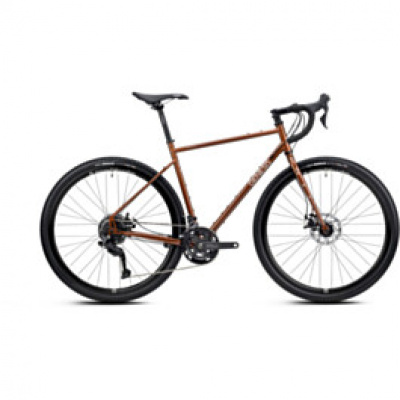
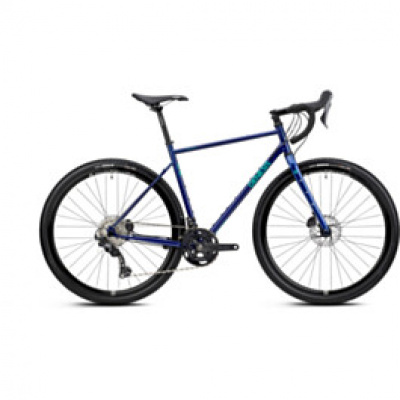
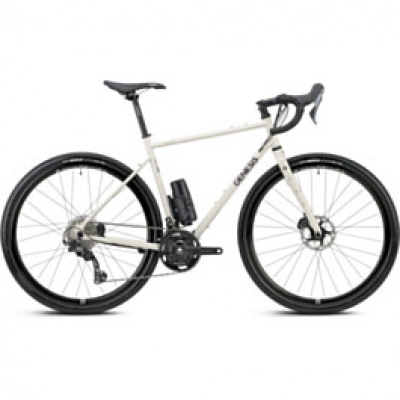
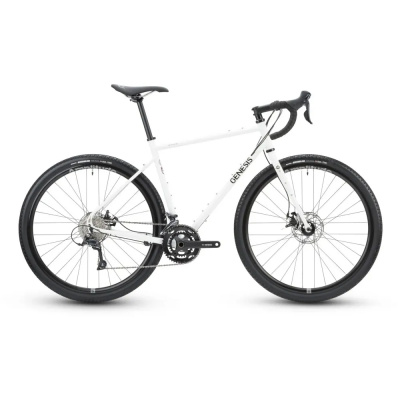
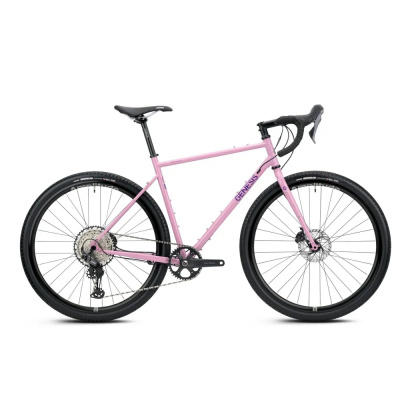
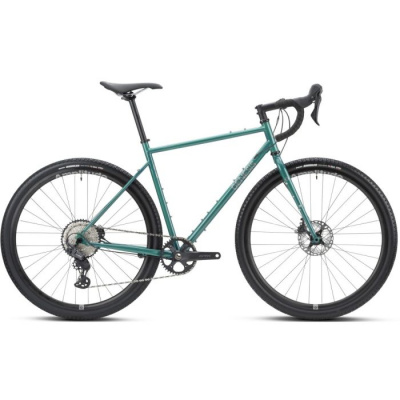
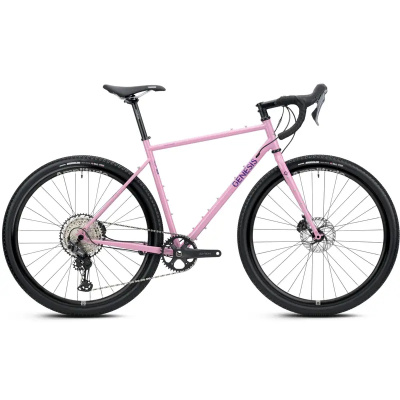
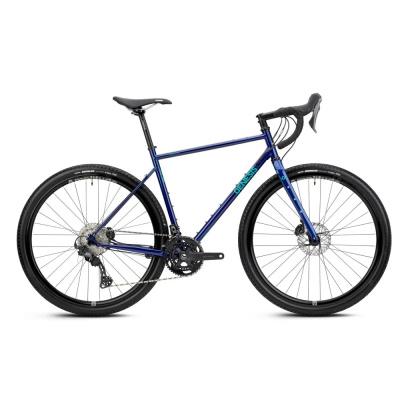
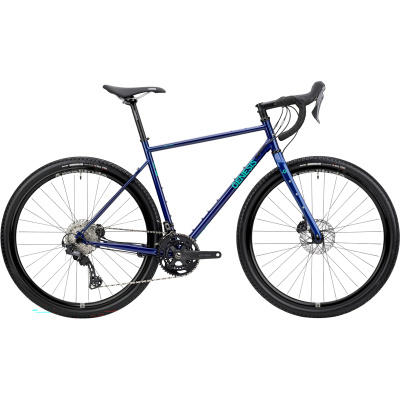
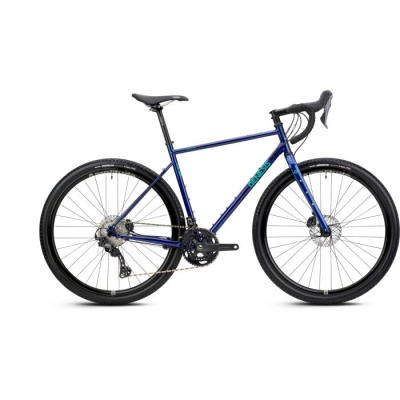
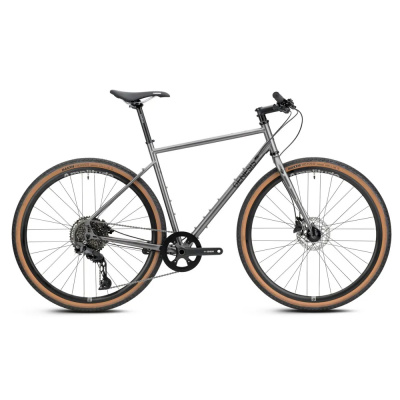
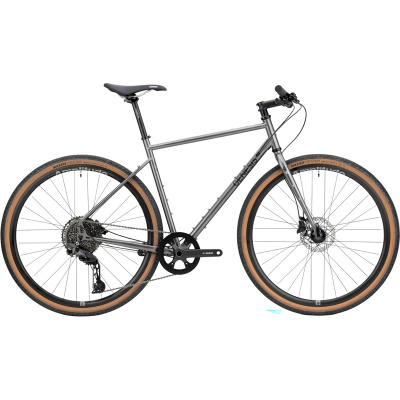

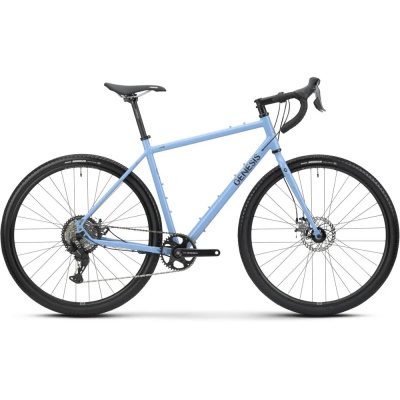
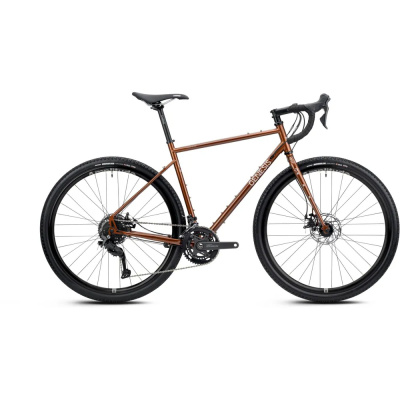
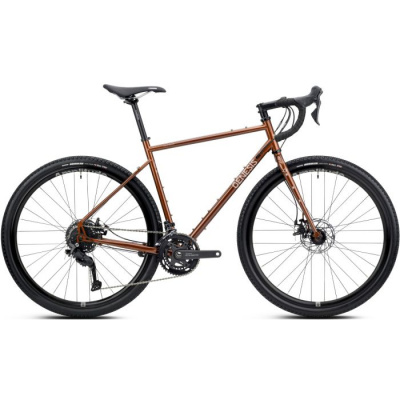
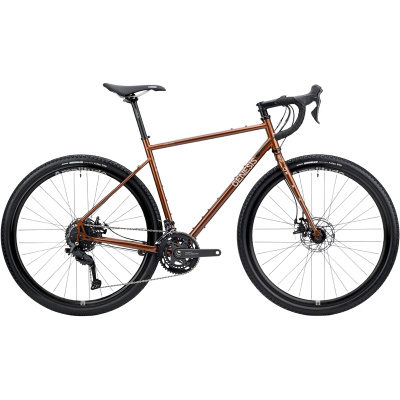

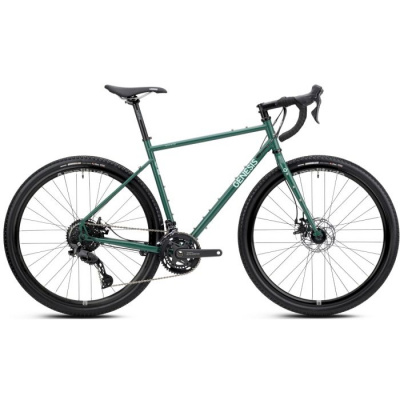
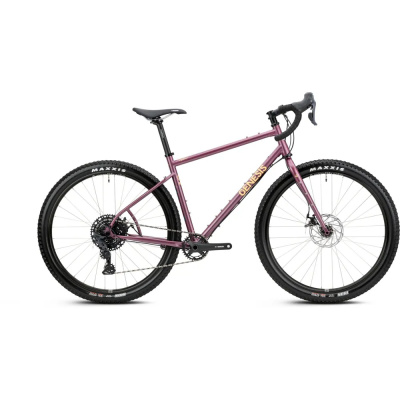
Prices and availability can change quickly. Delivery charges are not always included in listed prices.
Final price, stock status and delivery terms are set by retailer. We may receive a commission on purchases made.
Decoding the Genesis Gravel Lineup
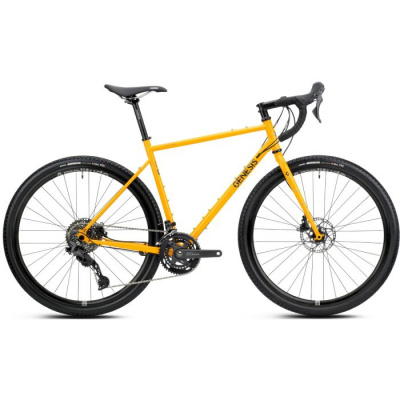
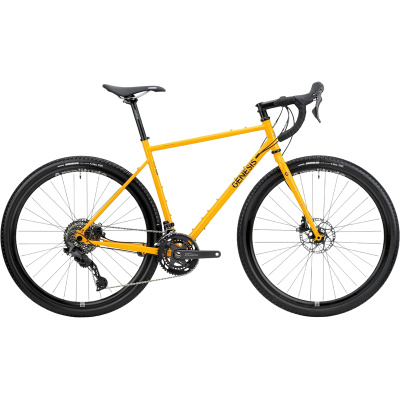
The Croix de Fer is where most people start, and for good reason. It's been around long enough to have a genuine following, and Genesis have kept refining it rather than chasing reinvention. You'll find it in numbered variants - 10, 20, 30, 40, 50 - each stepping up in Reynolds steel grade and component quality. The entry models use Reynolds 725 steel, a responsive chromoly alloy that already rides noticeably more smoothly than aluminium over rough surfaces. Higher numbers bring Reynolds 853, a heat-treated steel that's stiffer gram-for-gram and suits riders who push harder on climbs without wanting to sacrifice that characteristic compliance on the descents. Is the Croix de Fer purely a gravel bike? Not exactly - it started life straddling cyclocross and loaded touring, and that versatility is still baked into the geometry. But its stable handling and wide tyre clearance make it one of the most capable steel gravel bikes you can buy in the UK right now.
The CDA is the Croix de Fer's aluminium sibling and uses Genesis's ALX8 6066/6061-T6 alloy frameset. The geometry is identical - same stack, same reach, same relaxed head angle - so you're not sacrificing fit or handling to save money. Alloy does transmit more road buzz than steel over long days, but at this price bracket it's a genuinely strong option. Worth knowing: the CDA is marginally lighter than the steel equivalent, which matters if you're lifting it onto a train or cramming it into a van for a weekend away.
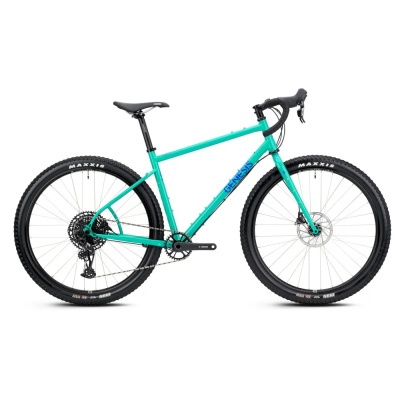
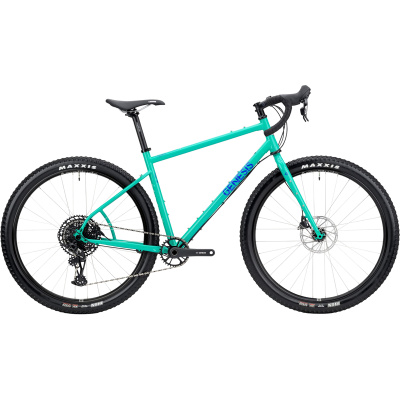
The Fugio plays a different game entirely. It's built around 650b wheels with clearance for up to 47mm tyres, which shifts the character of the whole bike. You run lower pressures, the handling gets more planted on loose or rooty ground, and it starts to feel less like a gravel bike and more like a drop-bar trail bike. If your regular routes include anything resembling Peak District gritstone descents or rutted Welsh forestry tracks, the Fugio's geometry - slacker head angle, shorter reach - makes a real difference to how confident you feel pointing downhill. For riders crossing over from mountain biking, it's the most natural entry point into the Genesis range. Fans of similarly capable bikes from brands like Kona or Marin will find the Fugio sits comfortably in that company.
The Genesis Tech Philosophy: Steel is Real
Genesis's frame material choices aren't accidental. Steel - specifically their proprietary Mjölnir seamless double-butted chromoly - is central to how these bikes ride. Double-butting means the tube walls are thicker at the ends (where stress concentrates) and thinner in the middle, reducing weight without compromising strength. The result is a frame that flexes very slightly under load, acting like a passive suspension system over rough ground. On a long day across the South Downs or through the Pennines, that compliance genuinely reduces fatigue in your hands, wrists, and lower back in a way that a stiff aluminium or entry-level carbon frame simply doesn't.
Step up to the higher Croix de Fer models and you're into Reynolds 725 and 853 steel tubing - premium grades with tighter tolerances and better power transfer. Reynolds 853 in particular is air-hardening, meaning it actually gets stronger as it's welded, which allows for thinner wall sections and a livelier overall feel. It's not a dramatic difference you'd notice in a car park, but over 60 miles of mixed riding it adds up.
For riders who want modern standards without paying steel prices, the ALX8 alloy on the CDA delivers. It's a mid-grade aluminium that's been shaped and butted well - Genesis clearly haven't just bolted the geometry onto a generic tube-set. Across the range, you get flat mount disc brakes, thru-axles front and rear, and - on most models - a carbon fork with Anything cage mounts. Those fork mounts are worth paying attention to if you're planning any bikepacking; they let you run cages on the fork legs for water bottles or dry bags without needing to strap gear to a crowded frame. Compared to similarly specced bikes from Kinesis, Genesis holds its own on mounting options and geometry thoughtfulness. If you're curious how the range extends beyond gravel, the Genesis Road Bikes page is worth a look for the crossover models.
Living with a Genesis in the UK
Tyre clearance is where Genesis gravel bikes genuinely earn their keep on British roads. The Croix de Fer and CDA will clear 40mm tyres with full mudguards fitted - and that matters. Welsh winter riding, or anything near the Brecon Beacons between October and March, generates the kind of mud that clogs a tighter-clearance bike within a mile. Running a 38 or 40mm tyre with mudguards isn't a luxury here; it's just practical. Check your specific model's clearance spec before buying if you're committed to running guards year-round, as a few variants are tighter than others.
Steel frames need a little more thought in wet UK winters than aluminium or carbon. Before the season turns, it's worth treating the inside of the tubes with a frame saver product - Framesaver is the go-to, injected through the bottle cage bosses and drained out. It's ten minutes of work that extends the frame's life by years. Keep an eye on the bottom bracket shell too; standing water pools there first.
One thing we see come up repeatedly: Genesis sizing can run slightly long in the top tube, particularly in the mid-sizes. If you're between sizes or find that your current bike feels stretched, consider sizing down and running a longer stem rather than sizing up. A 90mm stem on a smaller frame often gives a better overall fit than a shorter stem on a larger one. It's the kind of thing worth discussing with a shop before you order, especially if you're planning to run a handlebar bag that'll change how the front end feels under load.
650b wheel compatibility on the Fugio also opens up the option of running 700c wheels with narrower tyres if you want a faster-rolling setup for longer road sections. Not all riders bother, but it's a useful card to have.
Genesis Gravel Bikes FAQs
Is the Genesis Croix de Fer a gravel bike?
Broadly, yes - though it started life as a cyclocross and touring crossover. Its relaxed geometry, generous tyre clearance, and multiple mounting points make it one of the most capable steel gravel bikes available in the UK. It handles broken tarmac, woodland bridleways, and loaded weekend trips equally well.
What is the difference between Genesis CDA and Croix de Fer?
The CDA uses an ALX8 aluminium frame; the Croix de Fer uses premium Reynolds steel. The geometry is identical across both, so the riding position is the same. Steel gives a more compliant, vibration-damping ride over rough ground; the CDA is typically lighter and costs less, making it the sharper entry point into the Genesis gravel range.
What is the maximum tyre clearance on a Genesis Fugio?
The Fugio is built around 650b wheels and clears up to 47mm tyres comfortably. Running that much volume at low pressure gives it noticeably better grip and trail compliance on rooty or loose ground - closer to a short-travel hardtail in feel than a conventional gravel bike.