
Kona Mountain Bikes
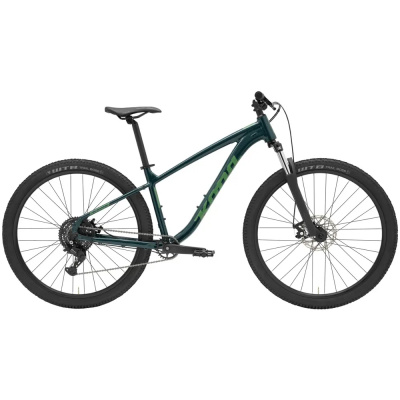
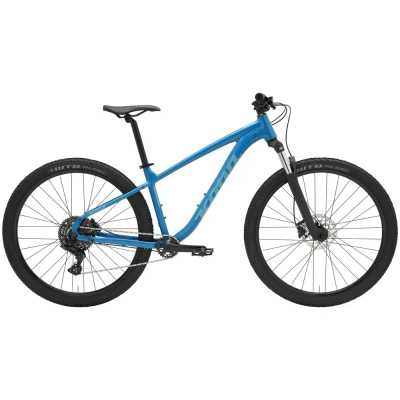
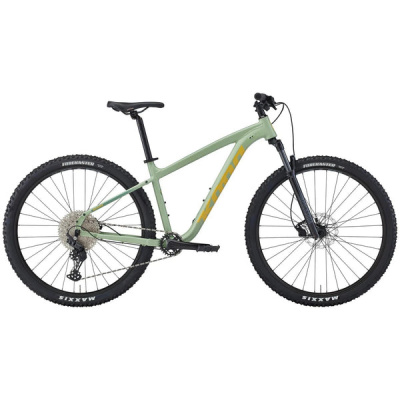
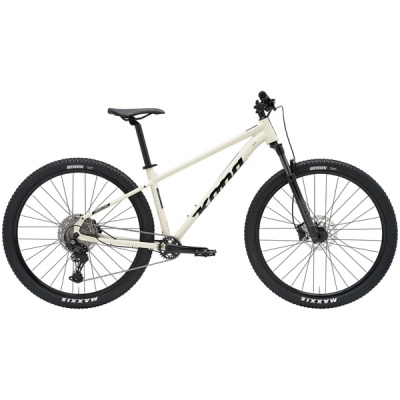
Kona Mountain Bikes have earned a serious following among UK riders, and it's not hard to see why. Born in the Pacific Northwest - where the trails are steep, wet, and largely unforgiving - Kona's design priorities map almost perfectly onto what British riding demands: durability, confident descending geometry, and frames that don't mind spending autumn buried in Peak District grit or Welsh winter mud.
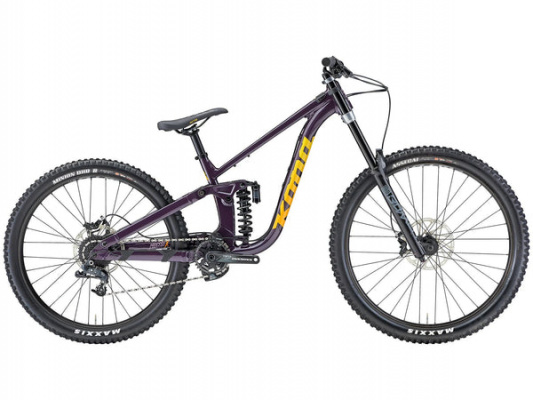
The range spans aggressive trail hardtails, versatile mid-travel full-suspension bikes, and long-travel enduro rigs, so there's a logical entry point whether you're building your first proper MTB or stepping up to something that'll handle the steeper end of what the Scottish Highlands throws at you. Kona also keeps their model naming refreshingly honest - numbers in the Process series tell you exactly how much rear travel you're getting, and trim suffixes like CR (Carbon) and DL (Deluxe) make it clear what build level you're looking at.
If you're after pedal-assisted trail power, head over to our Kona E-Bikes page. Parents shopping for younger riders should check out our Kona Kids Bikes collection. Everything on this page is purely pedal-powered, adult MTB territory.
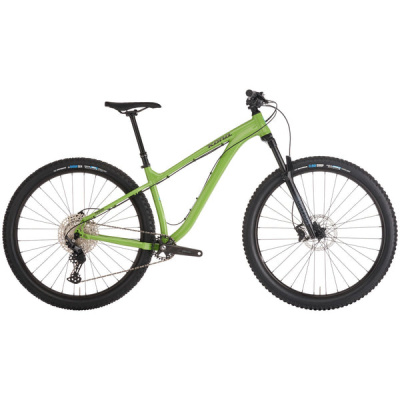
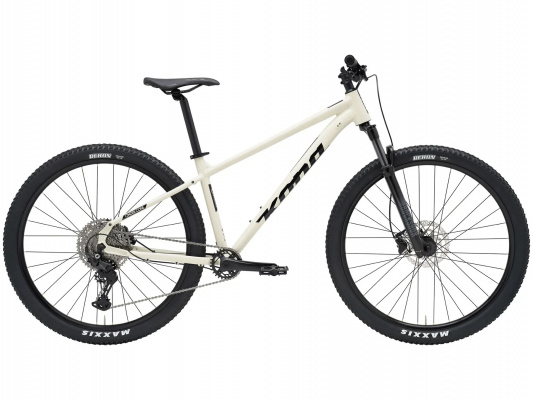
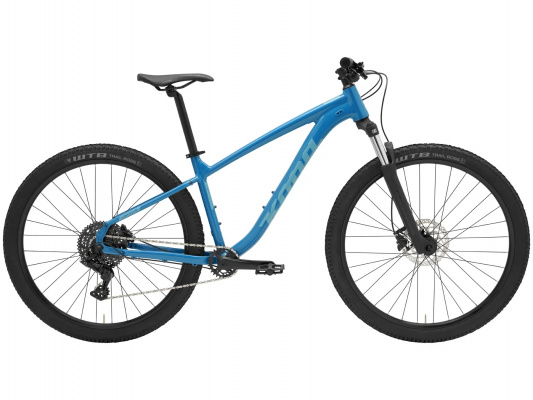
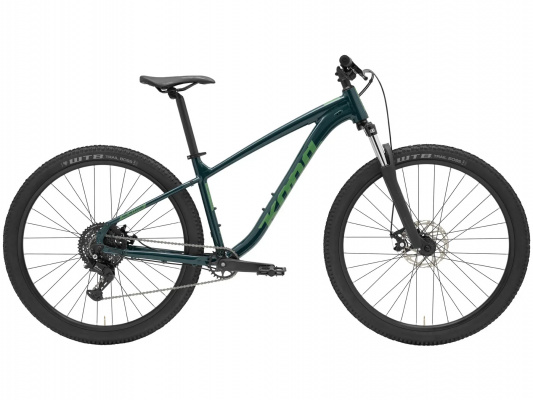
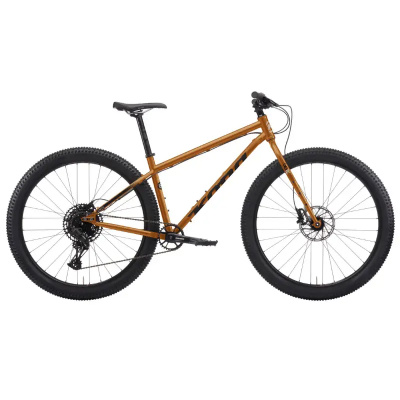
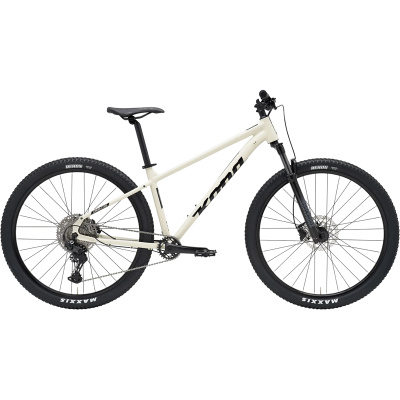
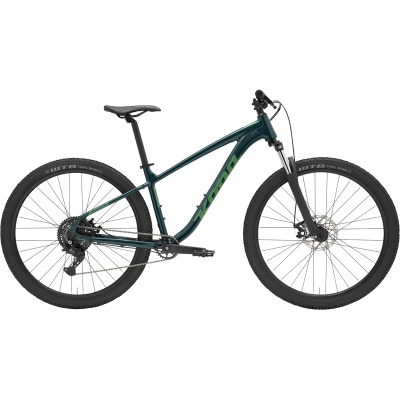
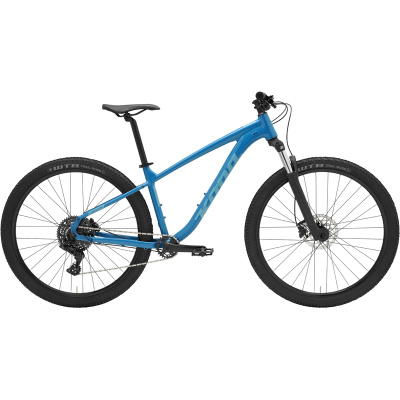
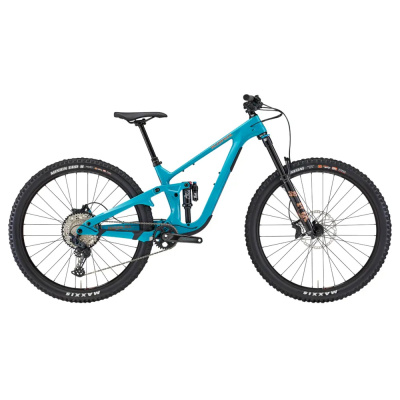
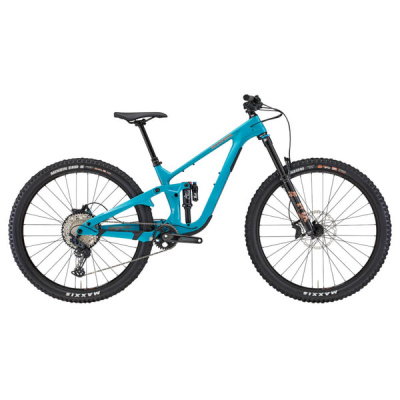
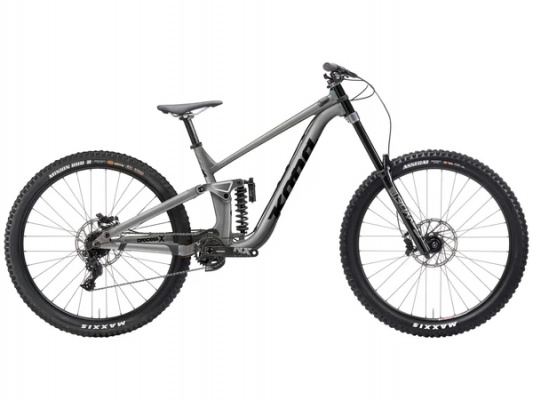
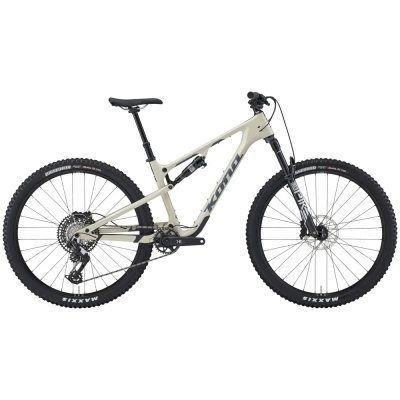
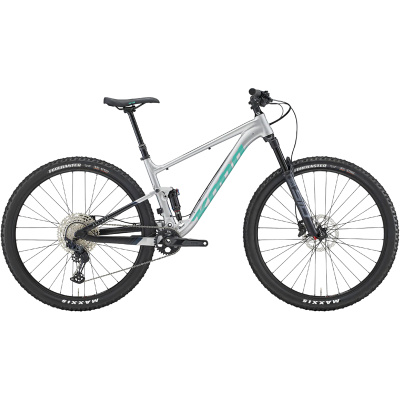
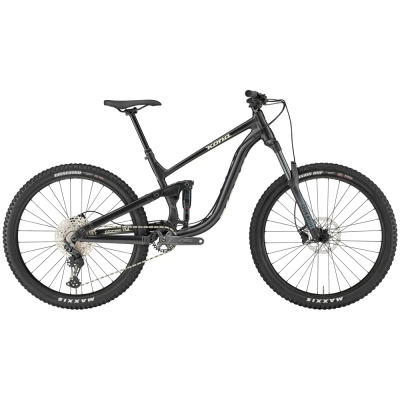
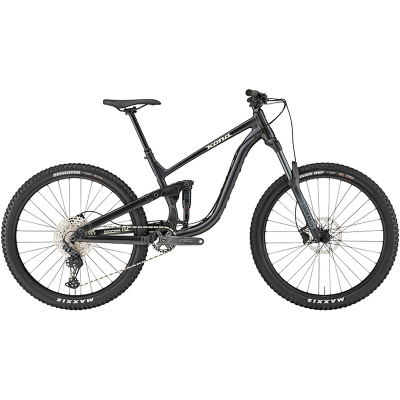
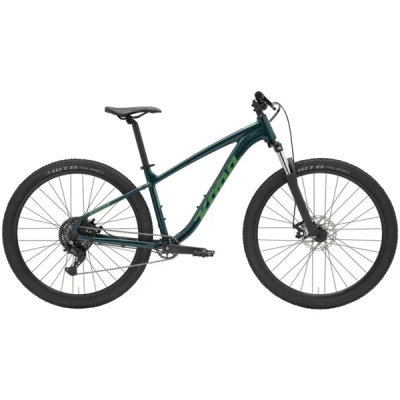
Prices and availability can change quickly. Delivery charges are not always included in listed prices.
Final price, stock status and delivery terms are set by retailer. We may receive a commission on purchases made.
Decoding the Kona Mountain Bike Lineup
Kona's MTB catalogue isn't enormous, but it's well thought through. Each family has a clear job, and understanding them saves you from buying the wrong tool for your local trails.
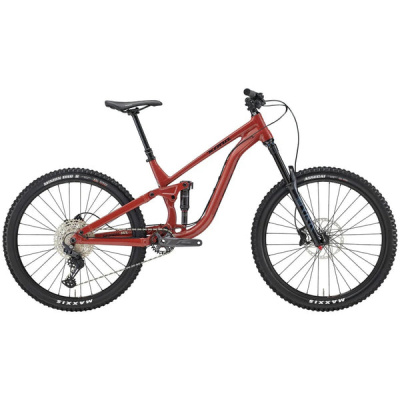
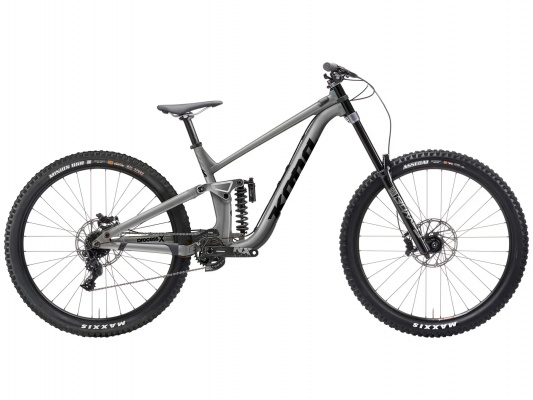
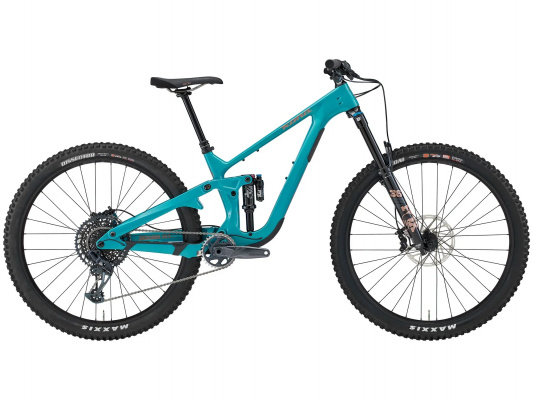
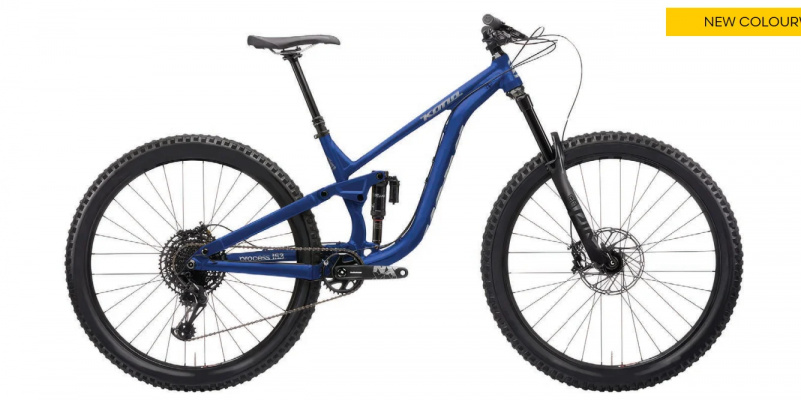
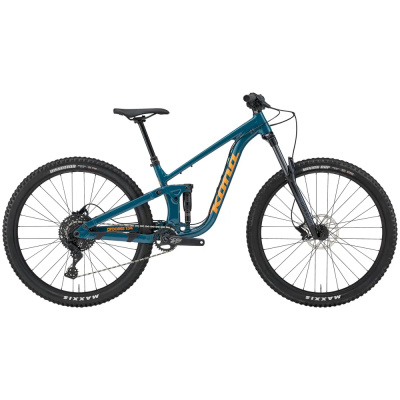
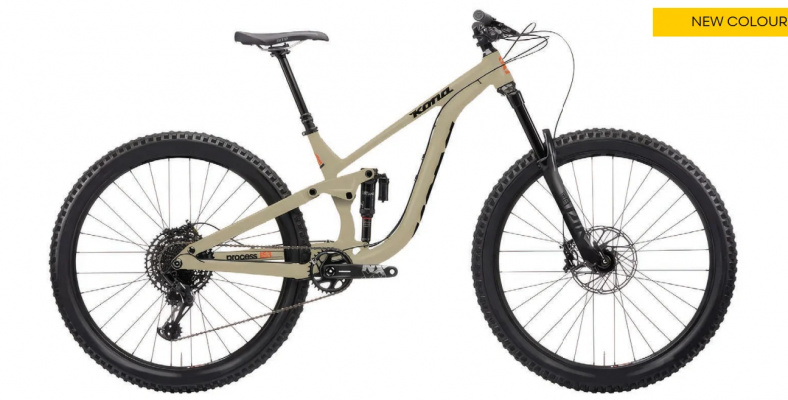
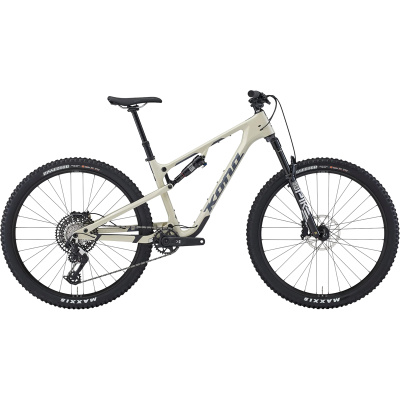
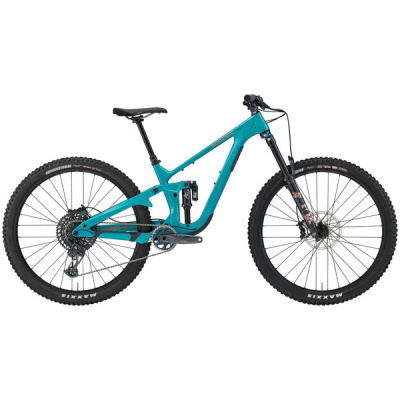
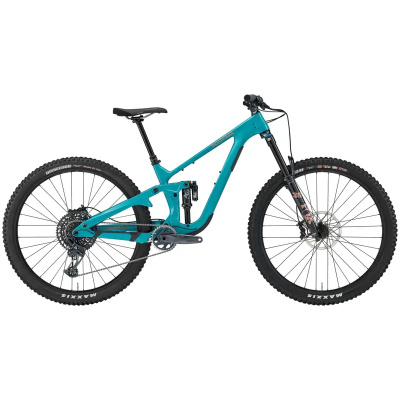
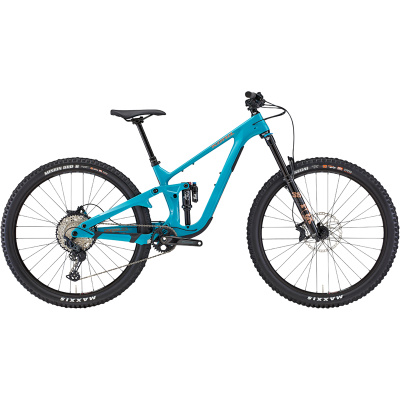
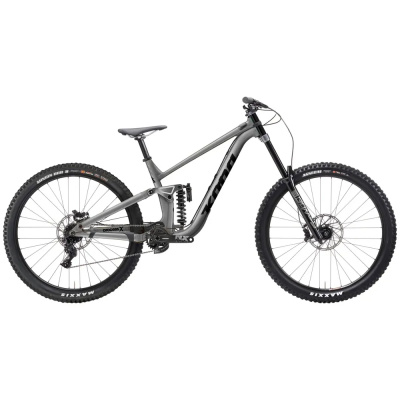
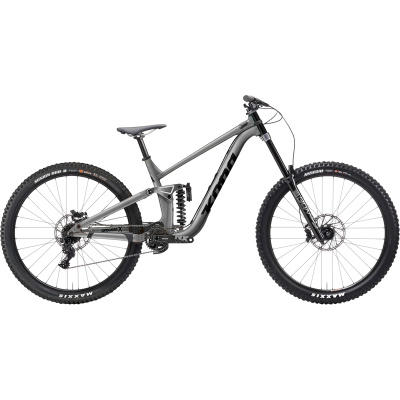
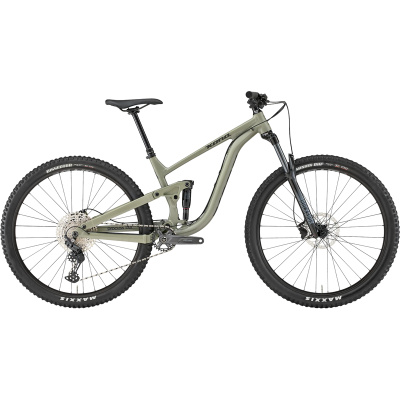
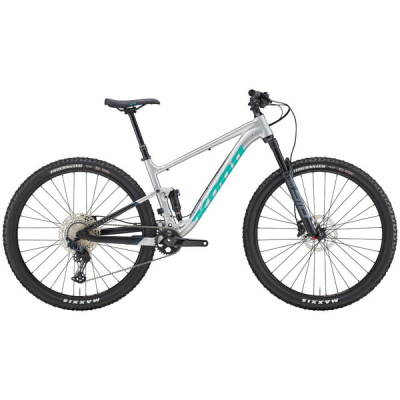
The Process series is the headline act - full-suspension bikes where the model number tells you the rear wheel travel in millimetres. The Process 134 is the trail-oriented option: lively, capable, and comfortable doing everything from flowing singletrack to the odd aggressive line. The Process 153 bumps the travel and slackens the geometry for proper enduro use - think long descents, committing to steeper chutes, and not worrying too much about the climb back up. Both come in alloy and carbon builds, with the CR suffix flagging the carbon frames and the DL tag denoting upgraded component spec on the alloy versions.
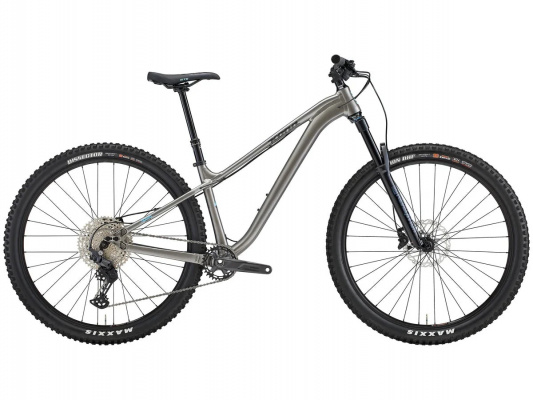
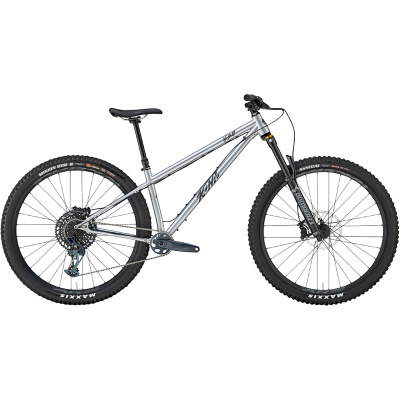
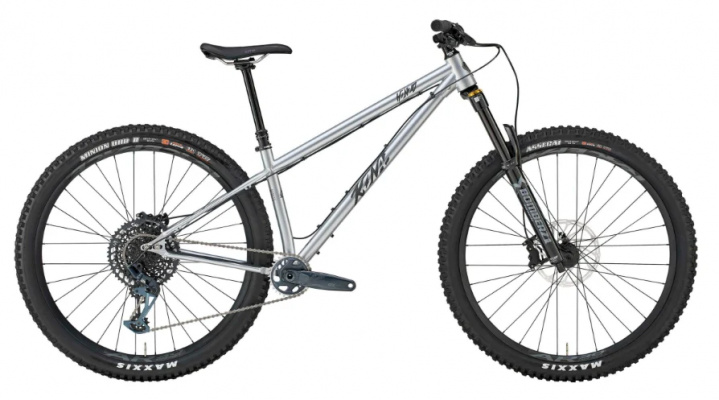
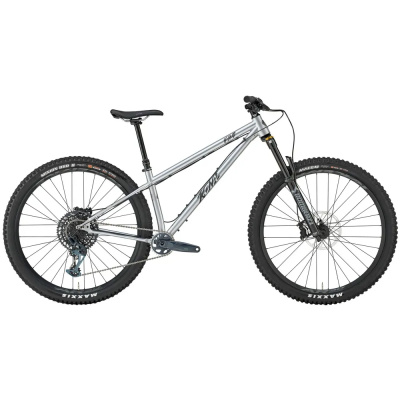
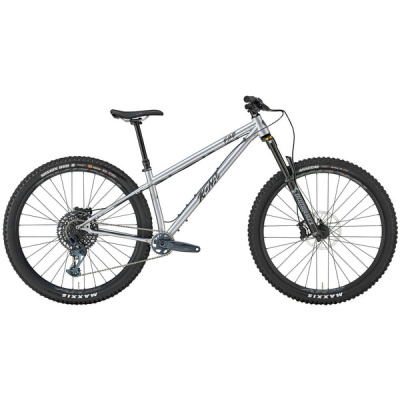
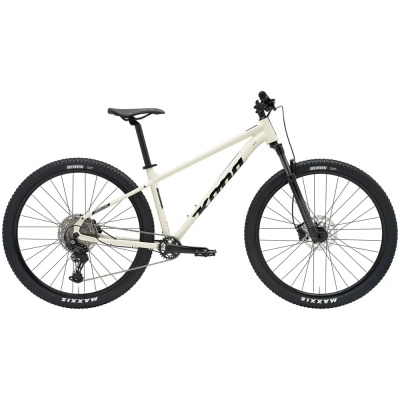
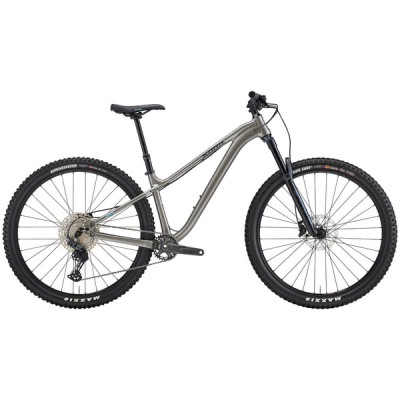
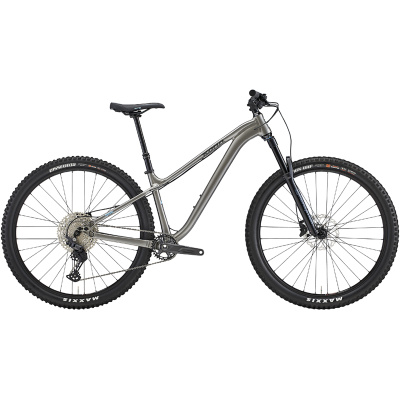
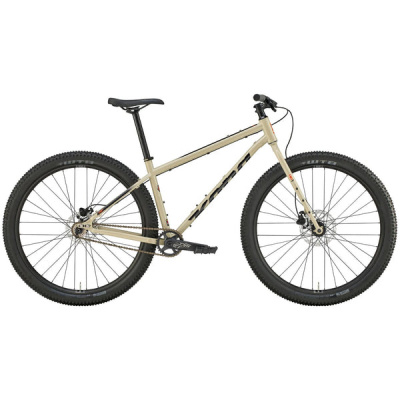
The Honzo family covers aggressive trail hardtails. These aren't beginner bikes dressed up in MTB clothing - the Honzo runs a slack head angle and a long reach number that puts it closer in character to a full-suspension trail bike than a traditional hardtail. If you're the type who finds hardtail riding more engaging than compliant, the Honzo is worth serious consideration. It also happens to have generous tyre clearance, which matters a lot when you're riding through the kind of mud that clogs lesser frames solid.
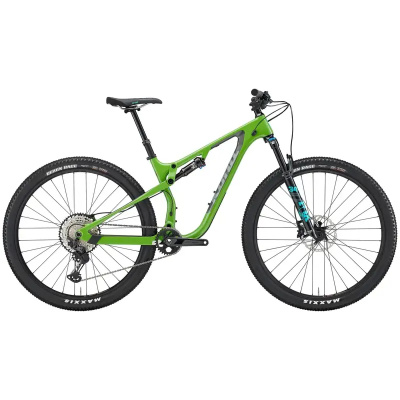
At the cross-country and downcountry end sits the Hei Hei. Lighter, quicker-handling, and built around XC geometry - steeper seat tube, tighter reach - it's the pick if you're racing or just covering distance efficiently matters as much as descending confidence. Then there are the Mahuna and Kahuna, Kona's entry-level hardtails. Solid, accessible, and built around the same geometry philosophy as the rest of the range, just with more affordable componentry. Good bikes to start on; not ones you'll feel the need to apologise for at the trailhead.
Compared to something like Giant Mountain Bikes or Cube Mountain Bikes, Kona's range is narrower but more focused - fewer models, clearer purpose per bike.
The Tech Behind the Bikes
Kona's engineering choices are driven by one consistent priority: keeping the bike predictable when things get rough. Their Beamer Independent Suspension system, used across the Process full-suspension range, runs a progressive leverage curve. In plain terms, that means the suspension is relatively supple early in the stroke - soaking up trail chatter and small hits - but firms up significantly as you push deeper into travel. The practical result is that the bike doesn't bottom out harshly when you drop off something you probably shouldn't have. It rewards commitment rather than punishing it.
Frame materials split into two clear camps. Kona 6061 Aluminum Butted construction gives the alloy frames genuine toughness - the butting process varies wall thickness to add material where stress concentrates and remove it where it doesn't, so you get a frame that's both lighter than it looks and more durable than a uniform-thickness tube would be. The Kona Carbon layup, used on CR-spec models, goes further: Kona optimises fibre orientation section by section, so the carbon frames are stiff where you want power transfer and compliance where you want trail feedback rather than vibration.
Then there's the geometry. Kona were early adopters of what's now mainstream MTB thinking - slack head angles, short stems, longer reach numbers, and steep seat tubes. The steep seat tube keeps you centred over the pedals on climbs; the slack head angle adds stability at speed on descents without turning the bike into a motorway cruiser on flat sections. Dropper post routing is clean and internal across the range, which matters more than it sounds when you're trying to fish a cable through a muddy frame in a car park in November.
If you want to see how Kona's geometry approach compares across the broader market, Cannondale Mountain Bikes offer an interesting contrast - more conservative geometry on some models, more aggressive on others.
Running a Kona on British Trails
A few things are worth knowing before you commit. First, sizing. Kona frames tend to run on the longer side for reach, which is deliberate - the geometry is designed around that length for stability. If you're between sizes, try the smaller one before automatically going up. For most riders the longer reach works well, but compact riders sometimes find the smaller size gives better control without sacrificing the descending confidence the geometry is built around.
Pivot bearing longevity is the honest conversation to have about any full-suspension bike used in British winter conditions, and the Process is no different. Gritty, wet riding - the kind you get on the Peak District's rock gardens or pushing through Scottish Highland tech - will find its way into pivot bearings over time. It's not a flaw unique to Kona, but it does mean regular pivot checks and annual bearing replacement should be on your maintenance calendar if you ride through winter. Worth budgeting for.
The tyre clearance situation is genuinely good. Both the Honzo and Process frames have space for wider rubber, which means you can run a proper 2.4-inch mud tyre without it packing with clay after the first descent. Welsh winter riding in particular demands this - narrow clearance frames become stationary sculptures around February. On drier summer trails you can run a faster, lighter tyre and the bike's character shifts noticeably.
For gravel riders who also want a Kona in the quiver, the brand's other disciplines are worth a look - the Kona Gravel Bikes range shares some of the same geometry thinking but in a road-adjacent package.
One last practical note: dropper post routing on Kona frames is clean enough that fitting an aftermarket dropper is straightforward if the stock spec doesn't suit you. That's a small but genuine quality-of-life detail when you're upgrading over time rather than buying top-spec outright.
Kona Mountain Bikes FAQs
Are Kona mountain bikes any good?
Kona has a strong reputation, particularly among trail and enduro riders. Their frames are built tough, the geometry is progressive rather than conservative, and the Beamer suspension system on Process models is genuinely well-engineered. They're not the flashiest brand on the market, but riders who prioritise durability and descending confidence tend to rate them highly.
What is the difference between the Kona Process 134 and 153?
The numbers are the rear suspension travel in millimetres. The Process 134 is an all-around trail bike - snappy, versatile, and comfortable on a wide range of UK riding. The Process 153 is longer-travel and slacker, built for steeper, more committing descents. If you're mostly on trail centre blue and red runs, the 134 is the better fit. If you're chasing the rowdy end of the trail, the 153 makes more sense.
Do Kona mountain bikes have good mud clearance for UK winters?
Yes. Both the Honzo hardtail and the Process full-suspension range are designed with enough clearance in the rear triangle to run wider mud tyres without clogging. It's a practical advantage in British conditions, where a tight frame clearance can turn a fun winter ride into a frustrating carry. Worth pairing with a proper mud-specific tyre for best results.