
Kona E-Bikes
Kona E-Bikes bring the brand's ride-it-like-you-stole-it attitude straight into the pedal-assist world - and they don't soften the edges to get there. Whether you're grinding up steep Lake District climbs on a Remote or threading through morning London traffic on a Dew-E, these bikes pair robust 6061 aluminum butted frames with serious drive units from Shimano and Bosch. No fragile carbon. No gimmicks. Just geometry and power that actually work together.
What sets Kona apart is how deliberately they've adapted their signature long-reach, short-chainstay geometry to offset the extra weight a mid-drive motor adds. The result is an e-bike that still feels like a Kona - responsive, planted, and a bit feisty - rather than a heavy slab that happens to have a battery in it. Torque sensor-driven assist means the motor reads your input accurately, so the power delivery feels natural rather than on/off.
The range covers trail riding, gravel, and urban commuting, with each family using Shimano STEPS or Bosch Performance Line motors matched to the job. Compare the latest UK prices below to find the right powered Kona for your riding.
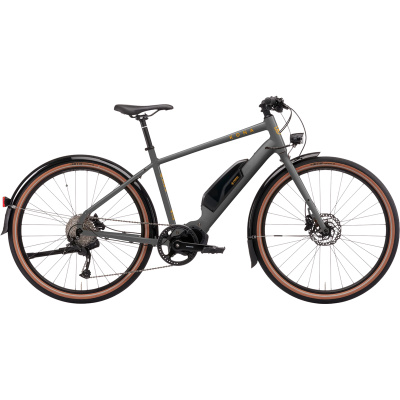
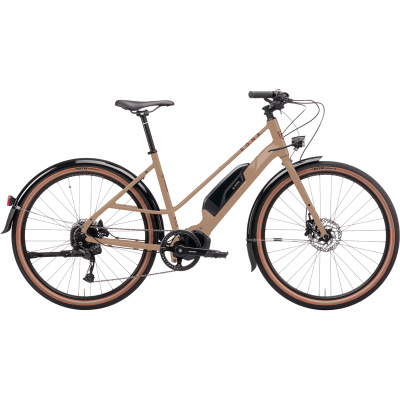
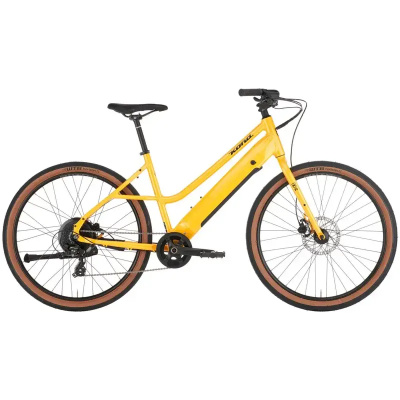
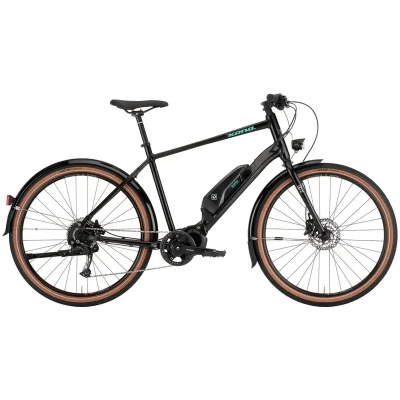
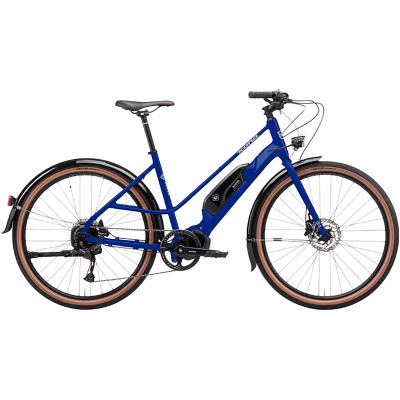
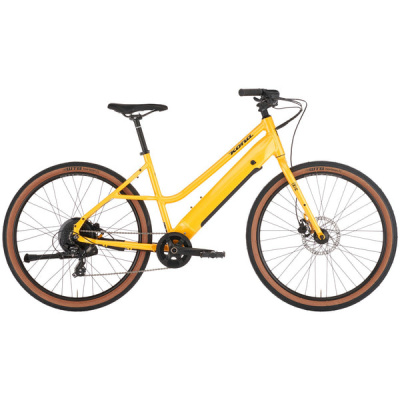
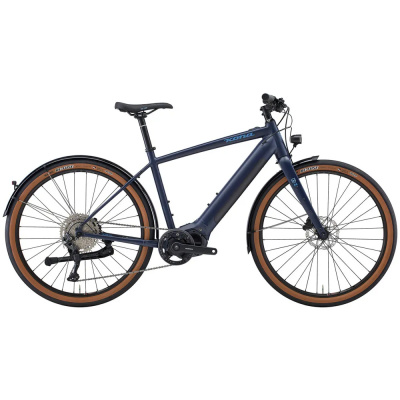
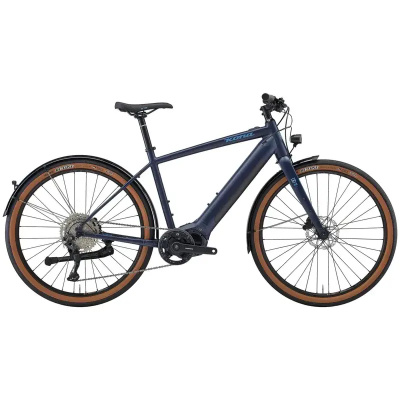
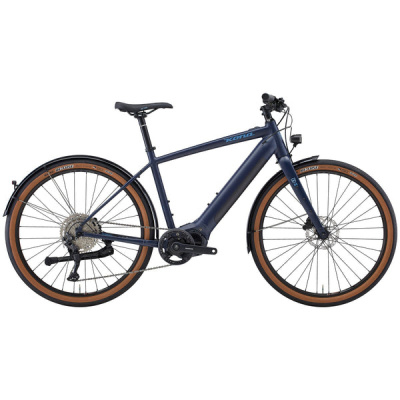
Prices and availability can change quickly. Delivery charges are not always included in listed prices.
Final price, stock status and delivery terms are set by retailer. We may receive a commission on purchases made.
Decoding the Kona E-Bike Lineup
Kona organises its electric range into distinct families, and knowing which is which saves a lot of head-scratching. The Remote series is the aggressive e-MTB line - full suspension, slack geometry, and built for proper trail riding rather than gentle bridleways. If you want to charge down something that'd normally wreck your knees on the climb up, that's your bike. The El Kahuna sits alongside it as a versatile hardtail option, a bit more accessible in price and feel, but still capable on rough ground.
For mixed-surface and gravel riding, the Libre EL handles electric gravel duties - drop bars, wide tyre clearance, and a motor that doesn't overwhelm the bike's handling on loose descents. Then there's the urban end: the Dew-E and Coco-E are the commuter workhorses, practical and reliable rather than trail-hungry. The Dew-E in particular is a sensible, no-nonsense city bike with solid mudguard and rack mounts baked in from the start.
If you're weighing up a non-powered Kona, the acoustic equivalents are worth a look too - check out Kona Mountain Bikes for the trail and enduro range, or browse Kona Gravel Bikes if you're not sure the motor is necessary for your riding.
The Kona Tech Philosophy: Power Meets Geometry
Kona's frame choice tells you something about their priorities. While plenty of brands chase carbon layups on their e-bikes, Kona sticks with 6061 aluminum butted construction across most of the range. That's a deliberate call. A mid-drive motor pumps torque directly through the bottom bracket area, and over time that stresses the frame in ways that can expose weaknesses in less robust builds. Butted alloy absorbs that punishment reliably, and it's easier to repair after a proper stack on a Welsh trail centre descent.
The motor integration is clean. Kona uses Shimano STEPS systems - including the high-torque EP8 on the MTB models - alongside Bosch Performance Line units on selected bikes, with internal battery routing keeping the frame profile tidy and protecting the wiring from trail debris. The EP8 in particular delivers 85Nm of torque with a refined torque sensor that responds proportionally to how hard you're actually pedalling, rather than just switching assist on when you turn the cranks. It makes a real difference on technical climbs where momentum management matters.
Geometry is where Kona earns its reputation. They've taken their classic long-reach, short-chainstay layout and tweaked it specifically for e-bike geometry - shifting weight distribution to keep the front wheel loaded and the handling sharp despite the added mass of battery and motor. On something like the Remote, that means a bike that corners with more intent than most e-MTBs manage. Brands like Cube E-Bikes and Cannondale E-Bikes take a similar performance-focused approach, but Kona's geometry tends to feel more purposefully aggressive rather than all-round neutral.
Living with a Kona E-Bike in the UK
UK conditions are specific, and a few practical points are worth knowing before you commit. First, the battery. Lithium-ion cells lose capacity in the cold - leave your Kona outside overnight when it's below freezing and you'll notice the range drop noticeably on the morning ride. Take the battery indoors when temperatures dip. It's a small habit that preserves long-term capacity and keeps your range consistent through a British winter.
On the trail side, the Remote series has generous tyre clearance that handles the kind of claggy, boot-sucking mud you get on Welsh winter trails or Pennine bridleways in November without packing up solid. That clearance is doing real work, not just a spec sheet number. The wider platform also gives you room to run slightly lower pressures for grip without risking a pinch flat on frozen ruts.
For commuters, the Dew-E comes with mudguard and rack mounts ready to go - proper threaded bosses rather than an afterthought clip-on solution. Year-round urban riding in the UK needs that. Disc brakes across the range handle wet-weather stopping reliably, which matters whether you're on the school run or a soggy Saturday morning loop. If you want to compare a similarly practical commuter alternative, Bergamont E-Bikes offer a strong urban-focused lineup worth putting alongside the Dew-E. And if you're building a complete commuting setup, pairing your Kona with the right Kona Hybrid Bikes accessories is worth a browse for non-electric comparison points on spec and geometry.
One more thing worth flagging on range expectations: Kona e-bikes typically run batteries between 400Wh and 630Wh depending on the model. On flat urban routes in Eco mode, you'll cover serious mileage. On a hilly Peak District loop with a heavier rider in Trail mode, expect the range to compress significantly. Realistic planning matters more than the headline number on the spec sheet.
Kona E-Bikes FAQs
Are Kona e-bikes any good?
They're well-regarded, particularly by riders who want pedal-assist without sacrificing handling. Kona uses bombproof 6061 aluminum butted frames, reliable Shimano STEPS and Bosch drive units, and geometry that's been genuinely tuned for e-bike weight distribution - not just carried over from the acoustic version. The result is an e-bike that rides with more intent than most at the price.
What motors do Kona electric bikes use?
Kona fits Shimano STEPS systems on most of the range - including the EP8 mid-drive motor on trail and MTB models, which delivers 85Nm of torque with a natural-feeling torque sensor response. Some models use Bosch Performance Line units. Both are mid-drive designs with strong UK service networks and a reputation for long-term reliability.
How far can a Kona e-bike go on a single charge?
Battery size typically ranges from 400Wh to 630Wh across the Kona range, giving a realistic range of around 30 to 80 miles depending on assist mode, rider weight, and gradient. UK conditions - particularly cold winters and steep climbs - will push you towards the lower end. Plan conservatively on hilly routes and store the battery indoors in cold weather to protect capacity.