
Kona Hybrid Bikes
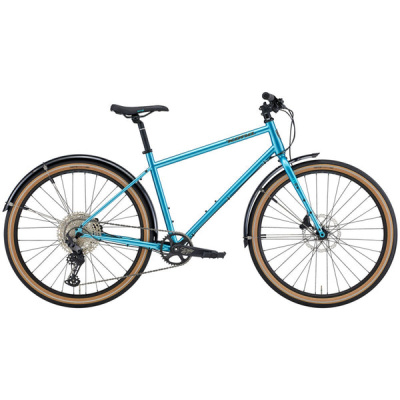
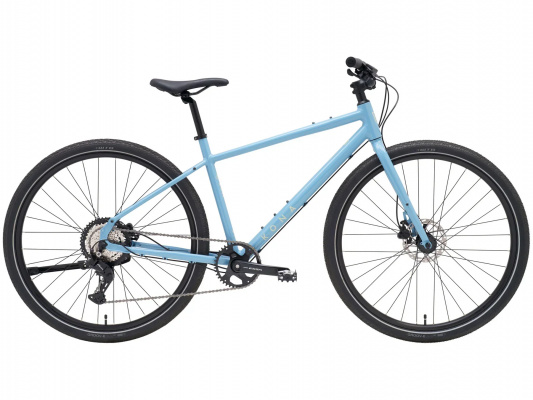
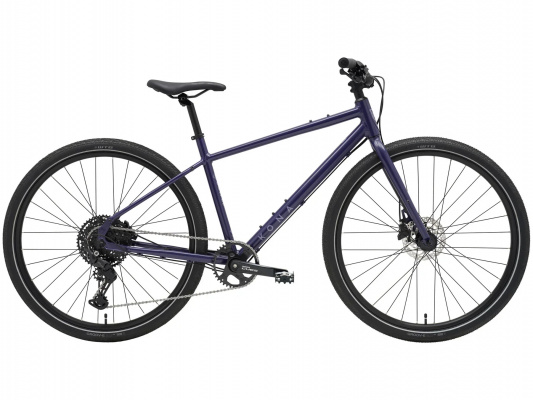
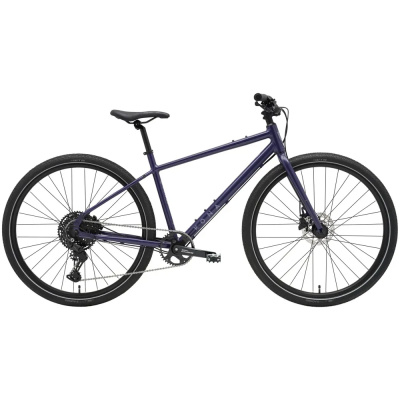
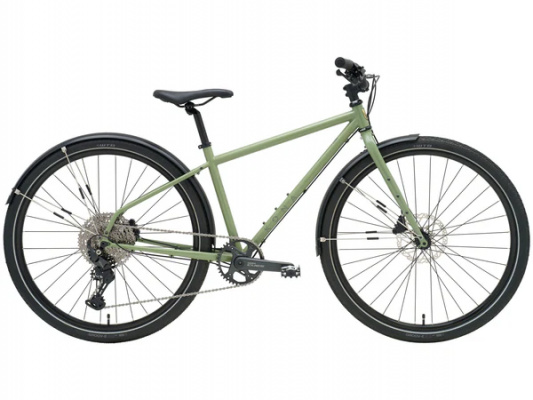
Kona hybrid bikes occupy a practical, no-nonsense corner of the commuter market - flat-bar, confidence-inspiring, and built to cope with whatever a British winter throws at the tarmac. The lineup centres on the Dew series, which has become a reliable fixture for riders who want a genuinely capable urban bike rather than a watered-down mountain bike with slicks bolted on. Frames are built from 6061 aluminum with butted tubing, keeping weight honest without sacrificing the rigidity you need when you're loaded up with a pannier and dodging potholes on the morning run. Tyre clearance is generous across the range, and the upright geometry means you're looking at the road ahead rather than the stem. If you want pedal-assist for longer commutes, our Kona e-bikes page covers that side of things. After something with drop bars and wider adventure capability? Head over to Kona gravel bikes. For most riders commuting UK city streets or spinning out on weekend canal paths, though, this hybrid range is where the conversation starts.
Prices and availability can change quickly. Delivery charges are not always included in listed prices.
Final price, stock status and delivery terms are set by retailer. We may receive a commission on purchases made.
Decoding the Kona Hybrid Lineup
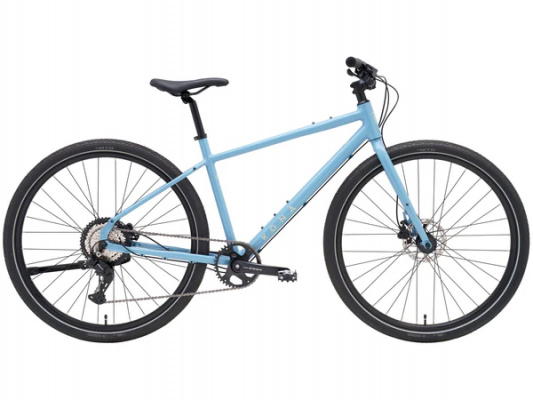
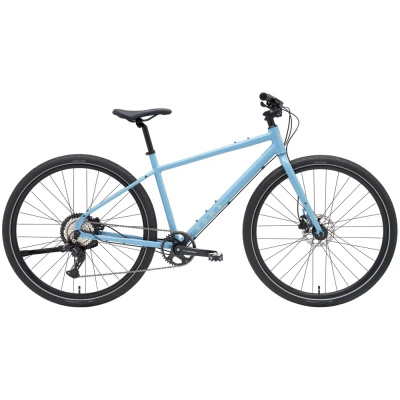
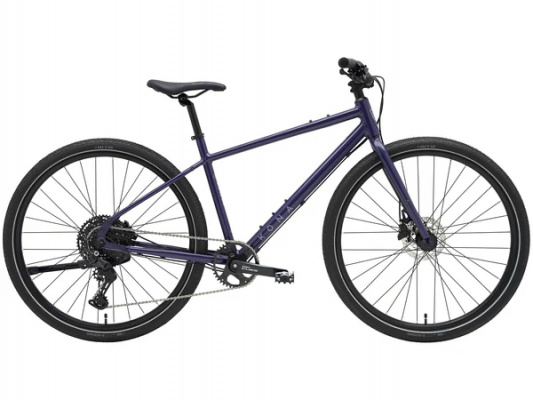
Three distinct families make up the core of the range, and knowing which one suits you saves a lot of back-and-forth. The Dew series - covering the Dew, Dew Plus, and Dew Deluxe - is the rigid, urban-focused backbone. All three run 650b wheels with high-volume 47c tyres, a pairing that gives you a noticeably smoother roll over cracked city tarmac without the added weight and maintenance of a suspension fork. The Dew is the entry point: solid componentry, hydraulic disc brakes, rack and mudguard mounts as standard. Step up to the Dew Plus and you're getting a drivetrain and brake upgrade - more range, more stopping confidence. The Dew Deluxe pushes the spec further still, with finishing kit that feels more considered for the rider who commutes daily and doesn't want to faff with gear adjustments mid-week.
The Kona Splice is a different proposition entirely. It runs 700c wheels and adds a front suspension fork, which makes it better suited to bridleways, rougher towpaths, and the kind of mixed riding where you're not entirely sure what surface you'll hit next. It's not a trail bike - but it handles the grey area between road and light off-road better than the Dew will. If your commute involves a gravel section or a rutted shortcut through the park, the Splice makes more sense. Worth noting: the suspension fork adds weight and introduces a maintenance item that the rigid Dew simply doesn't have.
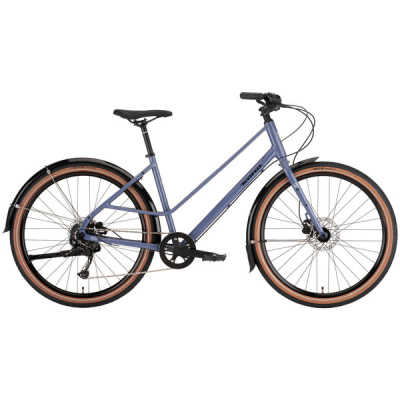
Then there's the Kona Coco. Step-through frame, relaxed geometry, practical by design. It's aimed squarely at riders who want easy mount and dismount - urban cycling at its most accessible. The Coco doesn't try to be sporty. It just works. If you're after something more expedition-ready with full touring capability, Kona touring bikes are worth a look alongside this range.
What Kona Actually Does Differently
Kona's approach to urban geometry starts with a question most brands skip: what do city riders actually need from a fork? The answer, in Kona's case, is the Project Two fork - available in both Cromoly steel and aluminium versions depending on the model. The Cromoly version has a degree of natural compliance that takes the edge off road buzz on rougher surfaces; it's not dramatic, but over a 45-minute commute you'll notice it in your hands and wrists. The aluminium variant is stiffer and a touch lighter, better suited to riders prioritising responsiveness over comfort damping.
The 650b wheel choice on the Dew series deserves a proper explanation rather than a spec-sheet mention. A 650b rim paired with a 47c tyre gives you a total wheel diameter very close to a 700c x 28c road setup, but with far more air volume acting as passive suspension. Think of it as carrying your own road smoothing with you - the tyre absorbs the micro-impacts that would rattle straight through a narrower 700c wheel. It's a considered choice for potholed UK streets, not just a trend borrowed from the gravel world. The 6061 aluminum butted frame construction means the tubes are thicker where stress concentrates and thinner elsewhere, giving a better strength-to-weight ratio than a plain-gauge aluminium frame at the same price point.
One thing that often goes unmentioned: Kona's lifetime frame warranty on these bikes. For a commuter that's going to see year-round use, salt spray, and the occasional heavy kerb drop, that warranty isn't just a marketing footnote - it's genuine peace of mind. It covers the original owner, so keep your receipt.
Running a Kona Hybrid Through a British Winter
This is where the practical details matter most. The Dew series has mudguard clearance for full-length SKS guards - not the clip-on stubbies that soak your back regardless. Fit a set properly and you're genuinely sorted for wet riding rather than just approximately protected. Pannier mounts are integrated into the frame and fork, so you're not relying on adaptor clamps that work loose over time.
Kona hybrids do tend to run with a slightly longer reach than comparable urban bikes from brands like Boardman or Cube. That MTB-influenced geometry gives you a stable, planted feel - useful on wet roads - but if you're between sizes, go smaller. The smaller frame will put you in a more upright, controlled position that suits stop-start city riding better than stretching out on a larger frame would. Check your saddle-to-bar drop carefully before you buy; it makes a real difference on a bike you're riding every day.
External cable routing is a genuine practical win here. When grit and road salt get into internal routing on cheaper bikes, brakes and gears deteriorate quickly. Kona's external routing is easy to inspect, easy to replace, and doesn't trap muck the way internal systems can. Combined with a threaded bottom bracket - rather than a press-fit unit - you've got a drivetrain that a local mechanic can service without specialist tools. That matters in December when you need a quick fix before the morning commute. If you ever need to source specific frame parts, Kona hangers and drop-outs are available separately, which is more useful than it sounds once you've bent one on a kerb. For riders who want to see how Kona's urban approach compares to another well-regarded option, Marin hybrid bikes are worth a side-by-side look - different geometry priorities, but similarly practical.
Kona Hybrid Bikes FAQs
Are Kona hybrid bikes good for commuting?
Genuinely, yes. The Dew series in particular is designed around daily use - upright geometry that keeps you alert in traffic, integrated mounts for racks and full-length mudguards, and high-volume 650b tyres that cope well with cracked urban tarmac. Hydraulic disc brakes handle wet British mornings without drama.
What is the difference between the Kona Dew and Kona Splice?
The Dew is a rigid flat-bar commuter on 650b wheels - smooth, light, low-maintenance, and built for pavement. The Splice runs 700c wheels with a front suspension fork, making it better suited to mixed surfaces like rougher towpaths or gravel shortcuts. The Splice carries more weight and has an extra service item; the Dew keeps things simpler.
Do Kona hybrid bikes run large?
They do tend to have a slightly longer reach than traditional hybrid geometry, influenced by Kona's MTB background. If you're sitting between two sizes, sizing down usually gives you a more comfortable, upright commuting position. Check the reach figure against your current bike if you can - it's more useful than height charts alone.