
Funkier Overshoes
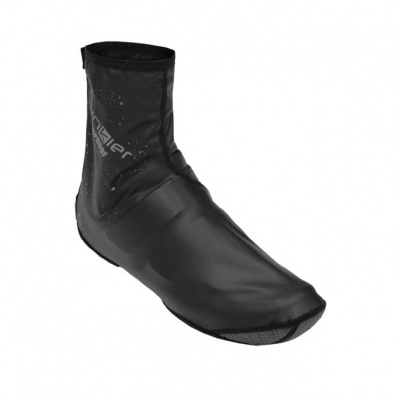
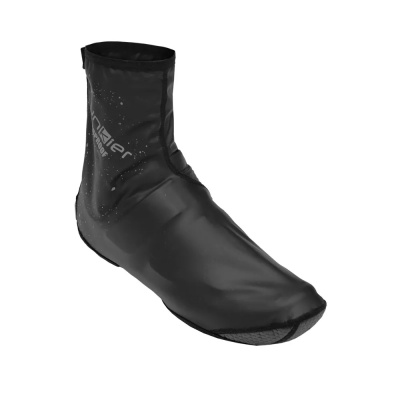
Funkier Overshoes deliver dependable winter protection without the premium price tag that often accompanies waterproof cycling footwear. The Italian brand has carved out a reputation among commuters and year-round riders who need gear that survives repeated exposure to sleet, road spray, and the grim slop of November lanes. You'll find two distinct approaches in the range: lightweight windproof covers that slip over summer shoes for cool-but-dry days, and heavy-duty thermal neoprene overshoes engineered to keep sensation in your toes when the mercury drops below freezing. What sets them apart is the reinforced Kevlar sole zones, which resist the abrasion that typically shreds cheaper booties after a handful of café stops, and an anatomical cut that hugs the foot profile to minimise crank rub. If you're tired of binning torn overshoes every January, Funkier's construction makes a pragmatic case. Pair them with Funkier bib tights and a decent winter jacket and you've got a full winter kit sorted.
Prices and availability can change quickly. Delivery charges are not always included in listed prices.
Final price, stock status and delivery terms are set by retailer. We may receive a commission on purchases made.
Neoprene vs. TPU: Choosing Your Material
Funkier's range splits cleanly between thick neoprene models and TPU-coated fabric designs, each with distinct trade-offs. Neoprene - the same closed-cell foam used in wetsuits - traps a thin layer of warmth around your foot, insulating even when damp. Funkier pairs this with a microfleece lining that wicks moisture away from skin, so your toes stay functional on long winter rides through the Peak District or Scottish Borders. Taped seams prevent water creeping through stitch holes, though the material itself is slightly bulkier and less aerodynamic than coated fabrics.
TPU-coated options, by contrast, bond a hydrophobic membrane to a stretchy base fabric. Lighter and more supple, they conform tightly to shoe contours, reducing drag and improving pedal feel. The rubberised waterproof zippers on these models slide smoothly even with numb fingers, and reflective piping runs the length of the ankle cuff seal for visibility during dawn commutes. The catch? TPU sheds water brilliantly but offers less inherent insulation, so you'll want thicker socks underneath when temperatures dip below five degrees. Both constructions feature cleat cutouts sized for road and MTB systems, but the reinforcement around those openings varies by model - more on that below.
Road, Gravel, or MTB: Matching Sole to Discipline
Not all overshoes tolerate the same abuse. Road-specific Funkier models typically feature a minimal sole with open cutouts for SPD-SL or Look cleats, prioritising a snug fit and low weight. Walk more than a few metres on tarmac and you'll wear through the base fabric quickly. Fine for club rides where you're clipping in at the car park and only dabbing a foot at junctions.
For gravel or MTB use, look for Funkier winter cycling shoe covers with reinforced Kevlar toe boxes and underfoot panels. These handle the repeated scuffing of recessed SPD cleats, trail-centre car parks, and the inevitable hike-a-bike sections on Welsh singletrack. The added abrasion resistance means they'll survive a season of muddy dismounts without splitting. Some riders even use MTB-compatible shoe covers for winter road commuting - the extra durability justifies the slight weight penalty if you're stopping frequently. If you're comparing options, Endura overshoes and GripGrab overshoes offer similar sole reinforcement strategies, though Funkier's pricing often undercuts both.
Can you wear road overshoes for mountain biking? Technically yes, but you'll shred them fast. Dedicated road covers lack the necessary protection for off-road walking, so save yourself the frustration and choose the right tool.
Picking the Right Weight for the Season
Funkier's lineup spans toe covers through to full ankle booties, and matching thickness to conditions makes the difference between comfort and soggy misery. Toe covers - short neoprene caps that shield the front half of your shoe - work brilliantly for autumn rides when it's eight to twelve degrees and dry. They block wind chill without the faff of full overshoes, and you can stuff them in a jersey pocket if the sun breaks through.
For deep winter - think January sleet on the North Downs or frozen February loops around the Peaks - thermal neoprene overshoes in 3mm to 5mm thickness are the move. Funkier's thicker models hold warmth down to around freezing, especially when layered over merino socks. The windproof membrane laminated into some designs adds another barrier against cutting headwinds. Are Funkier overshoes fully waterproof? Not indefinitely. Water will eventually wick down from the cuff or seep through cleat holes during prolonged downpours, but the neoprene keeps feet warm even when damp - a crucial distinction. If you're chasing total dryness, consider pairing them with leg warmers or full-length tights that overlap the cuff and shed rain before it reaches the opening.
Spring and autumn sit in the middle. A lightweight Funkier waterproof overshoe with TPU coating handles road spray and light drizzle without overheating your feet on longer tempo efforts. Think Surrey Hills loops or Cheshire lanes where the weather shifts hourly.
Durability and Visibility for Commuter Miles
Funkier built its name supplying enthusiast and commuter riders who rack up serious winter mileage, and the overshoe range reflects that focus. High-vis reflective piping isn't an afterthought - it's integrated along the heel and ankle, catching car headlights during dark morning commutes or late returns from the office. The rubberised zippers resist corrosion from road salt, a detail that matters if you're riding through treated roads all winter.
Reinforced zones extend product life. Kevlar panels at the toe and underfoot take the brunt of wear, so you're not replacing booties every few months. Compared to budget options that tear after a handful of rides, Funkier's construction justifies the modest step up. Altura overshoes and BBB overshoes occupy a similar value bracket, though Funkier often edges ahead on sole durability. If you're kitting out for a full winter, add Funkier headwear to keep rain off your neck - it's the other common weak point in foul-weather layering.
Sizing and Fit: Getting It Right First Time
How do I size Funkier cycling overshoes? Start with your shoe size for road footwear, but size up one level if you're covering bulkier MTB shoes or winter boots. A snug fit is non-negotiable - loose fabric flaps in the wind, rubs against cranks, and lets water seep through gaps. The ankle cuff seal should sit flush against your leg or the hem of your tights, forming a barrier against rain running down from above. If you're between sizes, err towards the larger option and cinch the zipper tight; overstretched neoprene loses insulation and tears more easily. Most Funkier models use European sizing, so check the size chart carefully before ordering. For comparison, Shimano overshoes tend to run slightly narrower, so if you've worn those before, Funkier's fit will feel a touch more forgiving across the forefoot.