
Altura Overshoes
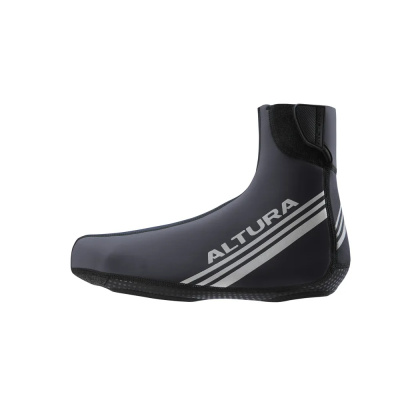
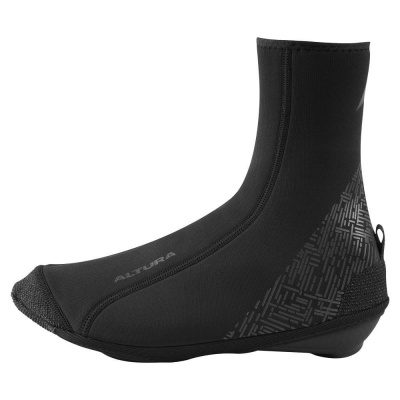
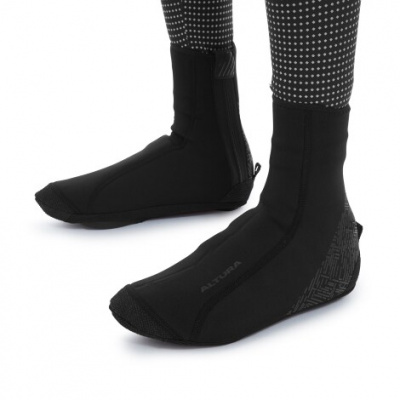
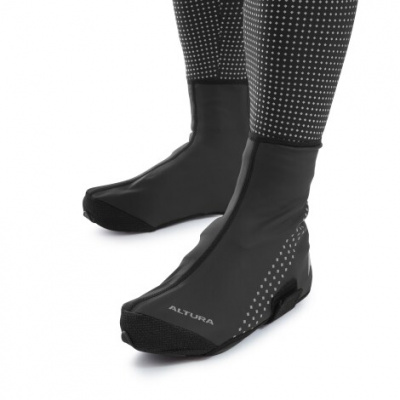
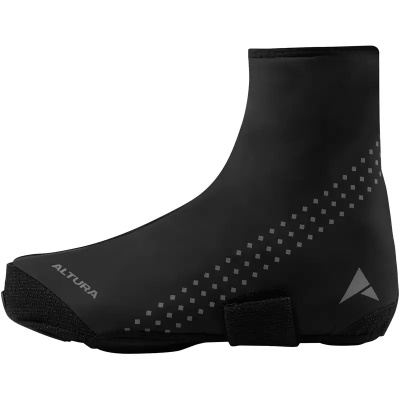
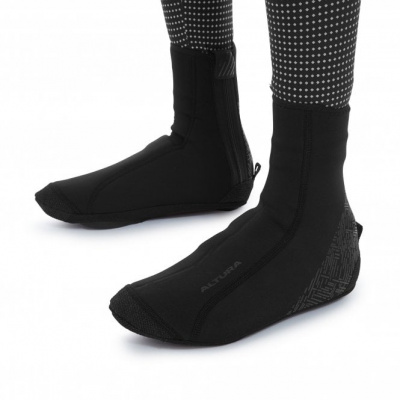
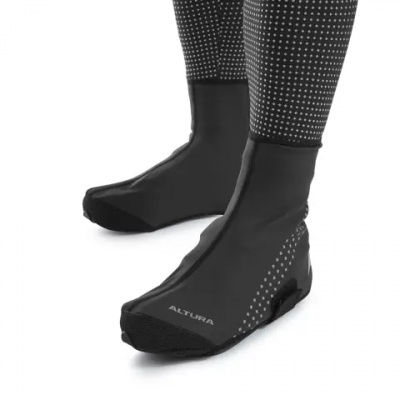
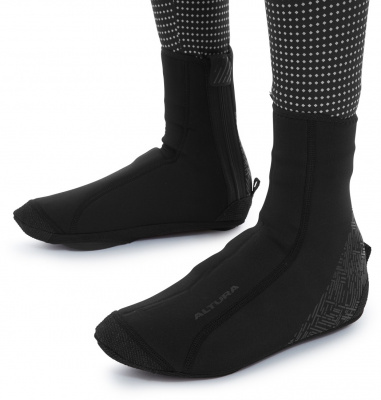
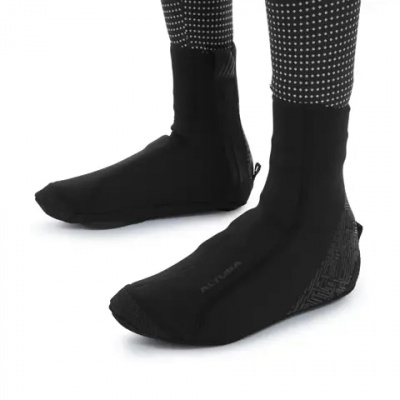
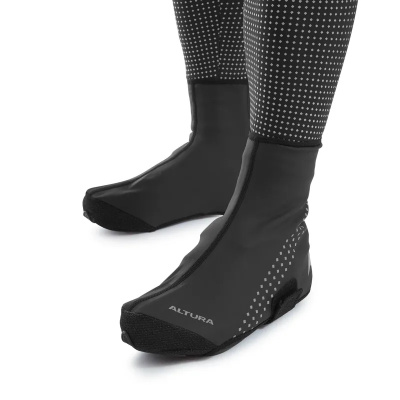
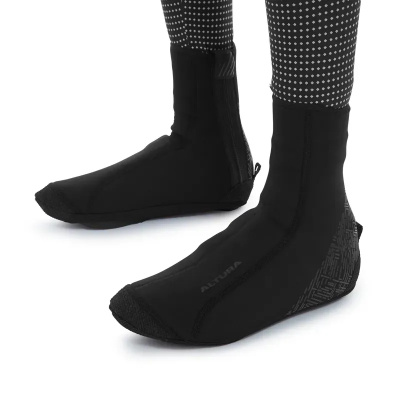
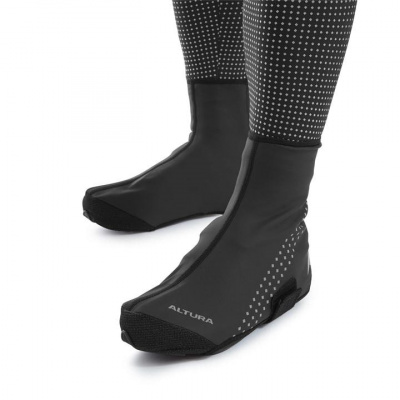
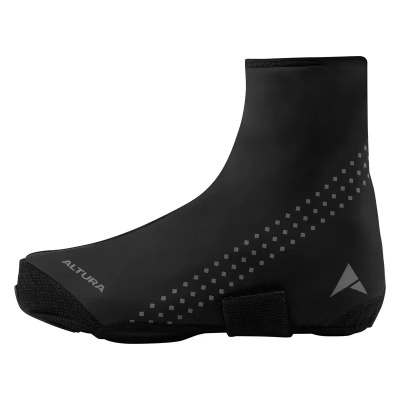
Cold, wet feet will end a winter ride faster than a puncture, and Altura overshoes are built specifically to stop that happening. Engineered around the realities of British cycling - the kind of riding where you leave home in drizzle and arrive back in something considerably worse - these shoe covers combine thermal neoprene insulation, waterproof PU coatings, and taped seams to keep warmth in and the weather out. There is no single UK winter; some days it is a crisp October commute, others it is a January slog through standing water and headwind. Altura's range is wide enough to cover both ends of that spectrum. Lightweight options handle wind chill on dry-but-cold mornings, while the heavier neoprene models are built for the full onslaught. The Altura Nightvision lineup adds 360-degree reflective detailing - a genuinely useful feature when you are riding to work before sunrise and relying on car headlights to make you visible. Kevlar-reinforced toe and heel zones deal with the inevitable scuffing when you unclip at traffic lights. These are not a luxury add-on; for anyone commuting or training through winter, they are as essential as mudguards.
Prices and availability can change quickly. Delivery charges are not always included in listed prices.
Final price, stock status and delivery terms are set by retailer. We may receive a commission on purchases made.
Fabric Tech and Weather Performance
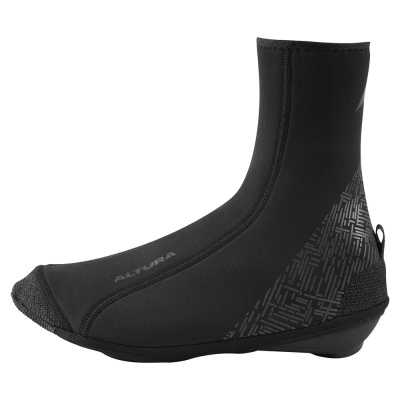
The core of most Altura cycling overshoes is thermal neoprene - the same material used in wetsuits - which traps a layer of warm air close to your foot and, crucially, keeps working even when it gets damp. That matters in the UK because staying bone-dry is rarely an option. On a hard winter commute across the Pennines or a wet Sunday morning club run in the Cotswolds, your overshoes will get saturated on the outside. Neoprene tolerates that; thin stretch fabrics do not.
The waterproofing story goes beyond the fabric itself. PU (Polyurethane) coating bonds to the outer surface to repel rain and road spray, while taped internal seams close off the stitch holes that would otherwise let water wick straight through. Together, they handle the sort of persistent horizontal drizzle that Britain specialises in. Worth being clear-eyed here: no overshoe is truly bombproof. Cleat holes in the sole are an obvious weak point, and in a sustained downpour water can trickle in over the top of the cuff if your tights aren't sitting correctly over them. But for the vast majority of riding conditions, the PU and taped-seam construction does exactly what it promises.
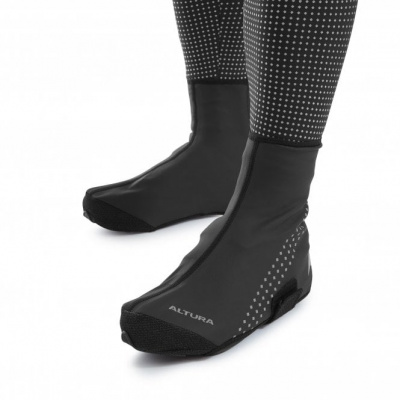
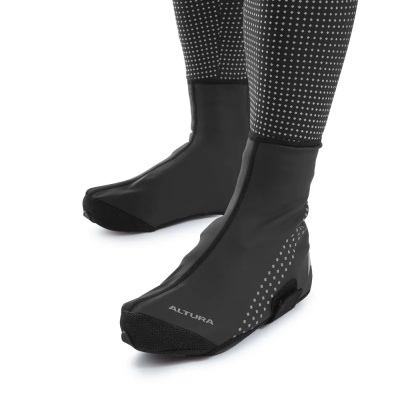
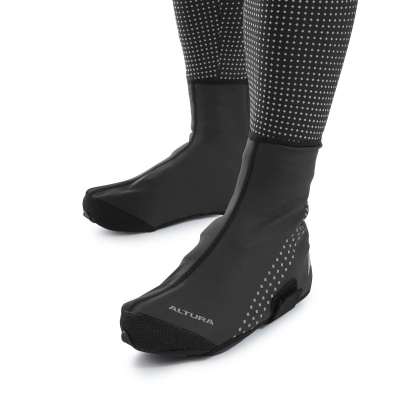
The Nightvision reflective technology is one of Altura's most distinctive features. Strategically placed panels on the toe, heel, and upper catch car headlights and throw them back hard - proper visibility, not the faint shimmer you get from a token reflective strip. On dark November commutes or early-morning winter training rides, that 360-degree coverage is a genuine road safety asset rather than a marketing checkbox. If you're riding lit roads before dawn, it is worth factoring this in when choosing between models.
Kevlar reinforcement in the toe and heel zones addresses a problem every commuter knows well: the constant scuffing when you put a foot down at junctions. Standard overshoe fabrics abrade quickly against road grit, and once the sole starts to fray, the waterproofing follows. Kevlar-reinforced panels extend the functional life of the overshoe considerably, which matters when you are using them five days a week through winter.
Understanding the Altura Fit and Range
Altura's overshoe range splits broadly into two camps. The Nightvision models are aimed at commuters and utility riders - they prioritise visibility and durability alongside warmth, and tend to be a little more generously cut to fit over a wider variety of shoes. The road-focused options run slimmer and cleaner, built for riders who want minimal bulk underfoot and don't need the extra reflective coverage. Neither is wrong; it comes down to what your riding actually looks like.
Sizing is where people go wrong most often with waterproof bike shoe covers. Too loose and water pools in the excess fabric, cold air gets in around the ankle, and the whole thing is sliding around under your foot while you pedal. Too tight and you can't get them on, or the seams sit under tension and fail earlier. The general rule is to match your normal shoe size - Altura's sizing charts map to EU shoe sizes and are a reliable starting point. The exception is if you are trying to fit them over bulky MTB shoes with a thick outsole, heavily lugged tread, or a particularly wide last. In that case, sizing up gives you the stretch room you need without stressing the zip or the seam.
Cleat compatibility is worth a quick check before you buy. Road shoe covers are cut for a 3-bolt cleat layout, with a larger central cutout. MTB-specific or trail-oriented models use a smaller cutout suited to recessed 2-bolt SPD cleats. Putting an MTB shoe into a road-cut overshoe means the sole won't sit flat, the cleat cutout won't align, and the fit will be compromised - not a disaster, but worth avoiding. If you use SPD cleats, look specifically for models that call out MTB or SPD compatibility. Altura does offer options for both, and the Kevlar sole reinforcement on those models also handles the rougher treatment that comes with trail riding and lots of walking sections.
For riders somewhere in the middle - gravel, audax, or winter sportive types running road shoes but covering mixed surfaces - a mid-weight neoprene model with a reinforced sole sits in a genuinely useful position. Warm enough for sustained effort in cold conditions, robust enough to cope with the occasional gravel section or muddy verge. Compared to something like a basic windproof cover, you are trading a small amount of packability for a significant step up in protection.
Layering and Care for UK Riding
An overshoe only works as well as what sits around it. If you are running bib tights or overtrousers tucked inside the top of the overshoe cuff, any rain running down your leg will funnel straight into your shoe. Pull the leg over the top of the cuff instead - it sounds obvious but it's the first thing people miss when they are rushing to get out the door on a cold morning. That single adjustment makes a noticeable difference in sustained wet conditions.
Underneath, a good pair of merino wool socks work well with neoprene overshoes. Merino retains warmth even when damp, and neoprene does the same, so the combination handles the inevitable moisture better than a purely synthetic sock. For the coldest rides, leg warmers under your tights add another layer of insulation across the lower leg and reduce the gap the wind finds between your cuff and the overshoe top.
Care is straightforward but worth doing properly. The PU coating and neoprene elasticity are both degraded by heat, so machine washing on a hot cycle or putting them near a radiator to dry shortens their life significantly. A cold hose down after a muddy ride, inside and out, is enough for most sessions. Let them air dry at room temperature, away from direct heat. If you do put them through a washing machine, use a cold cycle, no spin, and keep them out of the tumble dryer entirely. Treated reasonably, a good neoprene overshoe will last multiple winters.
Altura Overshoes FAQs
Are Altura overshoes fully waterproof?
Models with PU coatings and taped seams are highly effective against rain and road spray - for typical UK riding conditions, they do the job well. The weak points are the cleat holes in the sole and the open cuff at the top. In torrential rain, water can sneak in through either. Pulling your tights or overtrousers over the cuff rather than tucking them inside helps significantly.
How do I choose the right size cycling overshoes?
Match your normal EU shoe size using Altura's sizing chart - overshoes need to sit snug to stop water pooling and cold air getting in at the ankle. If you're fitting them over MTB shoes with a bulky outsole or a wide last, size up. Too tight and the seams take unnecessary stress; too loose and they bunch underfoot and let the weather in.
Can you wear overshoes with MTB shoes?
Yes, but check you're buying the right model. MTB shoes need an overshoe with a smaller cleat cutout sized for recessed 2-bolt SPD cleats, not the larger road cutout. Altura makes models specifically suited to MTB use, with Kevlar-reinforced soles to handle the abrasion that comes with walking sections and rougher surfaces. Road-cut overshoes on MTB shoes won't sit flat or seal properly.