
Altura Socks
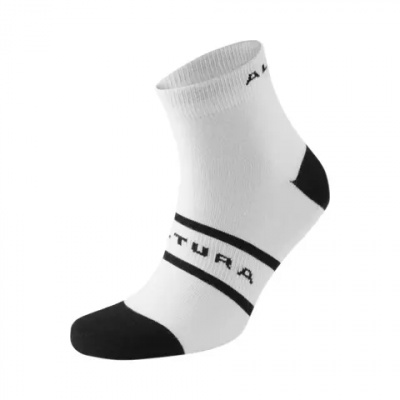
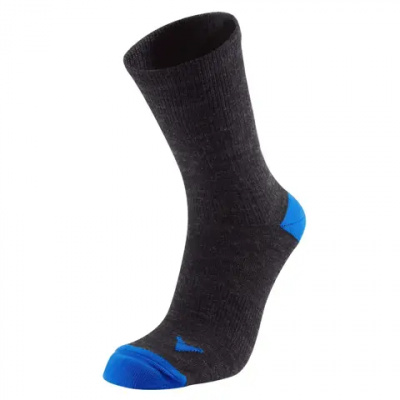
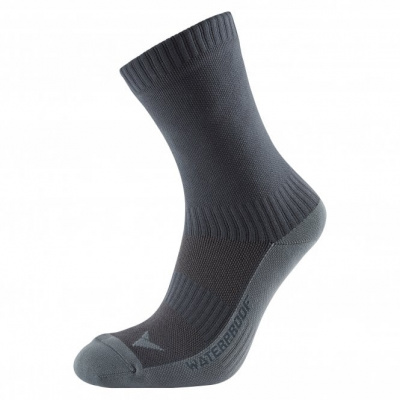
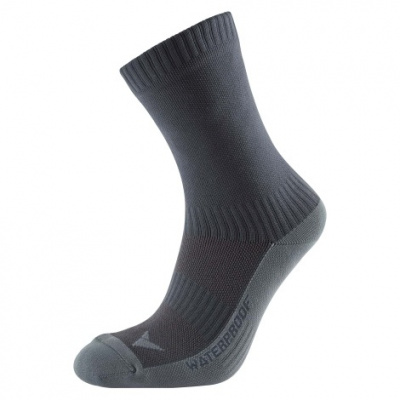
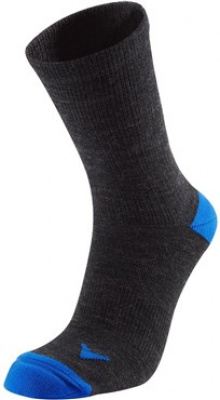
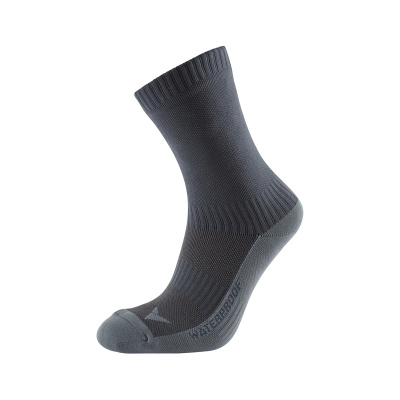
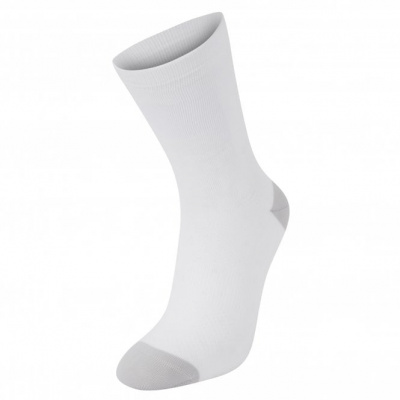
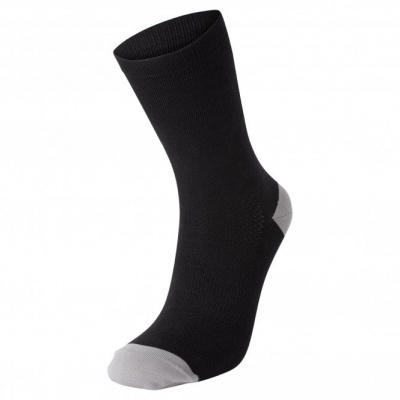
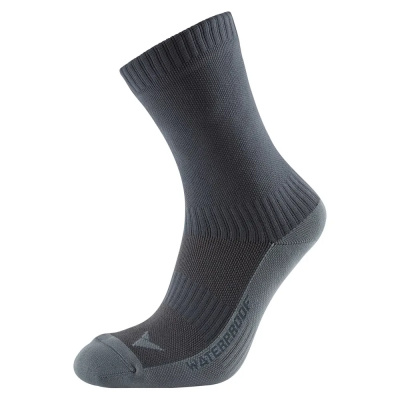
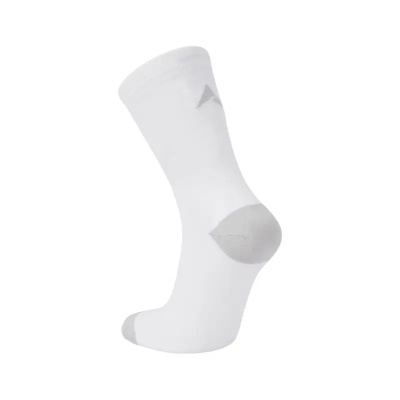
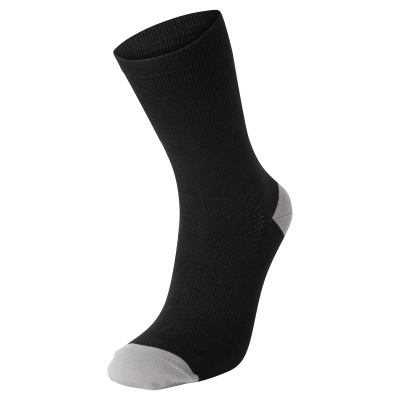
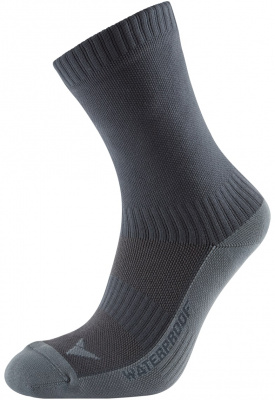
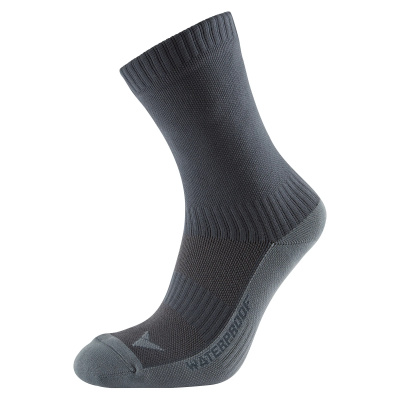
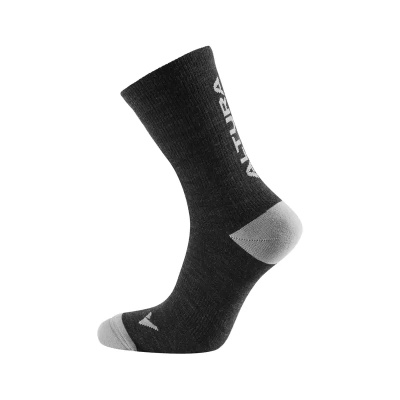
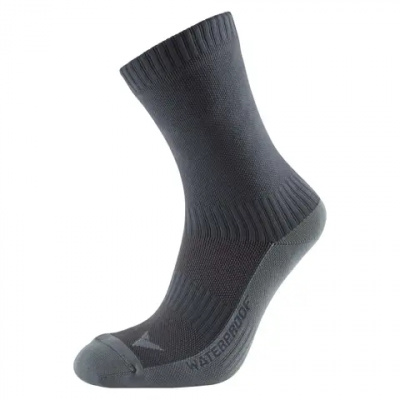
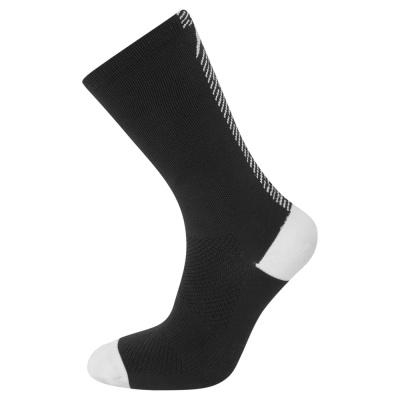
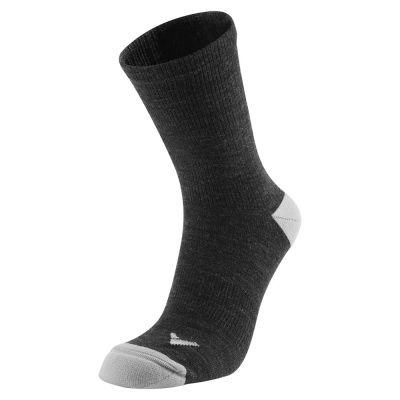
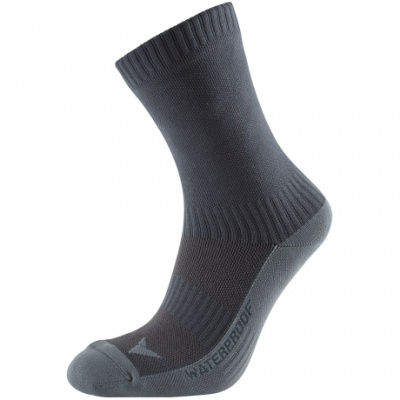
Altura cycling socks cover the full spectrum of UK riding conditions - and that spectrum, as any regular rider knows, can swing from baking sportive climbs to horizontal Pennine rain within a single weekend. The range splits broadly into three camps: waterproof membraned socks built around Altura's proprietary Rainguard technology, thermal Merino wool blends for grinding out winter base miles, and lightweight synthetic-mesh options for summer days when your feet need to breathe rather than bake.
What ties them together is the attention to fit. Anatomical left/right specific construction, flatlock toe seams, and compressive arch support aren't just box-ticking - they directly reduce hot spots and foot fatigue over long hours in the saddle. Get the sock wrong and you'll know about it by mile forty. Get it right and your feet simply stop being something you think about.
Whether you're heading out into a grey Welsh valley in January or chasing a summer PB on a dry Surrey road, Altura has engineered each sock with clear intent. The pages below break down exactly how the tech works, which sock suits which conditions, and how to layer and care for them so they last.
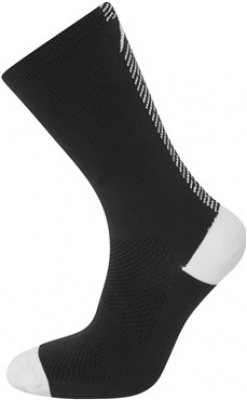
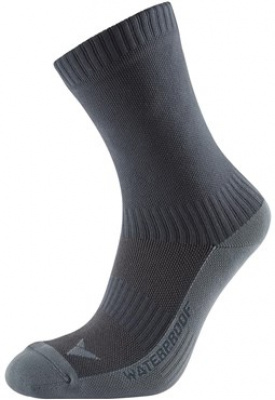
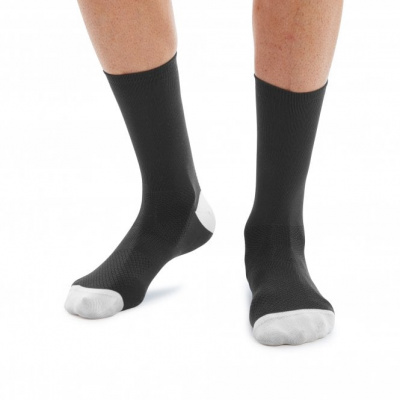
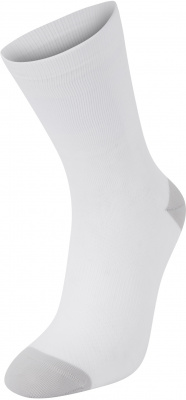
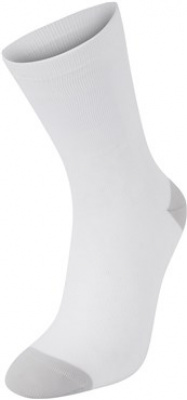
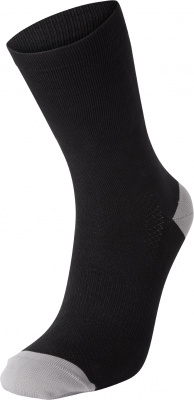
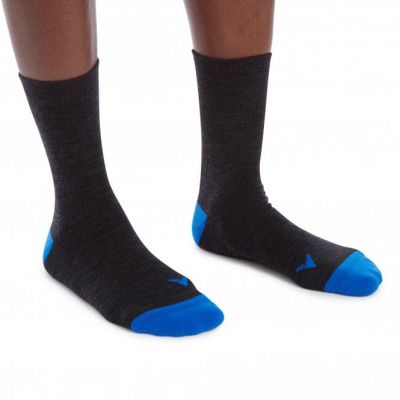
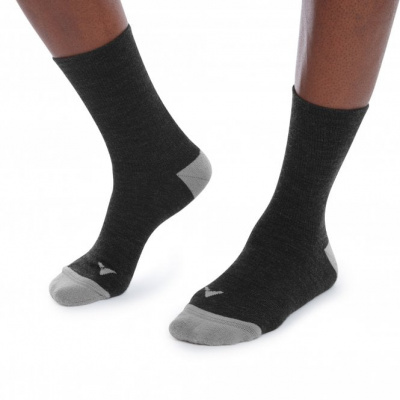
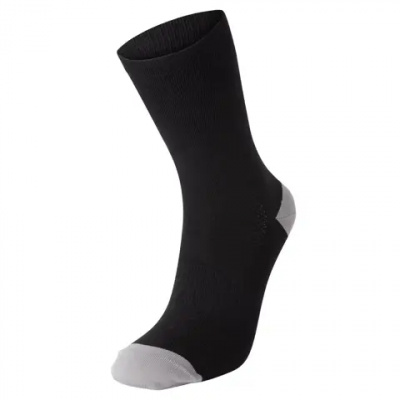
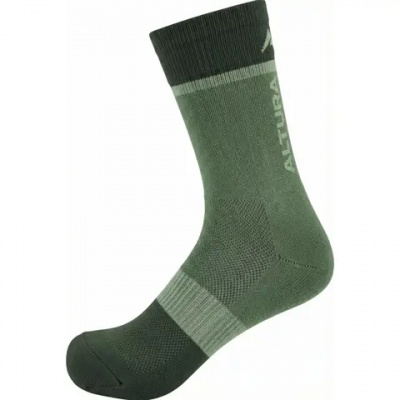
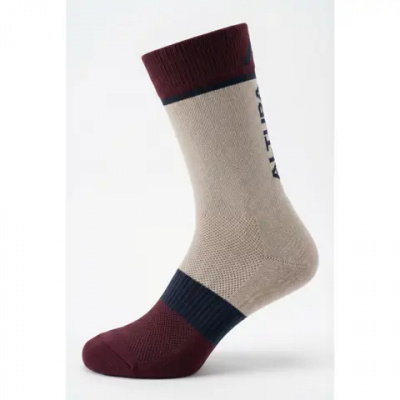
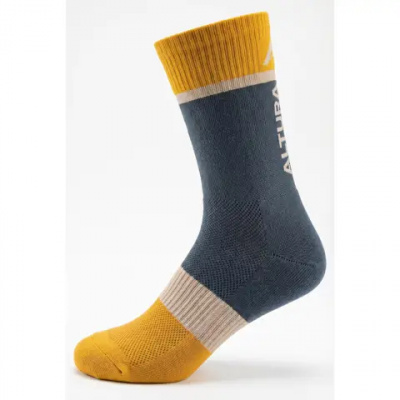
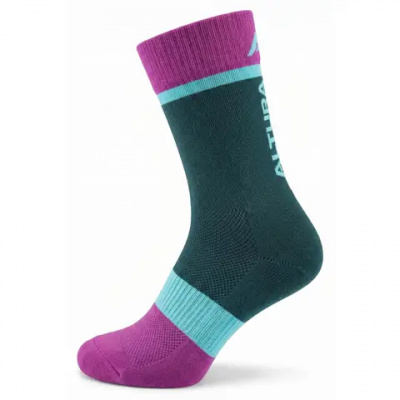
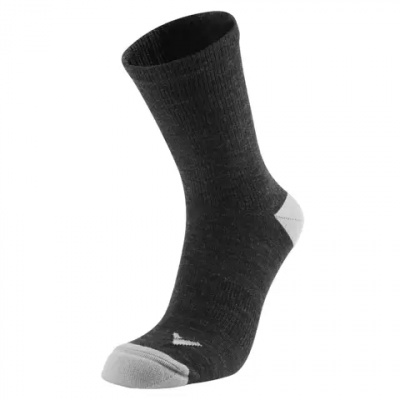
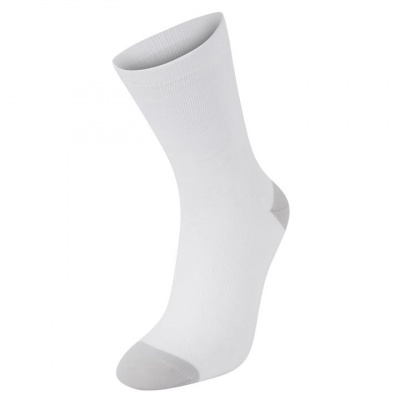
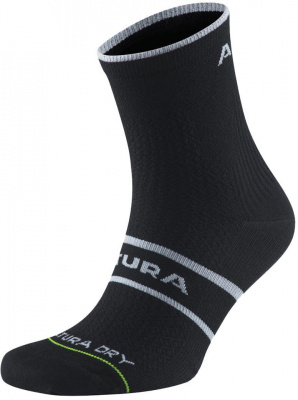
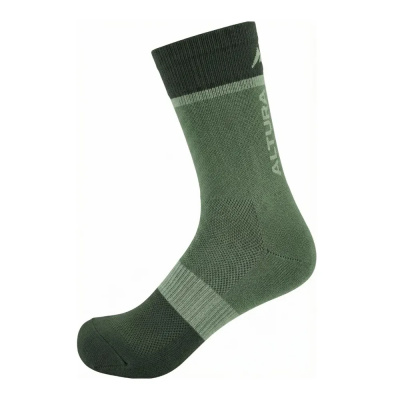
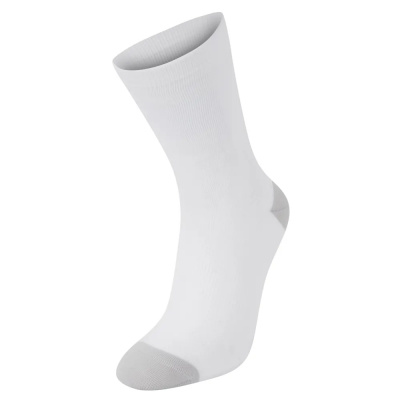
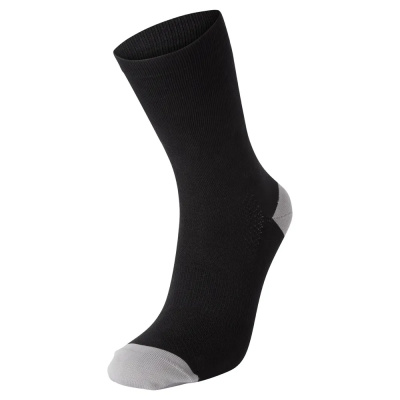
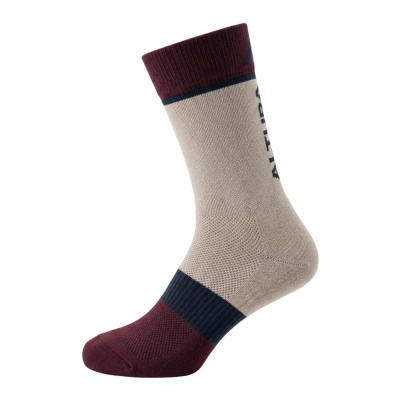
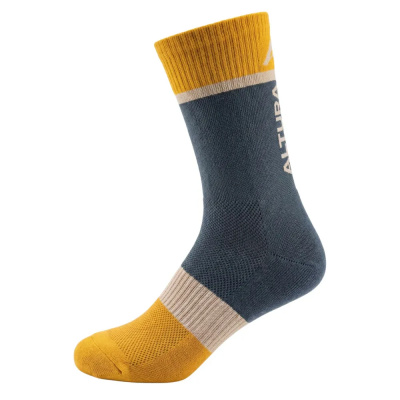
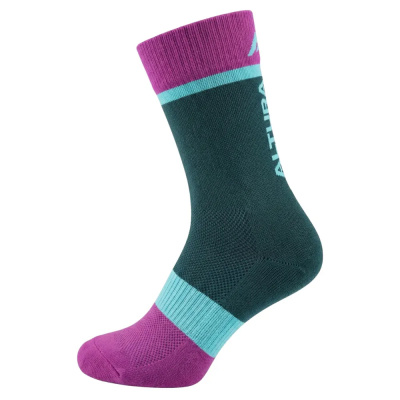
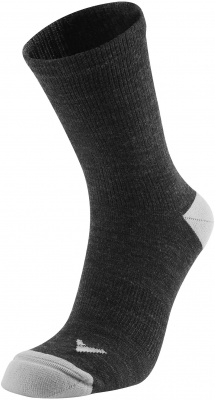
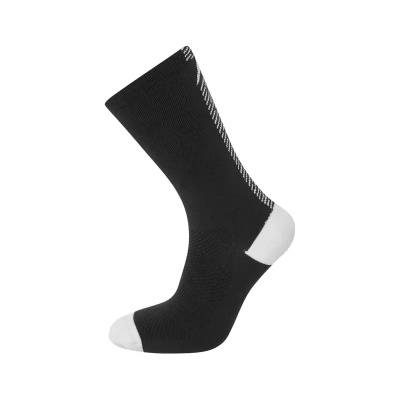
Prices and availability can change quickly. Delivery charges are not always included in listed prices.
Final price, stock status and delivery terms are set by retailer. We may receive a commission on purchases made.
Fabric Tech and Weather Performance
The headline piece of kit here is the Rainguard waterproof membrane. It sits sandwiched between the sock's inner comfort layer and its outer fabric - a three-layer construction that physically blocks rain and road spray while still allowing moisture vapour (read: sweat) to push outward. It's the same functional logic you'll find in a good waterproof jacket, just scaled down to sock form. On a wet winter commute or a soaking sportive, that membrane is doing serious work.
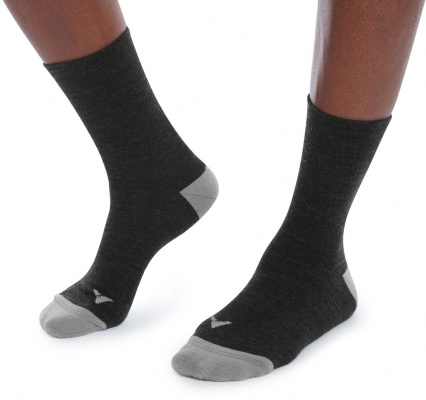
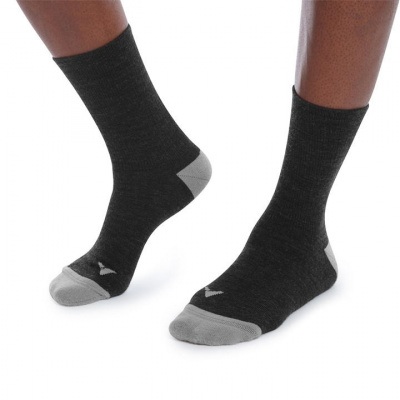
For colder riding, the Merino wool blend options bring natural thermoregulation - Merino fibres trap warmth when it's cold but release excess heat as your effort rises, which makes them more versatile across changing conditions than a purely synthetic thermal sock. Merino also carries natural antimicrobial properties, so odour doesn't build up over multi-day riding. If you're heading into a week of back-to-back winter rides, that matters more than it sounds.
Altura also use Meryl Skinlife antibacterial yarns in parts of the range - a treated synthetic fibre that actively inhibits bacterial growth, keeping things fresher across longer wear periods. It's particularly useful in the transitional-season socks where you want some warmth but not full Merino weight.
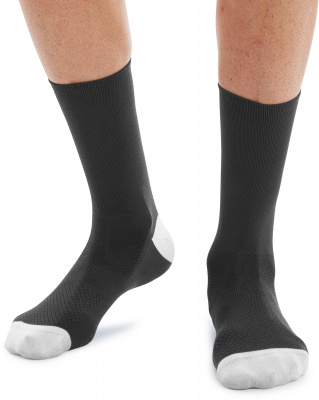
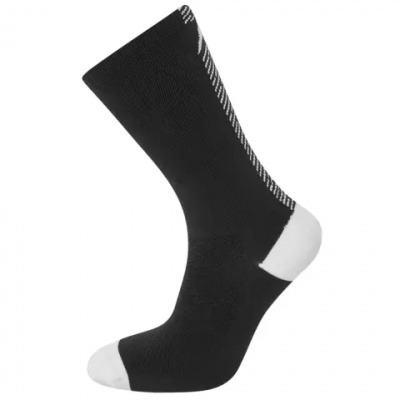
The summer-focused options lean on breathable mesh panels positioned across the toe box and instep - areas where heat concentrates hardest on long climbs. Paired with high-wicking synthetic blends, these socks pull moisture away from the skin before it has a chance to cause friction. On a humid July sportive or a punishing set of Peak District repeats, that difference in foot temperature is real.
Understanding the Altura Fit and Range
The anatomical left/right specific fit is one of those details that sounds minor until you've spent a ride in a sock that doesn't have it. A sock built to the shape of each foot wraps the heel cup and arch correctly from the first pedal stroke, rather than slowly migrating out of position. Over four or five hours, that matters - a lot.
Flatlock seams at the toe box eliminate the raised ridges that cause blisters in conventional sock construction. The seam lies flat against the skin rather than sitting proud of it, so there's nothing to rub against the inside of your shoe, even in close-fitting road footwear. If you've ever binned a pair of otherwise decent socks because of toe-box rubbing, you'll appreciate why this is worth calling out.
Arch support in the form of compressive elastic knitting through the mid-foot helps keep the sock's structure in place and provides light support to the plantar fascia - useful on long days where foot fatigue creeps up quietly. It's not a substitute for a proper insole if you have specific foot issues, but as a baseline it reduces the cumulative tiredness that comes from hours of repetitive pedalling.
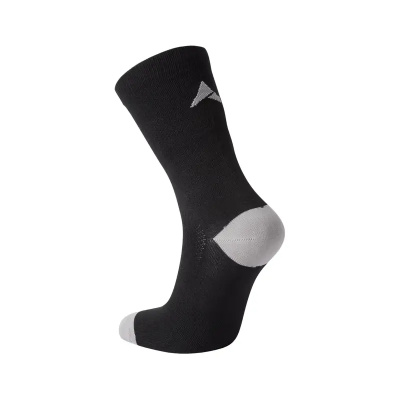
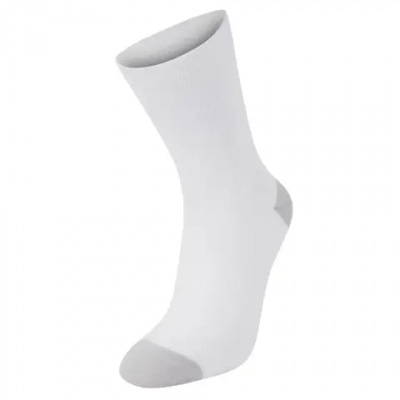
Cuff height varies across the range. Standard mid-calf options offer a practical balance for most riding - enough coverage to overlap with Altura bib tights or Altura leg warmers without feeling restrictive. Some riders prefer a shorter crew cut for summer; others want the full coverage for cold-weather protection. Think about what you typically ride in and match the cuff accordingly - there's no universally correct answer, just the one that fits your kit setup.
Layering and Care for UK Riding
Waterproof socks work - but only if you layer them correctly. The most common mistake is pulling bib tights or leg warmers down over the outside of the shoe, leaving a gap at the cuff where water runs straight in. Pull your bib tights over the sock cuff instead, so water running down your leg is directed over the sock's exterior rather than into it. Simple fix, significant difference on a wet ride.
For serious winter cold - January rides in the Fens, or anything above 500 metres in Scotland - pairing Altura's thermal Merino socks with Altura overshoes gives you a genuinely robust setup. The overshoe handles wind chill and the worst of the spray; the sock acts as a warm, waterproof inner layer. Either alone is decent; together they cover most of what a UK winter throws at you.
If you're riding through autumn and want something between a full winter sock and a summer mesh, layer a lighter Altura sock under a neoprene overshoe rather than reaching straight for the heaviest thermal option. You'll have more flexibility as temperatures change through the day, and your feet won't overheat on the climbs. Pairing with Altura base layers through the upper body completes a consistent layering system.
Care is straightforward but worth doing correctly, especially with Merino and membrane-based socks. Wash both at 30°C on a gentle cycle with a mild, non-biological detergent. Fabric softener is the enemy here - it coats the membrane and Merino fibres, degrading both the waterproofing and the wool's natural moisture-wicking ability over time. Skip the tumble dryer too; air dry flat and they'll hold their shape and performance far longer.
Altura Socks FAQs
Are Altura waterproof socks completely waterproof?
The Rainguard membrane blocks water effectively through the sock body - rain and road spray won't penetrate the fabric. The one vulnerability is the cuff opening. If your bib tights aren't pulled over the cuff, water running down your leg will enter from the top. Sort the layering and the waterproofing holds up well.
How should I wash Altura Merino cycling socks?
Use a gentle 30°C cycle with a mild, non-biological detergent. Avoid fabric softener - it coats the Merino fibres and kills their natural wicking ability. Don't tumble dry either; air dry them flat. Treat them carefully and the wool's thermoregulation and elasticity will last a good few seasons.
Should I wear overshoes with waterproof socks?
For deep winter riding, yes - it's the most effective combination. The overshoe blocks wind chill and heavy spray at the shoe, while the waterproof sock provides a secondary barrier. Either works alone in moderate conditions, but running both together is the sensible call when the weather turns properly grim.