
Altura Base Layers
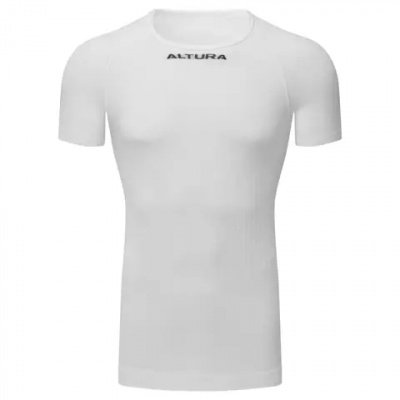
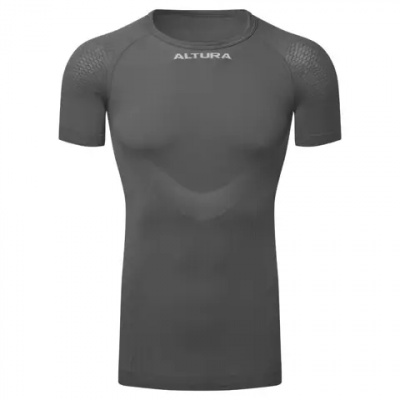
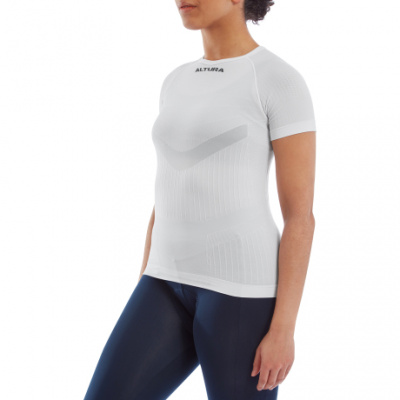
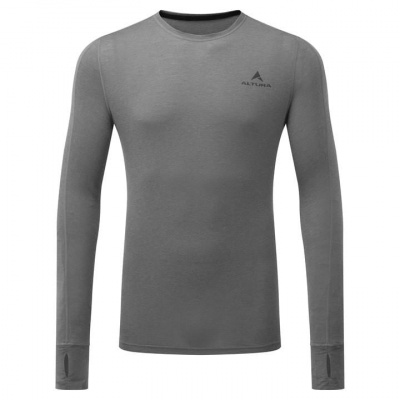
Altura base layers sit right at the heart of what makes a ride comfortable - and they do it without fanfare. Whether you're grinding up a humid July climb or rolling out on a freezing January club run, the right base layer keeps your core temperature in check and stops cold sweat turning your chest into a radiator grille. Altura's range covers both ends of the spectrum: ultralight breathable mesh for summer efforts where moisture-wicking is everything, and insulating Merino wool blends that hold warmth even when you're soaked through on a bleak February morning. What ties the range together is the next-to-skin fit - close enough that the fabric actually does its job, but built with seamless construction so you're not dealing with chafe lines under your bib straps two hours in. These aren't glamorous pieces of kit, but they're the reason your jersey and jacket perform as they should. Get the base layer wrong and everything stacked on top suffers. Get it right, and you barely notice it's there - which is exactly the point.
Prices and availability can change quickly. Delivery charges are not always included in listed prices.
Final price, stock status and delivery terms are set by retailer. We may receive a commission on purchases made.
Fabric Tech and Weather Performance: Mesh vs. Merino
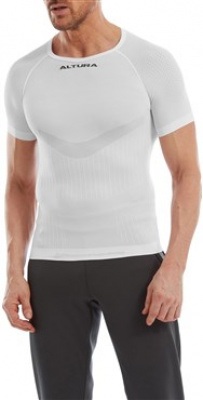
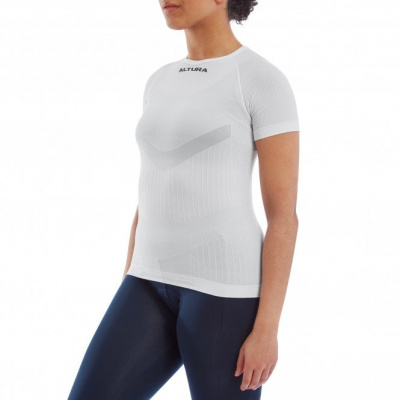
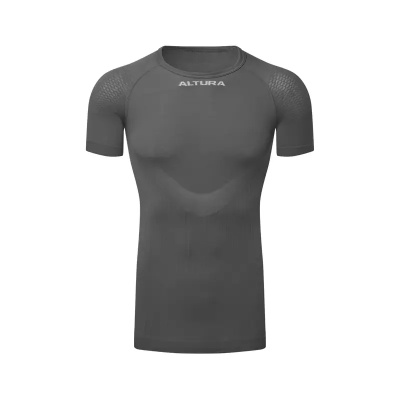
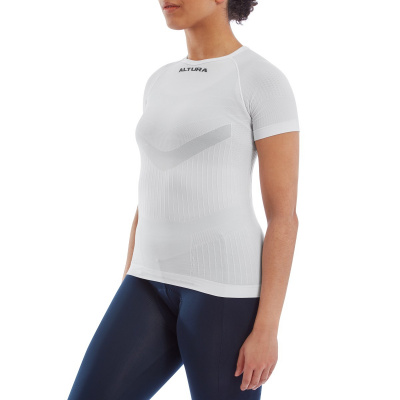
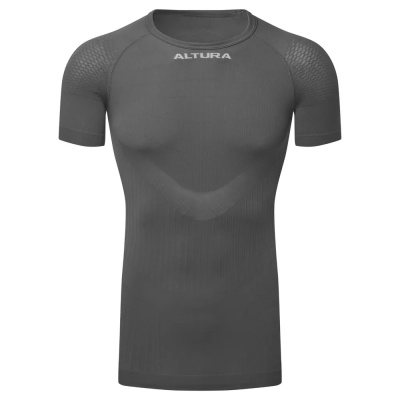
The choice between Altura's synthetic mesh options and their Merino wool blends isn't just about season - it's about what your body does under pressure. On a hard summer ride, you're producing sweat faster than still air can deal with it. That's where high-wicking synthetic microfibres earn their place. They pull moisture away from the skin almost instantly, spreading it across a wider surface area so evaporative cooling can get to work. Altura use body-mapping mesh panels to put the most open, breathable zones exactly where heat and sweat concentrate - across the chest and along the back. The result is far removed from the clammy, boil-in-the-bag sensation you get from a cotton tee or a base layer that's too dense for the effort.
Flip the calendar to October and the calculation changes. Merino wool blends handle damp conditions in a way synthetics alone don't - they retain meaningful warmth even when the fabric is wet, which matters enormously on a long descent after a sweaty climb in the Welsh hills. Merino also has natural anti-odour properties, so multi-day touring or back-to-back rides are less of a social liability. Altura typically blend Merino with synthetic fibres rather than going 100% wool - that gives you better stretch, faster drying, and longer-lasting shape retention than pure Merino, while keeping the core thermoregulation benefit intact. For deep winter cycling, that blend approach is the practical choice. Polygiene anti-odour treatments on some synthetic options bring a similar freshness advantage to the summer side of the range.
Fit, Construction and What the Range Actually Covers
A base layer that fits loosely isn't doing its job. The wicking process depends entirely on the fabric staying in contact with your skin - if it's billowing around, moisture just sits there. Altura base layers are cut for a snug, next-to-skin fit that moves with you rather than fighting your position on the bike. That said, snug doesn't mean restrictive. You should be able to take a full breath at the top of a climb without feeling like the fabric is gripping your ribs.
Construction detail matters here more than most riders realise. Flatlock seams lie flat against the skin rather than creating a ridge, which is particularly relevant anywhere your Altura bib shorts waistband or bib straps press down. Seamless tubular knitting takes that further by removing seams in the highest-contact zones altogether - less potential for irritation on a four-hour ride, full stop. It's the kind of thing you don't appreciate until you've spent a long sportive trying to ignore a seam that's been rubbing since mile 20.
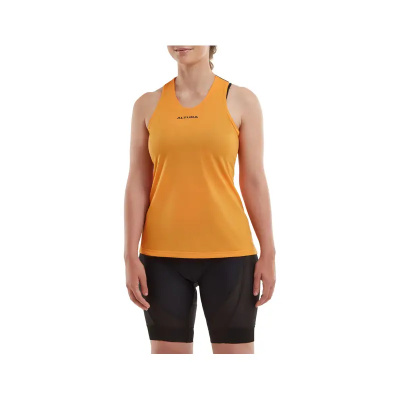
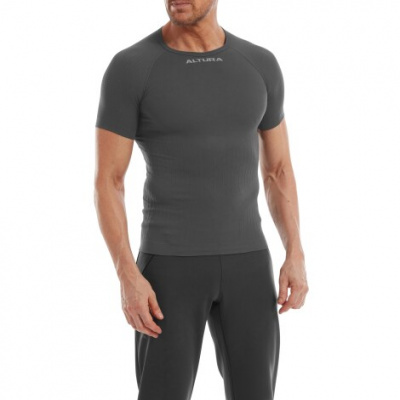
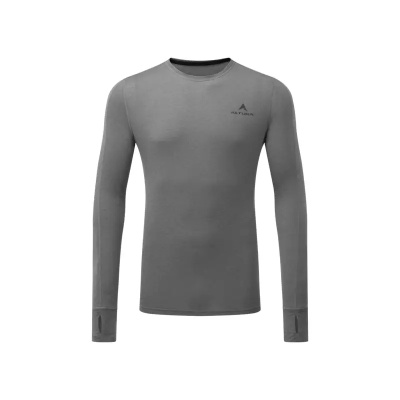
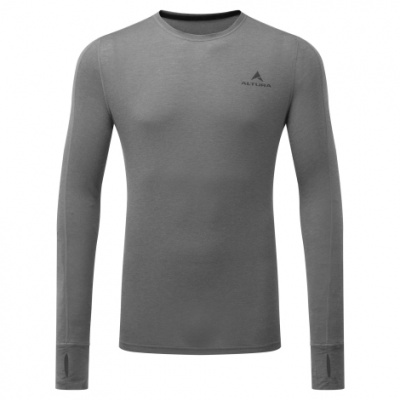
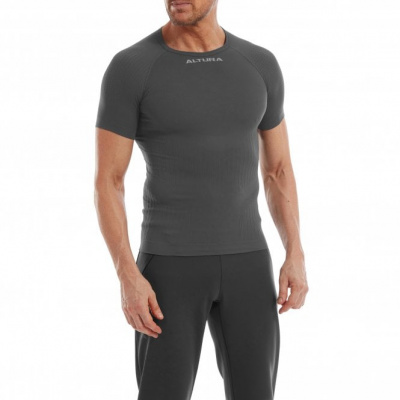
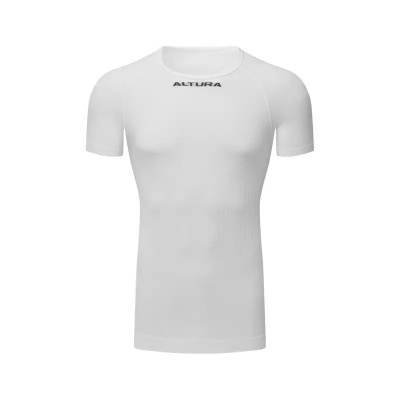
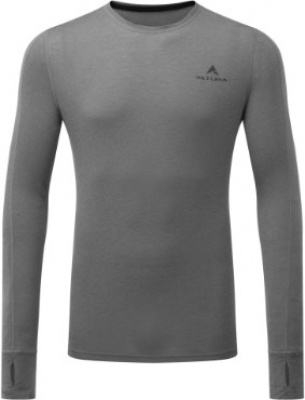
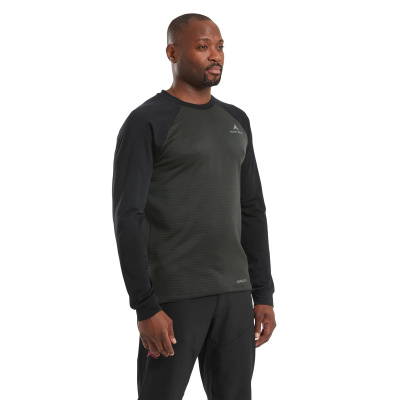
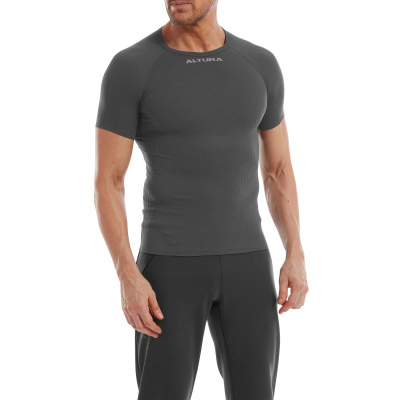
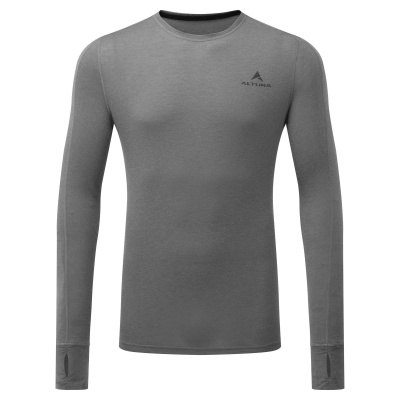
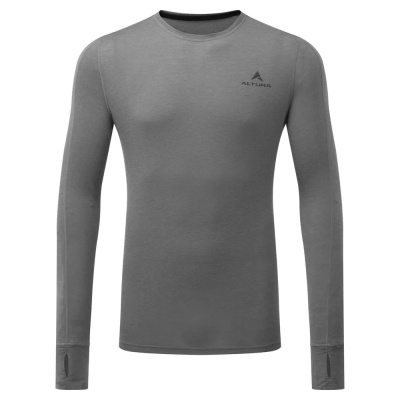
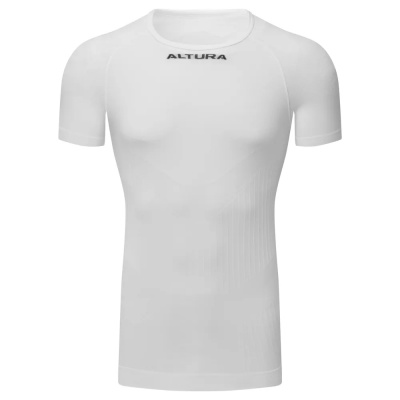
The range breaks down logically by sleeve length and that maps directly to seasonal use. Sleeveless options are the call for peak summer - maximum arm ventilation, no sleeves bunching under a short-sleeve jersey. Short sleeve base layers are arguably the most versatile option in the range; they work comfortably from early spring through to late autumn, and pair well with Altura arm warmers when the morning starts cold but you know it'll warm up. Long sleeve versions are built for proper winter conditions - think damp moorland rides in November, or those days where the temperature hasn't crept above four degrees by the time you're an hour in. Paired with an Altura winter jacket, a long sleeve thermal base layer forms a genuinely effective two-layer system for core warmth.
Layering for UK Conditions and Keeping the Kit in Good Shape
UK riding means dealing with conditions that change mid-ride. A base layer is your first line of response to that. In summer, a lightweight mesh base layer under a well-ventilated Altura jersey keeps sweat moving outward so it can evaporate - rather than sitting against your skin where it makes you feel hotter on the climb and colder the moment you stop pedalling. That combination works particularly well on mixed-effort rides: sportives, hilly audax routes, anything where you're sweating hard uphill and cooling fast on the way down.
In winter, think of your layers as having specific jobs. The base layer manages moisture and keeps your core dry; the mid layer (if you're using one) traps warmth; the outer shell deals with wind and rain. A thermal Altura base layer paired with Altura bib tights and a windproof jacket covers most UK winter mornings without overloading you with kit. If you're riding through changeable conditions - classic British shoulder-season stuff - a short sleeve base layer with Altura leg warmers stuffed in a back pocket gives you options without the weight.
Care is worth taking seriously, especially with Merino blends. Wash at 30°C or cooler, turn the garment inside out, and skip the fabric softener entirely - it coats the microfibre structure and kills the wicking performance faster than anything else. Merino in particular benefits from a wool-specific detergent and a gentle cycle. Air dry both synthetic and Merino options rather than tumble drying; heat degrades the elasticity over time and you'll notice the fit loosening before the fabric wears out. Treated well, a quality base layer lasts several seasons without losing its shape or technical performance.
Altura Base Layers FAQs
Should a cycling base layer be tight?
Yes - a snug, next-to-skin fit is what makes the wicking process actually work. If the fabric isn't in contact with your skin, it can't pull sweat away efficiently. It should feel close without restricting your breathing or movement on the bike.
Do you wear a base layer under a cycling jersey in summer?
It's worth it, yes. A lightweight mesh base layer draws sweat away from your skin and helps it evaporate more quickly than a jersey alone manages. The result is a cooler, drier feeling on climbs - and less of that cold, clammy hit when you ease off the effort.
Are merino base layers good for cycling?
Very good, particularly from autumn through to early spring. Merino retains warmth even when damp, and its natural anti-odour properties make it practical for longer or multi-day rides. Altura typically blend Merino with synthetic fibres, which improves stretch, durability, and drying time without sacrificing the warmth benefit.