
Altura Jackets
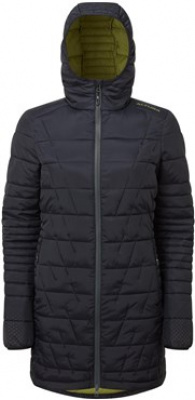
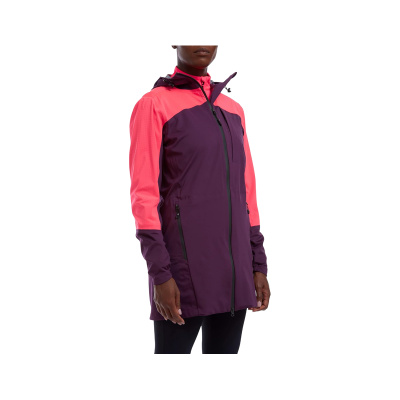
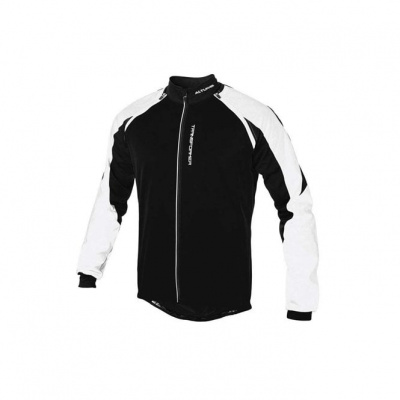
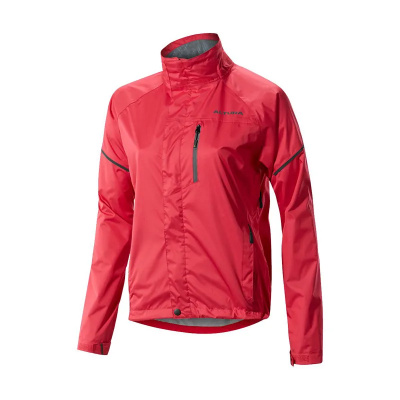
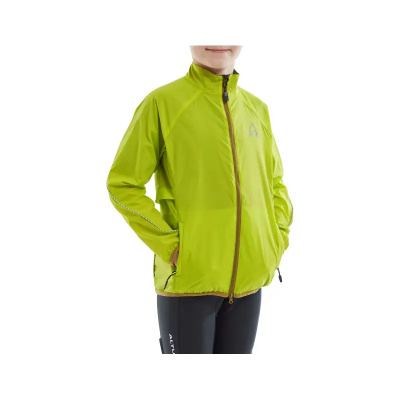
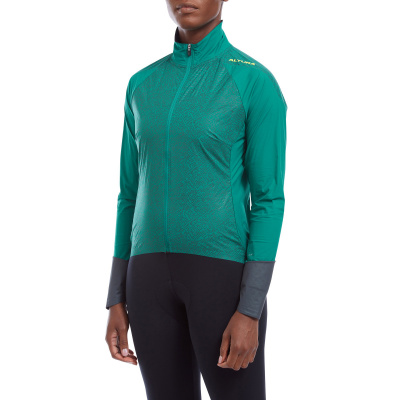
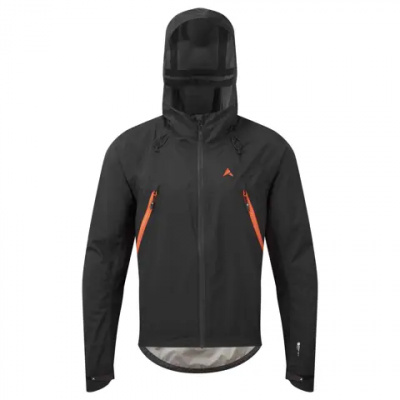
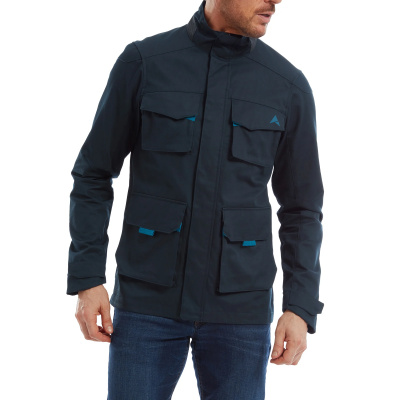
Altura cycling jackets have built a reputation doing exactly what most UK riders need most: keeping you dry when the rain turns serious and keeping you visible when the days shrink to nothing. That's not a small ask. British winters don't give you clean, predictable conditions - they give you spray from a lorry at 7am and a headwind that smells of November. Altura's answer to that is a range of jackets that prioritise function over fashion, with proper waterproofing and reflectivity at the core.
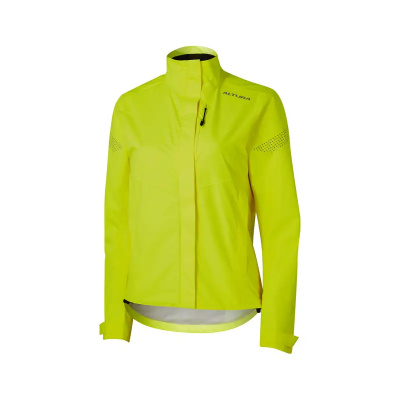
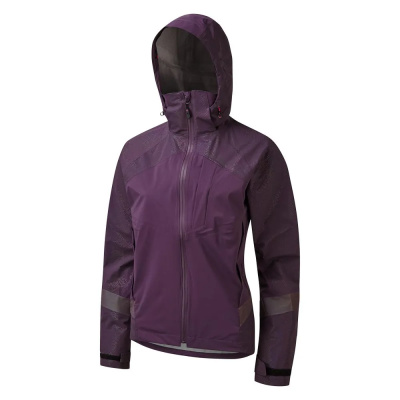
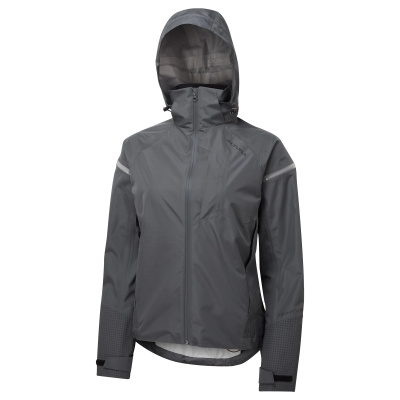
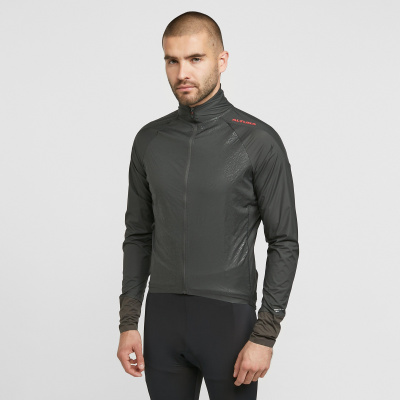
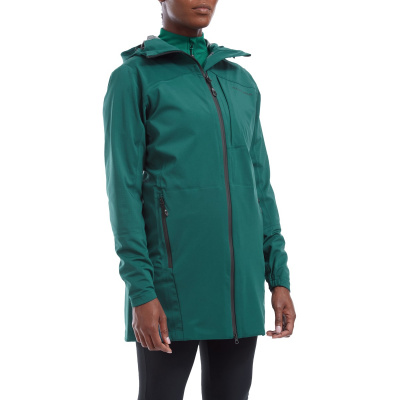
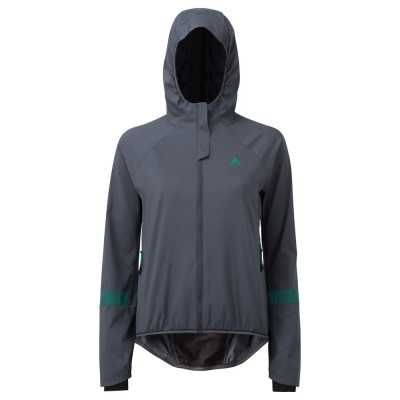
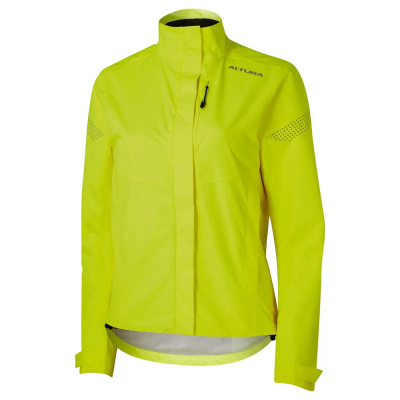
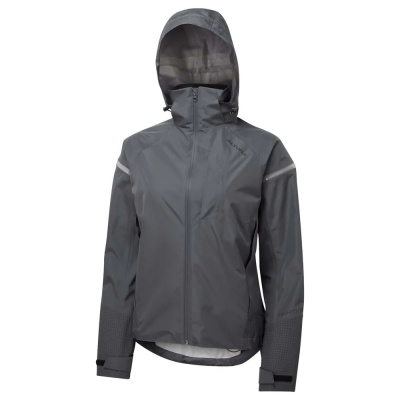
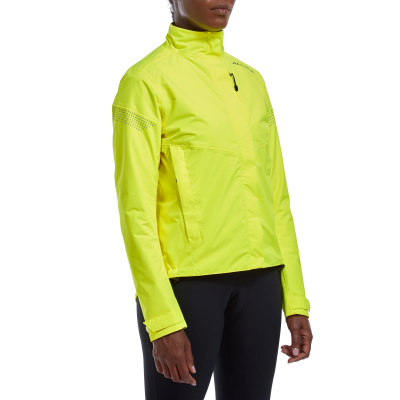
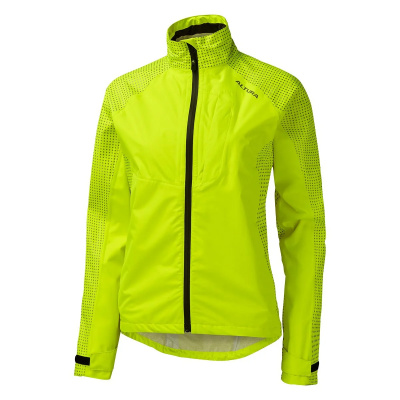
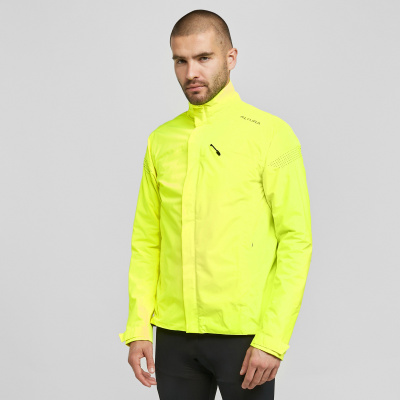
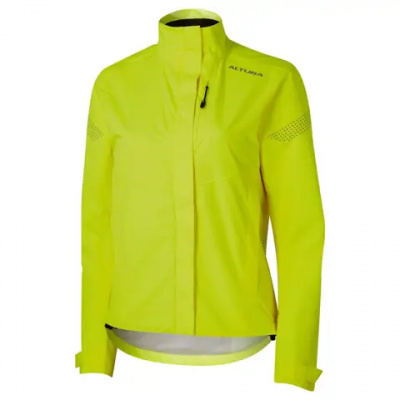
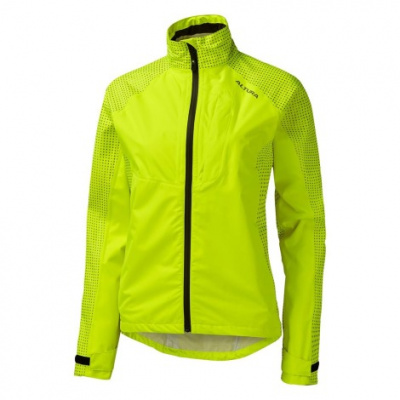
The brand's Nightvision technology is the standout feature across commuter-focused models. It uses glass bead reflectivity to bounce car headlights back hard from every angle - not just a token strip at the hem, but genuine 360-degree coverage. Pair that with 10k/10k waterproof and breathability ratings on their shell jackets, and you've got something that handles a sustained Welsh downpour without turning into a mobile sauna on the climb home.
Whether you're threading through city traffic, grinding a gravel loop in the Peaks, or just trying to arrive at work without looking like you swam there, there's a jacket in the Altura range worth your attention. Here's how to find the right one.
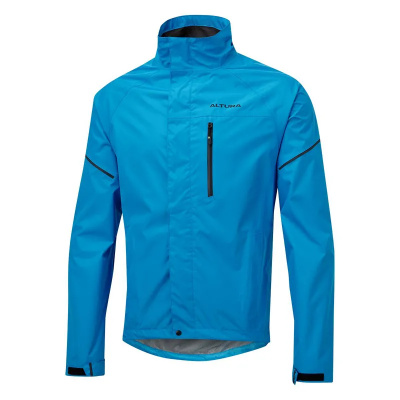
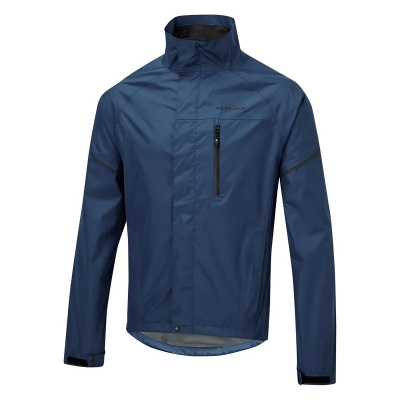
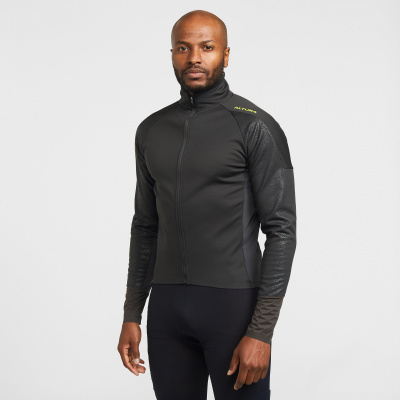
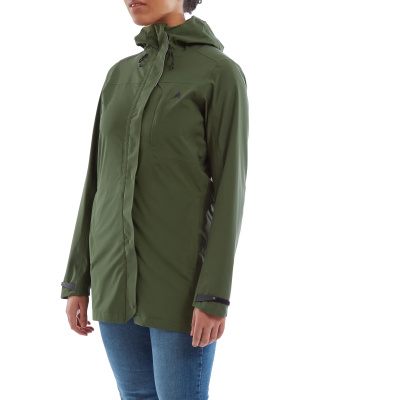
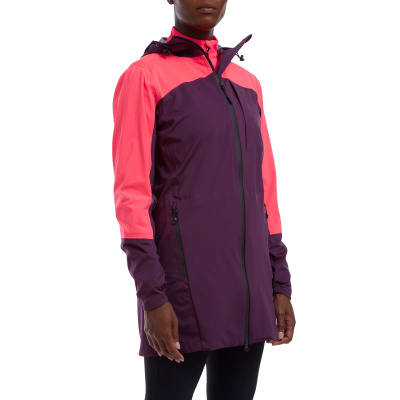
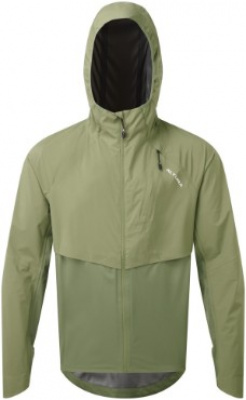
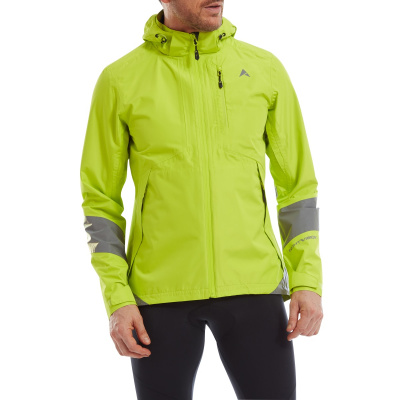
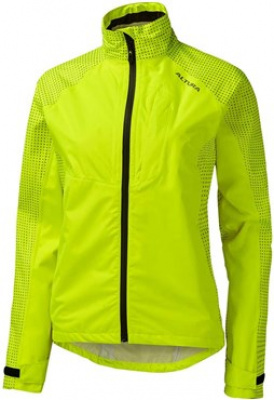
Prices and availability can change quickly. Delivery charges are not always included in listed prices.
Final price, stock status and delivery terms are set by retailer. We may receive a commission on purchases made.
What the Fabrics Actually Do in the Rain
A 10k/10k waterproof and breathability rating means the fabric can withstand 10,000mm of sustained water pressure before it leaks, and allows 10,000g of moisture vapour per square metre to escape in 24 hours. In plain riding terms: it'll hold up in a heavy, relentless downpour, and it breathes well enough that you're not stewing in your own effort on a long drag. That's a meaningful spec for UK riding, where a ride can go from damp to drenched inside twenty minutes.
But the fabric rating is only part of the story. Fully taped seams are what stop water sneaking in through the stitching - every needle hole is a potential leak point, and untaped or critically-taped-only jackets will eventually let water in at the shoulders or underarms. Altura's waterproof shells use fully taped construction on key models, which makes a real difference when you're an hour from home and it's properly chucking it down.
The DWR coating on the outer face fabric makes water bead and roll off rather than soaking into the weave. It's not permanent - it degrades with washing and wear - but a well-maintained DWR finish keeps the outer fabric light and responsive rather than heavy and saturated. More on that in the care section below.
Then there's Nightvision. Altura's glass bead technology is embedded into the fabric itself rather than applied as a reflective print, which means it stays effective through washing and doesn't peel or crack. Under a car's headlights, it reflects light back from the chest, back, arms and hood simultaneously. For a winter commute on an unlit B-road, that's the kind of visibility that actually changes your safety margin - not just a tick-box nod to being seen.
Range Overview: Which Jacket Suits Your Riding
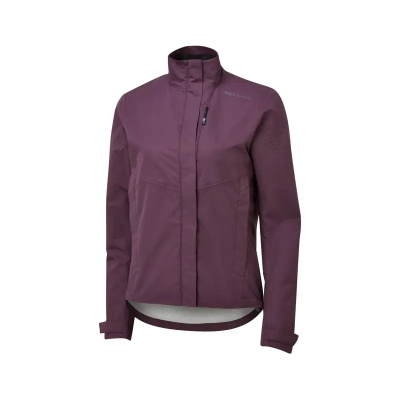
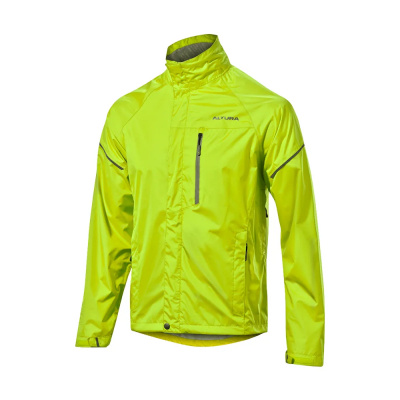
Altura's jacket range splits broadly into three camps, and understanding the differences saves you buying the wrong thing. The Nightvision range is built around commuting and utility riding. The fit is roomier - cut to go over a work shirt or a heavier mid-layer - and visibility is the primary design brief. If you're clipping in at dawn and clipping out under sodium lights, this is your range.
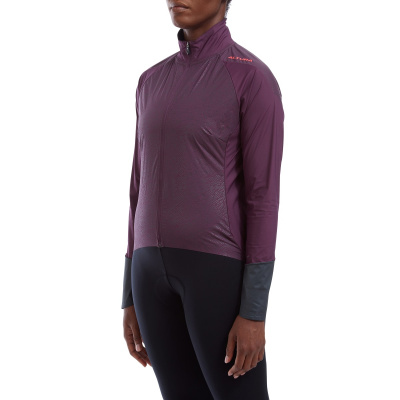
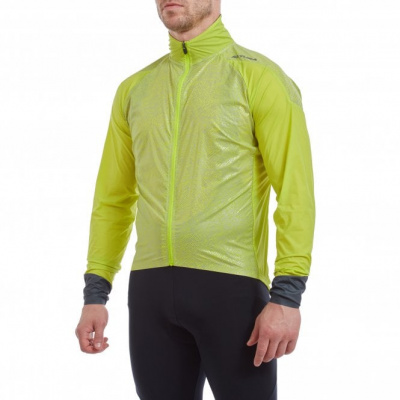
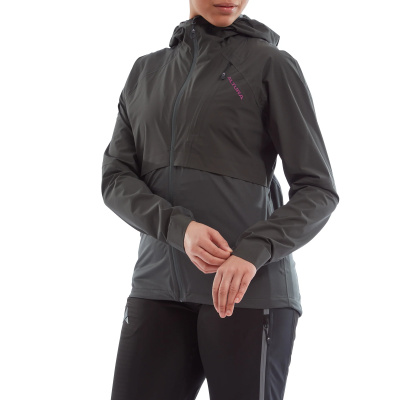
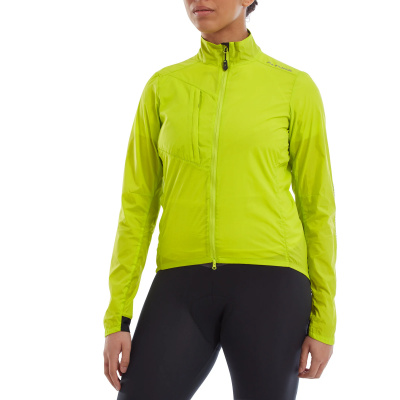
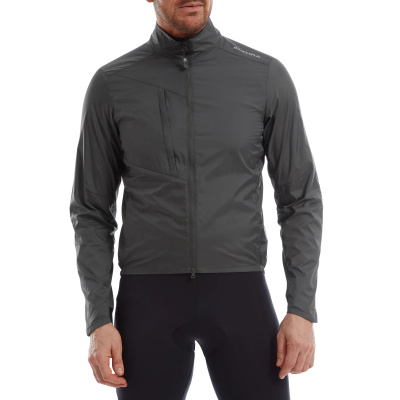
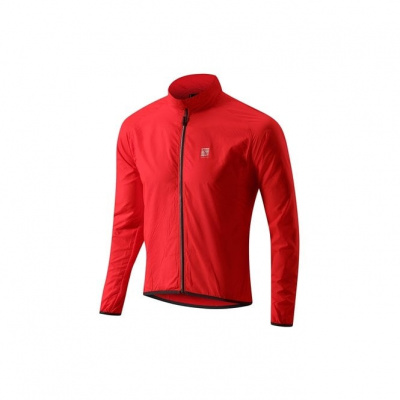
The Airstream jackets lean towards road and sportive riding. They're lighter, more packable, and shaped with a longer drop tail to cover your lower back in the drops. The fit is trimmer than Nightvision, though still a touch more relaxed than Euro race-cut brands. Think of it as the jacket you stuff in your back pocket for a fast-moving sportive that might turn wet mid-way through.
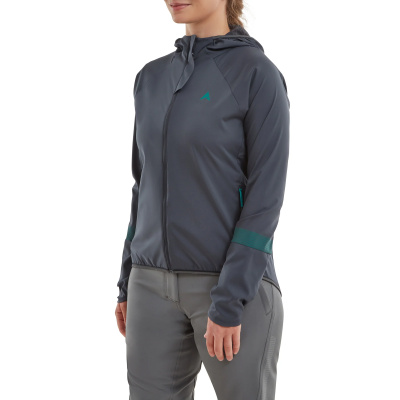
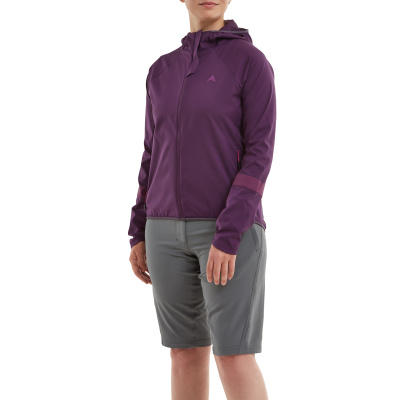
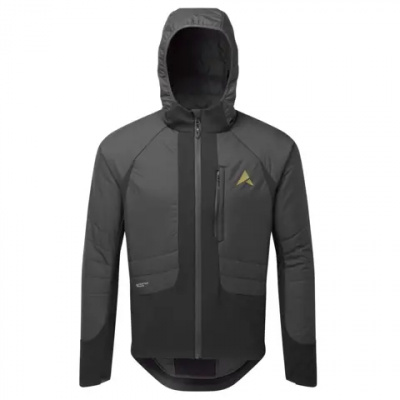
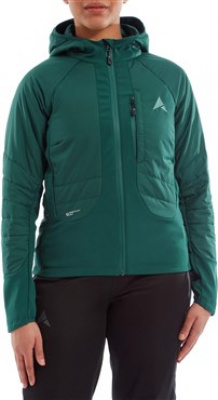
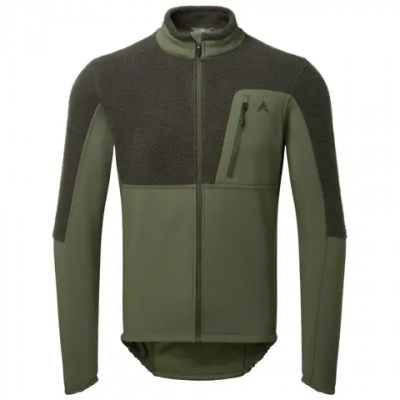
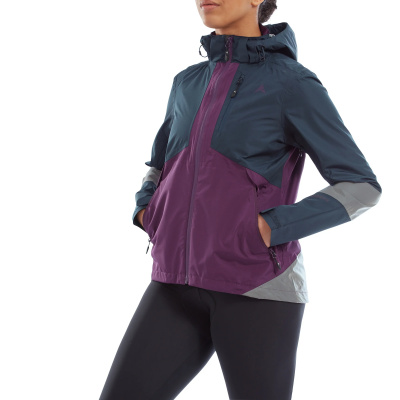
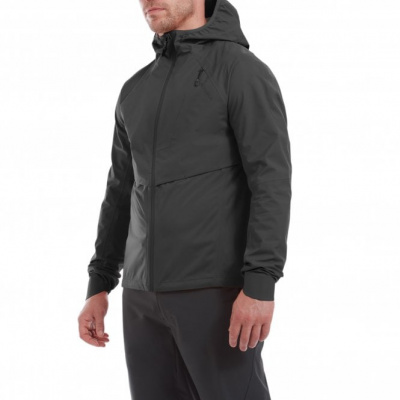
The Ridge range addresses off-road riding - gravel, trail, all-day adventure. These use softshell fabrics in some versions, incorporating Polartec thermal fabrics for models designed to handle cooler conditions without the full waterproof shell weight. They're cut with more movement in the shoulders and sleeves, which matters when you're wrestling a bike through a muddy gate on the South Downs.
Sizing across the range trends towards a relaxed, commuter fit. If you're used to aggressive race-fit jackets from Continental brands, Altura will feel like there's more room - which is deliberate, and useful when you're layering underneath. If you want something closer to the skin, sizing down is a straightforward fix on most models. Altura's size guides are consistent and worth checking against your chest and sleeve measurements rather than guessing by brand size alone.
If you're after core-only wind protection without full sleeves, Altura gilets handle that brief neatly - worth a look before committing to a full jacket if your arms don't tend to get cold.
Layering It Right and Keeping It Working
A waterproof shell works best when it's doing just one job - shedding weather - rather than also trying to keep you warm. The smarter play for UK winter riding is a merino or thermal base layer next to the skin, a mid-layer if temperatures drop below five degrees, and the Altura shell over the top. That system lets you regulate temperature by venting the jacket rather than soaking through it. It also means the shell itself doesn't get saturated with sweat from the inside, which kills DWR coatings quickly.
Pair the jacket with waterproof overtrousers and waterproof gloves and you've got a coherent wet-weather system rather than a patchwork of half-measures. Cold hands and wet legs will ruin a ride that a decent jacket alone can't save.
On washing: this is where a lot of technical jackets get quietly destroyed. Never use biological detergents or fabric softeners on a DWR-coated jacket. Biological detergents break down the DWR finish, and fabric softeners coat the membrane fibres and kill breathability - sometimes permanently. Use a specialist technical cleaner such as Nikwax Tech Wash, wash at 30 degrees, and tumble dry on low if the care label allows it. Heat reactivates the DWR coating and restores water beading. Do this every few washes and the jacket will stay functional for far longer than if you bung it in with your regular laundry.
It's also worth checking the hood and cuffs after riding in grit or road spray - debris around the zip baffles and cuff seams is where small leaks often start. A quick rinse after a properly filthy ride costs nothing and extends the life of the taped seams noticeably. You can also browse Altura jerseys if you're building out a complete wardrobe for the shoulder seasons.
Altura Jackets FAQs
Are Altura cycling jackets true to size?
Altura jackets are cut with a relaxed, commuter-friendly fit - there's room for work clothes or a winter mid-layer underneath, which is intentional. If you want a closer, more aerodynamic fit, sizing down one typically works well. Always cross-reference your chest and sleeve measurements against Altura's size guide rather than relying on S/M/L alone.
How waterproof is the Altura Nightvision jacket?
Most Nightvision jacket models carry a 10k/10k waterproof and breathability rating with fully taped seams. That's enough to handle heavy, sustained UK rain without leaking at the stitching. It also breathes well enough to avoid the overheating that plagues cheaper shells on harder efforts.
How should I wash my Altura waterproof jacket?
Wash at 30 degrees using a technical cleaner like Nikwax Tech Wash - not standard biological detergent, which strips the DWR coating. Avoid fabric softeners entirely; they clog the membrane and wreck breathability. Tumble dry on low if the care label permits - the gentle heat reactivates the DWR and restores water beading.