
Endura Overshoes
Endura overshoes have been a go-to for UK cyclists since the brand started making kit in Scotland - and that heritage shows in how well this range understands genuinely grim weather. We're talking freezing rain on exposed moorland roads, sleet-soaked commutes, and trails that turn your shoes into brown sponges before you've even hit the first climb. Whatever the forecast throws at you, there's a model in this collection built to handle it.
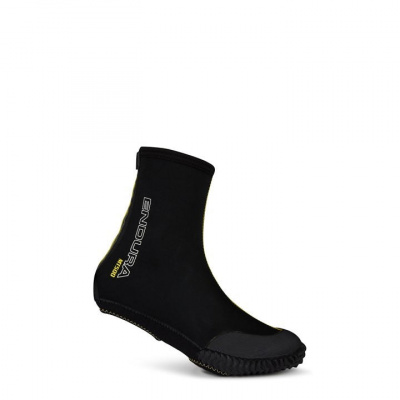
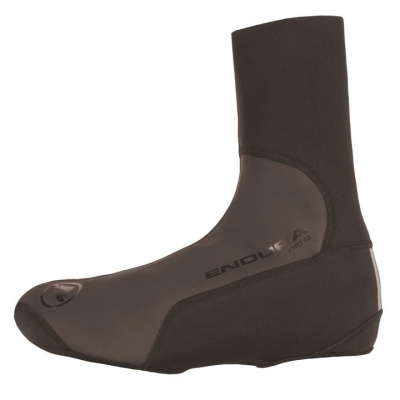
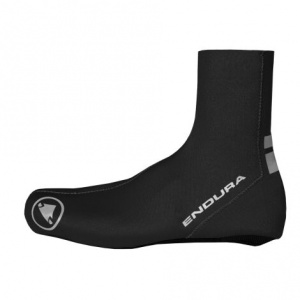
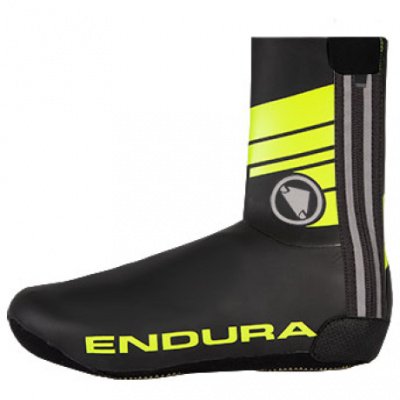
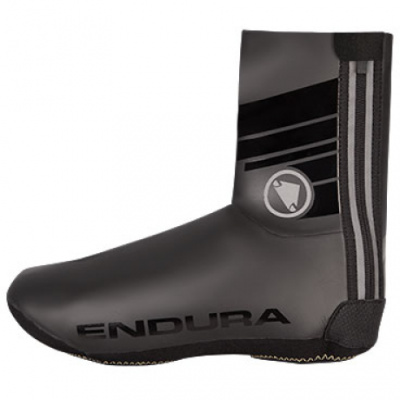
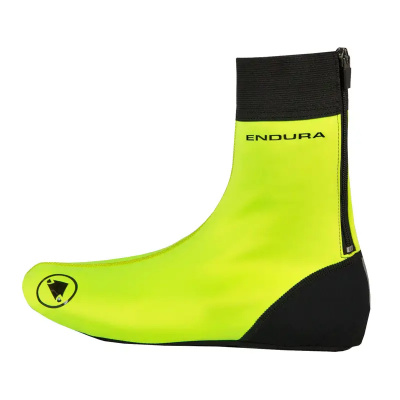
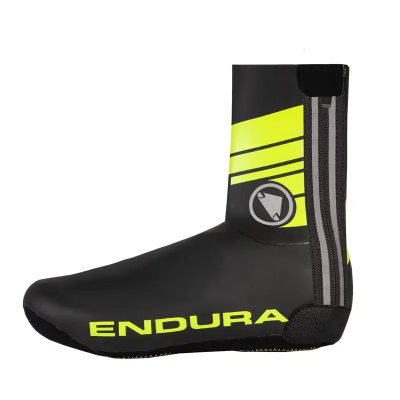
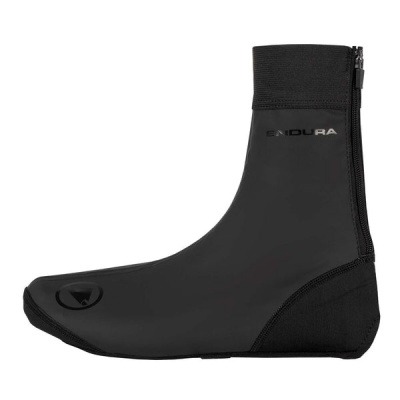
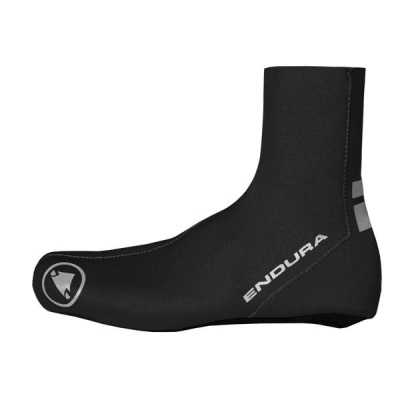
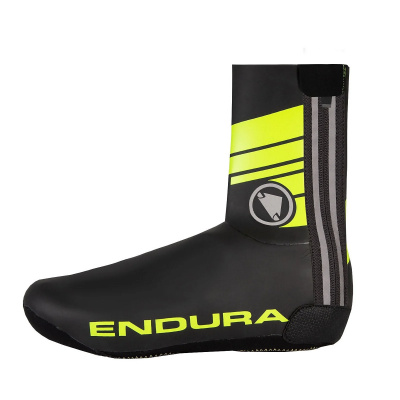
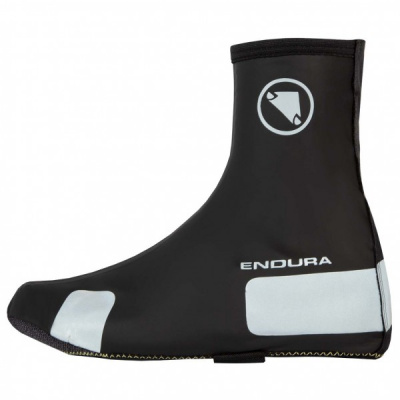
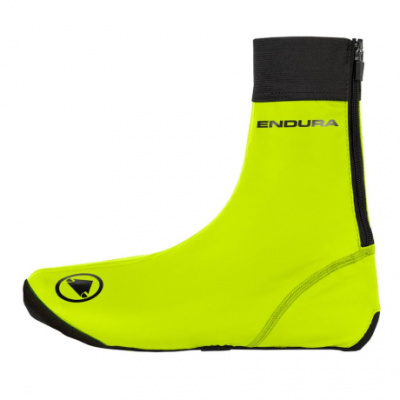
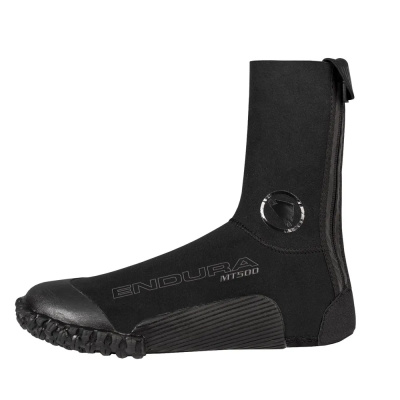
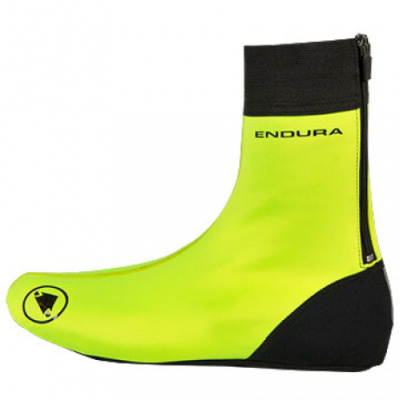
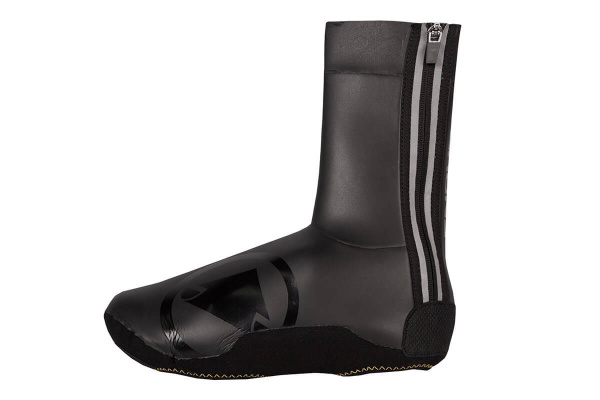
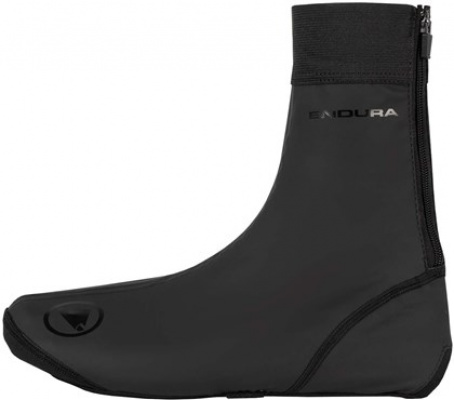
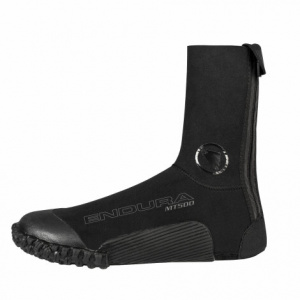
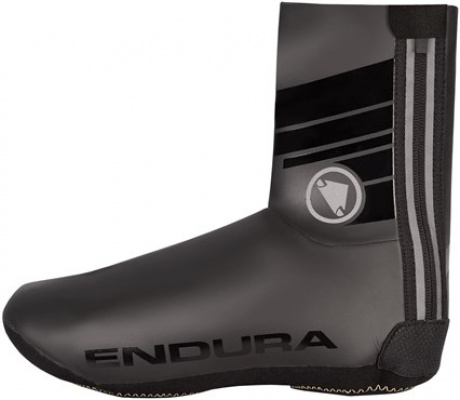
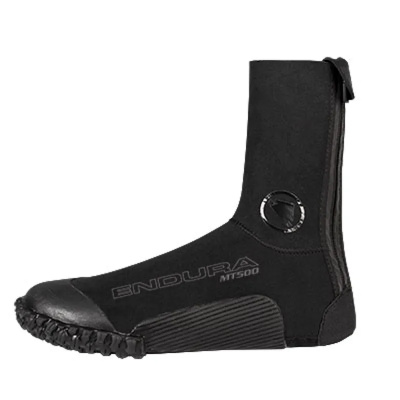
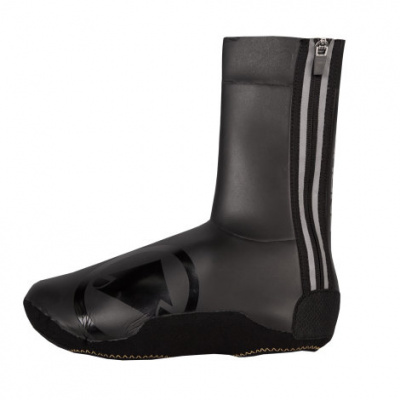
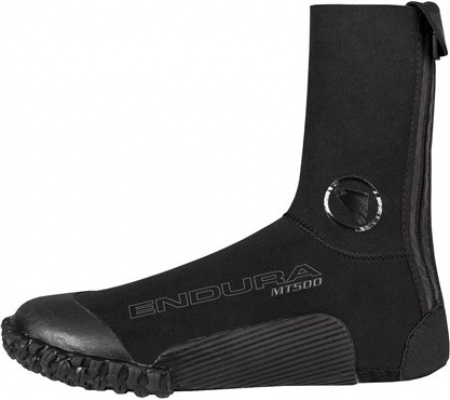
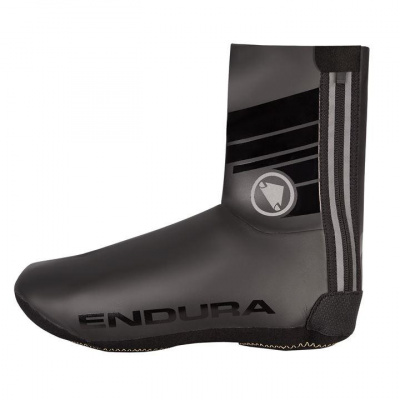
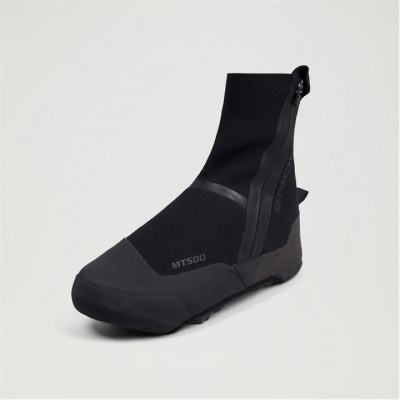
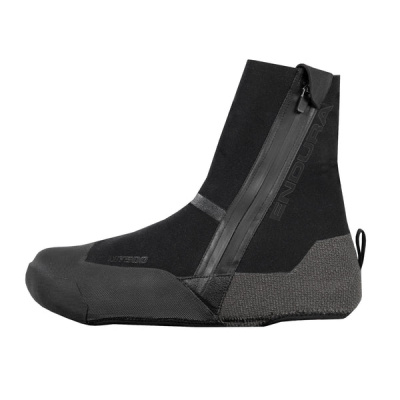
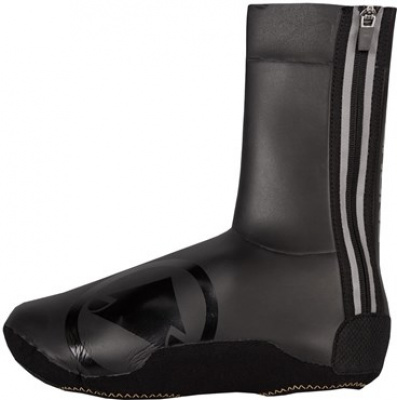
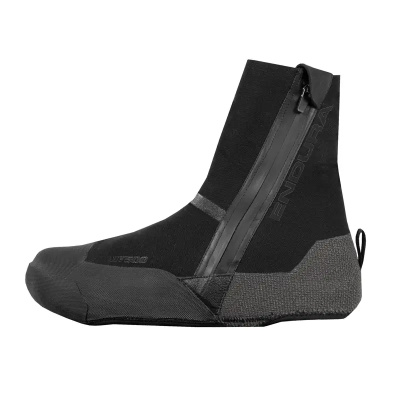
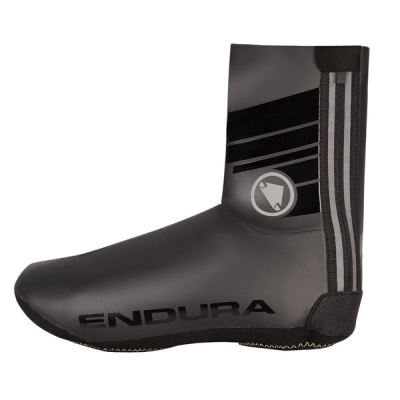
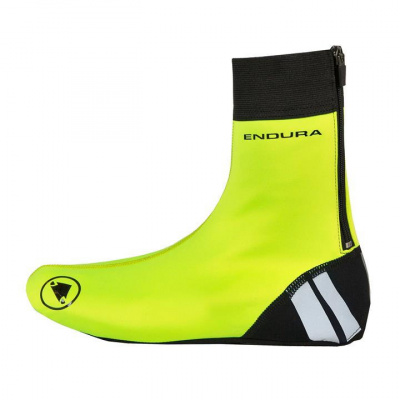
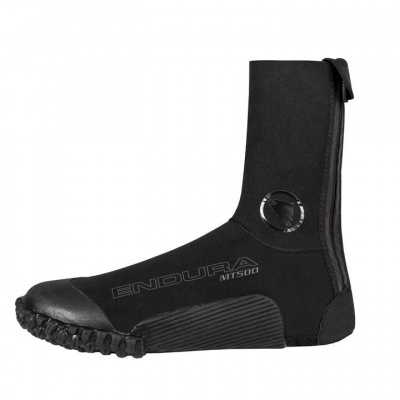
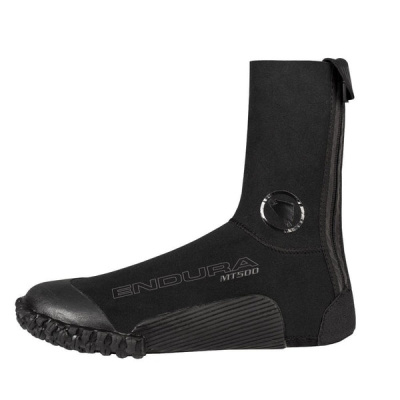
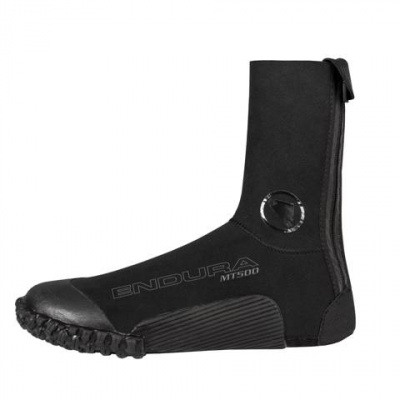
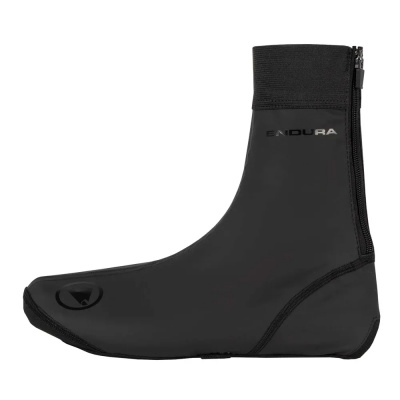
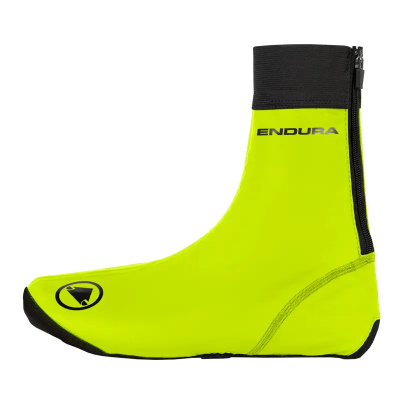
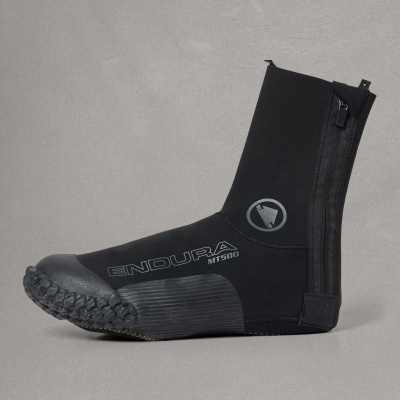
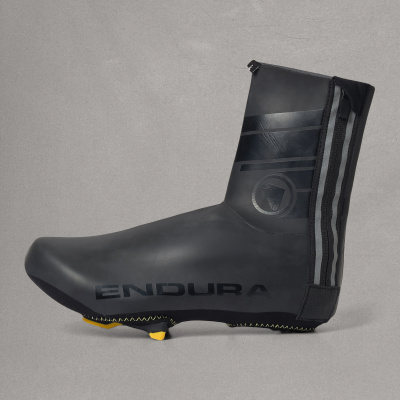
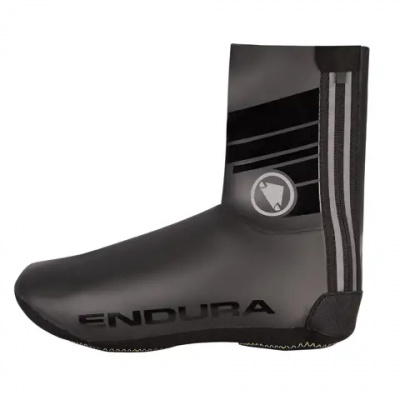
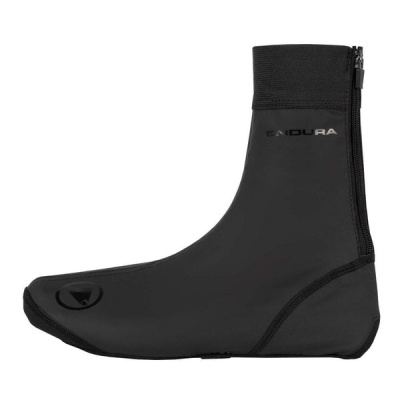
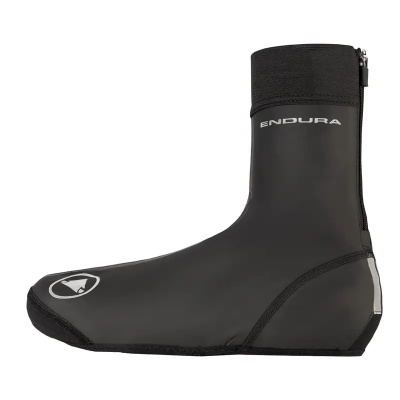
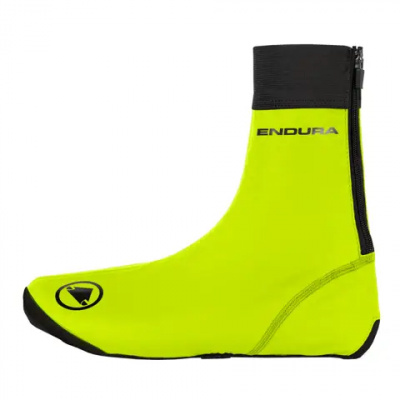
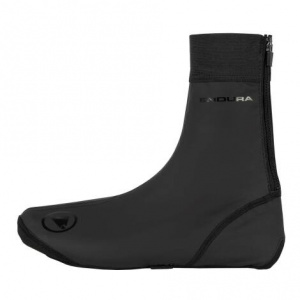
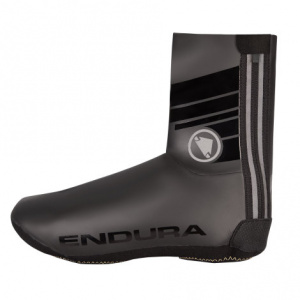
The MT500 series is the off-road workhorse - wide-fitting, Kevlar-reinforced, and tough enough to survive hike-a-bike sections without tearing apart at the sole. If road miles are your thing, the FS260-Pro and road-specific models offer a sleeker, PU-coated alternative that cuts wind and deflects rain without adding bulk to your shoe stack. Both approaches use high-stretch neoprene or PU coatings, with welded seams and intuitive zip closures that you can actually operate with cold, numb fingers.
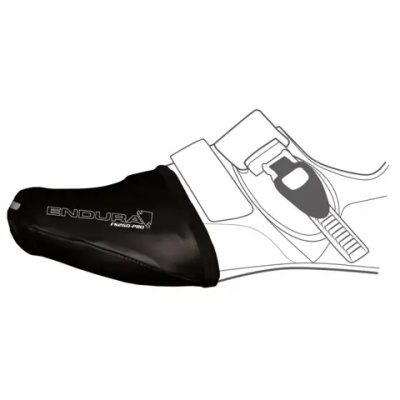
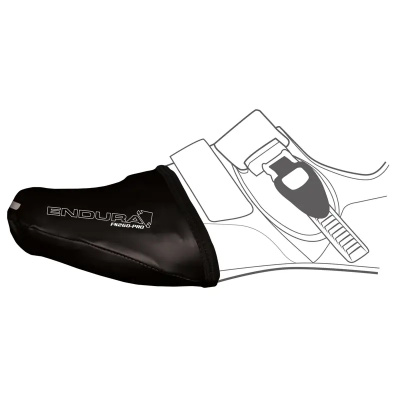
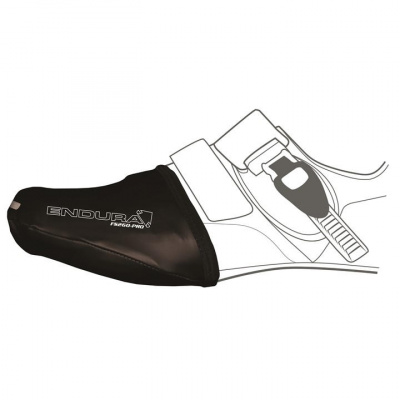
Toe covers give you a lightweight option for damp autumn mornings when full overshoes feel like overkill. This collection spans from those packable essentials right through to deep-winter armour - so whether you're heading out for a café run or a muddy all-dayer, there's something here that fits the ride.
Prices and availability can change quickly. Delivery charges are not always included in listed prices.
Final price, stock status and delivery terms are set by retailer. We may receive a commission on purchases made.
Neoprene or PU Coating - What's the Difference?
The material choice is where Endura's range splits into two clear camps, and picking the wrong one for your riding makes a noticeable difference. Neoprene is the classic cold-weather choice - it traps a thin layer of warm air against your shoe and keeps insulating even when it's damp, which makes it the sensible call for deep winter riding on exposed roads or wet winter trail days. It's also forgiving if your fit isn't perfect, stretching to accommodate a range of shoe shapes without cutting off circulation at the ankle.
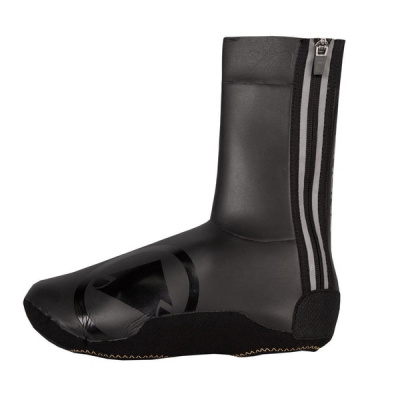
PU (Polyurethane) coated models work differently. They're thinner, lighter, and highly windproof, making them more suited to hard road efforts where you want weather protection without the thermal bulk. On a dry but biting February morning in the Peak District, a PU model will cut the wind chill cleanly while keeping your shoe profile tidy. They deflect rain well in moderate conditions, though neoprene edges ahead when you're riding through prolonged downpours.
Both material types share a key feature worth knowing about: Kevlar and Aramid-reinforced sole panels and toe sections. This is practical detail, not marketing. Every time you put a foot down at traffic lights, cross gravel on a climb, or walk a rocky section, the sole of your overshoe takes abrasive punishment. Without reinforcement, neoprene and PU tear quickly at the edges. Endura's use of Kevlar backing at the base extends the life of the overshoe considerably - it's the difference between a season's use and a couple of rides before you're patching holes.
MT500, FS260-Pro, and Road - Which Fits Your Shoes?
The fit difference between Endura's MTB and road models is more significant than it might look on the shelf. The MT500 range is cut wider to accommodate the chunkier profile of MTB and gravel shoes - the kind with deep, lugged soles and recessed cleats. The sole cutouts are larger and more generously shaped, so your tread pattern isn't fighting against the overshoe every time you click in. If you're pairing these with Endura MTB or gravel shoes, the MT500 is the natural companion - it's designed with that wider last in mind.
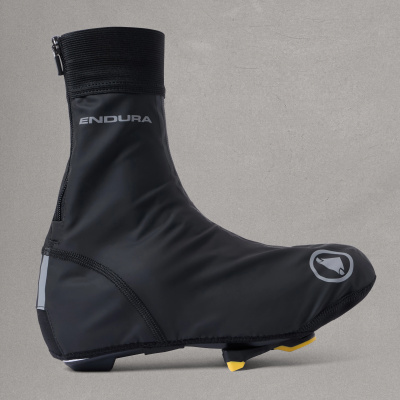
Road-specific models like the FS260-Pro sit tighter against the shoe and use minimal sole cutouts to maintain an aerodynamic profile. That snug fit only works well with slimmer road shoes - force a road overshoe onto a chunky trail shoe and you'll either tear the zip or end up with a wrinkled, poorly sealed fit that defeats the point.
On sizing: if you're at the top of a size bracket, go up. It's a consistent pattern across the range, and it matters more with neoprene models where a slightly tight fit compresses the material and reduces its thermal performance. For road models where you want that close fit, stick to your standard shoe size. Riders in wide-fit shoes or those layering over thick winter socks should also size up - getting the overshoe on at the roadside in the cold is hard enough without fighting a size that's borderline.
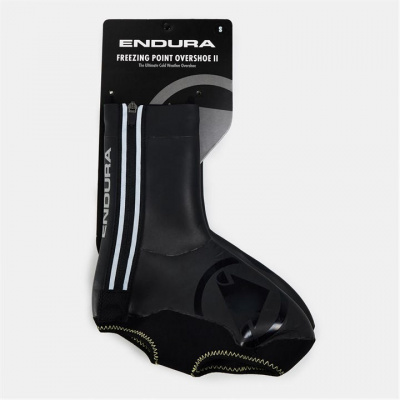
The rear zip closure and Velcro trim are a small detail that makes a real difference on a cold morning - you're not fumbling with awkward fastenings when your hands are already cold before you've set off. Twin zip and Velcro systems mean the fit stays put on longer rides without gradually working loose at the ankle.
Getting the Most Out of Them in UK Conditions
One practical detail a lot of riders miss: pull your waterproof overtrousers or bib tights over the top of your overshoes, not tucked inside. It sounds obvious, but riding with tights inside the overshoe creates a funnel - water runs straight down your leg and pools inside the top. Tights over the cuff keeps the run-off outside the system. On a properly wet Welsh lanes day, that single adjustment keeps your feet dry for a noticeably longer stretch of the ride.
For sustained winter riding, pairing your overshoes with Endura waterproof socks adds a meaningful extra layer of defence against the cold water that eventually finds its way through the cleat hole at the sole. No overshoe seals that gap completely - it's a structural compromise. The sock layer compensates for it without adding much bulk.
Waterproof cycling jackets complete the picture on really foul days, but overshoes are often the last piece of kit riders add to their winter setup. Cold feet end rides. Warm, dry feet don't.
Care matters if you want these to last more than one winter. Don't put neoprene overshoes through a hot machine wash - it degrades the structure and starts to separate the bonded layers. A cold hose-down after a muddy ride, or a gentle hand wash in cool water, is all they need. Skip fabric softener entirely; it compromises both the neoprene's thermal properties and any PU coating. Hang them to dry naturally, away from direct heat sources. That's all there is to it - they'll hold up season after season if you're not cooking them in a 60-degree cycle.
If you're comparing Endura against the broader market, the MT500 sits in similar territory to what dedicated MTB-focused brands produce, but the road and transitional models are where Endura's Scottish weather-testing background gives them a particular edge for UK-specific conditions. The reflective detailing across the range is a quiet but useful addition for the low-light riding that makes up most of the UK winter cycling calendar.
Related searches:
Endura Overshoes FAQs
Are Endura overshoes fully waterproof?
The MT500 and FS260-Pro both use waterproof neoprene or PU coatings with welded seams, so they handle rain and spray well. In sustained heavy downpours, water can eventually creep in through the cleat hole at the sole or run down your leg into the top - pulling your tights over the cuff and using waterproof socks underneath addresses both entry points effectively.
Should I size up when buying Endura overshoes?
Yes, if you're at the top of a size bracket or wearing bulkier MTB or gravel shoes, sizing up is the right call - it makes fitting easier and prevents neoprene compression that reduces warmth. For road models where a snug, aerodynamic fit matters, your standard shoe size is generally fine.
Can I use Endura road overshoes for mountain biking?
Not really. Road overshoes like the FS260-Pro have a narrow fit, smaller sole cutouts, and no Kevlar sole reinforcement - put them through hike-a-bike sections or rocky trail walking and they'll tear quickly. The MT500 is built specifically for that kind of abuse, with reinforced soles and wider cleat openings for MTB shoe profiles.