
Endura Jackets
Endura cycling jackets have been shaped by Scotland's genuinely grim weather - and that provenance shows in every design decision. Founded in Edinburgh, the brand has spent decades solving a problem every UK rider knows well: staying dry without cooking yourself alive. Whether you're threading singletrack in the Brecon Beacons, grinding out a winter commute through city drizzle, or chasing gaps on a exposed road loop, there's a jacket in the range built around that exact problem.
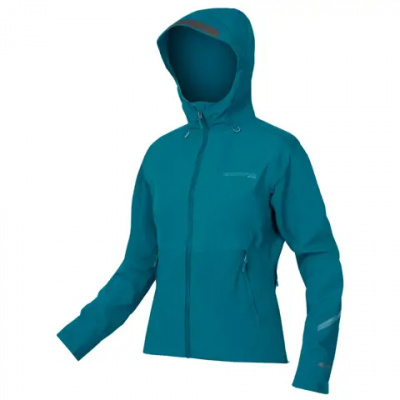
The MT500 series handles the rough end - think abrasive trail riding where fabric durability matters as much as waterproofing. The Pro SL range takes an aerodynamic approach for road riders who want weather protection that doesn't billow at speed. Between those two poles sit packable windproof shells and insulated winter options that cover the full spectrum of what UK riding actually demands.
What ties the range together is Endura's proprietary ExoShell fabric technology, PFC-free DWR coatings, and fully seam-sealed construction. These aren't marketing terms - they're the difference between a jacket that handles a Welsh February squall and one that lets you down on the first big climb. Add PrimaLoft insulation in the thermal options and you've got a range that covers the whole calendar.
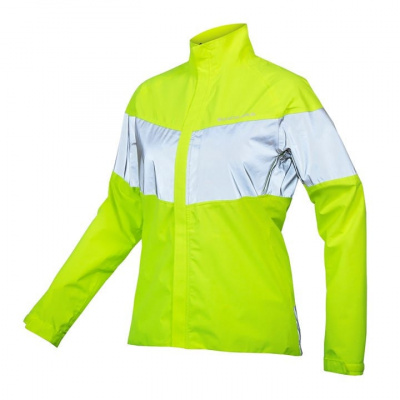
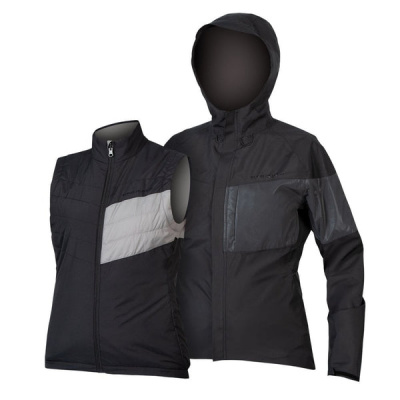
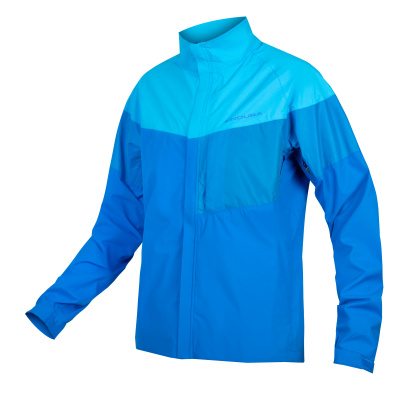
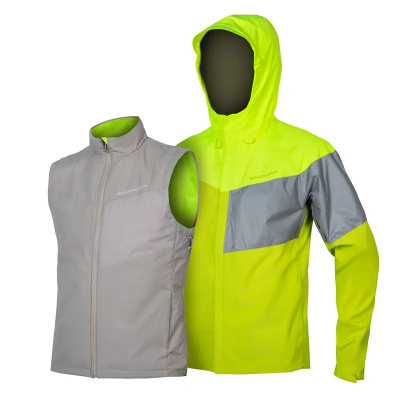
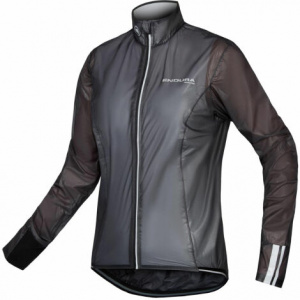
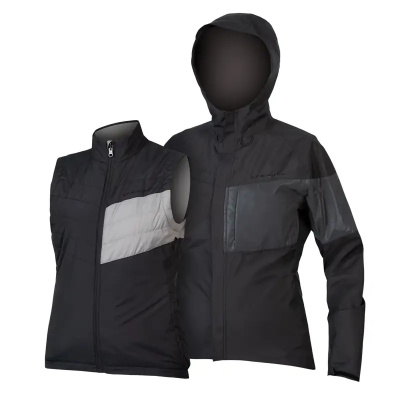
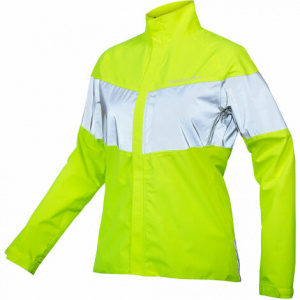
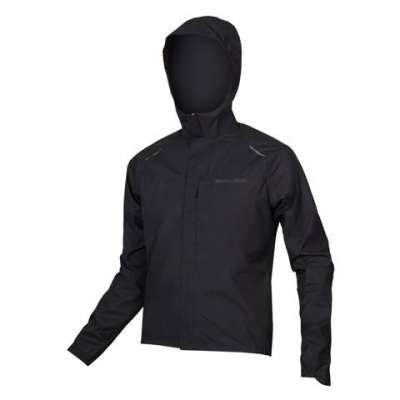
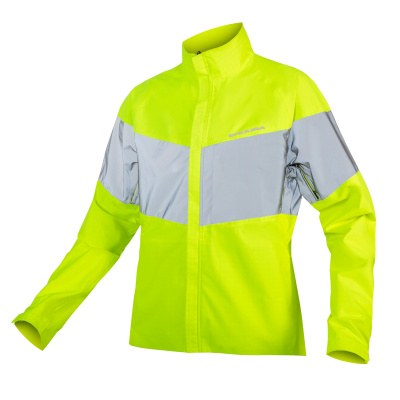
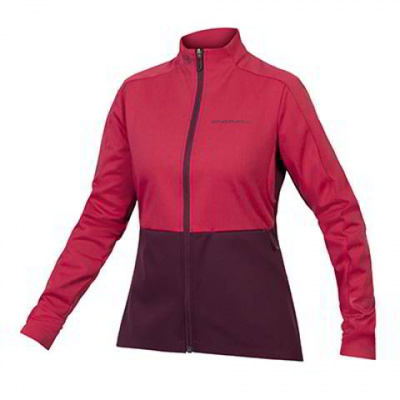
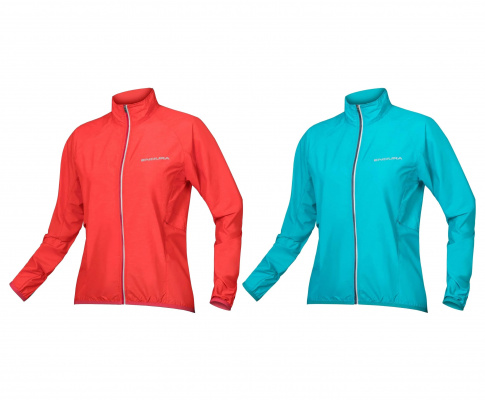
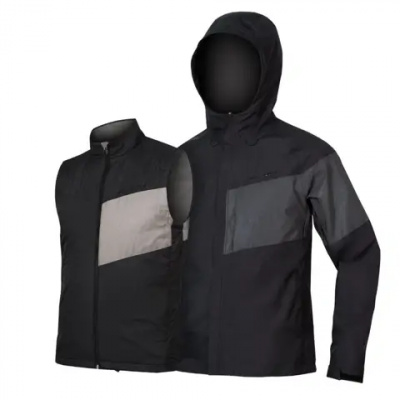
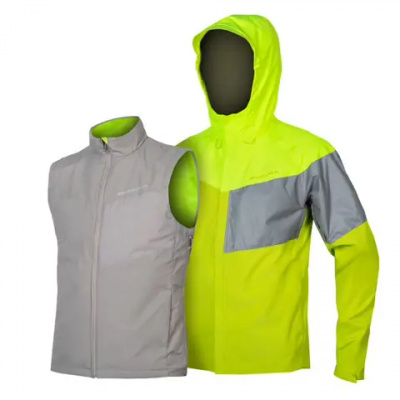
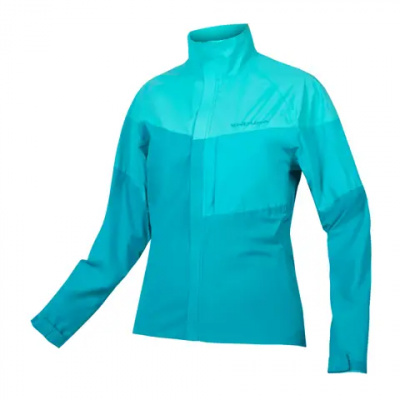
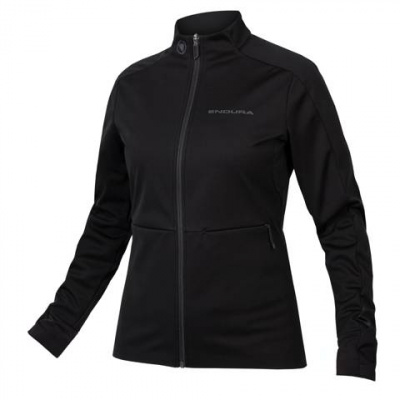
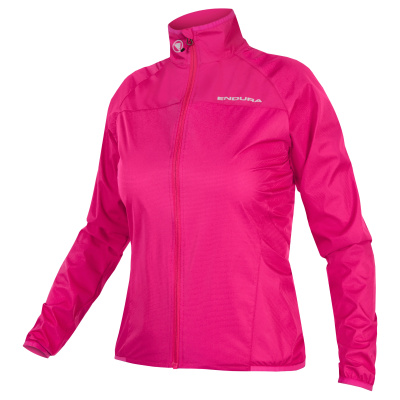
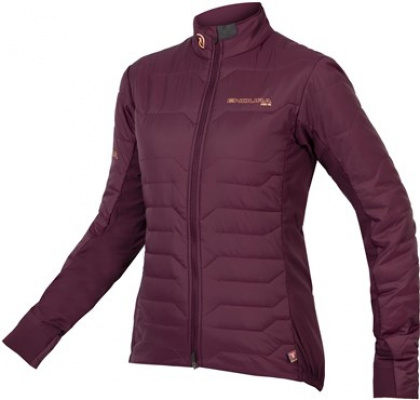
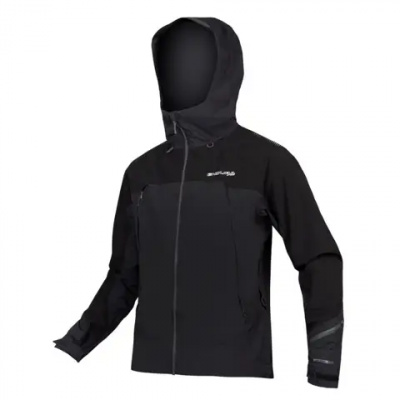
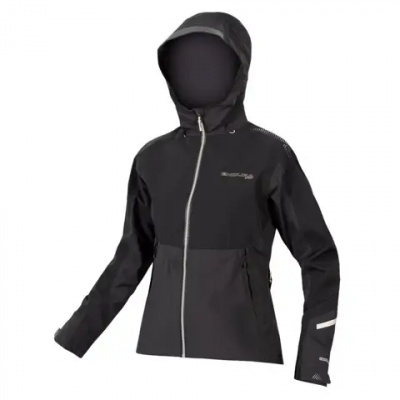
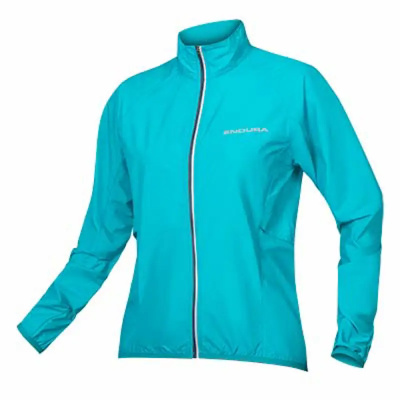
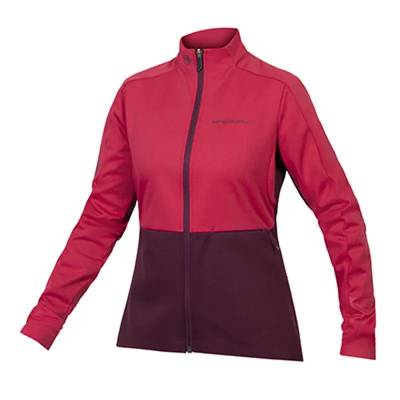
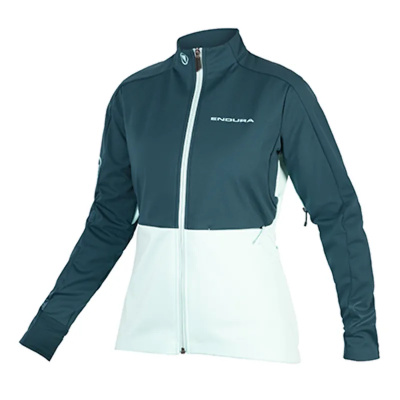
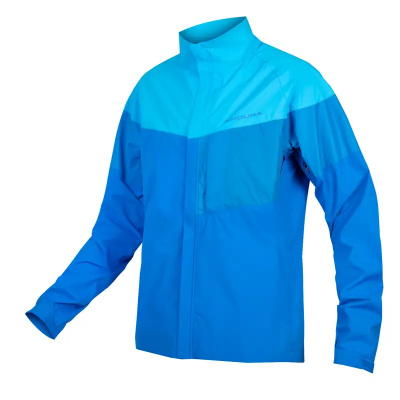
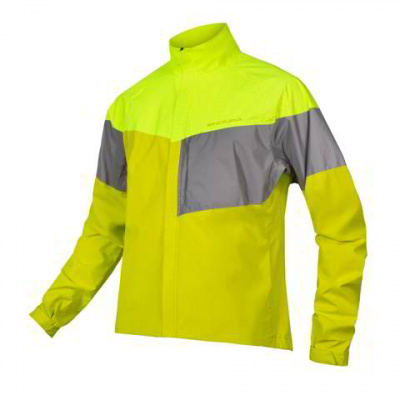
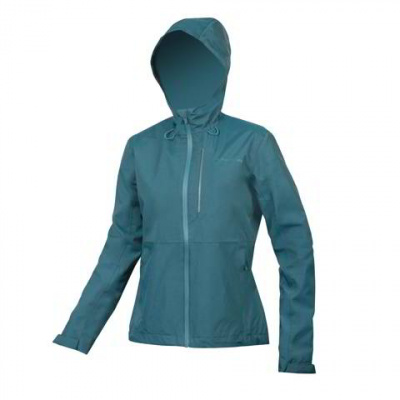

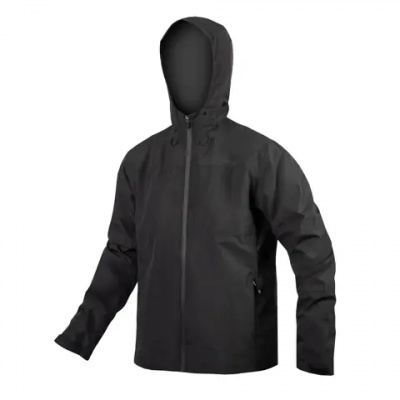
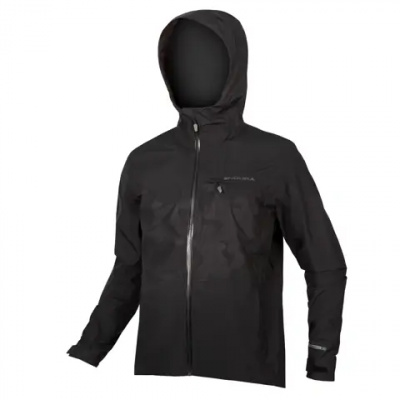
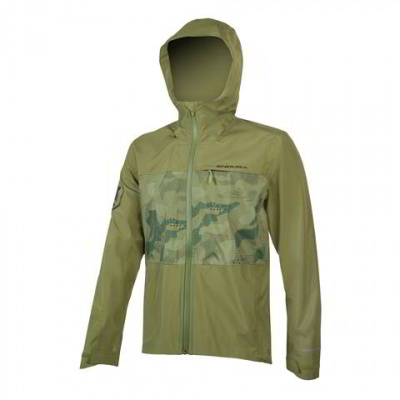
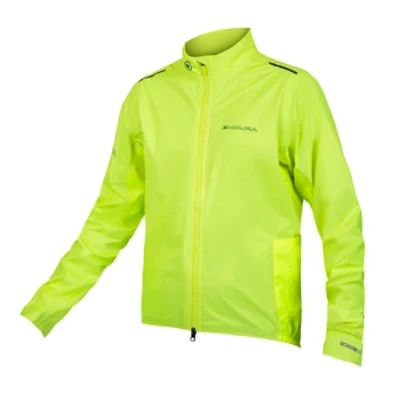
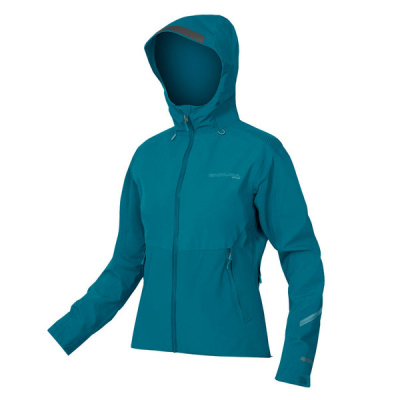
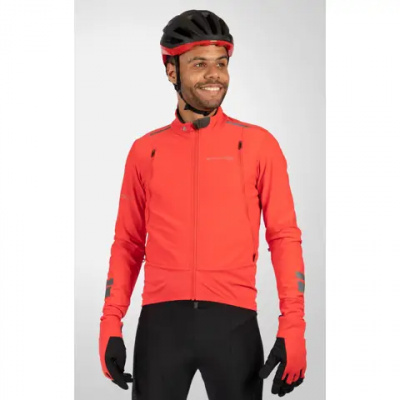
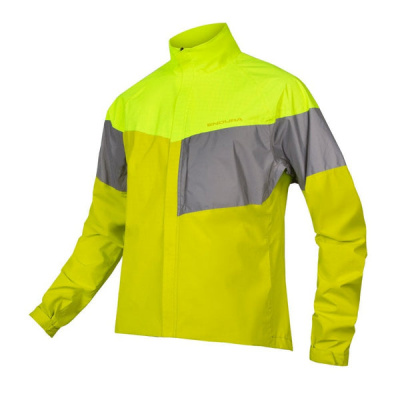
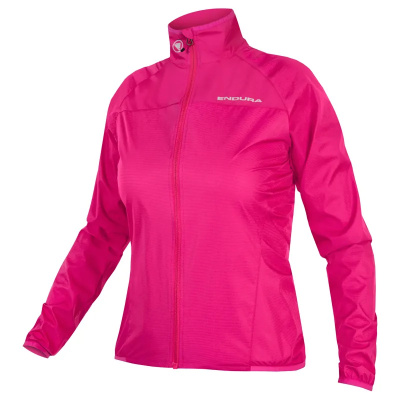
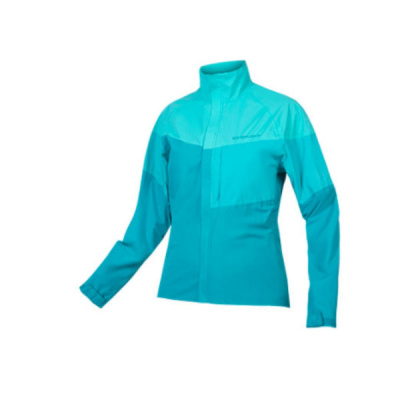
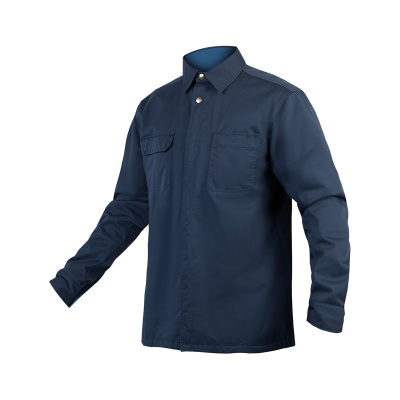
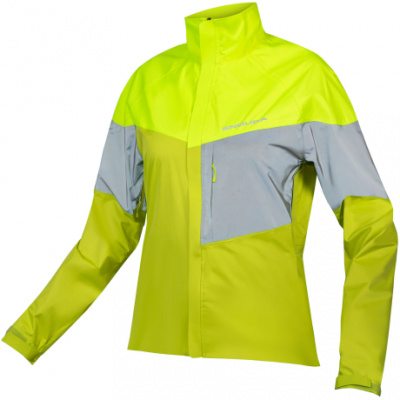
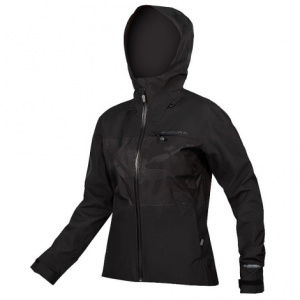
Prices and availability can change quickly. Delivery charges are not always included in listed prices.
Final price, stock status and delivery terms are set by retailer. We may receive a commission on purchases made.
How Endura's Fabric Tech Actually Works in the Rain
Endura builds its waterproof jackets around three tiers of ExoShell fabric, and the differences matter more than the names suggest. ExoShell 20 is the lightest and most packable - good for wind and light showers, but it won't hold up against a sustained Welsh downpour. Step up to ExoShell 40 and you get a meaningful jump in both waterproof rating and breathability, which is where most trail and road riders will want to be. ExoShell 60 is the serious end: a 60,000mm waterproof column paired with a high breathability rating, designed for riders who'll be out in prolonged, heavy rain without the option to stop. That breathability figure isn't academic - on a humid autumn climb, a jacket that can't move moisture outward turns into a steam room fast.
All performance-tier Endura jackets use fully seam-sealed construction, meaning the stitching lines - usually the first place water finds a way in - are taped over from the inside. It's the detail that separates a genuinely waterproof jacket from one that's merely water-resistant. The PFC-free DWR coating on the outer face fabric beads water off the surface before it can saturate the shell and drag down breathability. PFC-free formulations are now the industry standard for environmental reasons, and Endura's version holds up well across multiple wash cycles - though it does need occasional reactivation (more on that below). For deep winter riding, selected jackets add PrimaLoft insulation, which retains warmth even when damp - useful when a descent drops your core temperature faster than you expect. Underarm zipped vents feature on several models too, letting you dump heat on steep climbs without unzipping the front and soaking your jersey.
Picking the Right Endura Jacket for Your Riding
The range splits fairly cleanly by discipline, and getting this decision right saves you from buying a jacket that works against you. The Pro SL and FS260 lines are cut close to the body - long in the back, tight through the arms, with minimal fabric to catch the wind. That athletic fit works brilliantly on the road but feels restrictive if you're standing up on the pedals over roots. These are jackets designed around a road riding position, and they perform best when you stay in it.
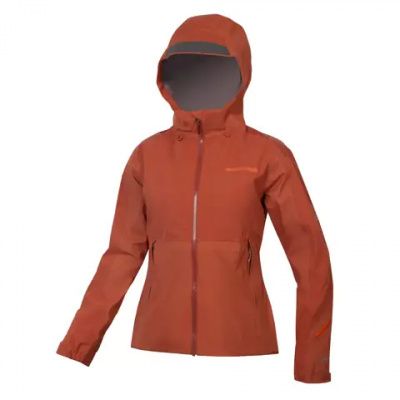
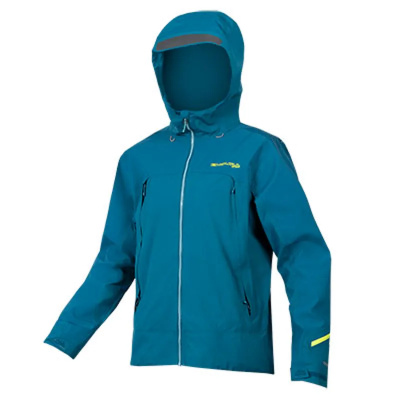
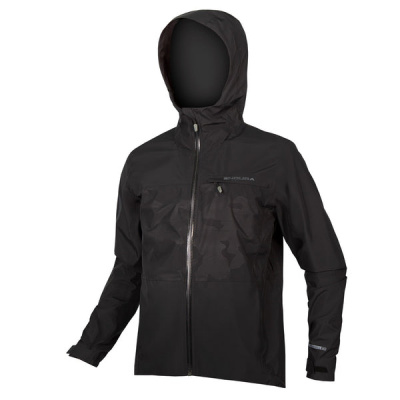
The Endura MT500 jacket sits at the opposite end of the spectrum. It's cut with an articulated, trail-specific pattern that gives you freedom of movement when things get technical. The fabric is heavier and more abrasion-resistant than the road options - relevant when you're pushing through gorse or taking a slow-speed tumble on a Peak District gritstone trail. It'll also layer comfortably over a thicker mid-layer or light body armour without pulling across the shoulders. The SingleTrack range sits just below the MT500 in the hierarchy: similar relaxed trail fit, slightly heavier fabric construction, and a more accessible price point for riders who don't need the absolute ceiling of ExoShell 60 performance.
If warmth is the priority rather than full weather protection, it's worth checking out Endura gilets - a sleeveless layer that keeps your core warm on climbs while letting you shed it on the descent without stuffing a full jacket into a pocket. Pair either option with Endura arm warmers for a modular system that adapts as the temperature swings across a long ride.
One practical point on sizing: Endura's road jackets are cut assuming you're wearing a base layer and a jersey underneath, not a thick fleece mid-layer. If you're planning to stack multiple thermal layers beneath a Pro SL jacket for winter riding, size up. The MT500 already accounts for bulk, so standard sizing works there.
Layering Strategy and Keeping Your Jacket Working
A jacket is only as good as what's underneath it. Wearing a cotton base layer under an ExoShell shell is a reliable way to end up cold and miserable - cotton holds moisture against your skin rather than pushing it outward. Pair your Endura jacket with a moisture-wicking base layer and, when temperatures drop, a thermal jersey or lightweight fleece mid-layer. The jacket's breathability rating only translates into comfort if the layers beneath it are doing their job. Think of the system as a chain: break it at the base and the whole thing fails.
On washing: this is where a lot of riders quietly wreck their waterproof jackets. Biological detergents and fabric softeners both damage DWR coatings and block the membrane's breathability over time. Wash your Endura waterproof cycling jacket at 30°C with a technical cleaner - Nikwax Tech Wash or Grangers Performance Wash are the go-to options. After washing, tumble dry on a low heat setting or use a cool iron over a cloth. That gentle heat is what reactivates the DWR coating - skipping this step is why jackets start to wet out and feel clammy after a few washes. If your jacket is beading water less effectively than it used to, a wash-in or spray-on DWR restorer will often bring it back before you need to think about replacing it.
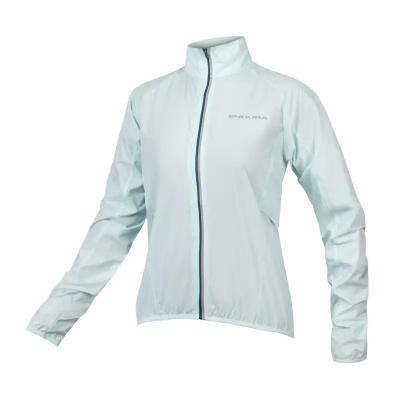
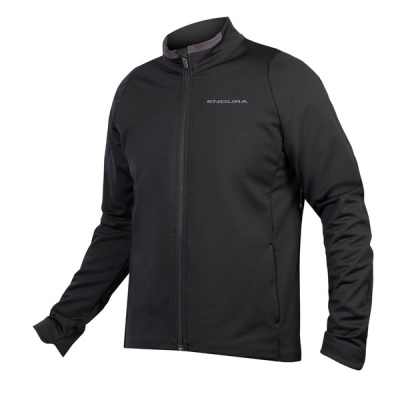
For days when rain isn't forecast but the wind is cutting across an open moor, an Endura windproof jacket or a packable shell stowed in your jersey pocket is the low-faff answer. Pair it with Endura jerseys that have a decent rear pocket depth, and you'll have it out and on before the chill bites. On the lower body, Endura overtrousers complete the waterproof system on genuinely wet days - there's not much point in keeping your top half dry if your legs are soaked through.
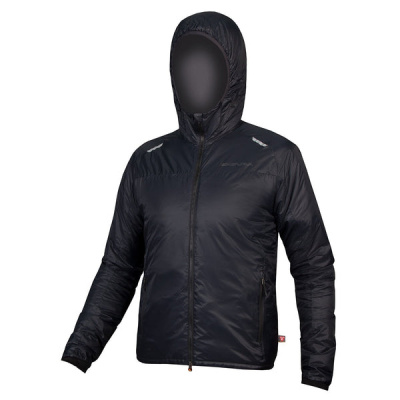
The Endura winter cycling jacket options with PrimaLoft insulation are worth considering for rides where you're not generating consistent power output - audax events, bikepacking overnighters, or cold-weather commutes where you're stopping and starting. Insulated jackets retain warmth when you're stationary in a way that an unlined shell simply doesn't.
Related searches:
Endura Jackets FAQs
Are Endura jackets true to size?
Generally, yes - but the cut varies significantly between ranges. Pro SL and FS260 jackets run with a close, aerodynamic road fit, so if you're layering heavily underneath, size up. MT500 and SingleTrack jackets use a more relaxed, articulated trail cut with room for mid-layers or light body armour, and these tend to fit as expected across standard sizing.
How do I wash my Endura waterproof jacket?
Wash at 30°C using a technical cleaner like Nikwax Tech Wash or Grangers Performance Wash - avoid biological detergents and fabric softeners, which degrade the DWR coating and block membrane breathability. After washing, tumble dry on low heat or use a cool iron over a cloth. That gentle heat step reactivates the DWR coating and keeps the ExoShell fabric performing properly.
What is the difference between Endura MT500 and SingleTrack jackets?
The MT500 is Endura's flagship MTB jacket, using ExoShell 40 or 60 fabric for maximum waterproofing and breathability in aggressive, prolonged conditions. The SingleTrack range delivers solid trail-ready weather protection with slightly heavier fabric construction and a more accessible price point - capable enough for most UK trail riding, just not the absolute ceiling of the MT500.