
Endura MTB & Gravel Shoes
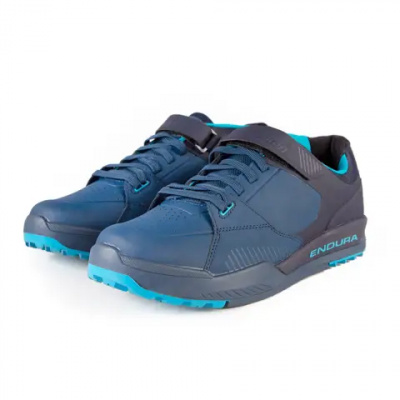
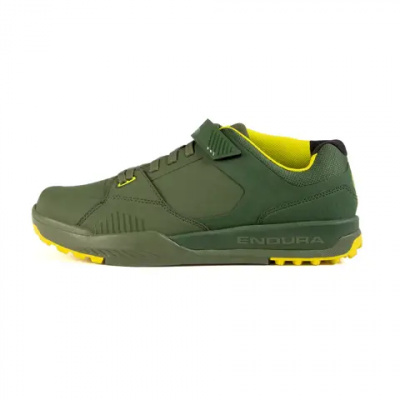
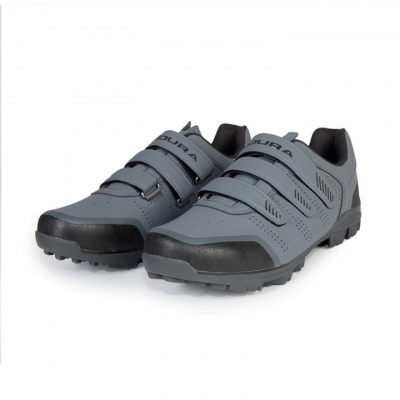
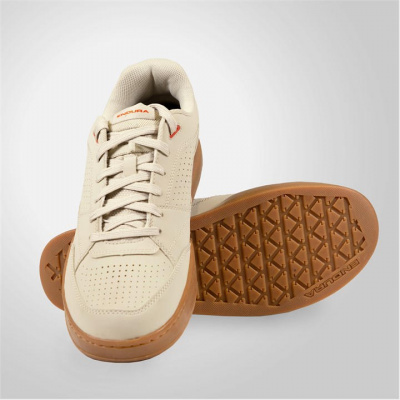
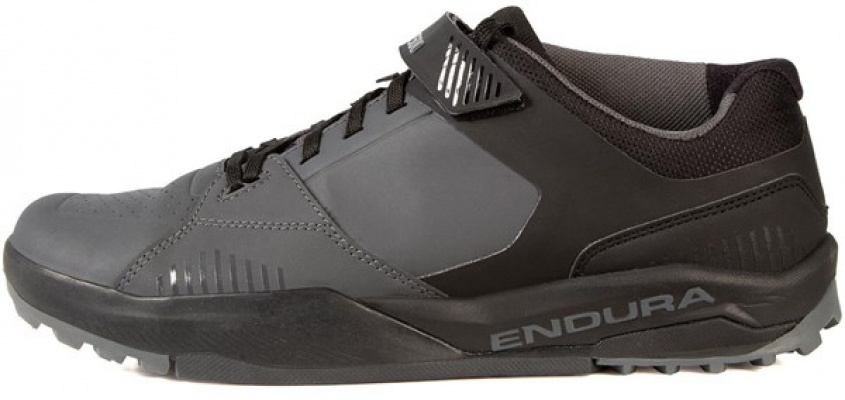
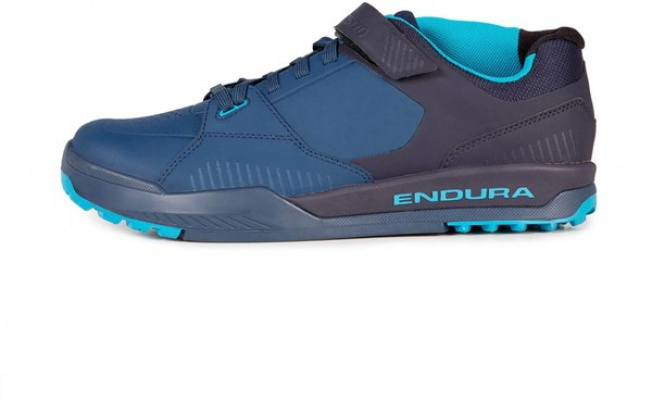
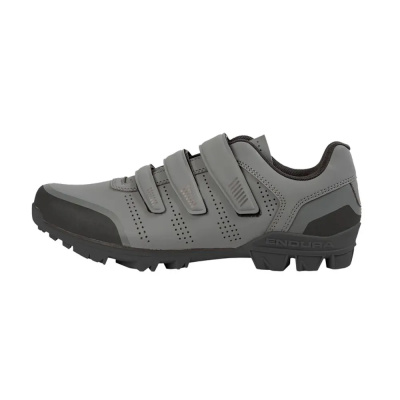
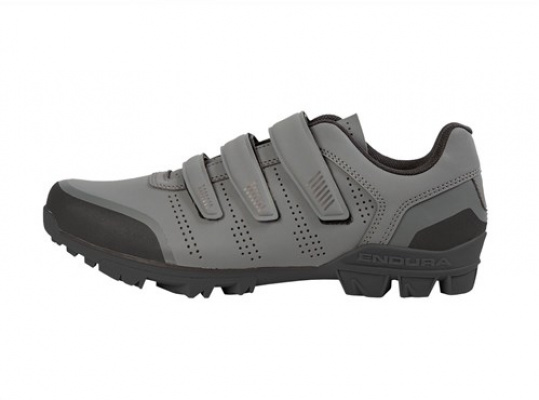
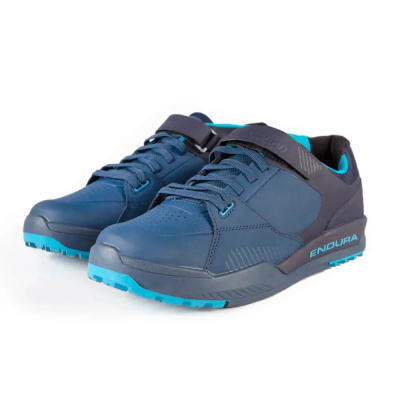
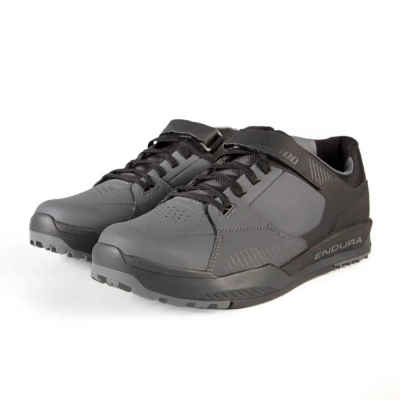
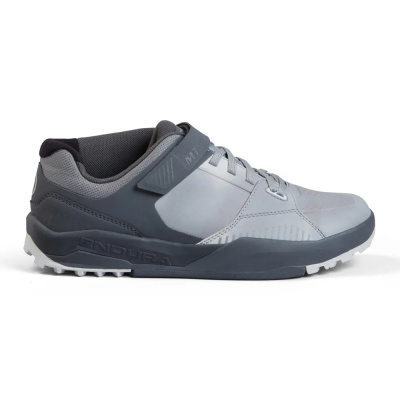
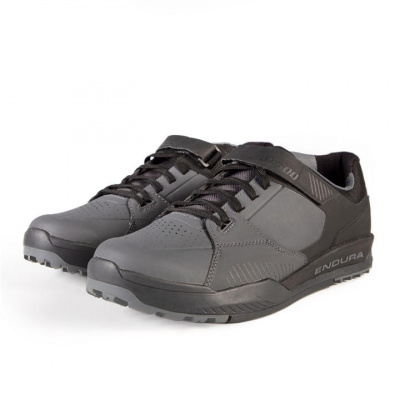
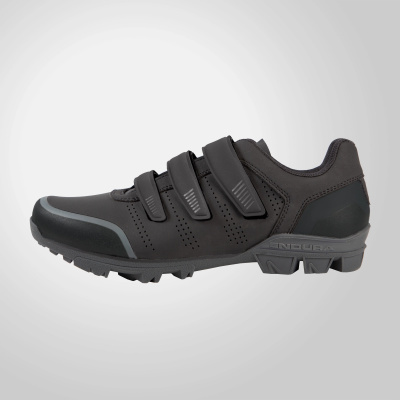
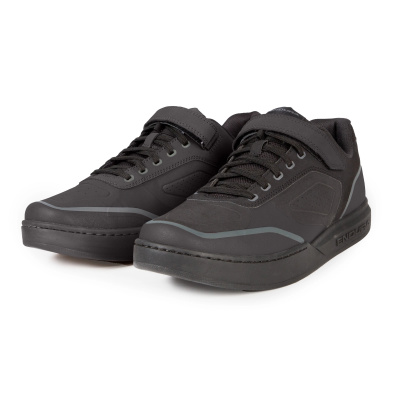
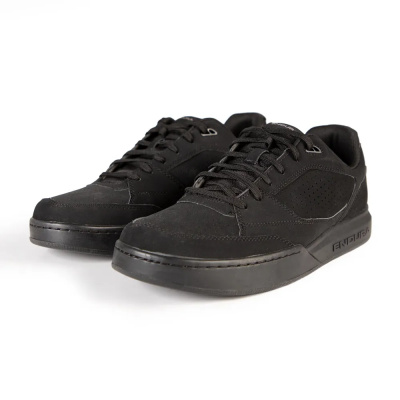
Endura MTB & Gravel Shoes didn't arrive in a hurry - the brand took a deliberate run at footwear, partnering with renowned ergonomist Phil Burt to build shoes that genuinely support your foot under real trail loads, not just look the part on a shop shelf. The foundation is their proprietary StickyFoot™ rubber, which appears in two forms: a softer compound at the pedal contact zone for pin-locking grip on flats, and a harder-wearing compound at the heel and toe for traction when you're pushing through clinging mud. Underneath that, the EGM footbed - developed with Burt's biomechanical input - addresses arch support and metatarsal pressure, so long days in the saddle don't leave your feet screaming by the last descent.
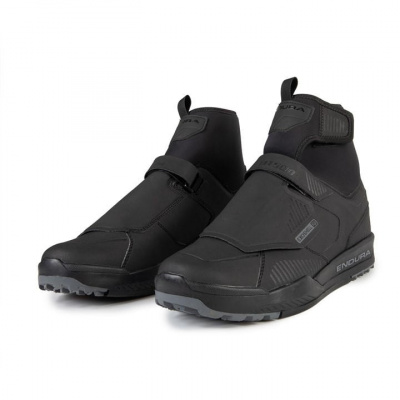
Whether you're clipped in for winter gravel miles or running flats on Peak District singletrack, there's a model built around your riding style. Synthetic uppers handle repeated soakings without turning into a sodden mess, and reinforced toe boxes take rock strikes without flinching. These are shoes designed with Scottish winters and Welsh valley hike-a-bikes firmly in mind - rugged, weather-aware, and thought through from the sole up.
Prices and availability can change quickly. Delivery charges are not always included in listed prices.
Final price, stock status and delivery terms are set by retailer. We may receive a commission on purchases made.
Sole Tech and Pedal Performance: The StickyFoot Advantage
The dual-compound sole is where Endura's engineering genuinely earns its keep. StickyFoot™ Grip rubber sits directly beneath the pedal contact zone - it's a softer, tackier compound that wraps around flat pedal pins and holds firm when you're pushing hard through a corner or landing a drop. It's not a gimmick; the difference between a grippy sole and a standard rubber is immediately obvious when you're standing on the pedals over rough ground.
At the heel and toe, StickyFoot™ Dura takes over. This is a denser, more abrasion-resistant compound built to handle the grit and rock of hike-a-bike sections - the kind of scrambling you get on Dartmoor tors or technical Welsh valley climbs where you're off the bike as much as on it. It doesn't wear through in a season, which cheaper soles absolutely do.
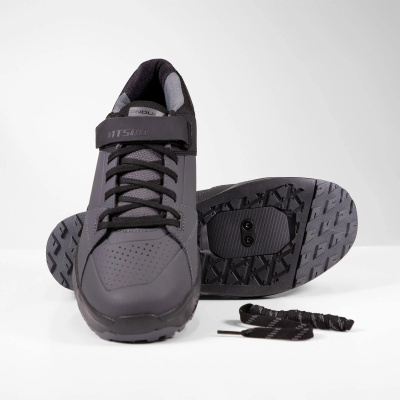
For clipless models, the 2-bolt cleat mount is the standard MTB format, compatible with Shimano SPD and most other two-bolt systems. The offset cleat box with an extended adjustment range lets you fine-tune your foot position properly - something worth taking time over if you're prone to knee niggles. Critically, there's generous mud clearance around the cleat box, so you can actually clip in after a muddy push rather than spending two minutes scraping gunk out with a stick. Anyone who's ridden a UK winter knows that detail matters more than it sounds.
Understanding the Endura Shoe Range and Fit
Endura's shoe line breaks into three clear camps, and picking the wrong one is an easy mistake if you're just going by looks.
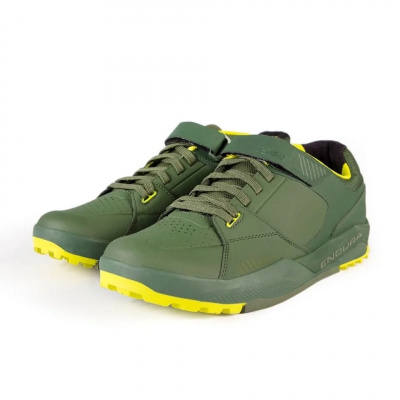
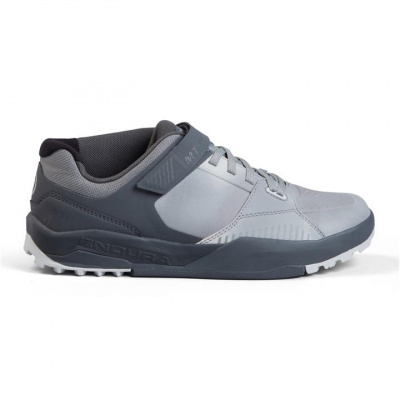
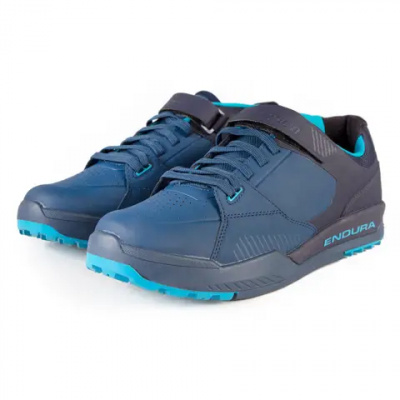
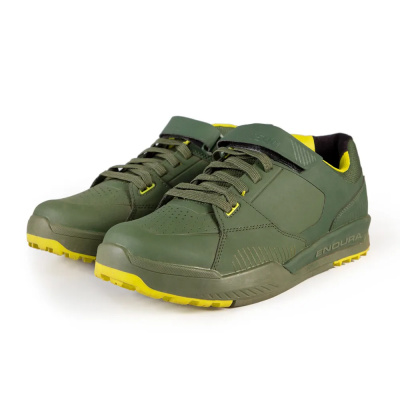
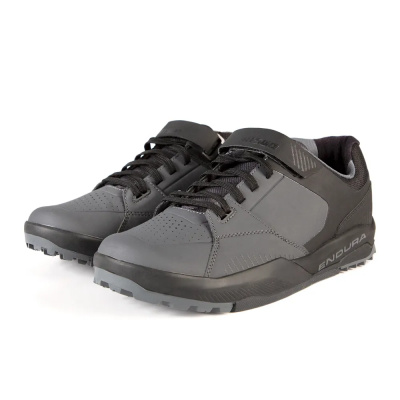
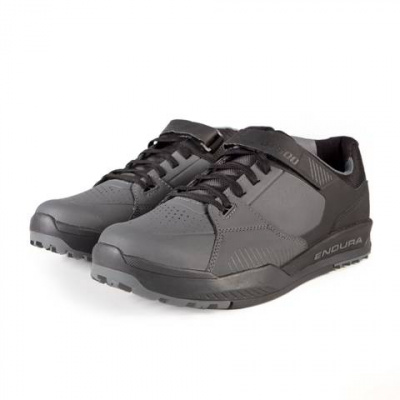
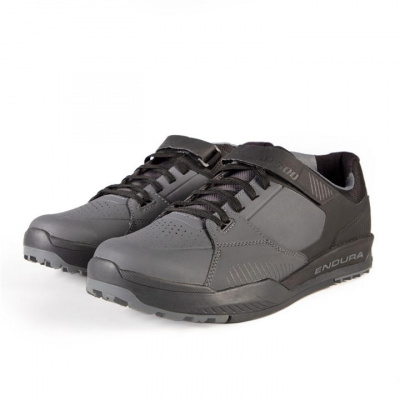
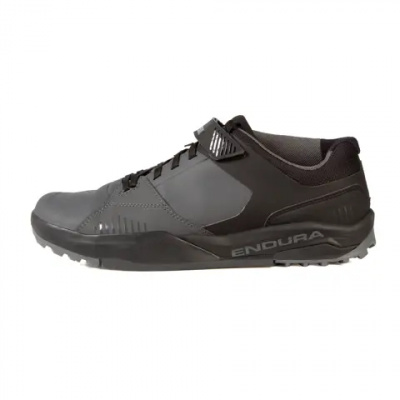
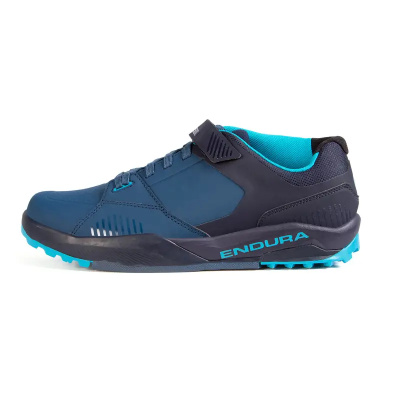
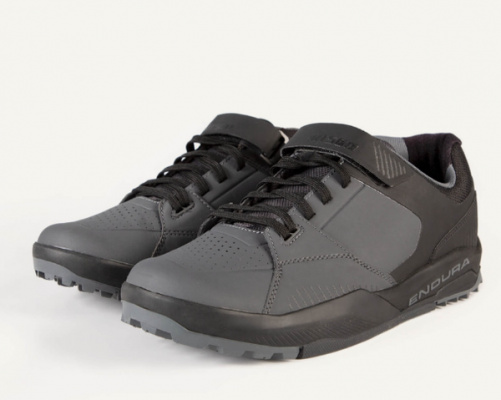
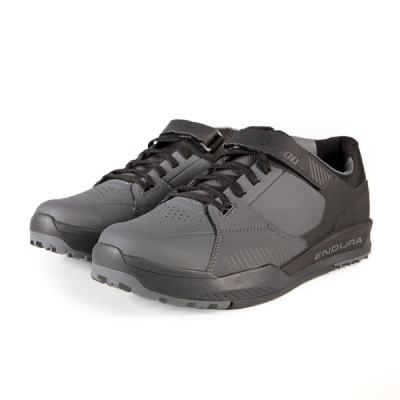
The MT500 range sits at the performance end. Stiff soles, high weather resistance, full EGM footbed support - these are built for trail and enduro riding where power transfer and protection are non-negotiable. If you're clocking big days in the hills and your feet need to feel secure rather than comfortable in a casual sense, this is your line. The reinforced toe box adds real protection without making the shoe feel like a boot, and the BOA® Fit System on higher-spec versions gives fast, precise micro-adjustment - particularly useful with cold, muddy hands at a trailhead.
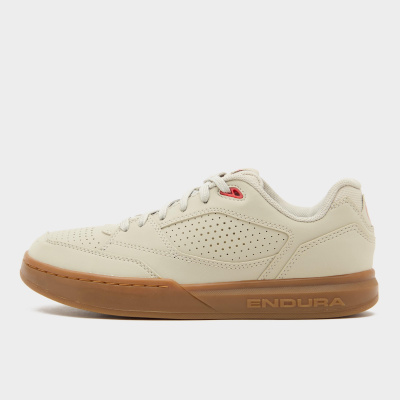
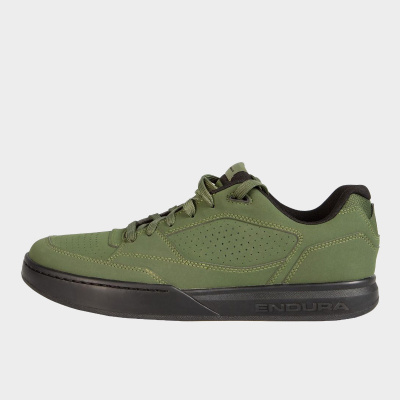
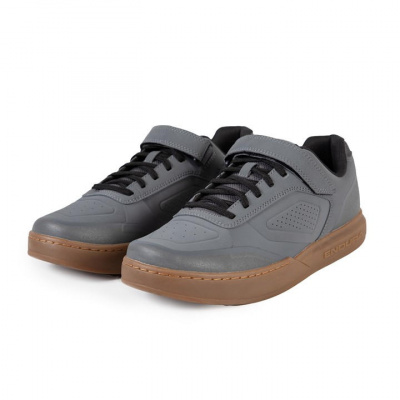
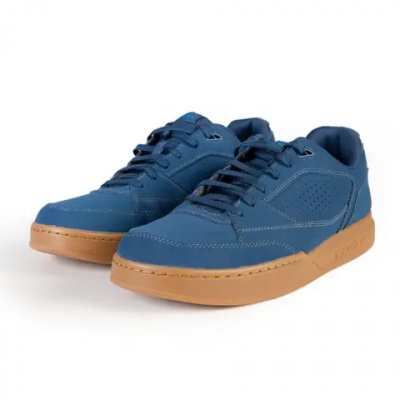
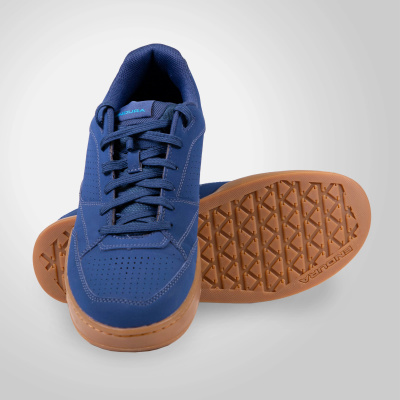
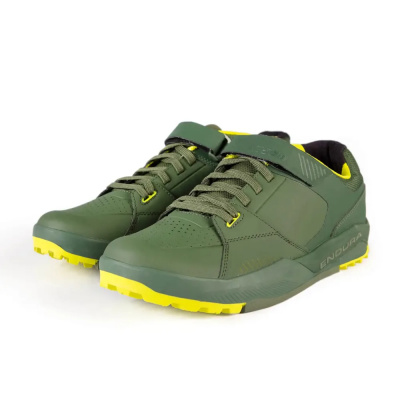
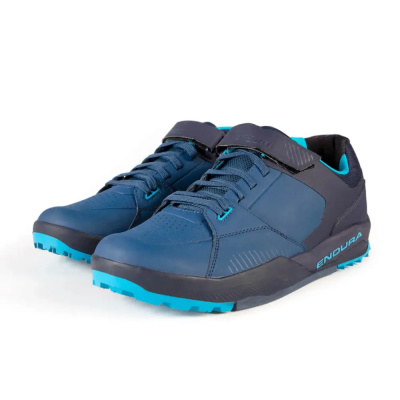
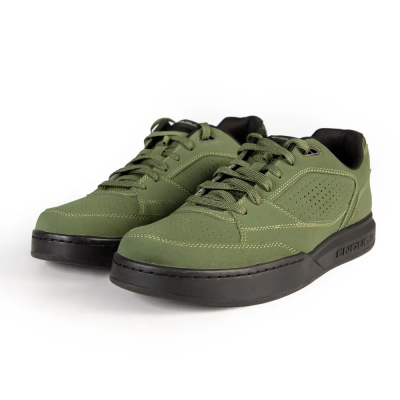
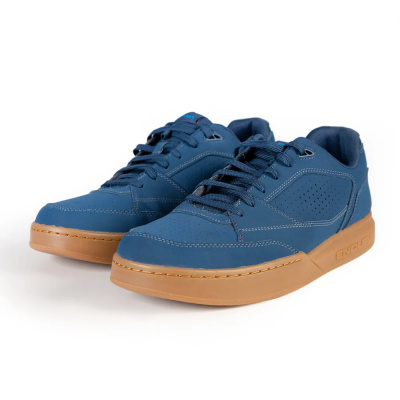
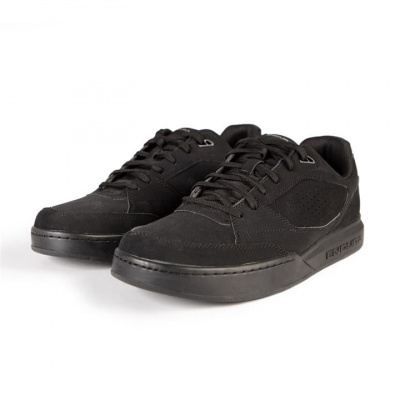
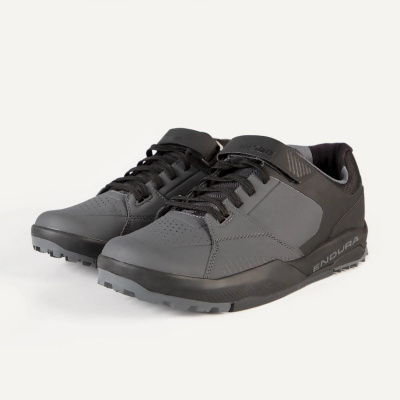
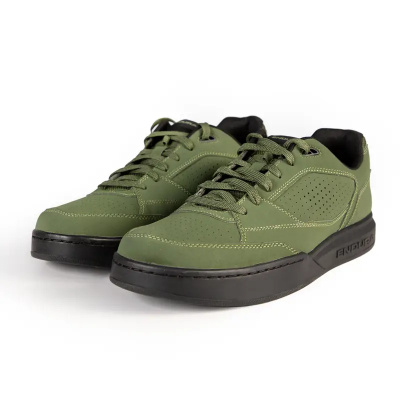
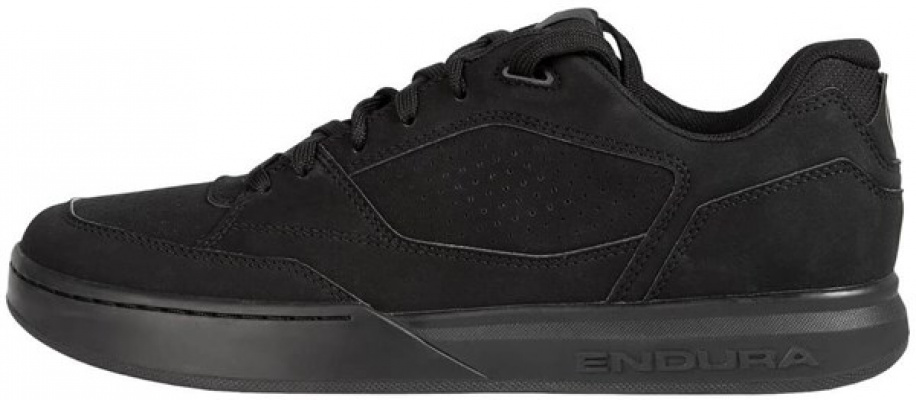
The Hummvee line takes a very different approach. Skate-shoe aesthetic, softer flex, more relaxed fit. These suit riders who want something that works on the trail but doesn't feel clinical off the bike - good for casual trail days, bike park laps, or anyone moving from skateboarding or BMX who finds stiff MTB shoes uncomfortable. Think of them as the entry point: capable, but not trying to be race kit. Pair them with some Endura MTB baggy shorts and you've got a relaxed trail setup that works all summer.
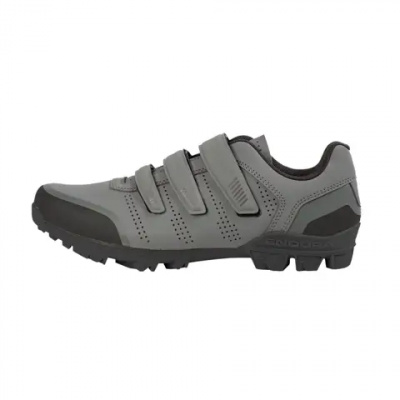
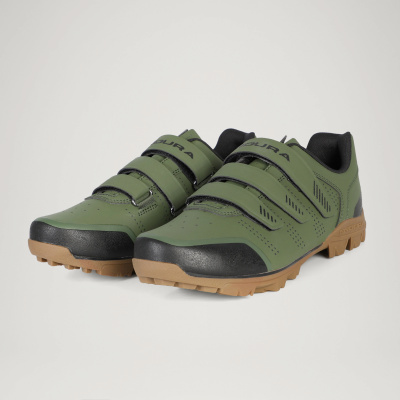
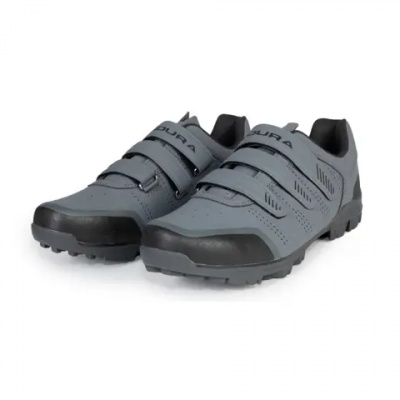
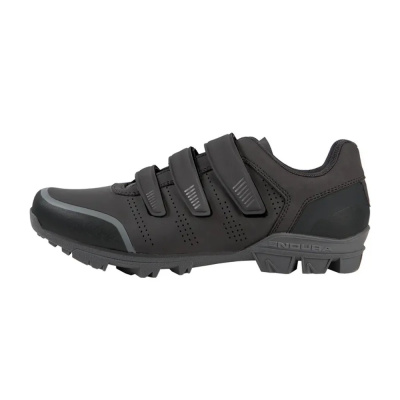
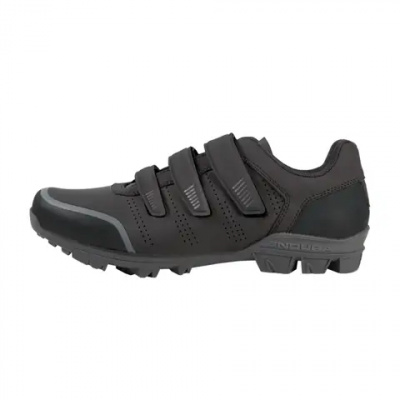
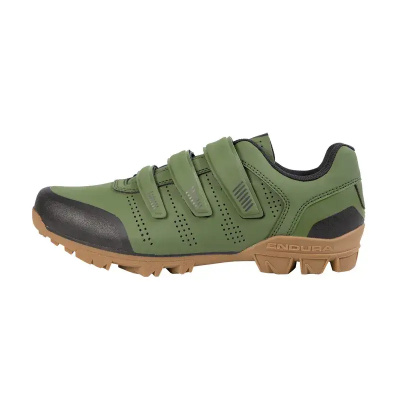
For gravel, the GV500 is the one to look at. Lighter, stiffer, built around longer road-adjacent efforts where efficiency across distance matters. It handles clipless pedal compatibility well and sits closer to a road shoe in sole stiffness while keeping enough tread for the odd unsealed stretch.
On sizing: Endura shoes generally run true to size, but the toe box is deliberately roomy - designed to accommodate thicker riding socks without pinching. If you're between sizes or you tend to wear heavier waterproof socks through winter, sizing up is the safer call. The EGM footbed itself is worth checking - it features a metatarsal button and structured arch support that makes a noticeable difference on longer efforts, reducing the hot spots that flat, unsupported insoles create over time. Worth pairing with Endura cycling socks for the full fit picture, especially if you're buying for winter use.
Weather Resistance and Post-Ride Care
Quick-drying synthetic uppers are a deliberate design choice here, not a cost-cutting measure. Unlike leather or heavily padded constructions, these shed water reasonably fast and don't hold onto weight when soaked - a real consideration when you're riding through standing water on a Yorkshire bridleway or pushing through coastal mud in Cornwall.
That said, no shoe is fully waterproof without a membrane, and if you're riding through serious winter deluges, you'll want to add Endura overshoes to keep the cold at bay. The shoes will survive repeated soakings, but your feet won't thank you without an extra layer in December.
After a muddy ride, the temptation is to chuck them near a radiator. Don't. Direct heat causes sole delamination over time - the glue bond between upper and midsole breaks down faster than the rubber wears out. Stuff them with newspaper, leave them somewhere with airflow, and let them dry at room temperature. It takes longer, but the shoes last considerably longer too. Knock the worst of the mud off first and check the cleat recess is clear, especially on clipless models. On cold days, Endura trail trousers over the top of the shoe collar help keep muck out of the ankle area and give you a complete barrier against the worst of the British winter.
Related searches:
Endura MTB & Gravel Shoes FAQs
Are Endura MTB shoes true to size?
Generally yes - Endura shoes fit true to size with a deliberately roomy toe box designed for thicker riding socks. If you're between sizes or regularly wear heavy waterproof socks through winter, size up. Getting this right matters more than it seems; a tight toe box on a long gravel ride becomes a real problem by hour three.
What is the difference between Endura MT500 and Hummvee shoes?
The MT500 is built for serious trail and enduro use - stiffer sole, full EGM footbed support, higher weather resistance, and more protective construction. The Hummvee is softer, more flexible, with a relaxed skate-style fit that suits casual trail riding, bike parks, or everyday use. If you're pushing hard in the hills, MT500. If you want something comfortable and low-key, Hummvee.
Do Endura clipless shoes work with all MTB pedals?
Endura clipless shoes use a standard 2-bolt cleat mount, which means they're compatible with Shimano SPD, Crankbrothers, Time, and HT Components pedals - basically the full range of MTB two-bolt systems. The offset cleat box gives you extended fore-aft adjustment to dial in your foot position, which is worth taking seriously if you've had knee issues with other setups.