
Funkier Jackets
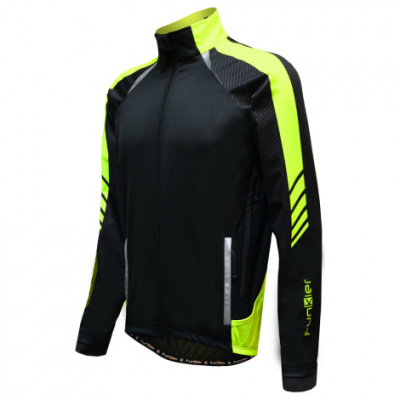
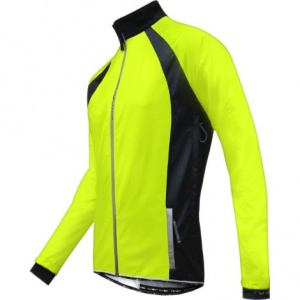
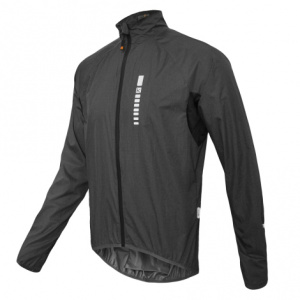
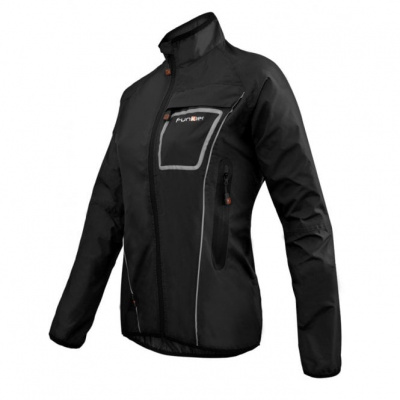
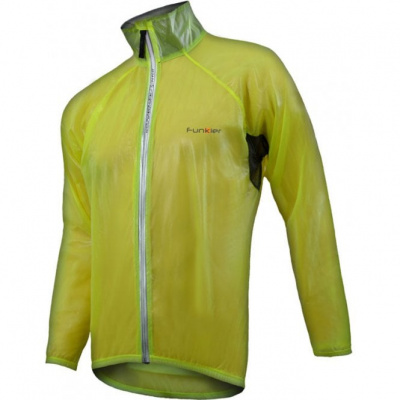
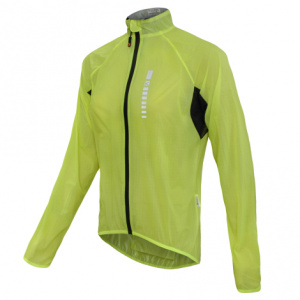
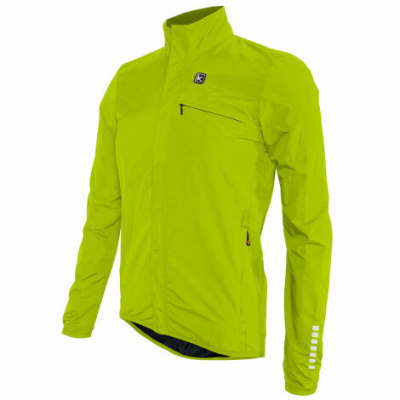
Funkier cycling jackets cover the full spectrum of UK weather - from the kind of drizzle that sneaks up on a Sunday morning to the full-force winter gales that make exposed moorland climbs genuinely brutal. The range runs from packable windproof shells, light enough to stuff in a back pocket before a fast descent, through to heavy-duty winter jackets lined with microfleece for when the temperature properly drops and the base miles feel like hard work just to start.
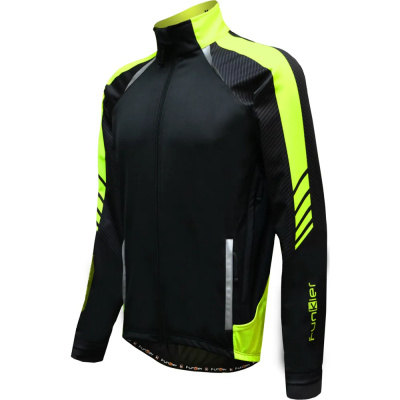
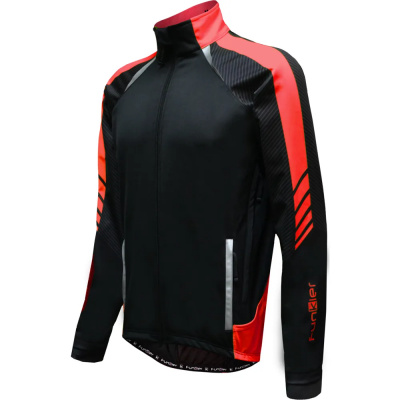
What ties the range together is the practical engineering. TPU waterproof membranes block rain and wind without sealing you inside your own microclimate. DWR-treated outer fabrics bead water off the surface before it can soak through. Dropped tails keep road spray off your lower back. Reflective detailing does real work in the low-light conditions that dominate UK winters - not just a token strip of silver on the hem.
The fit is designed for riding, not standing around. A close active cut stops the jacket ballooning on descents, and there's enough room at the chest and shoulders for a base layer and jersey underneath. Whether you're commuting through city drizzle or grinding up a Pennine climb in November, Funkier outerwear is positioned to be genuinely useful kit at a realistic price point.
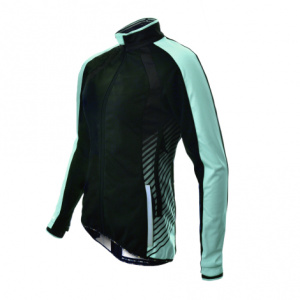
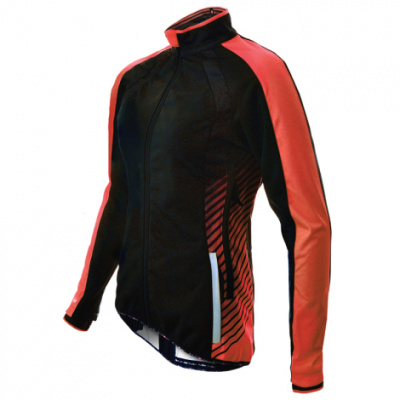
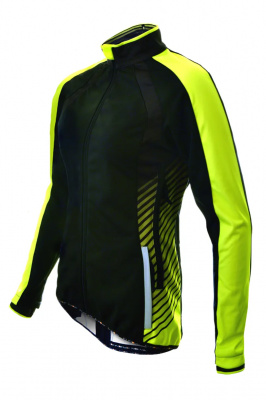
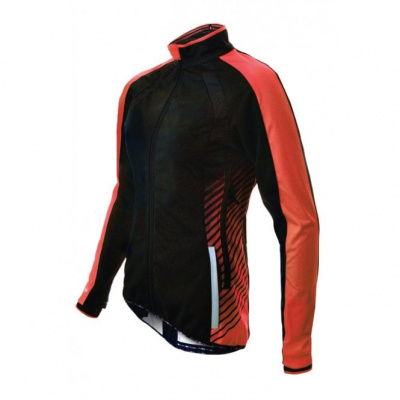
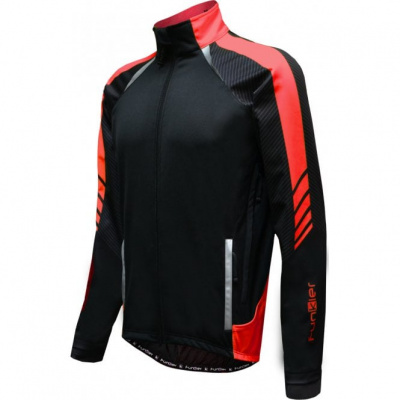
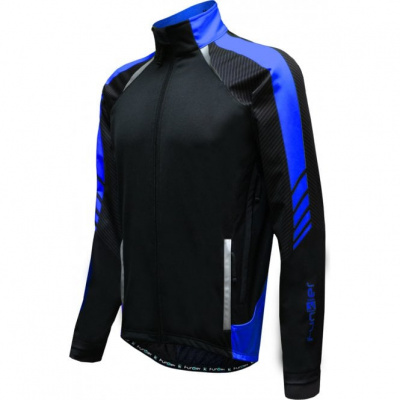
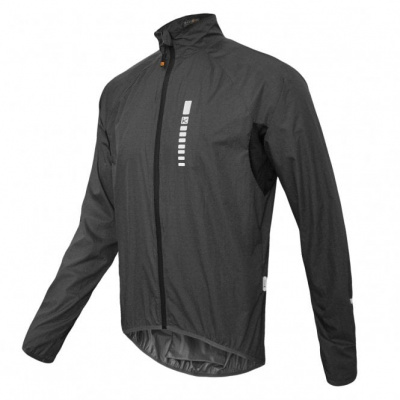
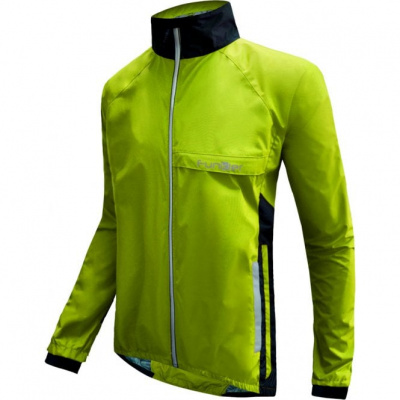
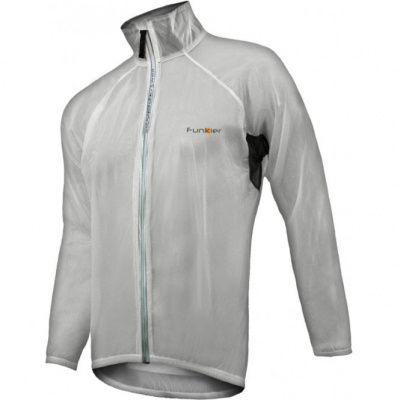
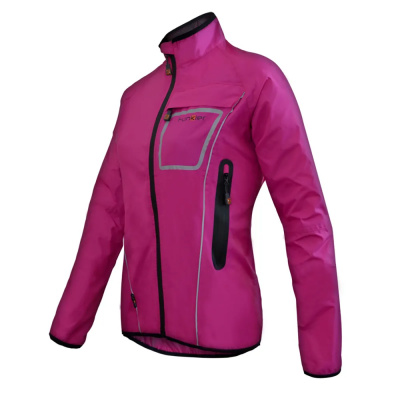
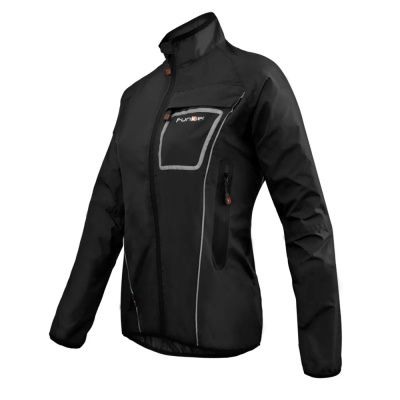
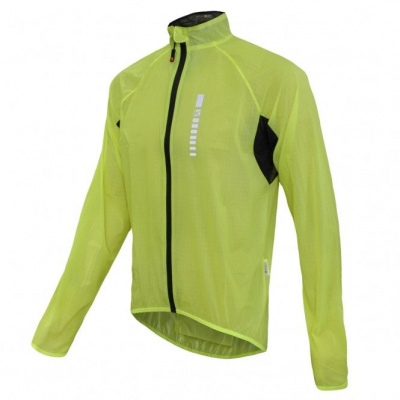
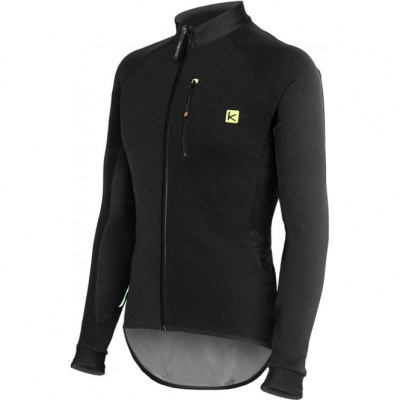
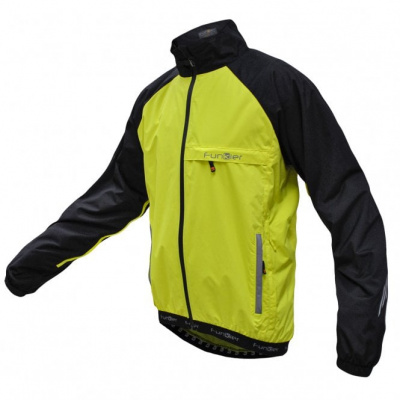
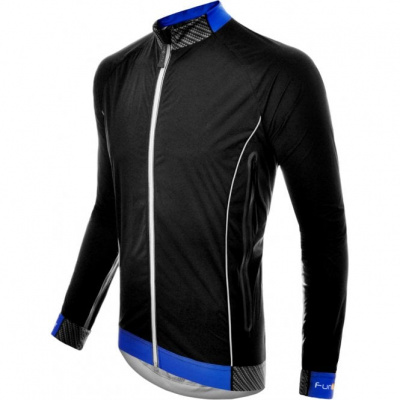
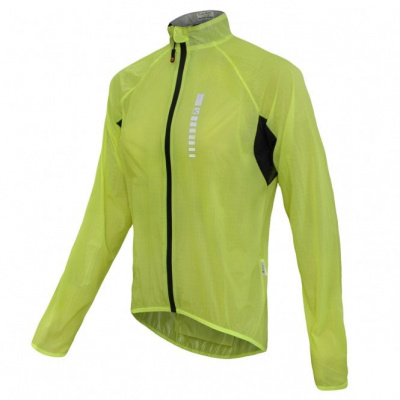
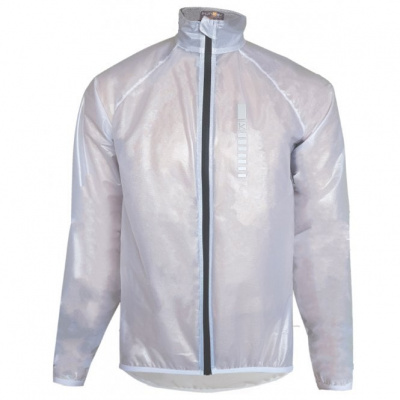
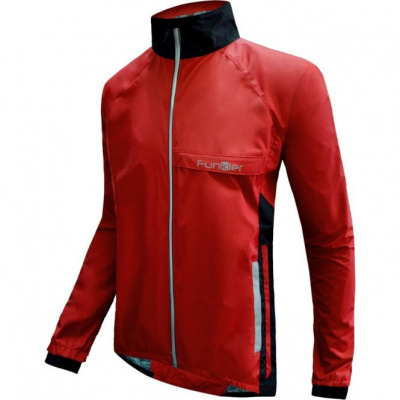
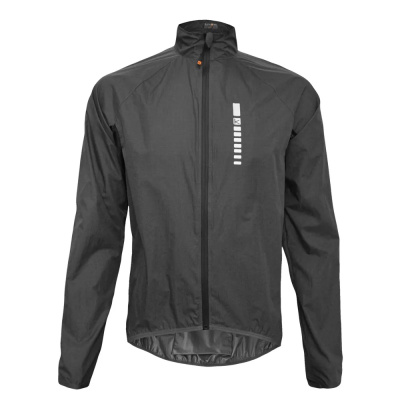
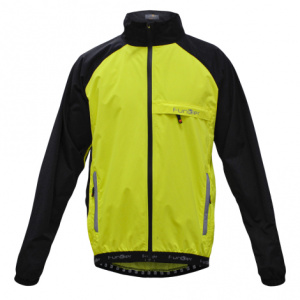
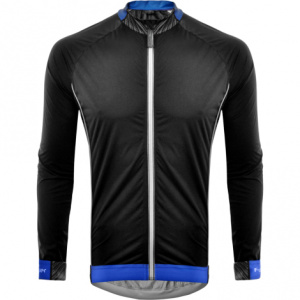
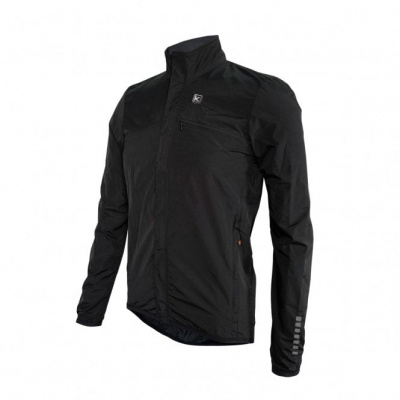
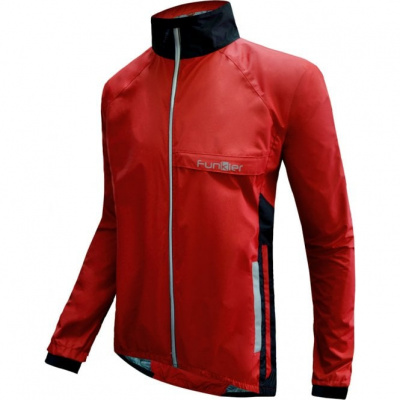
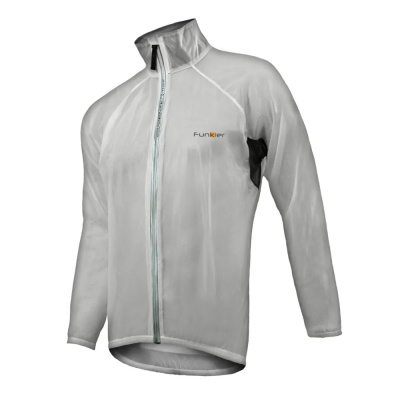
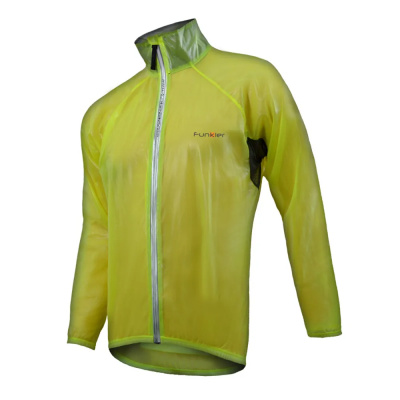
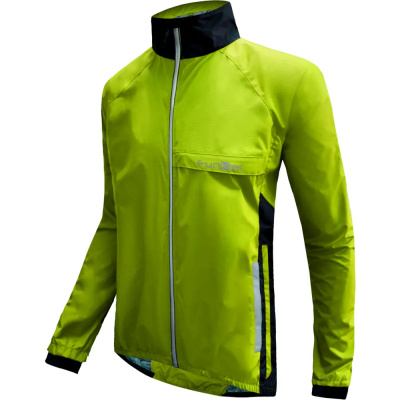
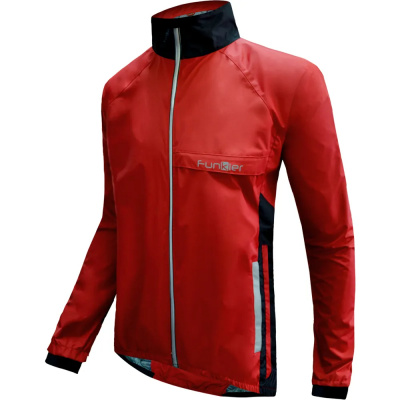
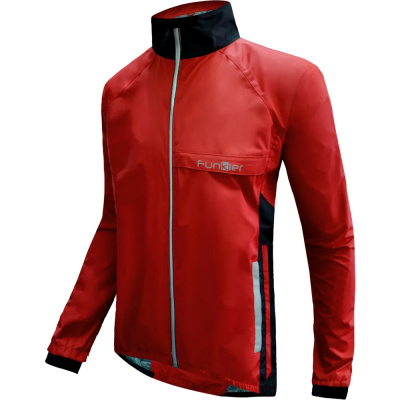
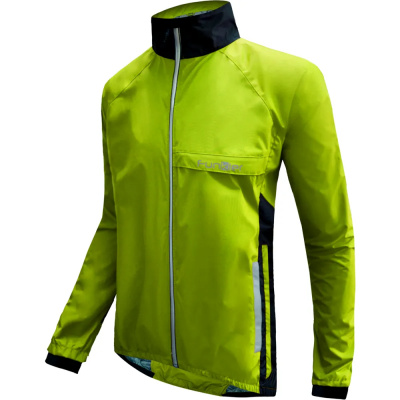
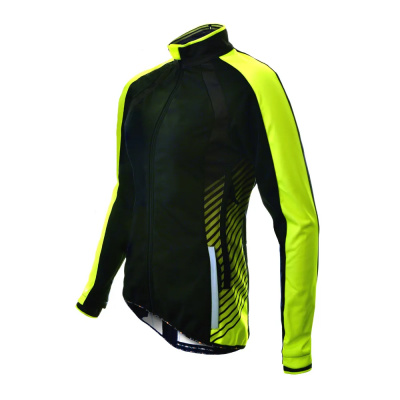
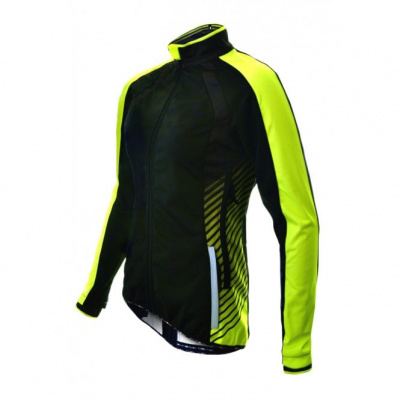
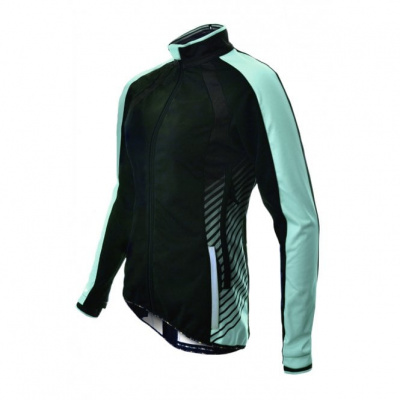
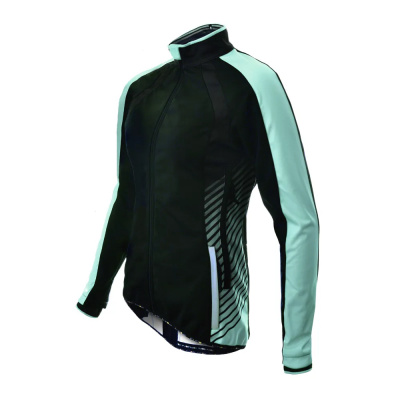
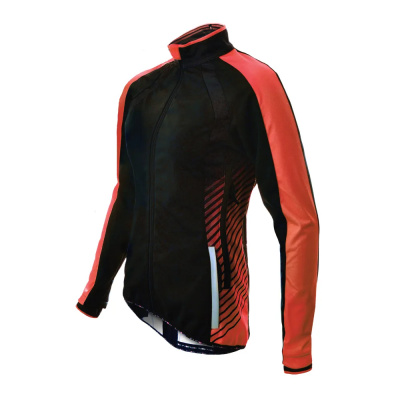
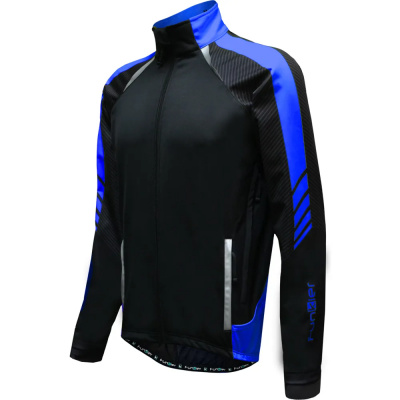
Prices and availability can change quickly. Delivery charges are not always included in listed prices.
Final price, stock status and delivery terms are set by retailer. We may receive a commission on purchases made.
Fabric Tech & Weather Performance: Defeating the Elements
The core of Funkier's weather protection story is the TPU membrane used in their heavier waterproof jackets. Thermoplastic polyurethane sits bonded to the outer fabric and works as a physical barrier - wind and rain can't push through it, but water vapour from your body can migrate outward. That's the breathability rating doing its job, and it matters on any climb where your effort level climbs faster than the temperature drops. Without it, you get the boil-in-the-bag sensation that makes you want to strip the jacket off at the top, then immediately regret it on the descent.
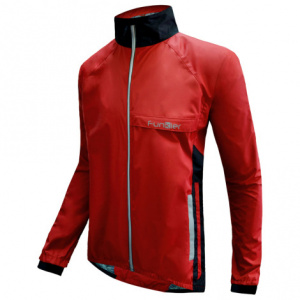
Not every jacket in the range uses a full TPU membrane, though, and that's worth understanding before you buy. The lighter windproof shells rely on a tightly woven face fabric treated with a DWR coating - durable water repellent - to handle light showers and block wind. These are the packable options you'd grab for a breezy spring ride in the Peaks or a road sportive where rain is possible but not guaranteed. They breathe more freely than a fully waterproofed jacket, but in a sustained downpour they'll eventually wet out. Endura jackets at a similar price point face exactly the same trade-off, so this isn't a Funkier-specific weakness - it's physics.
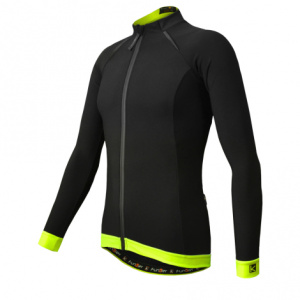
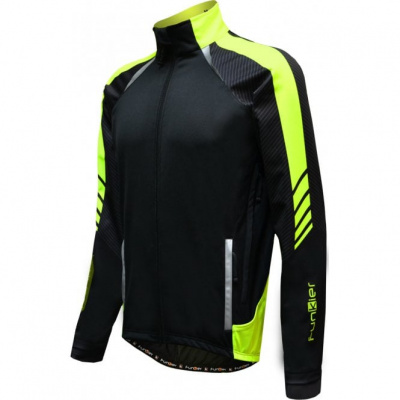
For the deep winter options, the addition of a microfleece lining changes the character of the jacket entirely. It traps a layer of warm air against your skin and makes a real difference on exposed rides where windchill is the bigger threat than wet. Taped seams on the full waterproof models seal the needle holes left by stitching, which is where rain finds its way through on cheaper jackets in sustained downpours. Laser-cut underarm vents and rear exhaust panels on some models give you a controlled way to dump heat on harder efforts without unzipping and letting the weather in. If your primary concern is a two-hour winter commute in proper rain, look for the taped-seam models specifically.
Understanding the Funkier Fit & Range
Funkier broadly splits their jacket range into two fit profiles. The Active cut is close to the body - enough to stop the fabric flapping on fast descents - but it's not a second skin. There's genuine room at the chest and through the arms for a base layer and a thermal jersey underneath, which is how most UK riders will wear these through autumn and winter. The Pro cut is tighter and more aerodynamic, closer to what you'd see on a race-day layer, and it works best when you're not stacking heavy mid-layers beneath it.
Sizing is generally consistent with European sizing standards, which means if you're between sizes, the choice of what you're wearing underneath should guide you. A medium in the Active cut with a thin base layer will fit very differently to the same jacket over a heavy Funkier thermal jersey. When in doubt, size up for winter use. You can always open the zip on a warmer day; you can't make a jacket bigger on a freezing one.
The dropped tail is worth calling out specifically. It's a longer rear panel that covers your lower back and the top of your bib shorts when you're in a riding position - not standing upright. It's a detail that separates a jacket designed for cycling from one that's been adapted from a general outdoor shell, and Funkier gets it right across the range. Reflective detailing on the shoulders, arms and rear panel keeps you visible during the grey light of a November afternoon without making the jacket look like a hi-vis tabard.
If you're after core-only wind protection on milder days - where your arms are generating enough heat that a full jacket is overkill - Funkier gilets are worth a look as a lighter alternative to the full jacket range.
Layering & Care for UK Riding
A Funkier waterproof shell works hardest when it's the outer layer of a proper system, not a solo fix. The most effective combination for a cold, wet UK ride is a moisture-wicking base layer against your skin, a thermal mid-layer - a long-sleeve jersey or a pair of bib tights on the lower half - and then the waterproof jacket on top. What you want to avoid is a single thick layer under the jacket; it restricts movement and tends to hold sweat against your skin rather than moving it outward.
On the care side, this is where a lot of riders accidentally ruin a good jacket. Biological detergents and fabric softener both degrade the DWR coating over time - fabric softener is particularly destructive because it coats the fibres and stops them beading water. Wash your Funkier jacket at 30 degrees using a specialist tech-wash product designed for outdoor and cycling kit. After washing, a short tumble dry on a low heat setting can reactivate the DWR coating - the warmth helps the treatment bond back to the fabric surface. If the jacket is starting to wet out (water soaking in rather than beading off) even after a proper wash, a spray-on or wash-in reproofer will restore the surface treatment without affecting the TPU membrane underneath.
Store the jacket loosely rather than compressed in a stuff sack long-term. Keeping it compacted for months at a time can stress the membrane bonding. Hang it up between rides and it'll last considerably longer. Compared to similar offerings from Altura or Castelli, Funkier's price positioning means you're getting a jacket that rewards a bit of care - treat it properly and it punches well above what you paid for it.
Funkier Jackets FAQs
Are Funkier cycling jackets true to size?
Generally, yes - Funkier's Active cut is designed to fit true to size with room for a base layer and jersey underneath. If you're planning to run heavier winter layers beneath, or you simply prefer a bit more movement, go up a size; you won't regret the extra room on a January morning.
Are Funkier jackets fully waterproof or just water-resistant?
The range covers both. Lighter packable shells use a DWR-treated fabric that handles light showers and wind but isn't built for sustained downpours. The heavier winter jackets feature TPU membranes and taped seams for genuine waterproofing - check the product listing specifically for taped seams if you need full rain protection.
How do I wash a waterproof cycling jacket without ruining it?
Wash at 30 degrees with a tech-specific or non-biological detergent - never use fabric softener, as it strips the DWR coating and leaves the outer fabric wetting out. A short tumble dry on low heat helps reactivate the DWR after washing; if beading performance drops off over time, a spray-on reproofer will bring it back.