
Shimano Overshoes
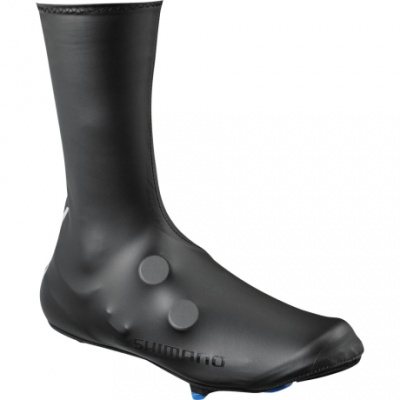
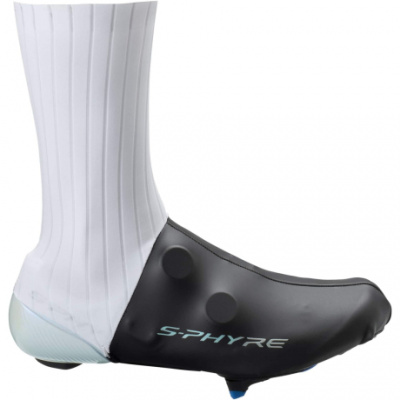
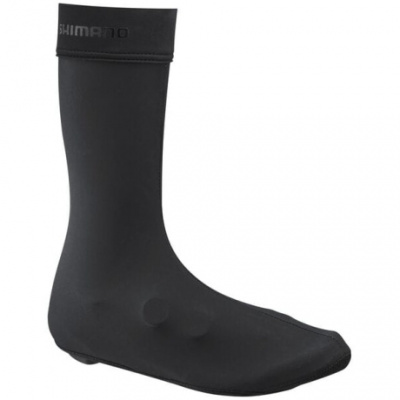
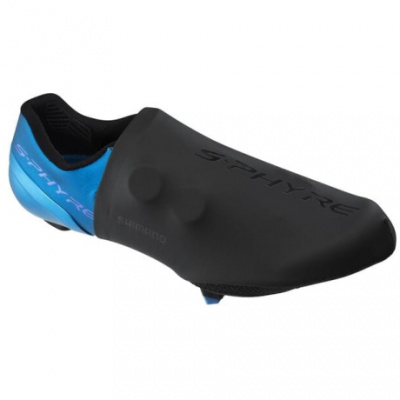
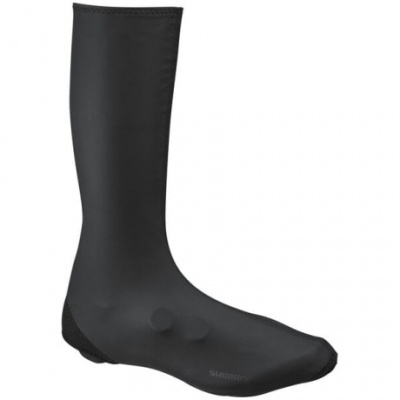
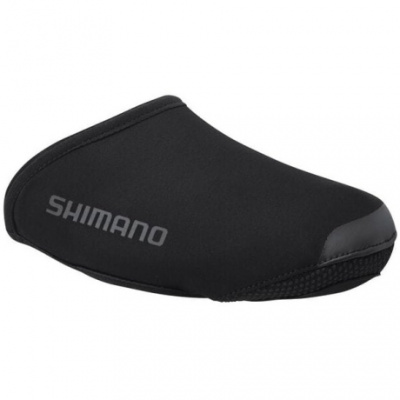
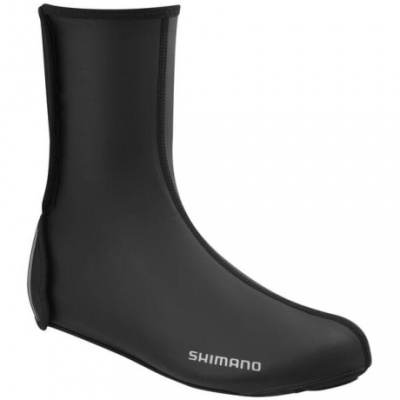
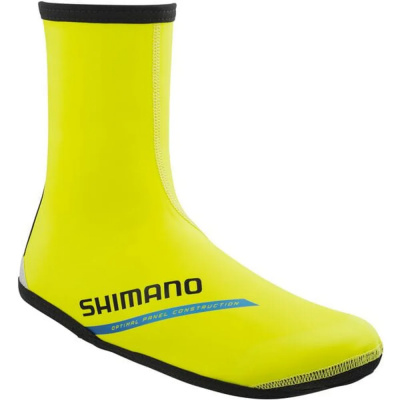
Cold feet end rides early, and Shimano overshoes are built specifically to stop that happening. Whether you're grinding out base miles in a January freeze or commuting through persistent November drizzle, Shimano's range covers both ends of the spectrum - thick neoprene for the brutal stuff, lighter PU-coated covers when it's just damp and grey.
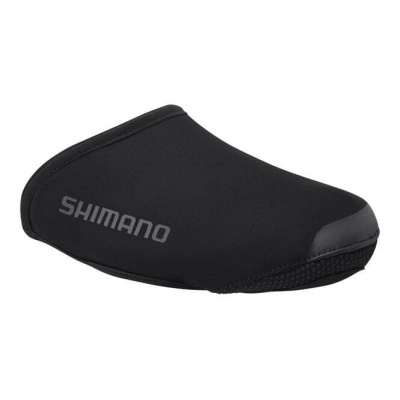
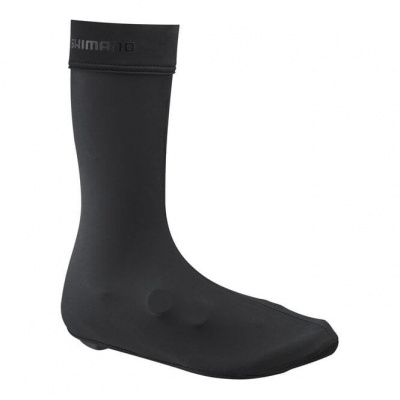
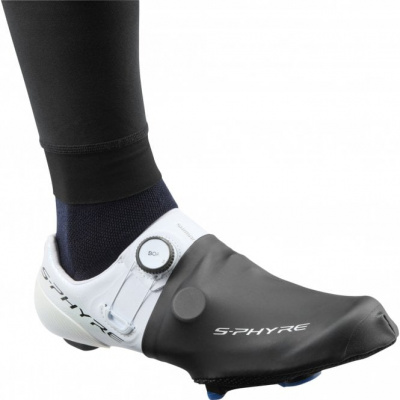
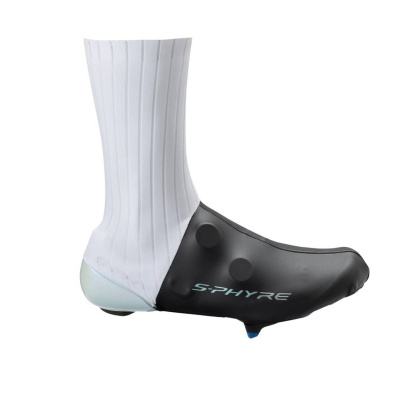
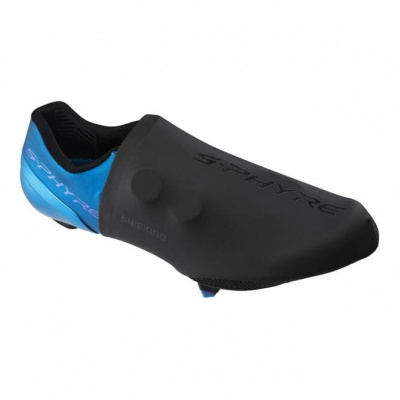
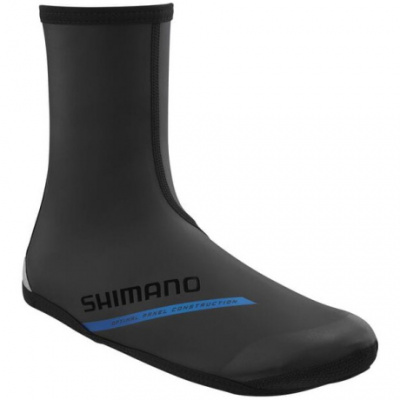
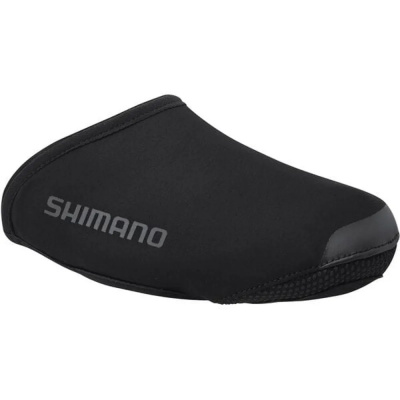
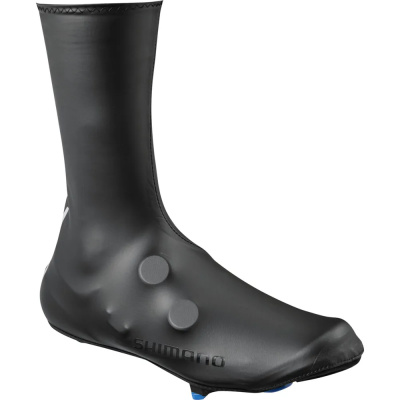
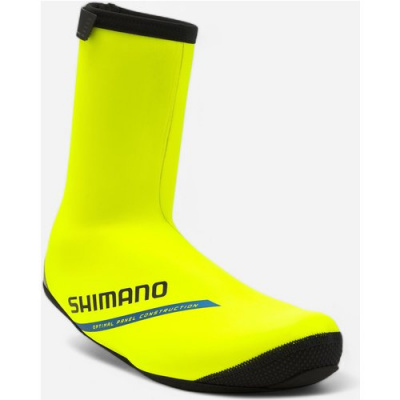
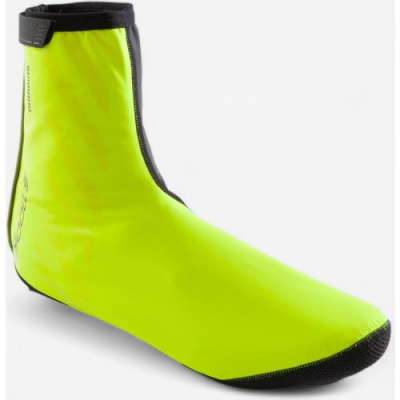
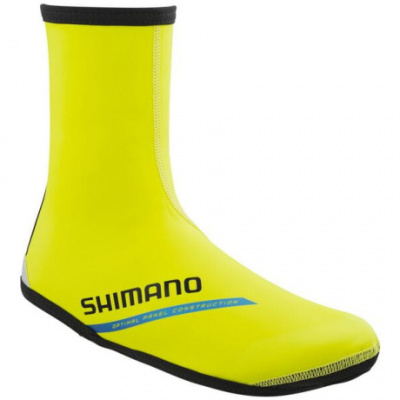
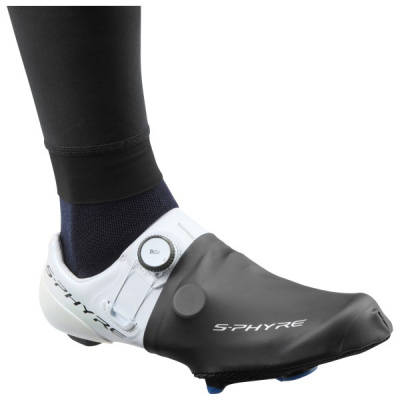
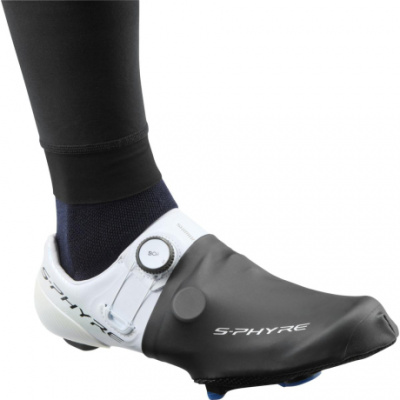
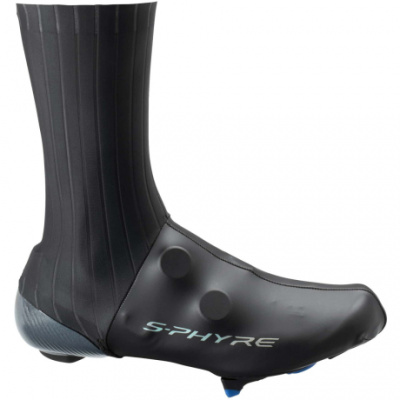
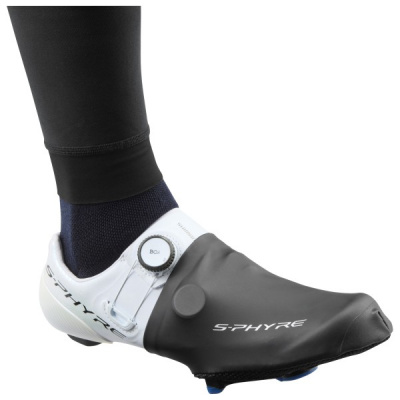
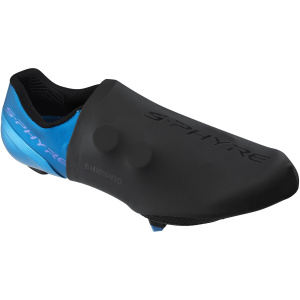
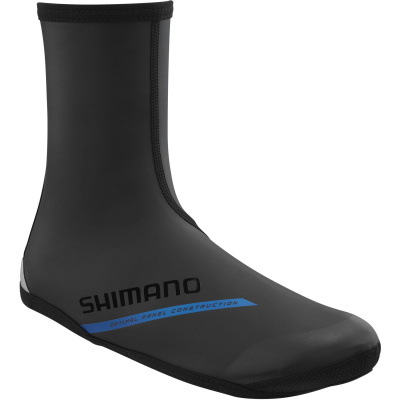
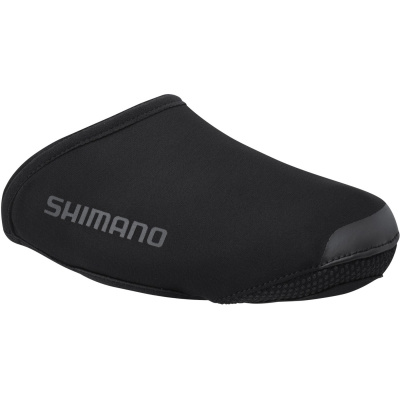
The engineering here is worth paying attention to. Shimano's 3D Anatomic Fit shapes the toe box to follow the natural contour of your shoe rather than bunching up over the forefoot - no fabric creases trapping water, no pressure points through the cleat zone. Fully taped seams and water-repellent YKK zips handle road spray without fuss, and reinforced under-soles take the abrasion that would destroy cheaper covers inside a season. Reflective detailing earns its keep on gloomy winter commutes where visibility matters as much as warmth.
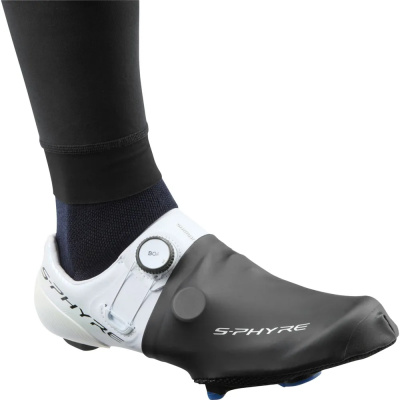
Road and MTB riders are catered for separately, with cleat cut-outs matched to SPD-SL and SPD systems respectively. Pair them with Shimano socks and you've got a properly integrated cold-weather foot system rather than a patchwork of mismatched kit.
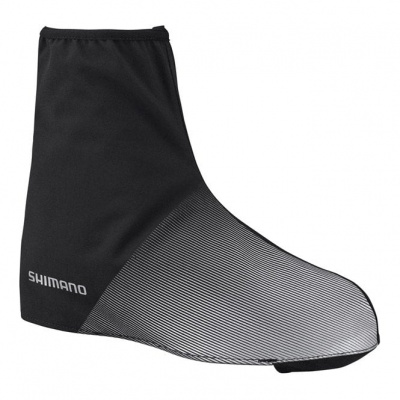
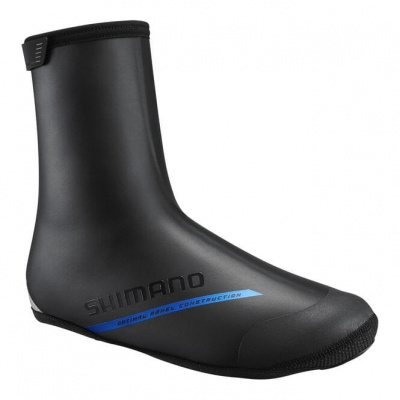
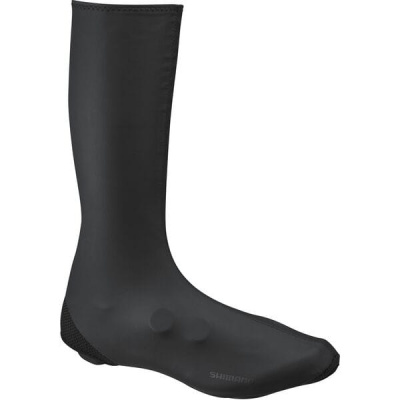
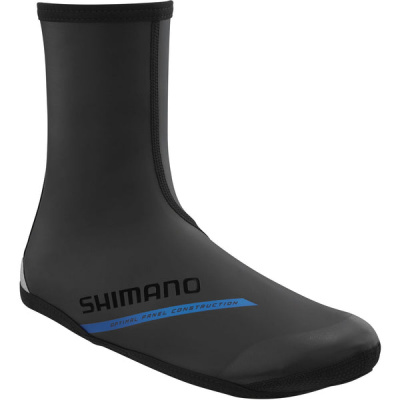
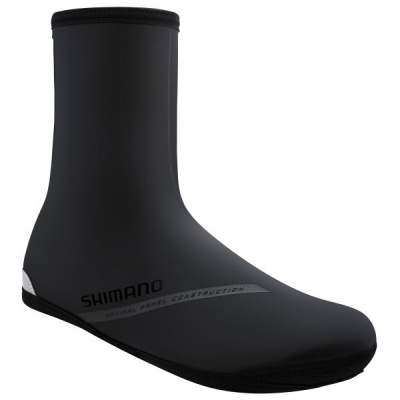
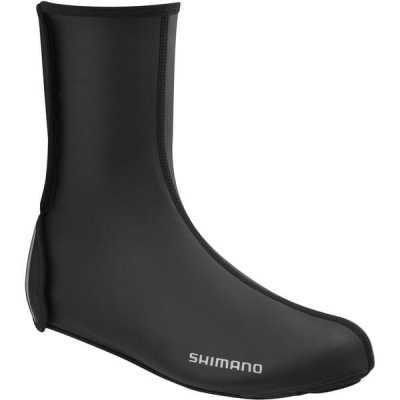
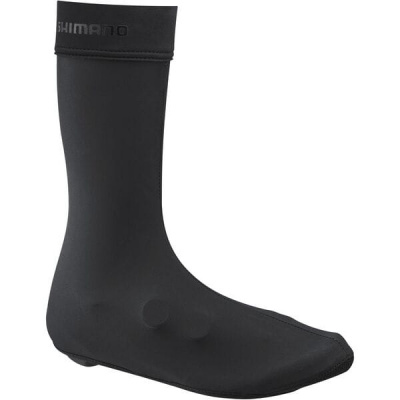
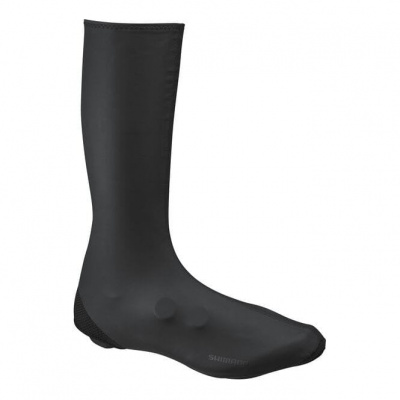
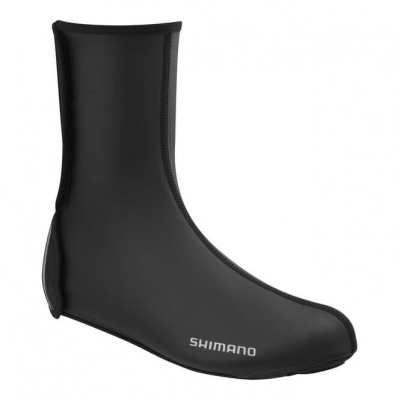
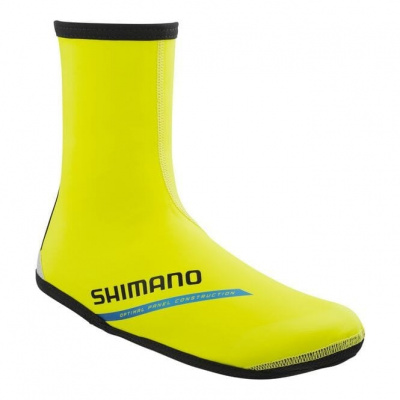
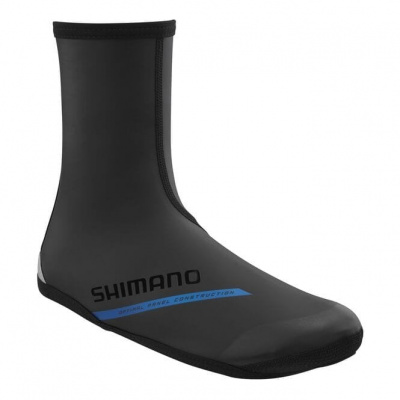
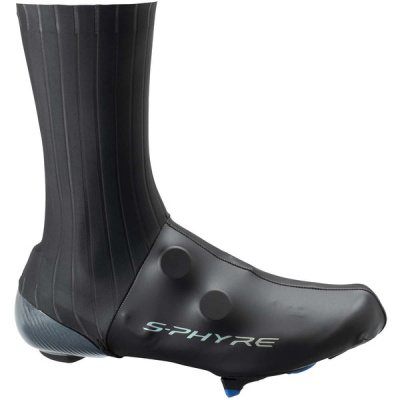
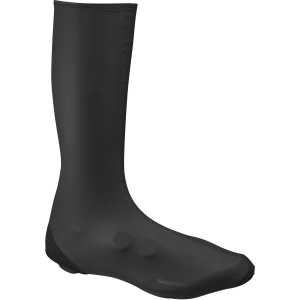
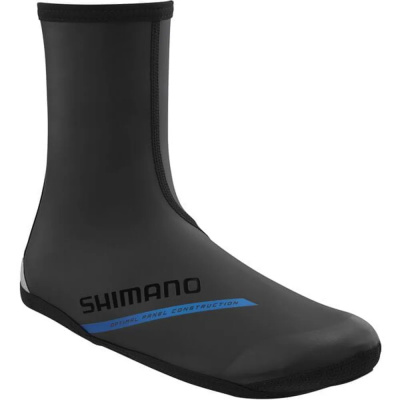
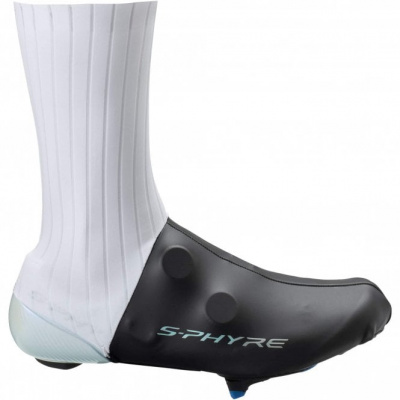
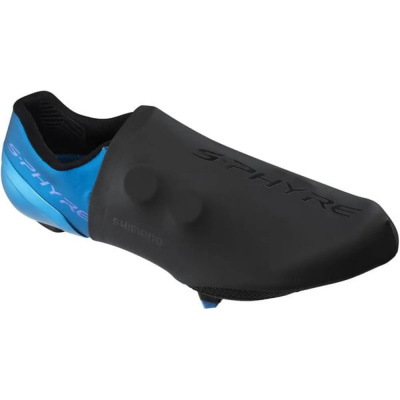
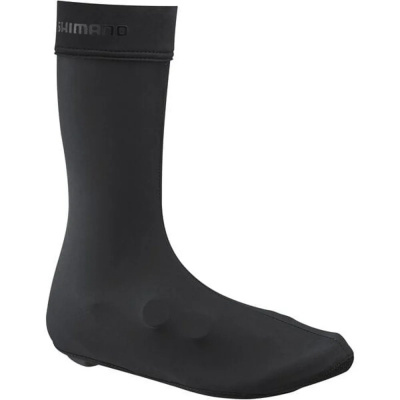
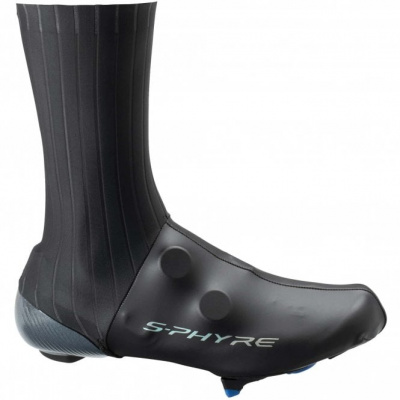
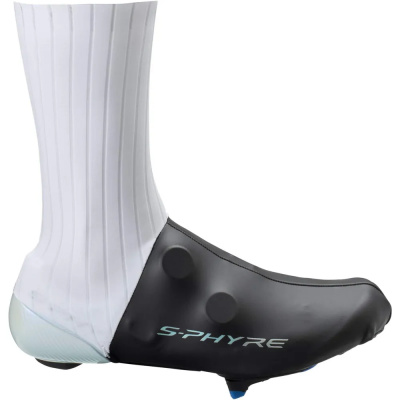
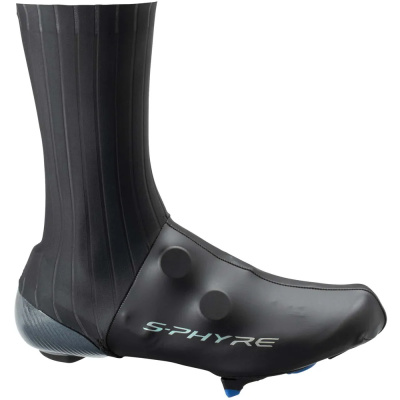
Prices and availability can change quickly. Delivery charges are not always included in listed prices.
Final price, stock status and delivery terms are set by retailer. We may receive a commission on purchases made.
Fabric Tech and Weather Performance
The core split in Shimano's range comes down to two materials, and choosing between them matters more than most riders think. Neoprene - technically chloroprene rubber - is the go-to for deep winter. It works by trapping a thin layer of water against your skin and warming it, so even when road spray has worked its way around the edges, your feet stay functional. For anything below five degrees, or rides longer than two hours in wet conditions, 3mm neoprene is where you want to be.
The thinner, PU-coated options are a different tool entirely. They're not designed for freezing temperatures - they're designed for the kind of grey, damp days that make up most of the British riding calendar: mild enough to not need insulation, wet enough to soak through regular shoes inside twenty minutes. The PU coating repels water at the surface, and the taped seams close off the stitching lines that would otherwise wick moisture straight through. Think of them as a shell layer for your shoes rather than a thermal one.
Both types benefit from water-repellent YKK zippers, which resist water ingress better than generic zip hardware. It's a detail that pays off on a wet descent when spray is hitting the back of your heel continuously. If you're comparing Shimano against alternatives like Castelli overshoes or Endura overshoes, check the seam construction and zip spec before assuming equivalence - not all covers at a similar price point use fully taped seams throughout.
Understanding the Shimano Fit and Range
Shimano's 3D toe box design is one of those features that sounds like marketing until you've worn a flat-cut cover on a long ride and felt the fabric bunch across the forefoot. The 3D shaping follows the natural rise of the toe area, keeping the material taut and close without pressure points. Less bunching also means fewer gaps for water to pool and eventually penetrate.
Compatibility is where riders frequently go wrong, so it's worth being direct about this. Road overshoes in the Shimano range are cut with a smaller, tighter sole opening designed around SPD-SL three-bolt cleats. Forcing an MTB shoe into one of these is a losing battle - the wider sole profile and chunkier tread pattern won't sit cleanly, and you'll likely damage the cut-out edges. MTB and gravel-specific covers have a wider, reinforced base opening to accommodate SPD two-bolt cleats and the more aggressive sole geometry of off-road shoes. Make sure you're matching the cover to the shoe type, not just the foot size. You'll find relevant Shimano cleats listed separately if you're sorting your whole system at once.
On sizing: Shimano overshoes run fairly true, but if you're sitting at the top of a size bracket or you're layering over particularly thick winter-specific shoes, go up. The main stress point when sizing too tight is the zipper - overstretched closures on neoprene covers fail faster than the material itself, and it's an avoidable problem. Riders pairing overshoes with Shimano bib tights should also think about how the two layers interact at the ankle, which feeds into the next point.
Layering and Care for UK Riding
How you put overshoes on matters, particularly with zipperless pull-on models. The correct method is to get the overshoe onto the shoe before you clip in, not wrestle it on while already clipped to the pedal and balanced in a car park. For zippered models, make sure your bib tight leg overlaps the top cuff of the overshoe before you zip up - if the tight hem sits inside the cover, water runs down your leg and straight into the gap. It sounds obvious until you're twenty minutes into a wet ride wondering why your left sock is soaked and your right isn't.
On colder days, a thin merino or thermal sock layer beneath the overshoe makes a real difference without adding bulk that fights the fit. If you're comparing Shimano's thermal range against options from GripGrab overshoes or Spatzwear overshoes, factor in how the cuff height and ankle sealing work with your specific bib tights - different constructions interact differently at that junction.
Care is straightforward but non-negotiable if you want neoprene covers to last more than one winter. Hand wash in cool water with a mild detergent - that's it. No machine wash, no tumble dryer, and don't drape them over a hot radiator. High heat degrades the neoprene compound and breaks down the adhesives holding the taped seams together, and once those seams start lifting, the waterproofing is gone. The PU coating on lighter covers is similarly heat-sensitive - cracks in the coating are permanent. Air dry at room temperature, away from direct heat, and they'll hold up across multiple seasons.
Shimano Overshoes FAQs
Are Shimano overshoes compatible with MTB and road shoes?
Shimano produces separate overshoes for each discipline. Road versions have a tighter sole cut-out sized for three-bolt SPD-SL cleats, while MTB and gravel options use a wider, reinforced opening to fit two-bolt SPD cleats and the bulkier soles of off-road shoes. Using the wrong type for your shoe will cause fit and durability problems at the cleat zone.
Should I size up for Shimano overshoes?
If you're at the top of a size bracket, or your winter shoes are on the bulkier side, sizing up is the sensible call. A too-tight fit puts constant stress on the zipper and seams, which are typically the first things to fail. Better a slightly looser fit around the cuff than a blown zip halfway through February.
How do you wash neoprene cycling overshoes?
Hand wash only, in cool water with a mild detergent. Heat is the enemy here - tumble drying or leaving them on a radiator will degrade the neoprene and break down the taped seam adhesives, which kills the waterproofing. Air dry at room temperature and they'll last considerably longer than a single season.