
Funkier Bib Tights
Funkier bib tights are built for the kind of British winter riding that makes fair-weather cyclists stay indoors - the raw, drizzly, sub-five-degree efforts where kit genuinely matters. If you've ever cut a ride short because your legs went numb on a long descent, you'll know exactly what we mean.
What Funkier does well is pack genuinely capable thermal protection into legwear that doesn't ask you to spend race-team money. Their winter range leans on thermal Roubaix fabric - a brushed, fleece-backed textile that traps warmth without turning your legs into a sauna on the climbs. Pair that with a bib-strap fit that stays put through four hours of movement, and you've got a solid foundation for riding through November to March without dread.
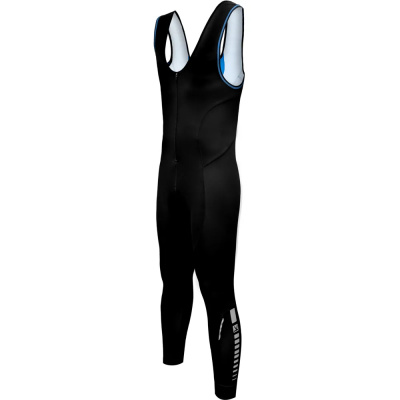
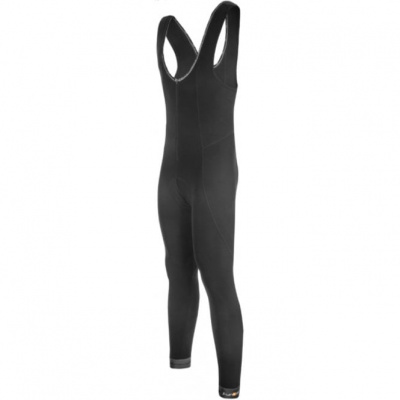
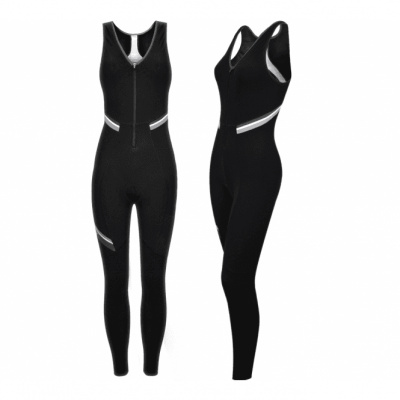
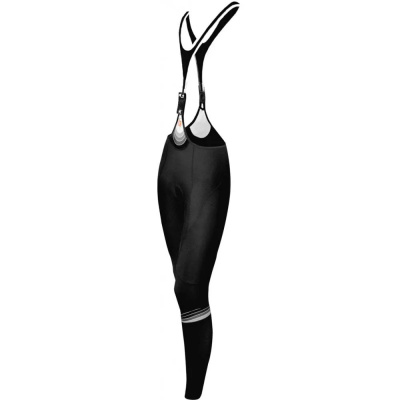
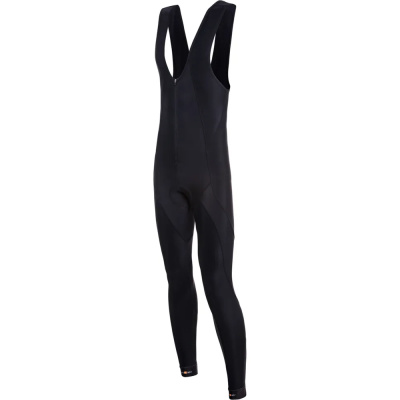
The bib construction matters more than it might seem. Straps keep the waistband from creeping down when you're bent over the bars, and Funkier's mesh bib straps add enough breathability across the chest that base-layering underneath stays practical. Add a quality chamois pad, DWR coating for road spray, and reflective detailing for the short, dark days, and the range covers most of what UK winter cycling actually demands.
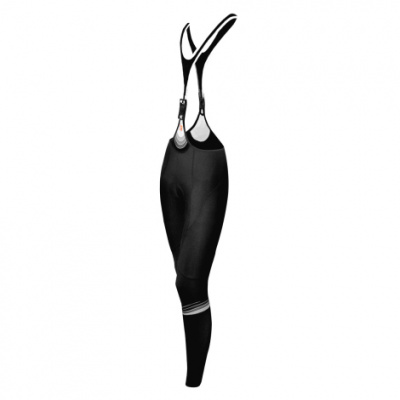
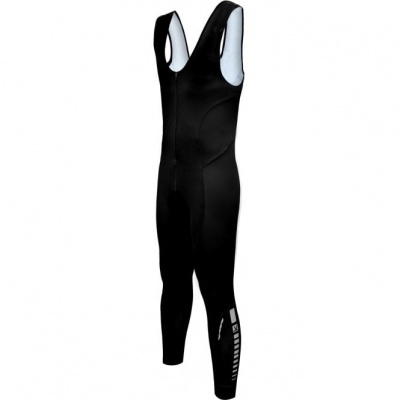
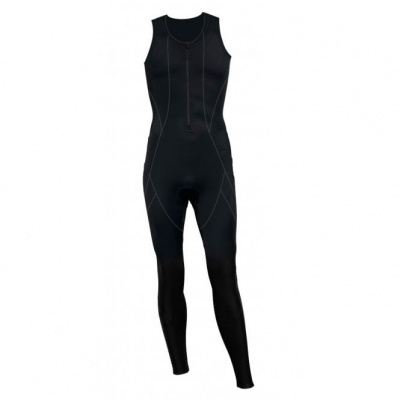
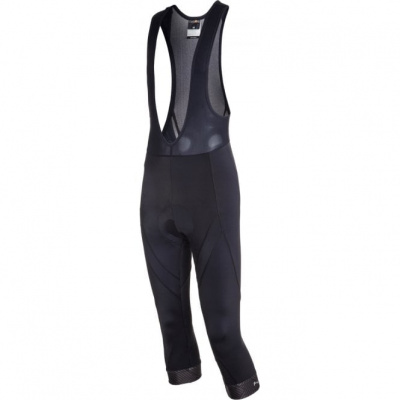
Prices and availability can change quickly. Delivery charges are not always included in listed prices.
Final price, stock status and delivery terms are set by retailer. We may receive a commission on purchases made.
Fabric Tech and Weather Performance: Beating the UK Winter
The core of any decent winter tight is what's happening on the inside of the fabric - and Funkier's use of thermal Roubaix microfleece is the right call for UK conditions. The brushed inner surface works by trapping a thin layer of dead air against your skin, which your body heat then keeps warm. It sounds simple, and it is, but it's the same principle that makes a well-insulated loft far more effective than a thicker wall. On a steady two-hour ride in single-digit temperatures, that trapped warmth is the difference between legs that work and legs that just about turn the pedals.
Hard efforts change the equation - you'll generate heat faster than the fabric can dissipate it. That's where the Roubaix construction earns its keep again: the weave is designed to wick moisture away from the skin during exertion, so you're not sitting in sweat on the descent. It's not the same as a dedicated summer fabric, but it manages the wet-dry cycle of a hilly winter ride better than a simple fleece lining would.
The DWR (Durable Water Repellent) treatment on Funkier's outer face handles what British roads throw at you most - not sustained downpours, but the persistent wheel spray and light drizzle that soak through untreated kit within twenty minutes. DWR makes water bead and run off the surface rather than soaking in. Worth noting: this coating degrades with washing, so how you look after the tights directly affects how long it performs (more on that below).
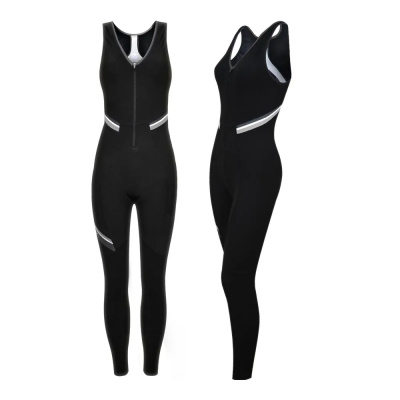
For exposed descents - think the kind of long, open drops you get on Dartmoor or the Dales in January - windproof front panels are the feature that separates a capable winter tight from one that merely looks the part. Wind chill at speed in near-freezing temperatures is a different beast to standing cold, and a windproof panel across the quads and knees blocks that convective heat loss where you need it most. Check the specific model you're looking at; not every Funkier tight carries this feature, but their upper-range options typically do. The reflective ankle zippers are a practical addition too - useful for roadside visibility in the low-light commutes and early-morning club rides that define a UK winter calendar.
Understanding the Funkier Fit and Range
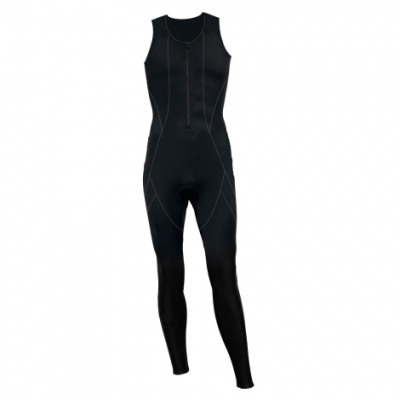
Funkier's bib tights sit across a few clear tiers - broadly Active, Pro, and Elite - and the differences aren't just about fabric quality. The fit profile shifts noticeably as you move up. Active-range tights offer a more relaxed club fit: forgiving around the thighs, comfortable for two or three hours, and accessible for riders who don't want a second-skin feel. The Elite range pulls closer to a race fit, with a compressive cut and multi-panel construction that's tailored for a forward riding position. If you spend most of your time in an aggressive road position, the closer fit reduces fabric bunching behind the knee.
The chamois pad grading is where the practical decisions get sharper. Funkier use their own F-series pads - the F-1 and F-3 being the ones worth understanding. The F-1 is a high-density foam pad with good vibration dampening and moisture management, suited to longer efforts where saddle time accumulates. The F-3 steps up in density and contouring, designed for extended hours in the saddle. Entry-level pads in the Active range do the job for shorter rides but won't carry you through a full day without feedback. If your winter rides regularly run past four hours, it's worth prioritising a tight that specifies the F-1 or F-3 chamois. The flatlock stitching across Funkier's mid-range and above also reduces the chance of seam chafing over long distances - a small detail that matters enormously by hour three.
Prefer riding without straps? Check out our range of Funkier Regular Tights. Or, if you're shopping for summer miles, head over to our Funkier Bib Shorts collection.
For comparison, dhb bib tights and Endura bib tights occupy a similar price-to-performance bracket in the UK market - both strong options - but Funkier's chamois grading system gives you a more transparent way to match pad spec to your actual ride length, which is genuinely useful when buying online.
Layering and Care for Cold-Weather Riding
Bib tights don't work in isolation. On a properly cold ride - anything below five degrees with wind - you want a thermal base layer underneath that wicks fast, because the microfleece lining in the tights will manage warmth but it won't compensate for a soaked base layer. Keep the base layer lightweight; going too heavy underneath creates an overheating problem on climbs that's harder to manage than the cold.
Up top, pair with a Funkier winter jacket that blocks wind across the chest and shoulders. A gilet works well on the cusp days - when it's cold enough for bib tights but not quite cold enough for a full jacket - giving you core warmth without overheating your arms. Don't overlook headwear either; heat loss through an uncovered head will make your legs feel colder than they actually are.
On washing: this is where riders regularly undo good kit. Machine wash at 30 degrees, inside out, on a gentle cycle. Avoid fabric softener - it clogs the chamois foam and, critically, strips the DWR coating from the outer face of the fabric. Once the DWR goes, road spray soaks straight through. Air dry rather than tumble dry; the heat damages the elastane fibres in the Lycra and degrades the bib strap elasticity over time. If you notice water no longer beading on the surface after several washes, a DWR re-treatment spray (widely available in outdoor shops) will restore most of the performance. Hang the tights pad-down so the chamois keeps its shape as it dries.
If you're weighing up alternatives at the premium end, Castelli bib tights offer a race-oriented benchmark - but at a noticeably steeper price. Funkier's Funkier winter cycling tights hit a practical middle ground for most UK riders who want solid thermal performance without paying for marginal gains they won't notice on a Sunday club run in the rain.
Funkier Bib Tights FAQs
Are Funkier bib tights true to size?
Generally, yes. The Active range runs a relaxed club fit that's true to your usual cycling size. The Elite range is cut more compressively, so if you're between sizes there, sizing up gives a more comfortable result. Always cross-reference the specific model's size chart - leg length in particular can vary between tiers.
What temperature are Funkier thermal bib tights good for?
The microfleece-lined Roubaix models work well across the typical UK winter range of roughly 2°C to 10°C. Below that, or on exposed rides with strong wind chill, look specifically for models with windproof front panels - they make a substantial difference on descents where convective cold becomes the real problem.
Which Funkier chamois pad is best for long rides?
For rides over four hours, prioritise tights specifying the F-1 or F-3 high-density foam pad. Both offer better vibration dampening and moisture management than the entry-level chamois options. The F-3 is the more contoured of the two and suits riders who spend significant time in a sustained bent-over position.