
Castelli Bib Tights
Castelli bib tights are where Italian precision meets the specific misery of a British winter - and that misery doesn't stand a chance. We're talking about legwear engineered from the ground up for cold, damp, unpredictable riding: the kind of conditions where your kit either does its job or ruins your day before you've hit the first climb.
The range is built around a few core ideas. Proprietary Nano Flex fabric repels water mechanically, so drizzle beads off rather than soaking through. Targeted thermal panels keep your knees and quads functioning when the temperature bites. And across the lineup, Castelli's seat pad technology - from the KISS Air2 chamois for everyday use to the Progetto X2 Air seamless pad for long-distance efforts - means hours in the saddle don't translate into hours of suffering off it.
Whether you're logging base miles through a grey January or commuting on damp autumn roads, the range covers conditions from mildly grim to properly arctic. There's a model for riders who want versatility, one for those chasing wind protection on exposed roads, and one for days when the temperature drops so far you start questioning your life choices. This guide breaks down what separates them.
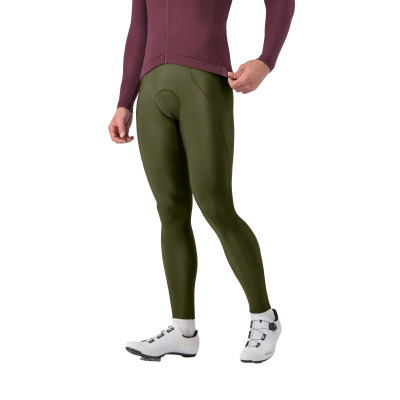
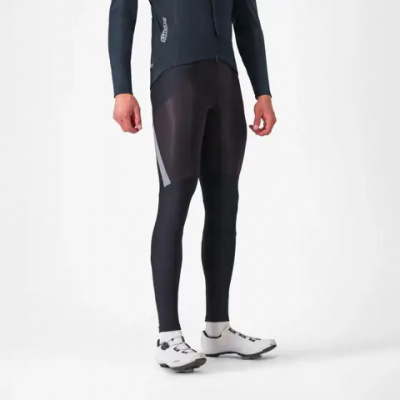
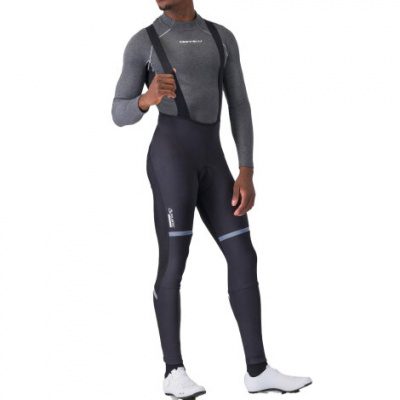
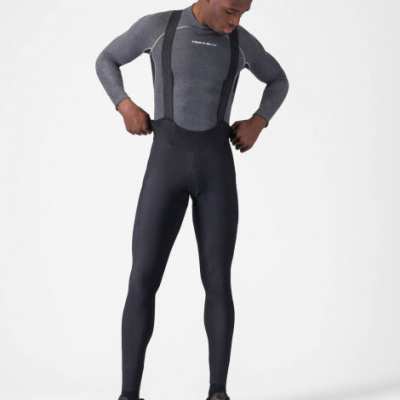
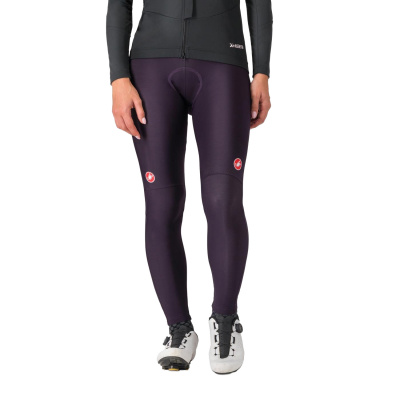
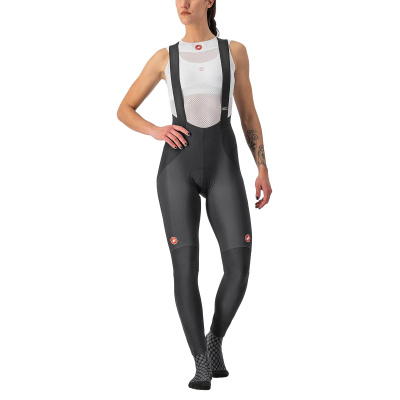
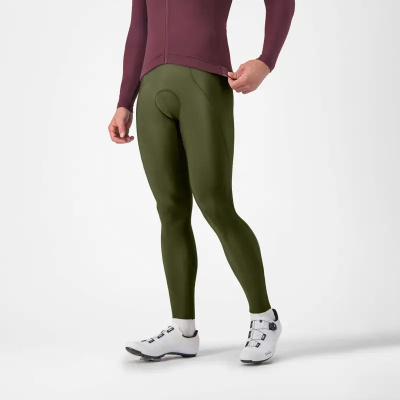
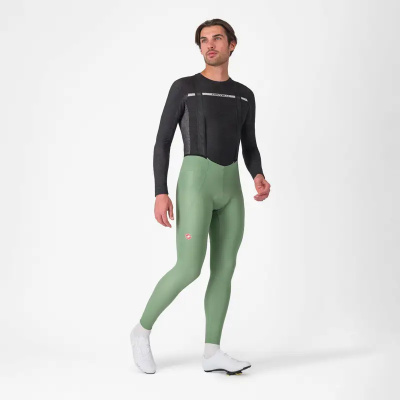
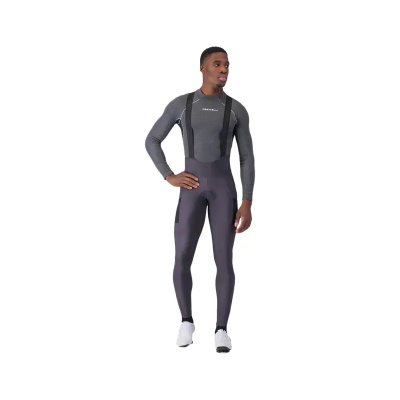
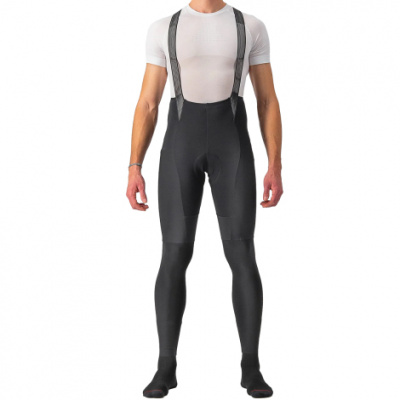
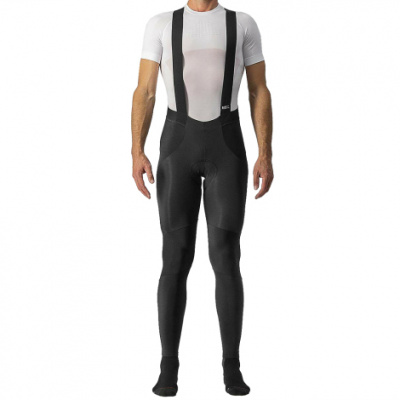
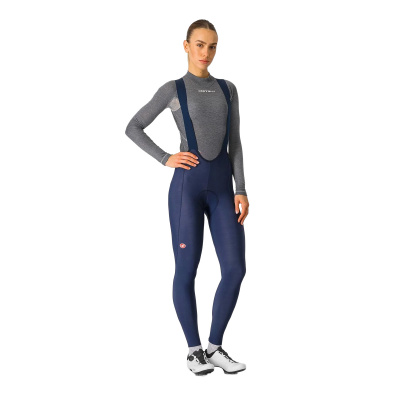
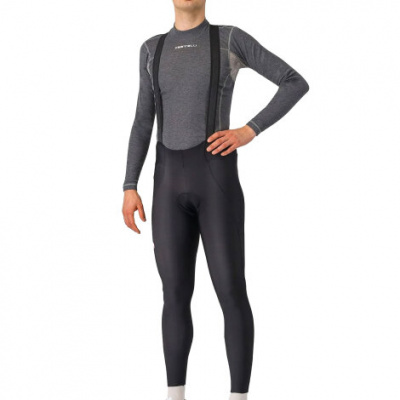
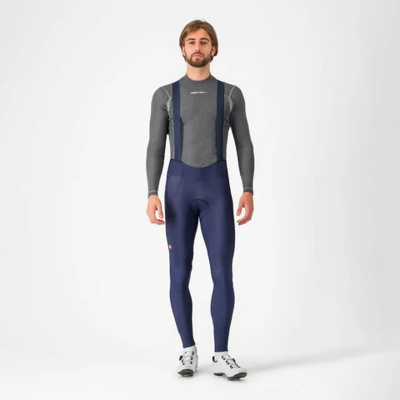
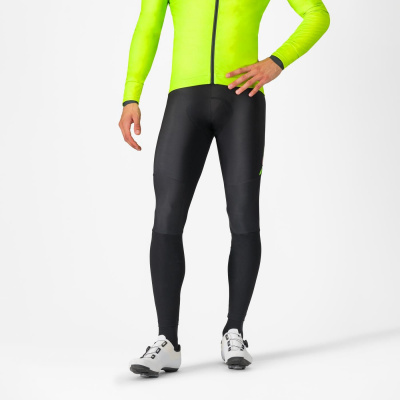
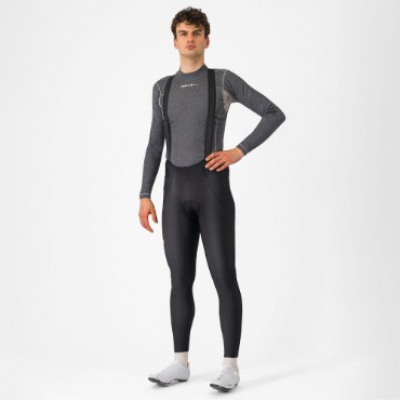
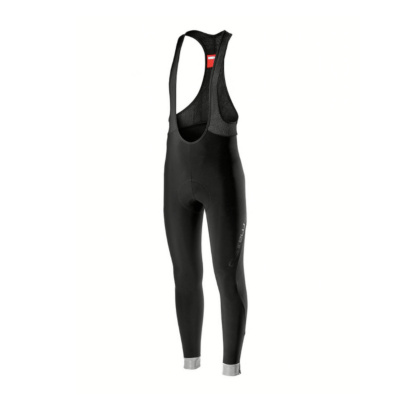
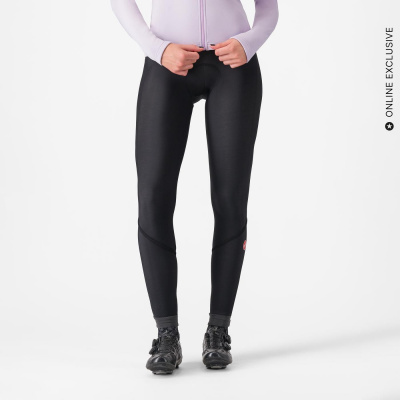
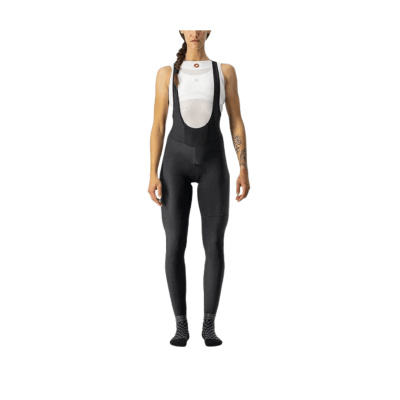
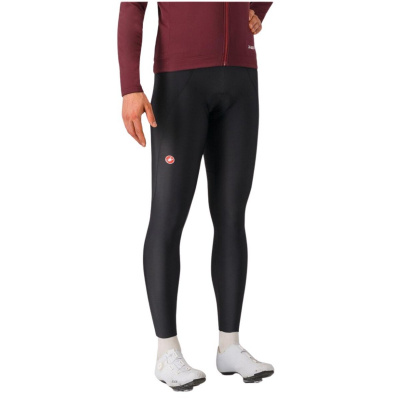
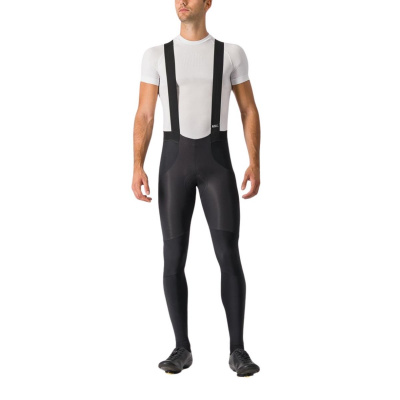
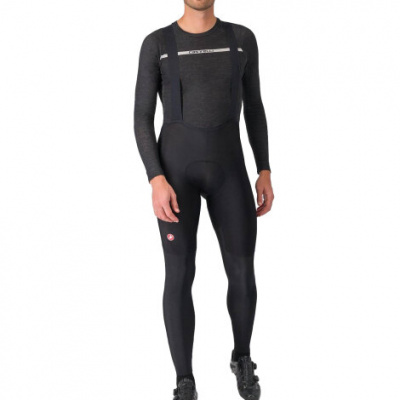
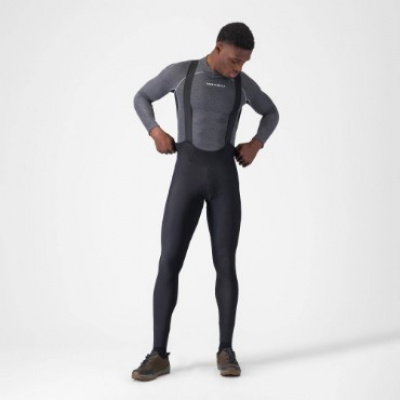
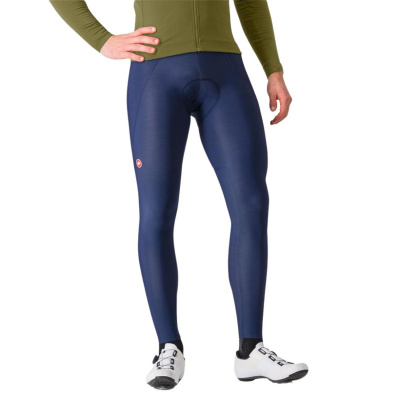
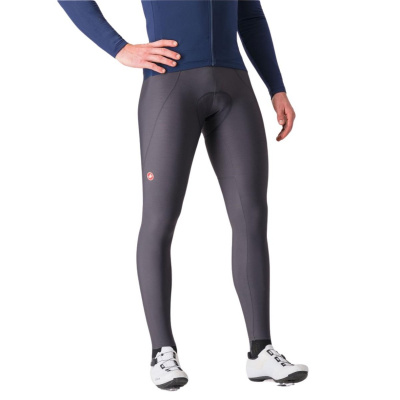
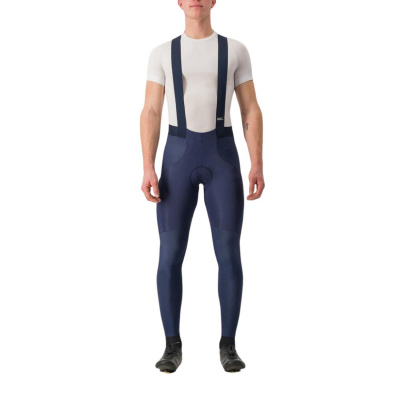
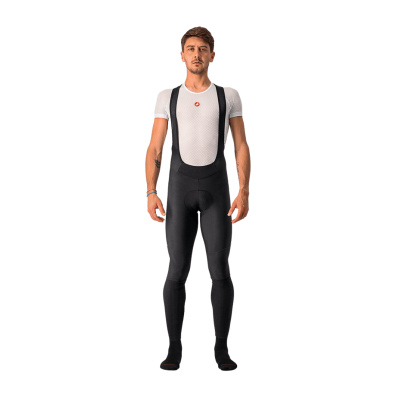
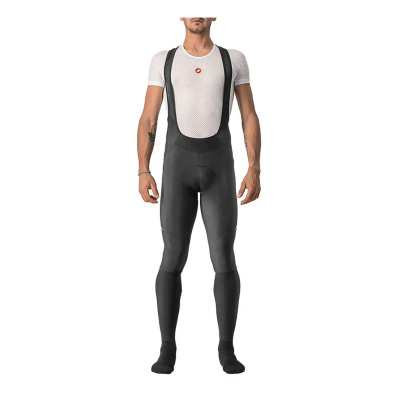
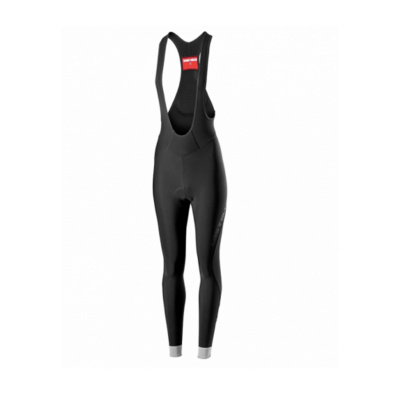
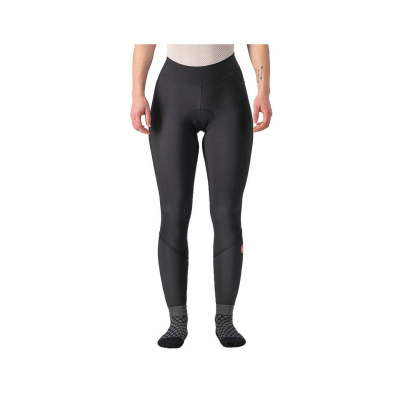
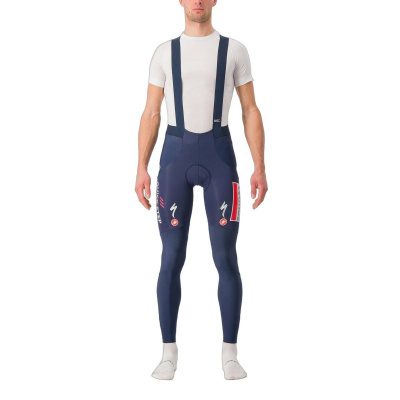
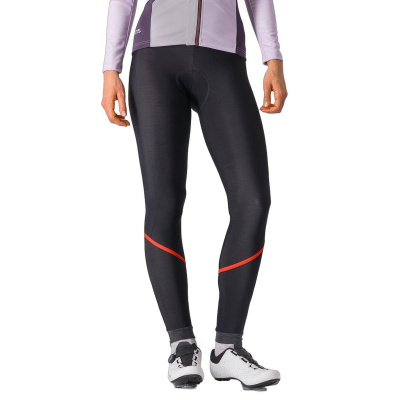
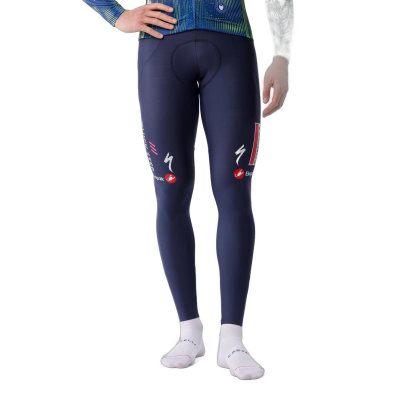
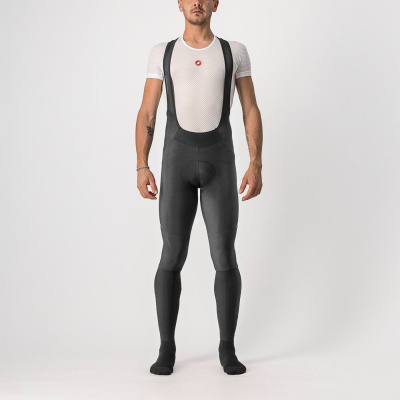
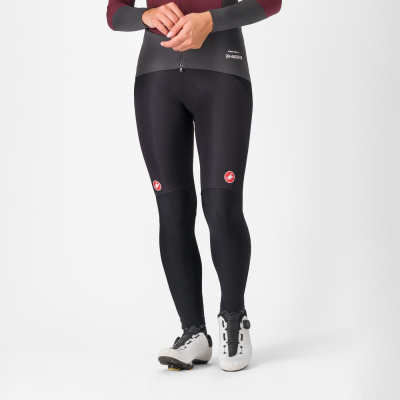
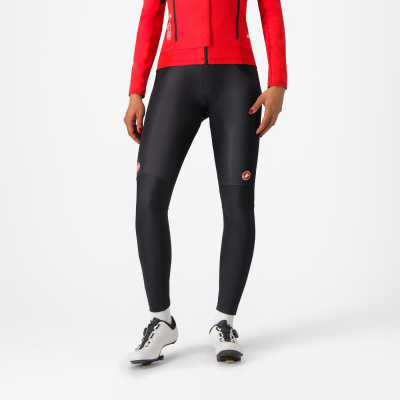
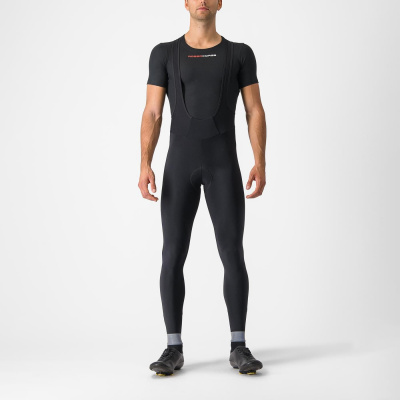
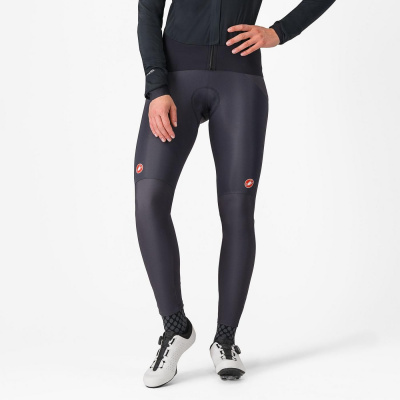
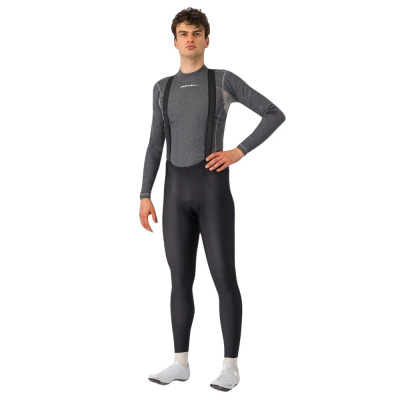
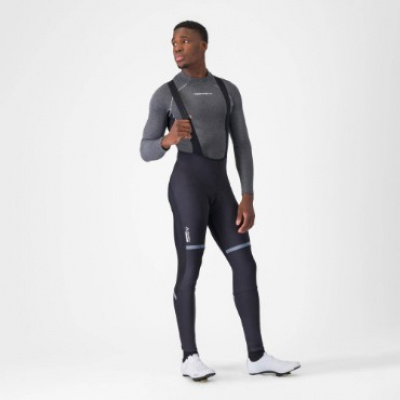
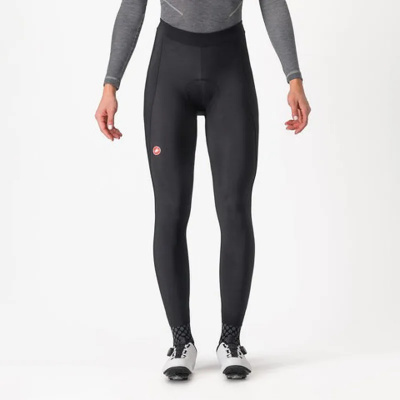
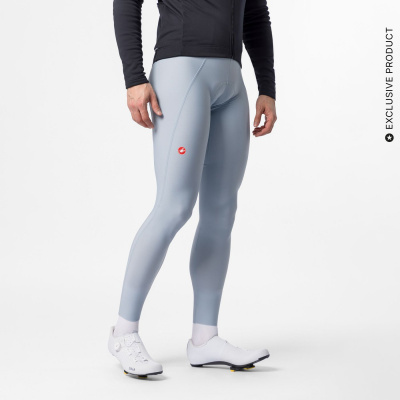
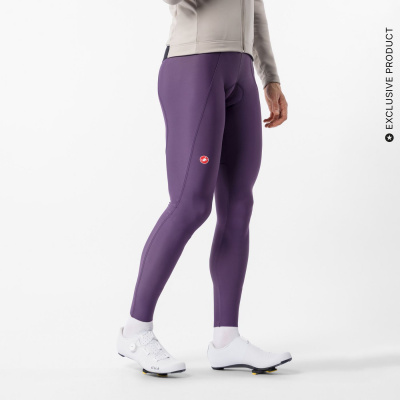
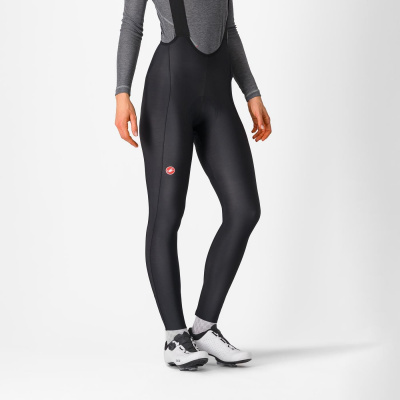
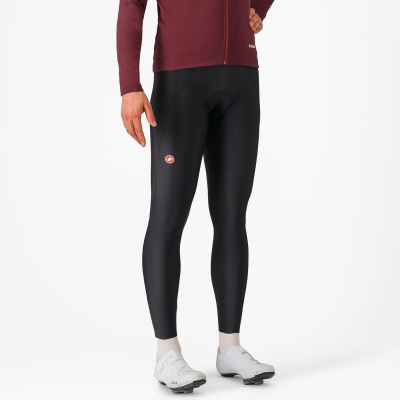
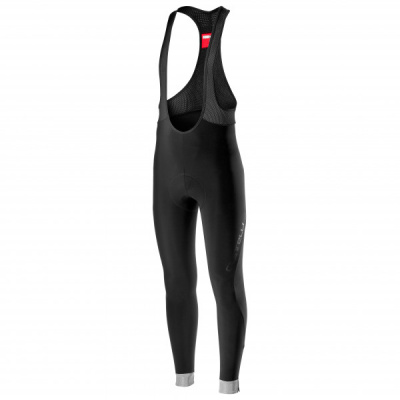
Prices and availability can change quickly. Delivery charges are not always included in listed prices.
Final price, stock status and delivery terms are set by retailer. We may receive a commission on purchases made.
Fabric Tech and Weather Performance
Castelli's approach to winter fabric isn't one-size-fits-all, and that's exactly the point. The workhorse of the range is Nano Flex 3G - a proprietary fleece-backed fabric with a DWR coating that repels water at a mechanical level rather than relying purely on a membrane. Rain hits the surface and rolls off. It's not magic; it's precise textile engineering, and it works well for the persistent light rain that defines riding in Wales or the Yorkshire Dales.
Critically, Nano Flex does this without sealing you in. Breathability is maintained, which matters when you're working hard on a climb and then dropping into a cold descent - sweat needs somewhere to go, or you arrive at the café stop already damp from the inside. That's the balance Nano Flex is designed to strike.
For drier, colder days - think a crisp Peak District morning where wind-chill is the enemy rather than rain - Thermoflex fabric offers high-stretch warmth with a softer hand feel. It moves with you rather than fighting your pedal stroke. Then there are the deep-winter models, where Castelli integrates Gore-Tex Infinium Windstopper panels - most notably in the Polare - to block wind-chill on the knees and front of the leg during long descents. That combination of wind-blocking where you need it and stretch where you don't is what makes the range feel considered rather than just layered up.
The RoS (Rain or Shine) philosophy sits across several models in the lineup - the idea being that you shouldn't need to check a forecast before choosing which kit to pull on. In practice, RoS models are the ones that handle the widest range of British conditions without compromise in either direction.
Understanding the Castelli Fit and Range
The fit is Italian, which means it runs close. If you've not worn Castelli before, that's not a warning - it's just useful information. The cut is shaped around a rider in the drops: hip-forward, back extended, leg drive prioritised. On the bike it feels precise. Off the bike it feels like a wetsuit.
The Rosso Corsa label is the clearest indicator of how tight things get. Rosso Corsa denotes Castelli's race-specification cut - minimum excess fabric, maximum aerodynamic intention. Most UK riders, even lean ones, will find sizing up by a full size gives a better fit and doesn't compromise function on the bike. If you're between sizes, go up. You won't lose performance and you'll gain comfort on longer rides.
The range itself breaks into three clear tiers. The Tutto Nano uses Nano Flex 3G fabric throughout, making it the go-to for milder, damp British riding - think the kind of October or March day where it's not cold enough to worry but wet enough to ruin a standard tight. It's versatile, four-season adjacent, and works well across a wide range of effort levels.
The Castelli Sorpasso RoS sits above it as the range's most capable all-winter option. It combines varied panel construction - different fabrics in different zones - to provide wind protection where exposure is worst and stretch where the leg needs to move freely. For most riders doing regular winter road miles in the UK, the Sorpasso is the model worth spending up for. It's the one that handles a freezing headwind on an exposed A-road without cooking you on the return climb.
At the top end, the Polare is built for genuinely cold conditions - the kind of rides where you're already wearing everything else you own. Gore-Tex Infinium Windstopper panels and a heavier fleece lining make it the choice for deep winter, but it's too warm once temperatures rise above about five degrees. Horses for courses.
Prefer riding without bib straps? Check out our Castelli Regular Tights. Or, if you want to extend the life of your summer kit, browse our Castelli Leg Warmers and Castelli Bib Shorts.
Building a Winter Kit Around Your Tights
Bib tights are the foundation, not the whole house. To get the most out of them - especially on days when the temperature swings between a damp seven degrees at the start and a dry three degrees at the top of a long climb - you need the layers above them to work in the same direction.
Start with a merino or synthetic Castelli base layer that wicks efficiently. The tights manage your legs; the base layer manages your core temperature and keeps moisture moving away from your skin. Add a Castelli winter jacket that matches the conditions - softshell for damp days, something windproof and packable if rain is unlikely but cold isn't. Round it out with Castelli gloves and overshoes and you've covered the extremities, which are where most riders lose the battle with cold first.
Washing Nano Flex fabric correctly matters more than most riders realise. Wash at 30 degrees, turn them inside out, and skip the fabric softener entirely - it strips the DWR coating and you'll notice the difference the next time it rains. An occasional low-heat tumble dry actually helps: the gentle heat reactivates the DWR and restores the beading effect. Don't iron them. Don't dry-clean them. Keep it simple and they'll last.
One more thing: bib tights sit directly against the skin over the chamois, so you wear them without shorts underneath. That's not a preference - it's how the pad geometry is designed to work. Layering shorts on top defeats the purpose of the Progetto X2 Air or KISS Air2 pad construction entirely.
Related searches:
Castelli Bib Tights FAQs
Should I size up in Castelli bib tights?
Generally, yes. Castelli uses a close Italian cut, and the Rosso Corsa line runs particularly snug. Most UK riders find that going up one full size from their usual apparel size gives the right fit on the bike without restricting movement. If you're between sizes, always go up rather than down.
What is the difference between Castelli Sorpasso and Tutto Nano bib tights?
The Tutto Nano uses Nano Flex 3G fabric throughout - great for damp, milder conditions where stretch and water resistance are the priority. The Sorpasso RoS uses varied panel construction with more targeted wind protection, making it the better choice for colder, more exposed winter riding where wind-chill is a genuine concern.
Are Castelli bib tights waterproof?
Highly water-resistant, not fully waterproof. Nano Flex fabric uses a DWR coating to make rain bead and run off the surface rather than soaking through. This works well for UK showers and drizzle while keeping the fabric breathable - something a fully waterproof membrane would compromise during harder efforts.