
Castelli Regular Tights
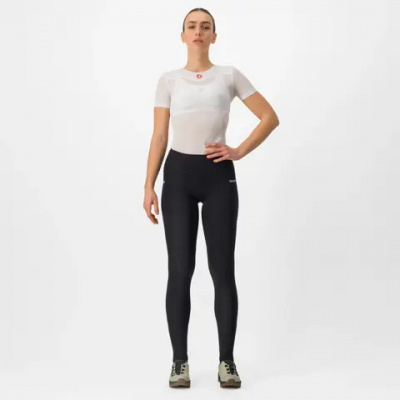
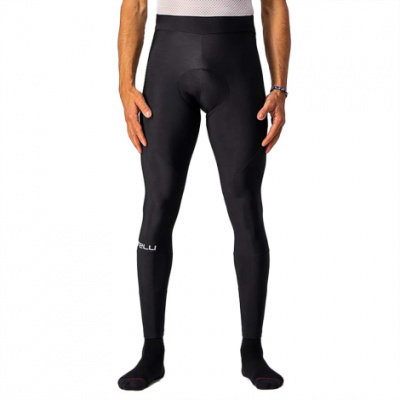
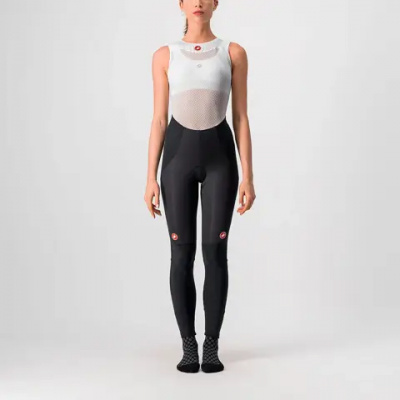
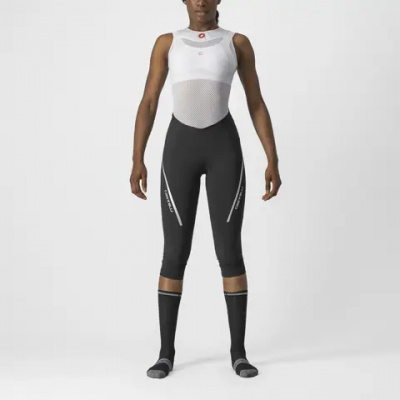
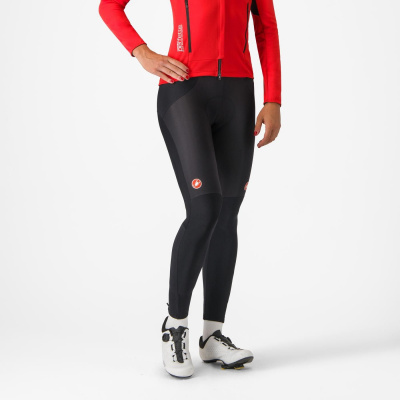
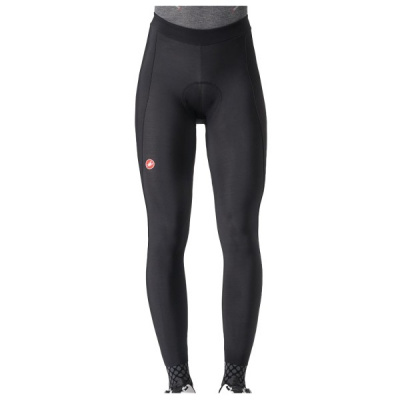
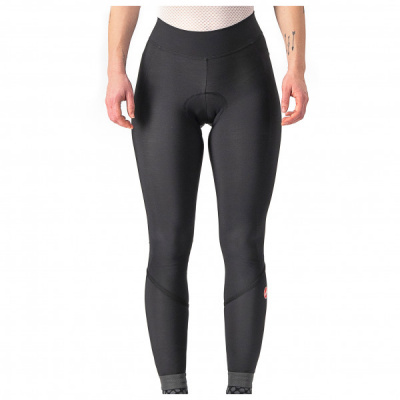
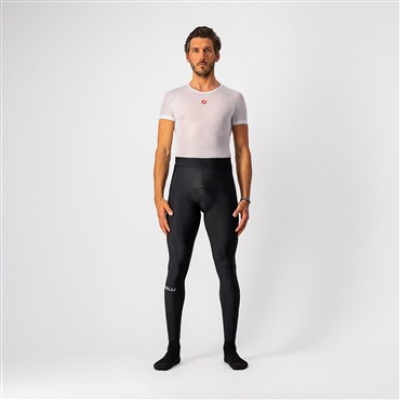
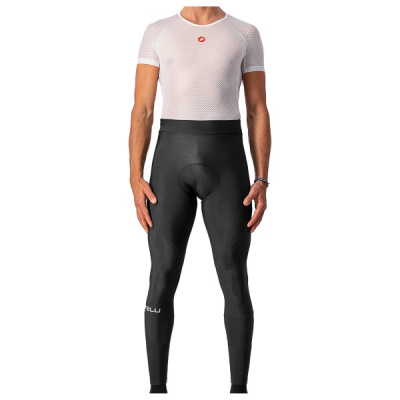
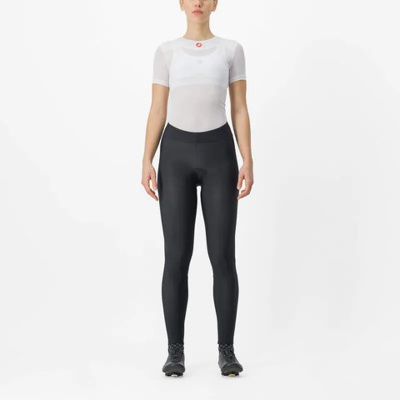
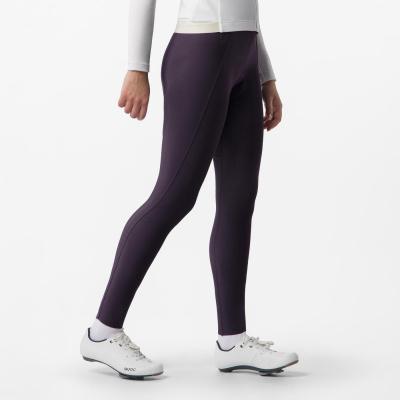
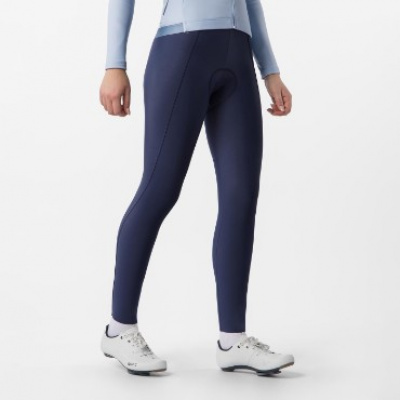
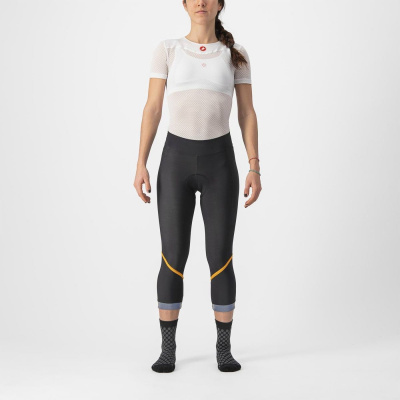
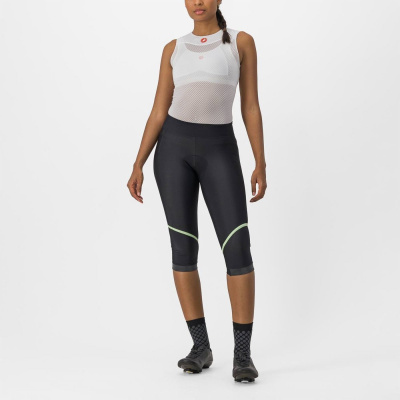
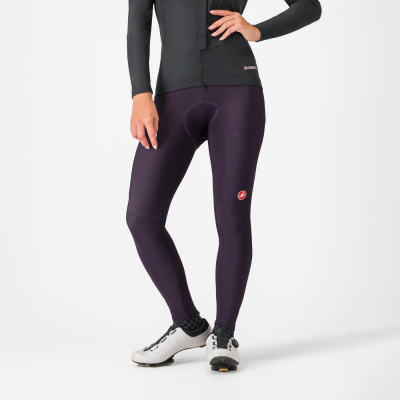
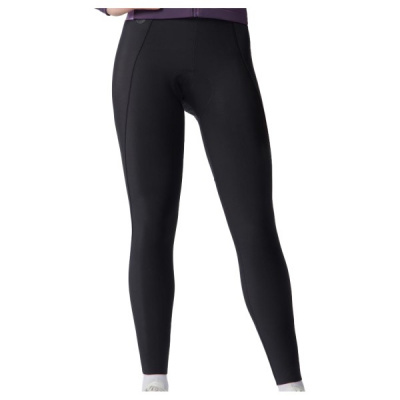
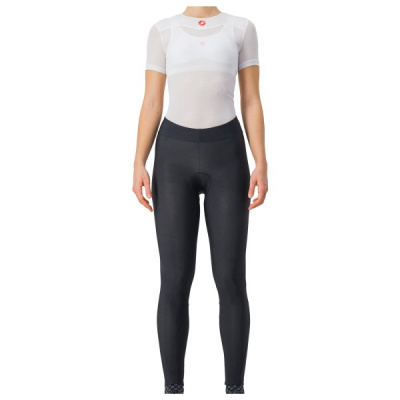
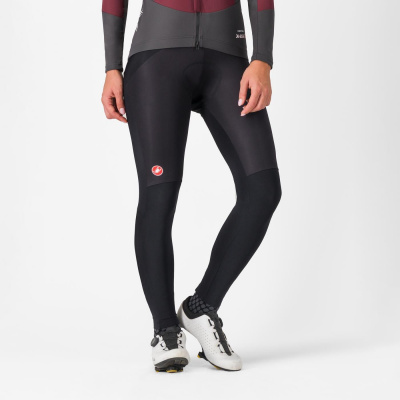
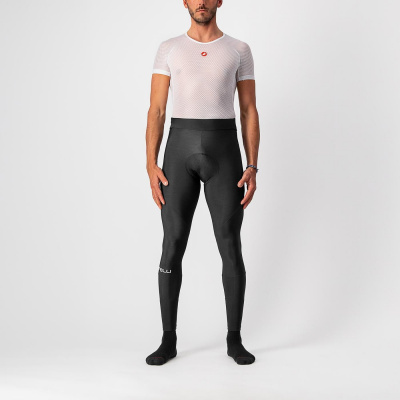
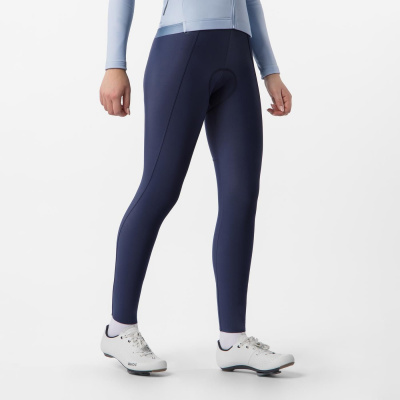
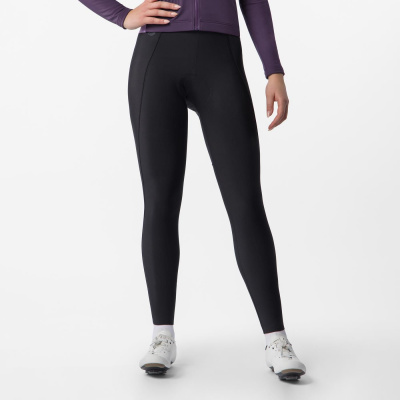
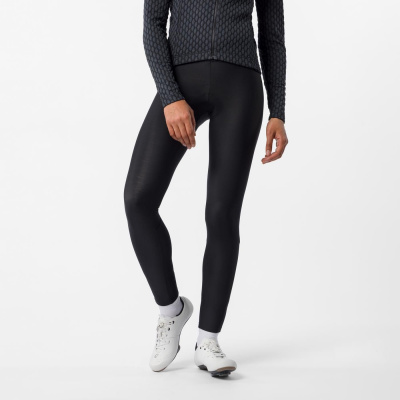
Castelli regular cycling tights bring the brand's hard-won winter fabric technology to riders who want pro-level protection without bib straps in the way. No shoulder straps means quicker changes at a café stop, easier bio-breaks when the temperature's sitting near freezing, and one less layer of fabric stacking up under a winter jacket. Practical stuff that matters on a January ride.
The core of the range is built around Thermoflex and Nano Flex fabrics - the same materials Castelli deploys across their elite bib-tight lineup. Thermoflex delivers fleece-lined insulation that traps warmth without the bulk of a heavy knit, while Nano Flex uses a DWR coating to bead road spray and light rain before it soaks through. For UK riding - where a dry start can turn to a damp slog somewhere around the second climb - that combination does real work.
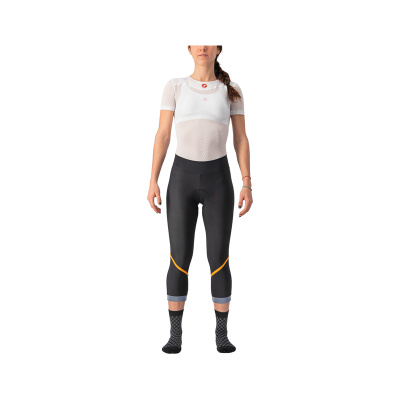
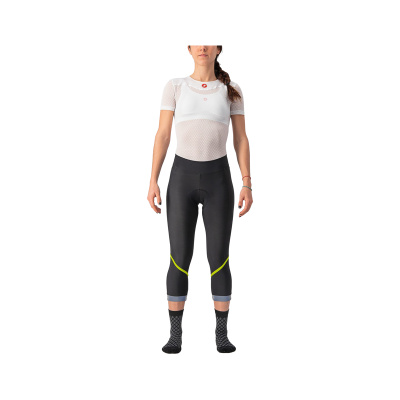
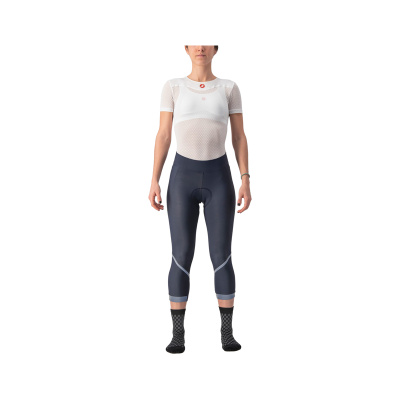
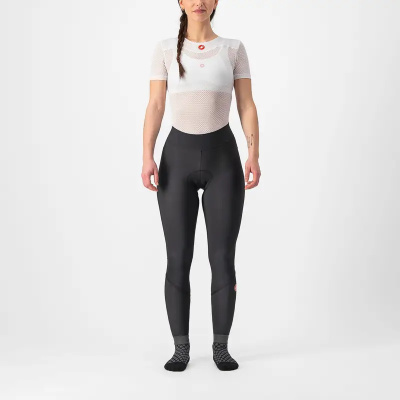
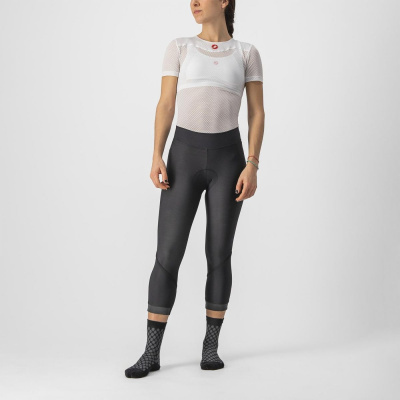
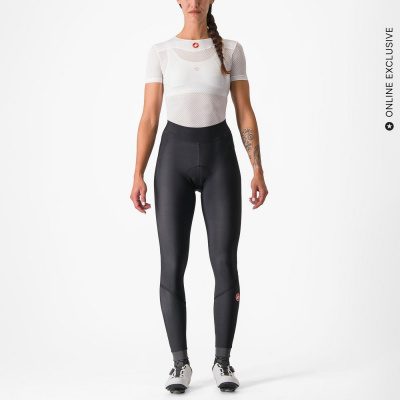
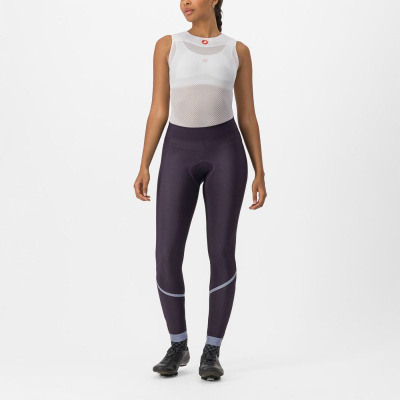
Padding options across the range include the Kiss Air2 and Progetto X2 Air seamless seat pads, both engineered to move with the rider and reduce friction on longer winter miles. An anatomic waistband keeps everything sitting where it should without rolling down or cutting in mid-ride. Reflective detailing handles the short-day visibility problem without making you look like a high-vis vest. These are tights built to do a specific job well.
Prices and availability can change quickly. Delivery charges are not always included in listed prices.
Final price, stock status and delivery terms are set by retailer. We may receive a commission on purchases made.
Fabric Tech and Weather Performance
Castelli's Thermoflex fabric works on a simple principle: high-stretch fleece construction that traps a layer of warm air against your legs without adding noticeable weight or restricting your pedal stroke. It's the difference between feeling bundled and feeling insulated - you get the warmth, not the waddle. On a crisp morning in the Peaks or a flat winter road ride through the Fens, your legs stay comfortable from the first pedal turn rather than needing fifteen minutes to warm up.
Nano Flex is the weather-resistance piece of the puzzle. Rather than a membrane that blocks airflow entirely, it uses millions of tiny nanofilaments to create a DWR-treated surface that forces water to bead up and roll clear. Road spray, light drizzle, puddle splash - it handles all of it without turning your legs into a sauna on a long climb. The trade-off against a fully windproof panel is that Nano Flex breathes better, which matters more than most riders expect when the pace picks up. For persistent horizontal rain, you'd want to add Castelli overshoes and a proper jacket rather than asking the tights to carry all the weather work alone.
Together, these fabrics cover the 4°C to 12°C bracket that dominates UK autumn and winter riding. When conditions are genuinely bitter - think sub-zero starts in Scotland or the Yorkshire Dales in January - look for models with additional windproof panelling at the knees and front of the leg.
Sizing, Fit and Navigating the Castelli Range
Castelli sizing runs small. That's not a rumour - it's a consistent pattern across their clothing, rooted in Italian fit conventions that assume a leaner physique than the average UK rider. Sizing up by at least one size from your normal clothing is the sensible starting point, and two sizes isn't unheard of for riders with more muscular thighs. Check the brand's size guide against your actual measurements rather than guessing from a medium in another brand's kit.
The anatomic waistband is the detail that separates these from cheaper waist tights. It's cut and shaped to sit flat against the body rather than a simple tube of elastic, which means it doesn't roll down under a jersey or dig into your stomach when you're bent over the bars. On longer rides, that matters more than you'd think - a waistband that creeps down is a genuine distraction.
Within the range, Castelli separates models by intended temperature range and gender-specific construction. Women's waist tights - the Castelli women's waist tights options - use chamois pads and waistband geometry designed around female anatomy, so it's worth filtering specifically rather than defaulting to a unisex cut. If you're riding predominantly in the 4°C to 10°C bracket, Thermoflex-based models are the core choice. For milder shoulder-season days, lighter fabric constructions in the range suit better and breathe more freely.
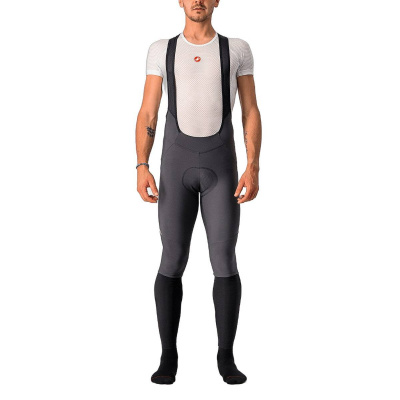
Prefer the locked-in security of shoulder straps for more aggressive riding or longer sportive efforts? We've got a full selection of Castelli bib tights worth exploring - the fit and fabric logic is similar, but bibs remove any risk of a cold gap appearing at your lower back mid-ride.
Layering Waist Tights into a Winter Kit Setup
Waist tights earn their place in a winter layering system precisely because they don't interfere with what's happening above the waist. A thermal Castelli base layer can be tucked or adjusted freely, and a longer cut Castelli winter jacket drops down to cover the waistband without fighting bib straps underneath. If you run hot on climbs and want to open a zip or shed a layer at the top, there's nothing pulling at your shoulders or trapping heat at the torso. It's a genuinely more flexible system for variable-pace rides.
On milder days where full tights feel like too much, Castelli leg warmers are worth having in the back pocket - they bridge the gap between bare legs and full winter kit without needing to change tights entirely.
Wash care is worth getting right, because it directly affects how long the Nano Flex DWR treatment stays effective. Wash at 30°C on a gentle cycle, and skip the fabric softener - it blocks the nanofilament structure and kills the water repellency faster than anything else. Occasionally tumble drying on a low heat setting helps reactivate the DWR coating if you start noticing water soaking in rather than beading off. Store them flat or hanging rather than compressed in a drawer to keep the fleece loft in good shape.
Castelli Regular Tights FAQs
Are waist cycling tights better than bib tights?
Neither is objectively better - it depends on what you need. Waist tights make bio-breaks faster, work more cleanly under bulky winter jackets, and feel less restrictive at the torso. Bib tights give you a more secure, seamless fit with no risk of the waistband dropping or a cold gap opening at your lower back on longer or harder efforts. Pick based on how you ride.
What temperature are Castelli winter tights good for?
Most Castelli winter tights using Thermoflex fabric sit comfortably in the 4°C to 15°C range - which covers the bulk of UK autumn and winter riding. Below 4°C, look for models with dedicated windproof panelling across the knees and quads. Above 12°C or so, a lighter fabric construction or leg warmers will stop you overheating on climbs.
How should Castelli cycling tights fit?
Close-fitting without being restrictive - think second skin at the leg, with the chamois pad sitting flush against you rather than bunching or shifting. Castelli sizing runs noticeably small by UK standards, so most riders should size up at least once from their usual clothing size. Check your thigh and waist measurements against Castelli's own size guide rather than relying on brand-to-brand comparisons.