
Castelli Base Layers
Castelli base layers sit at the foundation of how the brand approaches performance clothing - everything else you wear depends on what's happening right against your skin. Get this layer wrong and it doesn't matter how good your jacket is; you'll still finish a damp October descent feeling like you've been wrung out. Get it right and your body manages its own microclimate almost without you noticing.
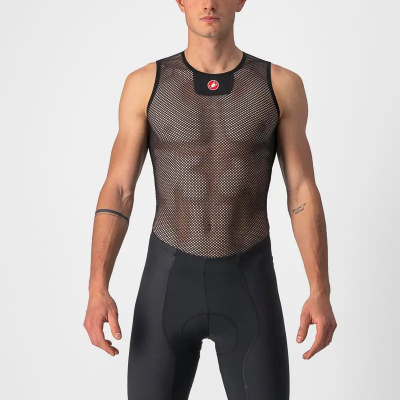
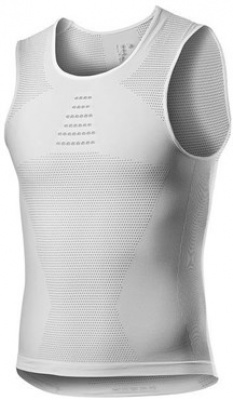
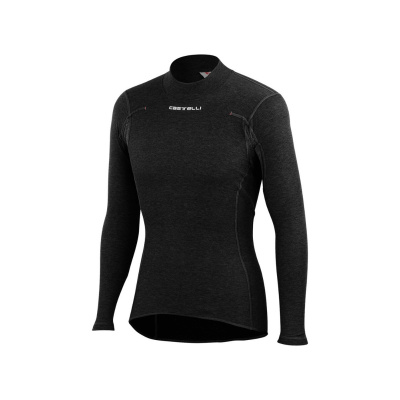
Castelli's approach here is built around three distinct fabric strategies. The Core Mesh construction maximises airflow and sweat transport on hot days, so you're not cooking inside your jersey on a long summer climb. The Prosecco hydrophilic treatment - used across their mid-season range - chemically alters the fabric surface to spread moisture over a larger area, dramatically speeding up evaporation. And the Flanders Warm line uses a fleece-lined inner to trap dead air close to your body when January temperatures and a damp headwind are doing their worst.
UK riding throws all three conditions at you, sometimes in the same weekend. High humidity on steep climbs demands aggressive sweat management. Shoulder-season rides can flip from warm and sunny to cold and soaked on a single descent. Having the right Castelli cycling base layer matched to the conditions is one of the simplest performance gains you can make.
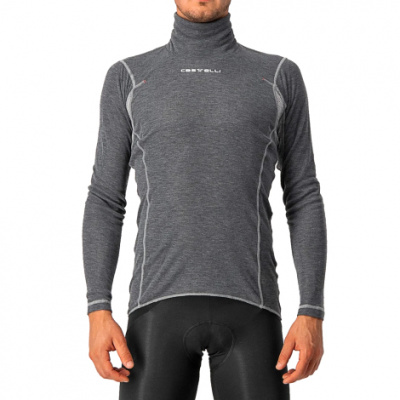
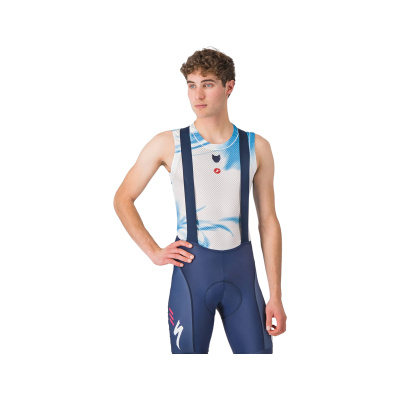
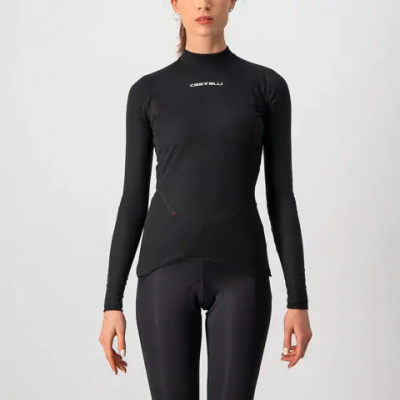
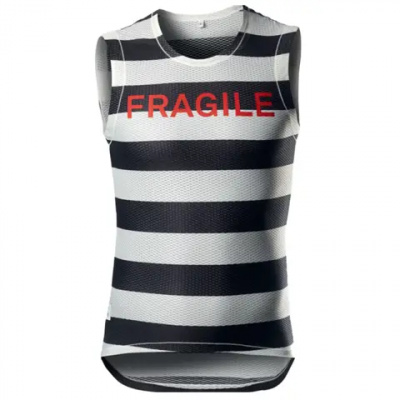

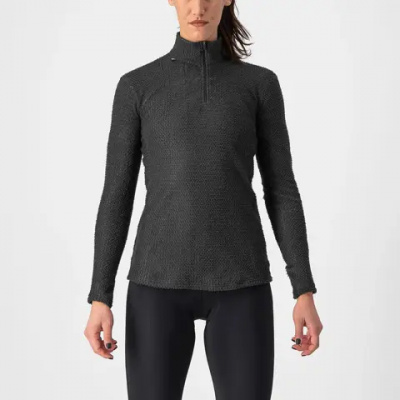
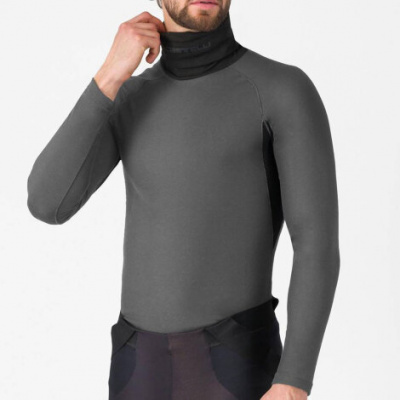
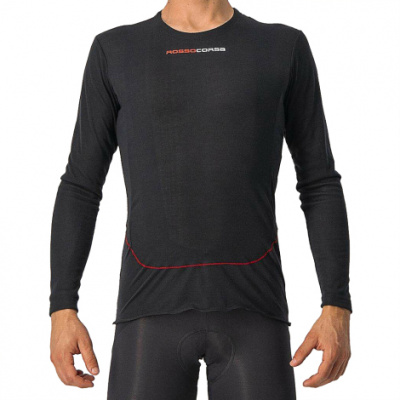
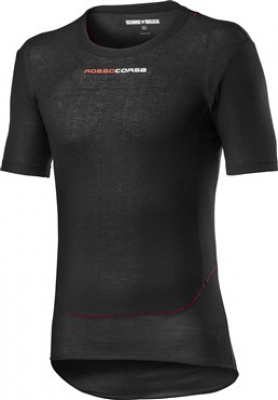
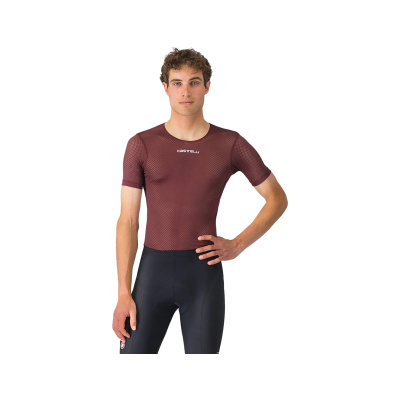
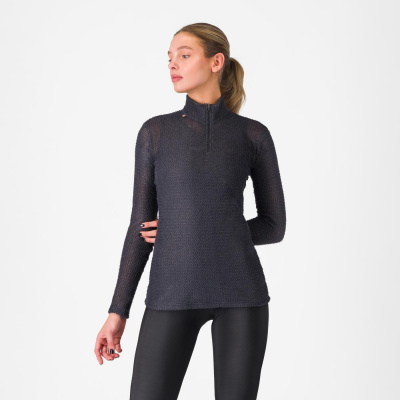
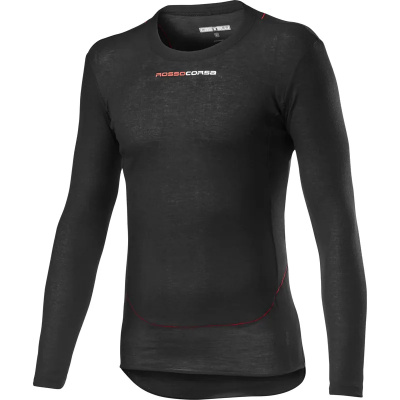
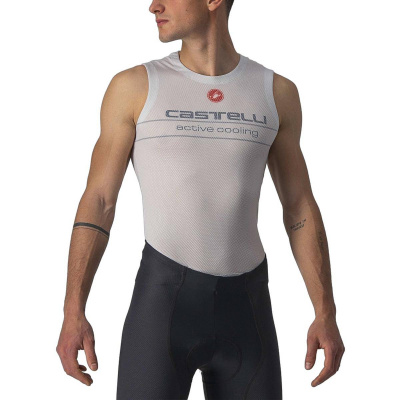
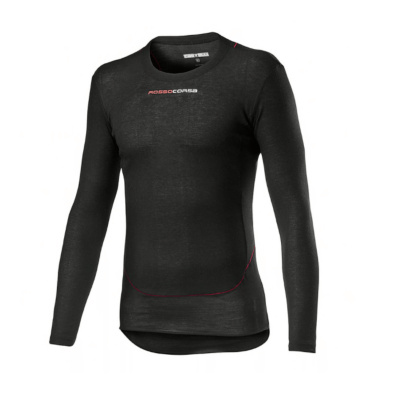
Prices and availability can change quickly. Delivery charges are not always included in listed prices.
Final price, stock status and delivery terms are set by retailer. We may receive a commission on purchases made.
Fabric Tech and Weather Performance: Prosecco, Mesh, and Flanders
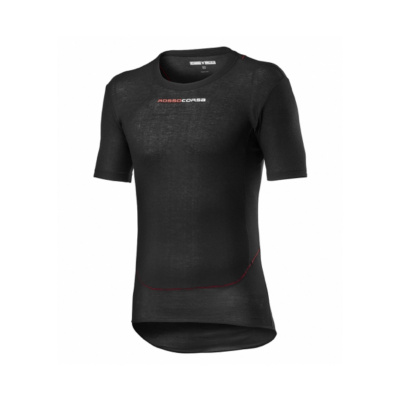
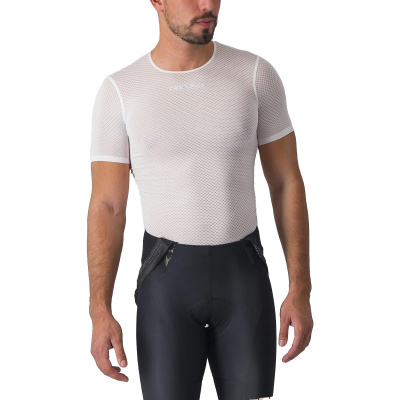
The Prosecco hydrophilic treatment is probably the most misunderstood piece of kit in Castelli's lineup. It's not a fabric - it's a chemical finish applied to the fibre surface that actively spreads sweat molecules outward, increasing the surface area exposed to air and accelerating evaporation. On a hard climb in humid conditions - think a sweaty slog up anything with a double-digit gradient - this is what stops that clammy, boil-in-a-bag sensation building under your jersey. The Prosecco-treated layers are Castelli's go-to for anything from spring through to mid-autumn.
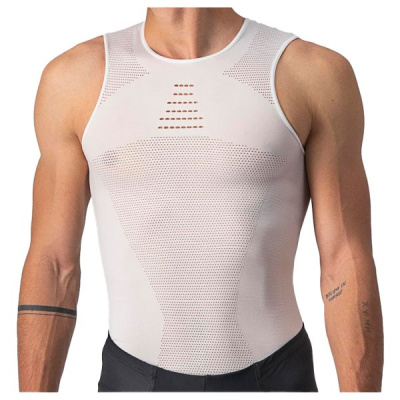
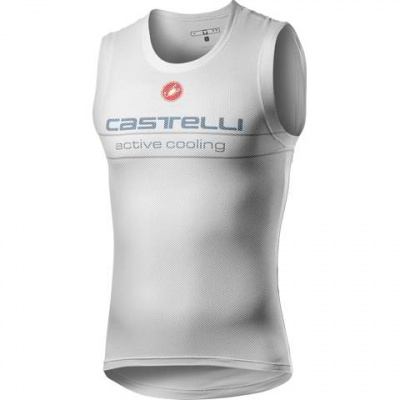
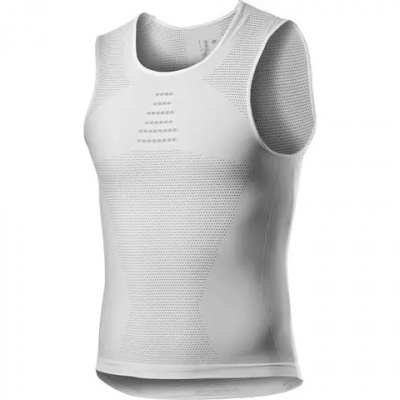
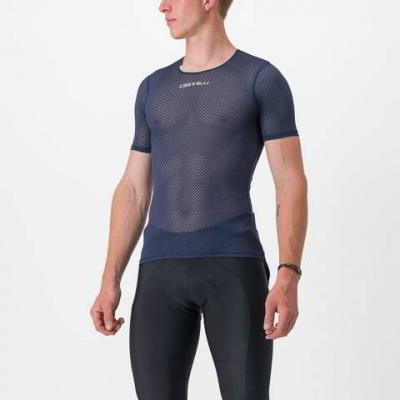
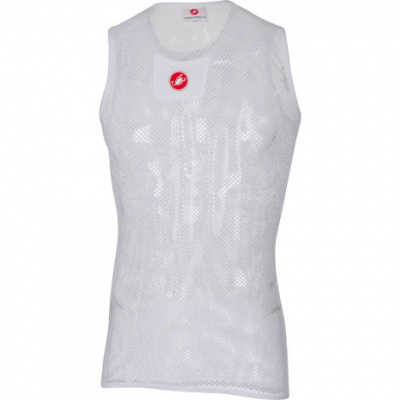
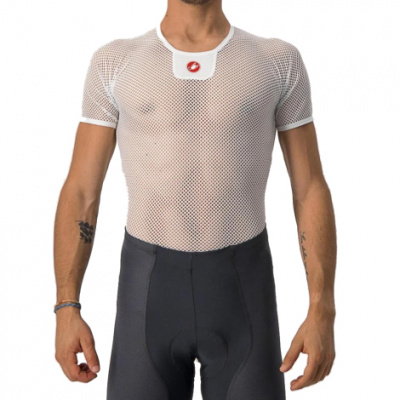
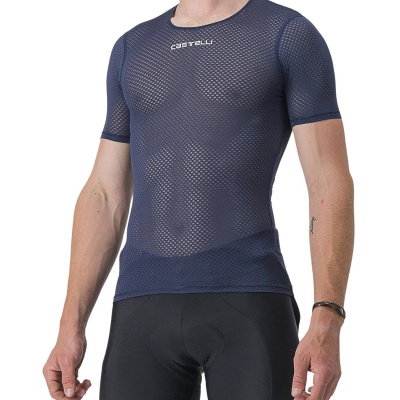
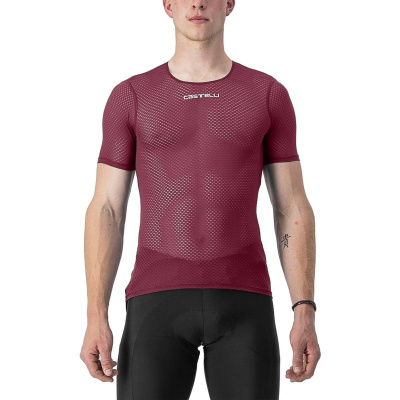
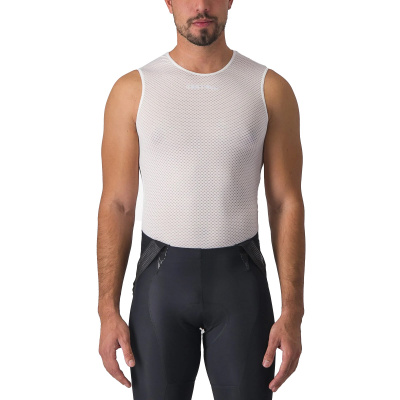
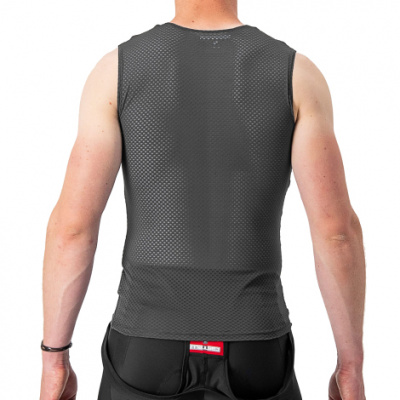
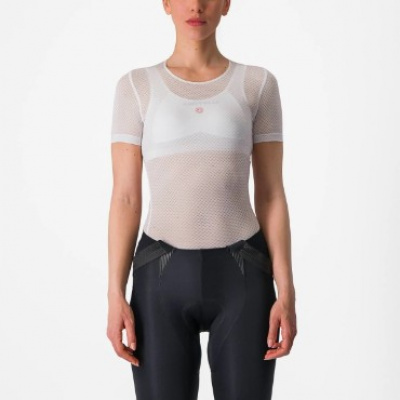
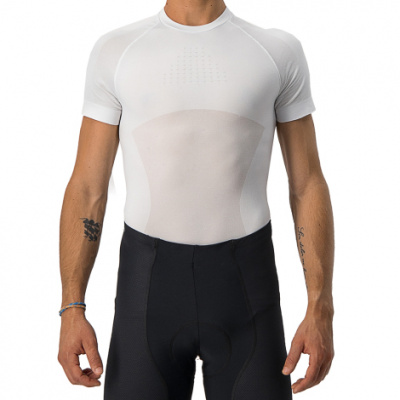
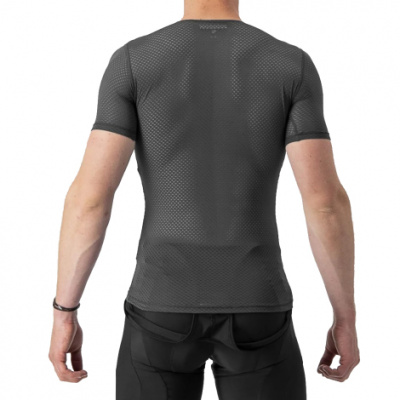
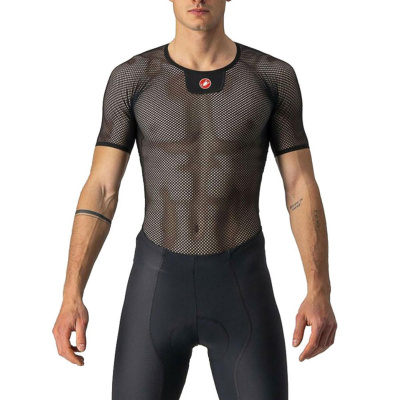
The Core Mesh construction takes a different approach for peak summer use. Open hexagonal mesh panels create direct airflow channels straight through the fabric, so sweat is transported and dispersed before it has any real chance to sit on your skin. It sounds almost too simple, but next to a standard jersey alone it's a noticeable difference - particularly on long road days or gravel rides when your jersey is saturated and you need the base layer to keep pulling moisture through. If you're comparing options, Castelli jerseys are engineered with this layering system in mind, so the two work in tandem rather than against each other.
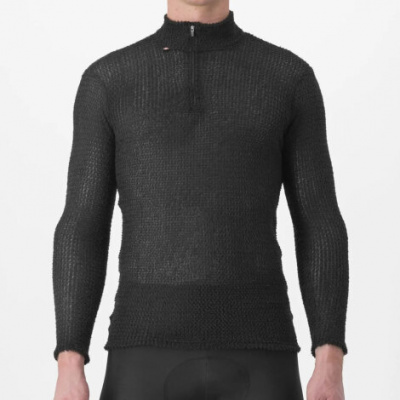
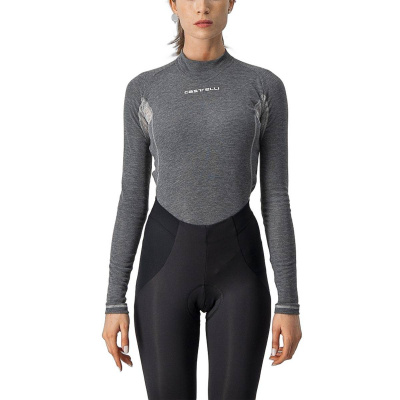
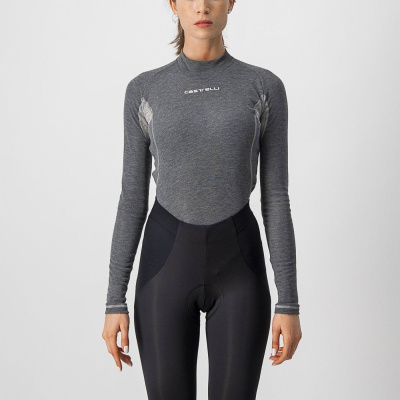
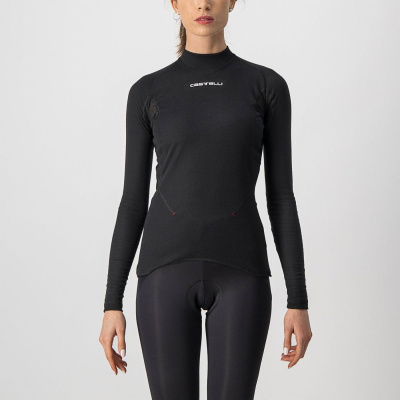
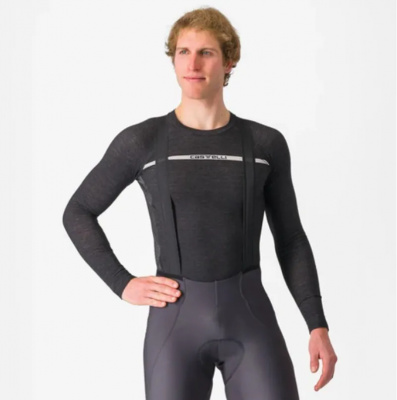
At the cold end, the Flanders Warm base layer uses a brushed fleece inner surface to trap a thin layer of warm air close to your body. It's a straightforward piece of physics - dead air is an excellent insulator - but the execution matters. Castelli keeps the outer face smooth so it doesn't bulk under a tight-fitting jacket, and the next-to-skin fit means that trapped air layer stays consistent even when you're moving. Paired with one of the Castelli jackets like the Gabba or Perfetto for shoulder-season riding, the Flanders layer gives you a genuine buffer against sub-zero temperatures without turning you into a Michelin man on the bike.
Where merino wool alternatives offer natural odour resistance, Castelli's synthetic fabrics prioritise outright moisture speed and durability through repeated washing. For high-intensity riding, that trade-off makes sense. Merino is softer and better at multi-day touring without a wash; Prosecco-treated synthetics are faster-drying and more consistent under hard effort.
Understanding the Castelli Fit and Range
Base layers only work if they're actually touching your skin. A loose-fitting layer creates air pockets where sweat pools rather than wicks, and on a cold descent that pooled moisture chills fast. The seamless construction Castelli uses on several models removes raised seam lines entirely, which matters more than it sounds when you're wearing a tight bib and the fabric is being pressed hard against your torso for four hours. No ridge, no hot spot, no distraction.
Castelli sizing runs to a notoriously close Italian race cut. If you're used to looser-fitting base layers or you're between sizes, size up - it's not a knock on the product, it's just how the brand calibrates fit for aerodynamics and moisture contact. A medium that fits perfectly in another brand may leave you fighting to pull a Castelli medium over your shoulders. Check the size guide carefully, particularly across the chest.
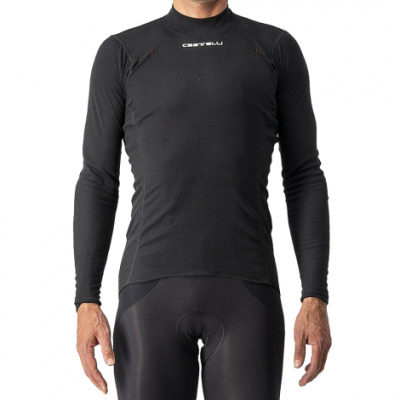
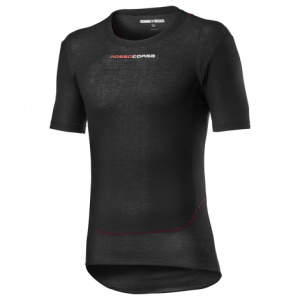
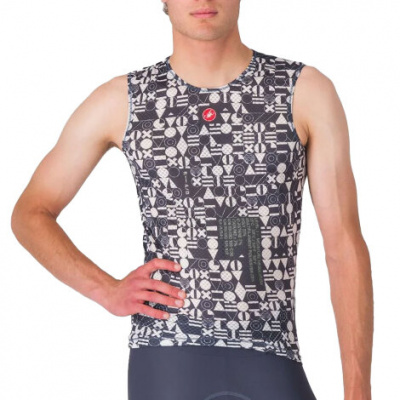
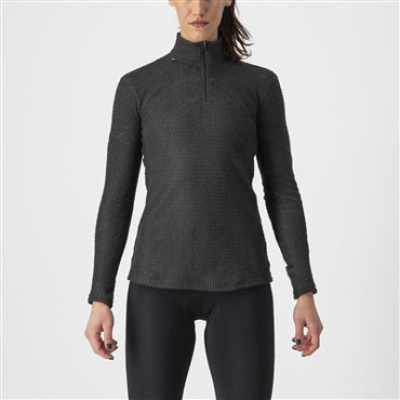
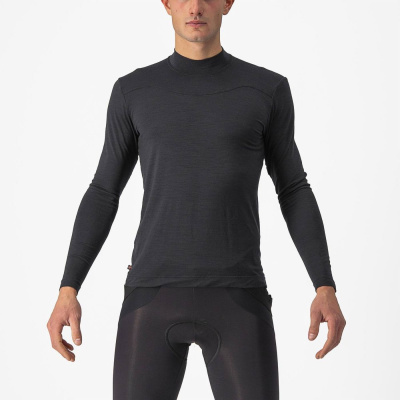
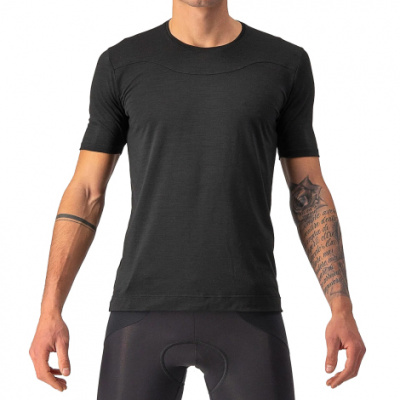
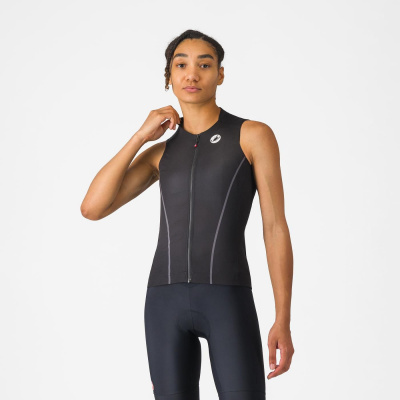
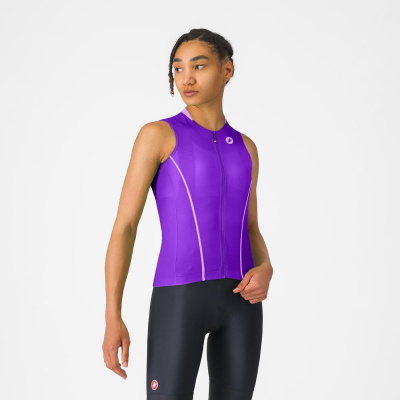
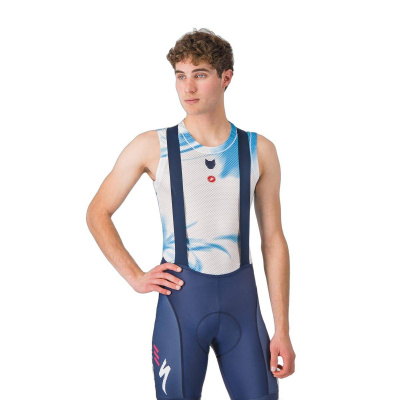
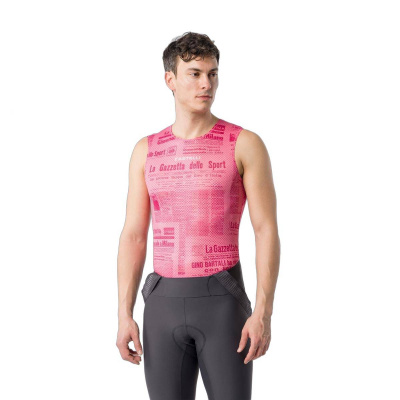
The range covers short-sleeve, long-sleeve, and sleeveless options. Short and sleeveless suit warmer months and high-output efforts; long-sleeve versions extend the usable season significantly and work well under the Castelli bib tights system for full cold-weather coverage. If you're pairing a base layer with Castelli bib shorts, the seamless construction becomes especially relevant - the bib straps press the fabric flat with nowhere for a seam ridge to create friction over a long ride.
Female riders looking specifically for supportive foundation layers should also browse our dedicated Castelli sports bras page - the range there is built around the same fabric principles but designed specifically for fit and support requirements that a base layer alone doesn't address.
Layering and Care for UK Riding
The classic UK shoulder-season mistake is overdressing on top and underdressing underneath. A Castelli seamless base layer paired with the Gabba jacket - Castelli's soft-shell crossover piece - covers most of what British weather throws at you from September through April. The Gabba handles wind and light rain on the outside; the base layer manages the sweat your body generates when the effort goes up. Between the two, you're rarely caught out. Cold but dry days? Add the Flanders base layer under a lighter jersey and a gilet, and you've got a system that breathes on the climbs and holds heat on the flat.
Washing matters more than most riders think with technical base layers. Wash at 30 degrees, use a non-biological detergent, and keep fabric softener well away from these garments. Softener deposits coat the hydrophilic pores in the Prosecco treatment and physically block the moisture-wicking mechanism - it's the single most common way to ruin an expensive base layer prematurely. If your previously excellent wicking layer suddenly feels clammy and slow, fabric softener contamination is the first thing to check. A wash or two with plain non-bio detergent can sometimes restore performance, but prevention is far easier.
Turn the garment inside out before washing, skip the tumble dryer, and hang it to dry flat or on a hanger. These fabrics dry fast anyway - leaving them in a dryer on high heat degrades the elastic fibres and shortens the life of both the seamless construction and the hydrophilic treatment considerably.
Related searches:
Castelli Base Layers FAQs
Should a cycling base layer be tight?
Yes - it needs to sit flush against your skin to move sweat effectively. If there's any slack, moisture pools in the gap rather than wicking through the fabric, and you'll feel cold and damp on descents. A snug, next-to-skin fit is what makes the technology actually work.
Are Castelli base layers true to size?
They run close to a tight Italian race cut, so if you're between sizes or prefer less compression, size up. A medium in another brand doesn't reliably translate to a Castelli medium. Check the specific size guide before ordering - chest measurement is the most reliable reference point.
Do I need a base layer for summer cycling?
Worth having, yes. A Core Mesh base layer actively pulls sweat away from your skin and pushes it through to your jersey for evaporation - your jersey alone just absorbs it and holds it against you. On a long hot ride you'll finish noticeably drier and cooler with one on than without.