
Gripgrab Overshoes
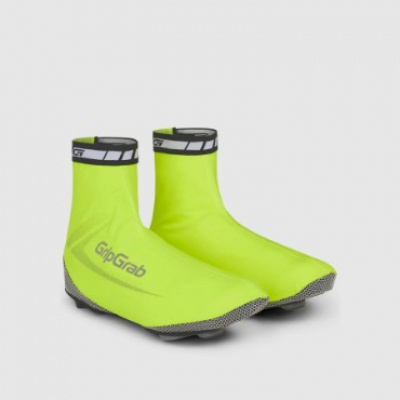
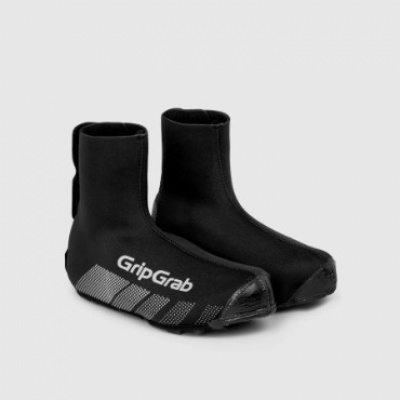
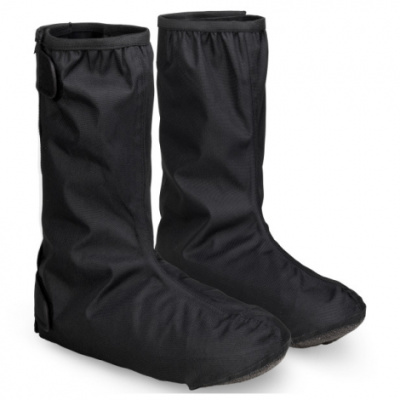
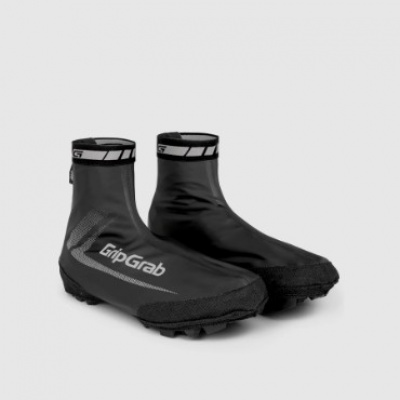
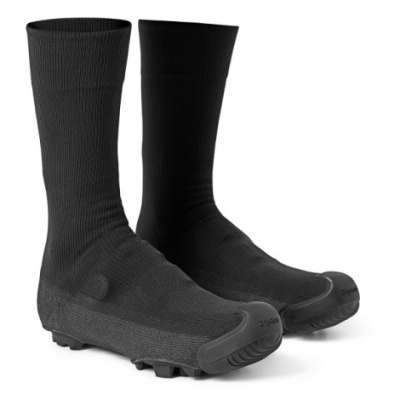
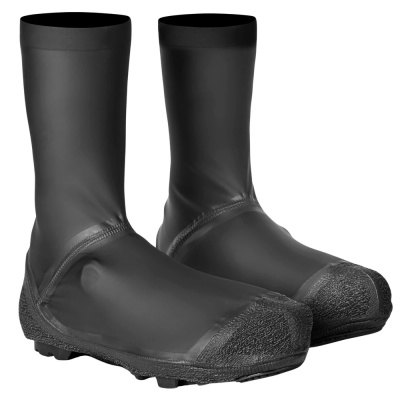
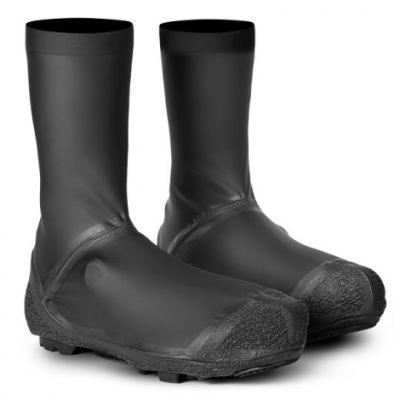
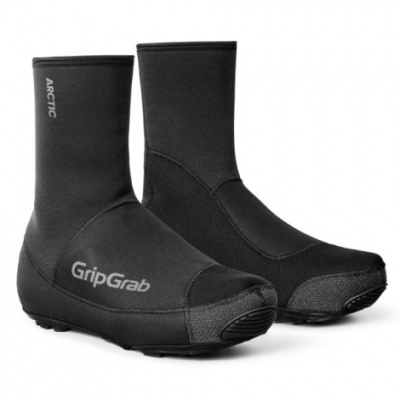
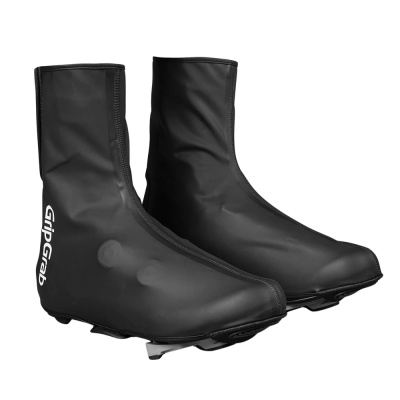
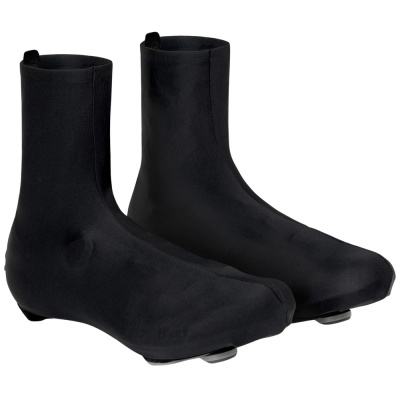
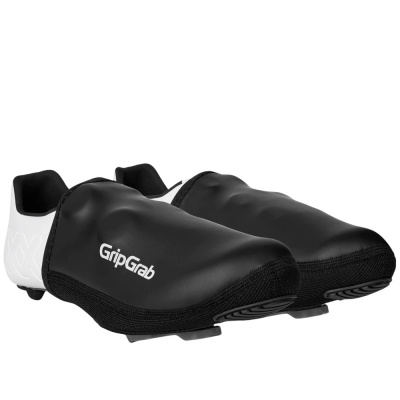
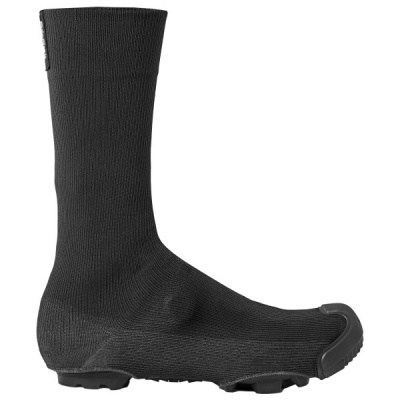
Numb feet end rides early - and if you've ever rolled home through a January squall with soaked shoes, you'll know GripGrab overshoes are one of those purchases you stop questioning after the first outing. Designed in Denmark, where winters make the Peak District feel mild, GripGrab has built a range of shoe covers that take UK road spray, freezing crosswinds, and that relentless sideways drizzle seriously. At the core of their top-end models sits IntelliSeal technology - a rubberised seal bonded around the sole that cuts off the main entry point for water: the gap between overshoe and tarmac. It's a genuinely clever bit of engineering that also reinforces the area taking the most punishment. Beyond that, the range spans everything from deep-winter neoprene models with serious thermal insulation to featherlight, packable PU-coated covers you can stuff in a jersey pocket for an unpredictable spring morning. Many models ditch the zip entirely, removing the leak point that quietly ruins lesser overshoes. Whether you're grinding out base miles on exposed B-roads or commuting through city grime, there's a GripGrab option built for the conditions you're actually riding in.
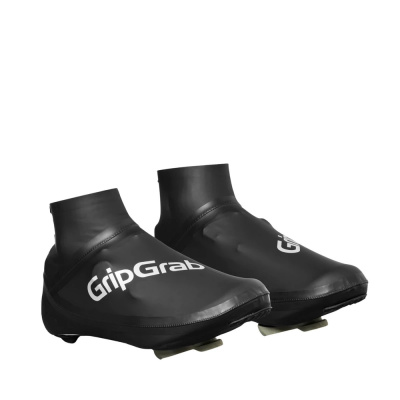
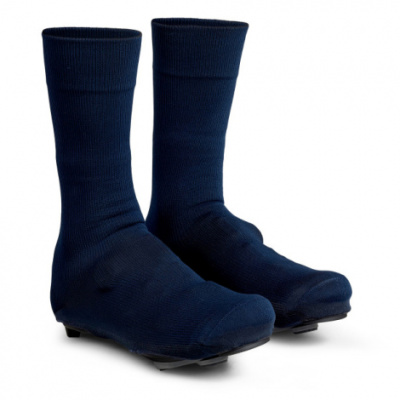
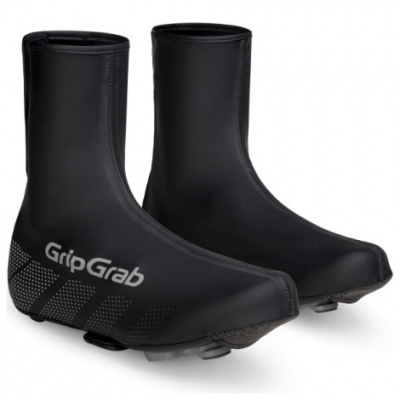
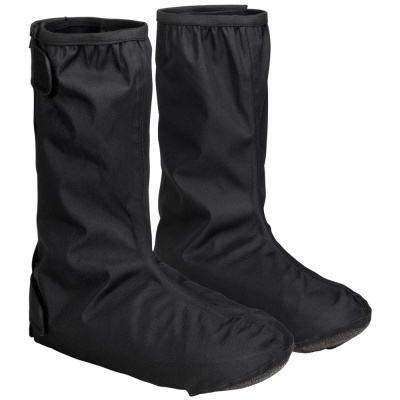
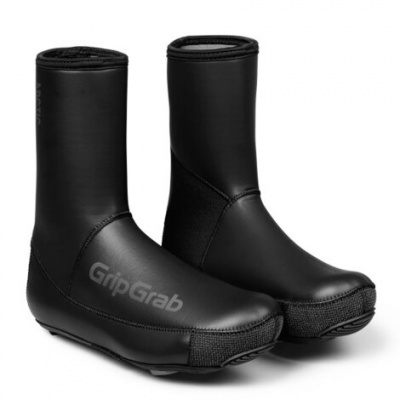
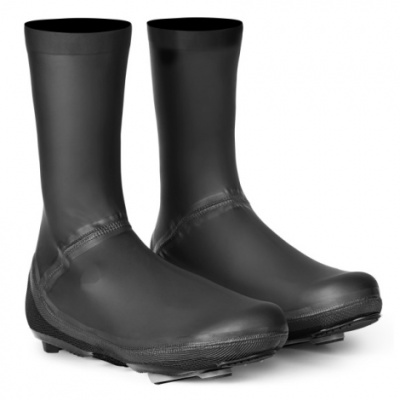
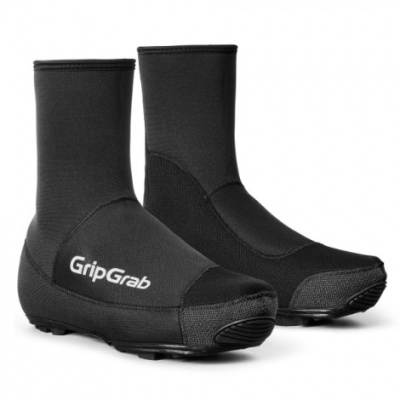
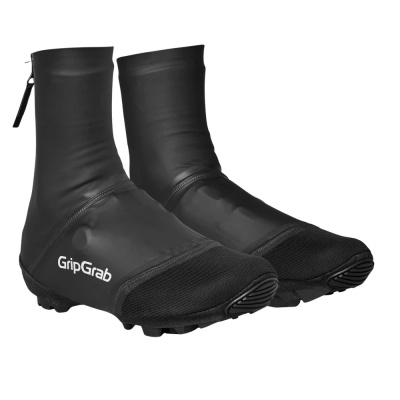
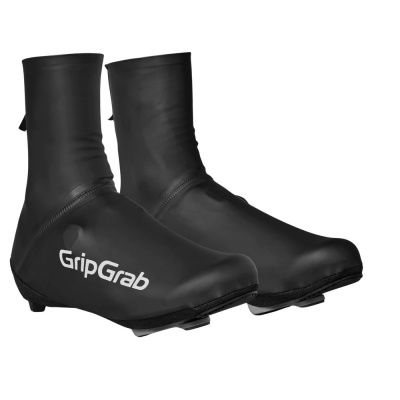
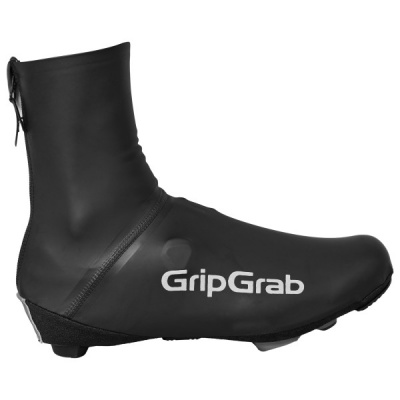
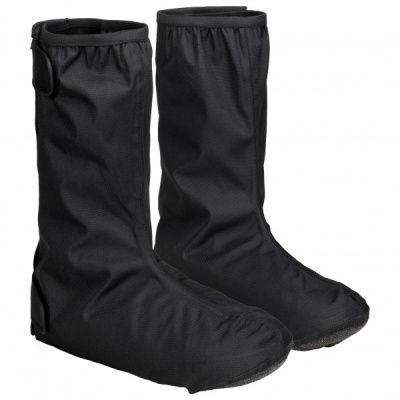
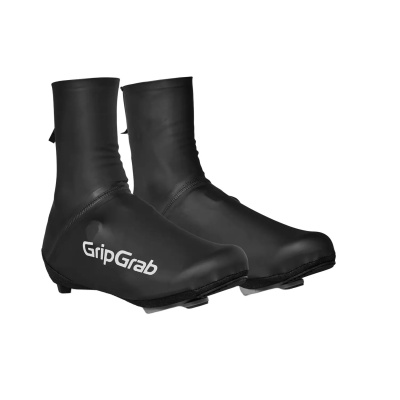
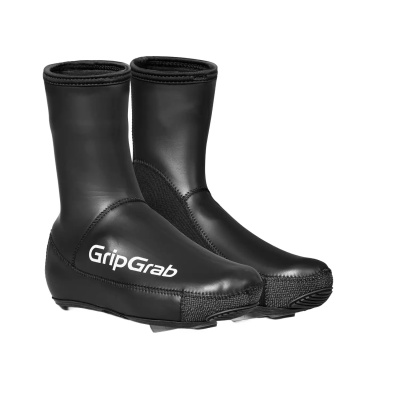
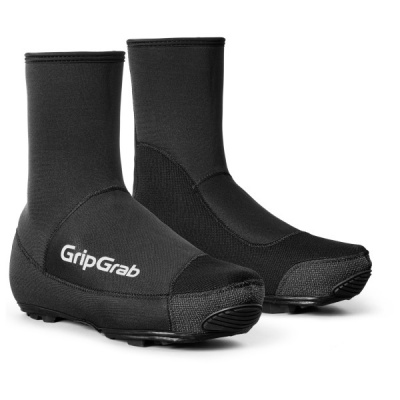
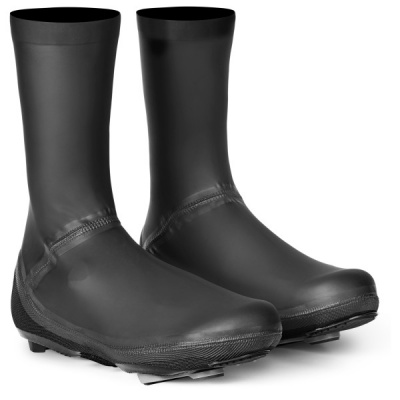
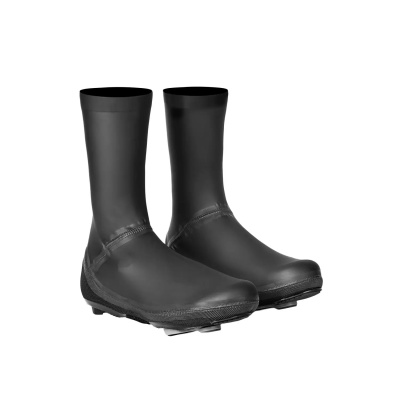
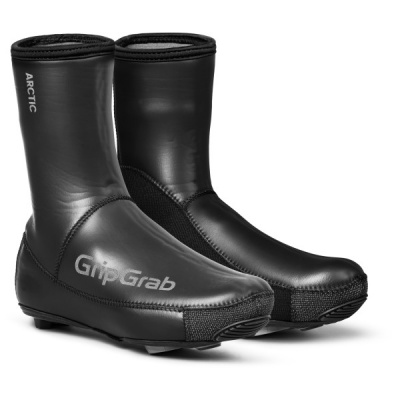
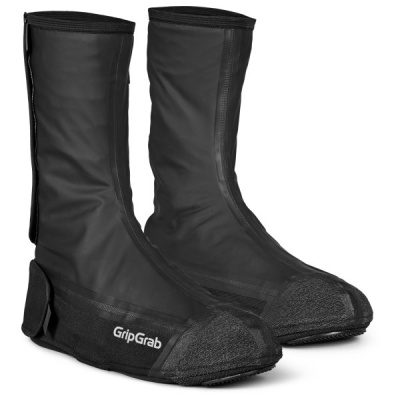
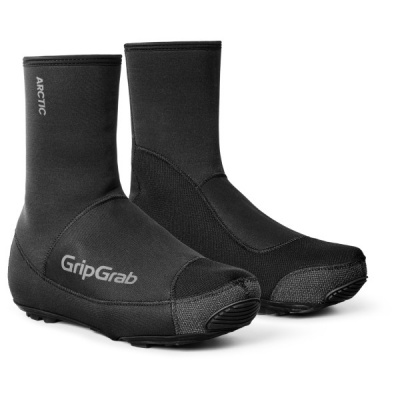
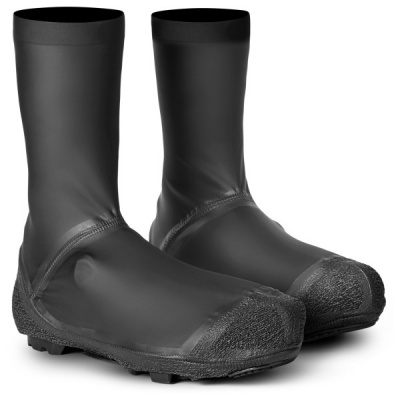
Prices and availability can change quickly. Delivery charges are not always included in listed prices.
Final price, stock status and delivery terms are set by retailer. We may receive a commission on purchases made.
Fabric Tech and Weather Performance
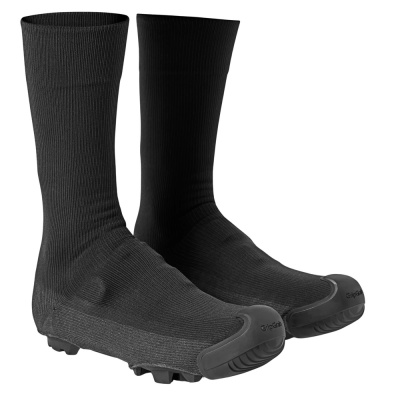
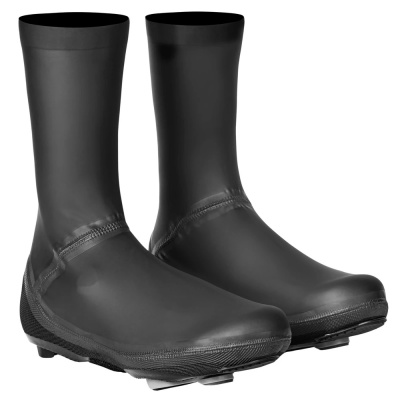
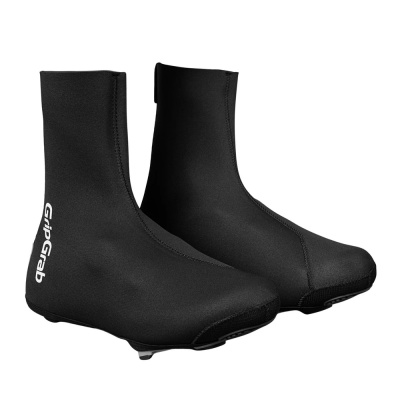
GripGrab splits its overshoe range by condition, and the material choice is where that division is clearest. Deep-winter models - the Arctic being the obvious benchmark - use high-stretch neoprene, typically around 4mm thick, which traps a thin layer of warmth against your shoe even when the outer surface is getting hammered. Neoprene handles cold well, but it's the stretch that matters on a bike: it conforms to the shoe without restricting the subtle flex of your foot through the pedal stroke. For wet-but-milder days, GripGrab switches to PU-coated stretch fabrics - thinner, far more packable, and genuinely capable of shedding rain without the bulk. These are the covers you reach for in March when the forecast says dry but the roads tell a different story.
The proprietary IntelliSeal technology deserves a proper mention here because it addresses something most competitors ignore. Road spray doesn't just fall from the sky - it comes up off the tyre and hits the sole of your overshoe constantly. The rubberised binding that IntelliSeal applies around the bottom edge dramatically reduces water ingress from below, and it simultaneously toughens the area that wears first. On a wet B-road with grit thrown up every few metres, that matters. Some models also feature windproof outer panels, which make a real difference on exposed rides where wind chill is doing as much damage as moisture. Water-resistant finishes on the outer fabric handle light rain effectively, though no overshoe is a sealed unit - which is why layering technique (covered below) is part of the equation. If you're weighing up alternatives, Castelli overshoes and SealSkinz overshoes are worth comparing, particularly if you want different fits or fabric approaches.
Fit, Range, and Road vs Off-Road
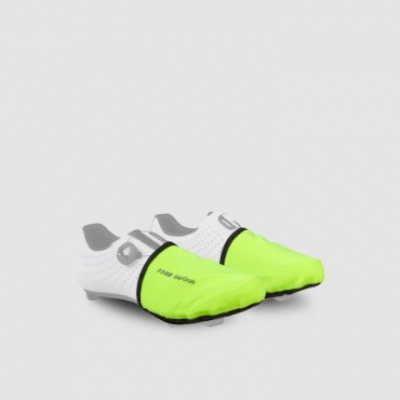
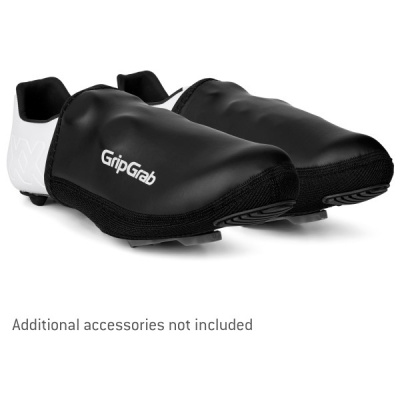
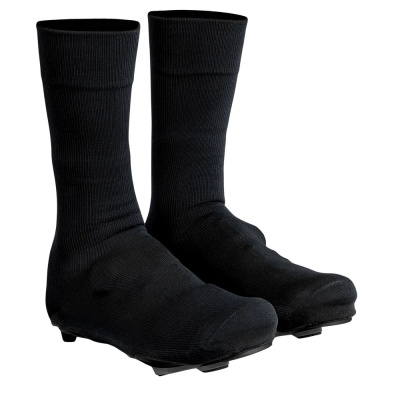
GripGrab makes distinct versions for road cycling and off-road use, and the differences go beyond aesthetics. Road cycling shoe covers in the range are cut for the narrow profile of road shoes, with a sole cutout sized for 3-bolt cleat systems. The fit is snug and aerodynamic - which is partly why some models work as GripGrab aero shoe covers in race or sportive contexts, reducing drag without much weight penalty.
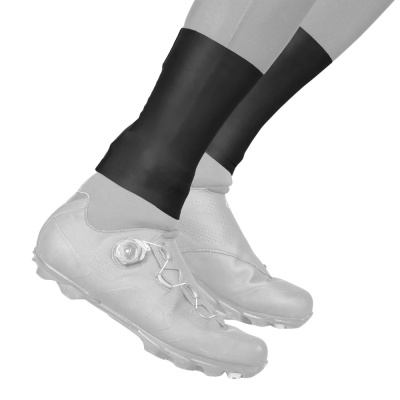
MTB overshoes and gravel-specific covers are a different beast. They're built around chunkier shoe profiles, use a wider sole cutout to accommodate 2-bolt SPD cleats, and - critically - include Kevlar reinforcements in the sole. If you're unclipping and walking through a muddy gateway on a wet Welsh gravel loop, Kevlar-reinforced soles are what stand between you and a shredded overshoe after half a mile. It's a practical detail that road-focused models simply don't need.
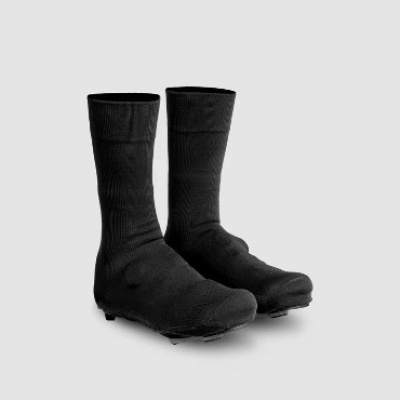
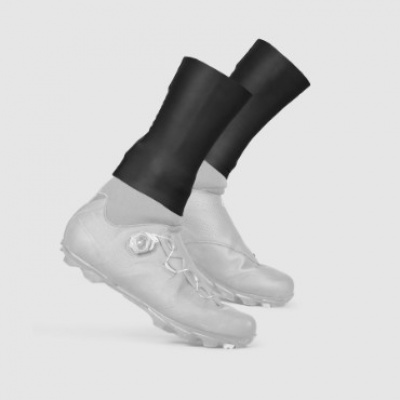
The zipperless design used across several GripGrab models is worth understanding properly. Zips are a weak point: they admit cold air, they let water track inside, and the sliders eventually fail. Removing the zip entirely - relying instead on the stretch of the material and a close-cut cuff - gives a more reliable seal and a cleaner fit around the ankle. The trade-off is that getting them on and off takes a bit more effort, especially with cold hands. More on that in the FAQ below.
On sizing: GripGrab overshoes generally run true to your cycling shoe size, so if you're a 43 in your road shoes, start there. The exception is when you're wearing bulky winter MTB shoes - the extra volume means you'll likely want to go up a size. If you land exactly on a size boundary, size up rather than down; a slightly roomier fit is easier to pull on and won't compress your toes. That's a consistent bit of feedback from riders across the range, and it's worth factoring in before you order. Spatzwear overshoes and Endura overshoes both use slightly different sizing conventions, so don't assume your size in those brands translates directly here.
Layering and Care for UK Riding
The overshoe is only one part of keeping your feet dry - how you wear it matters too. The key is to pull your GripGrab bib tights down over the top cuff of the overshoe, not tucked inside. Rain runs down your leg and, if the tight is sitting inside the cuff, directly into the shoe. Pull the tight over the outside and water sheds away from the gap. It's a small thing, but it's the difference between arriving dry and arriving damp from the ankle down.
Inside the shoe, pair your overshoes with quality GripGrab socks - a merino blend for genuine cold, or a thinner thermal option for milder conditions. Merino handles moisture better than synthetic when you're generating heat on long climbs, and it stays warmer if a bit of cold air does find its way in. On really bitter days, GripGrab gloves complete the picture for extremity warmth - hands and feet suffer first, and sorting both at once is more effective than addressing one at a time.
Care is simple but important. Hand wash only - neoprene and PU coatings degrade in a washing machine, and heat accelerates that process. Keep them away from radiators and direct sunlight when drying. Turn them inside out, let them air dry at room temperature, and they'll last considerably longer. It's not complicated, but skipping it costs you a pair of overshoes faster than the roads will.
Gripgrab Overshoes FAQs
How do I choose the right size GripGrab overshoes?
Start with your standard cycling shoe size - GripGrab overshoes generally fit true to that. If you're wearing bulkier winter MTB shoes or you're sitting right between two sizes, go up. A slightly generous fit is easier to pull on and won't pinch your toes mid-ride.
Are GripGrab overshoes fully waterproof?
Models with PU-coated fabrics and IntelliSeal technology handle rain and road spray very well - but no overshoe is fully sealed. Water can track in through cleat holes or down from your leg if your bib tights aren't pulled over the cuff. Layering correctly closes most of that gap.
How do you put on zipperless GripGrab overshoes?
Slip the overshoe onto your bare foot first, pulling it up your ankle like a thick sock. Then step into your cycling shoe and push your foot through. The stretch of the material does the work - it's easier than it sounds once you've done it a couple of times, though cold hands on a winter morning make patience useful.