
Gripgrab Socks
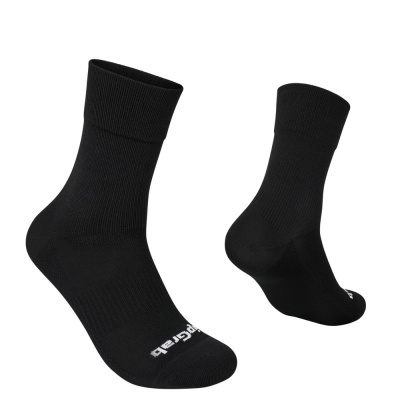
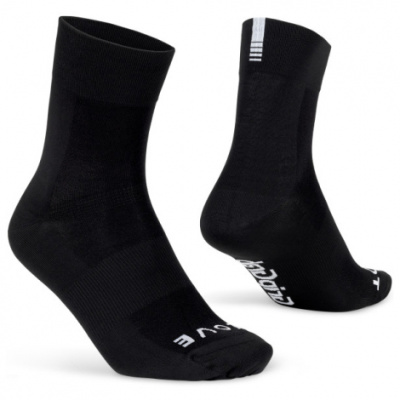
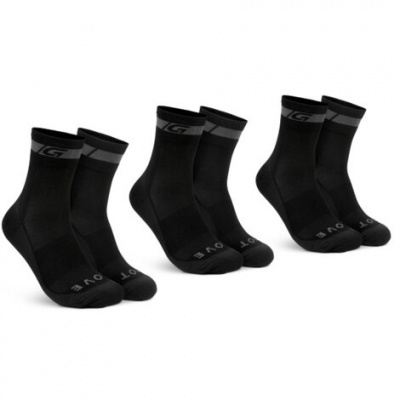
GripGrab cycling socks cover every condition UK riding throws at you - and given that UK weather can serve up four seasons before lunchtime, that matters. The Danish brand has built a range that runs from featherlight Coolmax mesh summer socks to serious three-layer waterproof models designed for January base miles when the roads are grim and your feet need to stay dry.
Every sock in the range is built around a few core ideas: seamless toe closures to kill hot spots before they start, elasticated arch support to hold the sock in place over long hours in the saddle, and fabric choices matched deliberately to temperature and intensity. Merino wool blends bring natural thermoregulation for cold, damp rides where synthetic fibres would leave your feet cold and clammy. Coolmax yarns pull moisture away fast on humid summer climbs where foot swelling and blisters are the real enemy.
Whether you're grinding out winter miles in the Peak District, chasing Strava segments on a dry August morning, or commuting through the inevitable British drizzle, there's a GripGrab sock engineered for it. The range is broader than most riders expect - here's how to work out which one belongs in your kit bag.
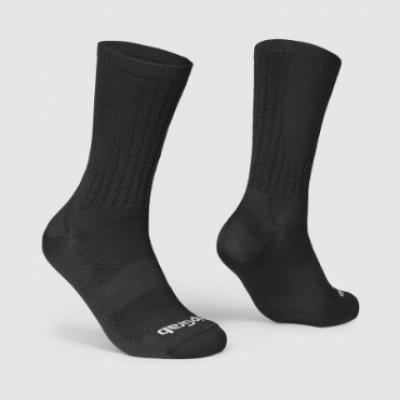
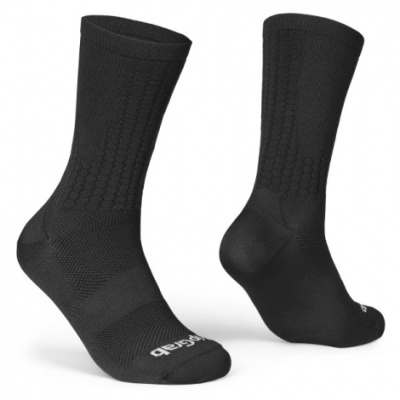
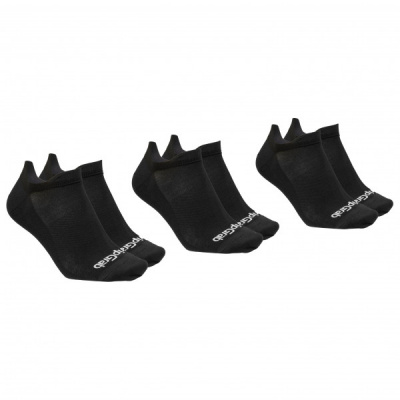
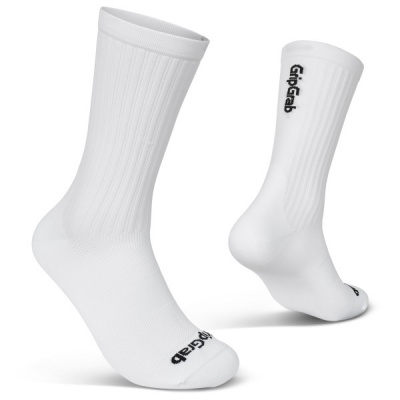
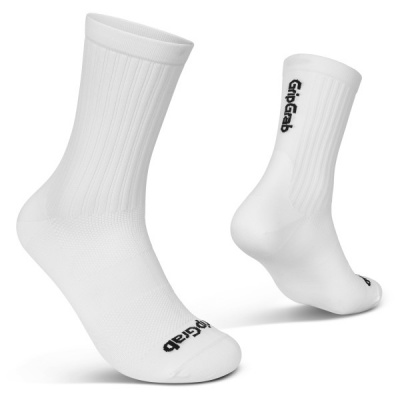
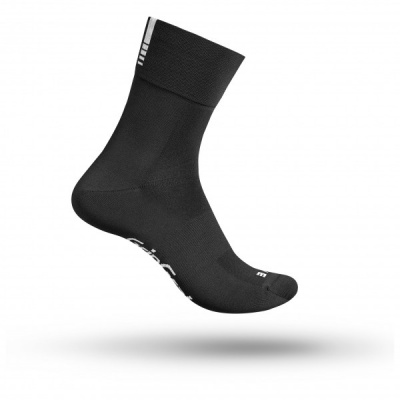
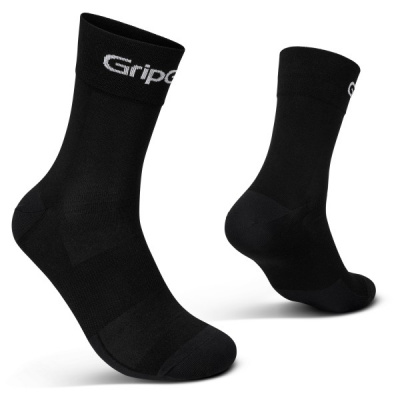
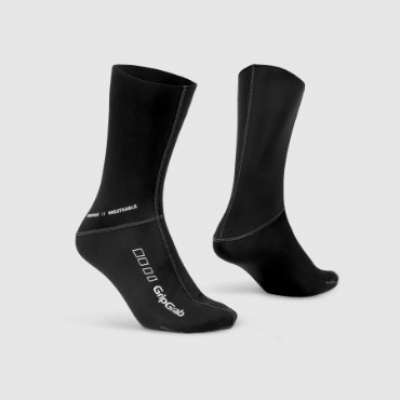
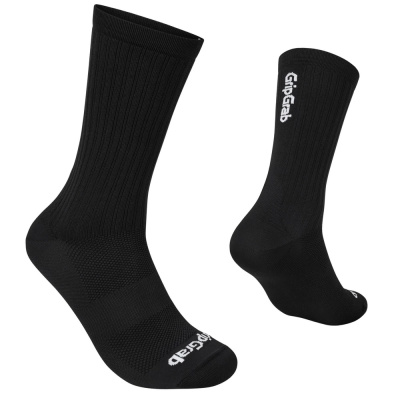
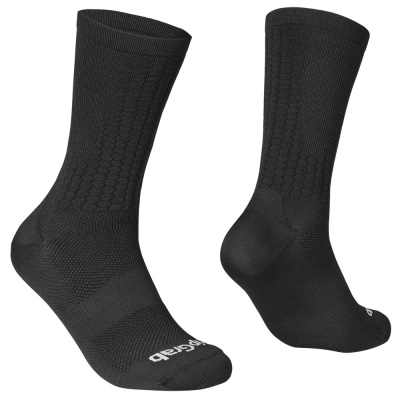
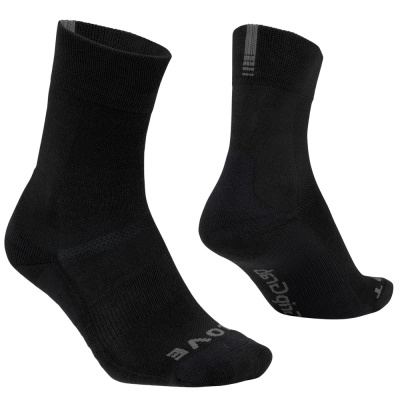
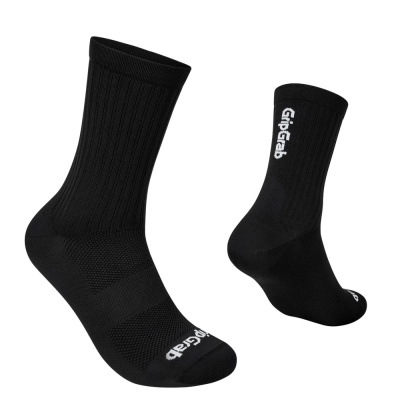
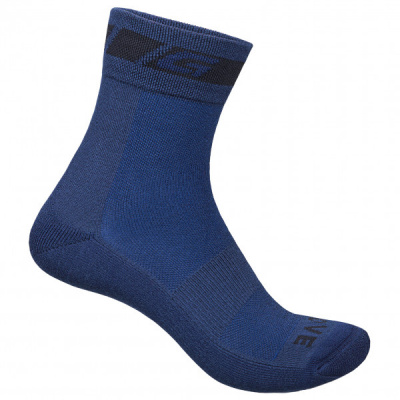
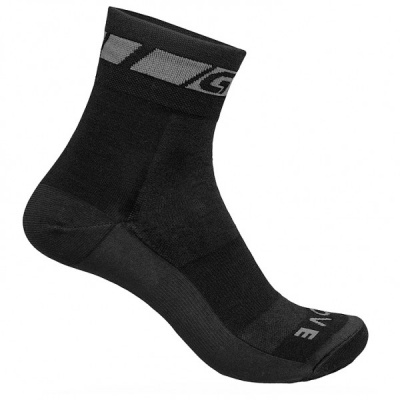
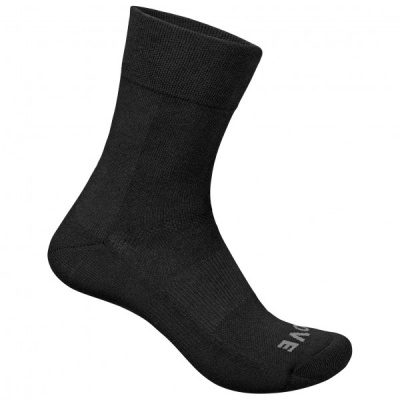
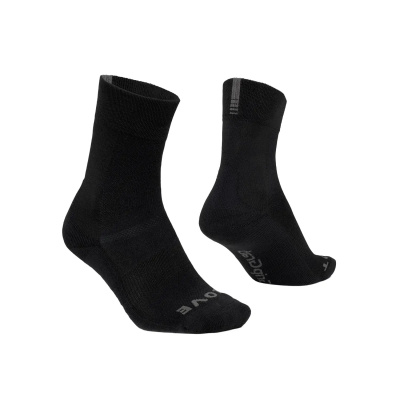
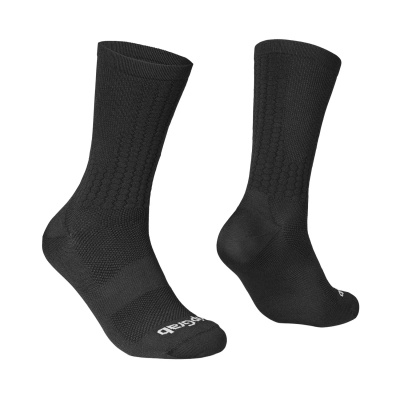
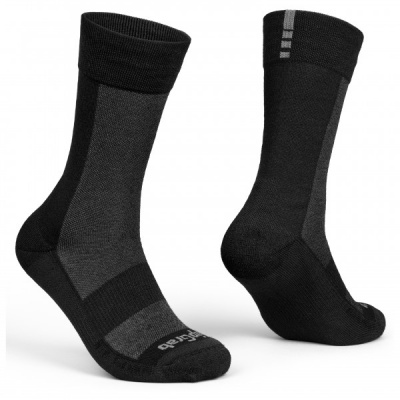
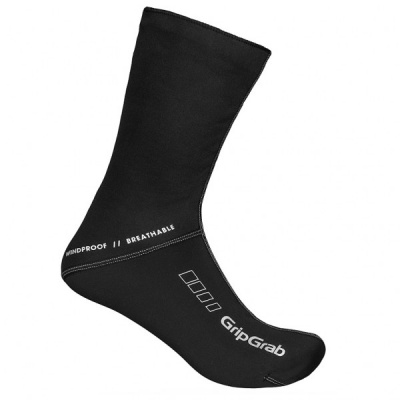
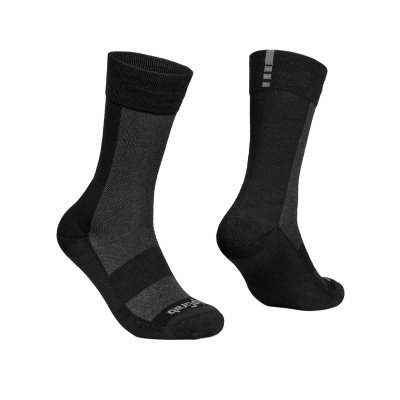
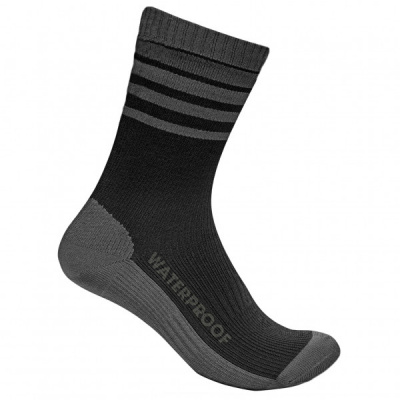
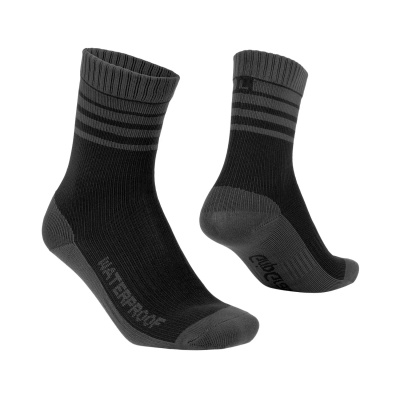
Prices and availability can change quickly. Delivery charges are not always included in listed prices.
Final price, stock status and delivery terms are set by retailer. We may receive a commission on purchases made.
Fabric Tech and Weather Performance: From Coolmax to Waterproof Membranes
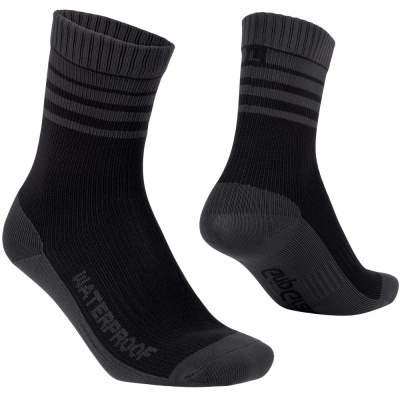
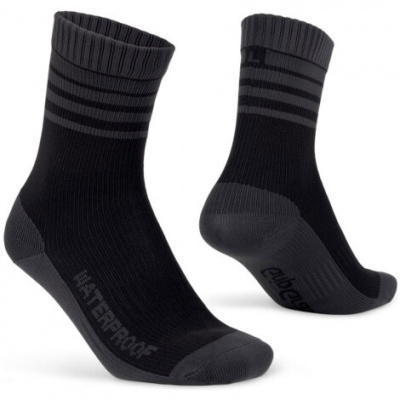
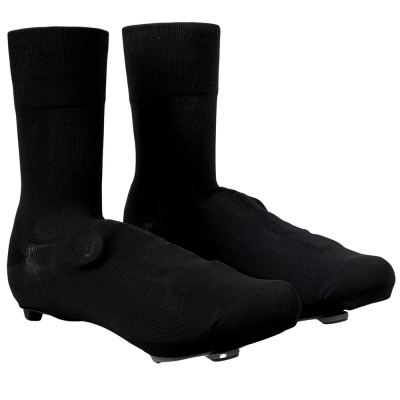
GripGrab's material choices aren't arbitrary - each fabric solves a specific problem. Start with the waterproof socks. They use a three-layer construction: a durable outer knit that handles abrasion and keeps its shape, a central waterproof membrane that blocks water ingress while still allowing vapour to escape, and a soft inner layer sitting against your skin. It's a similar principle to a good waterproof jacket, scaled down to sock form. The membrane keeps standing water and road spray out, but the breathable layer means your feet aren't stewing in their own heat - a balance that matters when you're putting out effort on a wet Welsh climb.
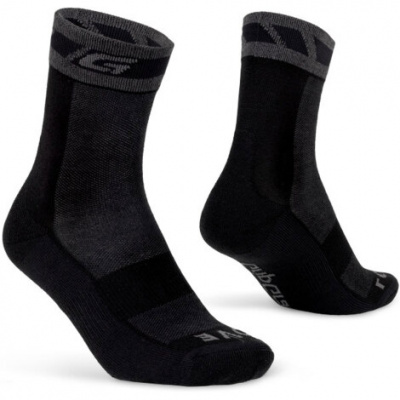
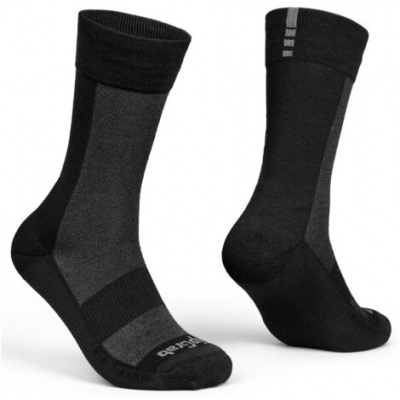
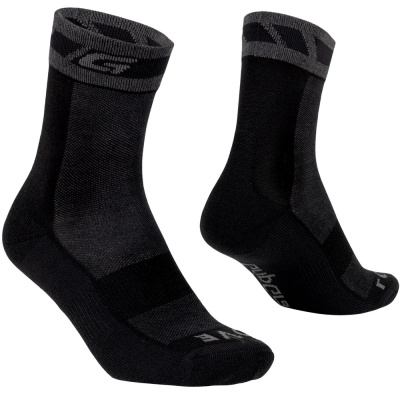
For dry, freezing days, the Merino wool blend socks are the smarter call. Merino is one of those materials that earns its reputation: it regulates temperature passively, stays odour-resistant across multi-day tours, and crucially retains warmth even when it picks up a bit of moisture. If you're heading out on a cold, clear morning in the Scottish Borders, Merino is what you want between your skin and your shoe.
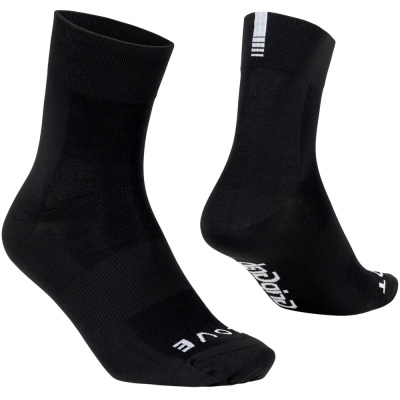
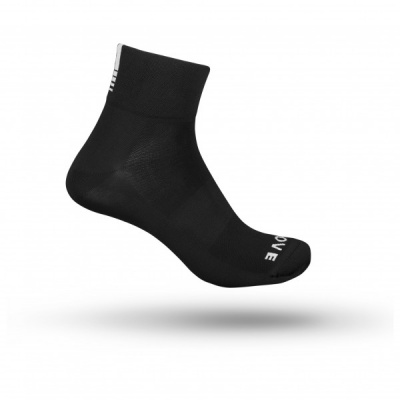
At the other end of the scale, GripGrab's summer socks lean on Coolmax yarn - a high-performance synthetic specifically engineered for moisture management. On hard August efforts where your feet are working hard and heat builds fast inside a tight road shoe, Coolmax moves sweat away quickly, reducing the friction that causes blisters. It's a meaningful difference on anything longer than a couple of hours. All models across the range incorporate those seamless toe closures, removing the ridge that causes pressure points, and the targeted arch support keeps the sock anchored so it doesn't bunch or slip mid-ride.
Understanding the GripGrab Fit and Range
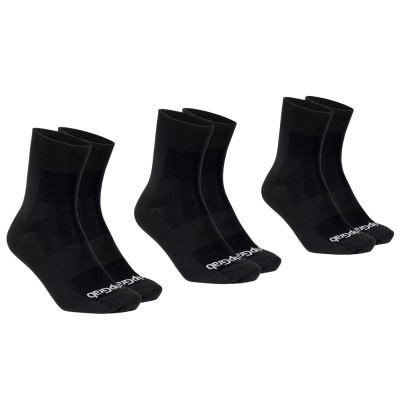
GripGrab's sock lineup breaks down cleanly into four categories, and picking the wrong one is usually a sizing or season mismatch rather than a quality issue. The lightweight summer socks are cut for warm-weather road and gravel riding - low cuff, minimal bulk, maximum airflow. The Merino winter socks step up in insulation and often come in a taller cuff that adds coverage between your shoe and bib tights or GripGrab leg warmers, reducing the cold gap that kills rides in November.
The waterproof models tend to run with a higher cuff specifically for this reason - more on that in the next section. Then there are the aero socks, aimed at road riders who care about marginal gains: longer cuff, tighter weave, and a smooth surface finish that reduces drag in testing. Whether that translates to anything you'd feel on a club run is debatable, but if you're targeting a time trial or a fast sportive, GripGrab aero socks are a considered choice rather than pure marketing.
On sizing: standard GripGrab summer and Merino socks have good elasticity and fit true to size for most riders. The waterproof models are different. The membrane reduces stretch significantly, so if you're between sizes or have a wider forefoot, go up. It's the kind of thing worth knowing before you order - a sock that's too tight at the membrane layer will be uncomfortable within the first hour and could restrict circulation on longer efforts. If you're comparing against other options, Castelli socks and Endura socks both size similarly to GripGrab's standard range, though their waterproof constructions vary in thickness.
Cuff height is worth considering beyond just warmth. A taller cuff on the winter models gives you something to tuck your tights into, which matters when you're descending in the cold and air is finding every gap. The regular cuff on summer socks keeps things tidy under shorts without bunching at the ankle.
Layering and Care for UK Riding
Getting the most from GripGrab socks is partly about pairing them correctly. The GripGrab waterproof socks do their job well, but water follows gravity - if rain is running down your bare legs and into the top of the sock, no membrane on earth will help. Wear them tucked under GripGrab bib tights or full-length leg warmers and the system works as intended. For deep winter riding, combining Merino socks with a pair of neoprene GripGrab overshoes over the top adds a meaningful layer of wind and water protection that keeps your feet genuinely warm on long, slow efforts in sub-zero conditions.
If you want GripGrab merino winter socks to last, how you wash them matters. Merino fibres are tougher than their reputation suggests, but they don't like heat or agitation. Wash inside out at 30 degrees on a gentle cycle, skip the fabric softener - it clogs the fibres and kills moisture-wicking performance - and let them dry flat or hang them out. The same rules apply, with even less room for error, to the waterproof models. Tumble drying or using softener on a waterproof membrane sock will degrade the membrane over time, and you'll notice it first as reduced breathability before the waterproofing goes entirely. It takes an extra two minutes to do it right; the socks will last significantly longer as a result.
For riders who want to explore similar waterproof options from other brands, Dexshell socks take a comparable three-layer approach and are worth comparing if you're after a different fit profile.
Gripgrab Socks FAQs
Are GripGrab waterproof socks fully waterproof?
Yes - the three-layer construction includes a fully waterproof and breathable membrane that keeps road spray and standing water out. The catch is that water running down bare legs can still enter from the top. Always wear them tucked under bib tights or leg warmers to close that gap and get the full benefit.
How do I choose between Merino and synthetic cycling socks?
Go Merino for cold, damp UK winter rides - it holds warmth even when slightly damp and manages odour well across longer days out. Synthetic socks using Coolmax yarn are the better call for hard summer efforts, where rapid moisture-wicking keeps your feet dry and blister-free when the heat builds inside a tight shoe.
Do GripGrab socks run true to size?
The standard summer and Merino socks fit true to size with plenty of give. The waterproof models are less forgiving - the membrane cuts down on stretch noticeably. If you have wide feet or sit between sizes, size up on the waterproof range. Getting this wrong will make itself known fairly quickly on a long ride.