
Gripgrab Leg Warmers
GripGrab leg warmers are one of the smartest ways to stretch your favourite bib shorts well into the shoulder seasons - those months where 7am and 11am feel like different countries. Designed in Denmark, where grey skies and sudden squalls are just Tuesday, GripGrab's leg warmers are built around a clear idea: the right fabric for the right conditions, cut to actually stay put while you're pedalling hard.
The range splits into three distinct tiers. The Classic Thermal uses a brushed Roubaix fleece lining to trap heat on crisp, dry mornings. The AquaRepel adds a DWR coating to handle road spray and that persistent British drizzle without turning into a damp sponge. Then there's the Light version - a UPF50+ fabric that wicks moisture and blocks UV for sunnier sportive days when you want coverage without cooking your legs.
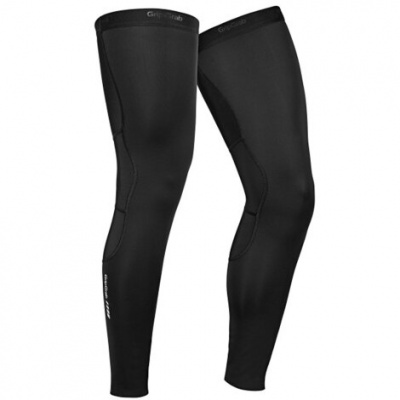
What ties them together is the anatomic, left-and-right-specific cut and the elasticated silicone top grippers that grip your skin directly, not your shorts. No mid-climb slippage, no fussing at the lights. If you've ever watched a leg warmer concertina down to your knee on a descent, you'll know why that matters.
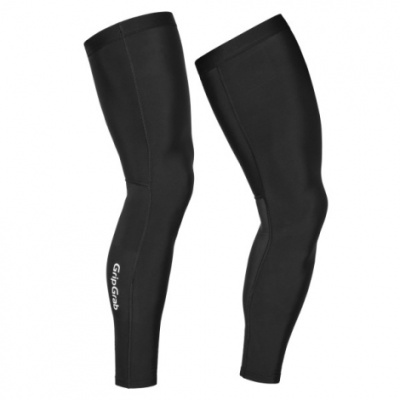
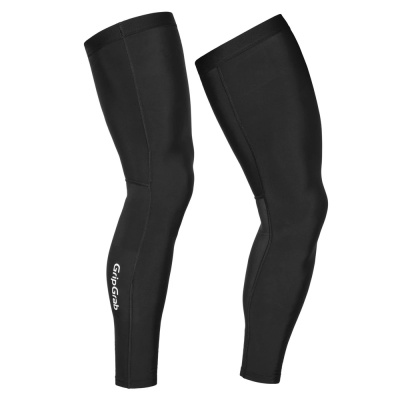
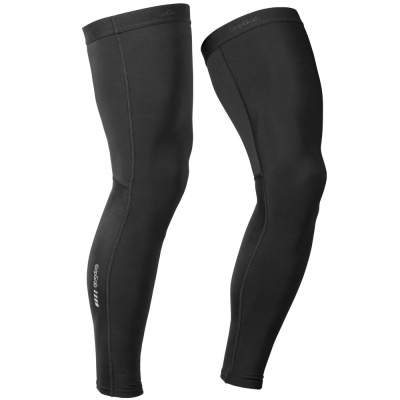
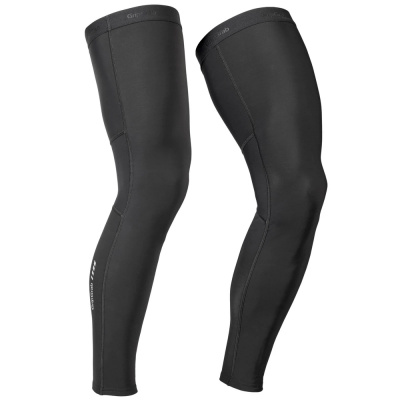
Prices and availability can change quickly. Delivery charges are not always included in listed prices.
Final price, stock status and delivery terms are set by retailer. We may receive a commission on purchases made.
Fabric Tech & Weather Performance: AquaRepel vs Classic Thermal
Pick the wrong fabric and you'll either be sweating through a fleece-lined warmer on a mild October climb or watching your Classic Thermals absorb every puddle splash on the A-road home. Getting the tier right is the whole game.
The Classic Thermal uses a brushed Roubaix fleece that traps a layer of warm air close to the skin. It's the call for dry, cold mornings - think January club runs where it stays bitter all day and road spray isn't a factor. The fabric has enough stretch to move freely through the full pedal stroke without pulling tight at the knee, and it breathes well enough for moderate effort climbs. It won't handle sustained rain, though. That's not what it's for.
The AquaRepel range is where the DWR coating earns its place. Water beads on the surface rather than soaking in, which keeps the insulating layer dry and functional through light rain and the kind of road spray you get behind a van on a wet B-road. It's not a waterproof membrane - more like a capable outer shield - so in a sustained downpour you'd want to pair them with GripGrab overshoes and consider a proper jacket above the waist. The DWR also adds a marginal wind-chill buffer, which matters more than people expect once you're descending at speed.
The Light version sits at the other end of the calendar. A lightweight, moisture-wicking weave with UPF50+ protection makes it the sensible choice for summer sportives or touring days where you want to protect your skin from sun without overheating. It packs down small enough to stuff into a jersey pocket at the café stop. Breathability is the priority here, and it delivers - though reflective details on some models also make it usable for early-morning autumn rides when the light is low.
Compared to something like Castelli leg warmers, GripGrab's tiered approach gives you a cleaner match to specific conditions rather than asking one fabric to do everything.
Understanding the GripGrab Fit Across the Range
The anatomic, pre-shaped cut is the detail that separates GripGrab's leg warmers from generic tube-shaped alternatives. Left and right specific shaping means the seams track with your leg's natural contours rather than migrating to the front where they'd create pressure points under the kneecap. On longer rides, that difference is noticeable.
The silicone elasticated grippers at the top are the other key feature. They grip your skin directly, which is why you wear leg warmers under your bib short grippers - not over them. When the silicone is in contact with bare skin, it holds. When it's sitting over a layer of lycra, it slides. Simple physics, but worth knowing before your first ride in them.
Sizing is where riders most commonly go wrong. Don't just match your bib short size or assume height maps neatly across. Measure your thigh circumference - GripGrab's size charts are based on this, and an accurate measurement ensures the grippers hold securely without cutting off circulation. If you're between sizes, the general advice is to go up: a slightly looser grip is more comfortable than one that pinches on longer efforts.
Looking for mid-length coverage for milder days? Explore our dedicated range of GripGrab bib shorts instead, or check the full selection of Endura leg warmers if you're weighing up alternatives at this length.
Layering & Care for UK Riding
Leg warmers work best as part of a system, not a standalone fix. For a classic British shoulder-season setup, pair them with GripGrab arm warmers and a base layer under your jersey. You get four independent layers you can add or remove, which means you're not committed to one temperature all ride. When the sun breaks through on a climb, you can roll the leg warmers down to your ankles and stuff them in a jersey pocket - the Light and Classic Thermal versions both compress small enough to make that practical.
Roll them from the ankle up when putting them on rather than pulling from the top. It's faster and stops the gripper band from catching and losing its shape. A bit of talc on your thighs in damp weather helps too, especially with the AquaRepel version.
Care is straightforward but specific. Wash at 30 degrees, turn them inside out, and skip the fabric softener - it degrades both the silicone grippers and the DWR coating on the AquaRepel range. Line dry rather than tumble dry. It sounds fussy but it's the difference between grippers that hold after fifty washes and ones that go slack after ten. Re-applying a DWR spray every few washes keeps the AquaRepel coating working at full efficiency - especially worth doing mid-winter when you're using them most.
If you're riding in the dark or on unlit country lanes, check the specific model for reflective details. Several GripGrab warmers include them, and on a wet evening they do genuine work.
Frequently Asked Questions
Do leg warmers go over or under bib shorts?
Always under. The silicone grippers on the leg warmers need to be in direct contact with your skin to hold position. Pull the bib short leg over the top of the warmer - that way the gripper bites on skin, not fabric, and stays put through the whole ride.
How do I choose the right size GripGrab leg warmers?
Measure your thigh circumference and use that as your primary reference - GripGrab's sizing is built around it. Height and weight alone won't give you an accurate fit. If you're on the boundary between two sizes, go up. A gripper that's slightly relaxed is far more comfortable on a long day than one that digs in.
Are GripGrab leg warmers waterproof?
The AquaRepel models are water-resistant, not waterproof. The DWR coating sheds road spray and light drizzle effectively, keeping the insulating layer dry and functional. In heavy or prolonged rain, they'll eventually wet out - combine them with waterproof overshoes and a rain jacket for full-system wet weather coverage.
Gripgrab Leg Warmers FAQs
Do leg warmers go over or under bib shorts?
Always under. The silicone grippers on GripGrab leg warmers need direct contact with your skin to hold position. Pull the bib short leg over the top of the warmer so the gripper bites on skin, not fabric. That's what keeps them from sliding down on a long descent or a hard climb.
How do I choose the right size GripGrab leg warmers?
Base your choice on thigh circumference, not height or bib short size. GripGrab's sizing charts are built around this measurement. If you're sitting between two sizes, go up - a gripper that holds without pinching is what you want. Too tight and you'll feel it on anything over two hours.
Are GripGrab leg warmers waterproof?
Not fully, no. The AquaRepel models carry a DWR coating that handles road spray and light drizzle well, keeping the fabric dry and warm in typical UK damp. In sustained heavy rain they'll eventually wet through, so pair them with waterproof overshoes and a proper rain jacket for complete coverage.