
Dexshell Socks
Wet, freezing feet will end a ride faster than a mechanical - and DexShell waterproof cycling socks are built specifically to stop that happening on UK roads, trails, and bridleways. The core of every DexShell sock is a three-layer construction anchored by a Porelle membrane: a breathable waterproof barrier that blocks liquid water from getting in while letting sweat vapour out. That distinction matters. Cheaper waterproof socks trap heat and moisture inside, turning your feet into something unpleasant by the halfway point. DexShell's approach avoids that entirely.
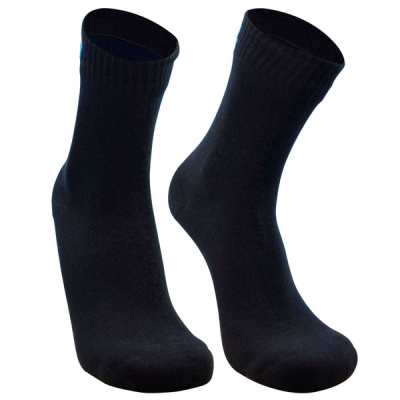
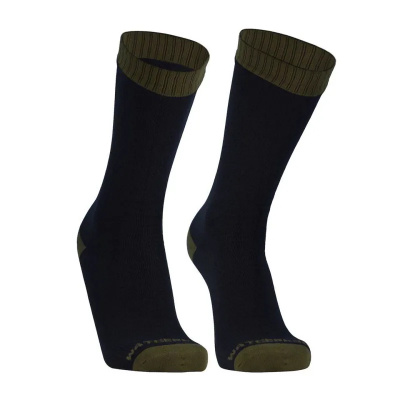
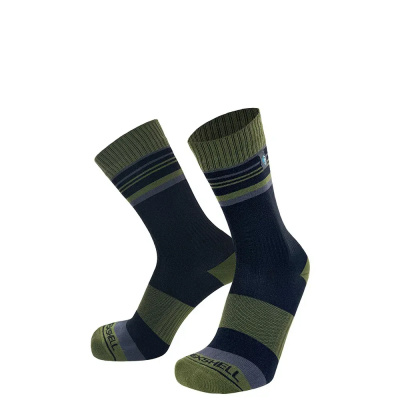
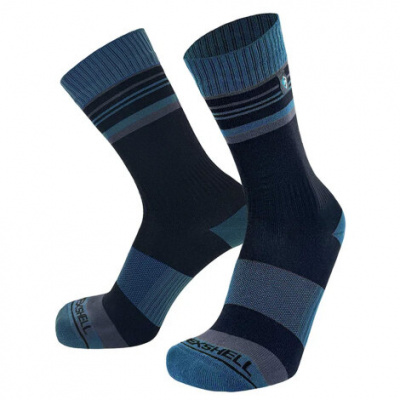
The range spans from Ultra Thin models - slim enough for road shoes in mild, wet weather - through to deep-winter Merino wool blends with serious thermal grunt for January rides in the Peaks or a soaked Scottish descent. Gravel riders navigating flooded bridleways, winter roadies grinding out base miles, and daily commuters who need dependable dry feet without bulk all fit somewhere in this range. There's also a DWR coating on the outer shell to shed surface water before it even reaches the membrane. If you've been tolerating soggy feet because overshoes feel like too much faff, DexShell waterproof cycling socks are the more straightforward answer.
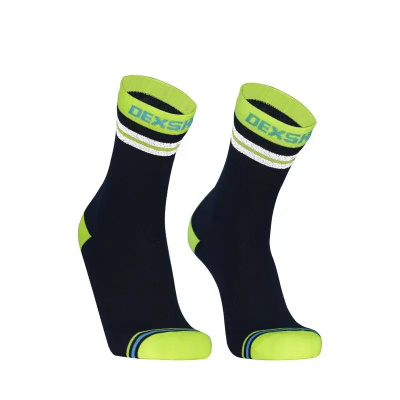
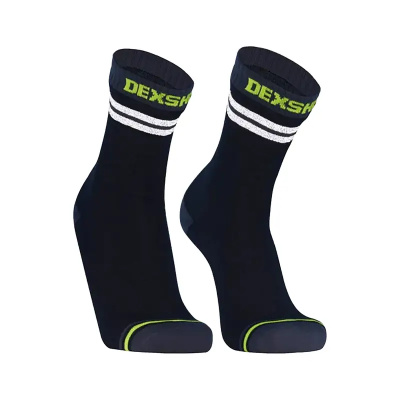
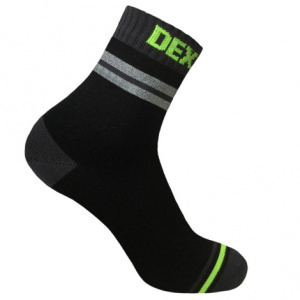
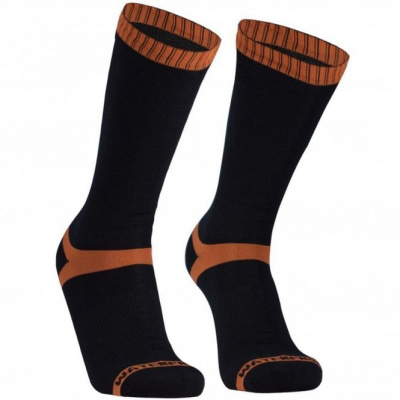
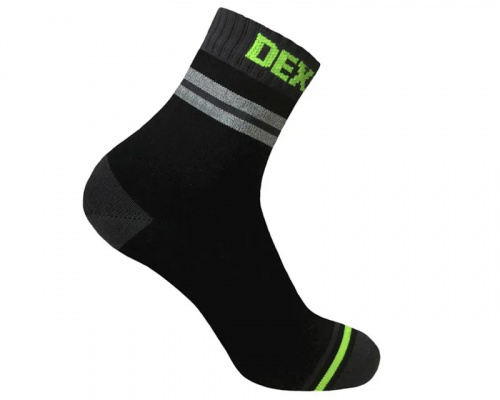
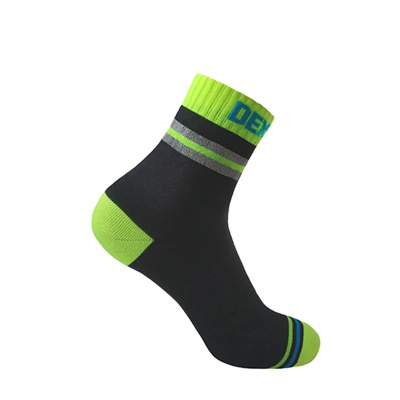
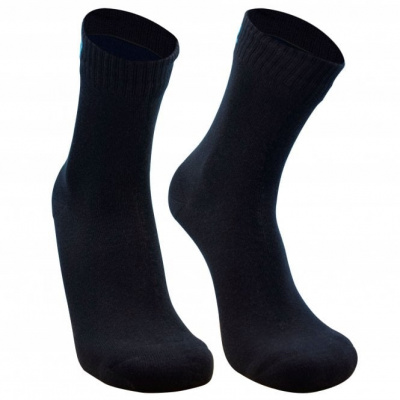
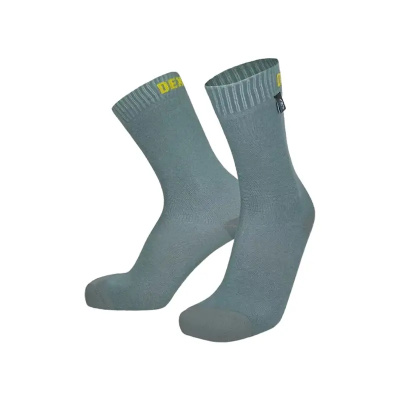
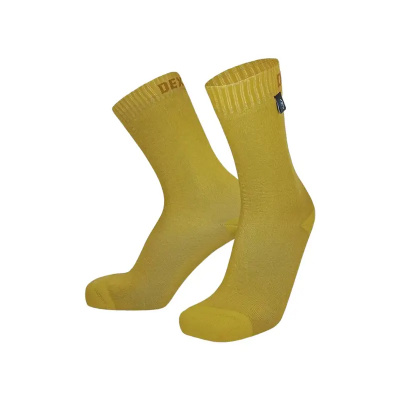
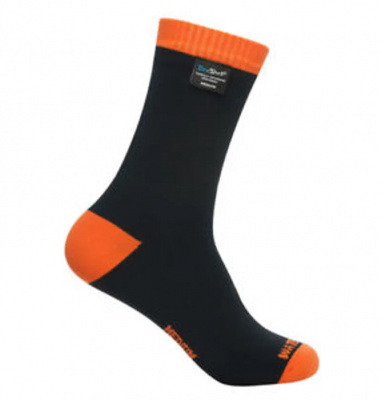
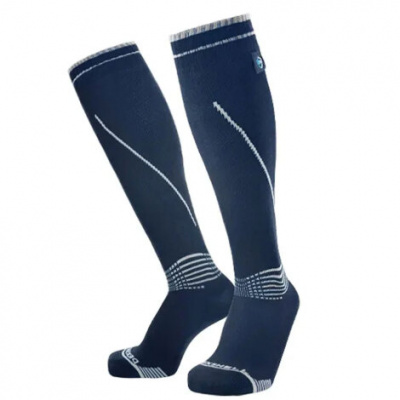
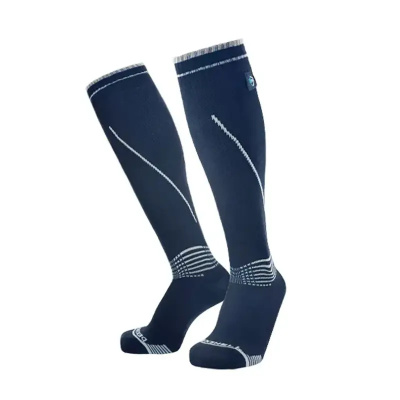
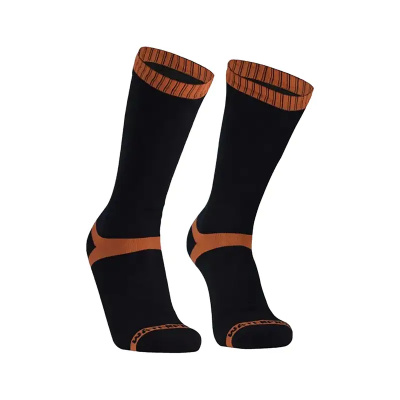
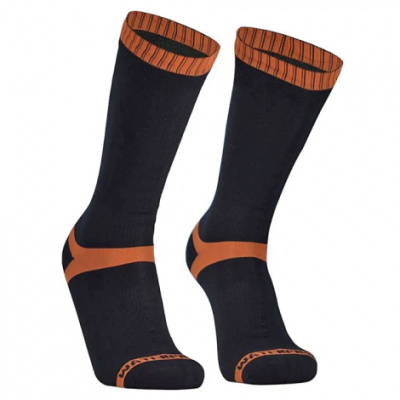
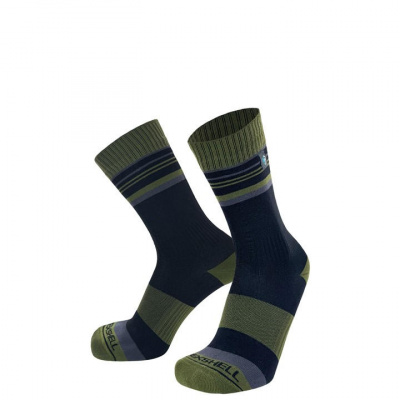
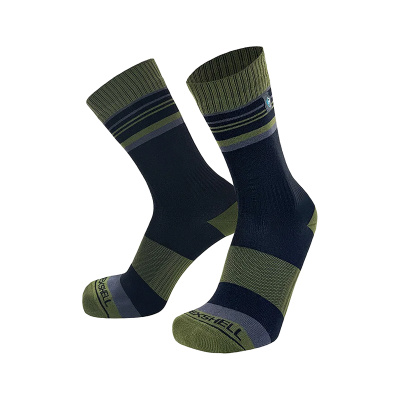
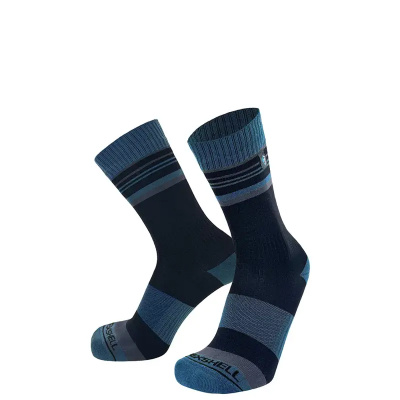
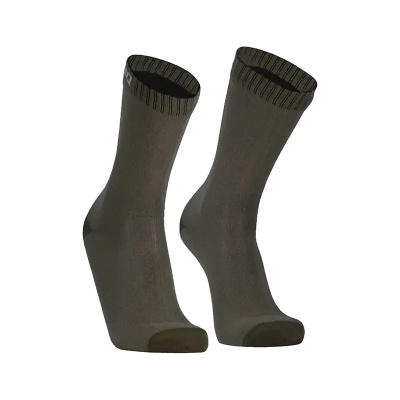
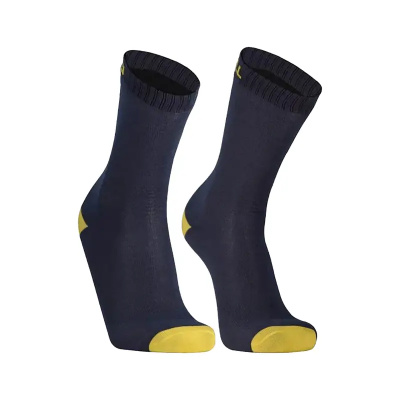
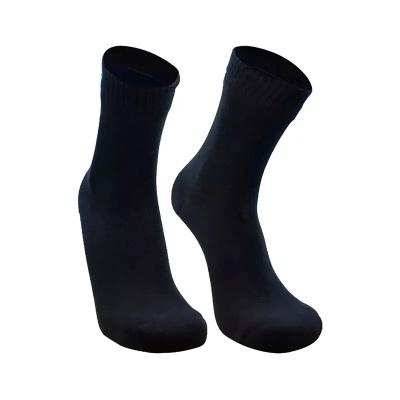
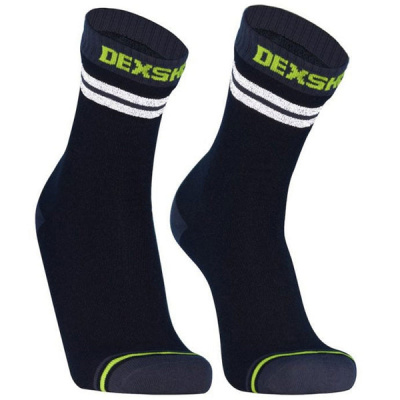
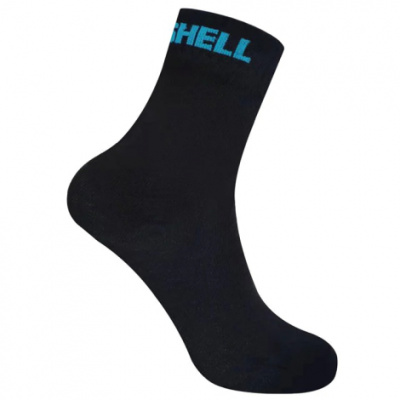
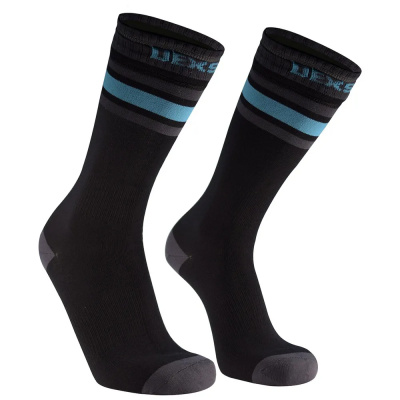
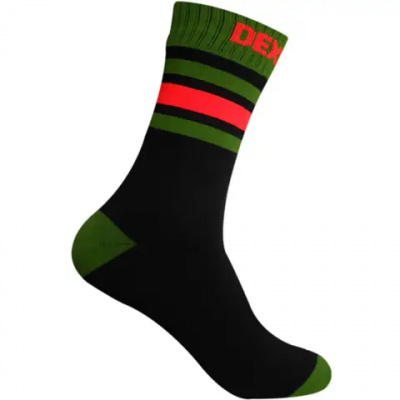
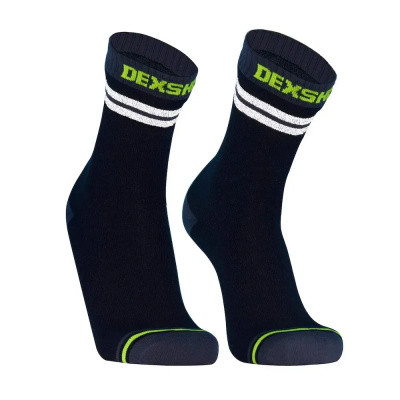

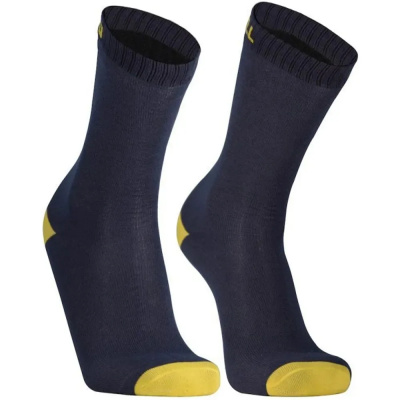
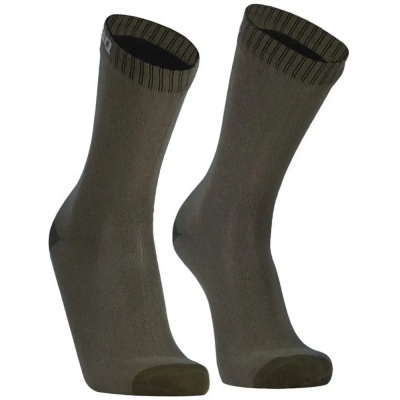
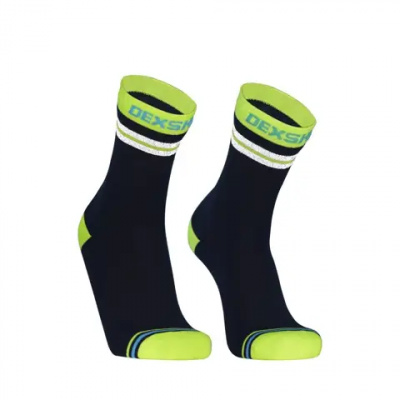
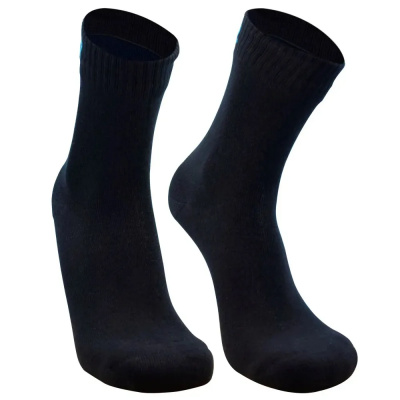
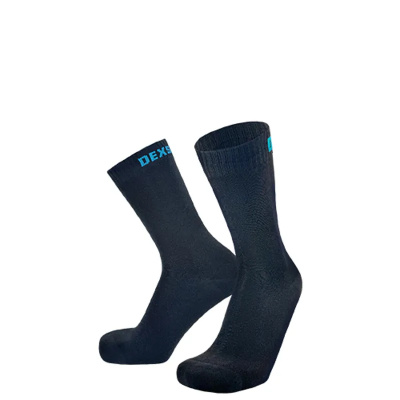
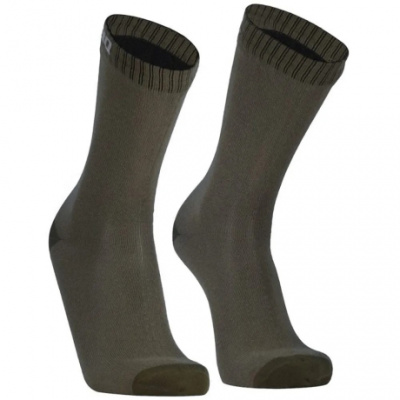
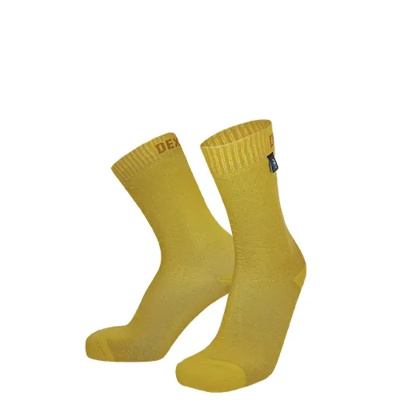
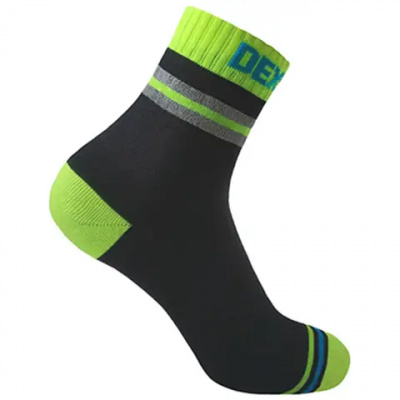
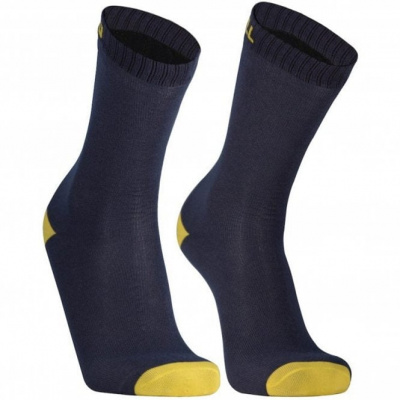
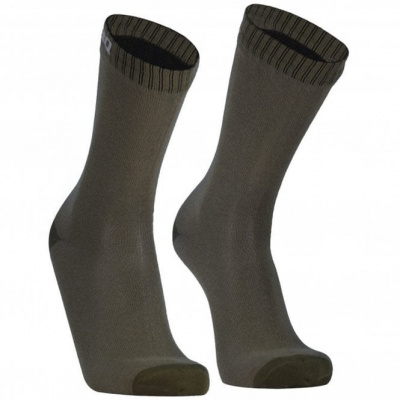
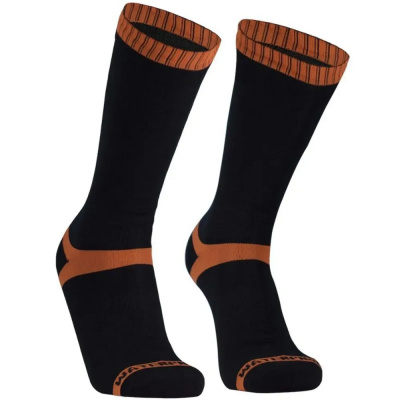
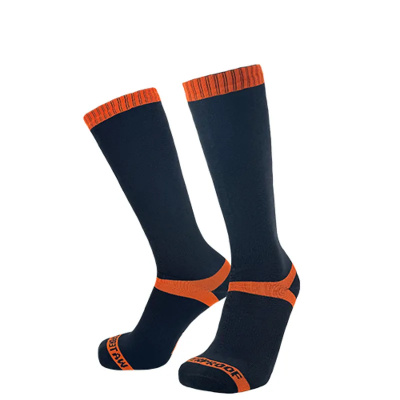
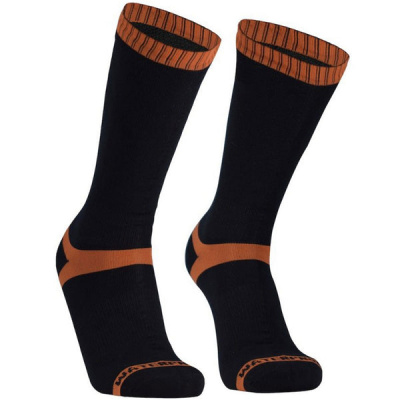
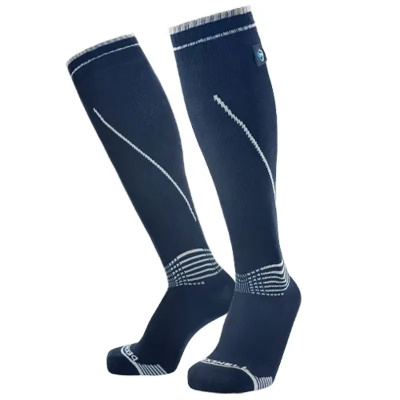
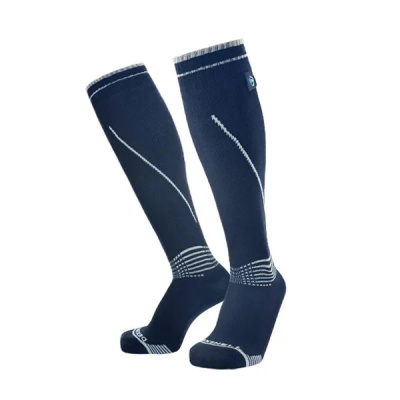
Prices and availability can change quickly. Delivery charges are not always included in listed prices.
Final price, stock status and delivery terms are set by retailer. We may receive a commission on purchases made.
The Three-Layer Construction Explained
Every DexShell sock is built in three distinct layers, each doing a specific job. The outer shell handles abrasion - knocks against cranks, buckles, and the inside of stiff shoes - so the waterproofing underneath isn't compromised. Sit in the middle is the Porelle membrane, a proven breathable waterproof film used across serious outdoor gear. It physically blocks water molecules from passing inward but remains permeable to sweat vapour, which escapes outward. That's the breathable waterproof principle in practice, not just marketing language.
The inner lining is where DexShell splits the range. Thermal models use a Merino wool inner - naturally regulating, odour-resistant, and genuinely warm without feeling heavy. The lighter options use Bamboo rayon, which wicks moisture quickly and suits riders who run warm or are simply dealing with wet rather than cold. Either way, sweat moves away from your skin and out through the membrane rather than pooling inside the sock. The result is feet that stay dry from both directions: no rain coming in, no sweat building up. That's what separates DexShell from the neoprene-style options that just insulate dampness and call it waterproofing.
The seamless toe construction removes the internal ridge that causes hot spots over long rides, which matters more than it sounds when you're six hours into a wet sportive and your feet are already under pressure from tight shoes.
Picking the Right Model for Your Riding
The DexShell range isn't one-size-fixes-all, and choosing the wrong model for your shoes is the most common mistake. The Ultra Thin models are designed to fit inside road cycling shoes without creating pressure points - if your shoes already fit precisely, this is the one. They offer waterproof protection in mild, wet weather without the thermal bulk you don't need in September or April. Think a damp Peak District road ride where the forecast keeps changing rather than a proper midwinter slog.
Step up to the Thermlite and heavier-duty models when temperatures drop and you're riding in MTB or winter boots with more internal room. Endura socks and GripGrab socks offer thermal cycling options too, but neither matches DexShell's fully waterproof membrane construction - they're water-resistant at best. If you're hitting muddy singletrack in Wales or commuting through a proper downpour, that difference is the whole point of going with DexShell.
Sizing is worth thinking about carefully. Waterproof socks have notably less stretch than standard cycling socks because the membrane layer doesn't give in the same way. If you're between sizes, go up. This is especially relevant if you're pairing them with thicker winter cycling shoes - a sock that fits fine over bare feet can feel compressive once it's inside a stiff boot. DexShell merino wool socks in particular have a slightly fuller build, so factor that in when choosing between the Thermlite and heavier options. The Castelli sock range and Assos socks are cut for road cycling shoes with precision fits - if that's your priority, worth comparing sizing charts directly before buying.
Layering, Washing, and Making Them Last
Here's something that catches riders out regularly. You can have the best waterproof sock on the market and still end up with wet feet - because water ran down your leg and straight into the cuff. Always pull your bib tights or water-resistant trousers over the top of the sock cuff, not tucked inside. Think of it like roof tiles: each layer needs to shed water onto the layer below it, not channel it inward. Some DexShell models include a Dexlok in-cuff seal that grips the skin and adds another line of defence against top-down ingress, which is particularly useful on waterproof MTB socks DexShell users wear for trail riding in genuinely heavy rain.
Washing is where people accidentally destroy an otherwise excellent sock. Machine wash below 40°C - not a hot cycle, not a mixed load with a high-temp setting. Turn them inside out and drip dry. Do not tumble dry them. Do not put them on a radiator. Heat is the enemy of the Porelle membrane; once it's damaged, the waterproofing is gone and there's no bringing it back. Treat them more like a waterproof jacket than a regular cycling sock and they'll last considerably longer. Reproofing with a DWR coating spray occasionally can help maintain the outer shell's water-shedding performance over time, just as you'd treat a rain jacket.
If you're exploring the DexShell Ultra Thin vs Thermlite decision for seasonal use, it's worth keeping both in rotation. Ultra Thin for autumn and spring when the issue is rain rather than cold, Thermlite for anything from November through February. That approach gets you dry feet year-round without over-insulating in milder conditions.
Dexshell Socks FAQs
Are DexShell socks actually waterproof?
Yes. DexShell socks use a seamless three-layer construction with a Porelle membrane at the core, which physically blocks liquid water from entering the sock. Unlike water-resistant socks, this is a full waterproof barrier - not a coating that washes out after a few rides. The membrane also breathes, so sweat vapour can escape outward while rain stays out.
How do you wash DexShell waterproof socks?
Machine wash at a maximum of 40°C, turn them inside out, and drip dry. Never tumble dry them or put them near a radiator or direct heat source. Heat breaks down the Porelle membrane permanently and there's no repairing it once gone. Treat them like a waterproof jacket and they'll hold their performance across many seasons.
How do I stop water running down into my waterproof socks?
Always layer your bib tights or waterproof trousers over the sock cuff rather than tucking them inside - water running down your leg needs to shed outward, not funnel in. Some DexShell models also feature a Dexlok in-cuff seal that grips the skin and blocks top-down ingress, which is worth prioritising if you ride in heavy, sustained rain.