
Sealskinz Overshoes
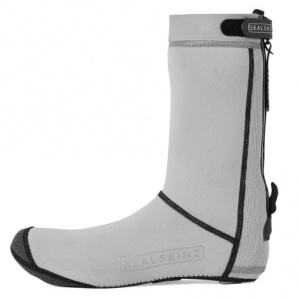
SealSkinz overshoes have become a fixture in the kit bags of UK riders who've learned the hard way that cold, soaked feet end a ride faster than a puncture. Built around SealSkinz's proprietary Aquasealz™ waterproof breathable membrane and thermal neoprene insulation, these overshoes are engineered to hold out against the kind of persistent winter rain, road spray, and windchill that typifies a January club run or a grim February commute through the Peak District.
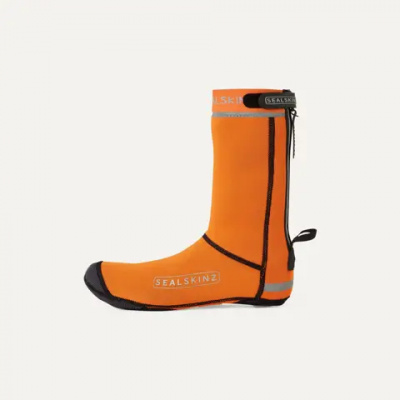
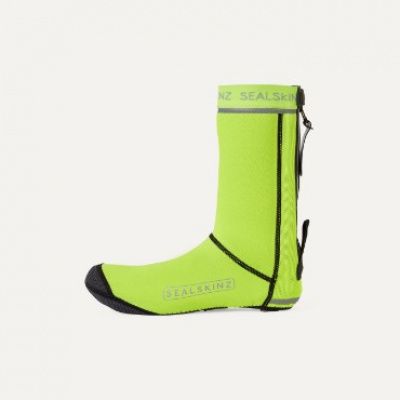
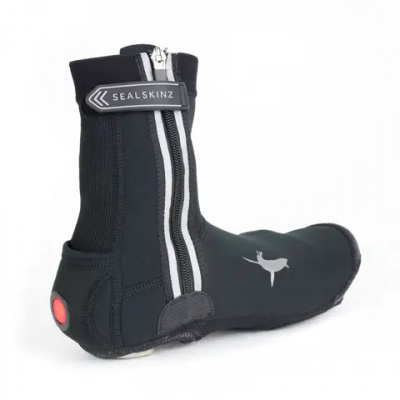
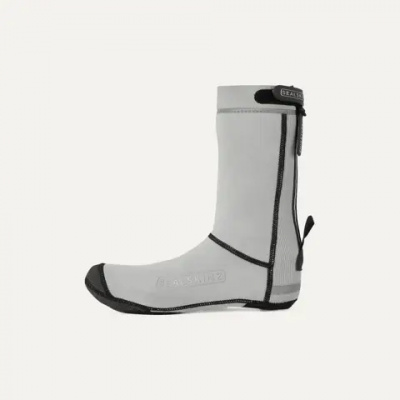
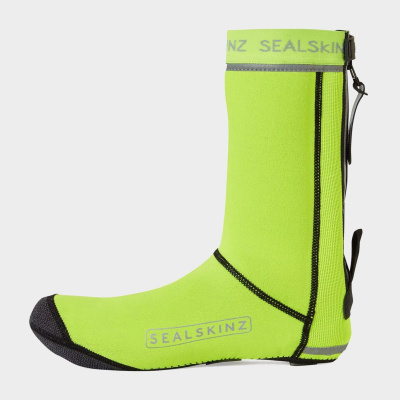
The range covers everything from lightweight waterproof cycling overshoes for showery autumn days to full-depth neoprene versions designed for freezing descents where your feet would otherwise go numb before the bottom. Kevlar® reinforced heel and toe panels mean they don't shred the moment you unclip at a set of traffic lights - a genuine issue with cheaper alternatives. Taped seams and silicone leg grippers tighten the seal where water is most likely to sneak in.
Whether you're on road bikes, winter gravel rigs, or commuter builds, there's a SealSkinz model calibrated to the conditions. The range is broader than most riders realise. Knowing which version suits your riding - and how to wear it correctly - makes all the difference between dry feet and a miserable roll home.
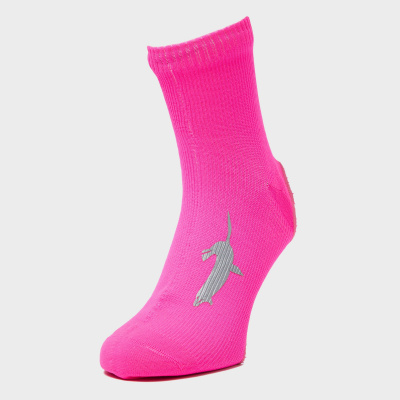
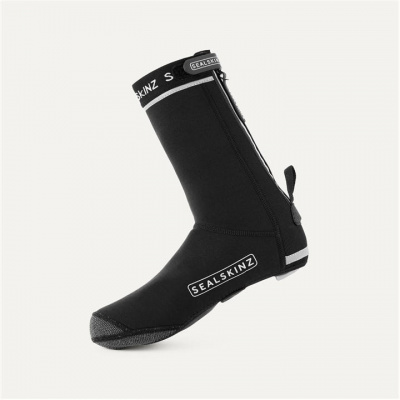
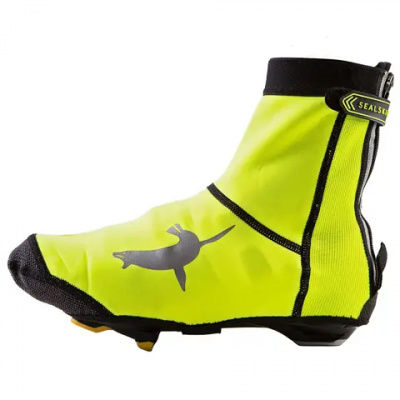
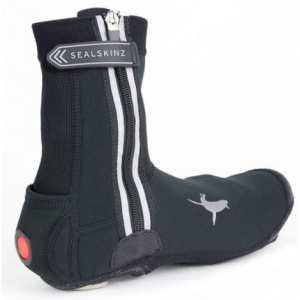
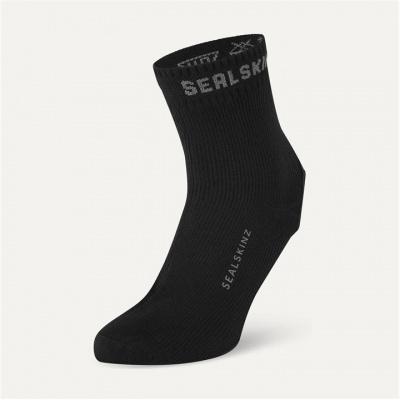
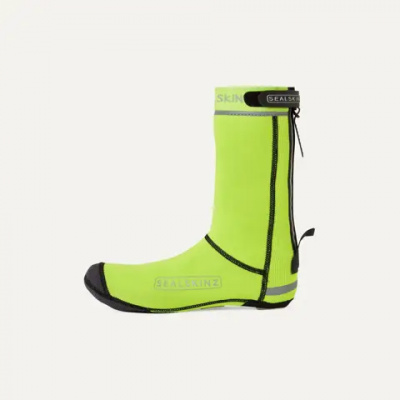
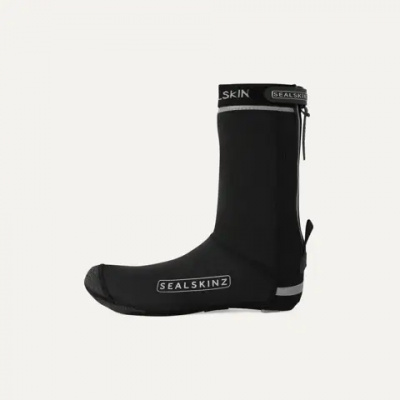
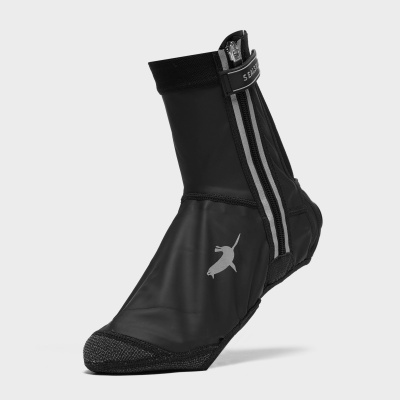
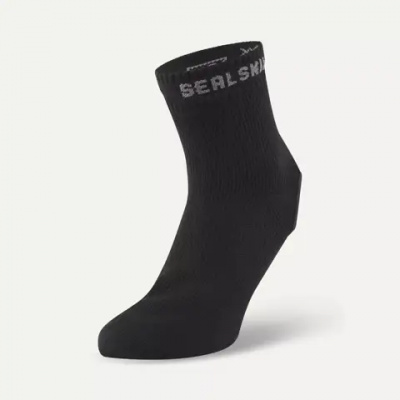
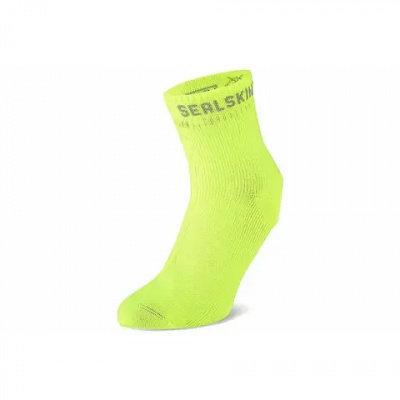
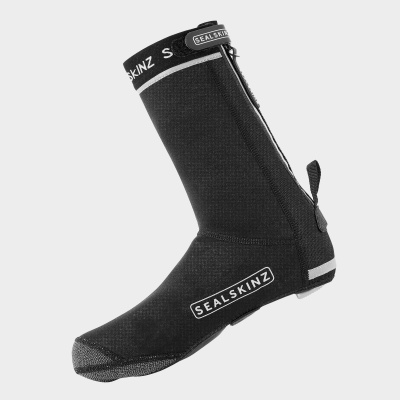
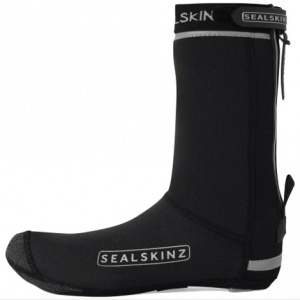
Prices and availability can change quickly. Delivery charges are not always included in listed prices.
Final price, stock status and delivery terms are set by retailer. We may receive a commission on purchases made.
Fabric Tech and Weather Performance
The core of any SealSkinz overshoe is the Aquasealz™ membrane - a fully waterproof and windproof layer laminated into the construction that blocks rain and road spray without turning your shoes into a sauna. It's not a DWR coating that degrades after a season of gritty UK lanes; it's a structural part of the build. That distinction matters when you're three hours into a ride on the Pembrokeshire coast and the rain hasn't let up once.
Breathability is always the tension in fully waterproof footwear. SealSkinz manage it reasonably well, particularly in the lighter all-weather overshoes designed for temperatures above 5°C. The heavier neoprene overshoes prioritise insulation over airflow - which is exactly the right call when windchill on an exposed descent is the main threat, not sweat accumulation. Thermal neoprene traps heat efficiently and adds a secondary layer of water resistance on top of the membrane.
Where SealSkinz earn real respect is durability. The Kevlar® reinforced heel and toe sections deal with the abrasion that kills budget overshoes within a few months. Every time you put a foot down on gritty tarmac or clip out on a gravel track, that reinforcement is absorbing the wear. Taped seams throughout the construction close off the stitching lines that would otherwise let water wick through - a detail that separates a genuinely waterproof build from one that just claims to be. If durability is a priority for you, it's worth comparing SealSkinz against Gore Bike Wear overshoes, which take a similar approach to seam integrity at the premium end.
Understanding the SealSkinz Fit and Range
SealSkinz split their overshoe lineup broadly into all-weather and deep-winter categories, and picking the wrong one for your riding is a common mistake. The all-weather models are thinner, more packable, and suit the kind of mixed-conditions riding where you might start in drizzle and finish in weak sunshine. They work well as road cycling overshoes on sportives or longer training rides where conditions are wet but not genuinely cold.
The winter cycling shoe covers - particularly the neoprene-heavy versions - are built for a different kind of suffering. Designed to function comfortably between roughly -5°C and 10°C, they add meaningful insulation for early-morning rides on exposed roads or Scottish winter riding where the cold is relentless rather than just inconvenient. The trade-off is bulk and a slightly stiffer feel underfoot, which most riders won't notice once they're clipped in and moving.
Fit is where it gets nuanced. SealSkinz overshoes generally run fairly true to shoe size, but if you're running particularly bulky winter MTB shoes with thick thermal inners, sizing up one is worth considering - a too-tight overshoe compresses insulation and reduces warmth. The zipperless entry systems used on several models remove a traditional weak point: zips crack, seals fail, and zip entry creates a gap at the back that water finds quickly. The stretch-on zipperless design is a neater solution, though it does take a moment to get right if you're new to it. For comparison, Spatzwear overshoes also use a similar zipperless approach, while Endura overshoes tend to favour zipped construction with reinforced closures - different answers to the same problem.
The silicone leg grippers at the upper cuff are doing more work than they look like - they create a secondary seal against the leg, stopping water from tracking down inside the overshoe during heavy rain. Check that the gripper sits snugly against your skin or a base layer, not bunched over a thick tight.
Layering and Care for UK Riding
The single most common reason riders end up with wet feet despite wearing waterproof overshoes is layering order. Your bib tights - or any water-resistant leg covering - must go over the top of the overshoe cuff, not tucked inside it. Rain runs down your leg, follows the fabric, and pours straight into the shoe if the tight is sitting inside the overshoe. It sounds obvious but it catches people out constantly. Get the layering right and the taped seams and Aquasealz membrane do exactly what they're supposed to.
Pairing overshoes with the right gloves and headwear completes the picture for winter riding. SealSkinz mitts use the same membrane technology, so your extremities get a consistent level of protection rather than a weak link at the hands. SealSkinz headwear covers ears and skull with the same waterproof logic - useful when the rain is horizontal and a helmet alone isn't enough.
After a gritty ride on muddy country lanes, rinse the overshoes with clean water before the mud dries and becomes abrasive. Hand wash with a mild non-detergent soap - aggressive detergents degrade the Aquasealz membrane over time and can compromise the taped seams. Turn them inside out periodically to let the inner dry fully; damp neoprene left compressed will eventually develop an odour that's hard to shift. Never tumble dry. Store them loosely rather than folded tightly, which stresses the seam tape at the fold points. Basic care, but it extends the life of the overshoe significantly - and these aren't cheap kit to replace carelessly.
It's also worth knowing that GripGrab overshoes and Castelli overshoes both require similar maintenance routines if you're running multiple pairs across different bikes - membrane care is essentially the same regardless of brand. Consistent aftercare is what keeps waterproofing performing season after season.
Sealskinz Overshoes FAQs
Are SealSkinz overshoes completely waterproof?
Yes. The Aquasealz™ membrane and taped seams block rain and road spray throughout the construction. That said, the overshoes only do their job fully if your bib tights or leg warmers are pulled over the cuff - not tucked inside it. Water running down your leg will bypass the best membrane if the layering order is wrong.
How do you put on SealSkinz zipperless overshoes?
Pull the overshoe onto your bare foot first and work it up around your ankle before putting your cycling shoe on. Once your shoe is fastened, stretch the overshoe down over the heel and across the toe. It takes a little practice but it's the correct method - doing it the other way risks tearing the material at the heel.
What temperature are SealSkinz winter overshoes good for?
The thermal neoprene models are built for deep winter use, comfortably covering temperatures from around -5°C up to 10°C. For milder, wet days above that, the lighter all-weather versions are a better fit - more breathable and less likely to overheat on days that aren't genuinely cold.