
Ere Gravel And Cyclocross Tyres
Ere Research Gravel Tyres bring Dutch design precision to the UK's roughest byways, bridging the gap between road-like efficiency and the bite you need when the surface crumbles. The Tenaci range sits at the heart of the lineup, engineered to roll fast on hardpack yet hook up hard when you tip into loose corners or face a muddy bridleway after rain. These are tubeless ready gravel tyres that seat without drama, hold pressure reliably, and deliver the sort of supple ride quality that keeps you fresh through a long day in the Chilterns or the Borders.
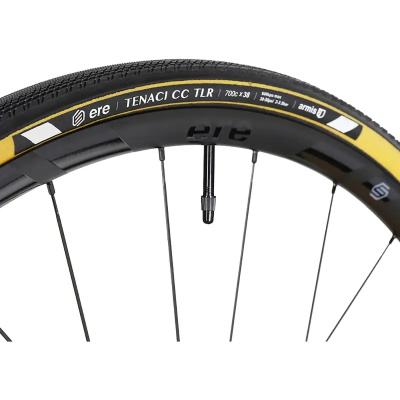
What sets them apart? A tread pattern that sheds mud without sacrificing speed, Armis 2 puncture protection that runs bead-to-bead, and a 120 TPI casing that irons out chatter without feeling fragile. The classic tan wall sidewalls add a nod to heritage aesthetics, but the real appeal is how they perform when you're chasing mates down a rutted descent or grinding through a wet cyclocross lap. If you want Challenge or Panaracer levels of grip with a slightly more road-focused roll, Ere's worth a close look.
Prices and availability can change quickly. Delivery charges are not always included in listed prices.
Final price, stock status and delivery terms are set by retailer. We may receive a commission on purchases made.
Engineering the Tenaci: Tread & Compound
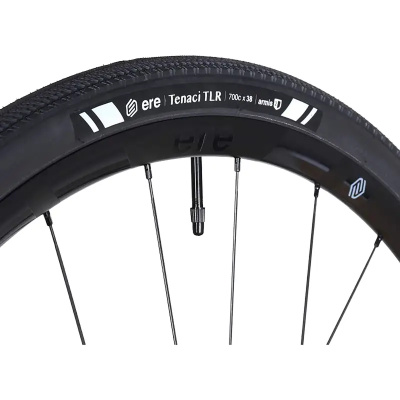
The Ere Tenaci gravel tyres deploy an open tread layout that prioritises mud clearance without turning into a drag anchor on tarmac links. The centre strip runs a tightly spaced, low-profile pattern that keeps rolling resistance in check when you're covering miles on fire roads or bridleways that have baked hard over summer. Lean into a corner and the shoulder knobs step up, taller and more aggressive, to claw into loose gravel or damp leaf litter. It's a transition that feels intuitive rather than abrupt.
The compound itself balances durability with grip. You won't get the ultra-sticky feel of a full-on Maxxis enduro tyre, but that's not the brief here. Instead, Ere's rubber holds its shape under load, resists chunking on flint-strewn South Downs tracks, and offers predictable feedback when you're threading through ruts or negotiating off-camber sections. The low rolling resistance compound means you're not working overtime to maintain pace on mixed surfaces, which matters when you're stringing together a century that includes everything from A-roads to farm tracks.
Mud shedding is where the Tenaci tread really earns its keep. The spacing between knobs is generous enough to prevent clogging during a soggy Yorkshire cross race or a winter ride through the Peaks when the trails turn to porridge. You'll still need to hose them down afterwards, but they don't pack solid mid-ride the way some tighter patterns do.
Armis 2 Protection & Casing Technology
Armis 2 puncture protection is Ere's three-layer defence system, running from bead to bead rather than just under the tread. That means sidewall cuts from sharp stones or thorns are less likely to end your ride early, a real benefit if you're exploring bridleways in the Cotswolds or tackling the kind of rutted lanes where flint shards lurk in wait. The protection layer sits between the casing and the tread, adding a shield without bloating the tyre's weight or killing its suppleness.
The 120 TPI casing is where you feel the difference on longer rides. Higher thread count means finer threads woven more densely, which translates to a casing that flexes and conforms to the surface rather than bouncing off every rock and root. It's not as plush as a 320 TPI road tyre, but it's noticeably more forgiving than budget gravel rubber, reducing arm pump and fatigue when you're rattling down a rough descent or grinding through a gravelly climb. That suppleness also helps the tyre maintain traction over broken ground, keeping the contact patch glued down when a stiffer casing might skip.
Are Ere Research tyres tubeless ready? Yes, the Tenaci line is designed for tubeless setups with sealant. The bead seats cleanly on most modern rims with a track pump, and once it's up, it holds pressure reliably. Running tubeless lets you drop pressures into the low 30s PSI for better grip and comfort without risking pinch flats, which is half the point of a 700c gravel bike tyre in the first place. The bead-to-bead protection also means you're less likely to slice a sidewall and lose all your sealant in one go.
Sizing and Rim Compatibility
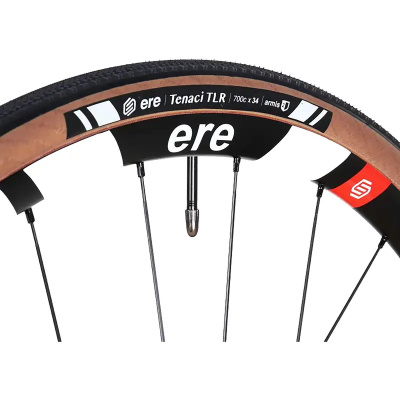
Ere offers the Tenaci in a spread of widths, typically from 34mm up to 42mm, giving you options depending on whether you're racing cyclocross, riding fast all-road loops, or tackling properly rough gravel. The 34mm Ere Tenaci TLR suits narrower frames and riders who want a nimble, race-ready feel for cross or mixed-surface road rides. Step up to 38mm or 40mm and you gain cushioning and traction for rougher tracks, while the 42mm sits at the burlier end, ideal for bikepacking or riders who prioritise comfort and grip over outright speed.
Hookless rim compatibility is built in, so if you're running modern carbon hoops from the likes of Hunt or Zipp, you won't have issues. Ere recommends pairing their tyres with internal rim widths between 19mm and 25mm for optimal performance. Too narrow and the tyre can feel tall and vague; too wide and you risk burping the bead or compromising the tread profile. Most current gravel wheelsets land in that sweet zone, so fitment is rarely a headache.
What tyre pressure should I run in Ere gravel tyres? Start around 35-40 PSI for a 75kg rider on 38mm tyres, then adjust based on conditions and feel. Lower pressures suit soft or technical ground, while hardpack and tarmac sectors benefit from a few extra PSI to reduce rolling resistance. The 120 TPI casing tolerates lower pressures better than cheaper tyres, so you can experiment without the tyre feeling sluggish or folding under hard cornering. If you're heavier or running narrower tyres, nudge the pressure up; lighter riders or wider rubber can drop down into the high 20s without trouble.
Tan wall sidewalls are available across much of the range, offering that classic look if you're building a bike with a retro or understated aesthetic. They do show dirt more readily than black sidewalls, but that's the trade-off for the look. Functionally, there's no difference in durability or performance.
Ere Research: Design Philosophy and Contact Points
Ere Research was founded by Piet van der Velde, an industrial designer with a background in component engineering who cut his teeth working on high-end cycling products before launching his own brand. The focus has always been on contact points: saddles, bar tape, and tyres, the bits of the bike you're physically interacting with for hours at a stretch. That philosophy shows in the attention to detail, from the way the Tenaci tread transitions to the suppleness of the casing.
The brand doesn't chase headlines with radical designs or marketing hype. Instead, it refines proven concepts, tweaking tread patterns and casing construction to deliver tangible improvements in ride quality and durability. If you're familiar with Ere saddles or Ere road tyres, you'll recognise the same approach here: understated, effective, and built to last.
What is the difference between Ere Tenaci and Genus tyres? The Tenaci is purpose-built for gravel and cyclocross, with a tread pattern optimised for loose surfaces, mud clearance, and off-road grip. The Genus, by contrast, is an all-road and light gravel tyre that prioritises tarmac speed and lower rolling resistance, with a slicker profile and less aggressive shoulder knobs. If you're spending most of your time on rough tracks or racing cross, the Tenaci is the obvious pick. For fast mixed-surface rides that lean more towards road than dirt, the Genus makes more sense.
Ere's range also includes Ere Research cyclocross tyres in narrower 33mm widths, designed specifically for UCI-legal race setups where mud shedding and low weight are paramount. These share the same Armis 2 protection and 120 TPI casing but dial back the volume for faster handling and lighter weight. They're less forgiving on rough gravel but sharper in tight, technical cross courses.
Compared to Continental or Pirelli gravel offerings, Ere sits slightly more towards the road end of the spectrum in terms of rolling efficiency, without sacrificing the off-road capability you need when the surface deteriorates. If you're after something closer to an MTB tyre with massive knobs and maximum grip, WTB or Specialized might suit better. But for riders who value speed and efficiency alongside dependable traction, the Tenaci hits a useful middle ground.