
Challenge Gravel And Cyclocross Tyres
Challenge Gravel and Cyclocross Tyres have spent decades on World Cup CX tape and elite gravel routes, and that racing pedigree translates directly into what you're mounting on your wheels. The defining characteristic is suppleness. Where a budget tyre sits rigid against wet chalk or slippery roots, a Challenge casing deforms around the surface, finding grip before you've even registered the obstacle. That's not marketing - it's the physical result of high-TPI handmade construction, and it's why riders serious about off-road performance keep coming back.
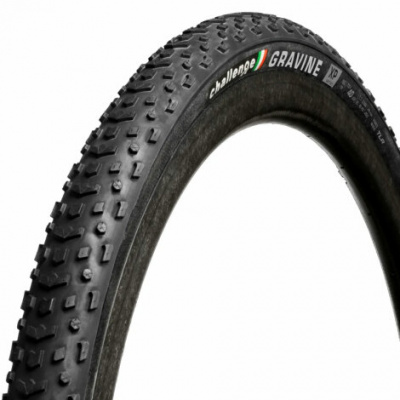
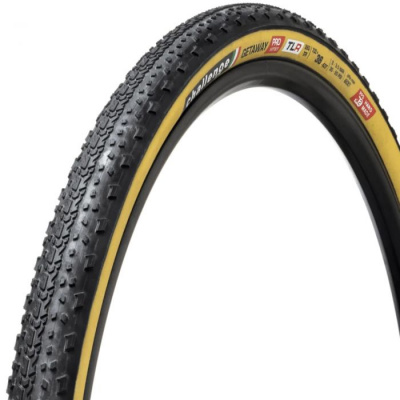
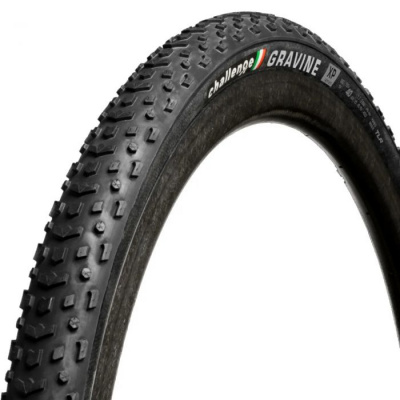
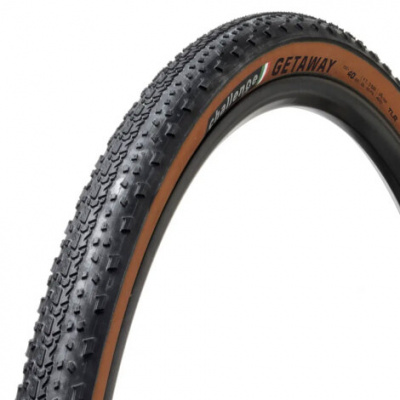
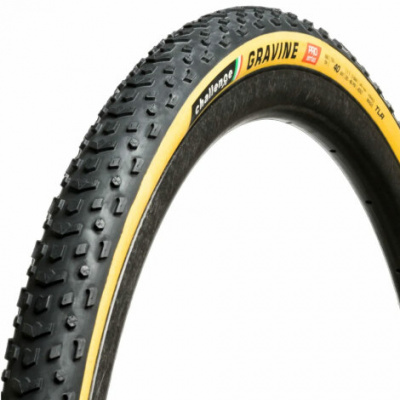
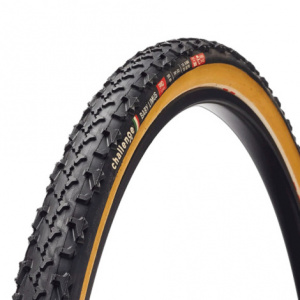
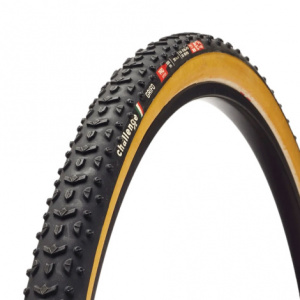
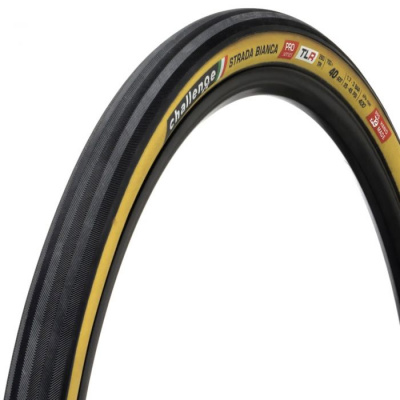
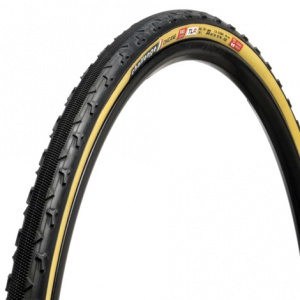
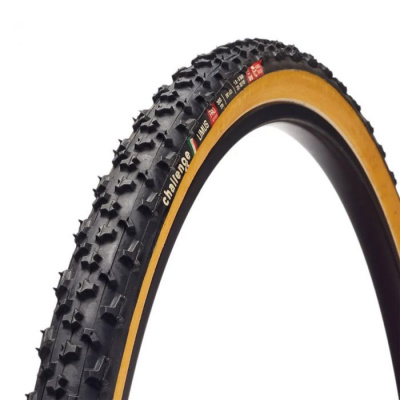
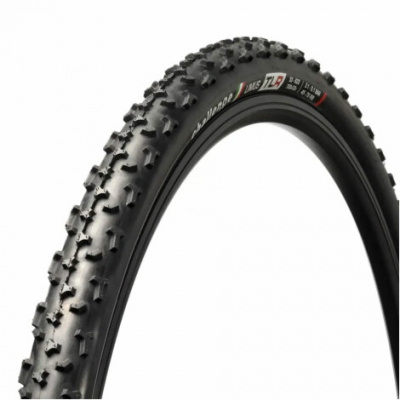
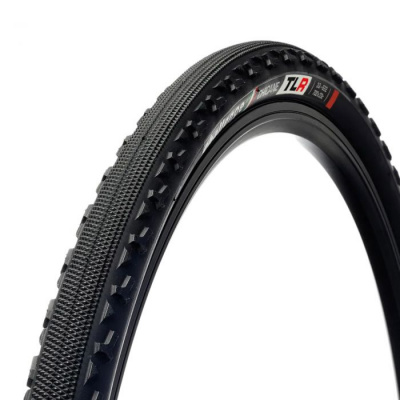
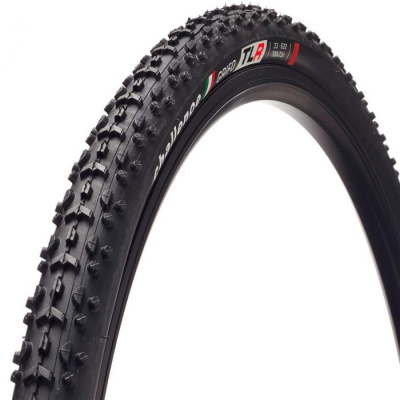
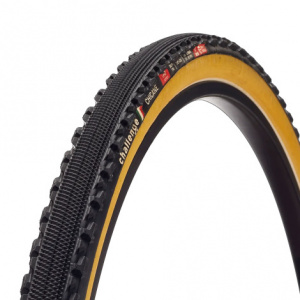
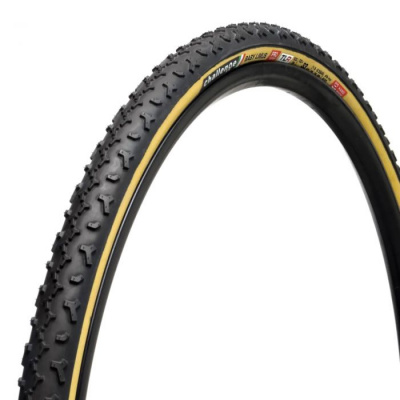
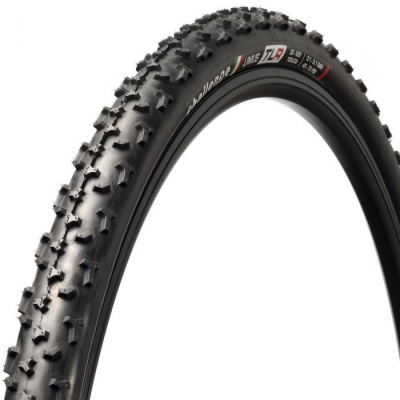
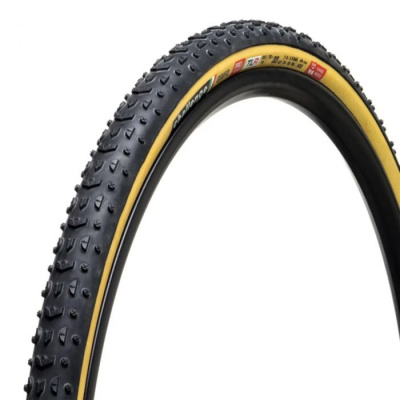
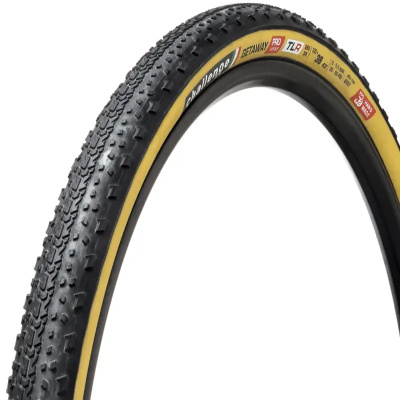
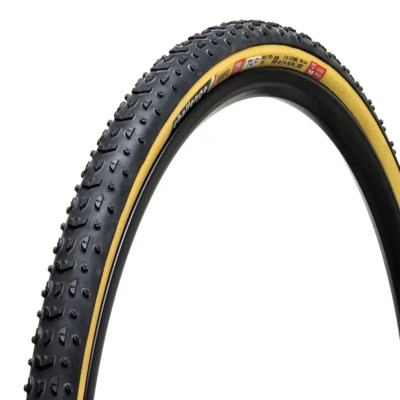
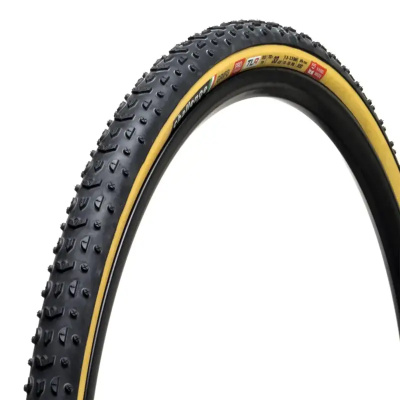
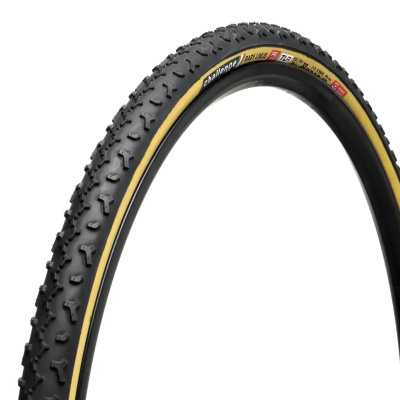
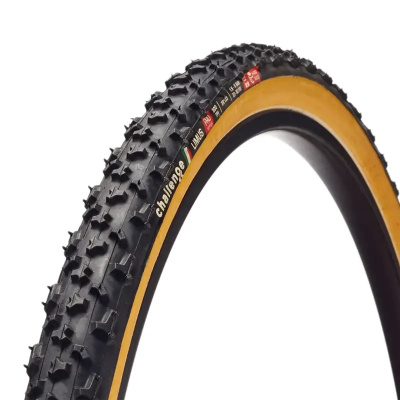
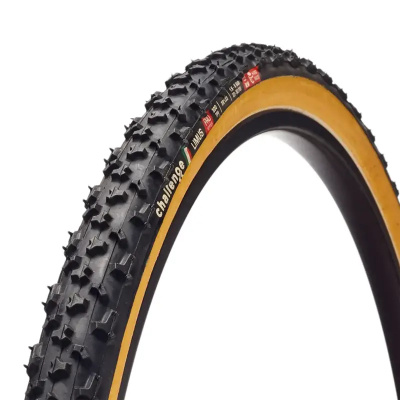
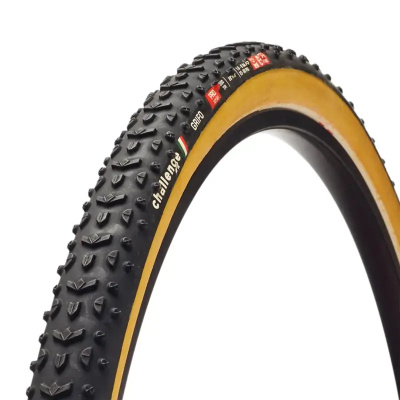
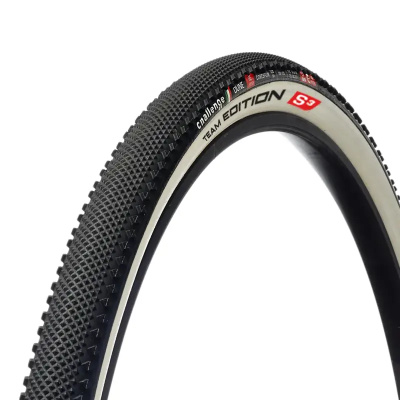
The range covers two broad worlds. On the cyclocross side, models like the Limus and Grifo are designed for specific mud conditions, with tread geometries tuned for either deep, clinging British winter mud or the firmer, mixed surfaces you'd encounter at a dry autumn race. On the gravel side, tyres like the Getaway and Almanzo bring that same casing quality to wider, volume-focused builds suited to bridleways, gravel paths, and multi-surface audax days. Most come in HTLR (Handmade Tubeless Ready) versions, with folding Aramid beads and tubeless-compatible construction, so you're not locked into a tube-and-pray setup. Find your tread, check the fit guide below, and compare prices across the full Challenge range here on Bikesy.
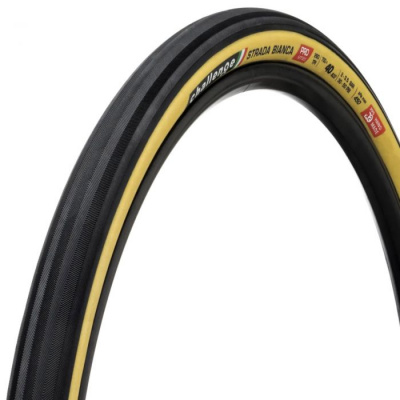
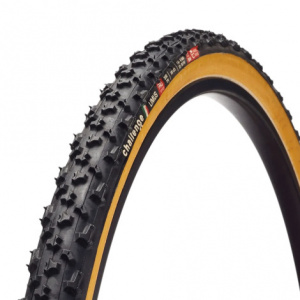
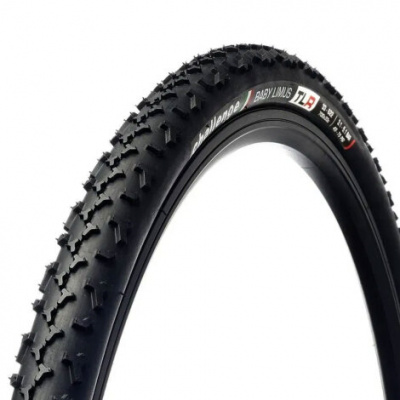
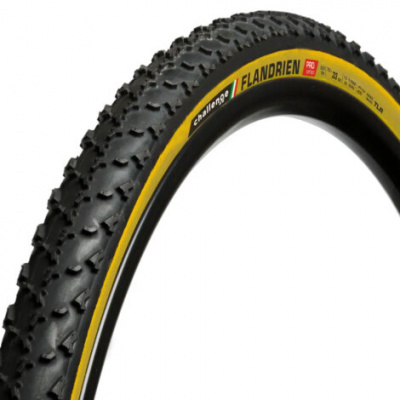
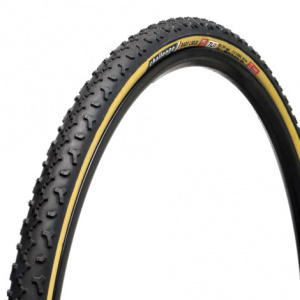
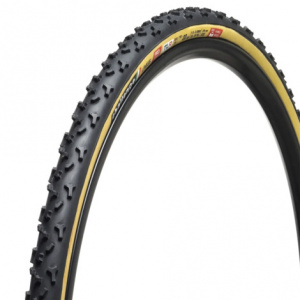
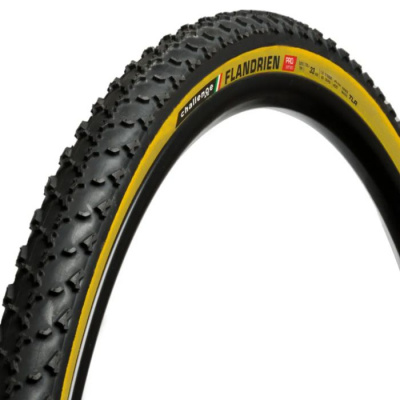
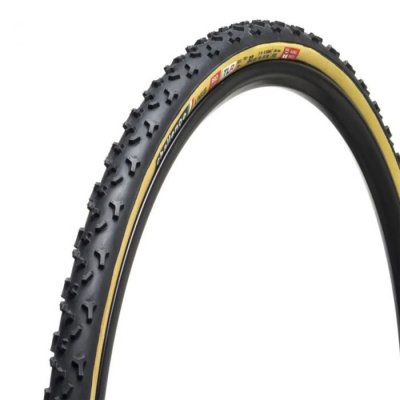
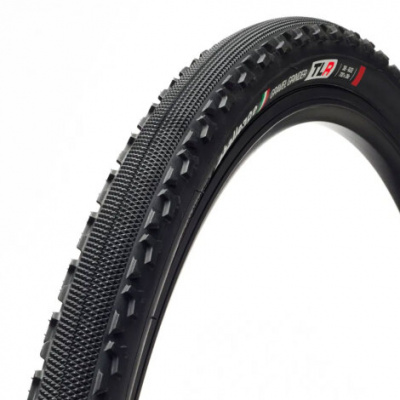
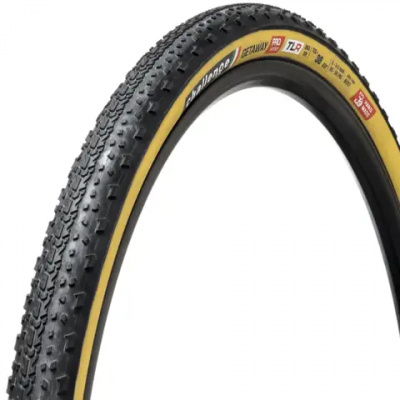
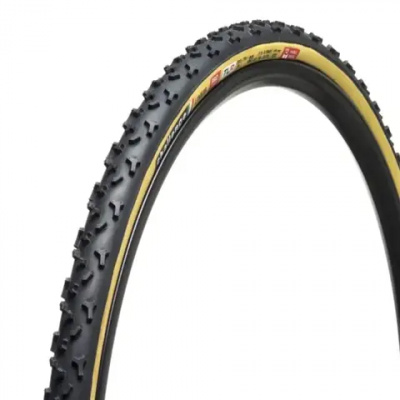
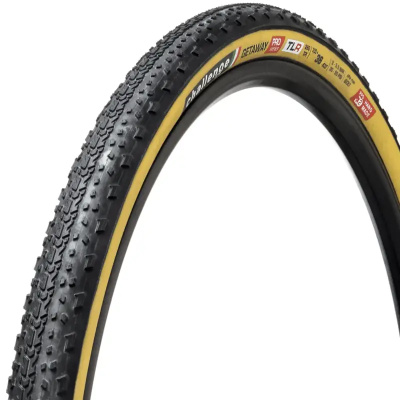
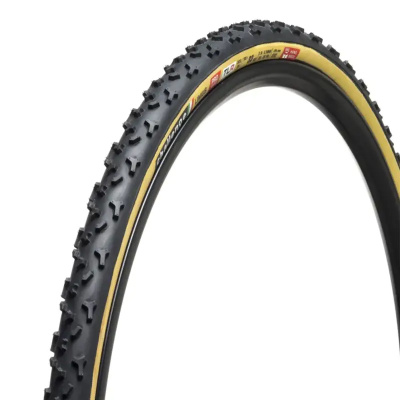
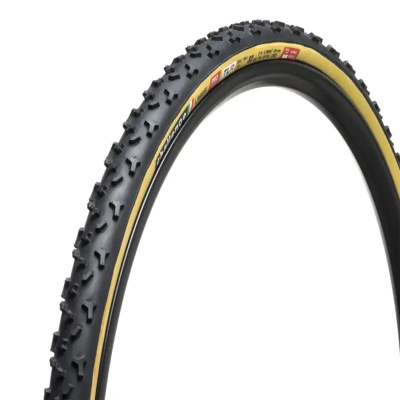
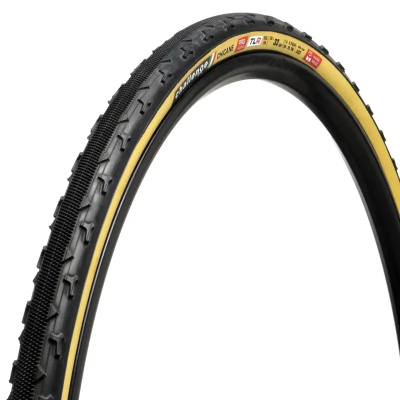
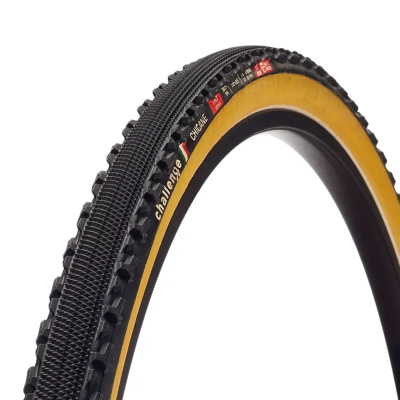
Prices and availability can change quickly. Delivery charges are not always included in listed prices.
Final price, stock status and delivery terms are set by retailer. We may receive a commission on purchases made.
Fitting Challenge Tyres: Standards, Hookless, and What to Expect on the Bench
Challenge tyres are handmade, which means the bead diameter and casing tension are tighter than a mass-produced vulcanized tyre. That's where the notorious fitting reputation comes from. On a standard hooked rim with a fresh HTLR tyre, you'll likely need tyre levers for the final section of bead - there's no shame in that. Warm the tyre slightly if you're struggling in a cold garage, and make sure the bead is seated in the centre channel of the rim bed before working around.
Hookless compatibility is model and size dependent. Challenge confirms hookless approval on specific HTLR gravel tyres at widths of 40mm and above, with a maximum inflation limit of 72.5 psi in line with industry standards. Always cross-reference the Challenge compatibility chart before fitting to a hookless rim - it matters, and it's a five-minute check that saves a messy failure on a Lincolnshire gravel lane with no signal. If you're running tubeless, use a quality sealant with a minimum 60ml per tyre and allow the bead to seat at higher pressure before dropping to your riding pressure. The Aramid bead on HTLR tyres holds a tubeless seal reliably once seated, but it won't tolerate being rushed.
Clincher versions with a traditional wire or folding bead are still available in some CX models and suit riders who race with tubes for fast pit changes. These are simpler to fit but sacrifice the puncture resilience and pressure-tuning flexibility of a tubeless setup.
Casing Construction: Why TPI and Handmade Building Actually Matter
The difference between a 60 TPI vulcanized tyre and a 300 TPI handmade one isn't subtle once you've ridden both. More threads per inch means the casing fabric is finer and more densely woven, which lets it flex and conform rather than resist. On wet roots in a Welsh forest or flinty South Downs chalk, that compliance translates into the contact patch moulding to the surface instead of skating across it.
Challenge's SuperPoly and Silk casing options sit at the top of the range. SuperPoly uses a synthetic high-TPI fabric that offers a balance of suppleness and durability, while Silk casings - found on some CX racing tyres - push compliance to its limit, using a finer weave that rewards careful handling. Both are appreciably more supple than anything in the vulcanized category. The trade-off is that handmade casings are more susceptible to sidewall cuts if you're running low pressures on sharp flint or slate. That's where Corazza Armor comes in: a gravel-specific reinforced sidewall layer applied to models like the Getaway that adds cut resistance without the deadening effect of a full belt. It's not weightless, but it's a considered addition for UK conditions where the bridleway surface can change from soft loam to angular rock in fifty metres.
PPS (Puncture Protection Strip) and PPS2 are Challenge's sub-tread protection layers. PPS runs the full width of the tread on gravel models; PPS2 is a denser, slightly heavier version used on more aggressive builds. Neither eliminates puncture risk, but they meaningfully reduce the frequency of flint-strike failures, which is a real concern on routes like the South Downs Way or the Pennine Bridleway.
Matching the Tread to the Conditions: Grifo, Limus, Baby Limus, and the Gravel Range
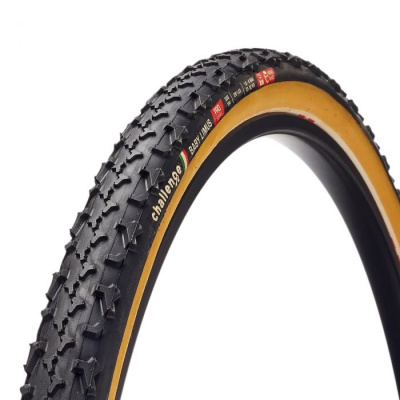
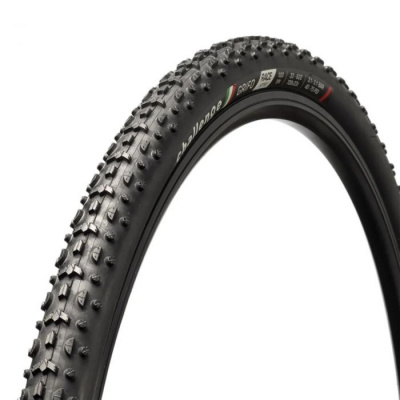
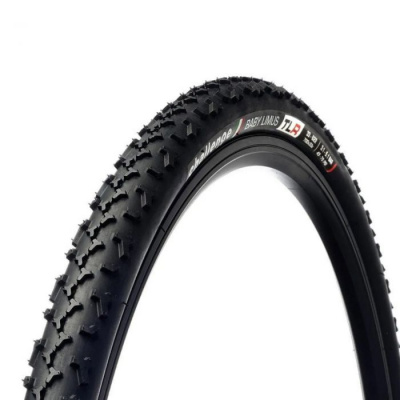
The question of Challenge Grifo vs Limus comes up constantly, and the answer is simple once you understand what each does. The Limus is a deep-mud specialist - tall, widely-spaced knobs that self-clean in the kind of clinging, sticky mud you get at a January CX race in the Midlands. It's the tyre that keeps working when everything else is clogged. The Baby Limus shrinks that concept down to a shorter, slightly closer-spaced knob for transitional conditions: mud with some firmness underneath, early-season grass, or the mixed surfaces typical of a UK autumn CX series. The Grifo sits at the firmer end of the CX spectrum - a lower, denser tread that rolls quickly on hard-pack, dry grass, and gravel-heavy courses. If your local league has a dry, fast circuit, the Grifo is the faster choice. If it's been raining since October, go Limus.
On the gravel side, the Getaway is Challenge's volume-focused all-rounder - available up to 45mm, with a file-tread centre and side knobs that give cornering purchase without sacrificing rolling speed. The Almanzo is the more aggressive gravel option, with a chunkier tread suited to loose, rough surfaces. Both benefit from HTLR construction, so you're getting full handmade suppleness in a tyre that fits a modern gravel bike. If you're comparing Challenge against other premium gravel rubber, it's worth looking at Pirelli gravel tyres and Vittoria gravel tyres - both offer high-TPI options, though Challenge's handmade process remains a differentiator in outright casing feel.
SMART rubber compounds underpin the grip across the range. Challenge specifies compounds by durometer - hardness rating - so softer compounds go on the knob edges for cornering grip and harder compounds on the centre for wear resistance. It's a targeted approach rather than a single-compound pour, and it's part of why Challenge tyres corner with confidence even as the centre tread wears.
Weight, Pressure, and Getting the Setup Right
Handmade tyres run best at lower pressures. On a 33mm CX tyre like the Grifo, most riders of average weight run 25 - 32 psi tubeless - enough to avoid pinch flats on course tape and boards, low enough to keep the casing working. Go too high and you're negating the suppleness that justifies the price. On gravel tyres at 40mm and above, pressures in the 22 - 28 psi range are common, dialled by rider weight and surface. A 90kg rider on flint-heavy paths will sit higher than a 65kg rider on smooth gravel. Get a decent pressure gauge - tyre feel from a thumb press is not reliable enough at these pressures.
Weight varies by model and construction. Silk CX tyres can dip below 200g in some sizes, which is competitive with the lightest options from Hutchinson CX tyres. HTLR gravel tyres sit in the 380 - 450g range depending on size and protection level - Corazza Armor and PPS2 add grams, but they're grams that earn their place on British gravel. For gravel tyre comparisons across all brands, our full category page lets you filter by width, construction, and protection level.
If you're building a complete CX or gravel setup and want to think about the wider picture, cyclocross wheelsets and CX inner tubes for pit spares are worth having sorted before your first race weekend. Tyre choice only gets you so far if the rest of the system isn't dialled.
Challenge Gravel And Cyclocross Tyres FAQs
Are Challenge handmade tyres tubeless compatible?
HTLR (Handmade Tubeless Ready) versions are tubeless compatible, using an Aramid bead and a sealed casing construction. They seat reliably with a good floor pump and quality sealant, though the tight bead tolerances mean fitting takes a bit more effort than a mass-produced tyre. Non-HTLR clincher versions require a tube.
What is the difference between Challenge Grifo, Baby Limus, and Limus?
The Limus is a deep-mud tyre with tall, widely-spaced knobs that self-clean in thick, clinging conditions. The Baby Limus is a transitional tread - shorter knobs suited to mixed mud and firm ground. The Grifo is the firm-condition option, with a lower, denser tread that rolls quickly on hard-pack, dry grass, and gravel-heavy CX courses.
Why are Challenge tyres so hard to fit and how do you mount them?
Handmade construction means tighter bead tolerances than vulcanized tyres - that's a byproduct of the precision, not a flaw. For tubeless fitting, seat the bead in the rim's centre channel first, work around both sides evenly, and inflate to full pressure before dropping to your riding pressure. Warming the tyre in a warm room before fitting helps in cold weather.
Do Challenge gravel tyres work on hookless rims?
Select HTLR gravel models in 40mm and wider are hookless-approved, subject to a maximum 72.5 psi inflation limit. Always verify compatibility against Challenge's published hookless chart before fitting - approval is size and model specific, not blanket across the range.
What protection does Challenge use on gravel tyres to resist punctures?
Challenge uses PPS (Puncture Protection Strip) as a sub-tread layer on gravel tyres, with the denser PPS2 on more aggressive builds. Corazza Armor adds sidewall cut resistance on models designed for rough surfaces. Neither is a puncture guarantee, but together they meaningfully reduce failure rates on sharp British gravel.