
Wtb Gravel And Cyclocross Tyres
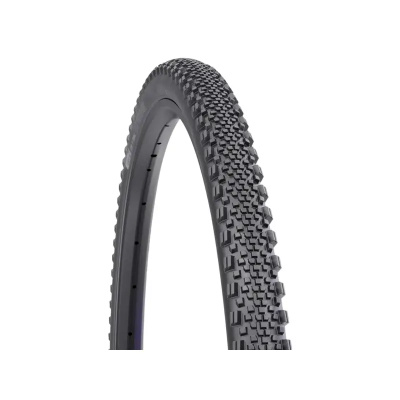
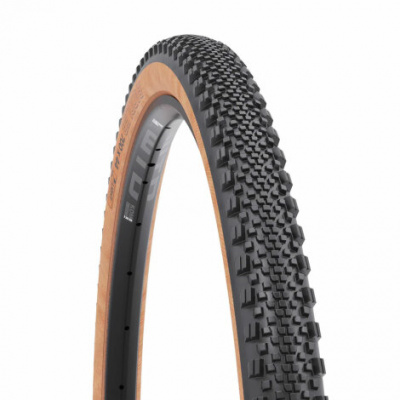
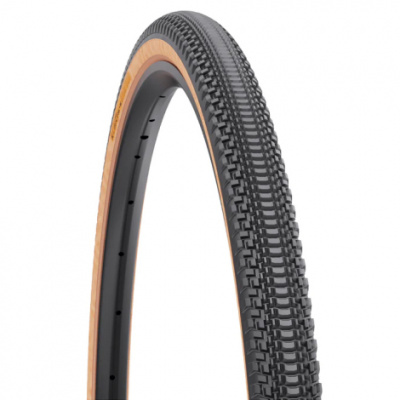
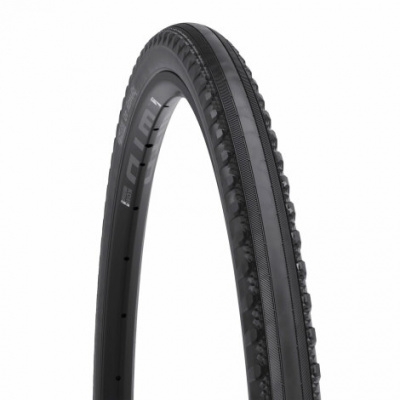
WTB gravel and cyclocross tyres have shaped how modern off-road riding looks - and more importantly, how it feels when the chalk's wet and your confidence needs to hold. From the fast-rolling Byway to the mud-hungry Resolute, every tyre in the WTB range is built around their TCS (Tubeless Compatible System), which standardises bead-to-rim fitment so setup is straightforward rather than a sealant-spattered lottery. Most models pair TCS with SG2 bead-to-bead puncture protection - a lightweight nylon insert that runs the full width of the casing, not just under the tread - and Dual DNA rubber, which puts a firmer compound through the centre for rolling efficiency and a softer mix on the side knobs where grip actually matters in a corner. For UK riders, that combination is genuinely useful. Sharp South Downs flint will cut an unprotected sidewall before you've noticed the pressure dropping. Winter mud on Welsh bridleways demands compound that bites rather than polishes. WTB's lineup is broad enough to cover fast summer gravel days and deep winter slop without compromise. Compare the full range and find the best prices below.
Prices and availability can change quickly. Delivery charges are not always included in listed prices.
Final price, stock status and delivery terms are set by retailer. We may receive a commission on purchases made.
Getting the Sizing Right: Rim Width, ETRTO, and TCS Compatibility
Tyre sizing is where gravel riders trip up most often, and it's worth sorting before you buy. WTB tyres use ETRTO sizing - the European standard that gives you a tyre's actual inflated width alongside its bead seat diameter - so a 700x40c is nominally 40mm wide at its rated rim width. The catch is that modern gravel rims run wide internal widths, often 23 - 25mm, and a tyre inflated on a 25mm internal rim will typically measure 2 - 3mm wider than the ETRTO figure. That 700x40c can easily balloon to 42 - 43mm. Check your frame's actual clearance with a ruler, not just the manufacturer's stated maximum, because muddy tyres carry more diameter than clean ones and 1mm of clearance in wet grit is no clearance at all.
WTB's TCS (Tubeless Compatible System) uses a dual-bead design that's engineered to mate with TCS-compatible rims, creating an airtight seal without needing excessive force. The system is forgiving enough to work with most tubeless-ready rims from other brands, but matching rim tape width to your rim's internal channel is non-negotiable for a reliable seal. Before you mount any WTB tubeless tyre, make sure you've got the right WTB tubeless valves, fresh WTB sealant, and tape that covers the spoke beds completely - a small gap will lose you air at the worst moment, usually mid-descent in the Peak District.
650b x 47 WTB options like the Byway and Nano are increasingly popular on longer-reach gravel frames designed for the larger wheel format. Run them on rims with a 23 - 25mm internal width for the profile and compliance they're designed to offer. Go narrower than 21mm internal and the casing won't open up properly; the supple handling you're paying for disappears.
Reading the Range: Which WTB Tread Pattern Suits Your Riding?
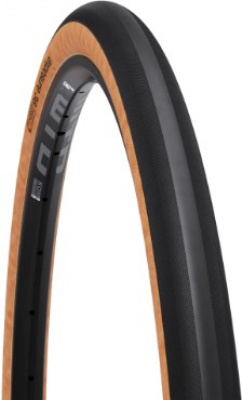
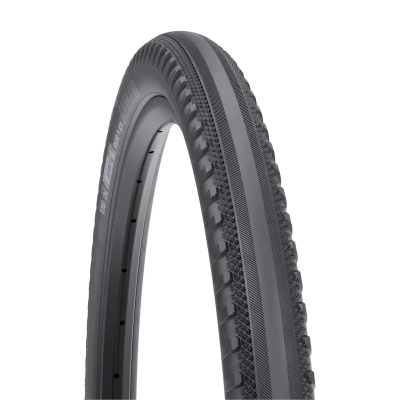
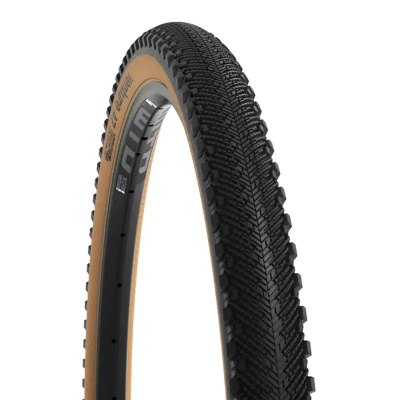
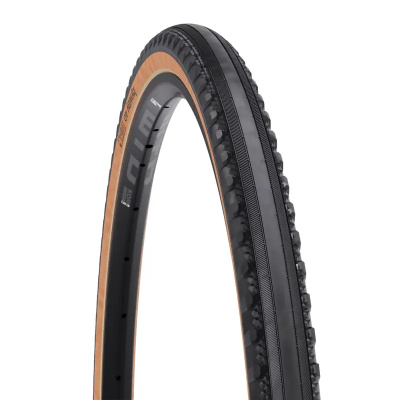
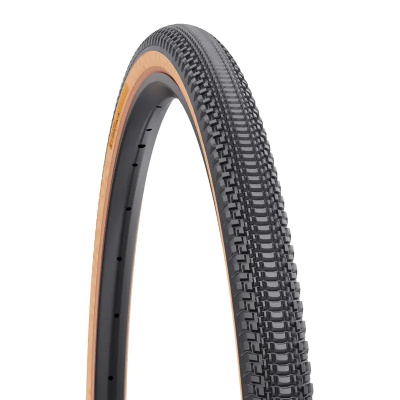
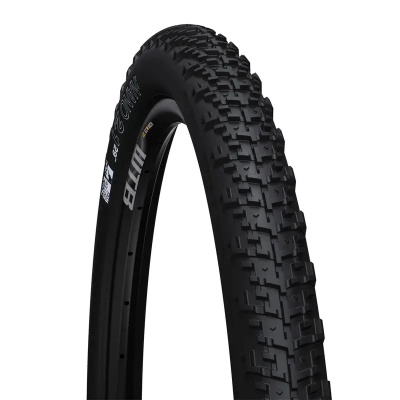
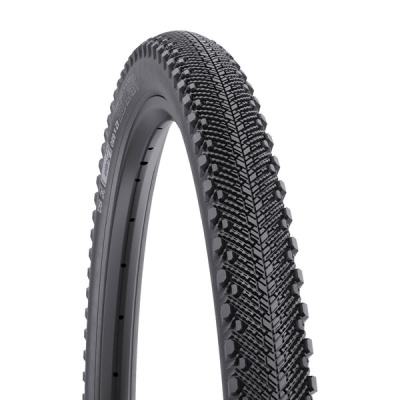
WTB's gravel lineup splits clearly into three groups, and knowing where each sits saves you running the wrong rubber for months. Fast-rolling semi-slicks sit at one end: the Byway and Horizon use a file-tread centre with minimal interruption, keeping rolling resistance low on hardpack, packed dirt, and tarmac connectors. These are the tyres for riders who spend most of their time on dry, groomed gravel and want pace above all else. They'll manage light grass and compact soil, but ask them to deal with wet clay and they'll remind you firmly of their limits.
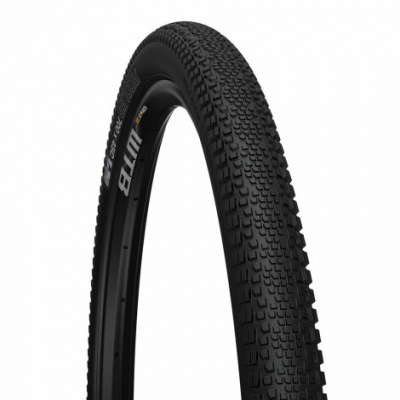
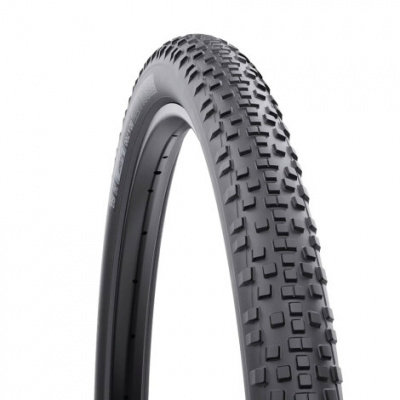
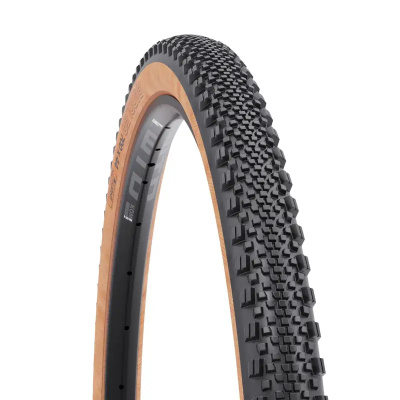
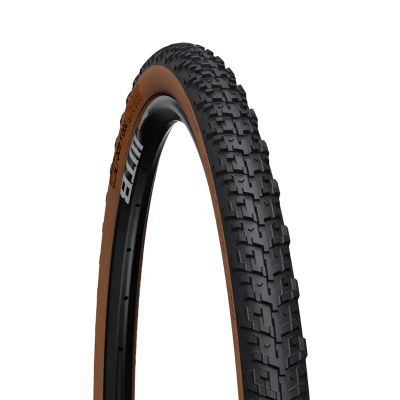
The all-rounder bracket is where most UK riders will live. The Riddler uses a relatively open, ramped-knob layout that rolls well on dry surfaces but has enough edge to bite on loose-over-hard and damp gravel. The Nano steps up the aggression slightly with tighter, more pronounced side knobs - genuinely versatile across the kind of mixed bridleway-to-tarmac routing you get on a typical UK audax or gravel sportive. Both are available in standard 60tpi casings and in SG2 variants. The standard casing is slightly more supple casing feel underfoot and a touch lighter; the SG2 adds that bead-to-bead protection nylon layer, which marginally firms the ride but meaningfully reduces your risk of a catastrophic sidewall failure on sharp rock. If you're riding anywhere with flint, the SG2 isn't optional.
At the aggressive end sit the Resolute and Sendero. Wide knob spacing, pronounced shoulder lugs, and enough mud clearance to stop the deep, sticky winter mud that coats everything from October to March from packing solid between the tread blocks. These aren't fast tyres on hard ground - you'll feel the knobs buzzing on tarmac - but in wet Welsh mud or slick Peak District gritstone, they're a different beast entirely. If you're racing cyclocross or doing winter gravel miles where conditions are genuinely hostile, start here. Compare against Maxxis gravel tyres or Panaracer if you want to see how the tread philosophies differ - both offer competitive options in this space, but WTB's Dual DNA compound approach to balancing centre roll with shoulder grip is distinct.
The Dual DNA rubber deserves a moment. It's not a marketing abstraction - you can feel the compound difference between the firm centre strip and the softer shoulder knobs when you lean the bike into a wet, off-camber corner. The softer outer rubber deforms fractionally against roots and loose stone, giving a stickiness that harder compounds simply can't replicate. Worth considering if Continental or Vittoria are on your shortlist - single-compound tyres can match WTB on rolling speed but often give ground in cornering confidence on mixed surfaces.
UK Durability: Keeping WTB Tyres Running Through Flint Season and Beyond
British riding is harder on tyres than most of Europe's. South Downs chalk and flint is razor-edged and high-impact; one bad line through a freshly graded section can slash a sidewall clean through. SG2 won't make your tyre indestructible, but the bead-to-bead nylon insert absorbs the kind of glancing strikes that would open up a standard casing. If you're riding the North Downs, Chilterns, or anywhere along the chalk escarpment, spec SG2 as a baseline rather than an upgrade.
The Dual DNA compound wears well but not indefinitely. The firmer centre compound resists mileage grinding on tarmac connectors better than you might expect, but the softer shoulder knobs will round off over time if you're regularly cornering hard on gritty surfaces. Check them after a muddy winter series - squared-off knobs are a grip warning, not just a cosmetic issue. Run pressures lower than you think you need. Most riders run gravel tyres 10 - 15psi too hard, which on wet, rooty descents risks the tyre compressing to the rim and burping air from the TCS bead - a sharp hiss and a sudden confidence deficit mid-corner. A 700x40c tyre on a 75kg rider rarely needs more than 35psi rear, often less.
Sealant plugs small flint nicks reliably, but the deeper slashes that SG2 can't fully contain need mechanical intervention. Keep a WTB tubeless repair and plug kit in your pack - a mushroom plug takes 30 seconds to insert and will get you home from a remote bridleway when sealant alone is just making a mess. Refresh your sealant every 3 - 4 months in UK conditions; cold and damp accelerate latex breakdown faster than the tyre labelling suggests. Check Hutchinson's gravel range if you want a comparison point on casing durability - their Overide and XC range use different construction approaches worth benchmarking against WTB's SG2 in rocky conditions.
Wtb Gravel And Cyclocross Tyres FAQs
Are WTB gravel tyres tubeless ready?
Almost all current WTB gravel tyres use the TCS (Tubeless Compatible System) bead design, so yes - but tubeless ready doesn't mean tubeless out of the box. You'll still need compatible tubeless rims, airtight rim tape, tubeless valves, and sealant to complete the setup properly.
What is the difference between WTB SG2 and standard casing?
SG2 adds a lightweight bead-to-bead nylon insert beneath the tread and into the sidewalls, protecting against the kind of sharp sidewall strikes that standard casings can't handle. Standard casings are slightly more supple and a touch lighter, but for UK riders on flint or rocky bridleways, SG2 is the sensible choice.
Which WTB tyre is best for muddy UK gravel?
The Resolute and Sendero are the go-to picks for proper UK winter mud. Their wide knob spacing clears sticky, clay-heavy mud efficiently, and the shoulder lugs dig in on wet roots and off-camber sections where a tighter tread would skate.