
Pirelli Gravel And Cyclocross Tyres
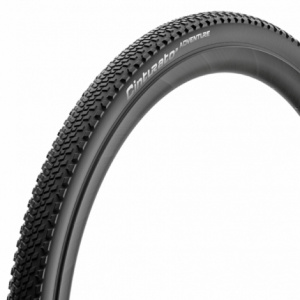
Pirelli gravel and cyclocross tyres bring the brand's motorsport compound knowledge directly to drop-bar off-road riding - and the results are hard to argue with. The Cinturato range is built around the proprietary SpeedGRIP compound, a rubber formulation that balances mechanical grip with rolling efficiency rather than sacrificing one for the other. That matters on British riding, where a single loop can take you from dry chalk hardpack to greasy root-laced singletrack inside twenty minutes.
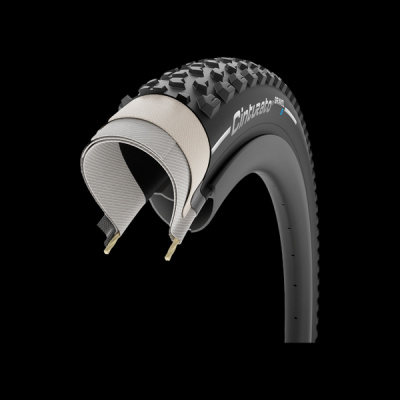
Underneath the tread, the TechWALL casing uses a 120tpi fabric with bead-to-bead cut resistance - which is exactly what you want when a flinty bridleway is doing its best to ruin your afternoon. All key Cinturato models are tubeless ready (TLR), so you can run lower pressures for a more planted feel without the pinch-flat anxiety that comes with an inner tube setup.
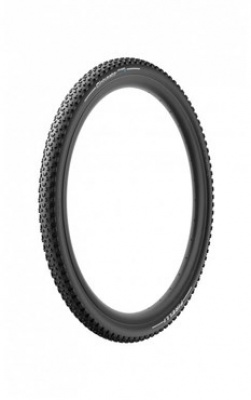
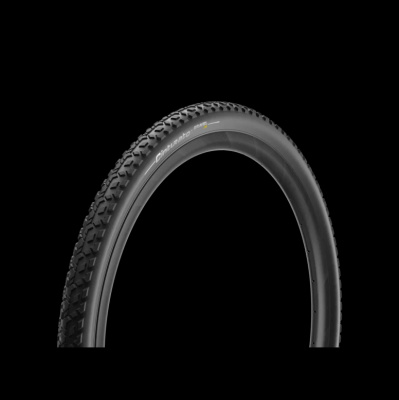
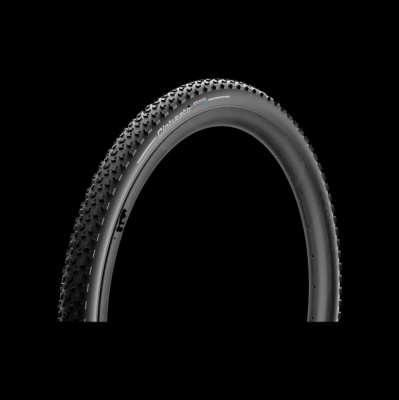
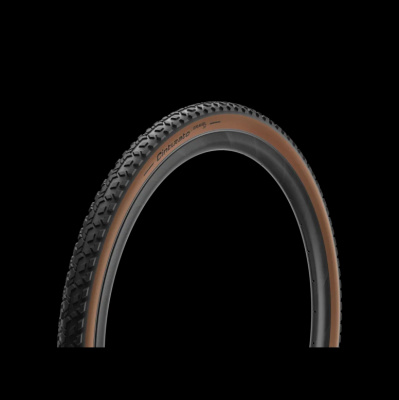
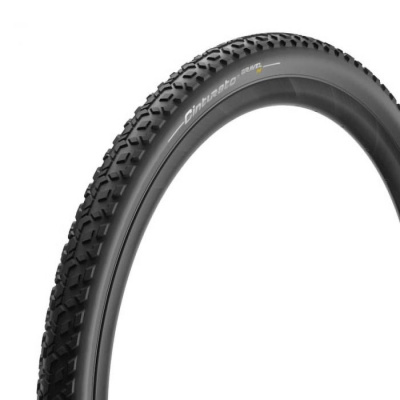
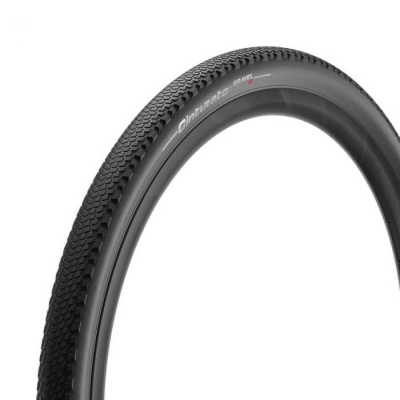
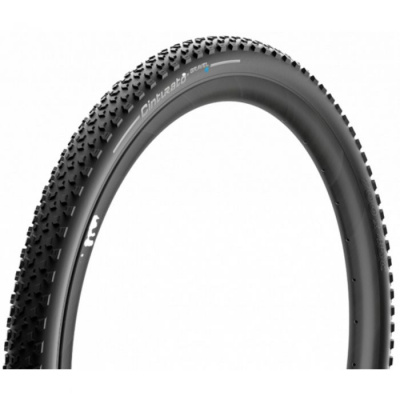
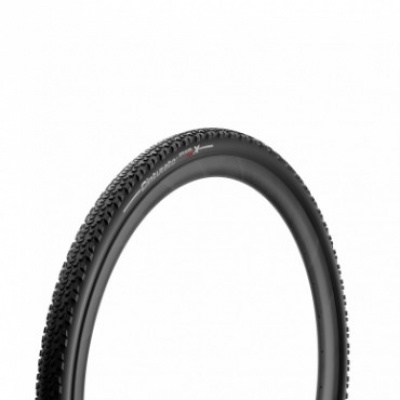
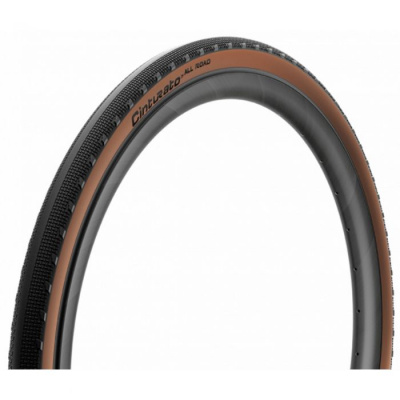
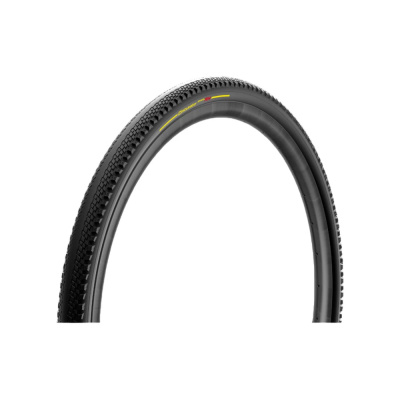
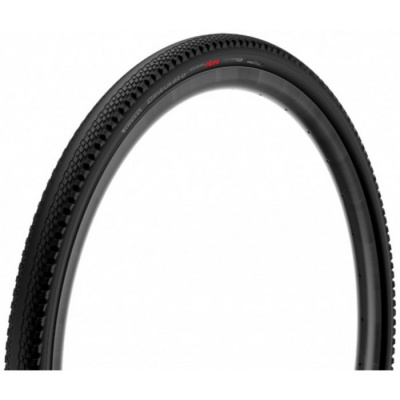
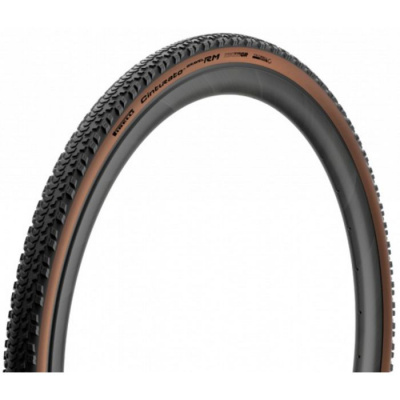
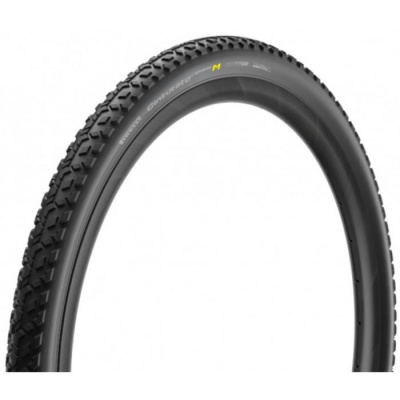
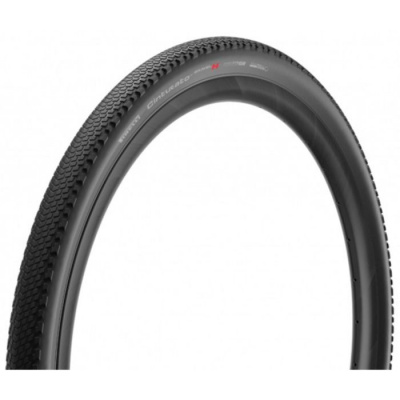
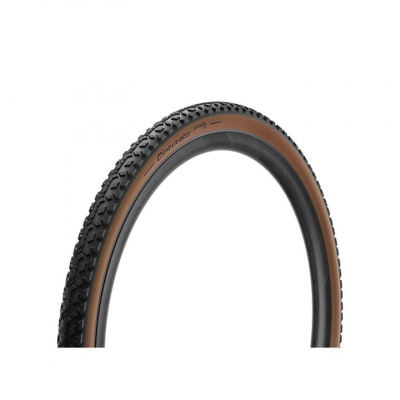
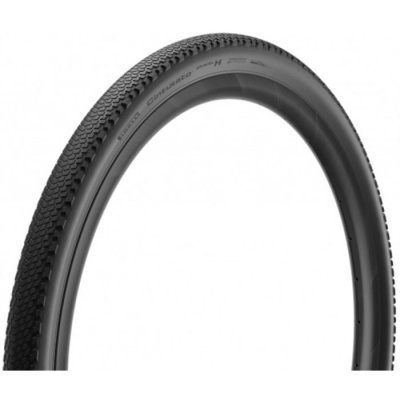
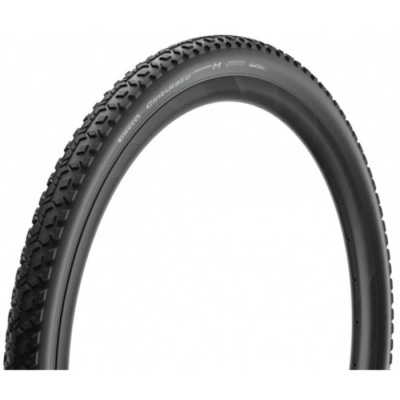
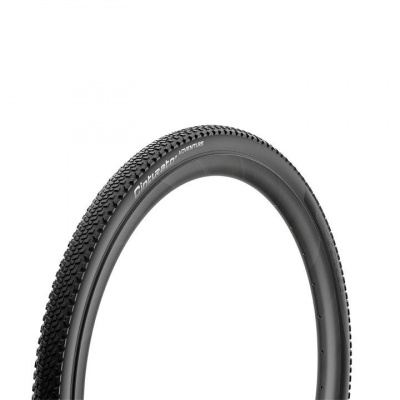
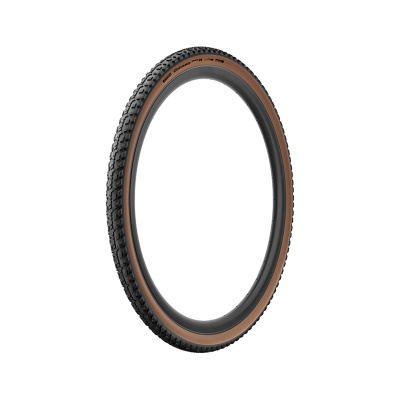
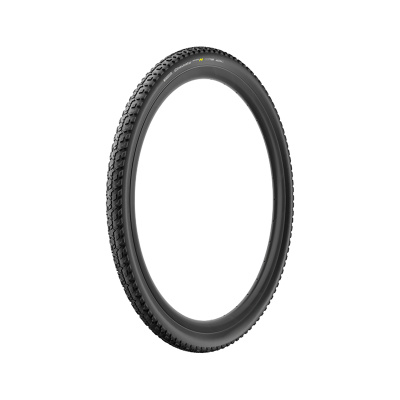
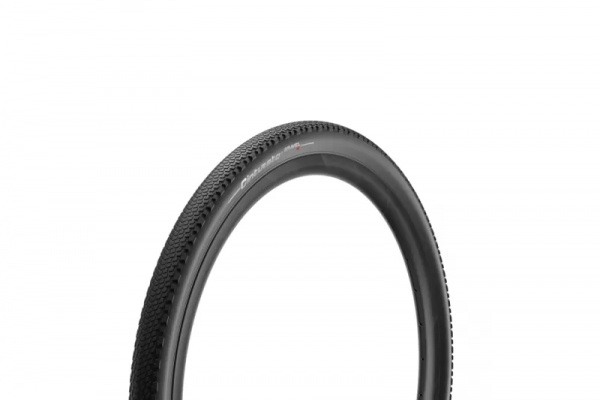
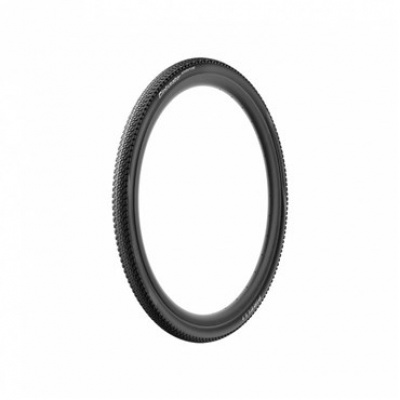
The range covers four tread variants - H, M, S, and RC - so whether you're lining up on the start grid of a winter CX race or midway through a multi-day bikepacking route across the Cairngorms, there's a pattern matched to what you're riding. Compare the full range and find the best UK prices below.
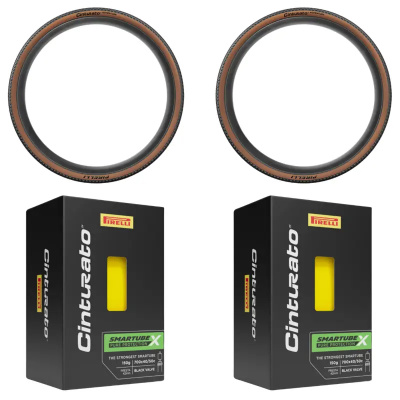
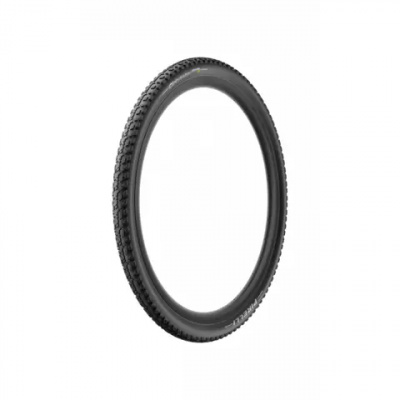
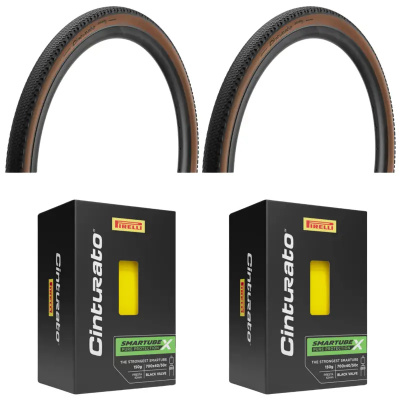
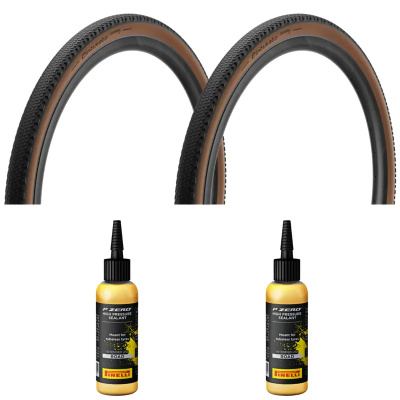
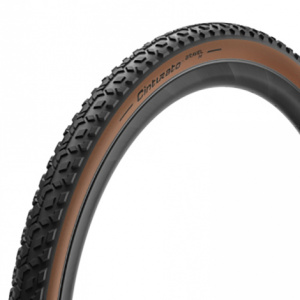
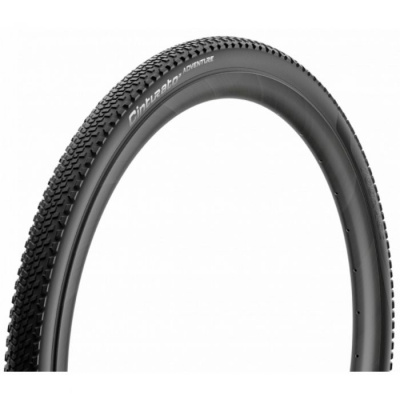
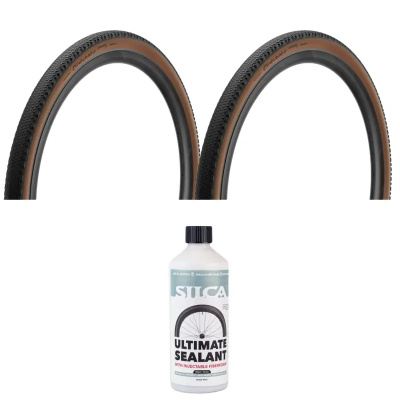
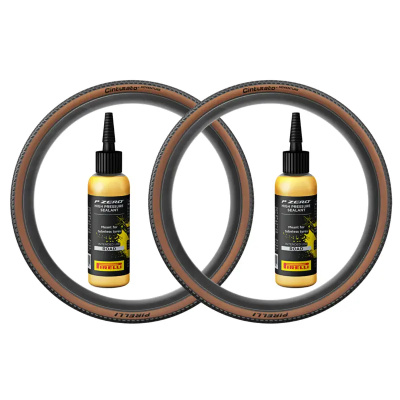
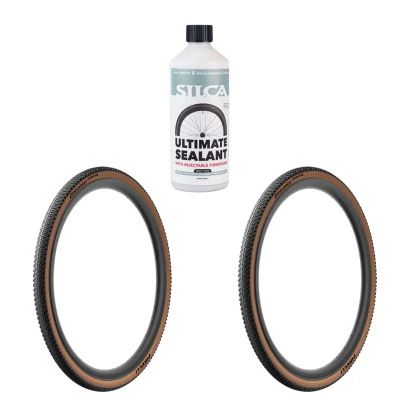
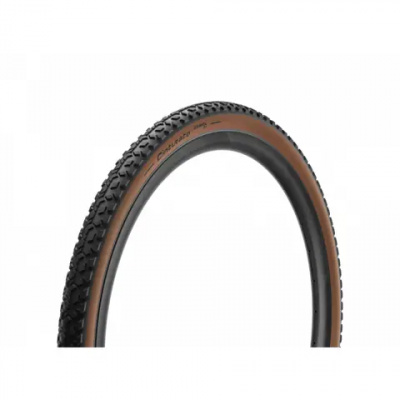
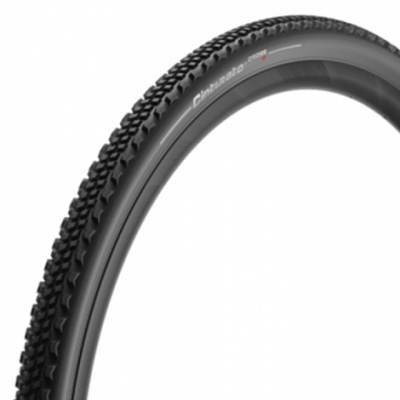
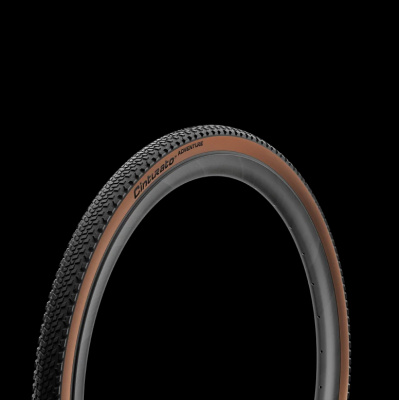
Prices and availability can change quickly. Delivery charges are not always included in listed prices.
Final price, stock status and delivery terms are set by retailer. We may receive a commission on purchases made.
Fitting Pirelli Gravel Tyres: Sizing, Rims, and Hookless Standards
Getting the right fit starts with understanding ETRTO sizing. A tyre labelled 40-622 (700x40c) will inflate noticeably wider than its stated width if you mount it on a rim with a 25mm or wider internal channel - typically adding 2 - 4mm to the inflated profile. That's not a problem, but it's worth knowing before you order if clearance is tight around your fork crown or chainstays.
Most modern Pirelli Cinturato Gravel TLR models are hookless compatible, which aligns neatly with the direction most alloy and carbon gravel rim manufacturers have taken. The non-negotiable here is pressure: Pirelli specifies a strict maximum of 73psi (5 bar) on hookless rims, and that ceiling exists for good reason. Exceed it and you risk a violent bead failure. Stay within it and the bead seats reliably and holds position under hard cornering loads. Always cross-reference with your rim manufacturer's own ETRTO guidelines - hookless compatibility is tyre-and-rim specific, not a blanket green light.
For tubeless tape, match the width to your rim's internal channel. A 25mm internal rim typically needs 33mm tape to achieve a reliable seal at the edges. Run two overlapping layers if your rim bed has deep spoke holes, and make sure the valve hole is clean and centred before you press the tape down. Get that foundation right and seating a Pirelli TLR tyre becomes straightforward rather than a battle.
The Cinturato Range Decoded: Which Tread for Which Ride
Pirelli organises the Cinturato line around four tread characters, and understanding them saves you from running the wrong rubber for your conditions.
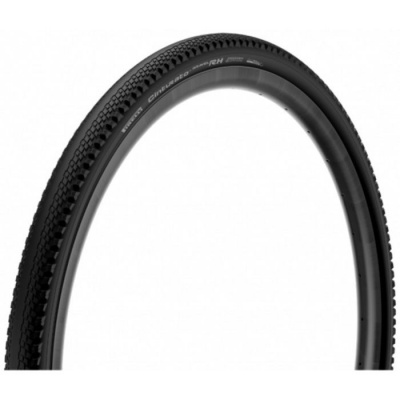
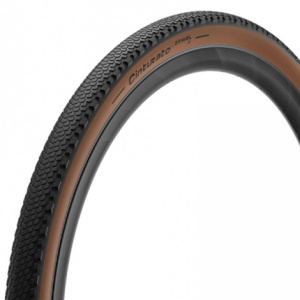
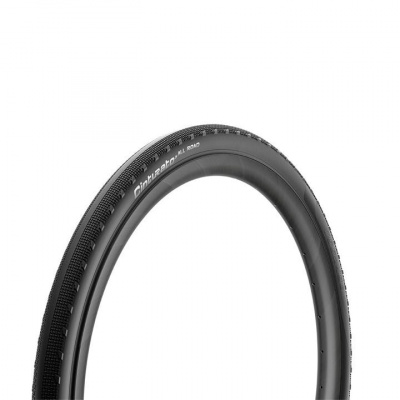
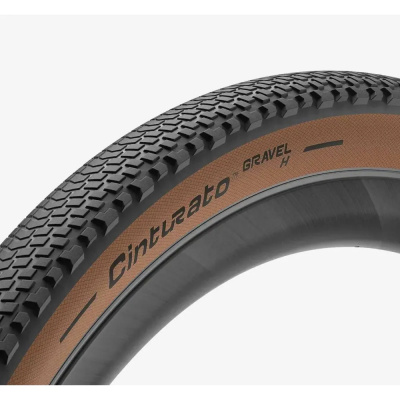
The Cinturato Gravel H (Hardpack) uses low, tightly spaced knobs optimised for fast rolling on compact, dry surfaces. If your local riding is mostly hard-packed fire roads, dry summer gravel, or the kind of chalky South Downs bridleways that bake solid by July, the H is the quickest option in the range. Rolling resistance is noticeably lower than the M at speed, which you'll feel on longer climbs.
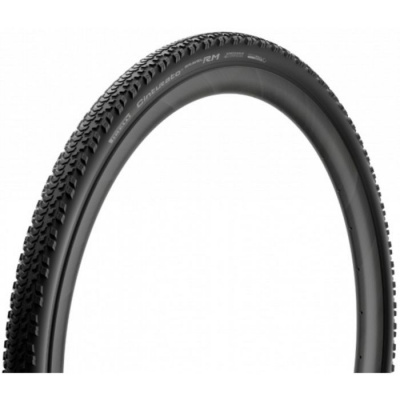
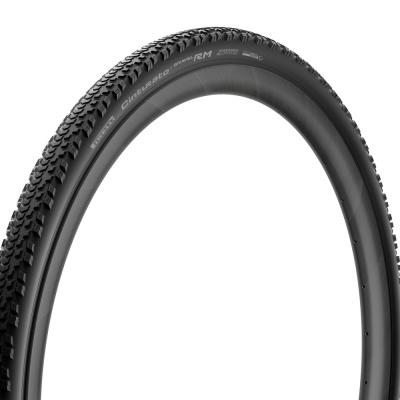
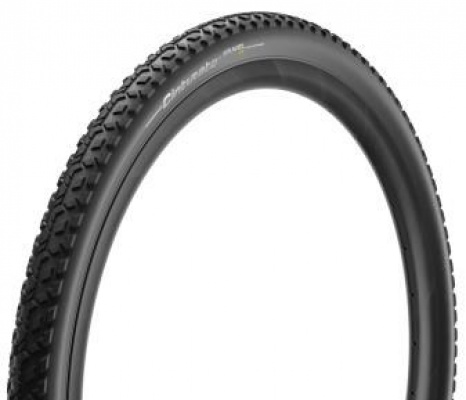
The Cinturato Gravel M (Mixed) is the one most UK riders should look at first. Its wider-spaced, more aggressive lug pattern clears mud and wet debris efficiently while still rolling acceptably on harder surfaces. For the Pennines, mid-Wales bridleways, or Peak District grit tracks where conditions shift constantly, the M sits in a genuinely useful middle ground. It's the best Pirelli gravel tyre for UK winter riding if you want one tyre that doesn't force a compromise every time the weather turns.
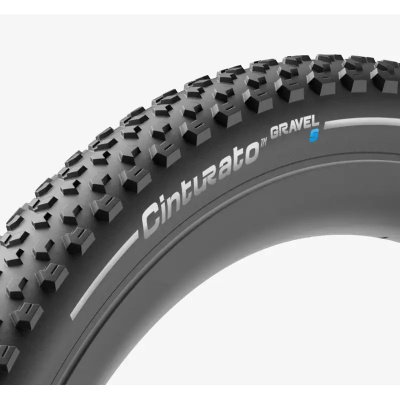
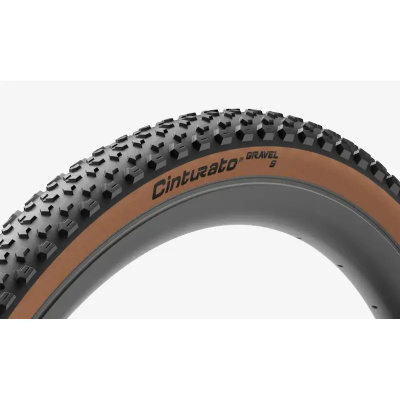
The Cinturato Gravel S (Soft) goes further - widely spaced, tall lugs designed to bite into deep mud and wet chalk. Specialist conditions, but when you need it, nothing in the Cinturato line digs in harder. Think late-autumn cross-country events or flooded bridleways in the Scottish Borders.
The Cinturato Gravel RC (Racing) is the range's performance-focused option, running the SmartGRIP Gravel compound - Pirelli's advanced chemical grip formulation aimed at cyclocross and fast gravel racing. It's lighter, faster-rolling, and tuned for riders pushing hard at events rather than grinding through multi-day routes with loaded bags. If you're comparing the Pirelli Cinturato Gravel M vs H for an event, the RC is worth putting in that conversation for dry, fast-course conditions too.
A note on dedicated cyclocross racing: some experienced CX racers still favour glue-on tubular setups for elite-level competition. If that's your world, our Pirelli Tubulars page covers those options in full - the focus here is on the TLR clincher range.
Compared to alternatives like Vittoria gravel tyres or Continental gravel tyres, the Cinturato range leans slightly more towards compound-driven grip rather than purely casing compliance. Whether that suits you depends on your riding style - riders who prioritise feel and suppleness sometimes prefer the approach taken by Panaracer gravel tyres, while those wanting an aggressive tread with strong self-cleaning should also look at WTB gravel tyres as a point of comparison.
Keeping Pirelli Tubeless Tyres Rolling: Casing Durability and Sealant Upkeep
The TechWALL casing earns its place on UK rides. Bead-to-bead cut resistance means the protection runs across the full tyre profile, not just under the central tread - which matters when a piece of Surrey flint catches you at a sidewall angle rather than straight on. The 120tpi construction also keeps the casing supple enough to absorb trail vibration without the wooden feel you sometimes get from heavier-duty commuter-style protection layers.
Tubeless maintenance is straightforward but needs to be regular. Check your sealant level every three to four months - and be aware that the SpeedGRIP compound is durable enough that the tyre often outlasts the liquid sealant inside it. A dry tyre is a vulnerable tyre. You can check sealant level by removing the valve core and inserting a thin wire, or simply by giving the wheel a slow rotation and listening for movement. Top up with Pirelli sealant rather than mixing brands where possible, as compatibility with the compound is known quantity.
For volume, 40 - 60ml per wheel covers most Pirelli gravel tyres 700x40c to 45c setups. If you're regularly riding through thorn-dense hedgerow tracks or the kind of flint-scattered bridleways common in the Hampshire Downs, go to 60 - 80ml. It's cheap insurance. Always carry Pirelli inner tubes as an emergency backup - a sealant-defeating slash mid-ride is rare, but it does happen, and a tube gets you home.
Valve maintenance is easy to overlook. Clean the valve core threads before every sealant top-up and replace the core if it shows any corrosion. A blocked or sticky valve is often the reason a tyre loses pressure gradually rather than any failure in the casing itself. Using matched tubeless valves keeps the full system consistent and avoids the compatibility headaches that come from mixing components across brands.
Pirelli Gravel And Cyclocross Tyres FAQs
Are Pirelli Cinturato gravel tyres hookless compatible?
Yes - most Pirelli Cinturato Gravel TLR models are hookless compatible, but there's a hard pressure ceiling of 73psi (5 bar) that you must not exceed. Always check your rim manufacturer's own ETRTO guidance too, since hookless compatibility is confirmed on a tyre-and-rim basis, not assumed across the board.
What is the difference between Pirelli Gravel M and Gravel H?
The H (Hardpack) runs low, tightly packed knobs for fast rolling on dry, compact surfaces - it's the quicker option on summer gravel. The M (Mixed) uses wider-spaced, taller lugs that clear mud and grip loose or wet surfaces far more effectively. For most UK riding, the M is the more practical choice across the year.
How much sealant do I need for Pirelli gravel tyres?
For 700x40c to 45c gravel tyres, 40 - 60ml per wheel is the standard starting point. If you're riding in areas with heavy flint or dense thorns - think South Downs bridleways or Welsh hill tracks - bump that up to 60 - 80ml. Check levels every three to four months, as sealant evaporates faster than the tyre wears.