
Continental Gravel And Cyclocross Tyres
Continental gravel tyres cover more ground than almost any other tyre range on the market - from chalky South Downs bridleways to sodden Welsh lane crossings - and the range is wide enough that picking the right one matters. Continental's proprietary BlackChili compound sits at the heart of the premium lineup, balancing rolling speed with the kind of wet-root grip that keeps you off the deck when the trails are properly greasy. Pair that with ProTection's edge-to-edge puncture layer and you've got a tyre that can take a real kicking from flinty gravel without folding mid-ride.
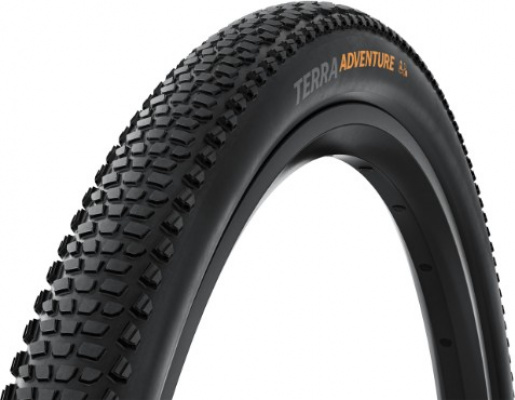
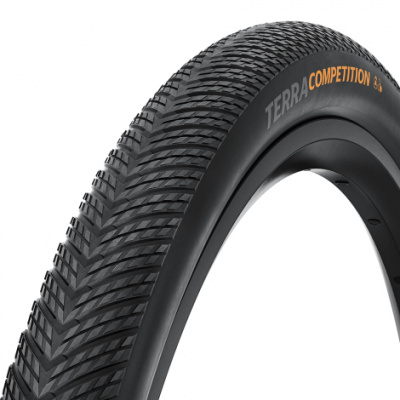
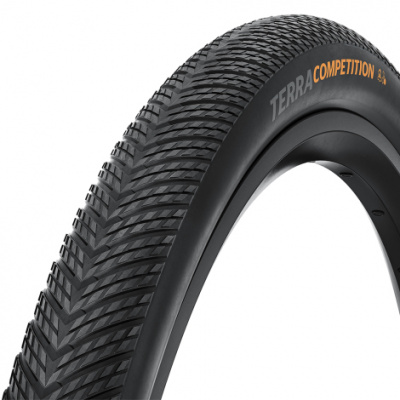
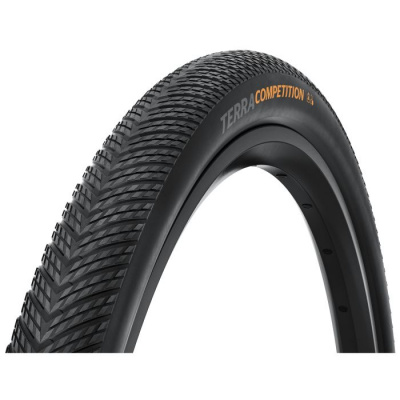
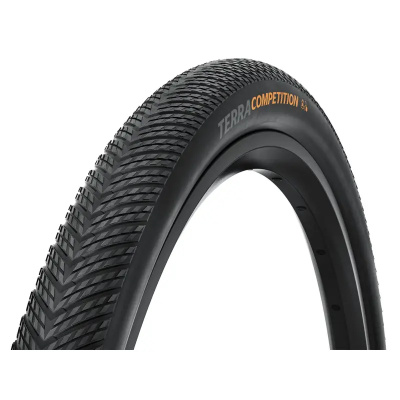
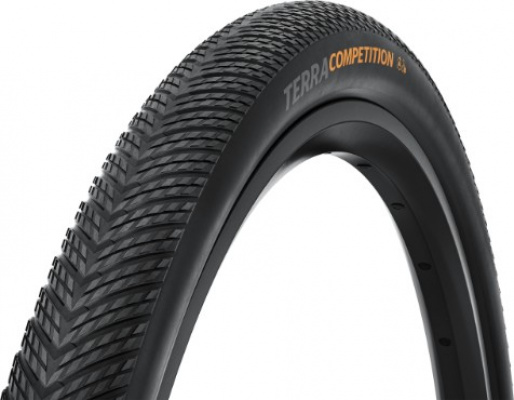
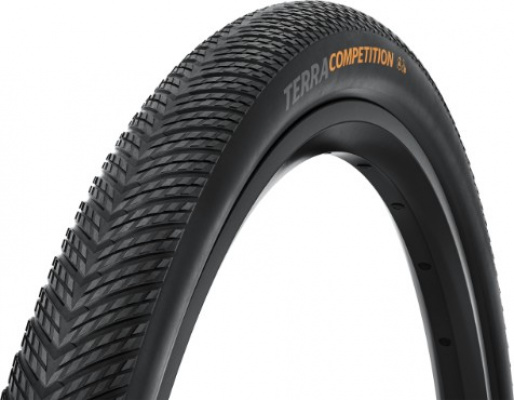
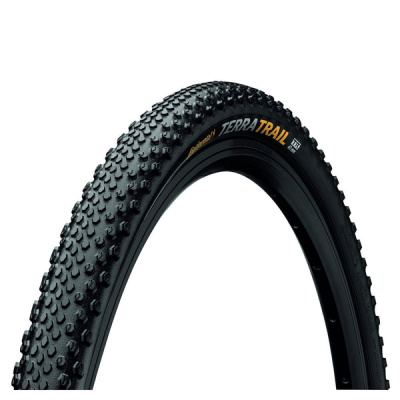
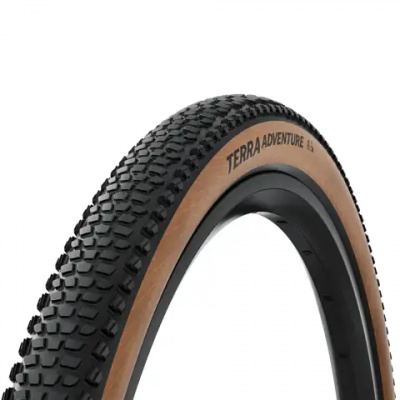
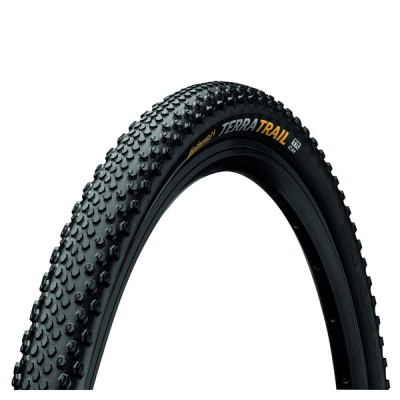
The Terra Speed and Terra Trail cover the bulk of gravel riding, while the Cross King CX and Mountain King CX handle UCI-legal cyclocross duties. Most options come Tubeless Ready (TR), which means lower pressures, better compliance, and fewer puncture stops on longer days out. Budget builds aren't left behind either - the ShieldWall casing with PureGrip compound brings solid protection without the premium price. Compare current UK prices across the full Continental range below.
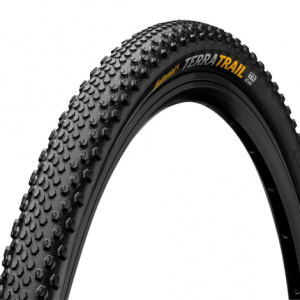
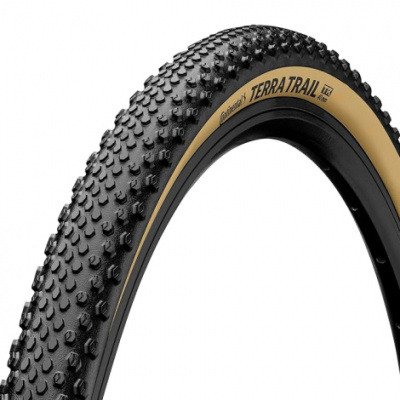
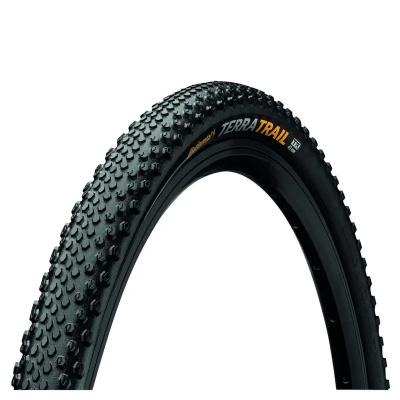
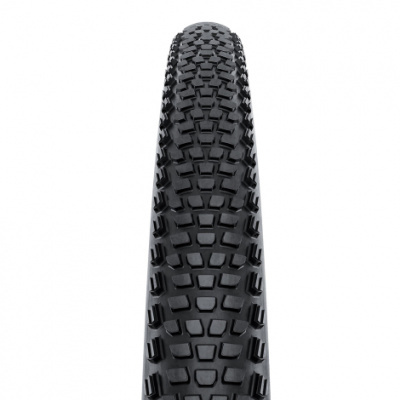
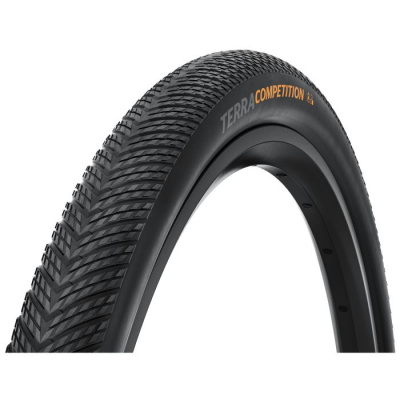
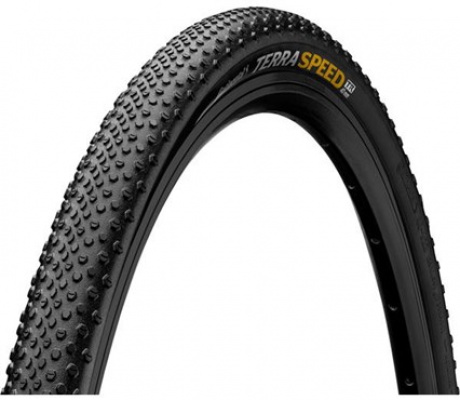
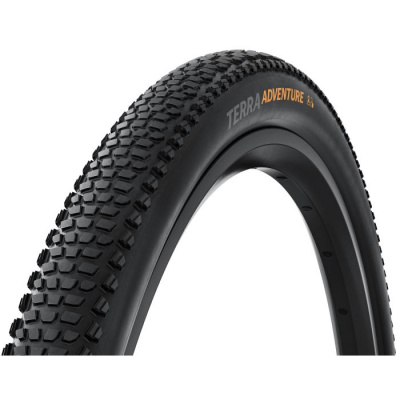
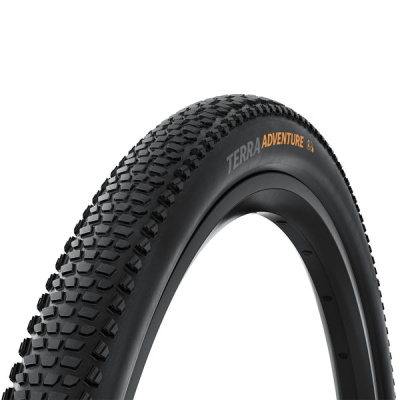
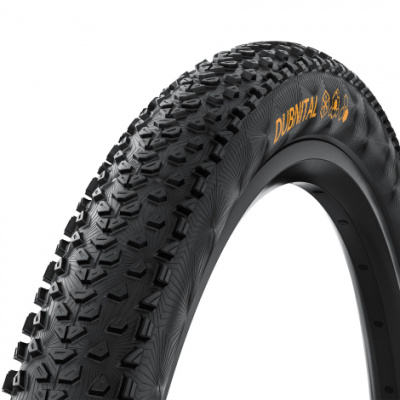
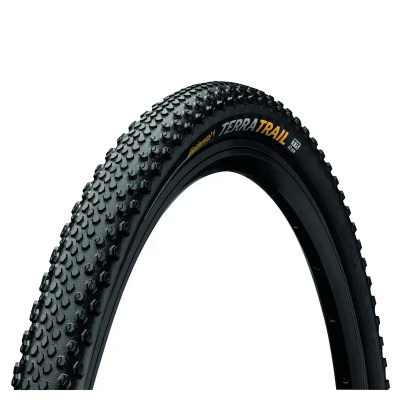
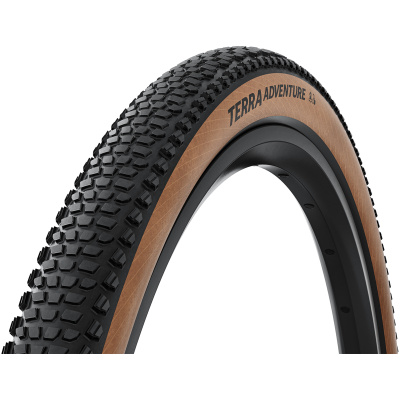
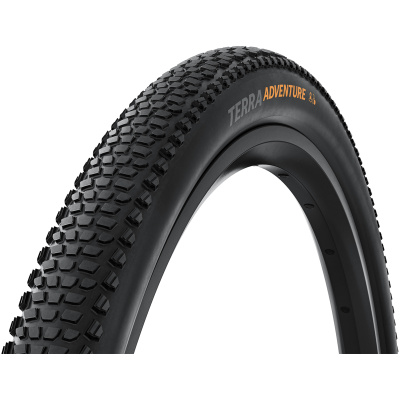
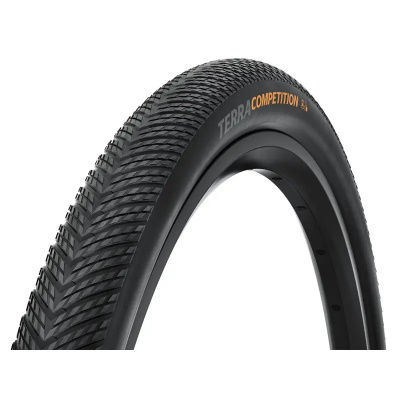
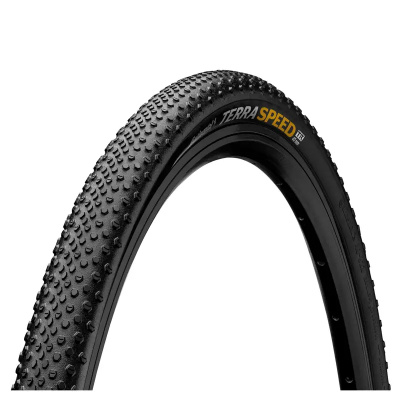
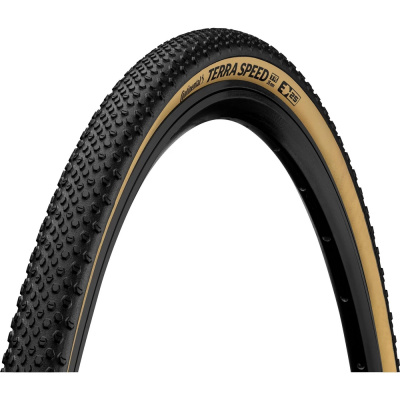
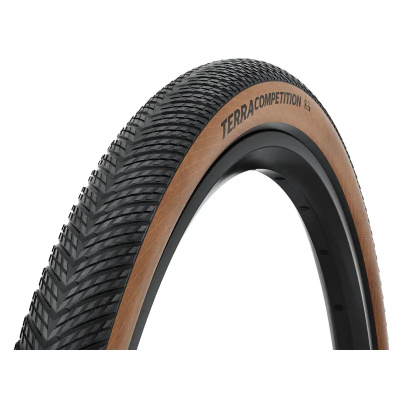
Prices and availability can change quickly. Delivery charges are not always included in listed prices.
Final price, stock status and delivery terms are set by retailer. We may receive a commission on purchases made.
Sizing, Clearance and Getting the Fit Right
Continental follows ETRTO standards throughout the gravel and CX range, so a 700x40c tyre is listed as 40-622 - the first number is the tyre width in millimetres, the second is the bead seat diameter. That's worth knowing when you're cross-referencing frame clearance, because actual inflated width can run a millimetre or two wider than the stated size depending on your rim's internal width. Most modern gravel frames clear 40 - 45mm without drama, but older cyclocross geometry can be tighter, particularly around the chainstays.
For Tubeless Ready (TR) fitment, you'll need a tubeless-compatible rim, fresh Continental rim tape, and a compatible valve. The bead seats firmly on a well-prepped rim, though a track pump or a blast from a compressor makes the initial pop considerably easier. On hookless rims - increasingly common on gravel-specific wheelsets - most Continental tubeless-ready gravel tyres are compatible, but you must stay within the maximum pressure limit, typically 73 PSI (5 Bar). Go above that on a hookless rim and you're risking a bead blow-off. Always check your wheel manufacturer's compatibility chart before you commit.
If you're a traditional cyclocross racer running a glued tubular setup, these clincher and tubeless options won't work on your rims. Head over to our dedicated Continental Tubulars page for race-day CX-specific tubular options.
Terra Speed, Terra Trail and the CX Kings: Which One's Yours
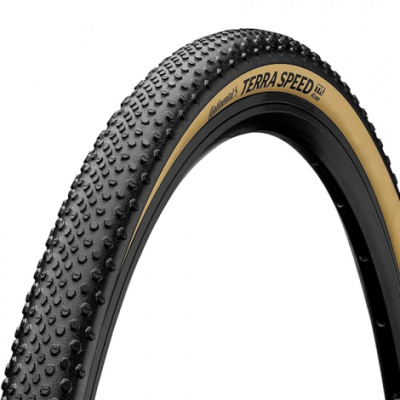
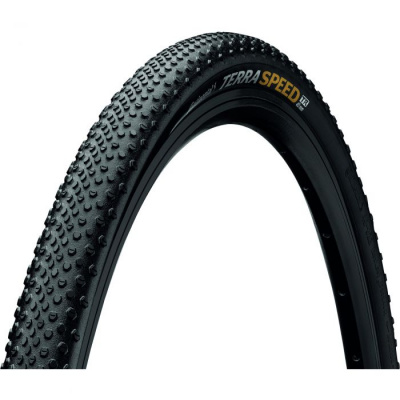
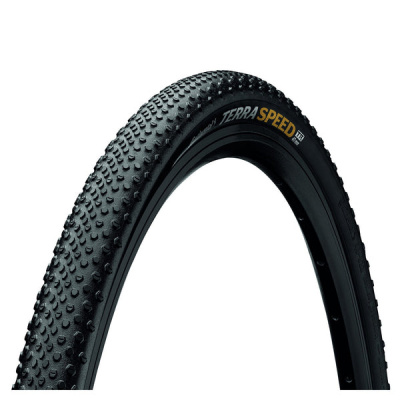
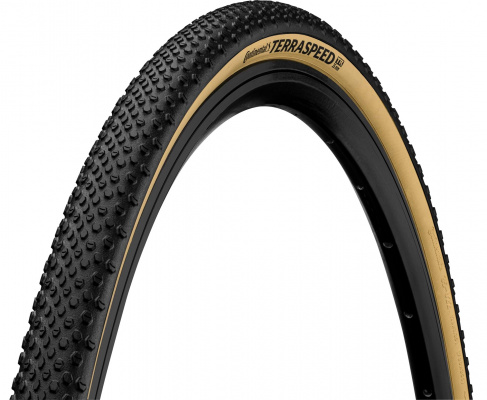
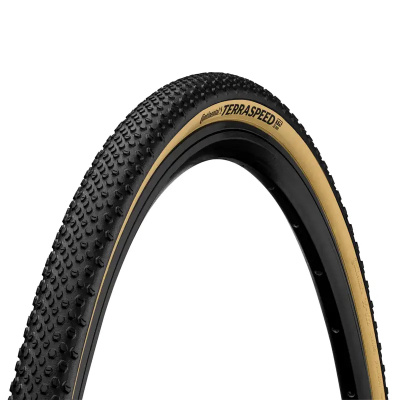
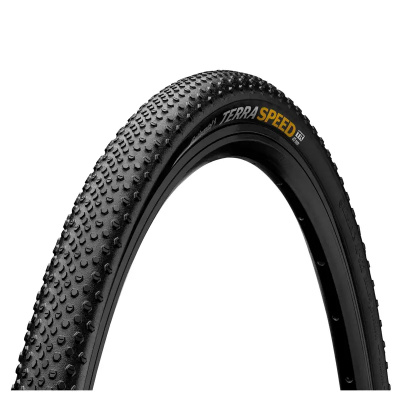
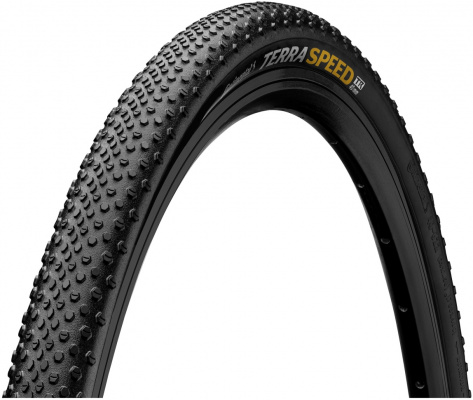
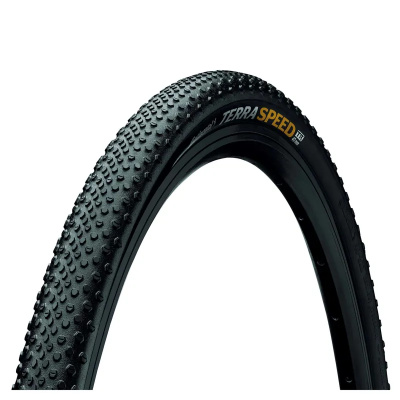
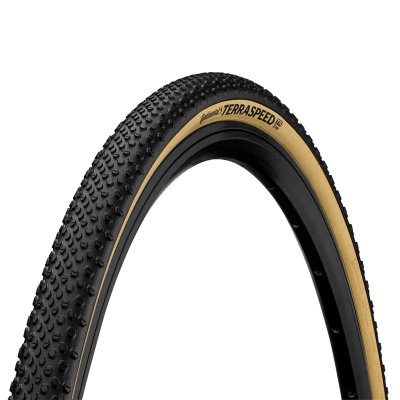
The Terra Speed is the quicker of the two main gravel options. Its low-profile, tightly packed knob pattern rolls fast on hardpack, compressed gravel, and the kind of mixed tarmac-and-track routes that make up a lot of UK audax and gravel riding. On dry Peak District limestone or Surrey bridleways baked firm in summer, it's a genuinely fast tyre. The BlackChili compound in the ProTection casing version keeps grip predictable even when the surface goes from dry dust to damp clay mid-ride.
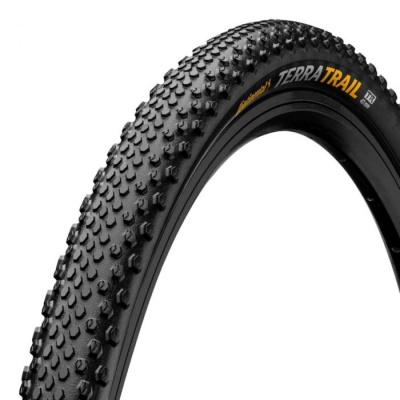
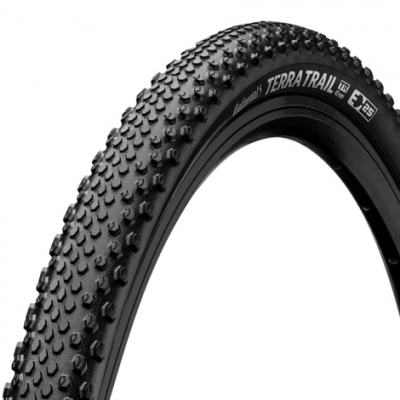
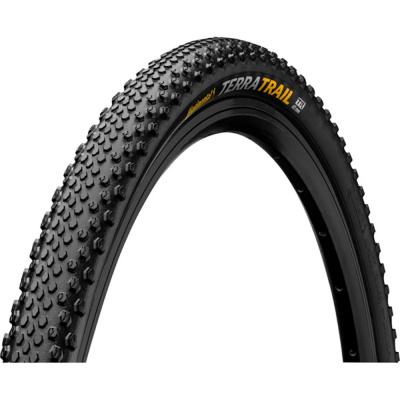
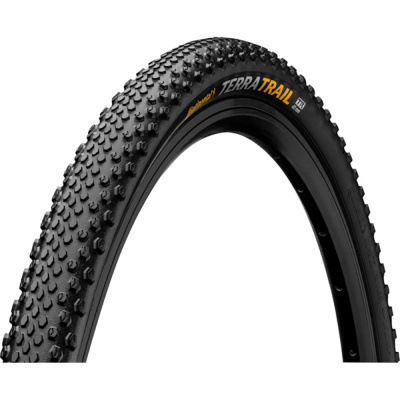
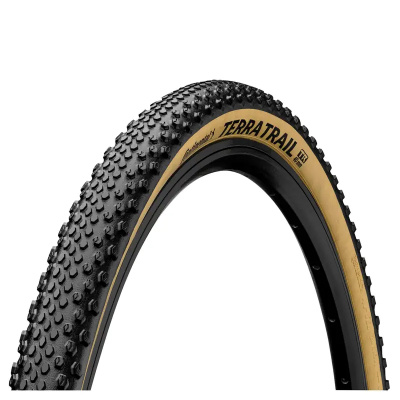
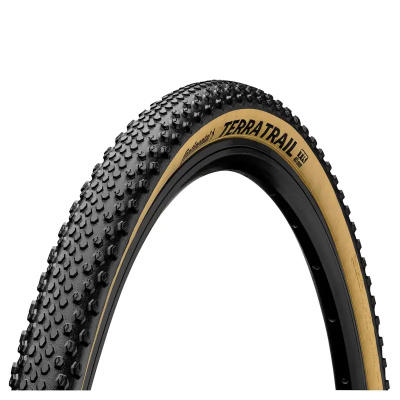
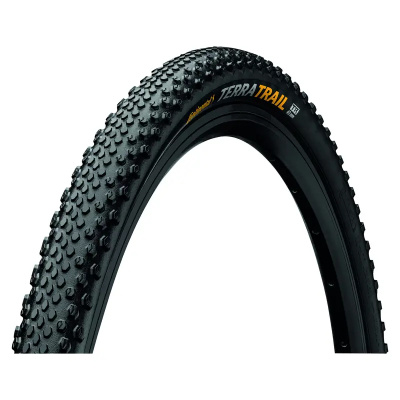
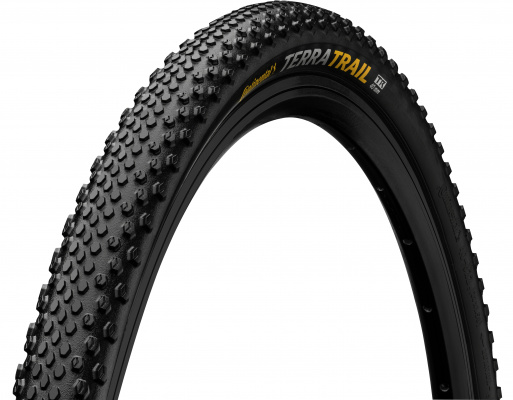
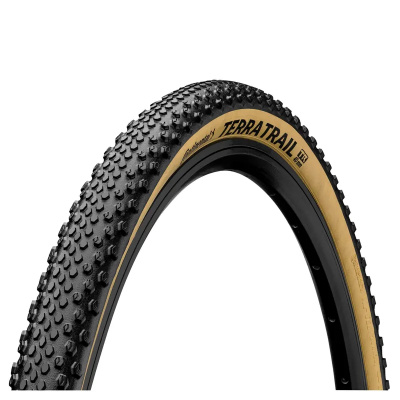
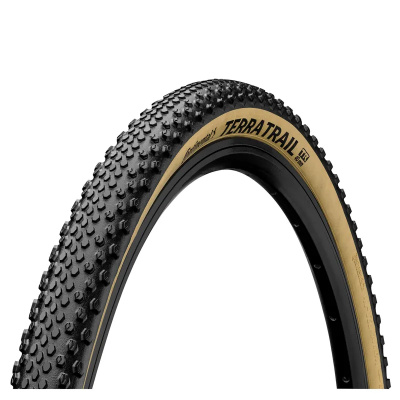
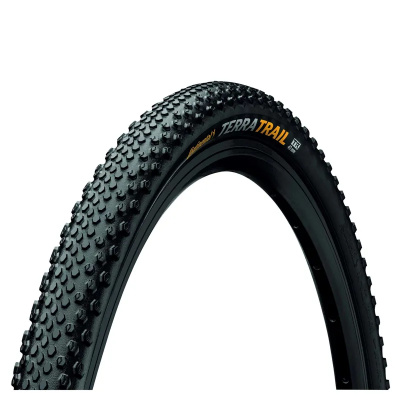
The Terra Trail is a different animal. Deeper, more widely spaced lugs dig into loose dirt, clear wet mud without clogging, and give you the braking traction you need when a Welsh descent turns greasy. It's the one to reach for if your rides regularly take in soft field edges, muddy bridleways, or anything that resembles a CX course in November. If you're comparing the two directly - the Terra Speed for speed and dry grip, the Terra Trail for mud and mixed conditions - the choice usually comes down to where you ride most, not how fast you want to go.
On the casing side, ProTection with BlackChili compound represents the premium tier: edge-to-edge puncture protection, reinforced sidewalls against sidewall slashes, and that compound's low rolling resistance. The ShieldWall system - a cross-woven fabric construction - brings meaningful puncture resistance and tubeless readiness to the more affordable options, paired with the PureGrip compound for solid durability on high-mileage training builds. It's a genuine step down in outright grip feel compared to BlackChili, but for everyday riding it's a sensible trade-off. Alternatives like Maxxis gravel tyres and WTB gravel tyres offer comparable tiered casing systems if you want to cross-shop before buying.
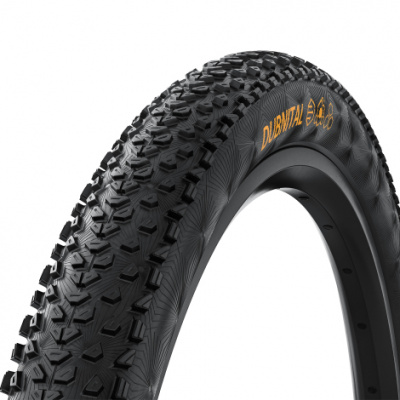
For cyclocross racing, the Cross King CX and Mountain King CX sit within the 33mm UCI-legal width limit and are built for race-pace mud clearance. The widely spaced tread blocks shed sticky clay quickly - a must when you're riding through the same chicane lap after lap. The Mountain King CX runs a more aggressive lug pattern for deeper, wetter mud; the Cross King CX suits firmer, mixed-surface courses.
Keeping Continental Tyres in Shape Through a UK Winter
South Downs flint is brutal on sidewalls. After any ride with sharp chalky gravel, run a finger along the sidewall of your ProTection tyres and feel for small nicks or cuts. Caught early, a dab of tyre sealant from inside or a small patch sorts most surface cuts before they develop into something terminal. Deeper slashes through the casing need a boot on the inside and a considered look at whether the tyre's done its miles.
Tubeless sealant needs attention every three to four months in UK conditions. Cold winters and persistent wet weather dry out or dilute sealant faster than a dry summer, and a tyre that sealed perfectly in October may be running almost dry by February. Pull the valve core - you'll want valve extenders if you're on deep-section rims - shake the tyre, and top up if it sounds thin. Running low on sealant is one of the main reasons tubeless tyres suddenly start losing air on cold mornings.
Pressure is worth thinking about carefully. For most riders on gravel, 28 - 35 PSI in a 40mm tyre gives the BlackChili compound enough footprint to work properly over wet roots and loose surfaces. Lighter riders can drop further; heavier riders or those carrying loaded bags need a touch more to avoid pinch-flatting the rim. Going tubeless specifically to run high pressures misses the point - the compliance at lower PSI is where the performance gain actually lives. Continental inner tubes are worth keeping in a back pocket as a get-home backup even on a tubeless setup, and tyre levers make roadside swaps considerably less of an ordeal. If you want to compare broader tyre options before committing, Panaracer gravel tyres and Vittoria gravel tyres are worth a look alongside the Continental range.
Continental Gravel And Cyclocross Tyres FAQs
Are Continental Terra Speed tyres tubeless ready?
Yes - both the ProTection and ShieldWall casing versions of the Terra Speed are Tubeless Ready (TR). For a reliable airtight seal, use a quality sealant and make sure your rim is taped properly with compatible tubeless rim tape before seating the bead.
What is the difference between Continental Terra Speed and Terra Trail?
The Terra Speed runs a lower-profile, closely packed tread that rolls quickly on hardpack, dry gravel, and mixed tarmac. The Terra Trail uses deeper, more aggressively spaced lugs that dig in and clear mud on loose dirt and UK winter conditions - better traction and braking off-road, slightly more rolling resistance on firmer ground.
Can I run Continental gravel tyres on hookless rims?
Most modern Continental tubeless-ready gravel tyres are compatible with hookless rims, but you must stay at or below the maximum pressure limit - typically 73 PSI (5 Bar). Exceeding that risks bead separation. Always cross-check your specific wheel manufacturer's compatibility list before fitting.