
Maxxis Gravel And Cyclocross Tyres
Maxxis Gravel and Cyclocross Tyres have made a confident move from the mountain bike world into the drop-bar scene, and the results speak for themselves. Where the brand built its reputation on trail and enduro rubber, that same focus on sidewall protection, casing quality, and tread engineering has carried straight across to gravel and CX. The range covers everything from fast, hardpack rollers to aggressive mud-clearers built for the kind of sticky, relentless gloop that defines a British January.
What makes Maxxis stand out here is the practical tech. EXO sidewall protection - a densely woven, cut-resistant fabric - matters enormously if you ride anywhere near chalk downs or slate-strewn bridleways where a standard sidewall doesn't last a season. Pair that with Tubeless Ready casings, dual compound rubber, and folding bead construction, and you've got tyres that are genuinely set up for UK conditions rather than California hardpack. Whether you're building a winter gravel setup or chasing UCI-legal CX race rubber, there's a Maxxis tread pattern that fits the brief. Compare prices across the full range below and find the right tyre for your next ride.
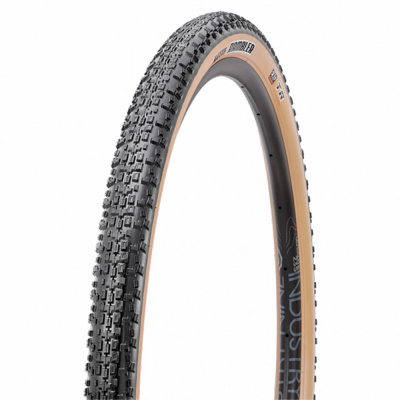
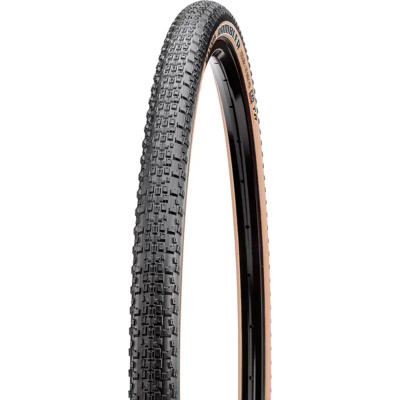
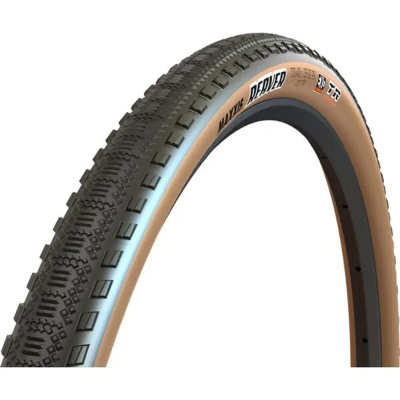
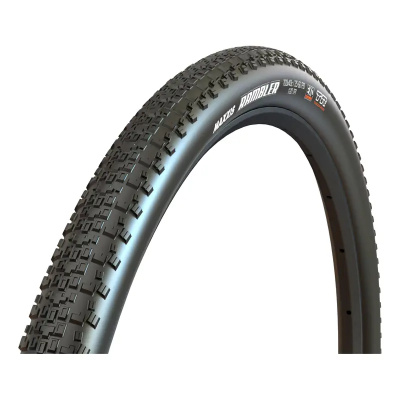
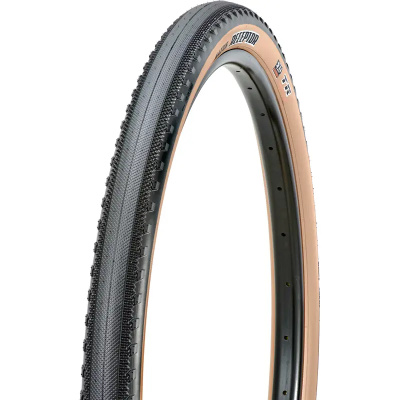
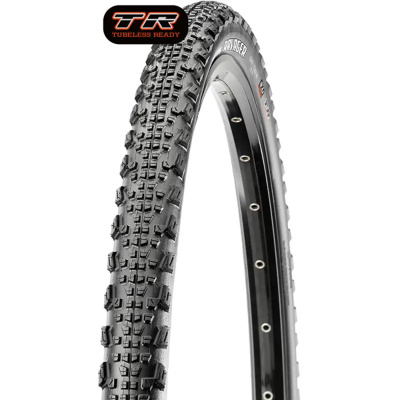
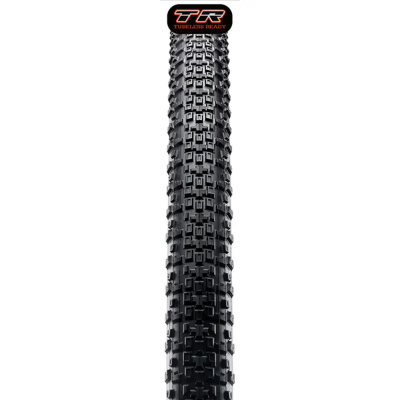
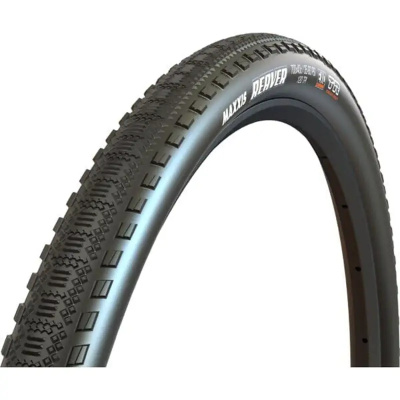
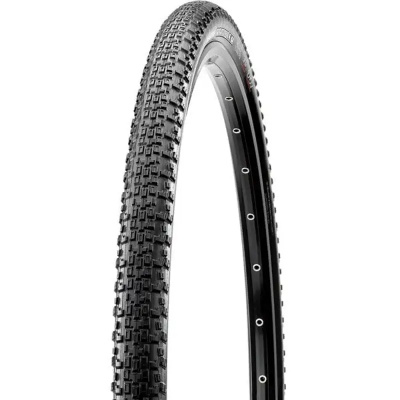
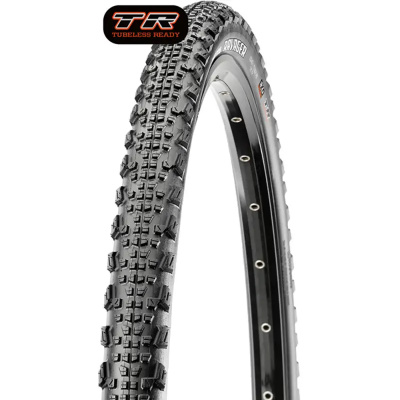
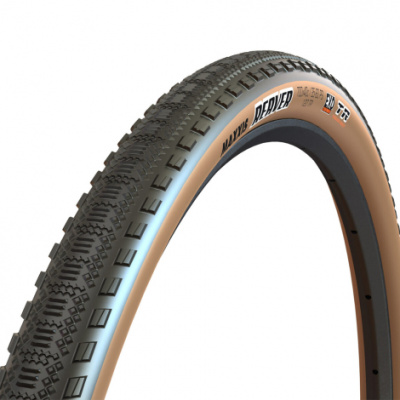
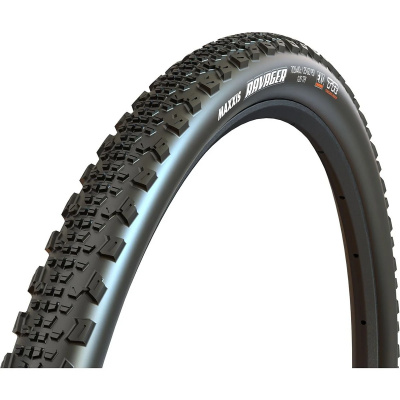
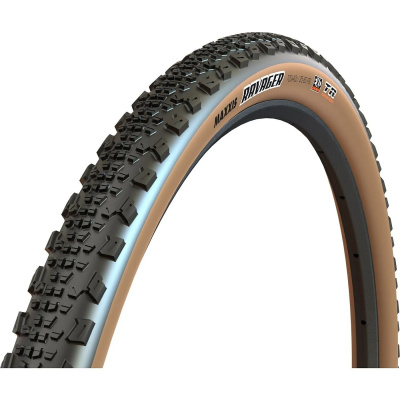
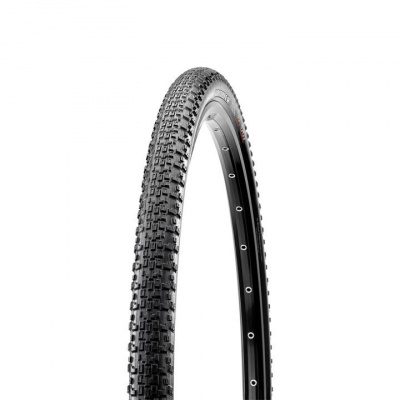
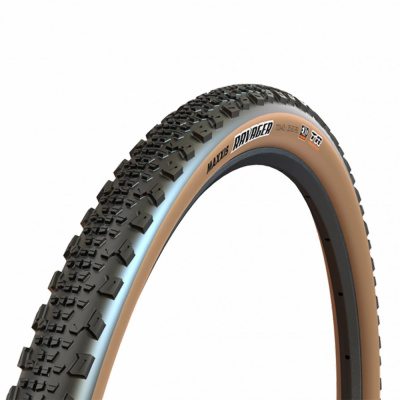
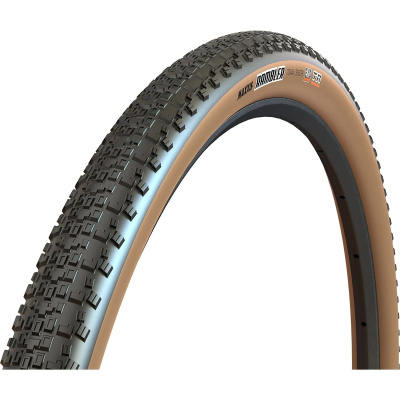
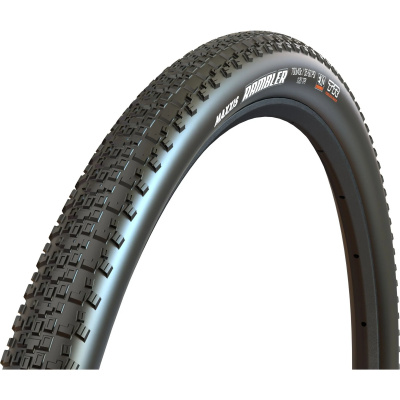
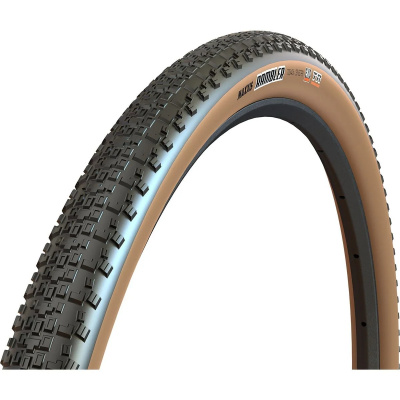
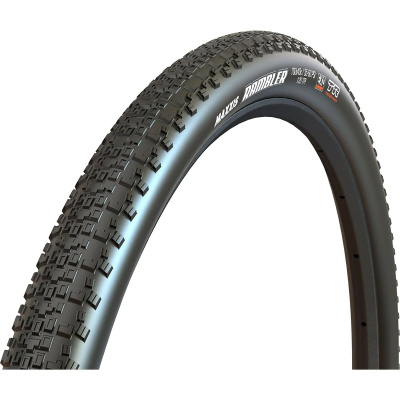
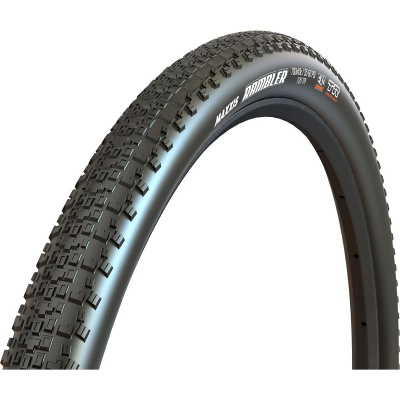
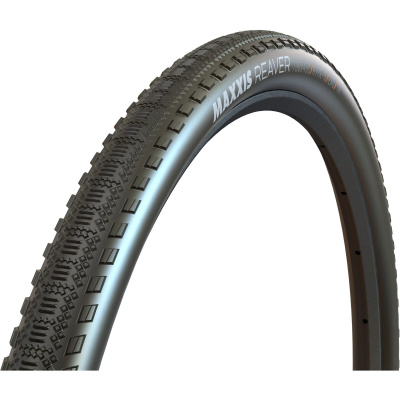
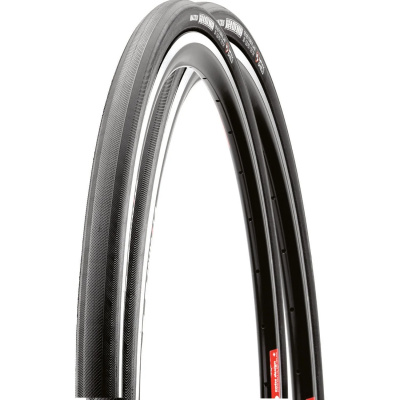
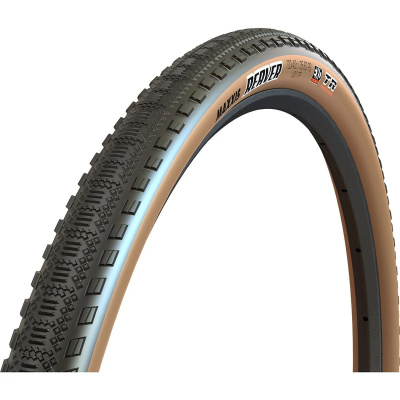
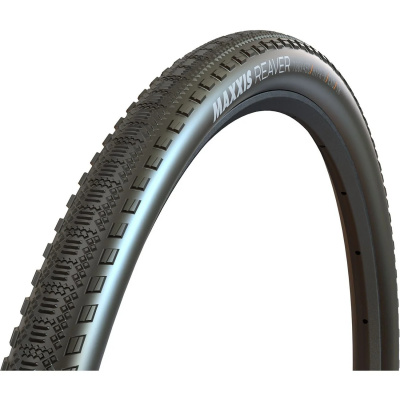
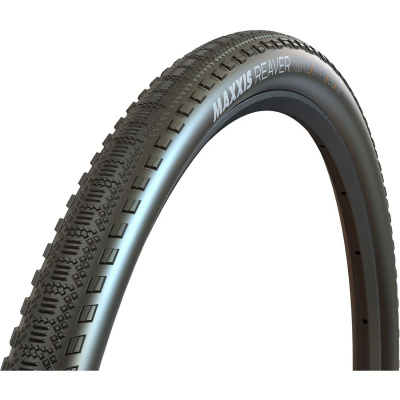
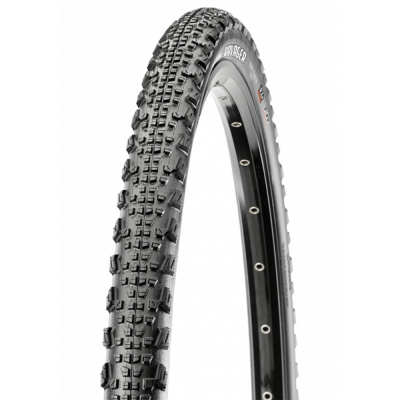
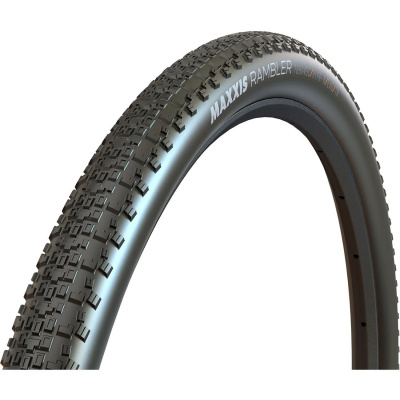
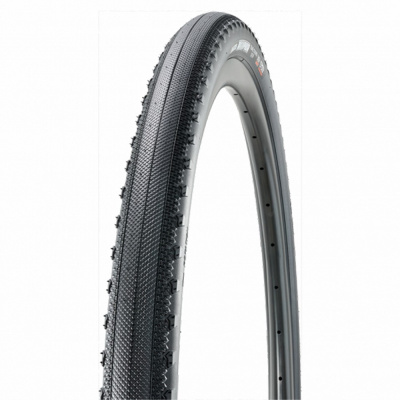
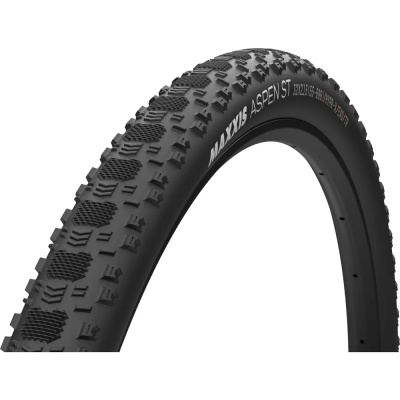
Prices and availability can change quickly. Delivery charges are not always included in listed prices.
Final price, stock status and delivery terms are set by retailer. We may receive a commission on purchases made.
Fitting Maxxis Gravel Tyres: Clearance, Standards, and Compatibility
Before you order, check your frame's tyre clearance - it's the step most people skip and regret. UCI-legal cyclocross tyres run at 33c, which suits older CX frames with tighter tolerances. Modern gravel frames typically accept 38c to 50c and beyond, giving you more volume, more comfort, and better grip on loose ground. The general rule is to leave at least 4mm of clearance between your tyre and the nearest point of the frame or fork. Less than that and mud packs solid on a wet day, which turns a hard ride into a stopped ride.
Maxxis Tubeless Ready (TR) tyres need a tubeless-specific rim, proper rim tape, and liquid sealant to work correctly. The TR bead profile is engineered to seat securely on tubeless rims and hold air without a tube - but it does depend on that setup being right. If you're running hookless rims, check your wheel manufacturer's approved tyre list before you seat anything. Not all tyres are rated for hookless at higher pressures, and Maxxis publishes compatibility guidance worth reading. Setting up fresh rubber? Make sure you have reliable Maxxis tubeless valves and a decent set of tyre levers to seat the bead cleanly first time.
Rambler, Ravager, All Terrane, Receptor: Picking the Right Tread
The Maxxis gravel and CX range isn't huge, but each tyre has a clear job. Getting the tread wrong costs you either speed or grip - usually both.
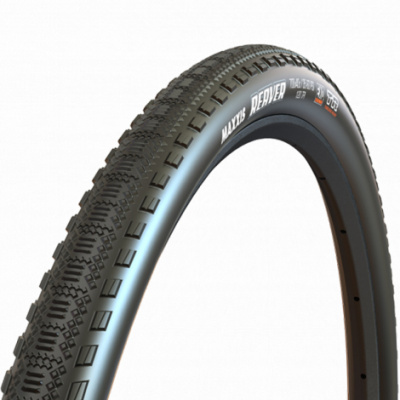
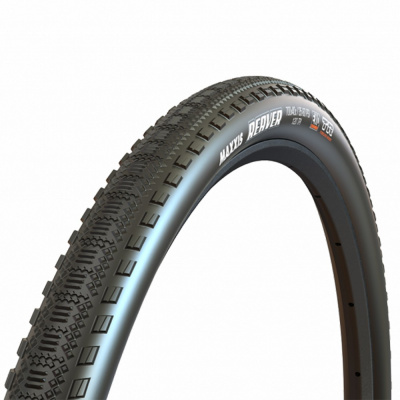
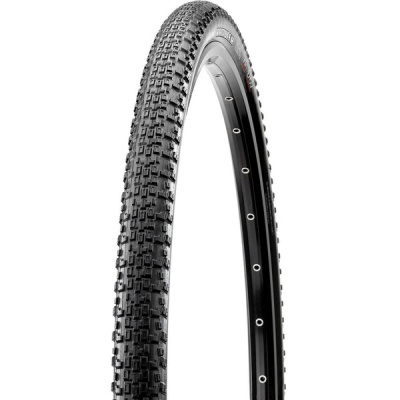
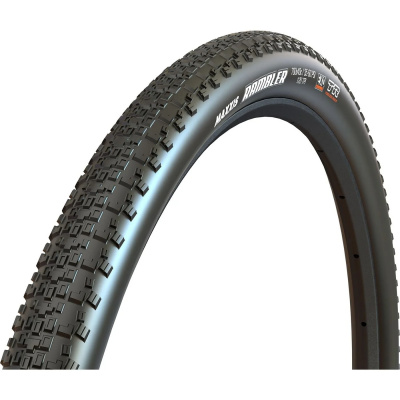
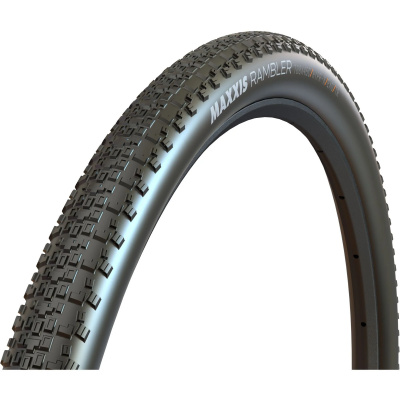
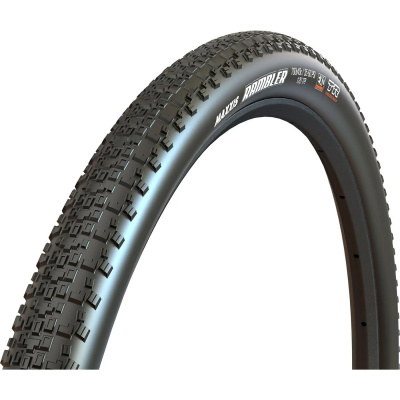
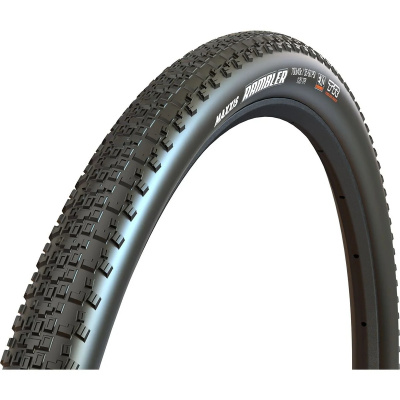
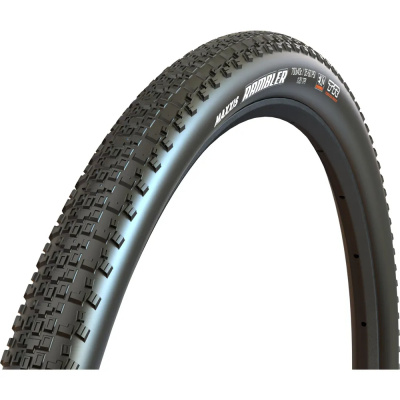
The Maxxis Rambler is the fast-rolling option. Its tightly packed centre knobs keep rolling resistance low on tarmac and hardpack gravel, making it the natural choice for mixed-surface sportives or dry summer riding. The Rambler handles road transitions well and won't fight you on a long tarmac link section. Where it loses ground is in wet, loose conditions - the closely spaced knobs don't shed mud effectively, so when the bridleway turns greasy, you'll feel it. It's a tyre that suits riders who want one set of rubber to cover most of the calendar, not a dedicated winter weapon.
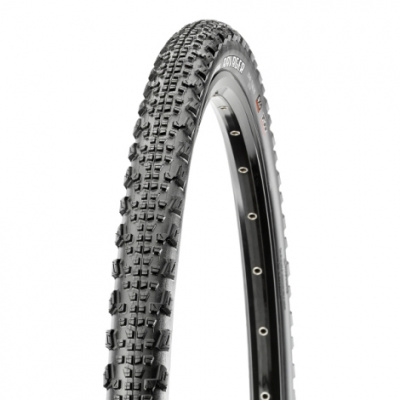
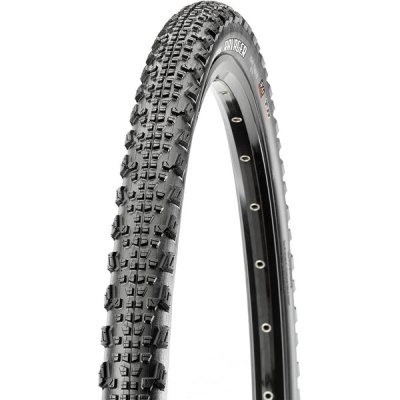
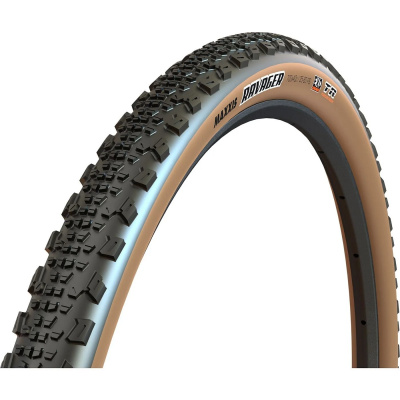
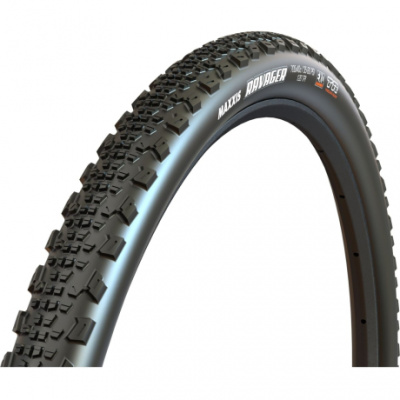
The Maxxis Ravager goes in the opposite direction. Taller, square-edged knobs spaced further apart dig into loose and wet surfaces, clear mud from the contact patch, and give you something to push against when the trail surface turns soft. This is the tyre for peak-winter UK gravel - the kind of conditions where a semi-slick just ploughs and wanders. If you're comparing the Maxxis Ravager vs Rambler directly: think of the Rambler as your summer tyre and the Ravager as the one you bolt on in November and don't take off until March.
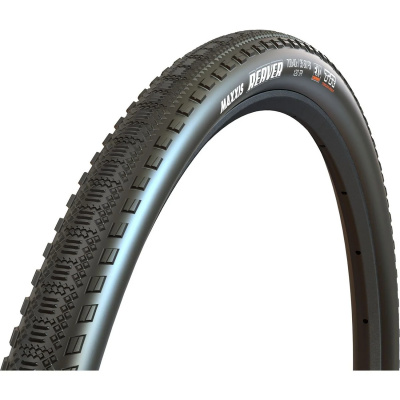
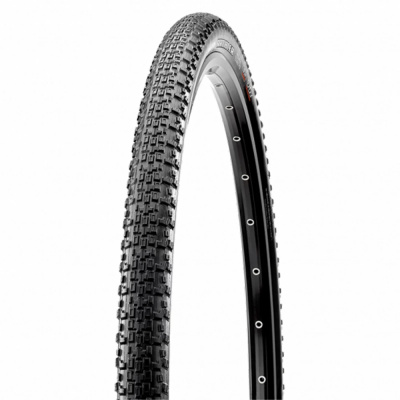
The Maxxis All Terrane is built specifically for cyclocross mud. The tread pattern is designed to clear sticky clay and not clog, which is exactly what you need if you're racing a local CX league on a sodden playing field. Knob spacing and height prioritise mud evacuation over rolling speed - it's not a fast tyre on dry days, but it's not meant to be. For best Maxxis tyres for UK winter gravel in genuinely wet conditions, the All Terrane does serious work.
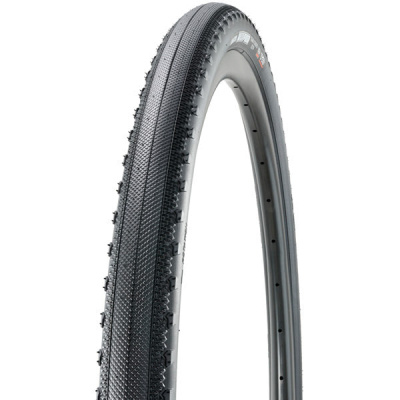
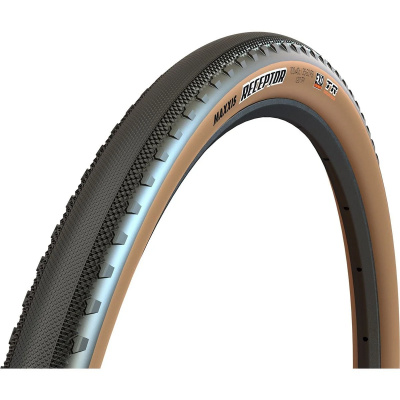
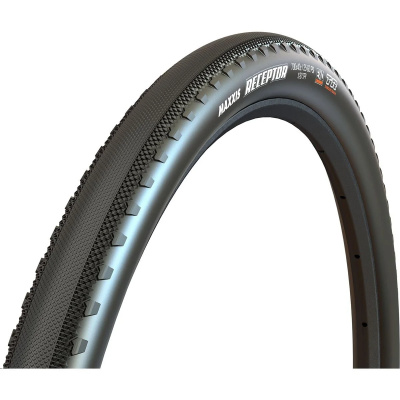
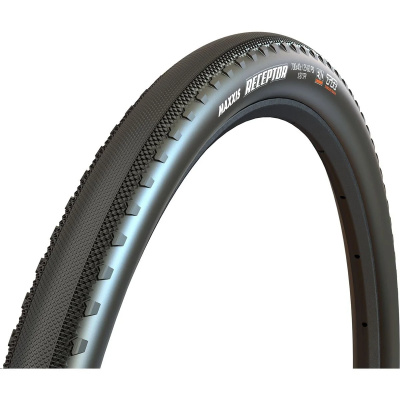
The Maxxis Receptor sits at the other end of the spectrum - a semi-slick with a lightly textured centre and small shoulder knobs. It suits road-biased gravel riding, commuting on light gravel paths, or riders who want to keep rolling resistance as low as possible. If most of your riding is tarmac with occasional gravel detours, the Receptor makes more sense than a knobbled tyre. For comparison, Vittoria gravel tyres offer a similar semi-slick range worth looking at alongside it.
On casing, the choice between 60 TPI and 120 TPI matters more than people expect. A 60 TPI casing is heavier and stiffer - it resists damage well and suits riders who prioritise durability over feel. A 120 TPI casing is more supple, conforms better to the ground, and gives a noticeably smoother ride. For a long day on sharp grit or flinty chalk, the ride quality difference is real. Most serious gravel riders lean toward 120 TPI once they've tried both.
Dual compound rubber is worth understanding too. The harder centre compound keeps rolling resistance down on straight sections, while the softer shoulder compound grips when you lean the bike into a corner. It's a genuine performance gain over single-compound tyres - not marketing noise. Brands like WTB and Panaracer use similar dual-compound approaches, so it's a useful comparison point when you're weighing up options.
Keeping Maxxis Gravel Tyres Running Through a UK Winter
EXO protection isn't a luxury if you ride the South Downs, the Pennines, or anywhere with exposed flint or slate. Standard sidewalls on cheaper tyres get sliced. The densely woven fabric Maxxis uses in EXO-rated tyres resists that kind of sharp-edge damage without adding significant weight to the casing. If your local trails have a reputation for cutting sidewalls, EXO is the version to buy - full stop.
SilkShield goes further. Where EXO focuses on the sidewalls, SilkShield runs bead-to-bead, covering both sidewalls and the tread area. That's more comprehensive puncture protection, though it does add a touch of stiffness compared to a non-protected casing. For riders who've had a bad experience with flint or glass mid-ride, SilkShield is the belt-and-braces choice. The trade-off in ride feel is minor and most riders won't notice it after the first few kilometres.
Tubeless sealant needs attention through the colder months. UK temperatures cause sealant to dry out faster than the bottle suggests - top up every three months in winter rather than waiting for six. A dry casing won't seal micro-punctures, which defeats the point of going tubeless. If you're heading somewhere genuinely remote, carrying a couple of Maxxis inner tubes as a backup is sensible. A sealed puncture on a trail centre is fine; a sealant failure twenty miles from the van is a different problem. For riders weighing up the Maxxis Rambler tubeless 700c setup against tubed options, the tubeless route wins on comfort and flat resistance, but it needs that basic maintenance to deliver.
When comparing Maxxis against the broader market, Continental gravel tyres are the other name that comes up regularly at this level - particularly for riders who want a well-proven tubeless setup. Both are solid choices; the decision usually comes down to tread preference and whether you prioritise sidewall protection or outright rolling speed.
Maxxis Gravel And Cyclocross Tyres FAQs
Are Maxxis Rambler tyres good for road and gravel?
Yes, the Rambler's tightly packed centre tread rolls efficiently on tarmac and handles dry or hardpack gravel well. It's a capable mixed-surface tyre for most of the calendar. The caveat: if you're mostly on road, the knobbled tread will wear faster than a dedicated slick, and in wet, loose conditions it doesn't perform as well as a more aggressive option like the Ravager.
What is the difference between Maxxis EXO and SilkShield?
EXO is a cut-resistant, densely woven fabric applied to the sidewalls only - it protects against sharp rocks, flint, and slate slashing the sidewall. SilkShield runs bead-to-bead, covering sidewalls and tread area for broader puncture resistance. SilkShield is the more protective option; EXO is lighter. For UK chalk and slate trails, either is a clear step up from an unprotected casing.
What tyre pressure should I run on Maxxis gravel tyres?
On a tubeless 40c Maxxis gravel tyre, most riders run 30 - 40 PSI depending on body weight and what the ground is doing. Around 30 PSI gives better grip and comfort on loose or rough surfaces. Push toward 40 PSI on rockier descents where rim strikes are a concern. Heavier riders shift the range up slightly; lighter riders can often go lower without risking a pinch.