
Acid Mini Pumps
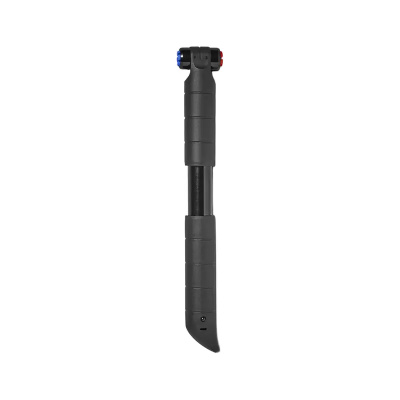
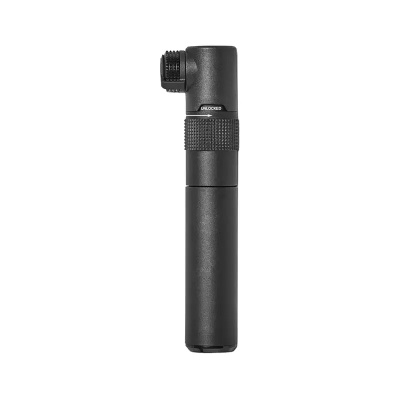
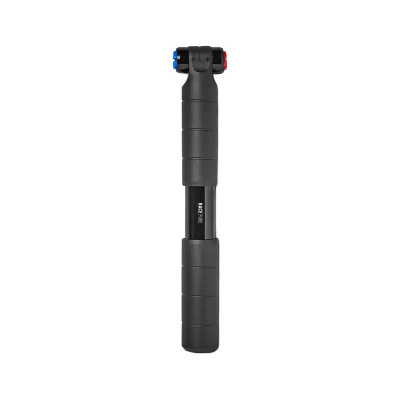
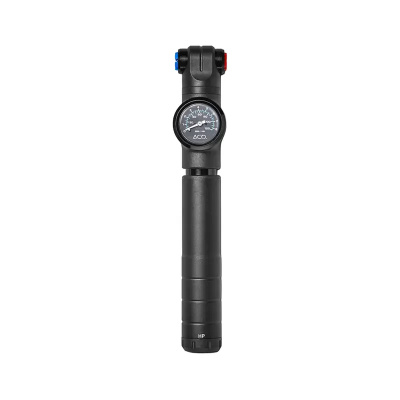
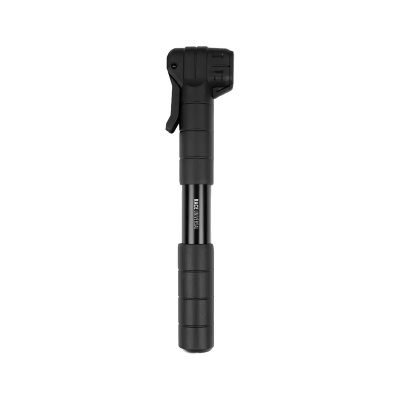
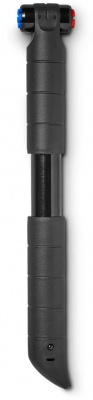
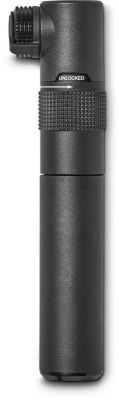
Acid Mini Pumps are built for the moment a ride goes wrong - a flint-caught tyre on a Somerset lane, a thorn through your tubeless on the way back from the trails - and getting you rolling again without drama. These are CNC machined aluminium pumps with mechanic-approved internals, not the flimsy plastic jobs that end up at the bottom of a saddle bag and forgotten. Acid's proprietary EZ-Head technology automatically selects between Presta and Schrader valves - no fiddling with grommets, no trying to read tiny moulded text with cold, muddy hands. You just push it on and pump. The range covers both High Pressure (HP) models that can reach 100 PSI for road tyres and High Volume (HV) variants with telescopic barrels that shift serious air for wider MTB rubber. Most models include a bottle cage mount bracket so the pump stays on the bike, not rattling around in your pack. Whether you're a road rider who never wants to beg a stranger for a CO2, or an MTB rider who needs a reliable pump that survives a Welsh winter on the frame, Acid's lineup has a model that fits the brief.


Prices and availability can change quickly. Delivery charges are not always included in listed prices.
Final price, stock status and delivery terms are set by retailer. We may receive a commission on purchases made.
HP vs HV - Choosing the Right Acid Compact Bike Pump
The single most useful thing to understand before you buy is the barrel difference between High Pressure (HP) and High Volume (HV) pumps. An HP pump uses a narrow barrel - physically easier to push to 80, 90, even 100 PSI because there's less air to compress per stroke. That's exactly what you need for a 25c or 28c road tyre, where low pressure feels vague and wallowy. A High Volume pump flips the trade-off: the wider bore moves far more air per stroke, so you're not standing in a car park doing 200 pumps to get a 2.4-inch MTB tyre back to a rideable 25 PSI. You'll hit a ceiling on max pressure, but for trail and enduro rubber, you don't need to chase triple digits anyway.
Acid's EZ-Head removes the other classic mini pump headache. Older designs made you unscrew a cap, flip a rubber grommet, and reassemble - all while kneeling on wet tarmac. EZ-Head reads the valve automatically and locks on. Push the head firmly onto the open Presta valve, engage the locking lever, and you're sealed and ready. It works just as cleanly on Schrader-valved tyres, which matters if you're running a mixed quiver or helping out a mate mid-ride. If you're also looking to set up your suspension, inflate tyres at home, or use gas for rapid inflation, check out our dedicated collections for Acid Shock Pumps, Acid Track Pumps, and Acid CO2 Inflators and Canisters - these mini pumps aren't designed to do those jobs.
The Acid Mini Pump Hierarchy - Race, Race Micro and MTB
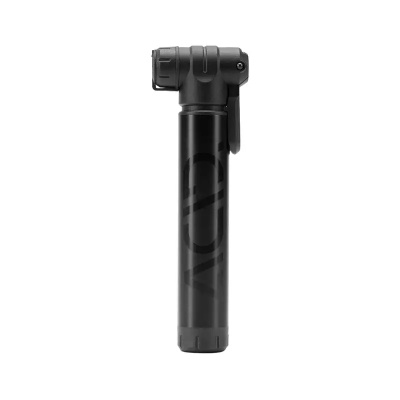
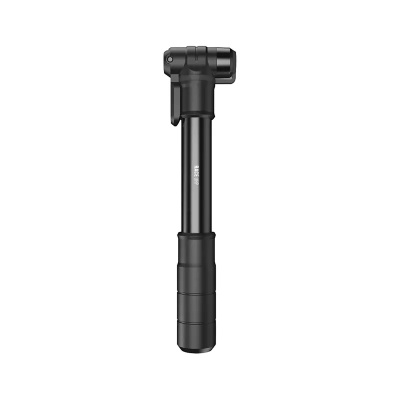
Acid structures its Acid compact bike pump range into a few distinct tiers, each aimed at a different kind of rider. The Race series is built for road and gravel use - slim alloy body, HP barrel, light enough to slip into a back jersey pocket or clip beneath a bottle cage without you noticing it's there. CNC machined aluminium construction means the barrel doesn't flex under load, which matters when you're trying to push past 80 PSI with tired arms. Barrel flex is how cheap pumps lose compression and leave you under-inflated and frustrated.
The Race Micro takes compactness further. It's the one for riders who obsess over what's in their pockets - genuinely small, genuinely light, and still capable of getting a road tyre to a safe pressure. The trade-off is stroke count; you'll pump more times to get there. Worth it if weight and pack size are priorities, less so if you're regularly changing tyres mid-sportive in howling wind.
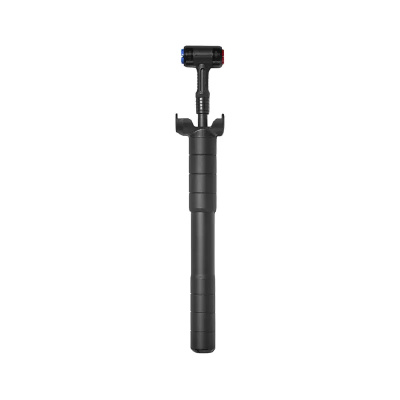
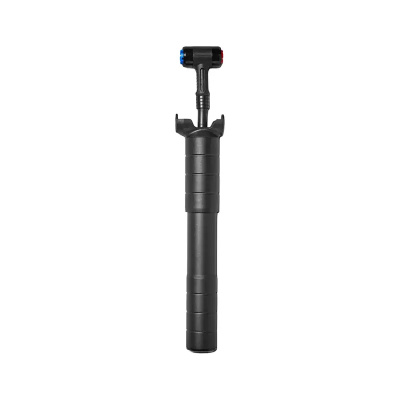
The MTB series is where the telescopic barrel comes in. Extending the barrel doubles the air displacement per stroke, meaning you're moving useful volumes of air rather than sipping it in. Many MTB models also include a flexible hose between the pump body and the valve head - a small detail that makes a real difference. Pumping vigorously with a rigid pump locked directly onto a Presta valve can snap the valve core clean off, particularly on lightweight inner tubes. A hose isolates the mechanical stress. It's the kind of thing you only learn once. Compared to alternatives like Lezyne mini pumps or Topeak mini pumps, Acid positions itself as a value-conscious option that doesn't cut corners on the internals that actually matter - the head mechanism and the barrel rigidity.
UK Conditions and Keeping Your Pump Working
A mini pump that lives on the bike gets exposed to everything - road spray, trail mud, winter grit. In the UK, that's not a hypothetical; it's most rides from October through April. The enemy is the O-ring inside the barrel. When it dries out, you lose compression and the pump feels like it's working but not actually building pressure. Fix it before it happens: every few months, unthread the barrel end cap and apply a single drop of silicone lubricant to the O-ring. That's all it takes. Don't use WD-40 - it degrades rubber over time.
For the Acid mini pump bracket mount, check it every few rides if the pump is on the frame. Road vibration and trail chatter gradually loosen the longer bolts that sandwich the bracket under your bottle cage. A slightly loose pump chatters, rattles, and eventually drops - usually on a descent you'd rather not stop on. Look for Acid models with integrated dust caps on the valve head, particularly if you're commuting or leaving the pump mounted year-round. UK B-roads and bridleways push grit into any exposed opening, and a blocked pump head is the last thing you want to discover on a lonely moor.
If you want to keep your pump paired with the right on-bike storage, an Acid saddle bag or Acid frame bag pairs naturally - having your tube, tyre levers, and pump in one system means you're not rummaging in four pockets when you've got a flat. SKS mini pumps and Crank Brothers mini pumps are worth a look if you want to compare mounting options across brands before committing.
Acid Mini Pumps FAQs
How do you use an Acid mini pump on a Presta valve?
On Acid pumps with EZ-Head, there's nothing to flip or swap internally. Unscrew the Presta valve nut a few turns to open it, push the pump head firmly onto the stem, then engage the locking lever to seal it. Pump steadily - the narrow HP barrel rewards patience over speed.
What is the difference between high volume and high pressure mini pumps?
HP pumps use a narrow barrel to make reaching 80 - 100 PSI physically manageable - right for road and gravel tyres. HV pumps have a wider bore that moves more air per stroke, getting a big MTB tyre to a rideable pressure quickly. HV pumps hit lower max pressures, which is a fair trade for wider rubber.
How do you mount a mini pump to a bike frame?
Most Acid mini pumps come with a low-profile plastic bracket and longer bolts. The bracket sits under your bottle cage, with both secured to the same braze-on mounts on your frame. Check the bolts every few rides - trail vibration works them loose gradually, and a rattling pump is the first sign they need a quick tighten.