
Acid Frame Bags
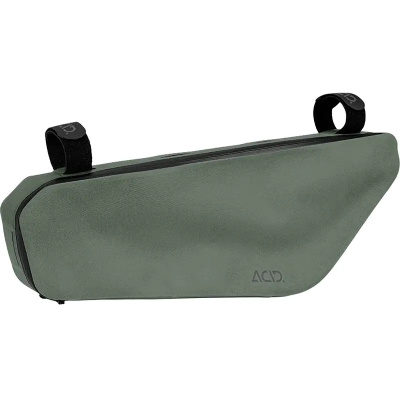
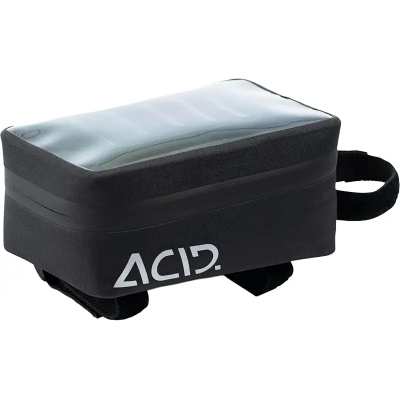
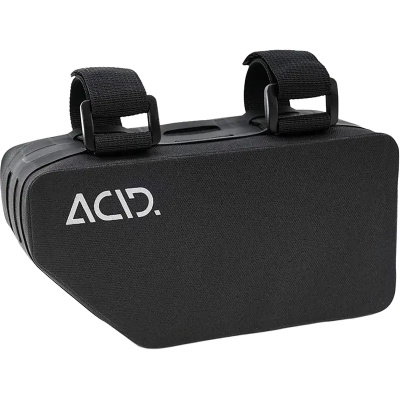
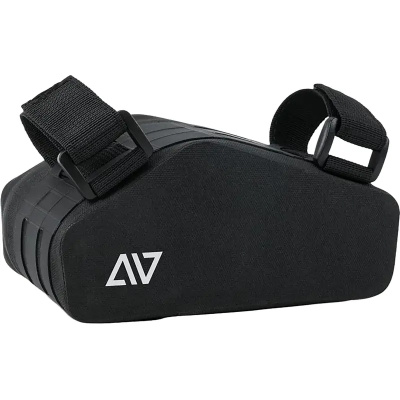
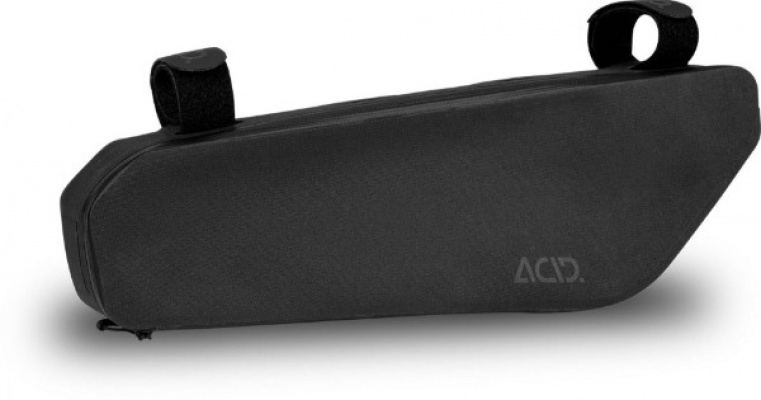
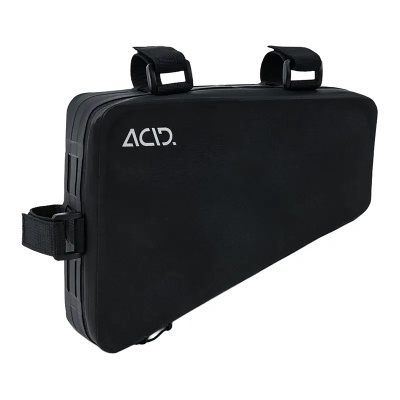
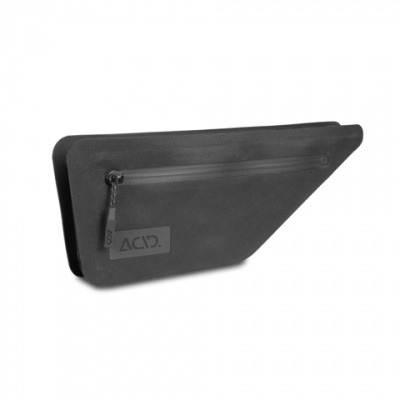
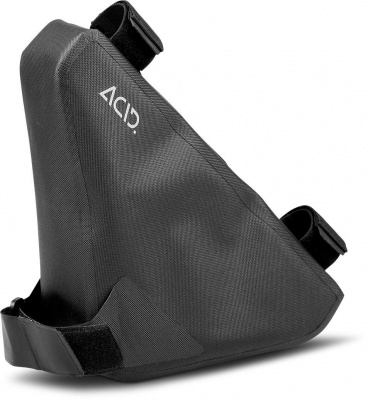
Acid Frame Bags turn the dead space inside your front triangle into genuinely useful, weatherproof storage - without upsetting your bike's handling or shifting the weight somewhere unhelpful. Designed by the accessory arm of Cube Bikes, Acid brings the same considered engineering to their bags as Cube applies to the frames they're designed to live on.
The range is built around three things that matter on a wet Welsh bridleway or a long Scottish gravel push: PVC-free construction that keeps weight and environmental impact down, high-frequency welded seams that laugh at wheel spray and persistent drizzle, and a MOLLE-style daisy-chain strap system that adapts around cable routing and frame geometry without forcing compromise. Gear stays low, centred, and dry.
Whether you're loading up for a multi-day Highlands route or just want a secure place to stash a rain jacket on the commute home, Acid's frame bags cover both ends of the use-case spectrum. Sizes run from compact half-frame options up to full triangle bags with genuine multi-day capacity. Need to complete the rig? Our Acid bar bags and Acid saddle bags collections are the natural next step.
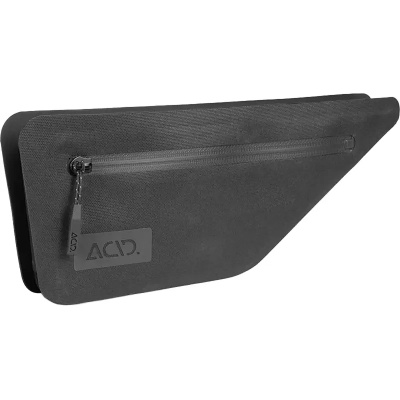
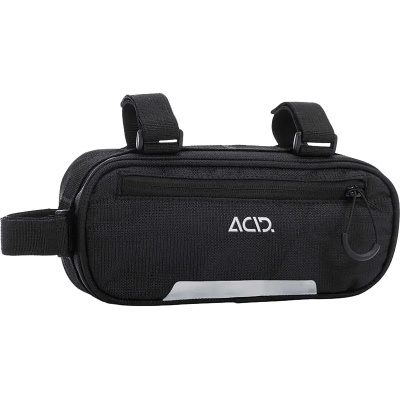
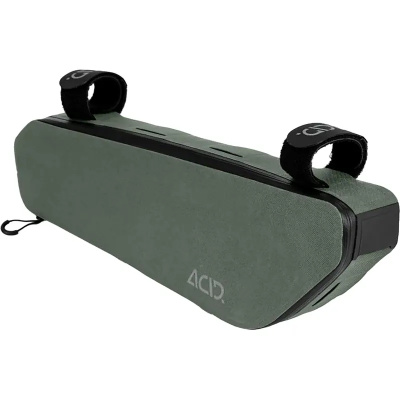
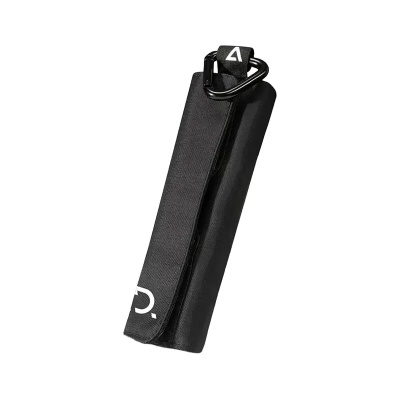
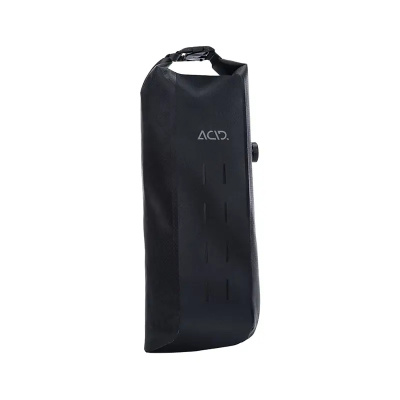
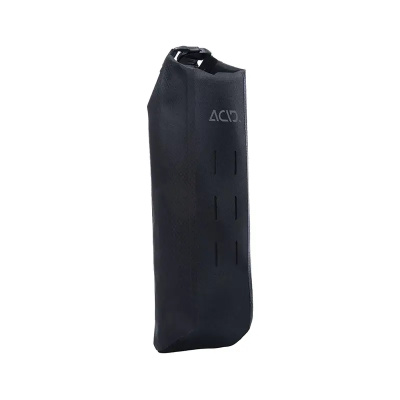
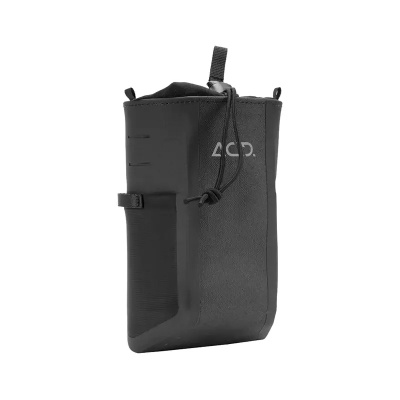
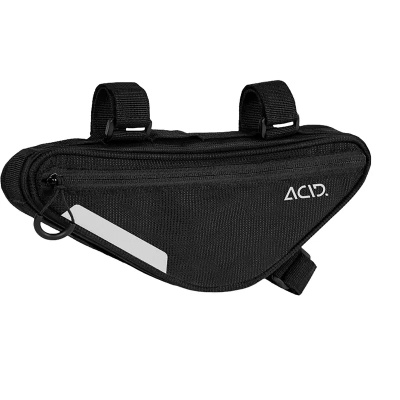
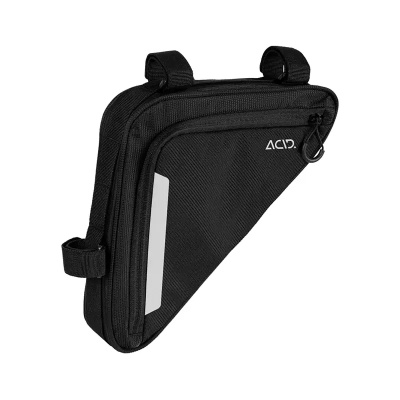
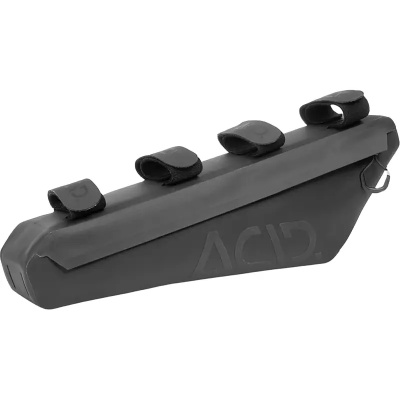
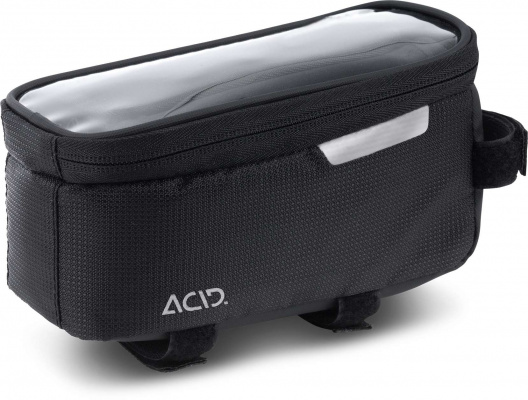
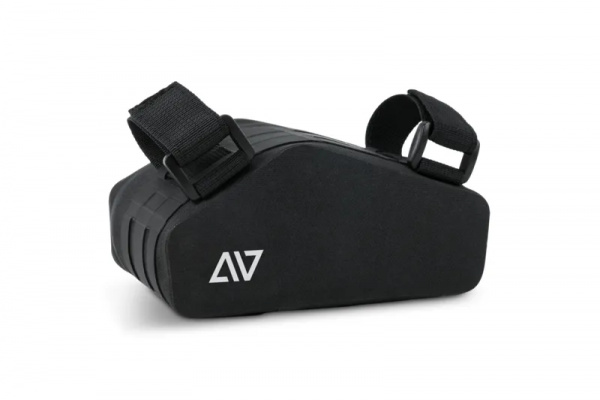
Prices and availability can change quickly. Delivery charges are not always included in listed prices.
Final price, stock status and delivery terms are set by retailer. We may receive a commission on purchases made.
Getting the Fit Right: Triangle Dimensions and Bottle Clearance
Measure before you buy - that's the one piece of advice worth repeating. Grab a flexible tape measure and record the internal length of your top tube, down tube, and seat tube. You're mapping the internal front triangle, and the numbers that matter are the longest straight run each tube offers before bends, cable stops, or bottle bosses interrupt things. Compare those against the specific length and depth figures Acid lists for each bag model; don't just go by frame size.
Half-frame bags - the kind that occupy the lower portion of the triangle - are where bottle clearance becomes a genuine decision rather than a footnote. A standard forward-facing cage will often foul the bag's body on medium or large frames. The fix is straightforward: switch to a side-entry bottle cage, which clears the bag body entirely and keeps hydration on the frame rather than banished to a backpack. It's a small change that makes a real difference on longer days.
Acid's daisy-chain strap mounting system is worth understanding properly. Rather than fixed strap positions, the MOLLE-style webbing lets you route straps around external cable runs - Di2 junction boxes, dropper remote cables, gear outers - rather than over them. On bikes with complex cable routing under the top tube, this adaptability is the difference between a bag that sits cleanly and one that creates pressure points or rubs. If you're comparing options, Apidura frame bags offer a similarly considered approach to strap placement, though Acid's integration with Cube geometry gives it a natural advantage on that platform.
Pack Pro Versus Standard: What the Range Actually Offers
Acid splits their frame bag range into two clear tiers, and the distinction is worth knowing before you pick.
The Pack Pro series is the one to reach for if you're riding through British winter or committing to multi-day routes. These use premium TPU-coated ripstop fabric with fully welded seams - no stitching, no needle holes, no hidden entry points for sustained rain or road spray. Waterproof zippers seal the main compartments completely. This is the tier that holds up when UK grit and standing water are part of every ride. Capacity in the Pro range typically runs from around 2L at the compact end up to 4L for full-triangle versions.
To put that in practical terms: a 2L bag comfortably takes a mini pump, a spare tube, energy bars, and a gilet. A 3L version adds enough room for a lightweight rain jacket or a small first-aid kit. Step up to 4L and you're into genuine overnight territory - tent poles, a compact sleeping bag liner, and your daily essentials can all fit if you pack with intent. An Acid mini pump tucks neatly into any of them.
Standard Acid frame bags use water-resistant coated fabrics with stitched construction. They handle light showers and the odd puddle splash without drama, and the lower price point makes them a reasonable call for fair-weather bikepacking or dry-season commuting. Push them into prolonged Welsh drizzle, though, and moisture will eventually find its way through the needle holes in the seams. For that kind of riding, the Pro tier earns its premium. If you're weighing the broader market, Ortlieb frame bags sit in a similar fully-waterproof bracket and are worth comparing on volume and mounting style. Altura frame bags offer a more budget-conscious entry point if the commute is genuinely your primary use case.
One honest trade-off across both tiers: Acid's bags are sized and shaped with Cube frame geometry in mind. They fit beautifully on Cube bikes, but riders on frames with unusual tube profiles or very compact front triangles should double-check internal dimensions carefully before ordering.
Protecting Your Frame in UK Conditions
Here's the thing nobody mentions until it's too late: the bag itself isn't the risk to your frame's finish - the grit trapped under the straps is. UK roads and trails serve up a grinding paste of road salt, limestone dust, and fine gravel through winter and wet seasons. That mixture gets caught between the bag's velcro straps and your frame, and every small movement of the bag works it against the paint or clear coat like sandpaper. On carbon frames, that's a finish issue; on alloy, it can eventually work through to bare metal.
The fix is simple and costs almost nothing. Before the bag goes on, apply strips of clear 3M protective film - helicopter tape - to every tube surface where a strap will contact the frame. Cover the top tube where the main body rests, the down tube strap points, and the seat tube anchor. The tape takes all the abrasion instead of your paint, peels off cleanly when you want to remove it, and is invisible under the bag. Do this before first fit, not after you've already noticed the wear.
Waterproof zippers - the sealed zips used on Pack Pro models - are brilliant until mud dries in the slider mechanism. A drop of silicone-based lubricant along the zip teeth every few rides keeps them moving smoothly and prevents the kind of seized-up frustration that arrives at exactly the wrong moment on a cold morning. Avoid petroleum-based products; they degrade the zip's waterproof coating over time. A quick wipe with a damp cloth after muddy rides, followed by the silicone treatment once dry, takes thirty seconds and extends the zip's working life considerably.
The abrasion-resistant base panels on Acid's Pro bags do handle frame contact well, and the PVC-free materials mean you're not dealing with plasticiser degradation in cold temperatures - a genuine issue with older PVC-based bags that go stiff and brittle in January. The welded seams also eliminate the wicking effect you sometimes get with stitched bags, where thread soaks up moisture and channels it inward. All sensible design for a country where proper dry days are the exception rather than the norm.
Acid Frame Bags FAQs
Are Acid frame bags fully waterproof?
Acid's Pack Pro frame bags are fully waterproof - PVC-free materials combined with high-frequency welded seams mean no needle holes for water to sneak through. Standard Acid frame bags are water-resistant and handle light showers well, but sustained heavy rain will eventually find its way past stitched seams. For UK winter riding or multi-day routes, the Pro tier is the right call.
How do I measure my bike for a frame bag?
Use a flexible tape measure to record the internal length of your top tube, down tube, and seat tube - working inside the front triangle. Note where cable stops, bottle bosses, or tube bends interrupt each run, as the usable straight length is what determines fit. Match those figures against the length and depth dimensions Acid lists for each specific bag model, and check bottle cage clearance if you're fitting a half-frame bag.
Will a frame bag scratch my bike's paint?
The bag itself is unlikely to cause damage, but grit trapped between the mounting straps and your frame absolutely will. UK road and trail debris acts as an abrasive under load. Apply clear 3M protective film (helicopter tape) to every tube surface where a strap contacts the frame before first fit - it absorbs the wear instead of your paint and removes cleanly when needed.